LP24 19-Pin Heavy-Duty Solder Connector
2. Solder terminals. Tight joints that don't back out when the equipment shakes.
3. IP68. Tested at 2 meters, 24 hours. Nineteen potential leak paths, one sealed plug.
4. Takes 0.5mm² (20 AWG) wire, 14mm outer diameter. Signal-class.
5. Metal thread handles the torque when a stiff 19-core cable gets cranked down hard.
6. Phase-to-phase insulation test on every batch. Nineteen poles hides faults well — we check before shipping.
7. Re-termination needs a soldering iron. For higher current, step down to our 2-pin or 3-pin LP24.
8.Part Number:LP-24-J19PE-01-001 LP-24-C19PP-01-001 LP-24-C19SX-01-101 LP-24-C19SX-01-401.
LP24 19-Pin Heavy-Duty Solder Connector – 5A Nineteen-Pole Connection with IP68 Sealing
Nineteen lines. One plug. The LP24 19-Pin Heavy-Duty Solder Connector packs 5A per contact at 250V into nineteen separate poles, sealed to IP68 and wired with solder terminals. That's the kind of density you only see on multi-axis control panels and instrumentation racks — where routing nineteen separate cables through two or three connectors eats up panel space nobody has.
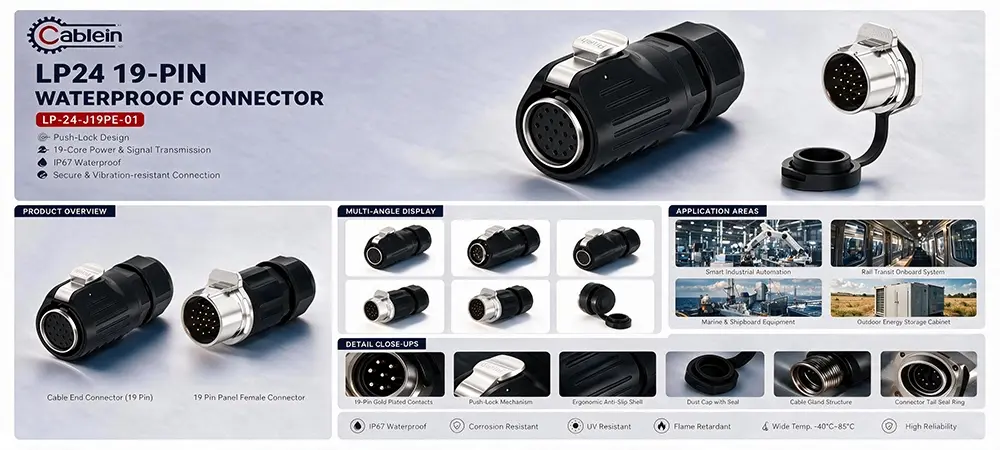
LP24 19-Pin Heavy-Duty Solder Connector – Built for High-Pin-Count Runs in Tight Panels
Nineteen poles is where connector count matters most. Two 10-pin shells take more panel space than one 19-pin. And every extra joint is another place a signal can go wrong. The LP24 19-Pin Heavy-Duty Solder Connector keeps it in a single shell — 0.5mm² (20 AWG) wire, 14mm outer diameter, metal thread on the coupling, plastic everywhere else.
The "heavy-duty" part isn't marketing. A 19-core cable is stiff, and whoever wires it in the field will crank the coupling hard to make sure it's seated. That's where the metal thread earns its keep. The plastic keeps the weight sane.
Sealed Where It Matters
IP68 at 2 meters for 24 hours. Nineteen poles means nineteen potential leak paths, so we run a phase-to-phase insulation test on every batch before it ships — not just a spot check. The silicone seal does the rest.
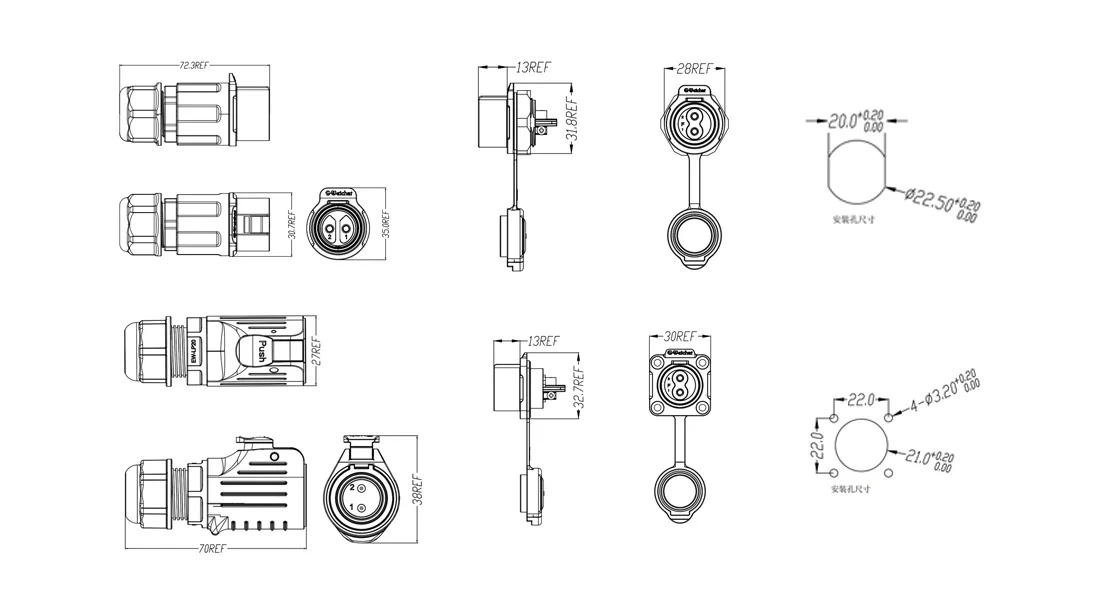
Technical Specifications at a Glance
|
Pin Count |
19-Pin |
Protection Rating |
IP68 (when mated) |
|
Rated Current |
5A |
Housing Material |
Zinc Alloy + Engineering Plastic |
|
Rated Voltage |
250V |
Contact Material |
Gold-plated Copper Alloy |
|
Withstand Voltage |
1000V AC |
Cable Range |
0.5mm² (20 AWG) |
|
Contact Resistance |
< 5.0 mΩ |
Cable O.D. |
Φ14mm |
|
Insulation Resistance |
≥ 500 MΩ |
Assembly Type |
Soldering |
|
Temperature Range |
-40℃ to +80℃ |
、
Where This 19-Pin Connector Actually Gets Used
Nineteen-line runs in dense panels. Multi-axis robot controllers. CNC machine tool wiring. Automated test equipment. Medical imaging racks. Flight simulator harnesses. Broadcasting control rooms. Anywhere nineteen separate lines have to reach one enclosure that gets wet — and that's where the LP24 19-Pin Heavy-Duty Solder Connector ends up.
Every batch gets a dielectric test, a waterproof check, and the phase-to-phase insulation test I mentioned. Nineteen poles is a lot of places for a fault to hide. Testing takes longer. Worth it.
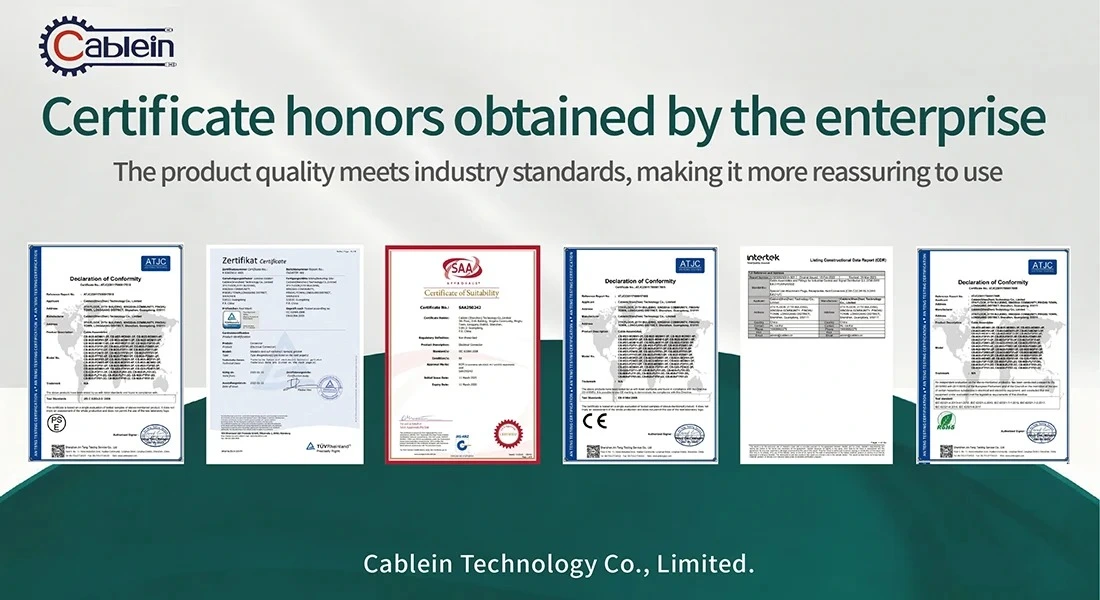
Quality Control and Certifications
The LP24 series carries TUV, CE, and RoHS. We run ISO9001:2015, so material sourcing is consistent and production records are traceable. And the quality system actually gets audited — not just claimed.
Quick Questions We Get Asked
Q: Is this for power or signal?
A: Signal. Nineteen poles at 5A is for control, data, and instrumentation. For higher current, step down to our 2-pin or 3-pin LP24.
Q: How do I keep nineteen lines straight?
A: Label every wire before you start. Use the keyway on the housing to orient the connector the same way every time. Nineteen poles is where mix-ups happen most — the phase-to-phase test won't catch a swap, only a short.
Q: What cable size does it take?
A: 0.5mm² (20 AWG) with a 14mm outer diameter. Signal-class wire.
Q: Can it stay submerged?
A: Yes. IP68 covers continuous immersion. We test at 2 meters for 24 hours.

Want to Know More?
For specs, custom pin counts, or samples of the LP24 19-Pin Heavy-Duty Solder Connector, email nick@cableinco.com. Tell us your signal layout — we'll confirm the build.