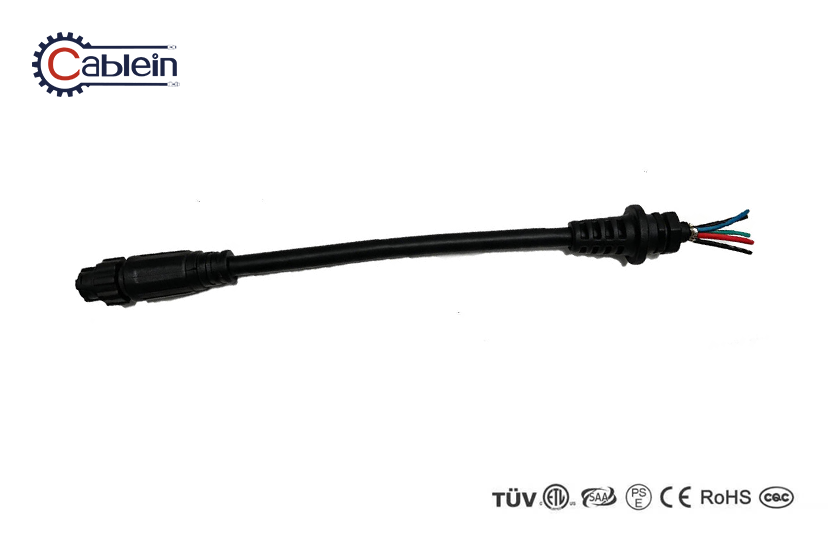
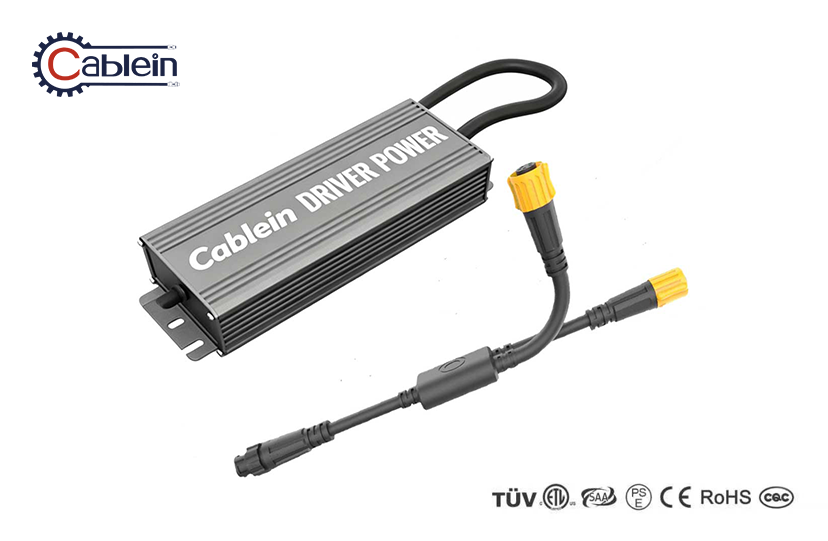
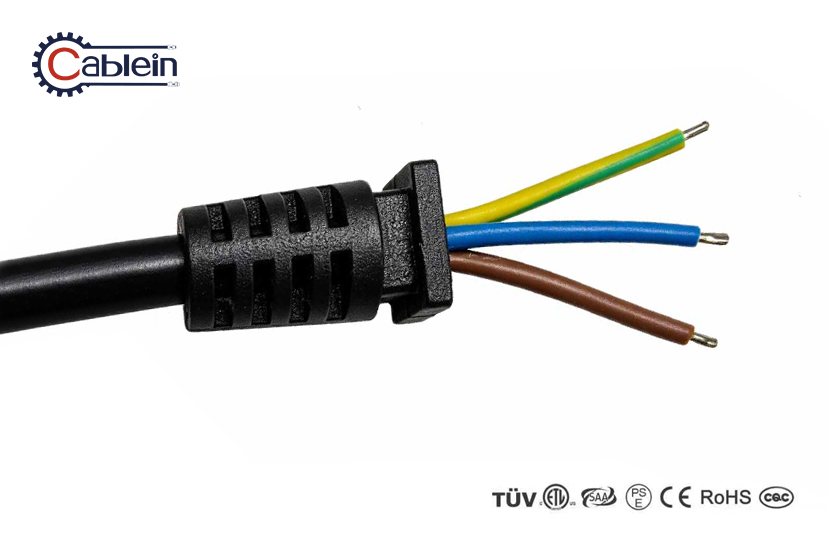
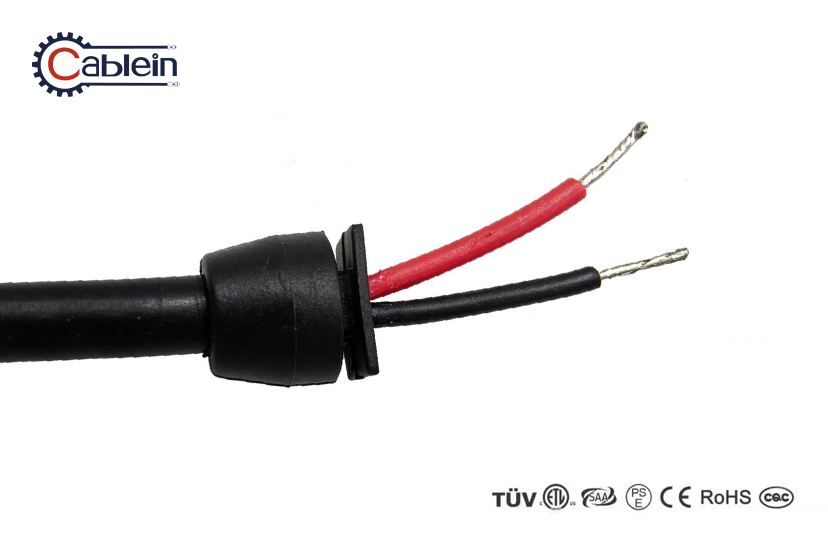
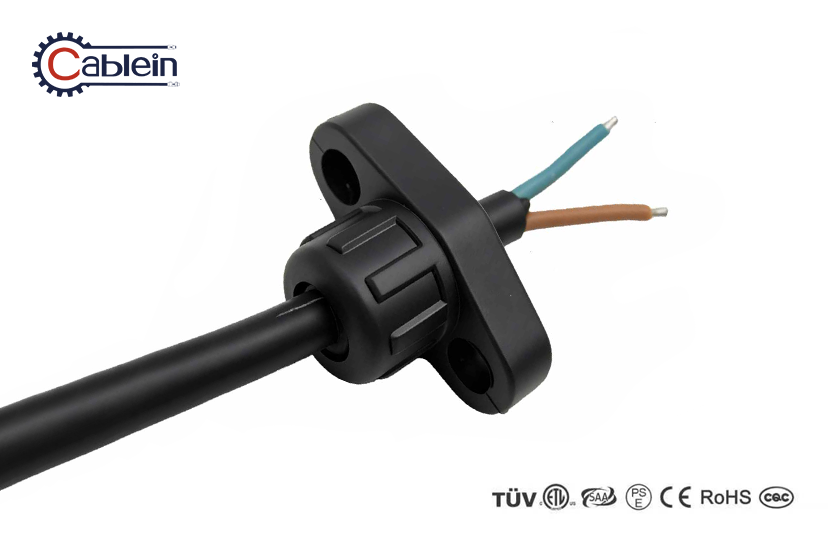
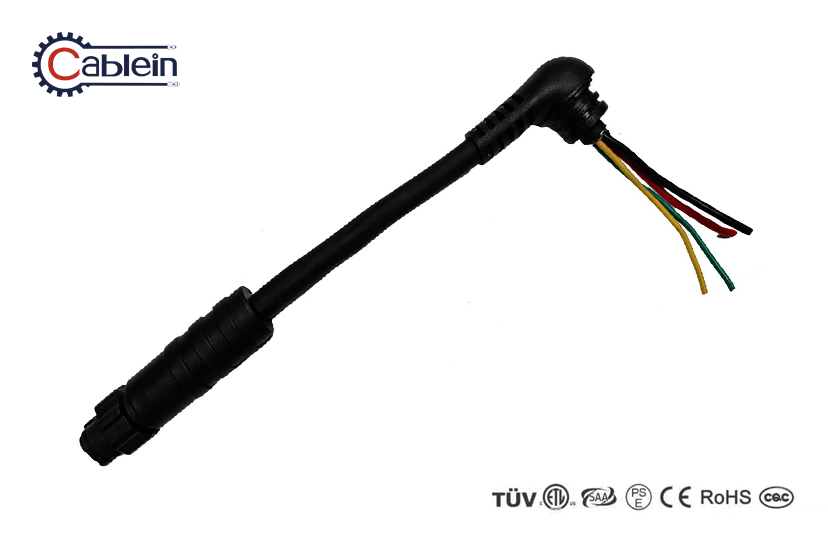
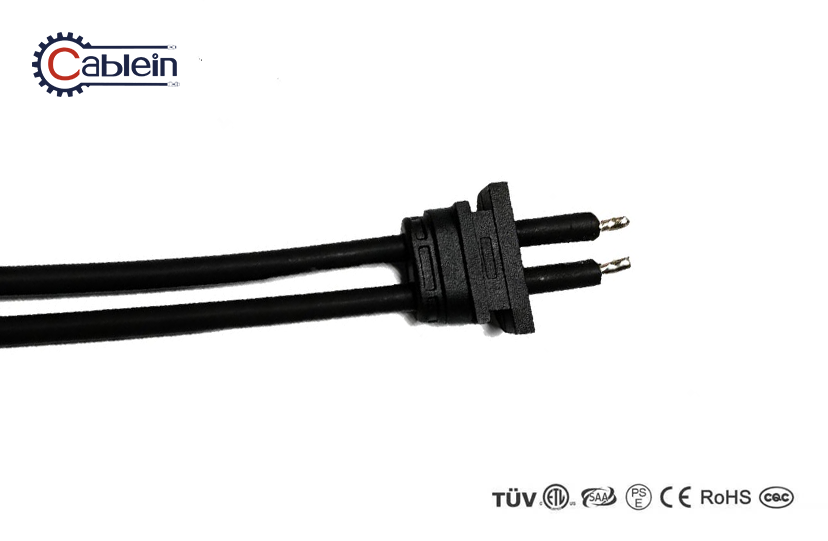
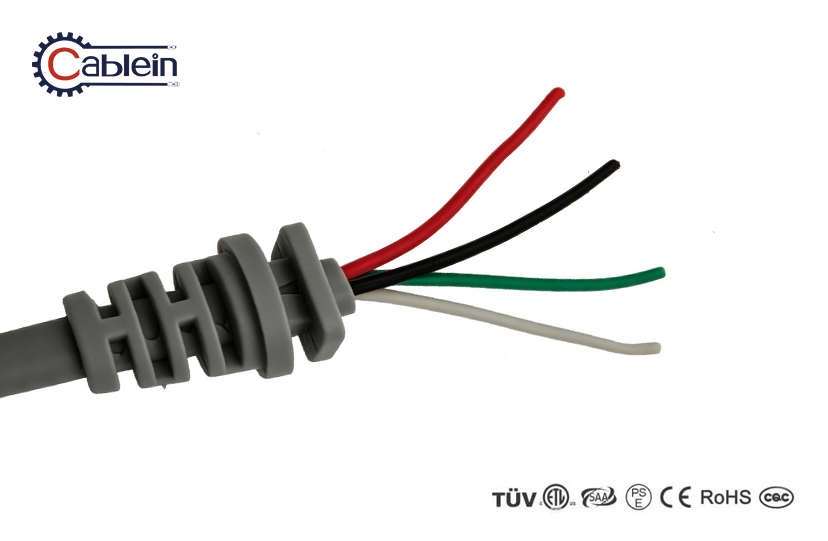
watertight strain relief
2. External threads mate with standard PG or metric panel nuts for universal compatibility.
3. A captive silicone O-ring compresses against the panel face, achieving IP67 and IP68 ratings.
4. Suitable for high-vibration environments like marine vessels, vehicles, or industrial pumps.
5. Operates from -40℃ to 150℃, with threads resisting galling and cross-threading.
6. The threaded design allows precise torque control for consistent sealing pressure.
7. TUV and CE certified, with production verified under ISO9001.
8. Customizable with different thread types (NPT, PG, metric), lengths, and sealing washer materials.
Watertight Strain Relief: Enterprise-Grade Cable Protection for Harsh Environments
When your equipment faces water, dust, and extreme vibration, standard cable entries fail. Cablein Technology's watertight strain relief delivers IP67 and IP68 protection through precision-engineered PA66 housings with integrated threaded nuts. Our captive silicone O-ring innovation compresses consistently against board surfaces, blocking dampness entrance whereas disseminating pull-out powers absent from terminal squares. Working dependably from -40℃ to 150℃, each unit experiences ISO9001-verified testing and highlights customizable string sorts (PG, metric, NPT) with UL94 V-0 combustibility evaluations. With steady stock surpassing 10,000 pieces per SKU and 7–10 day conveyance, Cablein guarantees your basic frameworks remain associated in marine, mechanical, and renewable vitality applications.
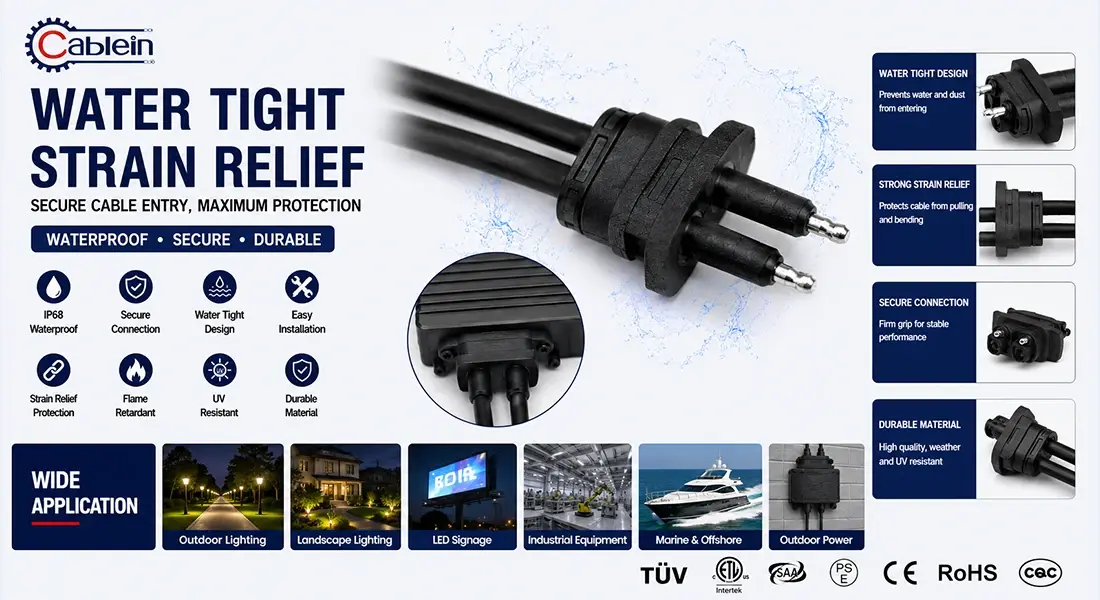
Why Your System Needs Industrial-Grade Cable Entry Protection
You know what happens when dampness comes to your control board. Erosion begins inside hours. Associations come up short amid basic operations. Repair costs multiply.
Standard cable organs can't handle real-world push. They extricate beneath vibration. Their seals split in temperature extremes. Water finds its way through eventually.
That's where built cable section arrangements make the contrast. They make a mechanical seal that really endures. They grasp cables solidly without harming coats. And they keep up security year after year.
Think about your toughest installation environments:
- Outdoor enclosures exposed to rain and dust storms
- Mobile equipment subjected to constant vibration
- Chemical processing areas with aggressive washdown procedures
- Solar arrays cycling between freezing nights and scorching days
Each scenario demands a cable entry system that won't compromise. Your equipment reliability depends on it.
Technical Design Features That Deliver Real Protection
Integrated Threaded Mounting System
The PA66 housing features a molded-in threaded nut. This isn't a separate component that can loosen. It's part of the structure.
You thread it through your panel opening. Mate it with a standard locknut. Apply proper torque. The assembly stays secure through vibration that would shake loose conventional fittings.
This matters in vehicles, marine vessels, and industrial pumps where constant movement is reality.
Compression Seal Technology
A captive silicone O-ring sits in a precision groove. When you tighten the assembly, it compresses evenly against your panel surface.
This creates the IP68 barrier. Water pressure actually improves the seal rather than forcing it open.
The silicone material maintains elasticity across the full temperature range. It won't harden in cold or soften in heat. Your seal integrity remains constant from -40℃ to 150℃.
Universal Compatibility Options
You're not locked into one thread standard. Choose from:
- PG threads for European equipment
- Metric threads for international machinery
- NPT threads for North American installations
Cable diameter accommodation ranges from 3mm to 18mm depending on model selection. Custom sizing is available for unique applications.
Material Engineering for Durability
PA66 nylon provides the structural strength. It resists impact. It won't crack from overtightening. UV stabilizers prevent degradation in outdoor exposure.
For flexible applications, TPU and PVC grades offer bend tolerance while maintaining the seal.
NBR sealing washers handle oil-contaminated environments. Silicone versions excel in high-temperature scenarios.
The UL94 V-0 flammability rating means the material self-extinguishes within 10 seconds. Critical for electrical enclosure safety.
How to Select the Right Configuration
Thread Type Match
Check your panel or enclosure specifications first. Mixing thread standards causes cross-threading and seal failure.
If you're working with imported equipment, PG threads are common. Domestic machinery often uses NPT. Modern designs frequently specify metric.
Temperature Requirements
Standard configurations handle -40℃ to +105℃. Most installations fall within this range.
Need higher temperature resistance? Specify silicone seals and high-grade PA66. This extends upper limits to 150℃ for applications near heat sources.
Chemical Exposure Considerations
Water and dust protection is standard. But what else contacts the cable entry?
Hydraulic fluids require NBR seals. Salt spray in marine environments demands corrosion-resistant hardware. Cleaning solvents may need specialized TPU formulations.
Share your environmental conditions. We'll recommend the right material combination.
Installation Space Constraints
Panel mounting requires access to both sides for the locknut. Measure your clearance behind the panel.
Thread length options accommodate panels from 1mm to 6mm thickness. Longer threads available for specialty applications.
Proper Installation for Maximum Performance
Panel Preparation
Your mounting hole diameter must match specifications. Too large and the threads won't engage properly. Too small and you'll force cross-threading.
Clean the panel surface around the opening. Remove paint, scale, or debris where the O-ring will seat. Even small particles compromise the seal.
Assembly Sequence
Insert the watertight strain relief through the panel from the inside. Position the cable through the center opening before mounting.
Thread the locknut onto the exterior threads. Tighten gradually while checking alignment. The O-ring should compress evenly around the entire circumference.
Use appropriate torque. Overtightening can deform the seal groove. Under-tightening leaves gaps for moisture.
Cable Preparation
Strip the outer jacket only as far as necessary for your termination. Excess exposed conductor increases water wicking risk.
The cable should pass through the center opening with slight compression. Not so tight that it deforms the jacket, but snug enough to prevent pull-through.
Verification Steps
After installation, perform these checks:
- Visual inspection of O-ring compression
- Gentle pull test on the cable
- Thread engagement confirmation (minimum 3 full threads)
- Panel contact verification around full circumference
For critical applications, pressure testing validates proper installation before equipment deployment.
Common Applications Across Industries
LED Lighting Systems
Outdoor fixtures face rain, snow, and temperature cycling. Cable entry points are vulnerability zones.
These strain relief systems protect the connection between drivers and fixtures. They maintain IP ratings that manufacturers specify for warranty compliance.
Stadium lighting, street lights, and architectural installations depend on this protection for multi-year service life.
Renewable Energy Equipment
Solar combiner boxes sit in direct sun for decades. Cable entries must survive UV exposure and extreme thermal cycling.
Wind turbine control systems experience constant vibration and moisture from clouds. The threaded mounting design prevents loosening that would compromise seals.
Battery energy storage systems require reliable protection in both indoor and outdoor configurations.
Industrial Automation
Factory floors subject equipment to dust, metal particles, and cleaning solutions. Standard openings become contamination pathways.
Proper watertight strain relief implementation keeps particulates away from sensitive electronics. This reduces maintenance intervals and unexpected downtime.
Food processing environments with IP69K washdown requirements particularly benefit from the compression seal design.
Marine and Underwater Applications
Saltwater is relentless. It finds every unsealed gap. It corrodes connections in days.
Sonar systems, underwater lighting, and marine instrumentation require cable protection that handles full immersion. The IP68 rating isn't marketing language here—it's operational necessity.
Proper material selection (silicone seals, corrosion-resistant hardware) extends service intervals between maintenance cycles.
Quality Standards You Can Verify
International Certifications
Cablein products carry CE, RoHS, TUV, and ETL certifications. These aren't purchased badges. They represent third-party testing verification.
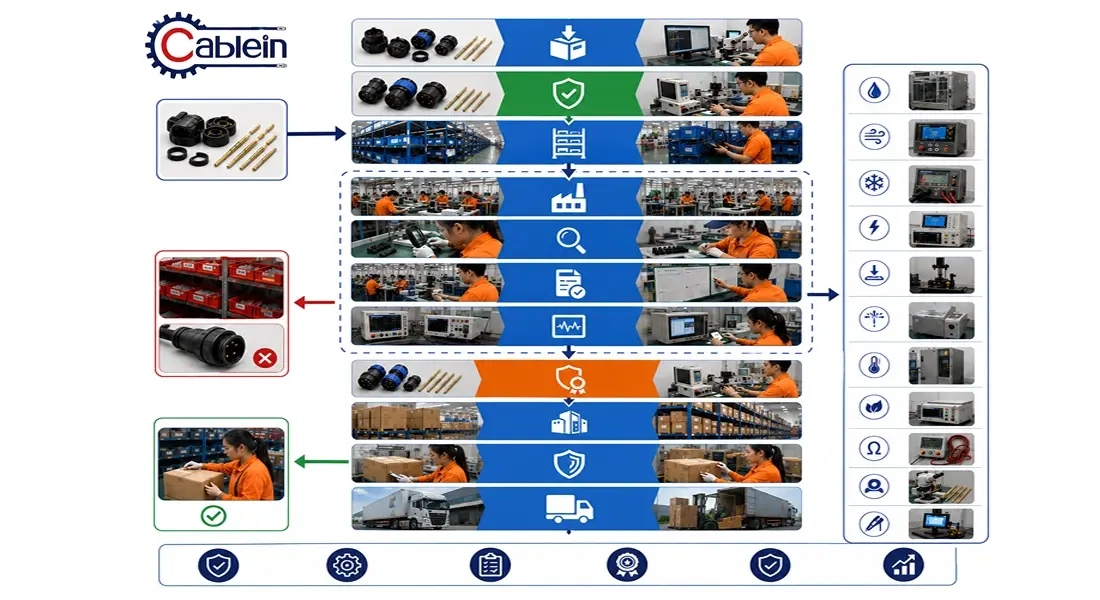
ISO9001:2015 certification covers our production processes. Every unit undergoes inspection before shipping.
You receive documentation with your order. Use it for your own compliance requirements and customer audits.
Testing Protocols
Each product line completes:
- IPX8 submersion testing at specified depths and durations
- Tensile pull-force measurement to verify mechanical grip
- Thermal cycling through the rated temperature range
- Salt spray resistance per ASTM B117 for marine applications
We don't just meet minimums. Our testing simulates real-world conditions your installations will face.
Manufacturing Consistency
With production volumes exceeding 10,000 pieces per item in inventory, consistency matters. Our 6,000 ㎡ facility uses automated processes where precision matters and skilled operators where judgment is required.
Batch traceability lets us track materials and production dates. If you ever need verification, we have the records.
Frequently Asked Questions
Q: What's the real distinction between IP67 and IP68 ratings?
A: IP67 secures against brief immersion—30 minutes at 1 meter profundity. IP68 handles ceaseless submersion at manufacturer-specified profundities, regularly 1 to 3 meters for standard models. For lasting submerged establishments, indicate IP68. For open air walled in areas that might see brief flooding, IP67 suffices.
Q: Can I utilize these with cables that have bizarre diameters?
A: Standard models suit common cable sizes. For specialized applications with curiously large or undersized cables, we offer custom tooling. The compression fit must coordinate your particular cable OD to keep up the seal. Share your cable specifications—we'll affirm compatibility or prescribe customization.
Q: How do I anticipate dampness from traveling interior the cable itself?
A: That's called "wicking"—water relocating through discuss crevices between conductor strands. Our item makes outside cable compression that pieces passage focuses. For extra assurance in basic applications, consider heat-shrink fixing at the cable end point or indicate cables with water-blocking compounds.
Q: Will the compression harm my cable jacket?
A: Appropriately introduced units disperse weight equally around the cable circumference. Our plan parameters account for standard cable coat materials. Amid establishment, you'll feel firm resistance without over the top constrain. If establishment requires pounding or extraordinary torque, the cable distance across doesn't coordinate the strain alleviation specification.
Q: What materials work best for oil-exposed environments?
A: NBR (Nitrile Butadiene Elastic) seals stand up to petroleum-based oils and oils way better than standard silicone. For pressure driven frameworks, portable gear, or apparatus with oil-mist situations, indicate NBR. For high-temperature applications without oil introduction, silicone offers superior warm performance.
Q: How frequently ought to I assess or supplant these components?
A: In steady indoor situations with negligible vibration, yearly visual review suffices. Open air and marine establishments advantage from semi-annual checks. See for O-ring splitting, string erosion, or cable coat harm. Substitution regularly gets to be vital as it were after physical harm or when overhauling gear. The materials are outlined for multi-year benefit life.
Get the Right Solution for Your Application
Need technical specifications before specifying? Want to confirm compatibility with your specific equipment? Ready to request watertight strain relief samples for testing in your actual conditions?
Contact our technical team at nick@cableinco.com to discuss your cable protection requirements and receive detailed documentation.