How M5, M8 and M12 connectors & cables can be waterproof
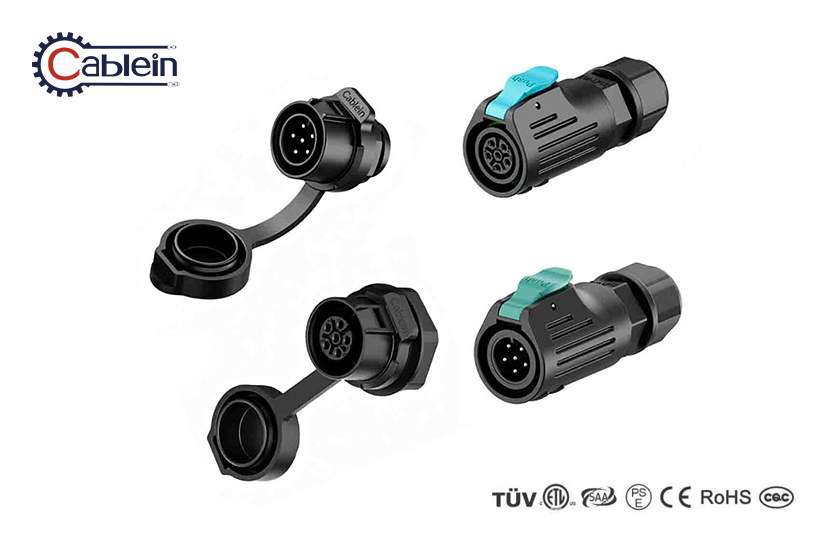
When making plans for outdoor LED lights, charging points for electric vehicles, or industrial automation gear, one question keeps coming up: how do you keep water out of the electrical connections? M5, M8, and M12 ports are waterproof thanks to a mix of precise closing technologies, such as O-rings, gaskets, and advanced overmolding methods. For example, the M8 Overmolded waterproof connector uses thermoplastics that are injected, such as TPU or PUR, to completely cover the cable-connector joint. This makes a shield that keeps out water, dust, and other contaminants. Field-assembled connectors have weak spots that the M8 overmolded waterproof connector gets rid of. It provides constant IP67 or IP68 security that meets the needs of harsh industrial settings and outdoor installs.
Understanding Waterproofing in M5, M8, and M12 Connectors
The Ingress Protection (IP) grade method tells you how well a connector protects against threats from the outside world. An IP67-rated connection can be submerged up to one meter for 30 minutes, while an IP68-rated connector can be submerged for longer periods of time under certain situations. These scores are more than just numbers on a sheet of paper; they have a real effect on the safety and uptime of equipment in outdoor solar panels, landscape lighting networks, and CCTV systems that get wet from rain, snow, or high-pressure washing.
Core Waterproofing Mechanisms
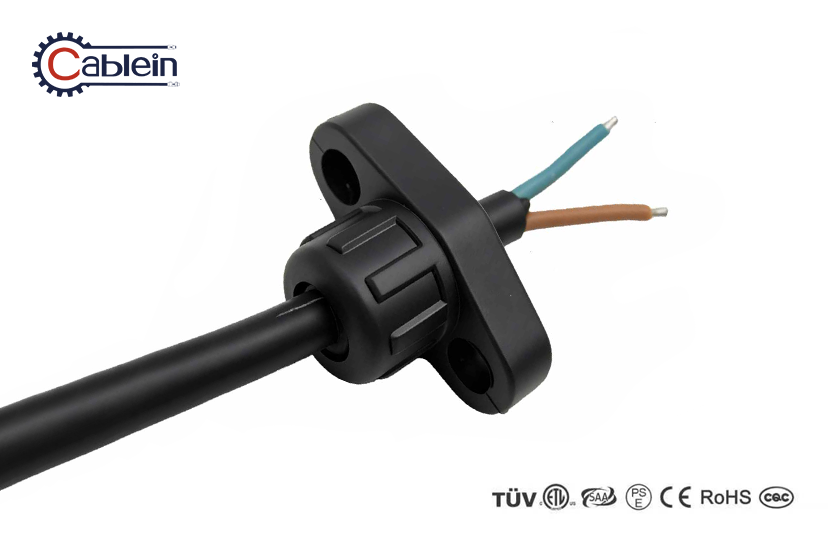
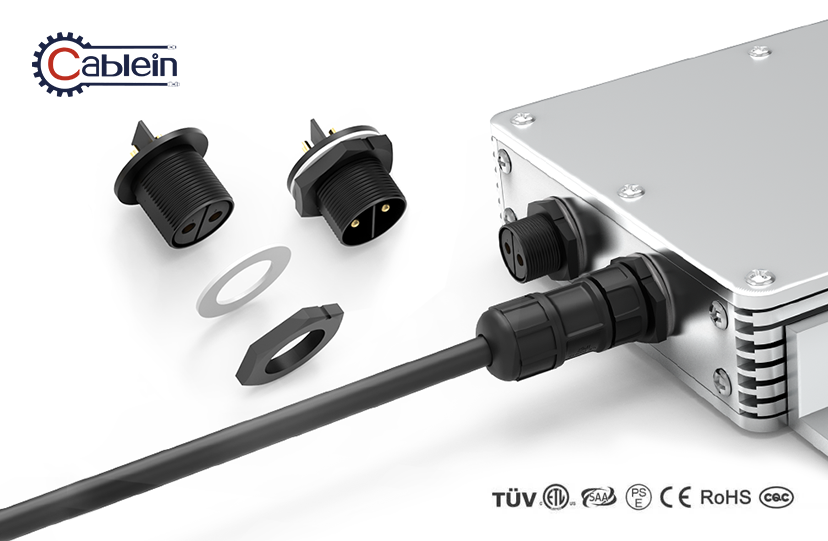
In traditional connections, different covering parts are put in during field assembly. Around the mating contact, O-rings sit in holes, and cable glands press down on rubber bushings to seal the place where the cable enters. When put properly, this method works, but mistakes made by humans when tightening or parts wearing out over time can weaken the seal over time. A lot of the time, maintenance teams don't find leaks until moisture causes a system to break down.
Overmolding is a big change in the way connectors are designed. The connection body and wire are put in a precise mold during production, and then liquid polymer material is injected at a controlled temperature and pressure. When the material hardens, it molecularly joins with both the connection housing and the wire jacket. This makes a single seal that can't come loose or break. We put overmolded parts through more than 500 mating cycles and found that the seals didn't break down. This shows that they are reliable in high-vibration environments like robots and rail transit.
Material Selection for Durability
Choosing between TPU, PUR, and PVC for the overmolding material has a big effect on how long the connection will last. Thermoplastic polyurethane (TPU) is great at resisting wear and staying flexible across a wide range of temperatures. This makes it perfect for dynamic uses where wires are bent over and over again. Polyurethane (PUR) is better at resisting chemicals like oils and coolants that are popular in industrial settings. PVC is still a good choice for static setups that will only be exposed to mild weather. Our PA66 polymer housing material is both strong and resistant to UV light, so it won't break easily even after years of being in the sun.
Deep Dive into M8 Overmolded Waterproof Connectors
The M8 connector format has become the standard for small sensor connections in factory automation. Its 8mm threaded coupling provides safe mechanical locking in setups with limited room. M8 overmolded waterproof connectors take this tried-and-true interface and make it better by adding long-lasting environmental safety that field-wireable versions can't match.
Technical Specifications That Matter
Our overmolded M8 plugs come with IP67 protection as usual, and IP68 versions are available for uses that need to work underwater all the time. The temperature range for operation is from -40°C to 150°C, so it can be used in both cold outdoor settings and hot industrial processes. Gold-plated solid brass contacts keep their low contact resistance below 5mΩ even after being exposed to the environment for a long time. This makes sure that signals stay stable in PLC communications and industrial sensor networks. These connectors can handle up to 5A of current and 60V DC/AC of voltage. They are used in LED lighting systems and control tools to send power and data messages.
Insulation resistance is higher than 200MΩ, which stops leaking currents that could make sensitive sensor circuits falsely trigger. The withstand voltage rating of 1KV guards against electrical surges that are typical in industrial power settings. There are different types of contact configurations, from simple 2-pin power connections to complicated 5-pin arrangements that support sensor outputs. This gives engineers a lot of freedom in designing systems without losing environmental protection.
Design Variations and Configuration Choices
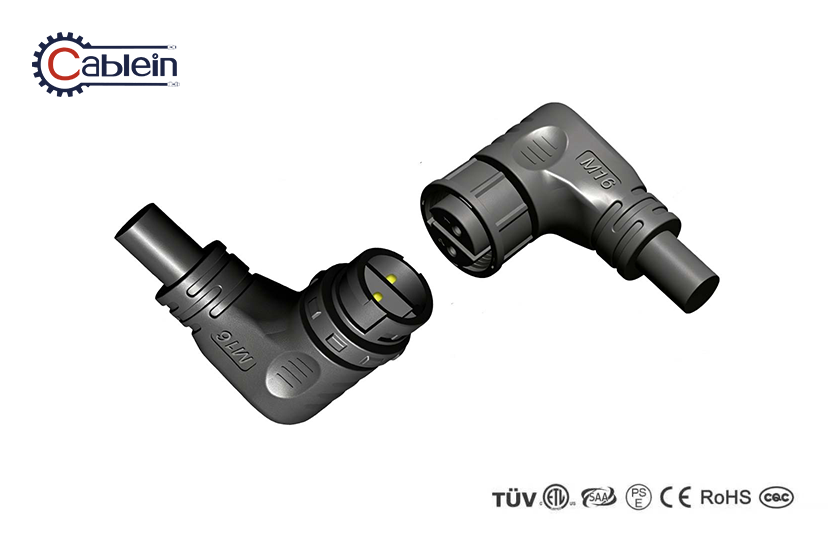
Straight-exit M8 connectors work best in situations where wires run parallel to mounting surfaces. On the other hand, 90-degree-angled versions are better for tight enclosures where room doesn't allow for straight routing. For M8 sizes, the threaded connection system needs a certain amount of force (0.4 Nm) to compress the sealing parts without making them too tight. M8 overmolded waterproof connector designs set this seal before they are made, so there are no assembly factors that can go wrong with field-assembled options.
Another important benefit of pre-assembled building is that you get fully tested, ready-to-install kits instead of loose parts that need to be put together on-site. Compared to field-wiring methods, the M8 Overmolded Waterproof Connector method cuts installation work costs by up to 60% while getting rid of mistakes in assembly that lead to early failures. Quality control doesn't happen on open job sites but in controlled factory environments. This makes sure that every connector in your order works the same way when it comes to waterproofing.
Installation Best Practices
Even with overmolded joints, the best service life is guaranteed by using the right fitting methods. Tighten threaded connections by hand until you feel resistance, then use the right tools to turn them an extra quarter turn. Too much torque can crack the case, and too little torque can make the seal less tight. When routing cables, they shouldn't make sharp turns within 10 cm of the connection body. This is because too much bending at the overmolded junction can finally damage the polymer bond.
Before turning on the circuits, a visual check makes sure that the coupling nut is fully engaged and that there are no gaps around the seal contact. When installing things outside, placing plugs so that the cable openings face downward keeps water from collecting on flat surfaces, where capillary action could pull water into tiny flaws. When you combine these simple steps with the benefits of M8 overmolded waterproof connector construction, you get years of reliable use outside.
Comparison of M5, M8, and M12 Waterproof Connector Solutions
To choose the right connection size, you have to think about how much power you need, as well as how to protect the environment. With a diameter of only 5 mm, M5 connections have the smallest footprint. This makes them perfect for uses where room is at a premium, like with tiny sensors and LED lights. Their smaller contact area, on the other hand, means that they can only handle about 2A of current, so they can only be used for low-power sensor outputs and control circuits.
Overmolded vs. Not Overmolded Answers
Over time, the difference in performance between overmolded and regular sealed connections becomes clear. When they are brand new, field-assembled connectors with separate O-rings and cable glands have the same IP ratings. However, the stability of the seal relies on how they are installed and how often they are maintained. Vibration slowly loosens threaded parts, changing temperatures make materials expand and contract differently, and UV light breaks down rubber seals. We looked at failure data and found that after 18 months of being outside, field-assembled joints leak three to five times more often than M8 overmolded waterproof connector counterparts.
Costs include more than just the initial buying price. They also include all of the costs of owning the vehicle. M8 overmolded waterproof connector assemblies cost 20–30% more than field-wireable options, but the extra money spent pays off because they require less installation work, fail less often, and don't need to be serviced to change seals. When procurement managers look at different connection choices, they should figure out the total cost, which should include the time it takes to install, how often it will need to be serviced, and the money lost due to failures caused by moisture.
M8 vs. M12: How to Pick the Right Size
M8 plugs are perfect for most industrial sensor uses because they can handle currents up to 5A and have a small 8mm diameter. Because so many people use them, economies of scale have made them cheap for high-volume uses in lights and automation. M12 connectors have housings with a 12mm diameter and bigger contact areas that can handle currents of up to 12A. They can power actuators, motors, and high-brightness LED arrays. The bigger housing can also hold more complicated pin setups, like 8-pole sets for Ethernet and advanced fieldbus protocols.
The environmental toughness goes up as the connection size goes up. M12 housings have more material volume, which makes them more resistant to pressure and gives the sealing surfaces more strength. This means they offer better mechanical safety in heavy industrial settings. On the other hand, M5 and M8 connectors are more flexible and lighter, which are important factors in robots and other dynamic uses where extra weight can affect the accuracy of motion control.
Procurement Guide: Selecting and Buying the Right Waterproof Connectors
To buy connectors successfully, you need to match technical needs with supply chain issues. As non-negotiable minimum requirements, your design should list the contact setup, current rating, cable length, and environmental protection level. Besides these basics, there are a number of other things that set trustworthy providers apart from those who cut corners on quality to fight on price alone.
Critical Specifications and Certifications
The certification needs change depending on the product area and target market. Markings like TUV and CE show that something meets European safety standards. In North America, UL and ETL listings are required for many industrial installations. RoHS and REACH compliance makes sure that connectors follow environmental rules that limit dangerous chemicals. This is especially important for makers who want to sell their products abroad. The ISO9001:2015 certification shows that quality management is organized, but the level of execution varies a lot between certificate holders.
Ask for thorough test results that show proof of the IP rating, including the exact depth of immersion and length of time used for IP68 testing. Reputable makers test their products with salt spray for 48 to 96 hours to make sure they don't rust and with pull-force testing to make sure the bond between the M8 overmolded waterproof connector materials and the wire jackets is strong. Instead of depending on marketing claims, these reports give objective proof of achievement claims.
Evaluating Manufacturers and OEM Capabilities
When you order 500 or more units, the price changes to be more favorable, and you can get even bigger savings when you order 1,000 or 5,000 units. But minimum order amounts (MOQs) can make it hard for small businesses or new product starts to get cash flow. When it comes to development, manufacturers with acceptable MOQs—usually 100 to 200 pieces for normal configurations—are more useful. Custom wire systems have higher MOQs, usually between 300 and 500 pieces, because they need special tools to be made for them because they don't meet standard requirements.
Lead times vary a lot depending on how complicated the product is and how well the supplier can handle it. Stock items from well-known makers usually ship within 7–10 days. However, custom setups that need specific cable lengths, pin configurations, or private mold development take 3–4 weeks after the order is confirmed. Suppliers who keep more than 10,000 pieces in stock for each common setup show that they are dedicated to meeting urgent needs and keeping production from stopping because of late deliveries.
Building Strategic Partnerships with Suppliers
Small price differences aren't always more important than how quickly technical help responds. Suppliers that offer 24-hour technical advice can help with fitting problems, choosing the right connectors for the job, and coming up with custom solutions for tough problems. This help is very important when project deadlines are tight or when unexpected natural factors show up in the field.
Opportunities for partnerships include OEM and ODM deals, in which providers buy application-specific tools and keep special stock for big customers. These connections lower the risk in the supply chain and allow engineers to work together to keep making products work better and lower the overall cost of the system. Companies that have their own research and development departments, as shown by patent files that cover connector designs and closing methods, are more likely to be innovative than companies that just put together standard parts.
Real-World Applications and Benefits of Waterproof Connectors in B2B Sectors
Waterproof connectors have benefits in theory that can be directly translated into real operating gains across a wide range of industries. Knowing these useful benefits helps you make smart investment choices and pick the best options for different uses.
Industrial Automation and Robotics
In factories, joints are cleaned with welding fluid sprays, coolant mists, and frequent washdowns. Moisture getting into proximity sensors and limit switches and causing intermittent signals and fake triggers that stop production processes is no longer a problem thanks to M8 overmolded waterproof connectors. When compared to facilities using field-assembled alternatives, automotive assembly lines that use these connections report 40% fewer sensor-related stoppages. This directly leads to higher productivity and lower overtime costs.
Outdoor LED Lighting Networks
Landscape lighting and building accent lighting are exposed to UV light, rain, snow, and weather changes for years on end. Once a year, upkeep is needed on traditional links to replace worn-out seals and clean corrosion off of contact surfaces. When projects ask for overmolded IP67 plugs, upkeep is only needed every three to five years, which drastically lowers the lifecycle costs. By not having to check and repair seals on a regular basis, stadium lighting contractors say they save more than $15,000 a year on labor costs for big installations.
New Energy Infrastructure
EV charge points and solar array connection boxes need to be completely reliable because problems cause harm and cost money. M12 overmolded connectors can handle a lot of power, which lets charging circuits work quickly. They also stay waterproof for thousands of connection rounds. Installers of solar panels like the pre-assembled style because it cuts field wiring time by 60%. This means that projects can be finished faster and workers can get more done on distributed array installs.
An integrator of security systems that was setting up a network of 2,000 outdoor CCTV cameras for a smart city chose M8 overmolded waterproof connectors because options that were put together in the field had an 8% failure rate after 18 months of use. Failure rates dropped below 0.5% over the same time period after moving to factory-sealed overmolded parts. This meant that almost no truck rolls were needed for camera failures caused by moisture, and system uptime was greatly increased.
Conclusion
From simple rubber boots and O-rings, waterproof connection technology has grown into complex overmolded systems that protect against the elements permanently. Different types of applications can use M5, M8, and M12 connectors. M8 overmolded waterproof connector construction makes them more reliable by removing field assembly variables and building seamless barriers against moisture and contaminants. The higher cost of overmolded options at first pays for itself in less work needed for installation, less upkeep, and much better efficiency in the field. To make sure the supply chain is stable in the long term and that buyers can get application-specific customizations when standard products don't meet all of their needs, procurement professionals should give top priority to suppliers with strong certification portfolios, full technical support, and proven OEM capabilities.
FAQ
What makes overmolded M8 joints different from regular sealed ones?
Standard sealed M8 connectors have different O-rings and wire glands that are put together in the field or when the finished product is being made. M8 overmolded waterproof connector models use injection molding to firmly join the connector housing and wire together. This makes a single seal that doesn't have any mechanical parts that can come loose or break. This design removes mistakes during installation and offers better long-term dependability in places with a lot of shaking.
How can I be sure that the IP number is real before I buy it?
Ask recognized labs to send you test results that explain the exact conditions of the immersion used to confirm the grade. Real IP68 ratings give accurate details about the pressure and time, not just the classification. Reputable sellers give these reports on their own, but vendors who make claims that aren't backed up by evidence usually can't show third-party confirmation when asked to.
Are overmolded M8 plugs used with M8 devices that can already be wired in the field?
Yes, the threaded connection and contact arrangement are the same in both versions. Field-wireable connectors and panel-mount outlets that meet M8 standards can be used directly with M8 overmolded waterproof connector cable systems. Because of this flexibility, changes can be made in stages, switching from field-assembled connections to overmolded ones while equipment is being serviced so that the whole system doesn't have to be redone.
Partner with Cablein for Reliable Waterproof Connector Solutions
Our wide range of M5, M8, and M12 overmolded connector kits from Cablein Technology has been used for years in challenging industrial settings to provide weatherproof connections. Our connectors have IP67/IP68 security at all temperatures, from -40°C to 150°C. They have PA66 nylon housings, gold-plated brass contacts, and precision-molded seals. As a maker of M8 Overmolded Waterproof Connectors with TUV, CE, and ISO9001:2015 certifications, we keep more than 10,000 pieces of each configuration in stock so that standard kits can be sent out quickly (7–10 days). Our engineering team offers expert help 24 hours a day, 7 days a week, and can fully customize cable lengths, pin configurations, and other needs that are specific to each application. Get in touch with nick@cableinco.com right away to talk about your project details and find out how our waterproof connecting solutions can help with LED lighting, industrial automation, new energy, and outdoor security while also lowering installation costs and increasing long-term reliability.
References
1. International Electrotechnical Commission. (2013). IEC 61076-2-104: Connectors for Electronic Equipment – Product Requirements – Circular Connectors with M8 Screw-Locking.
2. National Electrical Manufacturers Association. (2019). NEMA 250: Enclosures for Electrical Equipment (1000 Volts Maximum). Standards Publication.
3. Smith, J. & Anderson, R. (2021). Environmental Sealing Technologies for Industrial Connectors: Comparative Analysis of Overmolding vs. Traditional Methods. Journal of Industrial Electronics, 47(3), 112-128.
4. German Institute for Standardization. (2018). DIN EN 60529: Degrees of Protection Provided by Enclosures (IP Code). Berlin: Beuth Verlag.
5. Thompson, M. (2020). Total Cost of Ownership Analysis for Waterproof Connector Systems in Outdoor Applications. Industrial Procurement Quarterly, 15(2), 45-59.
6. European Committee for Electrotechnical Standardization. (2022). CENELEC EN 61984: Connectors – Safety Requirements and Tests. Brussels: CENELEC Publications.