The Ultimate Guide to IP68 Waterproof Cable Connectors
An IP68 waterproof cable connector is a sealed connector that blocks dust and withstands continuous immersion under conditions the manufacturer defines. The connector alone does not keep contacts dry, though. A complete waterproof cable assembly combines the connector, cable, seals, termination, and strain relief. The IP68 rating only counts when the finished assembly passes the test. In this guide, I explain how IP68 works, which materials fit each job, how to choose, install, and test an assembly, and how to buy custom harnesses for OEM equipment without surprises.
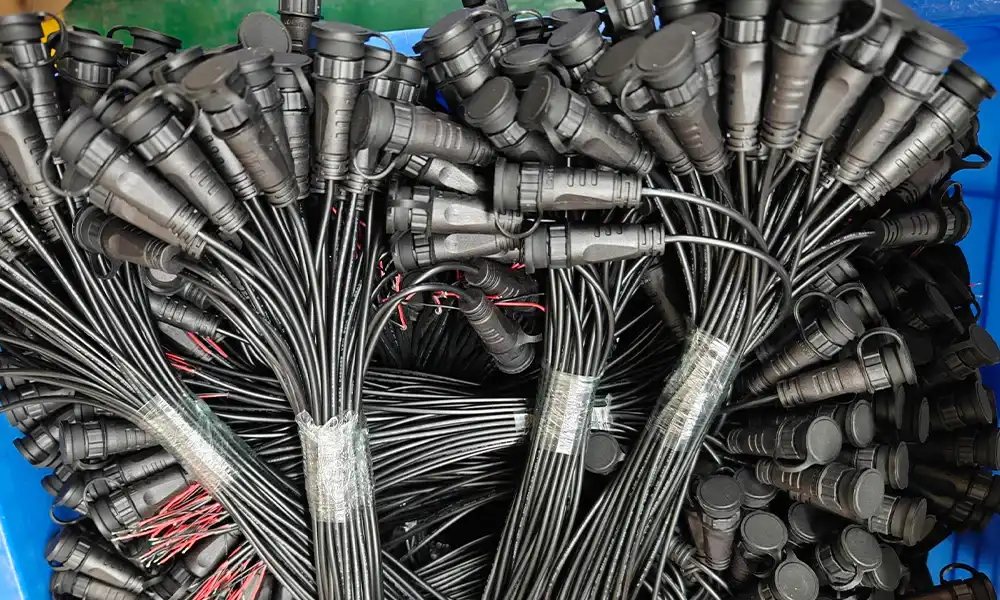
How an IP68 Waterproof Cable Connector Works
You should know what the ranking means and where the water gets in when you compare different companies. These three things cover both of them.
What IP68 Means Under IEC 60529
This number is called an IP code, and it comes from IEC 60529. The first number, 6, means it doesn't let dust in. As the second number, eight means defense against being immersed all the time. The manufacturer and the customer can agree on the exact depth and amount of time. The conditions must also be tougher than those for IP67. It's not very helpful if the IP68 label doesn't say how deep, how long, or how the test was set up. What were the test conditions? Buyers should write them down and make sure that the number includes the whole system, not just the connector. For people in the US, there are also NEMA 250 types, such as Type 6P, that are made to be submerged for a long time. Keep in mind that IP numbers and NEMA types are not the same thing. Know which one your standard needs.
IP67 Versus IP68
It has an IP67 rating, which means it can be submerged up to 1 m deep for up to 30 minutes. The person who used it agreed that IP68 covers continued soaking past those limits. A portable power station that will be used in the rain might only need IP67. Chargers that are near a pond, an underground joint, or things that get wet should usually have IP68 protection. Many things use it, like solar power, storing energy, charging electric cars, LED lighting, underwater robotics, and automating factories. It's better to choose based on the worst day your gear will see than the best day.
Sealing Paths Inside the Assembly
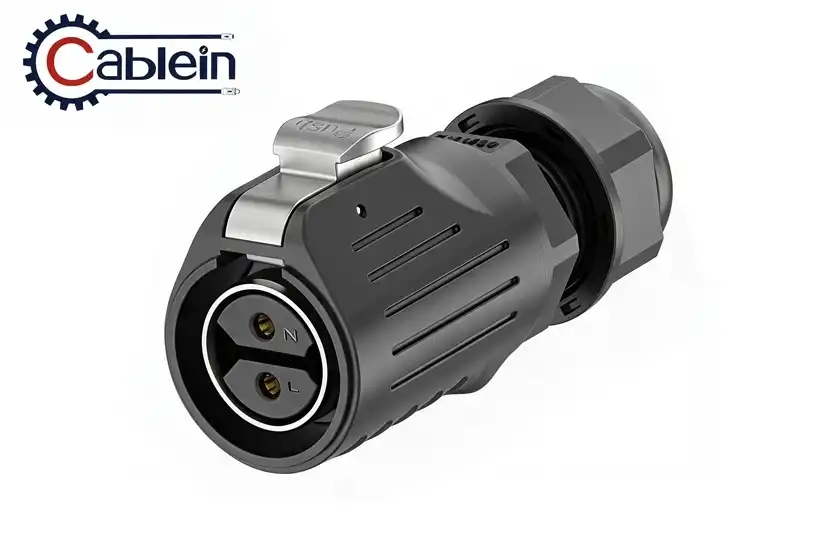
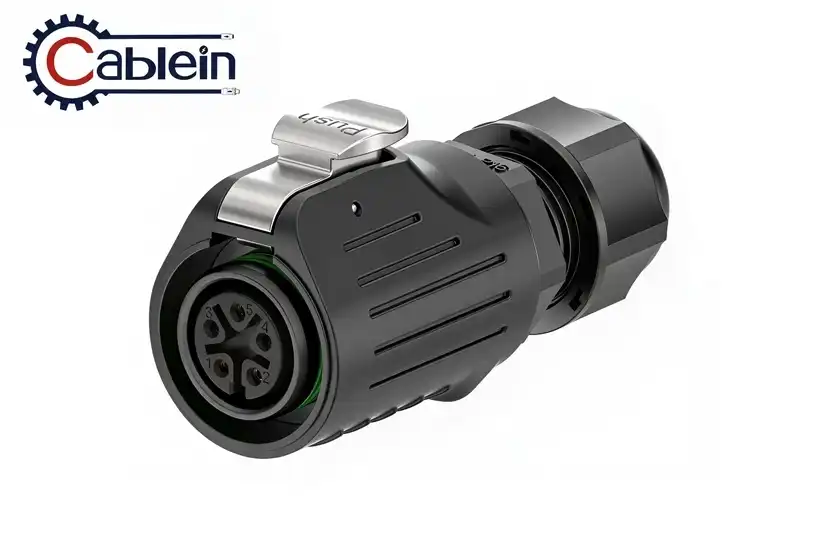
Water always goes where it can't be stopped. Five parts of a waterproof cable assembly are checked: the cover, the backshell, the contact holes, the cable entry, and the junction where the two parts fit together. The jacket is held in place by a cable seal, and the face that fits together is sealed by an O-ring or gasket. That seal can't be pulled apart because of strain relief. The wrong mating can't happen with keying, and mistakes in pinout and grounding that need more work can't happen with a clear wire design. You need to hide the plugs in places that aren't being used. The other barriers rarely make up for one that falls.
Materials and Construction for a Waterproof Cable Assembly
Once you know where the water is coming in, the type of material used will tell you how long each barrier will last. This is how the big options look.
Cable Jacket Choices
PVC is less expensive and works well for light-duty fixed wiring. PUR doesn't wear down quickly when it comes to oil and wear, so it's good for running outside and on equipment that moves. TPE doesn't get stiff in cold weather. Silicone is stretchy and can work in many temperature ranges. PTFE and FEP are more expensive, but they can handle a lot of heat and harsh chemicals. You said that the jacket should be able to handle UV light, oil, changes in temperature, and bending. It will cost a lot more than the difference in price for a cheap coat that breaks after one winter.
Housings, Contacts, and Plating
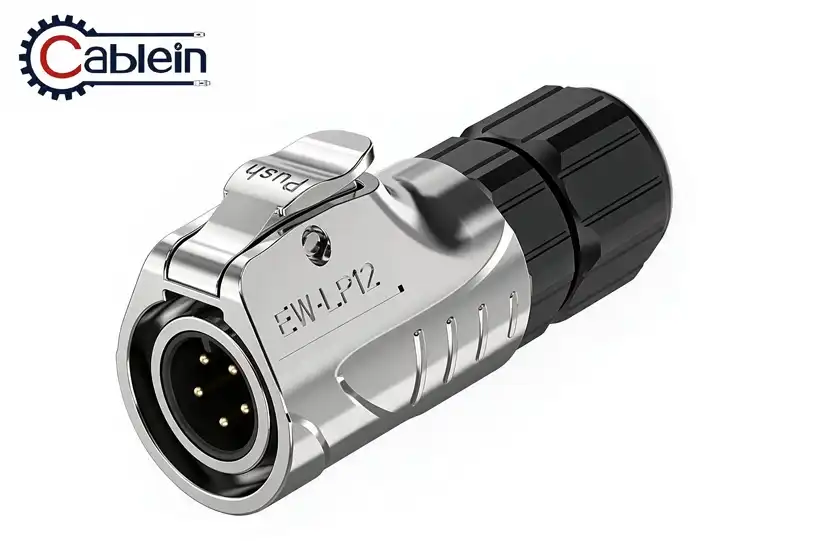
Housings are often made of polyamide (PA66), and some grades have a UL 94 V-0 flame rating. Brass that has been nickel-plated and stainless steel 316 can take being hit, shaken, and salty. Leads are often made of copper metal. Tin plating is good for power systems that want to save money. Gold plating, on the other hand, is better for low-level data. Gaskets are often made of silicone and EPDM because they can handle weather and changes in temperature. Make sure every part does its job, and then make sure they all work together.
Overmolded Versus Field-Assembled Connectors
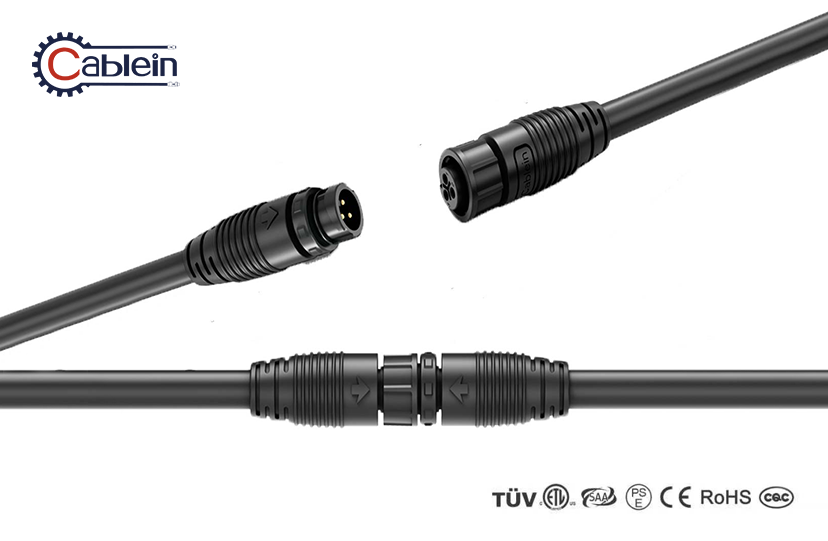
A factory-overmolded joint seals well every time, speeds up installation, and gets rid of the need for clamping and potting. In exchange, if the whole assembly breaks, you have to buy a new one. Techs can fix things on the spot with field-assembled connectors, but the seal quality depends on who puts them in. When it comes to OEM volume, I think the contract should be ended at the factory. It keeps your workers focused on putting the parts together and cuts down on differences between them.
How to Choose the Right IP68 Waterproof Cable Assembly
Once the options are clear, all you have to do to make a decision is write down exactly what you need. You only need to do these three steps to finish the job.
Define the Environment First
Write down how the water gets to the item: splash, rain, washdown, or immersion. Keep track of how deep and how long the soak lasts. After that, you can add chemicals, UV light, a range of temperatures, vibration, and bending. Outside lights, solar inverters, storage cabinets, charging stations, and underwater gear of different types all put different amounts of stress on an assembly. That's not all—a written environment profile also tells your supplier exactly what they need to build and test.
Set Electrical and Mechanical Requirements
Next, write down how many contacts there are, the voltage, the current, the shape of the bend, the length of the wire, and the number of times it has been mated. Find out how wide the cable is on the outside. If the range is too large, the seal won't work. The wire seal only works in the width range it says it can. Make sure the cables and connectors will work with each other before you freeze the plan. Because the connector was picked out before the wire, it is normal for changes to be made.
IP68 Versus a Regular Assembly
An ordinary setup fits safe equipment that is kept inside. An IP68 system can handle anything that gets misty, dusty, muddy, or wet. The IP68 version costs more at first, but it can save you money in the long run because it doesn't need as many service calls, rusts less, needs less downtime, and is less likely to void your warranty. As with most power tools used outside, one failure can cost more than a whole bunch of better ones.
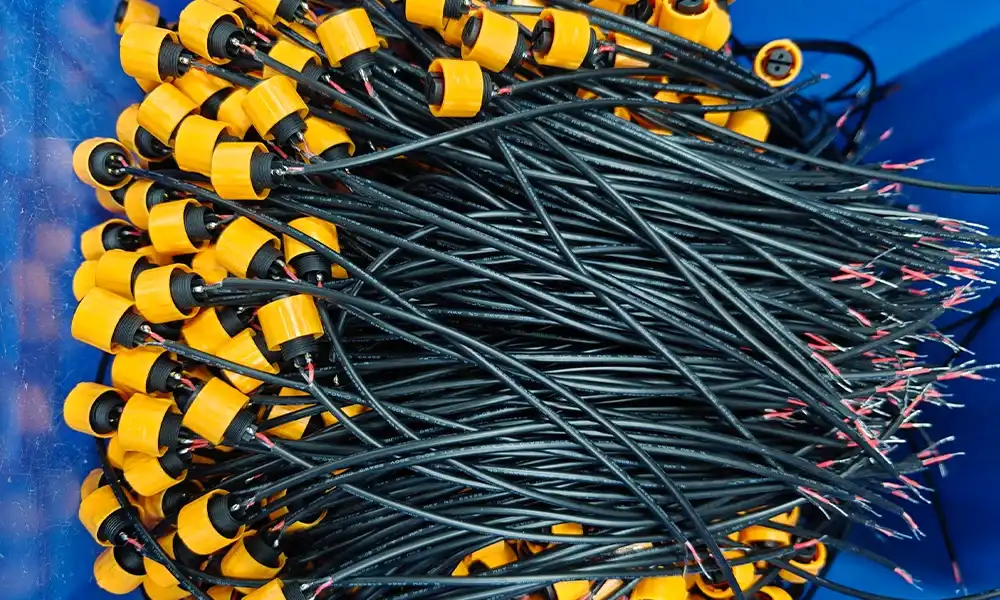
Installing and Testing an IP68 Waterproof Cable Assembly
It doesn't matter how well the parts are made if they leak when they are being tested or put together. Follow these steps to make sure your results are safe.
Installation Steps
Before you start, make sure you check every part. Look for cracks, missing seals, and dirty faces that fit together. Make sure the waterproof cable assembly fits by cutting it to the size on the drawing. Connect the two parts all the way until they lock, then tighten the coupling ring to the right pressure. Make sure the seals are in place. To keep water from running toward the connection, route the wire through a drip loop. Instead, water will drip off. Do not make the bend too big near the connector. Instead, add something to remove the stress.
Common Installation Mistakes
Most of the leaks I see are caused by easy mistakes, like using the wrong cable diameter, not having a gasket, overtightening the coupling ring, leaving gaps where they aren't supposed to be sealed, or having a sharp bend right at the connection. One that is only partially joined also looks good but leaks. Installers should be given a small list of things to do and should read it over before leaving each job. Instead of the highest rating, these small controls are a much better way to cut down on breaks in the field.
Test Methods and Reports
Electrical tests come in many forms, including continuity, circuit proof, insulation resistance, dielectric hold, and contact resistance. Flex, shaking, wire pull, and contact retention are all types of mechanical tests. Do the water-ingress test on the whole thing and write down the length, temperature, depth, and state of mating. IEC 60512 tells you how to test connectors, and IPC/WHMA-A-620 spells out the rules for making sure that cable and harness assemblies are done right. Before you give your approval, make sure you get review records and proof that the sample can be tracked.
Buying Custom Waterproof Cable Assemblies for OEM Projects
It will change your plan just as much to buy someone else to make your harness as to make the harness yourself.
What to Send With Your RFQ
A full request cuts down on emails that go on for weeks. I believe all buyers should have these three things.
- Drawing and pinout: Please send a picture of the harness along with details about the pinouts, connections, wire diameter, cable type, length, and end connectors or terminals. The engineering team can look over the whole build once, make sure the price is fair, and point out any problems before samples are made.
- Environment and test targets: Write down the IP grade, the temperature range, the UV and chemical exposure, the depth and length of soaking, and any tests that need to be done, such as pull force and airtightness. You won't get a sample that looks like your drawing but doesn't work in the real world if you have clear goals.
- Commercial details: List the sample size, the yearly volume, the delivery date you want, the type of packaging you need, and the place where the goods will be sent. The supplier can talk about how engineering costs are spread out over orders based on the amount of work done each year.
Protecting Drawings and Shortening Sampling
Before you send the pictures, make sure they agree to keep them secret. After you and the experts agree on the steps, you must approve the first sample, then do a test run, and finally start mass production. A lot of OEM programs take between one and three months to go from the idea stage to mass production. Get a sample plan right away. Ask the company if the planning fee can be put toward the first order of production and who owns any special tools.
How Cablein Supports OEM Buyers
That's where Cablein is based. The company was founded in 2017 and is called Cablein. It has a 6,000-rupee building where more than 200 people work. Custom wiring harnesses for LED, new energy, and automation equipment are what our business does. The other things we make are IP67 and IP68 circular and push-lock connectors, T/Y splitters, and solder-free and push-lock connections. Our company is certified by ISO9001:2015, and some of our products are also certified by CE, RoHS, ETL, and TÜV. There are tests on every item to make sure it is waterproof and will last a long time. We work with private models too, and we always have more than 10,000 of each item in stock. It takes seven to ten days to deliver.
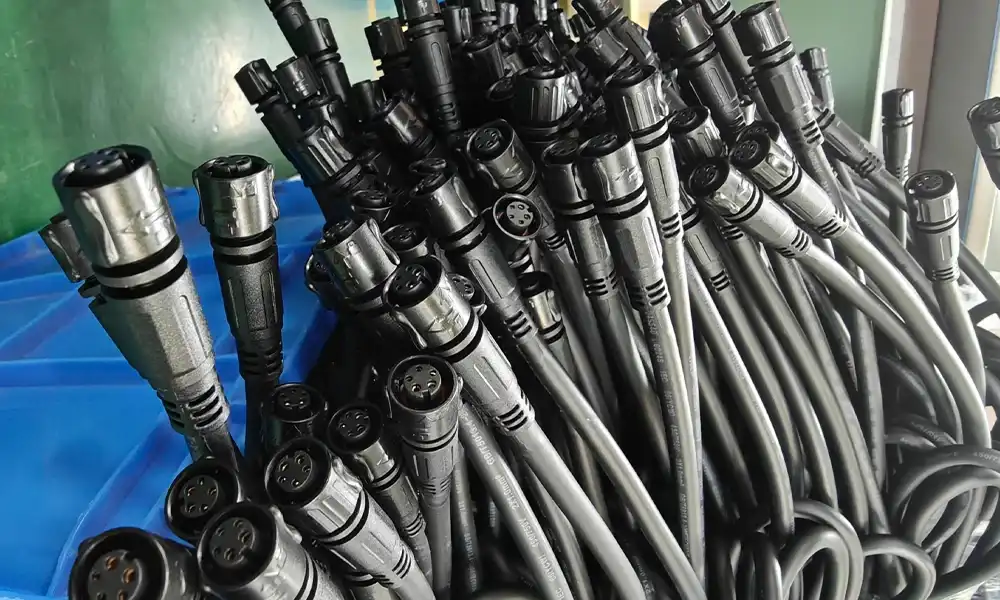
Conclusion
If something has an IP68 rating, it means that it can be buried in water for a long time as long as both the maker and the user agree on the conditions. So, the test depth, length, and setup are just as important as the label in this case. It's the backshell, the overmold, the contact cavities, the mating seals, and the strain relief that all work together to keep water out. How much contact there is should guide the choice of jacket, protection, and plate. When you overmold it in the plant, the seal is more stable than when you put it together in the field. The environment, the size of the cable, and the amount of electricity needed should all be thought about. You can avoid most leaks by installing things correctly and writing down everything you check. For special projects, you can figure out when things will happen if you have a full drawing, clear test goals, agree to keep things secret, and talk about how much engineering and sampling will cost right away when developing a waterproof cable assembly.
FAQ
1. Is an IP68 connector completely waterproof?
In fact, IP68 protection only works the way the company that made it says it will. That being said, it doesn't cover all situations with chemicals, heat, pressure, or bending.
2. What is the difference between IP67 and IP68?
IP67 is waterproof for a short time; it was tested for 30 minutes at a depth of 1 m. IP68 lets you go deeper underwater in rougher conditions, which is good for both the maker and the customer.
3. Can an IP68 connector work with any cable?
Not at all. The cable's outside diameter has to be within the range given by the seal. Too often, leaks happen because of a mix-up.
4. Can assemblies be customized for OEM equipment?
Yes. It's possible for OEMs and ODMs to change things like the length of the link, the type of connector, and the secret molds. Draw things that need to be looked over and sent.
Request Your Custom Waterproof Cable Assembly Quote from Cablein
Cablein would be happy to get your waterproof cable assembly plans and sample orders. Let us know what you want, and we'll send you a clear plan back. As a waterproof cable assembly maker, we offer IP68 technology, private mold support, more than 30 utility model patents, and expert help 24 hours a day, 7 days a week. Please say in the first email you send to nick@cableinco.com if you need to keep something secret.
References
1. IEC 60529: Degrees of Protection Provided by Enclosures (IP Code), 2013
2. ISO 20653: Road Vehicles – Degrees of Protection (IP Code), 2013
3. IEC 61984: Connectors – Safety Requirements and Tests, 2008
4. IEC 60512-1: Connectors for Electronic Equipment – Tests and Measurements – General, 2018
5. NEMA 250: Enclosures for Electrical and Electronic Equipment (1000 Volts Maximum), 2020
6. IPC/WHMA-A-620 Revision D: Requirements and Acceptance for Cable and Wire Harness Assemblies, 2017