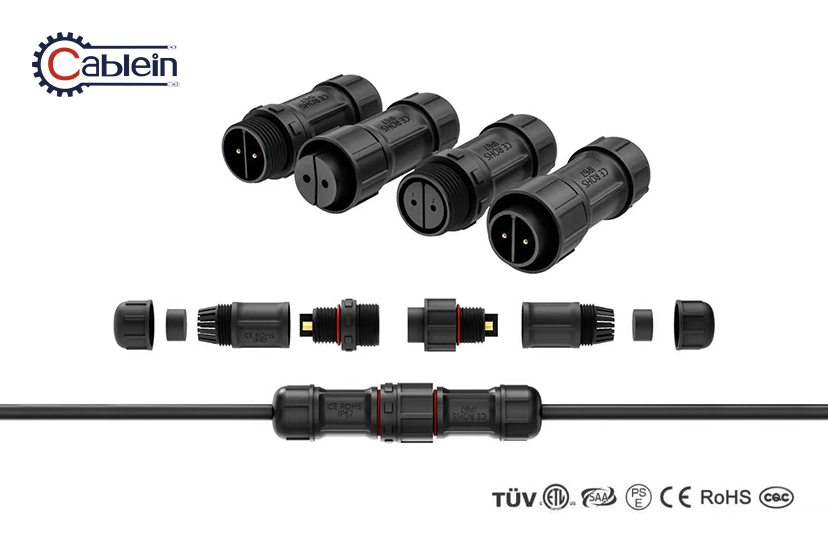
How to Choose Waterproof Connectors: A Technical Guide for B2B Applications
To choose waterproof connectors for B2B use, I start with the environment, then match the IP rating, voltage, current, pin count, and cable diameter. Next, I check the housing material, locking method, and installation steps, and I request test reports and certifications before ordering. The word "conectores waterproof" on a label proves little. The IP code from IEC 60529 shows what protection was actually tested. Finally, I validate samples under real load, moisture, and temperature before a bulk order. This guide gives purchasing managers, engineers, distributors, and OEM buyers a clear path through each step.
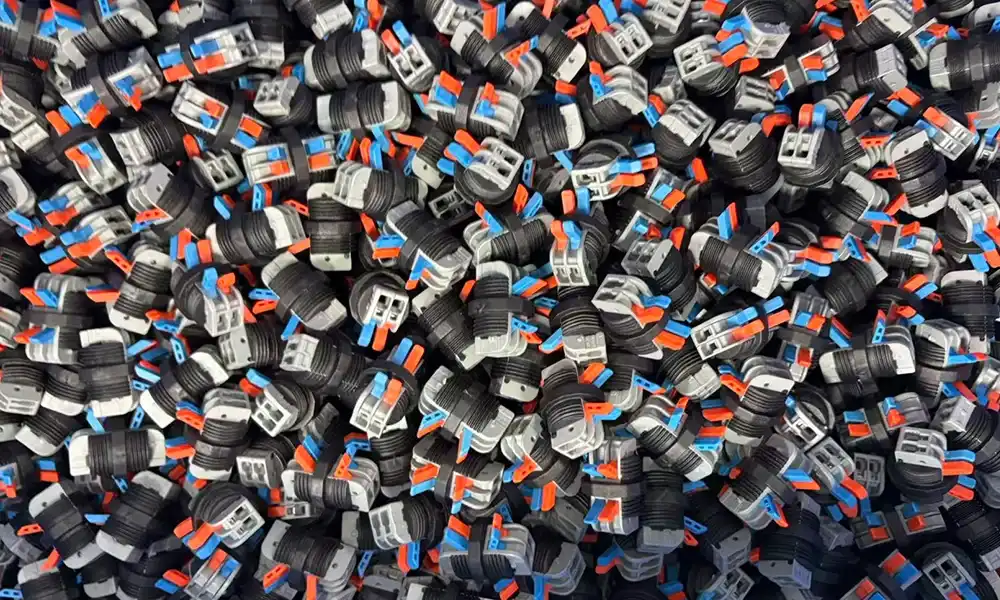
Understand Waterproof Connectors and IP Ratings
I'll now tell you what these links do and how to read the code on them.
What Waterproof Connectors Do and Where They Work
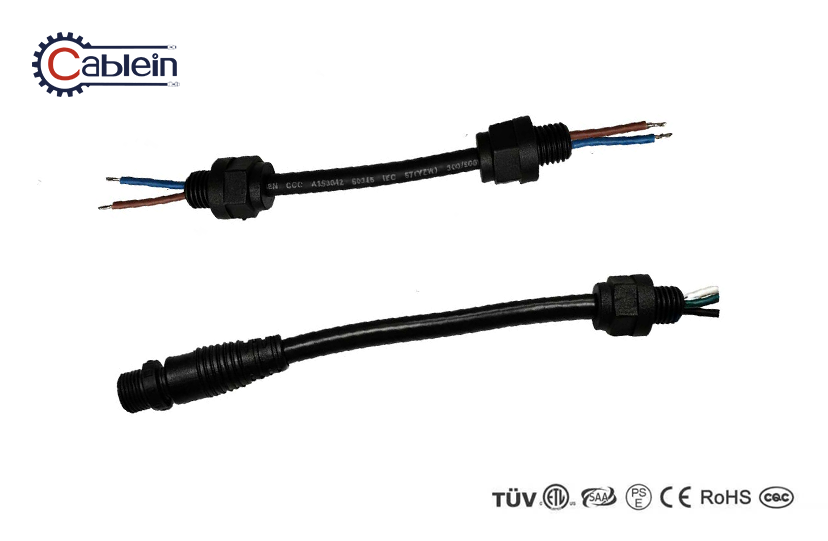
A waterproof connector can be used to connect wires. This keeps water, dust, and vibrations away from the connections. It's not the name of the product, but O-rings, gaskets, strain relief, and a safe locking mechanism will keep you safe. A sealed connection is easier to fix than a permanent wire splice. It is also less likely to short-circuit, rust, or lose power when you least expect it. Some electrical connections I see don't let electricity run through them. I see them in solar systems, irrigation, pumps, security cameras, marine equipment, car wiring, and industrial automation. The job should determine the pick, as various jobs put various amounts of stress on the joint.
How to Read IP65, IP66, IP67, and IP68
One number and one letter make up the IP code in IEC 60529.1. They both rate how well it will keep solids and dust out. The first one tells you how well it will keep water out. Little water jets of 6.3 mm can't hurt IP65. Stronger jets can get through IP66 with a 12.5 mm tip. One test showed that IP67 is waterproof for 30 minutes at a depth of 1 m. It's okay to be buried in water all the time if both the user and the maker agree to IP68. To put it another way, each product goes over a different amount of time and in a different way. Always find out what the test settings were that gave you the number.
Why IP68 Is Not Always the Better Choice
That's not always correct. A lot of people believe that IP68 is always better than IP67. It's not waterproof up to IP68 for chemicals, high pressure, saltwater, or cables that move around all the time. The people who make the test decide how long and how in-depth it is. A well-made IP67 product is usually enough for conectores waterproof para exterior on a garden light. I'd like to know the exact IP68 test results for a submerged pump. The grade is for the whole set, so the case, seal, and wire must all be the same. It leaks even if the wire and link are fine. Choose the riskiest score and then make sure it's right.
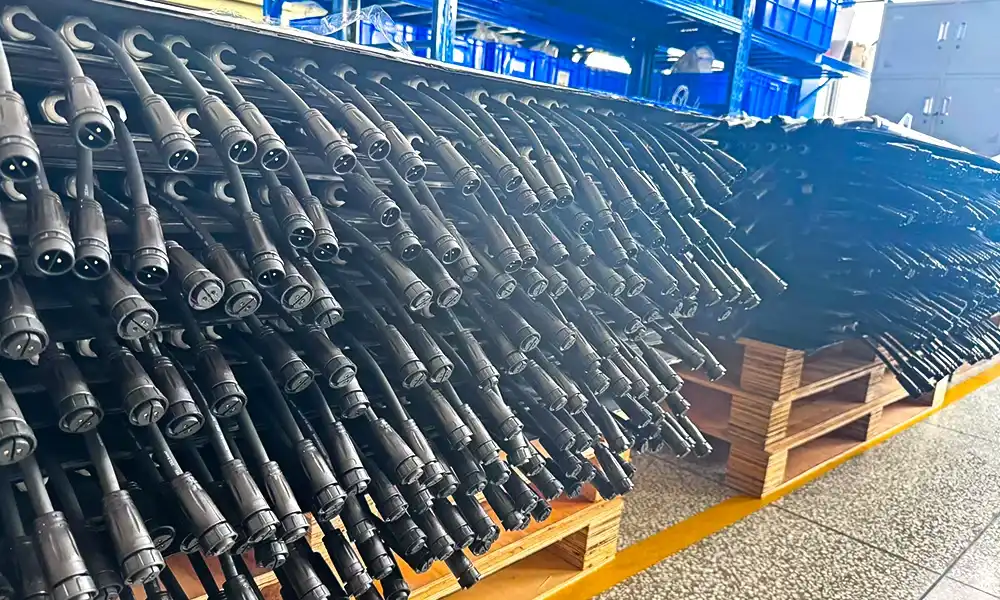
Match Electrical, Mechanical, and Material Specifications
I make sure it fits the setting and needs the right amount of power before I connect anything.
Voltage, Current, and Pin Count
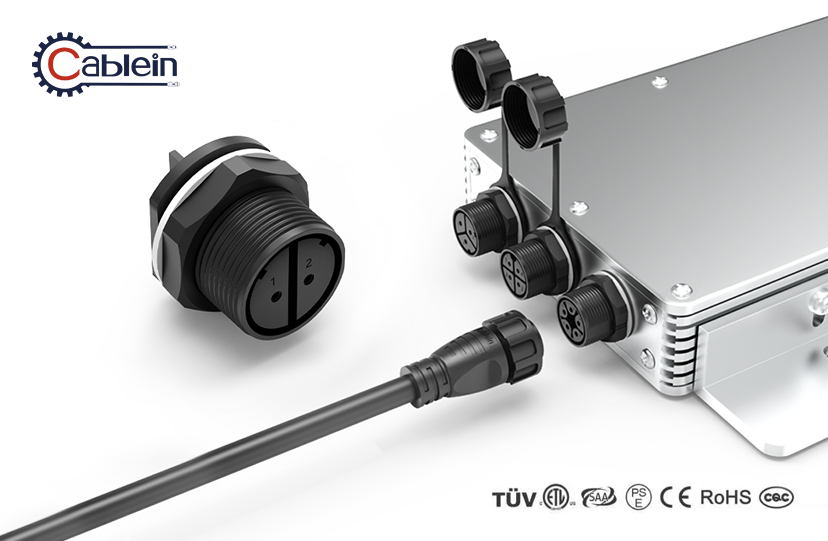
To find out if it works with AC or DC, look at the type of link, the lowest and highest voltages, and the claimed power. Without first getting permission from an electrician, it is not safe to use a link that is made for 12V DC on 220V AC. Things like room, creepage, touch resistance, and insulation can also change how safe something is. How many pins it needs is up to the job. Three pins are used for power with ground or LED strips, four pins are used for signal or control lines, and two pins are used for plain power. Things don't go wrong in the field because of polarity safety. Before you ask for samples, click on the wiring picture to see how the pins are set up.
Cable Diameter and Mechanical Stress
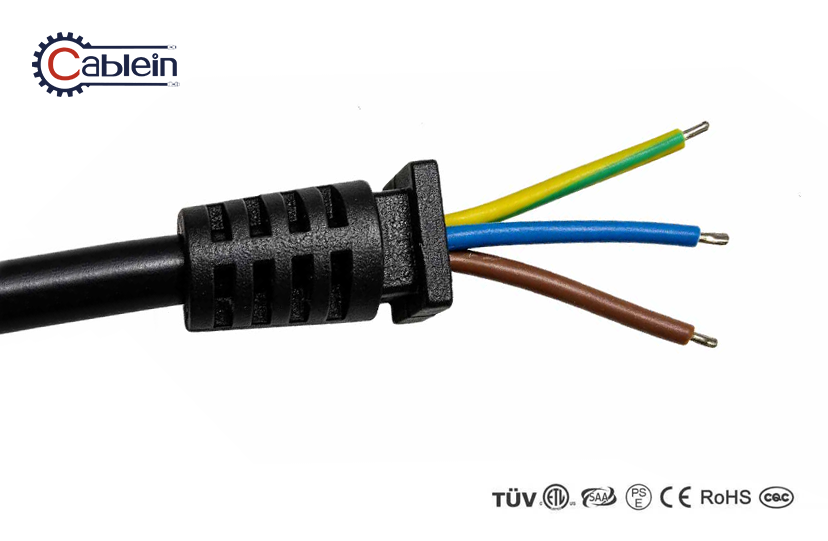
Any waterproof connector can handle a conductor on the outside of the cable that is a certain diameter and cross-section. Is the wire too thin or too thick? If the gasket is too thin, water can get through and break it. Check the paperwork to see how far you can connect. When you measure the wire, don't just measure it; also measure the jacket it's in. Then think about the weather, UV light, shaking, and bending. The cars and pumps are always shaking, and the moving machines have bent the wires at the exit. If there is enough pressure release, that force doesn't hit the leads or the seal. The place where a cable goes into a case has a waterproof strain relief as well. Most of the time, this is a wire grip or cable clamp.
Housing Material and Locking Method
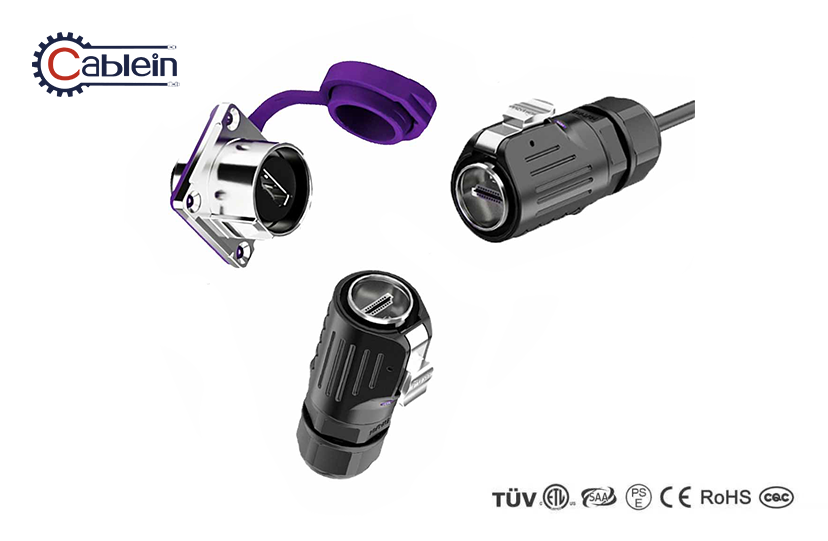
Polycarbonate and other engineering plastics can be used for many things outside. The housings made of plastic are also cheap and light. Metal covers make things stronger and safer when it's bad outside. When you work with rubber and EPDM, you need to know how to deal with weather and temperature. Shells and seals are also very important. To make sure they work, test them in UV light, oil, the sea, or chemicals. When locked, screw-lock styles are hard to move. Push-lock and quick-connect styles, on the other hand, can be put together more quickly. For sensors and motors with M12 circular contacts, a lock with a 12 mm thread is a must. Think about how many times you will disconnect if you think you will disconnect a lot.
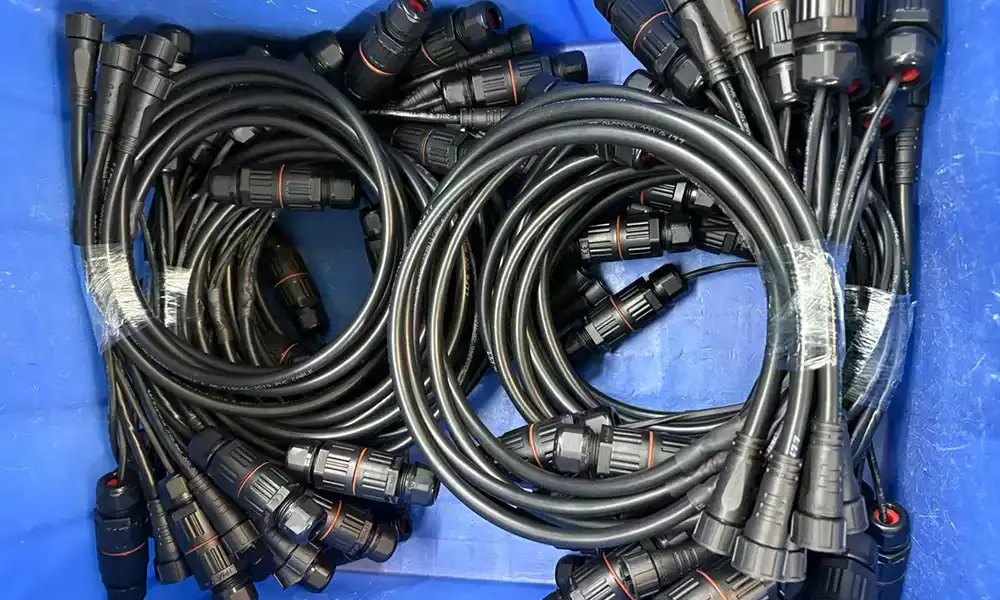
Install, Test, and Match Connectors to Your Application
As for fitting, I think it's necessary because even a good connection can break if it's not put together right.
A Practical Installation Sequence
Every time, I do things the same way. First, I check to see if the O-ring and connector are broken. Once I know how big the wire is, I cut the leads to the right length, put the ends in, and tighten the housing. Too tight of nuts can break seals, and too loose of nuts can let air out. That's why I use the recommended pressure. But regular glue or silicone won't work as a seal that was made just for the job. To keep wires safe, you can use heat-shrink tubing, self-fusing tape, or glands. It's common for people to mess up and damage the O-rings, not tighten them enough, use the wrong wire sizes, bend the exit roughly, and mix parts from different series.
Testing Before Release
I test it after putting it all together. A continuity test makes sure that all of the wires are connected correctly. When insulation resistance is tested, damage or water in the insulation is looked for. The pull test proves that it will stay in place, and the water test proves that it will keep water out. The ASTM B117 salt spray test measures how metal parts and seals age when they are used in beach or marine goods. I keep track of every win in the quality records. Sometimes a problem in the field is caused by a batch, a tool setting, or a step in the assembly process. That log helps find the source of the problem. This speeds up the process of fixing the issue.
Application Priorities by Industry
In different areas, connectors are stressed in different ways. To be safe, LED lights need to be small and not touch each other. To make a chain, they use waterproof splitters to connect street lights and floodlights. IEC 62852 checks the DC connections of solar systems to make sure they can handle both DC power and UV light. Gear for boats needs to be able to handle oil and shaking, and gear for cars needs to be able to handle both. The ISO 20653 grade IP69K is what food plants that use high-pressure water should look for. Pumps, watering systems, and security cameras are all things that need to be well sealed and easy to get to for upkeep. When you connect something, make sure it works with the cables you already have, that the signals are still strong, and that it can handle power and chemicals.
Build a Procurement Checklist and Select a Supplier
For technical fit to work, there needs to be a clear buy standard and a supplier that can meet it.
What to Confirm Before You Order
These are the main things I look at before I accept a price.
- Technical data: IP rating, voltage, current, number of pins, temperature range, cable outer diameter range, and the materials used for the seal and housing. You can only compare prices if each seller charges the same amount. There is only one copy to make. Send all sellers the same file and label each copy.
- Documents: Datasheets, models, test results, RoHS or REACH statements, and any approvals the market you're going to needs. If someone from Mexico wants to buy something, they need to know the NOM rules. Not having enough information could make it take longer to get through customs, so get copies before samples are sent out.
- Commercial terms: There are many words used in business, such as unit price, MOQ, wait time, packing, guarantee, and shipping method. You should add to your costs the cost of testing, tools, freight, installation workers, and any problems that come up in the field. There are also trial orders that you can ask about. These let you see how good a small shipment is before you commit to a bigger order.
Manufacturer, Distributor, or OEM Partner
A straight maker is best when you have special needs, a lot of sales, or questions about the design. The best way to get small orders quickly from stock in your area is to work with a known wholesaler. Most of the time, an online shop that sells everything can meet one-time wants but not test data. When looking for a fabricante de conectores waterproof, ask about the company's IP test conditions, cable ranges, voltage and temperature ratings, samples, quality controls, and wait times. It's best to do OEM or ODM development if your design needs a unique pin layout, wire length, or mould. It's common to make a prototype, try it, do a practice run, and then make a lot of them. Join forces with people whose groups are always the same and who make it easy to fix things.
How Cablein Supports These Requirements
The first Cablein store opened in Longgang, Shenzhen, in 2017. Making waterproof industrial connectors and custom cable systems is what we do for a living. IP67 and IP68 ratings are given to some of the round and panel-mount connectors we have. You can choose between push-lock, quick-connect, and solder-free. Special harnesses for LED, new energy, and automation equipment are also made by them. They also make T/Y splitters and industrial plugs and sockets. We do good work thanks to our ISO9001:2015 quality system, our 6,000 ㎡ facility, and our more than 200 employees. We check each item to make sure it is waterproof. We always have more than 10,000 of each item in stock, and sending them out only takes 7–10 days. Along with UPS, DHL, and FedEx, they ship for us. CE, RoHS, REACH, ETL, PSE, SAA, CQC, and TUV are some of the certifications you can get.
Avoid Common Mistakes and Follow a Decision Process
People who buy here lose money, and this is how I stop it.
Common Selection Mistakes
Most issues aren't caused by broken parts, but by parts that aren't clear in the design. To give you an example, a lot of people pick products based only on their IP rating or think that splash resistance and water protection are the same thing. Plus, they either use cables that aren't right for the job or pick the cheapest one for a high-risk area. I look at everything at the same time because temperature, shaking, corrosion, materials, energy rates, and retaining force are all linked. It's possible for something to work in water but not when the housing gets too hot, or the nut comes loose from shaking.
Hidden Costs of Early Failure
It's not worth the money to fix a broken link. It's easy to lose a few cents on each piece when you add up the costs of repairs, downtime, repairs, new parts, and warranty claims. In the street, on light poles, or on roofs, it costs a lot to go to places that are far away. Care for your things shouldn't be forgotten. For tools that need to be used a lot, connectors that are easy to set up and can be used more than once are best. On the other hand, designs that are permanently sealed work best for things that will never open again. Match the style to how long you think the gear will last.
A Five-Step Decision Process
I do things the same way every time. There are many things that make up the environment, such as the sea, chemicals, UV rays, shocks, and mist. Second, I write down the voltage, current (AC or DC), number of pins, cable size, temperature, space, and how often the wires connect. Third, I choose the IP grade that is the lowest but still works. Next, I look at the different types of materials and locking systems. Fourth, I test things out in real life, where there is shaking, wind, rain, and weight. Fifth, I check the price, the MOQ, the wait time, the package, the promise, and the rules for accepting it. A vague request is turned into a clear specification in this order. Any source can use this to give a correct price.
Conclusion
Choosing conectores waterproof for B2B projects depends on matching the link to actual circumstances rather than a specific number or cost. That's what the IEC 60529 IP code says about the safety test. Getting soaked is called something different in IP67 and IP68. The voltage, current, number of pins, wire thickness, materials for the housing and seal, and the way the lock works must all be just right for the job. It is safe to use the seal because it was put in properly, the torque was managed, and it was checked. People use purchase checklists, paperwork, and suppliers who give clear answers to avoid having to buy new things that cost a lot. Most of the time, things fail because the specs aren't clear. Failures that happen early cost more to fix, take more time, and cause guarantee claims. The safest way to choose a bulk of waterproof is to test samples in real-life situations, such as shock, rain, weight, and temperature.
FAQ
1. Is IP68 always better than IP67?
No, the company that makes the product decides how deep and how long IP68 goes. You should do more than just look at the numbers.
2. Can a 12V DC connector run on 220V AC?
It won't be okay until written power and proof say it is.
3. Should I choose plastic or metal housings?
Plastic suits many outdoor uses and keeps weight low. Metal suits high mechanical stress or shielding needs.
4. What should I send for a bulk quotation?
Send the application, IP requirement, voltage, current, pin count, cable measurements, environment, amount, market target, and delivery date. Do these things.
Request Conectores Waterproof Recommendations and Quotations from Cablein
It will help you pick the right conectores waterproof if you have a partner who can answer your technical questions quickly. Cablein, a Shenzhen-based manufacturer of waterproof connectors, keeps more than 10,000 of each item in stock, ships within 7–10 days, and offers technical support 24 hours a day, seven days a week. To find out more about this product, email nick@cableinco.com with your application, IP grade, voltage, current, pin count, cable size, and number as a subject line.
References
1. IEC 60529: Degrees of Protection Provided by Enclosures (IP Code), 2013
2. ISO 20653: Road Vehicles – Degrees of Protection (IP Code), 2013
3. IEC 62852: Connectors for DC Application in Photovoltaic Systems – Safety Requirements and Tests, 2014
4. ASTM B117: Standard Practice for Operating Salt Spray (Fog) Apparatus, 2019
5. IEC 61076-2-101: Connectors for Electrical and Electronic Equipment – M12 Connectors with Screw-Locking, 2012
6. Directive 2011/65/EU of the European Parliament and of the Council on the Restriction of Hazardous Substances (RoHS), 2011