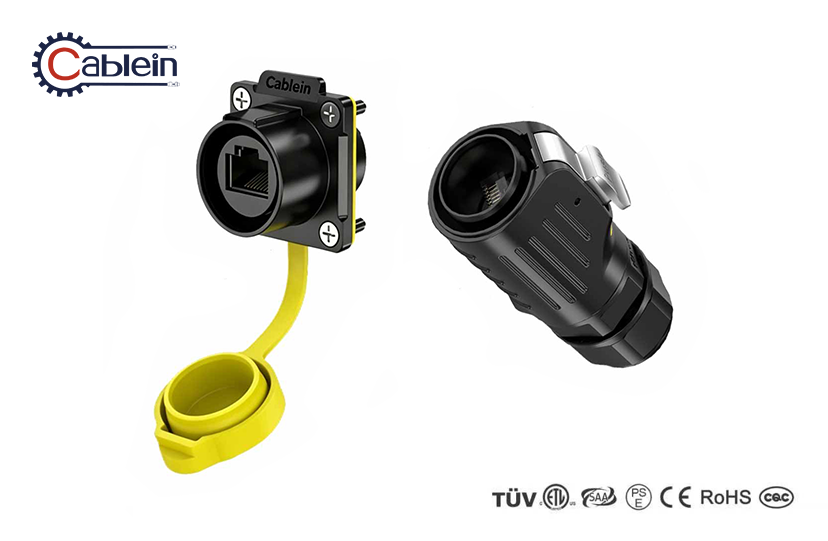
How Does an LP16 Inline Cable Connector Work?
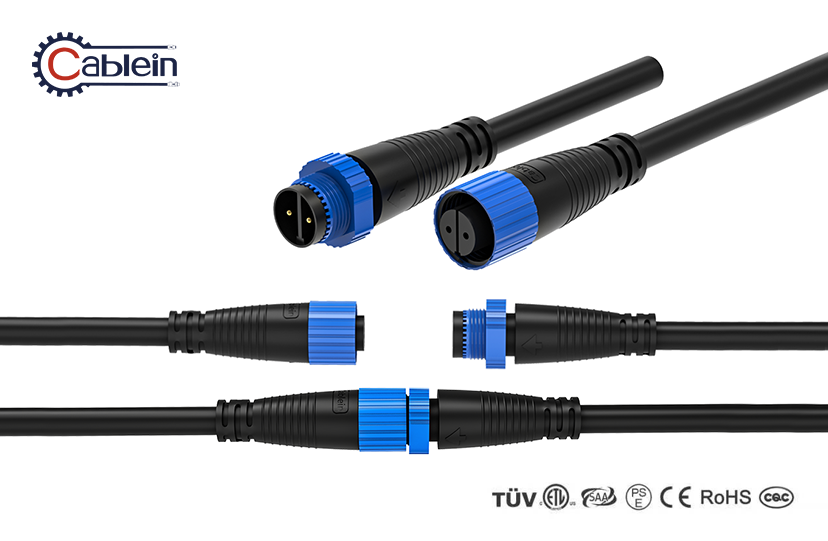
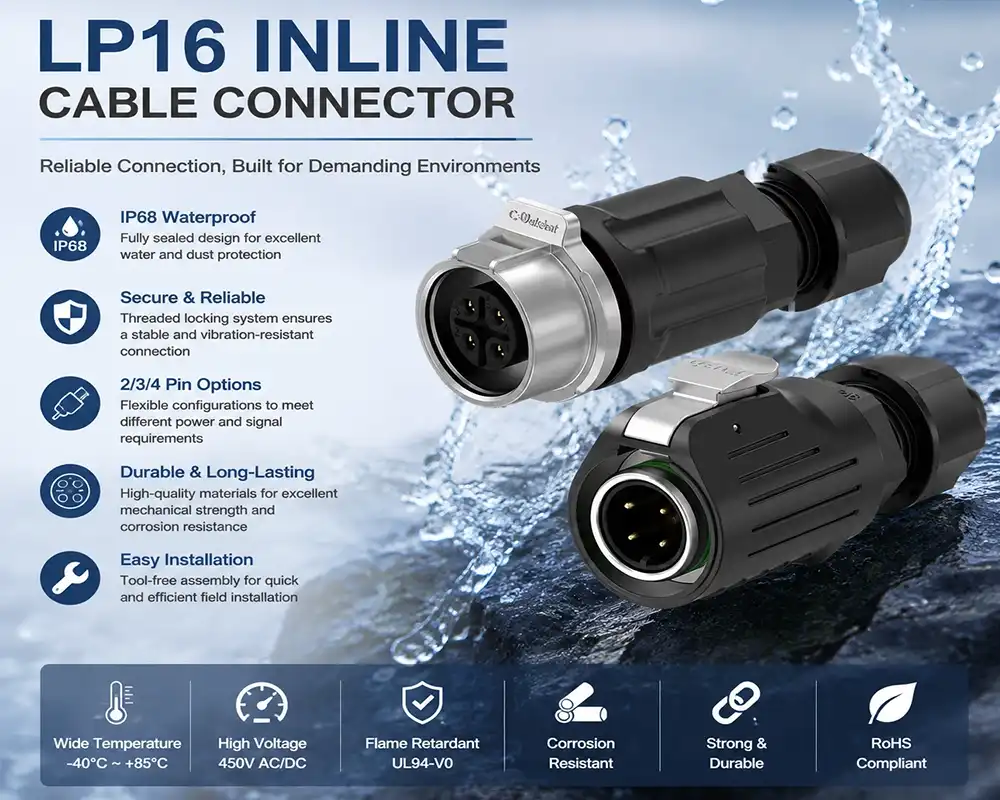
An LP16 inline cable connector uses a carefully designed system of gold-plated copper alloy contacts, PA66 nylon casings, and silicone closing rings to make sure that electrical and mechanical links are safe. The connector has a snap-lock bayonet coupling mechanism that lets you connect and disconnect it without using any tools. The internal contact pins line up perfectly to keep the stable conductivity rated at up to 10A and 500V. When the bayonet is locked, the waterproof seal goes into action, squeezing two rubber rings to achieve IP67/IP68 protection. This stops water and dust from getting in, even when the device is submerged. This design makes sure that wire-to-wire connections are stable in harsh industrial settings where standard fixed-panel links can't give you the freedom to add cables or make changes in the field.
Understanding the LP16 Inline Cable Connector
As industrial systems get more complicated, they need connectivity solutions that are both tough and flexible. An ongoing problem for engineers working on outdoor LED setups, green energy projects, or automatic production lines is making wire runs longer without affecting the safety of the electrical system or harming the environment.
Core Purpose and Design Philosophy
The inner wire connection fixes a major problem with other panel-mount options. It's not always possible to drill mounting holes and get to fixed panels when you're putting sensors along a robotic production line or extending power wires in a solar array. Cable-to-cable connections "float" easily with the inline style, so you can put links exactly where your system needs them. This modular approach makes installation easier and gives your team more options when setting up new equipment.
While the 16mm diameter housing is small enough to fit in tight spaces, it is also strong enough to withstand mechanical stress. Instead of bulky, bigger industrial plugs, this style fits perfectly into a wide range of uses, from LED lighting in buildings to security camera networks.
Technical Specifications That Matter
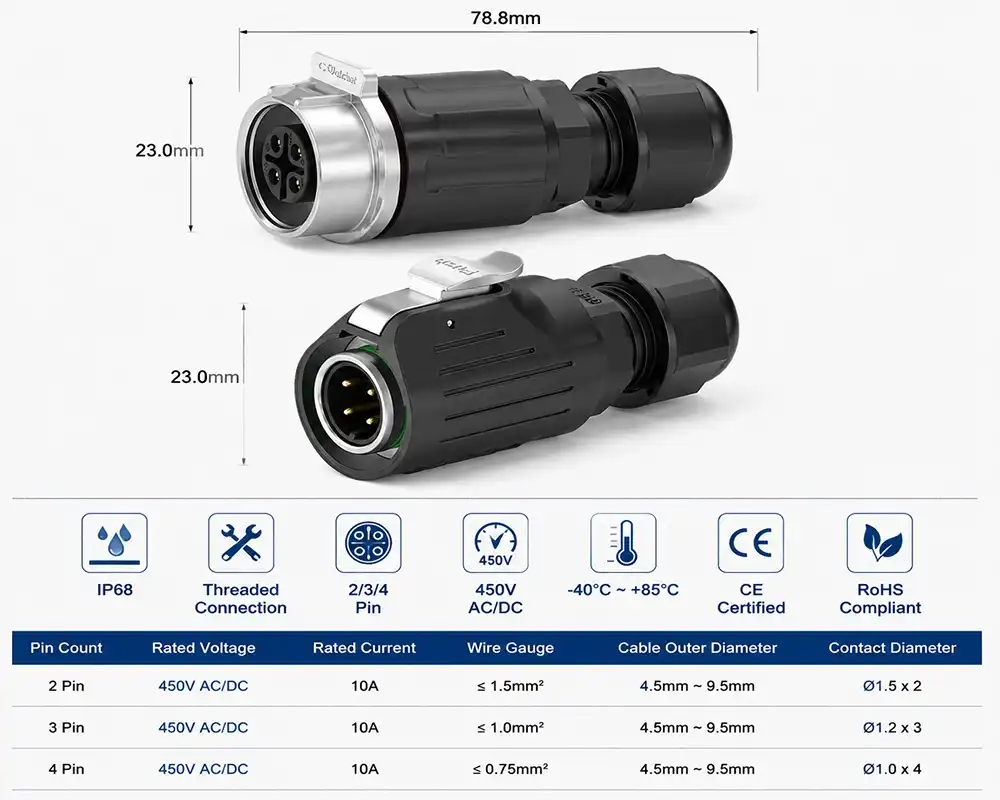
Being able to handle voltages up to 500V and current loads up to 10A, the connector can be used for both signal and power transmission. The IP67 and IP68 waterproof grades show that the product has been tried to fully protect against dust and water absorption up to 1 meter for long periods of time.
Temperature performance from -40°F to +105°F makes sure that your equipment will work reliably whether it's in an oil field in the Arctic or a solar farm in the desert. PA66 nylon meets UL94-V0 flame retardancy standards, which means it meets fire safety rules for public buildings and enclosed spaces.
If the contact resistance is less than 5 mΩ, there is less power loss during transmission. If the insulation resistance is more than 500M©, there is no signal degradation. These specs directly affect how reliable your system is—your connections will keep working well for years without needing to be fixed often instead of needing regular maintenance.
How the Mechanical Connection Works
The snap-lock bayonet coupling is a big improvement over connections that use threads. When you push the male coupler into the female housing, spring-loaded pins inside the housing instantly join, letting you know that everything is lined up correctly. A quarter-turn rotation locks the coupling securely, so it can't come loose by accident when the cable moves or vibrations happen.
The way field workers work will change because of this one-handed action. Your team makes safe connections with just a push-and-twist motion, so they don't have to mess around with multiple tools or coordinate two-handed threading tasks while standing on stairs or working in tight equipment spaces. It doesn't take much work to do the opposite, which is to pull the release collar and separate the connectors.
The gun shape also has functions that relieve stress. Instead of putting stress on the internal contact pins, cable tension is transferred to the locked housing. This keeps the electricity flowing even when the cables are being installed and are pulled or when they expand due to heat.
Advantages and Benefits of Using LP16 Inline Cable Connectors
Knowing the detailed details of an LP16 inline cable connector is only one part of the buying picture. The real value comes from understanding how these features solve specific operating problems that increase your total cost of ownership.
Waterproof Protection in Real-World Conditions
The two-ring silicone sealing system makes two extra barriers against outside elements getting in. When the bayonet connection connects and presses against the wire jacket, the main seal is set off. If the top seal wears down, a secondary seal placed at the contact chamber offers extra safety.
Protocols for testing make sure that performance is valid in conditions that are worse than normal field exposure. Salt spray testing mimics years of exposure to a coastal climate and proves that gold-plated contacts don't rust, which would make normal brass or tin-plated contacts less conductive. To get IP68 certification, your installations have to stay waterproof even when they are submerged in water all the time. This is a lot more difficult than the occasional rain or splashing they usually face.
These benefits are clearly shown by outdoor LED display projects. The lighting systems in stadiums have to work in all kinds of weather, including yearly changes, extreme temperature changes, UV light, and sometimes water spray from repair work. The UV-resistant housing keeps the structure strong without breaking, and the waterproof seals keep water from creating short circuits that could cause sections to fail during important events.
Vibration Resistance for Mobile and Industrial Applications
Rail transit systems and automatic industrial equipment are always vibrating, which can break threaded connections and lead to contact failures every once in a while. The spring-loaded retention system makes up for small wear in the snap-lock mechanism, so it keeps the contact force even after more than 2000 mating rounds.
This means that it will last longer and cost less to maintain. When surveillance cameras on bridges or communication systems on moving trains keep connections strong without needing to be tightened all the time, your maintenance teams can focus on more important tasks instead of trying to fix problems that happen every once in a while.
Installation Efficiency That Reduces Labor Costs
Using old-fashioned wire methods that need soldering, heat shrinking, and mechanical assembly takes a lot of time. Because these connectors have a solder-type termination, the wire connections are permanent and don't need to be soldered in the field. Your techs prepare wire kits in a controlled workshop environment. They then use pre-tested units that are easy to install because they just snap together.
This method cuts down on installation mistakes by a large amount. Standardized color coding and clear pinout setups cut down on wiring mistakes that need to be fixed and redone. A shorter installation time per connection point has a direct effect on the project's revenue and finishing dates when it comes to putting sensor networks across farm lighting systems in greenhouses.
Performance Comparison with Alternative Solutions
The LP12 series is a smaller size that works well for lower current uses and can usually handle up to 5A. For projects that need to send both signals and power, the LP16 format has more space without having to switch to bigger, more expensive industrial connector families.
When compared to military-spec circle connectors that offer similar weather protection, these connections offer comparable waterproof performance at lower unit costs that make them suitable for large-scale operations. In exchange, the LP16 specification has a little less shock resistance and fewer pin setups, but it perfectly meets the needs of LED lights, tracking green energy, and normal industrial automation applications without being too complicated.
How to Choose the Right LP16 Inline Cable Connector for Your Procurement Needs
When you match the connection specs to your application needs, you avoid both under-specification, which leads to early fails, and over-specification, which raises costs for no reason.
Evaluating Electrical Requirements
Figure out your actual current loads, such as the peak startup currents for motor-driven equipment or the inrush currents that happen when you turn on LED arrays. The 10A rating of an LP16 inline cable connector provides extra current capacity above normal working currents, helping prevent excessive heat buildup and long-term contact damage. The voltage values must be higher than the voltage in your system, with safety gaps that account for short-term spikes.
When using signals, you need to pay attention to covering and touch resistance. Standard layouts work well for power distribution, but data transmission may work better with layouts that have specific grounding pins or twisted-pair layouts that reduce electromagnetic interference in places with motor drives and variable frequency drives.
Environmental Considerations
The IP67 grade is good for outdoor setups that will be safe as long as the connection doesn't get wet or face direct water streams. For ground-level installations that could be flooded, marine uses, or equipment washing down in food processing facilities, IP68 certification is a must.
Temperature ranges for operation must include both room temperature and self-heating from current loads. The wider temperature range, from -40°C to +105°C, is a good way to protect against thermal failures in places where equipment is crowded or where it is directly exposed to sunlight.
Supplier Evaluation Criteria
Authorized makers offer important guarantees that affect the long-term success of a project. Getting ISO9001:2015 certification shows that you have a system for managing quality that makes sure that all of your production batches are the same. When you're buying thousands of units for a big project, differences in size or material from batch to batch can make assembly difficult and cause problems with stability.
For European markets, CE and RoHS certification makes sure that products follow the rules, while UL recognition is important for projects in North America. These certifications include testing by a third party that verifies the claimed specs—you're not just relying on datasheets from the manufacturer.
Delivery dependability has a direct effect on project plans. When equipment installation deadlines get tight, project delays can be avoided if suppliers keep more than 10,000 pieces of each design in stock. Urgent orders can be filled within 7–10 days. When off-the-shelf goods don't meet your exact needs, customization options for non-standard pin numbers or connection lengths can help.
Installation, Wiring, and Troubleshooting Guide
The reliability and service life of an LP16 inline cable connector are at their best when it is installed correctly. Knowing the most common installation mistakes will help your team prevent problems that lead to unnecessary service calls.
Step-by-Step Wiring Process
To get a cable ready, the top jacket must be taken off so that the wire covering can be seen without damaging the copper strands below. If the length of the strip doesn't match the depth of the connector's internal contact chamber, the contacts might not engage properly. If the strip is too long, copper could be exposed, which could lead to a short circuit.
When you crimp or solder joints, you need to pay attention to how well they work mechanically and electrically. Crimped connectors must fully squeeze the wire strands without cutting any individual conductors. This makes connections that are gas-tight and don't rust. Solder joints should have smooth filets that show the flux is fully activated and properly wet. Cold joints with crystalline surfaces that show not enough heat should be avoided.
Carefully follow the pinout diagrams when putting the prepared wires into the connector housing. Switching the power direction or signal pins around in the wrong way can damage or break equipment that might not be noticed until the system is fully operational. The snap confirmation when the contact seat is fully pressed in lets you know that the proper insertion depth has been reached.
Sealing and Final Assembly
Before putting the two halves of the connector together, check the sealing surfaces for damage or contamination. Small pieces of dirt, metal shavings, or nicked rubber can make something less waterproof. Isopropyl alcohol can be used to clean surfaces; let it evaporate completely before putting them together.
Line up the bayonet guide and push hard until you feel the first contact. Then, turn the locking collar until it stops. The satisfying click lets you know you're sitting right. If you try to force the rotation past the stop position, you could damage parts inside the machine.
Use pain reduction the right way. Even though the connector is designed with cable grips, adding extra strain relief with cable ties or mounting clips keeps the connector interface from bending over and over, which can lead to fatigue failures over time.
Diagnosing Common Issues
Intermittent links during shaking usually mean that the bayonet isn't fully locked or that the retention springs are worn out after too many joining rounds. Check that the links are fully engaged and replace any that give you less physical input when you enter them.
Even when an IP rating is correct, water can still get in because of broken seals or bad mating. Check O-rings for damage like cuts, compression set, or contamination. If the rubber has lost its flexibility or is permanently deformed, you should replace the closing parts.
When contact resistance goes up over time, it means that rust from water getting in or wear on the contact is happening. Gold plating doesn't rust, but if water gets into the contact area, it can cause rusting on gold surfaces. Fix the real reason why the seal failed instead of just cleaning the contacts.
Where and How to Procure LP16 Inline Cable Connectors
Not only do strategic buying choices affect unit prices, but they also affect the total cost of the project, which includes the cost of keeping supplies, the dependability of delivery, and the quality of expert support.
Selecting Authorized Channels
Direct connections with manufacturers give you the most reliable access to technical data, the ability to make changes, and consistent quality. When you need thousands of connectors for big projects, it's best to buy from the original maker so you know the goods were made under strict guidelines. If you buy from a third party, you don't know if they meet the specifications.
Authorized distribution partners of manufacturers combine ready-to-ship inventory with close-by warehouses that cut down on shipping costs and times. Distributors also combine many product lines into one, which makes it easier to buy what you need when your project needs both connections and related parts.
Planning Bulk Orders Effectively
Authorized distribution partners of manufacturers combine ready-to-ship inventory with close-by warehouses that cut down on shipping costs and times. Distributors also combine many product lines into one, which makes it easier to buy what you need when your project needs both connections and related parts.
When planning lead times, you should think about how much time it takes to make something, how long it takes to ship, and any delays that might happen at customs for foreign orders. For standard configurations where demand stays stable, buffer stock might be okay, but for custom variants, just-in-time ordering that fits with installation schedules is better.
When picking a shipping way, you have to choose between speed and cost. Air freight arrives within days, but it costs more than other shipping options. It's best for pressing needs or high-value orders where the costs of project delays are higher than the shipping costs. Sea freight takes weeks, but for large orders that can be scheduled at the right time, it dramatically lowers the cost of shipping each item.
Leveraging Supplier Capabilities
Customization services from OEM and ODM meet unique needs that standard goods can't. Custom pin setups support unique equipment connections, and private cast development makes connector housings that fit the look of your equipment or the space limitations of your packing.
How quickly technical support responds is important during both the design phase and the long-term use. Suppliers who give engineering consultations 24 hours a day, 7 days a week can help your team answer questions about specifications during the design phase and quickly fix problems in the field when production plans are at risk.
Your investment is safe because of service after the sale, such as guarantee support and the ability to get new parts. Connectors that are listed for 2000 or more mating cycles should last for years, but if they break early because of a problem with the manufacturing process, you have options if the guarantee terms and repair processes are not clear.
Conclusion
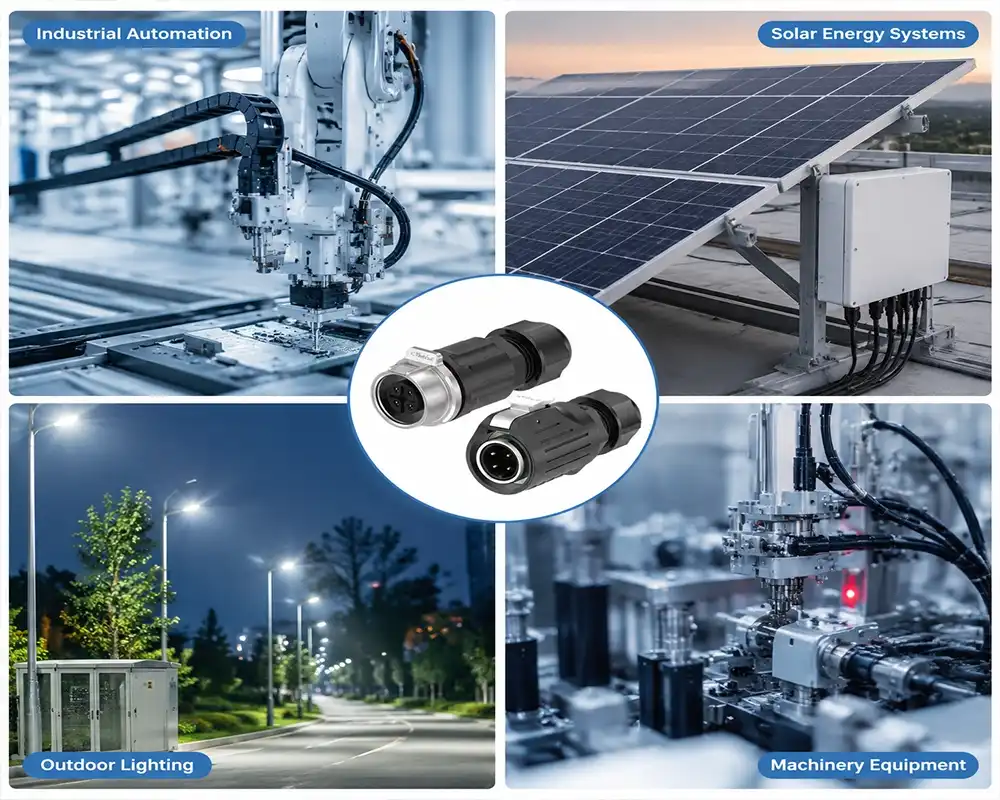
Industrial-grade connectivity is provided by the LP16 inline cable connector, which was carefully designed to balance waterproofing, ease of installation, and long-term dependability. The snap-lock bayonet mechanism lets you operate it with one hand and no tools, which makes installation faster and easier. The dual silicone seals and IP68-rated construction make it resistant to harsh environmental conditions like coastal corrosion and temperature extremes. Gold-plated contacts keep their electrical performance fixed for more than 2000 mating cycles, which makes them useful for LED lighting infrastructure and green energy systems. Strategic purchasing that focuses on licensed manufacturers, the right electrical and environmental standards, and suppliers that can customize and offer technical support will help your projects get reliable connectivity that keeps total ownership costs low while meeting strict operational needs.
FAQ
What kinds of pin combinations are there for different uses?
The connector can be set up in 2- to 9-pin configurations to meet a variety of needs. Two-pin versions are good for simple DC power distribution in LED lighting, while three-pin versions add grounding for equipment that needs it for safety reasons. Higher pin counts let you send both power and signals at the same time. For example, in an industrial sensor network, a 5-pin configuration might set aside two contacts for 24VDC power and three for RS485 communication. It's important to pay attention to pin spacing and protection in mixed-power and signal designs so that high-current power lines and sensitive signal traces don't talk to each other.
Can these connectors handle outdoor UV exposure long-term?
The PA66 nylon housing material incorporates UV stabilizers that resist photodegradation from continuous sunlight exposure. Testing protocols simulate years of outdoor weathering through accelerated UV chambers, confirming that housing strength and sealing integrity remain within specification. Outdoor LED architectural lighting installations demonstrate real-world durability, with connectors maintaining waterproof performance through multiple annual cycles without brittleness or seal hardening that would compromise environmental protection in coastal or high-altitude installations with intense solar radiation.
How do I verify waterproof integrity during installation?
Visual inspection of seal surfaces before mating represents your primary quality control point. Sealing rings should appear uniform without tears, embedded contamination, or compression set indicating previous over-tightening. After mating, verify the locking collar rotates smoothly to the stop position without binding. Testing installed assemblies with gentle water spray from handheld bottles simulates rain exposure, allowing visual confirmation of no moisture penetration before energizing circuits. Avoid high-pressure washing during testing, as this exceeds the IP rating specifications.
Ready to Source Reliable Industrial Connectors?
Cablein Technology brings 9 years of specialized expertise in manufacturing LP16 inline cable connector solutions engineered specifically for demanding industrial applications. Our manufacturing facility maintains ISO9001:2015 certification with complete CE, RoHS, and international compliance, ensuring every connector meets stringent quality standards your projects demand. We stock over 10,000 units of standard configurations for immediate shipment within 7-10 days, while our in-house R&D team provides full OEM/ODM customization for specialized pin counts, cable lengths, and housing materials. As a direct LP16 inline cable connector manufacturer, we eliminate distributor markups, delivering competitive pricing without compromising the IP68 waterproof performance and 2000+ cycle durability your installations require. Contact our engineering team at nick@cableinco.com to discuss your specific technical requirements and receive responsive support backed by our 24-hour technical consultation service.
References
1. Institute of Electrical and Electronics Engineers (2019). "Industrial Connector Standards and Environmental Protection Classifications for Harsh Service Applications." IEEE Transactions on Industry Applications, Vol. 55, No. 4, pp. 3821-3830.
2. National Electrical Manufacturers Association (2021). "waterproof connector Testing Protocols: IP Rating Verification Methods for Cable Assemblies. " NEMA Standards Publication WC-73, Third Edition.
3. International Organization for Standardization (2020). "Connectors for Electronic Equipment—Circular Connectors for Industrial Environments." ISO/IEC 61076-2-101:2020 Technical Specification.
4. Society of Automotive Engineers (2018). "Performance Requirements for Sealed Electrical Connectors in Transportation Applications." SAE J1928 Revised Standard, Automotive Connectivity Council.
5. Chen, W., & Thompson, R. (2022). "Contact Resistance Degradation Mechanisms in Gold-Plated Copper Alloy Connectors Under Environmental Stress." Journal of Materials Engineering and Performance, Vol. 31, Issue 8, pp. 6234-6245.
6. European Committee for Electrotechnical Standardization (2021). "Safety Requirements for Electrical Equipment in Explosive Atmospheres: Connector Design Considerations." EN 60079-0:2021 Compliance Guide for Industrial Applications.