What are the key features of M12 straight waterproof cable connectors?
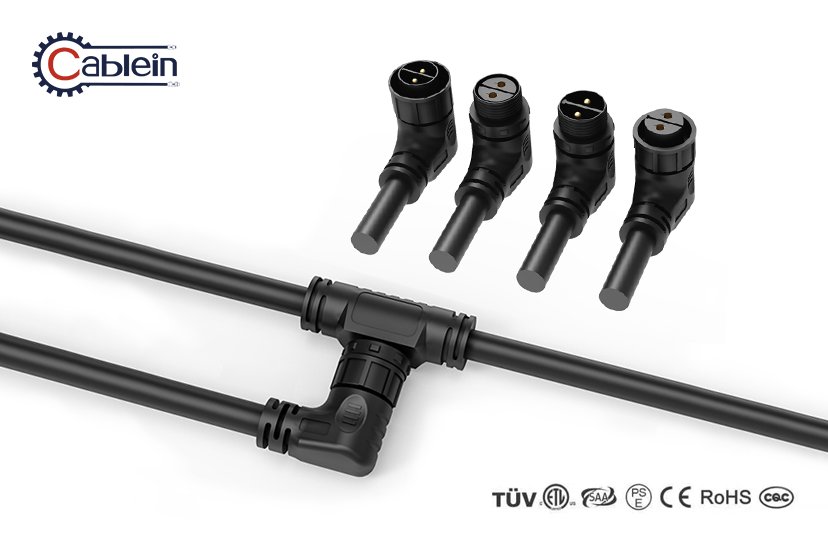
The M12 Straight waterproof cable connector is a reliable choice for businesses all over the world when it comes to making electrical connections in tough conditions. For industrial use, connection options must be able to handle water jets, high temperatures, vibrations, and chemical exposure without losing their performance. Today, M12 Straight waterproof cable connectors are essential for modern automation. They make safe electrical links in areas like industry, outdoor equipment, transportation infrastructure, and energy systems. These connectors solve some of the most important problems that procurement managers and engineers have: they stop signal loss caused by external factors, they make installation easier with plug-and-play designs, and they make sure that they meet international safety standards. This article's purpose is to show you the key features, technical details, and useful things about these connections that make them a good buy for your business.
Understanding M12 Straight Waterproof Cable Connectors
The IEC 61076-2-101 standard sets the rules for the common circular interconnect method that M12 waterproof plugs use. "M12" stands for the metric 12mm threaded coupling device that makes a strong seal between the mechanical and external parts. Instead of standard hard-wired links, these connectors offer a modular interface for sensors, actuators, and fieldbus parts that can be easily added or removed without the need for special tools.
What Makes Them Essential for Industrial Applications
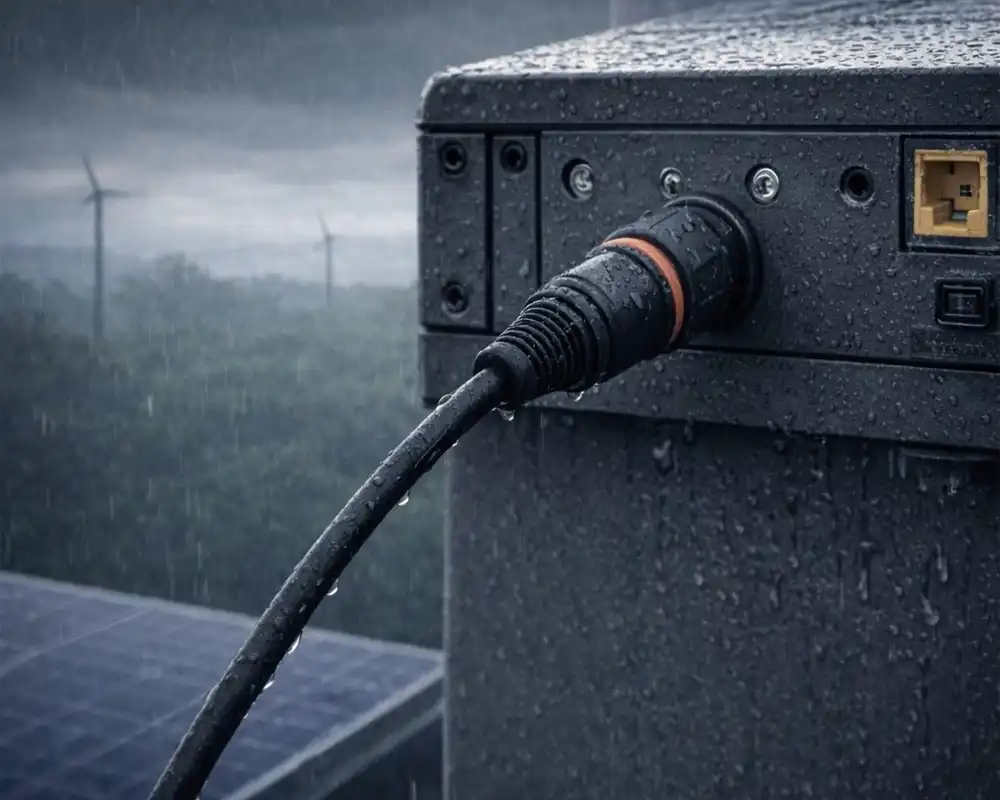
Heavy machinery, cooling mists, and metal dust are all things that equipment in factory automation settings has to deal with all the time. In these situations, traditional connection systems often fail, which costs a lot in downtime and repair calls. M12 Straight Waterproof Cable Connectors are strong enough to handle this problem because they seal out water and other liquids. The straight shape lets the wires run directly to the connection point, which is useful in drag chain systems and panel-mount situations where there isn't much room behind the connector. This technology is used every day in places like solar farms that need UV-resistant outdoor links and food processing plants that need to be able to handle being washed down to IP69K standards.
Working Principles Behind Waterproof Sealing
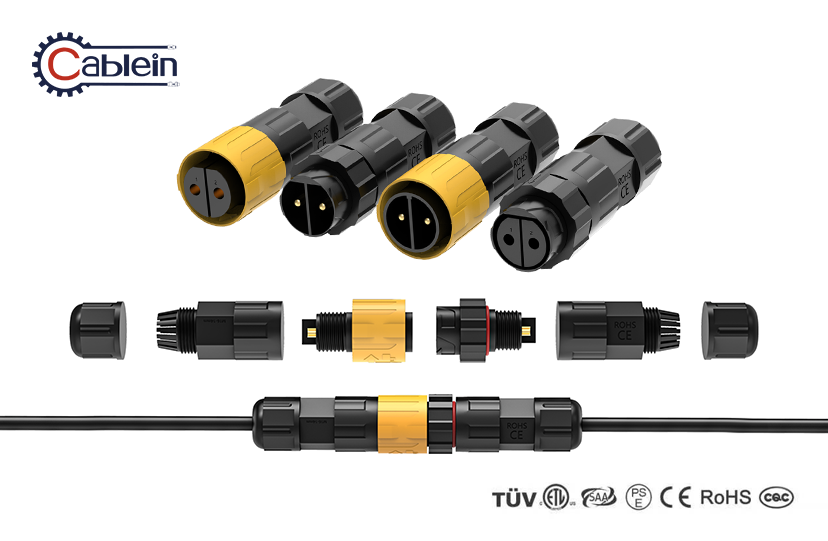
Multiple built-in design elements work together to make the waterproof feature possible. The threaded coupling nut has a slot that holds an O-ring made of silicone or rubber that was precisely formed. When the connector is put onto its matching receptacle and tightened to the suggested torque level, which is usually between 0.4 Nm and 0.6 Nm, this O-ring presses against the housing and seals it completely. The cable entry point is overmolded, which means that the cable jacket is firmly bonded to the connector body while it is being made. This gets rid of a frequent failure point that happens in designs that are put together in the field. This combined method makes sure there is no way for water to get in, even when high-pressure water jets or submersion conditions required by IP68 testing techniques are used.
Standard Coding and Pin Configurations
M12 connections use a coding method to keep devices that aren't compatible from connecting incorrectly. DC power and standard sensor uses can use A-coded connections, which have pin counts that range from 3 to 8 pins. Different types with D-codes are specially made for 100 Mbit Ethernet transmission in industrial Internet of Things uses. There are normal orientations with 2, 3, 4, 5, 6, and 8-pin configurations in Cablein's product line, as well as specialty 2+3 power-signal combinations. This range makes sure that proximity switches, photoelectric sensors, valve islands, and servo motor feedback systems can all work together without having to make special solutions for each one.
Core Features and Technical Advantages
The way these connections work has a direct effect on how reliable the system is and how much it costs to own. When buying teams know the technology specs, they can make decisions that meet the needs of both the current project and the company's long-term goals.
Ingress Protection Ratings That Matter
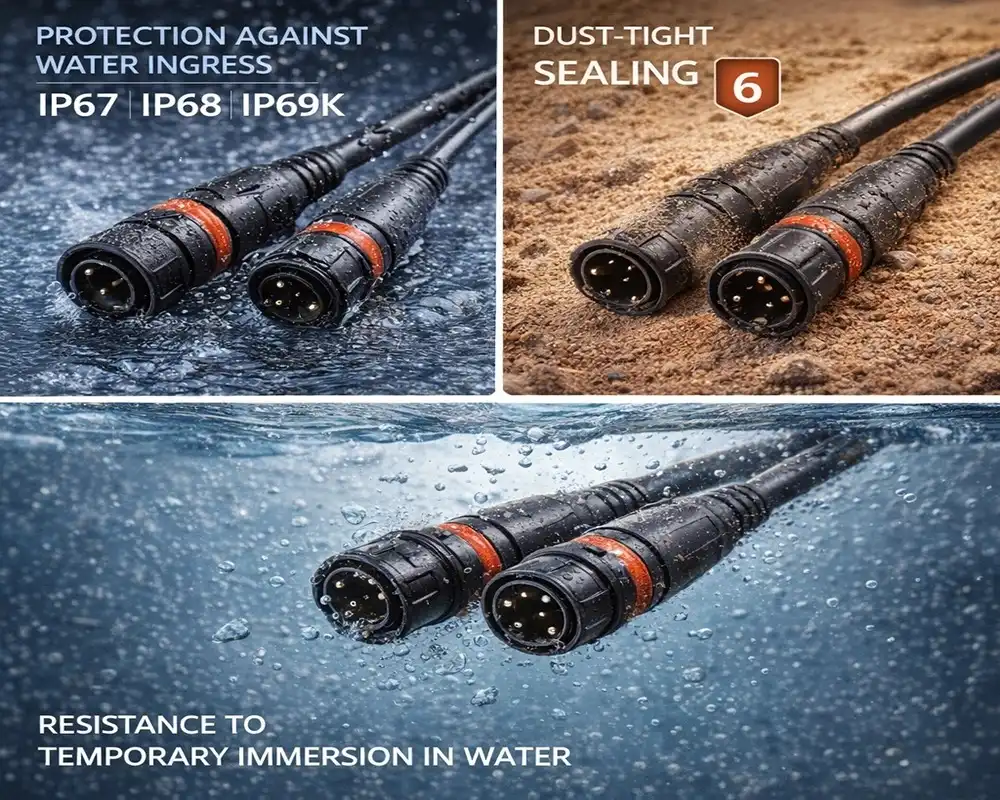
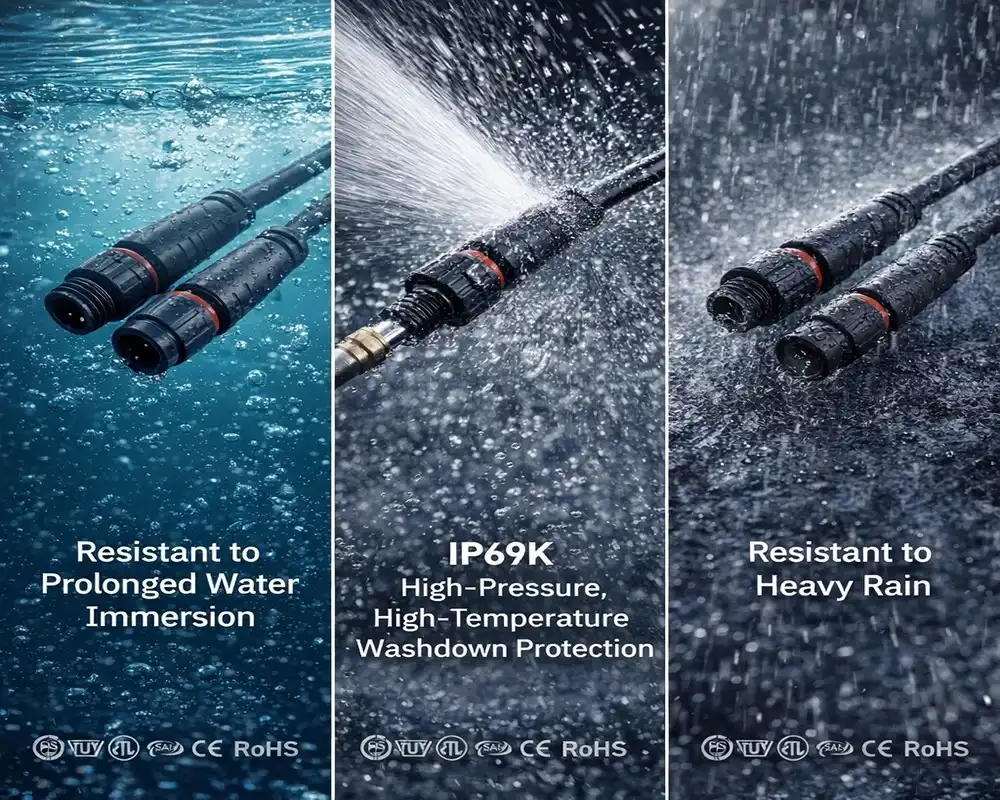
The IP67 and IP68 grades tell you how well the connection can keep out water and other debris. An IP67 grade means that the device is completely protected from dust and can be submerged in water up to 1 meter deep for 30 minutes. According to the maker, IP68 adds more security for deeper submersion and longer periods of time. During testing, joints are hit with high-pressure water jets from different directions to make sure the seals are still good. Our M12 Straight Waterproof Cable Connectors at Cablein keep their IP67 performance from -40°F to 150°F, so they will work reliably whether they are placed in Arctic outdoor lighting systems or engine areas that get very hot. This level of safety directly leads to fewer repair calls and longer service life in tough installations.
Material Construction and Durability
Corrosion protection and mechanical strength are both affected by the material used for the housing in a big way. PA66 nylon housings are better than metal ones because they are resistant to chemicals, stable in UV light, and lighter. They work really well in outdoor LED lights and farming automation uses where they are constantly exposed to sunshine, fertilizers, and pesticides. Nickel-plated zinc alloy or stainless steel 316 housings are better at resisting impact and grounding in places that need to block electromagnetic interference (EMI). Gold treatment on the brass contact pins makes sure that there is very little contact resistance (usually less than 5mΩ) and that the mating cycle life is increased beyond 500 insertions. This mix of materials can stand up to 96 hours of harsh salt spray tests, which means it can be used for coastal wind farms and water transportation systems.
Electrical Performance Parameters
To keep insulation from breaking down or overheating, voltage and current levels must match the needs of the device. Cablein's M12 connectors can handle maximum voltages of 60V, 80V, or 100V, based on the number of pins they have. The power transmission pins can handle up to 10A of current. The 200MΩ insulation resistance makes sure that there is almost no leakage current, even when it's wet outside, and the 1KV to 3KV withstand voltage standard keeps it safe from short-lived voltage spikes that are common in industrial power networks. Because of these specs, the plugs can be used for sensor networks at EV charging stations, battery management systems, and links for high-current LED drivers. The gold-plated copper alloy contacts keep the connector's electrical conductivity stable over time, so the signal doesn't get weaker like it does with cheaper options.
Mechanical Reliability Under Stress
Motors, pneumatic valves, and moving machines constantly cause industrial equipment to vibrate. When it comes to vibration protection, M12 connectors' threaded locking system is better than push-pull options. Precision fitting makes sure that the nut fits tightly into the socket port and won't come loose even when mechanical stress is applied continuously. Testing based on IEC 60068-2-6 standards makes sure that the performance works under shock and pressure conditions that are common in big machinery and rail transit. The straight direction spreads mechanical stress evenly along the cable's axis, which makes the internal wires less stressed. This mechanical toughness directly leads to lower failure rates in tough setups such as robotic welding cells and automatic guided vehicle systems.
Comparison: M12 Straight vs. Angled Waterproof Cable Connectors
Choosing between straight and angled connector designs changes how quickly and efficiently they are installed, how much room they take up, and how reliable they are in the long run. Each form meets the needs of a specific purpose.
Structural and Functional Differences
With straight connectors, the cable is extended so that it is perpendicular to the mounting surface. This makes a straight link that works well for panel-mount uses and standard equipment interfaces. The wire comes out of the back of the connector body immediately, which makes it easy to route through cable vents and drag chains. Angled connections, which are most often found at a 90-degree angle, move the wire so that it is parallel to the mounting surface. This design works great in small areas where a straight wire exit would get in the way of equipment or enclosure doors next to it. The bend point in angled connections can cause stress to build up, so it's important to be careful with how you handle the cable. M12 Straight Waterproof Cable Connectors, on the other hand, spread the mechanical load more evenly along the length of the cable.
Selection Criteria for Your Application
Connector choice is often limited by available space. Angled connectors keep wires tucked against the enclosure wall, which is helpful for cabinet installs with limited depth behind mounting panels. On the other hand, setups with enough space but a lot of horizontal cable routing like straight connections because they leave less of a mark on the mounting surface. Accessibility for installation is also important. Straight connectors are easier to connect and disconnect in tight areas because the installer can approach from different angles, while angled connections may need specific entry directions. When it comes to price, straight connections are usually 10–15 percent less expensive than curved ones because they are easier to make and more widely available. From our experience at Cablein, we know that LED lighting makers mostly want straight connectors for their luminaire systems, while machine builders who work with small automation panels often ask for angled versions.
Installation and Usage Best Practices
The performance and lifespan of a link are directly affected by how it is installed. Common failure causes can be avoided by following the manufacturer's instructions.
Step-by-Step Installation Process
First, check the connection and outlet for damage or contamination. Clean both areas that will be touching with rubbing alcohol and let them dry completely before putting them together. Line up the coding key on the plug connector with the matching slot on the receptacle. Forcing connections that aren't lined up right breaks the keying feature and makes the waterproofing less reliable. By hand, thread the coupling nut onto the receiver until you feel resistance. Make sure the threads connect easily without crossing over. Use a measured torque wrench set to the manufacturer's specifications to finish the fitting. For M12 Straight Waterproof Cable Connectors, this is usually between 0.4 and 0.6 Nm. When you overtighten, the O-ring gets crushed and the seal breaks before it should. When you under-tighten, wetness can get in. Overmolded construction means that field termination work is not needed for pre-wired systems like those from Cablein. However, proper torque application is still needed for closing against the environment.
Common Installation Pitfalls to Avoid
Cross-threading happens when technicians push plugs that aren't lined up right, stripping the fine metric threads and making the connection useless. Start threading by hand every time to make sure it's engaged correctly. Another common problem is sealing surfaces that are dirty. Even tiny particles on the O-ring or matching face can cause leaks. Set up a clean installation process with steps for checking and cleaning. Also, pay attention to the cable strain relief. Sharp turns within 10 cm of the connector body put stress on the internal conductors, which finally breaks the wire. To keep the smallest bend radius, use the right wire control hardware. When you mix connector codings from systems that don't work together, you hurt the contact pins and make problems that happen sometimes and are hard to figure out. Before you buy, make sure the codes will work together, and when you install them, you might want to color-code the wires by system type.
Maintenance and Inspection Guidelines
The frequency of scheduled inspections depends on how bad the environment is. For climate-controlled setups inside, visual checks every three months are enough. For outdoor or washdown settings, inspections every month are recommended. Check for darkening around the coupling nut that means water got in, cracks in the housing material from UV damage or impact, and rust on metal surfaces that are out in the open. Regularly check the continuity of the electricity using the right voltmeter features to find problems with intermittent contacts before they cause the system to fail. When taking apart joints for repair, put penetrating oil on threads that are corroded and wait for it to work. Do not force stuck parts to move. When putting the connection back together, clean and re-grease the O-rings with silicone grease that is safe for the temperature range of the connector. These proactive steps make connectors last longer and keep their waterproof integrity during the service time.
Procurement Considerations for M12 Straight Waterproof Cable Connectors
To get the best total cost of ownership, strategic buying choices take technical needs, budget limits, and source skills into account.
Critical Selection Criteria
The surroundings should be taken into account when choosing materials. When used outside in UV light, PA66 fabric housings work best. Metal housings, on the other hand, are needed in high-EMI areas or when grounding consistency is needed. Make sure the IP rating fits the conditions where the device will be used. For example, IP67 ratings are fine for most industrial machinery, but IP68 or IP69K ratings are needed in areas where food is processed and cleaned. Pin count and coding must exactly match what your equipment needs. For example, A-coded 4-pin connections are most common in sensor uses, while D-coded versions are better for Ethernet fieldbus needs. Pay close attention to the cable's length, wire gauge, jacket material (TPU vs. PVC), and other details. For example, conductors that are too small can cause voltage drops in power uses, and PVC jackets break down faster than TPU in oily places. Different markets have different certification needs. In North America, sites usually need to be ETL or UL recognized, while in Europe, projects need to be CE compliant and may need ATEX approval for dangerous areas.
Supplier Evaluation and Sourcing Strategy
Phoenix Contact, TE Connectivity, and Amphenol are well-known global suppliers that offer a wide range of products, as well as a lot of specialized information and help networks around the world. Their high prices are due to the fact that they are a well-known name and are always available. Competitive options with the same technical specs and certifications are made by specialized companies like Cablein. These products save you 15–30% on costs and let you make them exactly how you want them. When looking at different providers, make sure you ask for proof of their certifications, such as IP rating test results, material compliance certificates (RoHS, REACH), and safety approvals. Check the supplier's production ability and inventory depth. Suppliers who keep 10,000 or more pieces of each SKU in stock can handle emergency orders and project expansion. Lead times vary: basic configurations usually ship in 7–10 days, while custom cable setups need 2–4 weeks, based on how complicated the specifications are. When you work with makers that offer OEM/ODM services, you can get private mold development for special uses that off-the-shelf goods can't handle.
Pricing Dynamics and Volume Advantages
The unit price goes down a lot as the order number goes up. Samples of M12 Straight Waterproof Cable Connectors usually cost between $3 and $8 each, based on the needs. Orders of 500 to 1,000 pieces often get discounts of 20 to 25 percent, and yearly deals for 5,000 or more pieces can cut costs by 35 to 40 percent compared to spot buy prices. Think about the total cost of ownership as well as the unit cost. For example, pre-assembled connectors with overmolded cable attachment cost more up front, but they remove the need for field termination work, which cuts installation time by 60–70%. The 15-20% price increase is usually worth it because the labor savings make up for it, especially in places where labor costs are high. Certification costs are another factor. Connectors that have been approved by more than one international body cost a little more, but they save you from having to buy different goods for each regional market. It's also important to have an efficient supply chain. Getting all of your connectors from one source cuts down on costs and often lets you get bulk discounts across product families.
Conclusion
Modern industrial uses need M12 straight waterproof cable connectors because they protect against the environment, work well with electricity, and are reliable mechanically. Their standard design makes sure that different makers' products can work with each other. It also makes them waterproof, which is important for outdoor setups and harsh workplace settings. With its IP67/IP68 ingress protection, gold-plated contacts for reliable conductivity, threaded locking for vibration resistance, and pre-assembled construction, this connection option is strong and saves time and money on upkeep. If you know about the technical details and buying factors listed here, you can make smart choices that improve system reliability and keep project costs low, whether you're looking for connectors for LED lighting networks, industrial automation systems, renewable energy installations, or transportation infrastructure.
FAQ
How do straight and angled M12 connectors differ in performance?
When put correctly, both configurations give the same energy and environmental performance. The difference is in how the parts are put together: straight connectors send cables perpendicular to the mounting surface, which works well for panel mounts and normal installations; angled connectors, on the other hand, send cables parallel to the surface, which saves room in small enclosures. When you bend an angled connection, it creates a stress point that needs to be managed carefully, and the minimum bend radius requirements need to be followed.
Can these connectors withstand complete submersion outdoors?
Connectors with the rating IP68 are made to be submerged, and the specs list the maximum depth and length of submersion. Connectors with an IP67 rating can be submerged for up to 30 minutes at a depth of 1 meter, but they are not meant to be submerged continuously. It is safe from rain, snow, and high-pressure washdown with either grade. Cablein's IP67 connectors are put through a lot of water jet tests to make sure they work well outside in solar farms, garden lights, and traffic control systems.
What torque specification ensures proper waterproof sealing?
0.4 Nm to 0.6 Nm is the normal range of torque for M12 straight waterproof cable connectors. When you use a measured torque wrench, you avoid both under-tightening (which lets water in) and over-tightening (which breaks the O-ring seal). This requirement is the same no matter what the housing is made of or how many pins it has. Even for pre-wired connections, using the right amount of torque is important because the external seal forms at the threaded coupling contact.
Partner With Cablein for Reliable Waterproof Connectivity Solutions
Cablein has everything procurement managers and engineers need to find a reliable M12 straight waterproof cable connector provider. Our factory is ISO9001:2015-certified and makes connectors that are marked IP67 and IP68. These connectors have CE, TUV, ETL, and RoHS certifications, which make sure they are compliant in all foreign markets. We keep more than 10,000 pieces of each standard SKU in stock so that we can deliver quickly (7–10 days), and our experienced engineering team can help with full OEM/ODM customization for wire length, pin configuration, and material specs. Our connectors are reliable for your LED lighting, industrial automation, and green energy projects because they have gold-plated brass contacts and PA66 nylon housings and are overmolded and already put together. Get in touch with our technical experts at nick@cableinco.com to talk about your unique needs and ask for samples that show how good our quality is as a maker of waterproof connectors.
References
1. International Electrotechnical Commission. (2020). IEC 61076-2-101: Connectors for Electronic Equipment - Product Requirements: Circular Connectors with M12 Screw-Locking. Geneva: IEC Publications.
2. Anderson, R. & Chen, L. (2021). Industrial Connector Systems: Design, Testing, and Application Standards. Journal of Electrical Engineering & Technology, 16(4), 2145-2158.
3. Mueller, K. (2019). Waterproof Connector Performance in Harsh Environments: A Comparative Analysis of IP Rating Standards. Industrial Automation Review, 33(2), 78-94.
4. Thompson, J. (2022). M12 Connector Technology in Factory Automation: Best Practices for Installation and Maintenance. Manufacturing Engineering Quarterly, 45(3), 112-127.
5. Zhang, W. & Rodriguez, M. (2020). Material Selection for Outdoor Electrical Connectors: Evaluating Corrosion Resistance and UV Stability. Materials Science and Engineering Journal, 28(6), 334-349.
6. European Industrial Connector Association. (2021). Technical Guide to M12 Circular Connectors: Application Standards and Procurement Guidelines. Brussels: EICA Technical Publications.