How to Design Waterproof Cable Assemblies: A Complete Guide
To design a waterproof cable assembly, start with the environment, not the connector. Define the IP rating, immersion depth, temperature range, chemical exposure, and mechanical loads first. Then choose cable jackets, contacts, and seals that match those limits, and test the finished part before you place a volume order. A well-built waterproof cable assembly protects power and signal paths in outdoor power supplies, energy storage, charging equipment, and industrial machines. In this guide, I cover ratings, materials, sealing methods, the design process, testing, and sourcing, so your engineers and buyers can approve drawings with confidence.
What Is a Waterproof Cable Assembly?
A lot of suppliers use the word in a vague way, so I'll start by making it clear.
Core Components of a Waterproof Cable Assembly
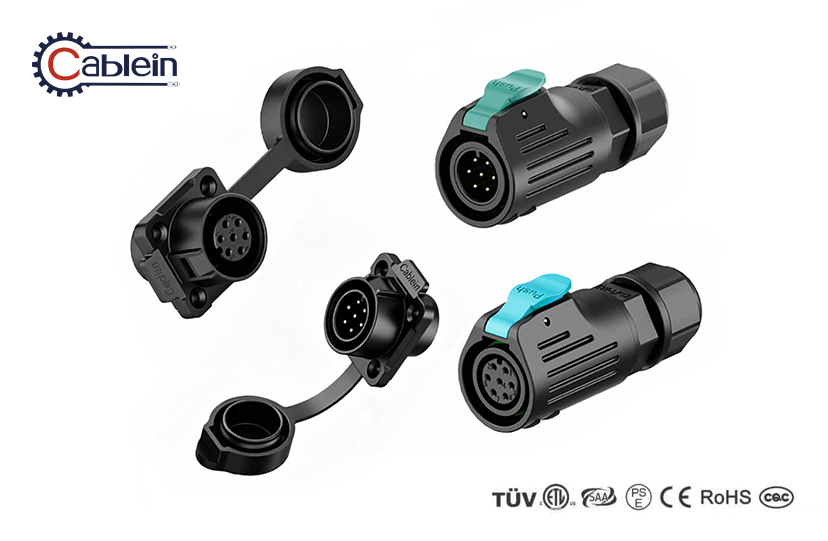
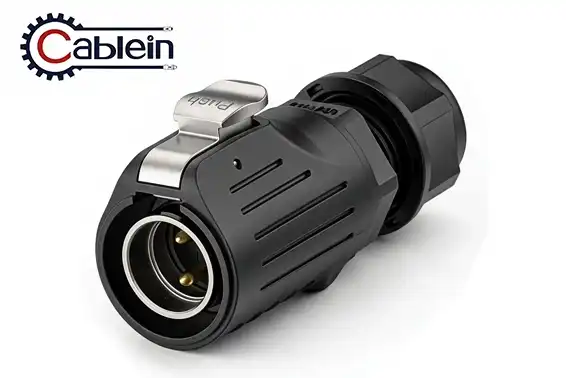
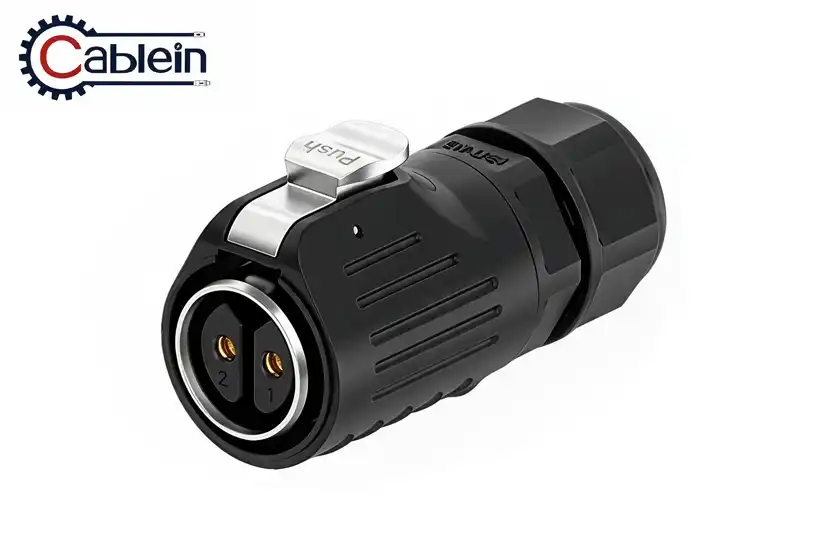
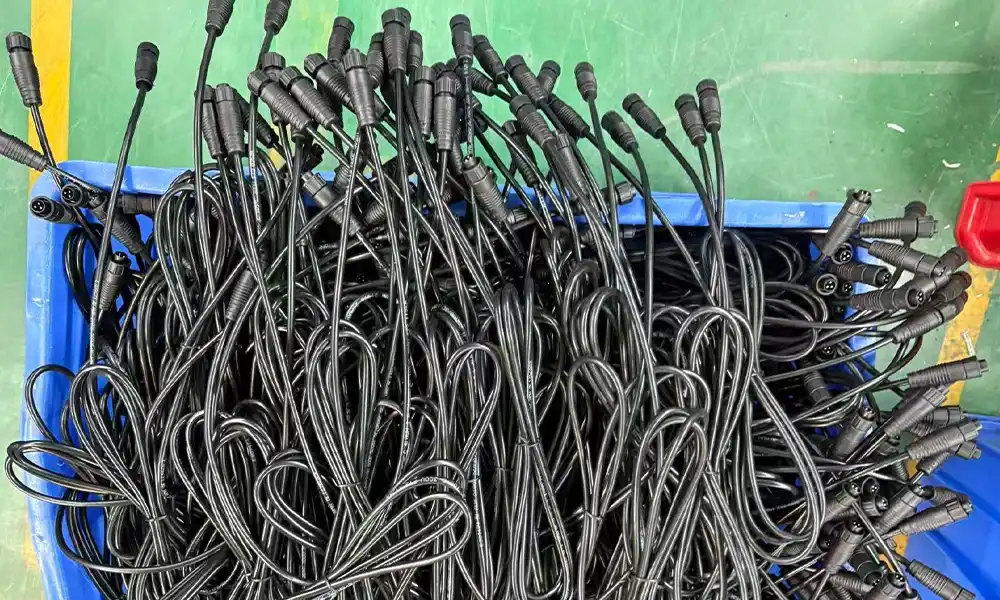
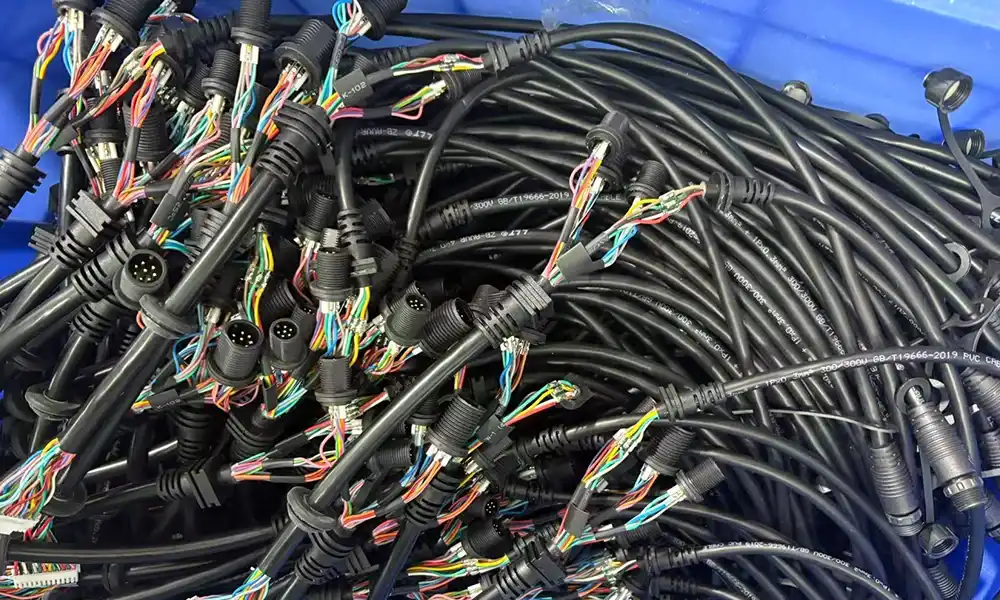
A waterproof cable assembly is made up of conductors, insulation, terminals, connectors, seals, and strain relief. It is the whole thing that is put together. Each part does something. Terminals let current run through them. Layers of insulation, like jackets and insulation, keep heat, water, and wear and tear out. Between the faces that fit together, there are holes that are filled with O-rings, gaskets, and grommets. It keeps forces that pull and bend away from the crimp and the seal.
The electrical path is blocked by these parts, which fit together like a puzzle. If one part breaks, water will find the weak spot. So, when I think of a waterproof cable assembly, I don't just picture a plug with a cord attached to it.
Why "Waterproof" Needs an IP Rating
"Waterproof" alone is not enough to prove this. It's useful because it has a grade and a test condition. In order to protect against solids and water, the IP Code is set by IEC 60529. Someone on the market says something is "waterproof" but doesn't give a code, depth, or time. Your team doesn't know what to believe.
Writing down the target rating, the test method, and whether the pair is mated or not in your drawing notes is important. In the US, people will also see outdoor gear with NEMA 250 enclosure types. IP codes and NEMA 250 types are not the same. NEMA 250 is a different language.
Molded, Overmolded, and Field-Installable Types
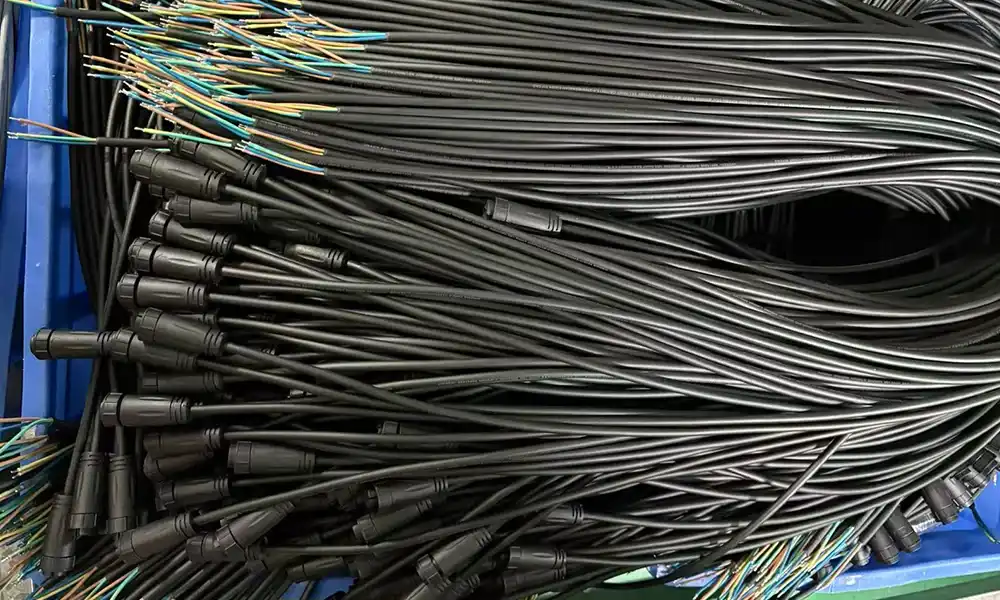
Molded parts are used to make both the body of the connector and the cable transition in one step. This is good for making a lot of them at once. It is possible to add a layer of polymer on top of a connector or cable joint that is already there. So, you can make your own forms, get a better grip, and ease extra pressure. Technicians can terminate the cable right where it's needed with designs that can be installed in the field. They help fix things and give each unit its own look.
Plugs for power and sensor lines are often round, while housings for multi-pin setups are oblong. Signal lines made of braid or foil are added to versions with shields. If you mold and overmold OEM parts that are sent out in large numbers, you don't need to do the crimping and potting on your own production line.
IP67 vs. IP68 Waterproof Cable Assembly Ratings
Ratings are where a lot of specification mistakes begin, so this part will be short and to the point.
What the Two IP Digits Mean
That's what the first number says: protection against solids. The second one tells you how well it keeps water out. The first number of 6 in IEC 60529 means that the device is dust-tight. It has been tested to be waterproof for 30 minutes at depths of up to 1 meter if the second number is 7. If the second number is 8, it means that the product will keep you safe from being immersed in water for a set amount of time.
The code doesn't cover chemicals, UV light, oils, or salt. IEC 60529 says that both high-pressure and steam cleaning are IPX9 tasks. Most of the time, companies that make cars use IP6K9K from ISO 20653 instead.
IP67 vs. IP68: Which One Do You Need?
If the power station or EV charger is outside and gets wet from rain, splashes, or small floods, an IP67 waterproof cable assembly is good for it. IP68 is good for things that get wet and stay wet for a long time, like underwater robots, pool lights, or walls in places that might flood.
IP68 doesn't have a set depth or length, so IP68 from one supplier might be different from IP68 from another. A bigger number doesn't always mean better. It could cost more and need to be in a certain state to work with an IP68 build. Check to see if the rating is just for the connector or for the whole thing. Then choose the number that matches the real exposure the best and check it to make sure it's right.
What to Confirm Before You Approve a Design
Find out how deep the test went, how long it lasted, how warm the water was, and whether a capped or mated pair link was used before you sign off. It is important that the rating includes both the face of the connector and the molded part where the cable goes in. Find out what kind of cable and jacket were used in the test. A different cable might not have been able to keep the seal.
From the test record, get the correct part number. These questions help clients and me agree on ratings before a sample is made when we look at drawings together.
Key Design Factors and Sealing Methods
After you set the rating, the seal and material you choose will tell you if it holds.
Match Materials to the Environment
If you pick the right jacket, it will last longer. PVC is good for cheap lines that are used for many things. PUR and TPU are better at not wearing down or bending over and over again, which is good for equipment that moves. To keep its shape when it's cold, silicone can handle big changes in temperature. Fluoropolymers cost more, but they can handle heat and a lot of chemicals. XLPE insulation is often used in places where it's important to have higher temperatures or currents.
Most of the time, metal or PA66 plastic is used to make connector housings. Keep in mind that an IP rating does not mean that something is safe from disinfectants, UV light, salt water, or oils. For outdoor gear made in the US, check the material data sheets to make sure it can handle UV light and high and low temperatures.
Electrical and Mechanical Requirements
First, find out how long the wire is, how much current it has, and how hot it is. Next, look at how much the voltage drops along the whole line. Look at the insulation and contacts to see how much voltage they can handle. Make plans early on for how to protect signal lines and ground them.
On the mechanical side, set the pull force, bend radius, flex cycles, torsion, and vibration. In most cases, the minimum bend radius of a cable is given as a number that is a multiple of its outer diameter. As you follow it, pay close attention to the area near where the connector comes out. This is where bending damage usually starts. It should always land on the strain relief when you pull something, never on the crimp. Put each number on the drawing so that the person who makes it can figure out how much it's worth.
Sealing Methods and Their Trade-Offs
Because O-rings and gaskets seal faces that are pressed together, the size of the groove and the torque need to be just right. Cable glands go over the hole in a case where the cable goes in. There needs to be enough space around the outside of the cable for the gland to seal it. Leaks are likely to happen if it doesn't. Potting with epoxy, polyurethane, or silicone keeps the insides from getting wet, but it can be hard to fix problems and can stress parts when the temperature changes. Molding and overmolding keep things sealed and offer built-in strain relief.
Some of the extras are protective caps, adhesive-lined heat-shrink tubing, double seals, and hardware that won't rust. I think you should choose the method based on the repair needs, volume, and exposure.
Waterproof Cable Assembly Design Process and Testing
A clear method speeds up sample rounds and cuts down on extra work.
Turn Requirements into a Drawing
Start with the specifications that can be measured: IP rating, cable length and tolerance, pinout, voltage, current, temperature range, chemicals, UV exposure, bending, and vibration. Also make sure it fulfills any regulatory requirements such as UL or CE. Next, choose the kind of connection and cable and prepare for the strain relief and sealing.
Provide a design with a list of your requirements, how to crimp and form it, and the parameters to be reached. IPC/WHMA-A-620 is the standard used by many customers to determine the quality of work on waterproof cable assembly.
Prototype, First Article, and Pilot Run
An engineer looks at the first samples produced by the supplier. Your team verifies the genuine item to make sure it fits, seals, pins out, and has appropriate pull strength. When checking, the dimensions and test results of the initial product are checked against the authorized drawing. After a trial run, the process is working again, notably in ensuring that the molding and potting are all the same. Then you should start generating a lot of them.
There is a 1-3 month gap between the drawing and sample request phase and the engineering review, first sample, trial run, and volume order phase in the OEM project. Ask in advance how long it takes to receive samples and what the engineering costs cover.
Tests and Documents to Request
Electrical tests which may be performed include continuity, pinout, insulation resistance, dielectric withstand, contact resistance, etc. Some of the environmental tests performed include water immersion to a specified IP level, heat cycling, humidity, UV aging, and salt spray. Most people utilize the ASTM B117 salt fog technique, although MIL-STD-810H includes a lot more methods to test items outside. Mechanical testing includes tensile force, flexing, vibration, retention, and mating cycles.
It is vital to have the test results, compliance certifications, inspection records, drawings, and the traceability of each batch. Continuity testing alone is not conclusive evidence of a seal. Request a waterproof test on all completed assemblies. Cablein does a complete examination to make sure the protection is working and will endure.
How to Buy a Custom Waterproof Cable Assembly
There still needs to be a clear plan for where to get things in a good design.
Build a Complete RFQ Package
The fuller the bundle, the faster and more accurately the suppliers can provide you with prices. You should include the following: drawing, type of cable and outer diameter, length tolerance, connector part numbers, pinout, conductor size, voltage, current, IP rating, temperature range, flexing requirements, exposure conditions, annual quantity, certifications, and packaging.
Enter the sample amount you need and the lead time you require. Whether you inquire about MOQ, tooling, or engineering expenses, make sure you ask whether you can amortize these over the first few sales. A comprehensive RFQ also means that your purchasing team may compare quotations on the same assumptions.
Protect Your Drawings
I understand your concern regarding the confidentiality of sketches. Make sure you have a non-disclosure agreement completed before providing the materials. Don’t transmit too many early files. We don't need your whole equipment design, only a PDF of the waterproof cable assembly drawing.
Make sure you have documentation of ownership of any custom tools or molds you create. Understand the supplier’s restrictions on access to your files and information. Cablein can make adjustments to OEM/ODM and private molds. At the beginning of each engagement, I recommend that purchasers and I agree in writing on ownership and confidentiality. When it’s a clear contract, everyone’s safe.
Evaluate a Waterproof Cable Assembly Manufacturer
Don’t just look at the price. What does the factory do itself? Does it cut, strip, crimp, mold, overmold, pot, test? In general, the fewer handoffs, the more control you have. Check for quality processes, material traceability, prototype support, and corrective-action procedures.”
Cablein was established in 2017 in Longgang, Shenzhen. It employs around 200 specialists in a 6,000 ㎡ ISO9001:2015 certified facility. ETL, CE, RoHS, REACH, and TUV certificates are applied per product series. At Cablein, we always have more than 10,000 pcs of each item in stock and mail them out within 7-10 days. It also manufactures bespoke orders for the demands of the customers.
Conclusion
To make a waterproof cable assembly, you first need to know the IP rating and how to test it. Without them, the phrase "waterproof" means nothing. Briefly, IP67 means immersion for a short period of time. IP68 depends on how deep and for how long the manufacturer claims it is immersed. They should be made of materials and have electrical and mechanical restrictions that fit the actual environment and sealing (O-rings, glands, potting or molding). The initial piece is examined, a pilot run is done, and full assemblies are inspected. There is less risk before mass production. A comprehensive RFQ and a documented confidentiality agreement allow buyers to compare vendors on an equal basis. The important idea is that assurance comes from explicit requirements and validated findings.
FAQ
1. What is the difference between IP67 and IP68?
IP67 covers temporary immersion, tested at up to 1 m for 30 minutes. IP68 can handle continuous immersion as long as the manufacturer states the depth and time. Always confirm these conditions.
2. Is IP68 always better than IP67?
Not at all. The right rating matches the real exposure. However, IP68 might not help at all for equipment that only sees rain, and it may carry extra cost and design limits.
3. Are waterproof cable assemblies suitable for outdoor use?
Yes, if the jacket, seals, and housing resist UV and the local temperature range. Confirm this with material data, not the IP rating alone.
4. What information does a supplier need for a quotation?
Send the drawing, cable type, length, connector and pinout, voltage and current, target IP rating, temperature, exposure conditions, quantity, and certification needs.
5. Why should I test samples before mass production?
Samples let you check that the seal, strain relief, and crimps work in your real product. It costs a lot less to find a fault at sample stage than finding it in the field.
Request a Custom Waterproof Cable Assembly Quote from Cablein
We will look over your plans once you email them to nick@cableinco.com with the expected quantities and the IP rating you want. We work as a waterproof cable assembly manufacturer with OEM/ODM customization, private molds, 24-hour technical support, and shipping by air, sea, UPS, DHL, and FedEx.
References
1. IEC 60529: Degrees of Protection Provided by Enclosures (IP Code), 2013
2. IPC/WHMA-A-620D: Requirements and Acceptance for Cable and Wire Harness Assemblies, 2017
3. ASTM B117: Standard Practice for Operating Salt Spray (Fog) Apparatus, 2019
4. MIL-STD-810H: Environmental Engineering Considerations and Laboratory Tests, 2019
5. NEMA 250: Enclosures for Electrical Equipment (1000 Volts Maximum), 2020
6. ISO 20653: Road Vehicles – Degrees of Protection (IP Code), 2013