Best Waterproof Connector Options for Global Buyers?
The best waterproof connector options for global buyers are IP67 and IP68 connectors for most outdoor and wet-location projects, with IP65 as a lower-cost choice for rain and dust only. I suggest matching the rating to real exposure first. Then check pin count, cable diameter, locking style, materials, and certificates. Nylon housings suit lighting, solar, and general outdoor work, while metal designs suit heavy industrial or marine use. At Cablein, we have built industrial waterproof connectors since 2017, and this guide shows how to compare options, avoid costly errors, and request samples before volume orders.
What Are Waterproof Connectors and How Do They Work?
Core Definition and Sealing Parts
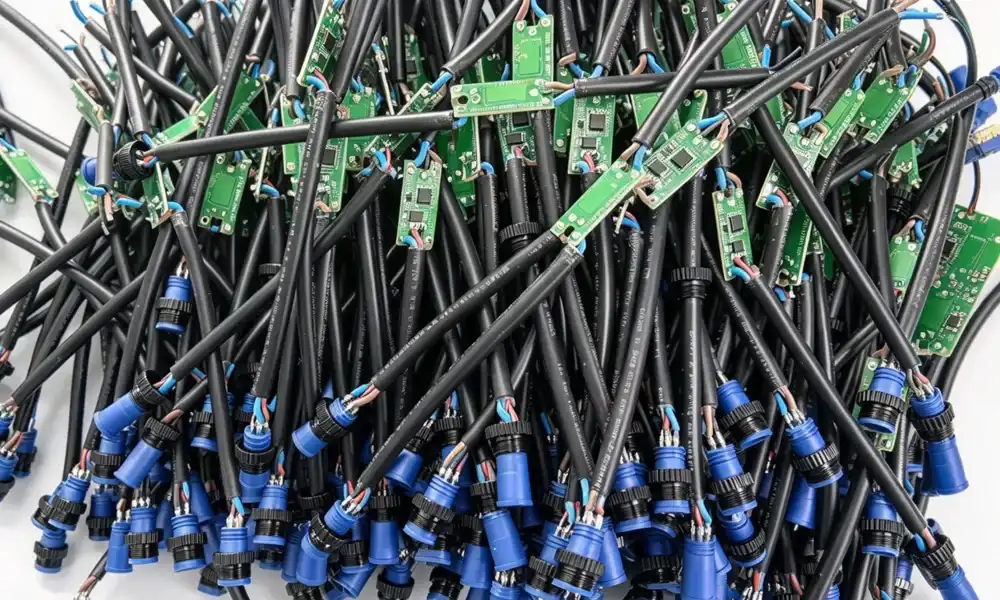
You can connect electrical or signal systems with waterproof connectors that keep water, dust, and other things from getting to the contacts. In Spanish-speaking markets, people often look for these solutions, but the rules are the same everywhere. The homes are only one part of the plan. A few of the things that work together are cable glands, contact connections, locking systems, strain relief, and O-rings. Inside one kind of strain relief gland is a closing grommet and a compression nut that work together to keep the wire in place and stop the point of entry. "Waterproof," "weatherproof," and "water-resistant" don't mean much if there isn't a clear IP number and test conditions to back them up.
Where Buyers Use Them
There are waterproof connectors used for solar panels, outside lights, car wiring, naval equipment, security cameras, industrial machines, farms, and phone calls. The main places where LED lighting is used, where we work at Cablein, are cities, stadiums, and farms. We also work on medical devices, underwater robots, new energy (solar, EVs, and energy storage), industrial automation, security and monitoring, public transit, and underwater robots. For outdoor lighting, installers often use T-type waterproof splitters to link street lights and floodlights in a daisy chain along a single run. You can make sure you have the right IP grade and number of pins if you know what it will be used for.
Why Correct Assembly Matters
Even if a good connection is put together wrong, it won't work. Broken seals, loose connections, cables that are too thin, cables that are crimped incorrectly, and cables that bend sharply are all ways that water can get in. These issues can also cause phones to get too hot and lose messages. I always tell people to check three things before they lay the tile. The wire has to be within the range of the gland, and the O-ring has to fit into its groove. The connection has to fully lock. Also, they should leave a little bend near where the cable comes out. It won't cost you anything to keep up these little habits.
Understanding IP Ratings: IP65 vs IP67 vs IP68
IP65: Dust-Tight and Protected from Water Jets
The IP Code is set out in IEC 60529. The first number stands for solids, and the second number for water. The number 6 in IP65 means that it doesn't let dust in, and the number 5 means that it can handle water jets from a 6.3 mm tip that flow at 12.5 liters per minute. With that much, it will splash, rain, and hose spray, but it won't soak in. Outdoor signs, fixtures, and wall-mounted gear that needs to be protected from the weather and where water can't gather should be IP65. It's a good idea when you don't want a lot of attention because it costs less than stronger ratings. Do not put it down where it might get wet or flood, like on the ground.
IP67: Protection During Temporary Immersion
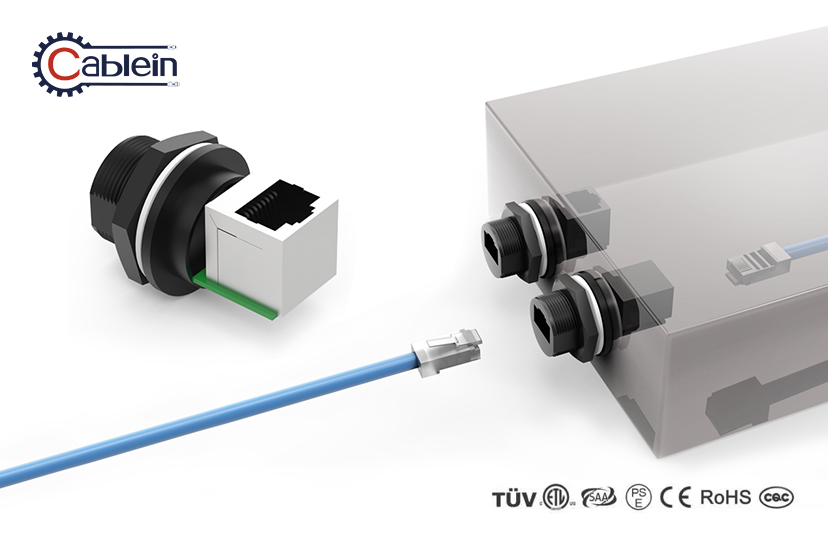
To see if IP67 keeps the dust-tight rating, IEC 60529 tests it at 1 meter for 30 minutes. It also adds protection against short-term immersion. This is a good choice for low-level installations that could flood by accident, light fixtures outside, car wiring, and irrigation. Cablein makes PCB and circular-mount connections that are waterproof connectors and rated IP67/IP68. They also make designs that don't need to be soldered: push-lock and quick-connect. If someone isn't sure if something is IP65 or IP67, they should look at where they plan to put it. IP67 is shown by things that are close to the ground, like drains or irrigation lines.
IP68 and IP69K: Demanding Conditions
IP68 covers longer diving, but the buyer and seller agree on the time and depth. That means two IP68 links could have different test settings, so I need the numbers in writing. High-pressure, high-temperature wash-down is what ISO 20653 calls IP69K. This kind of wash-down takes place in food processing plants and other places like them. A house that is empty doesn't get either rating. Look at the part that is attached. It has a wire, a gland, and plugs. Cablein's goods are all checked to make sure they are waterproof and will last. We use modern IP68 waterproof technology.
Comparing Waterproof Connector Types and Application Options
Pin Count, Locking Style, and Mounting
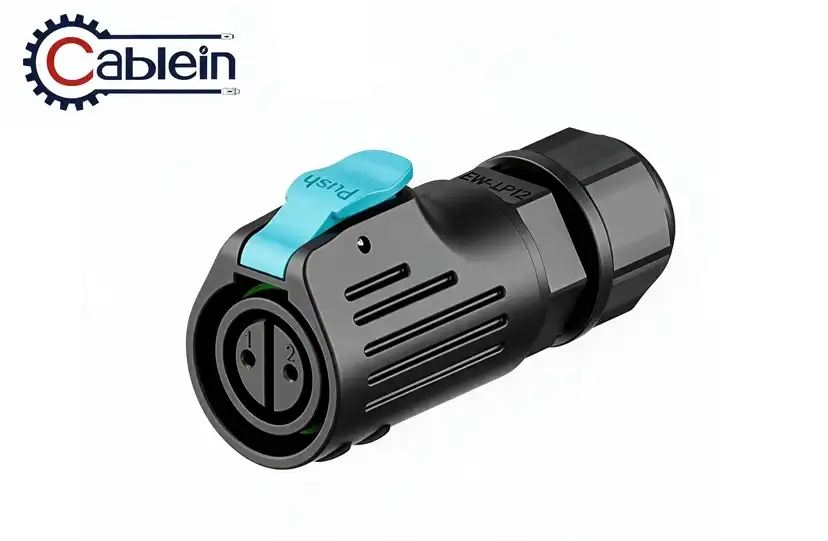
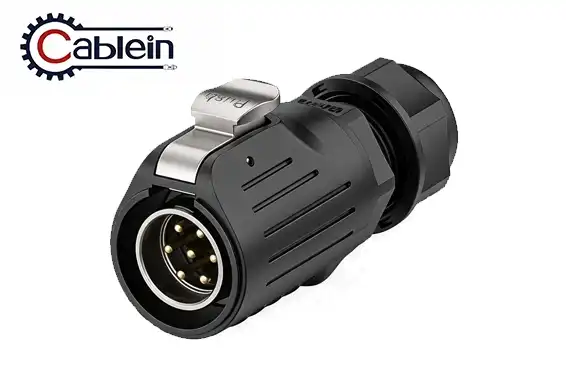
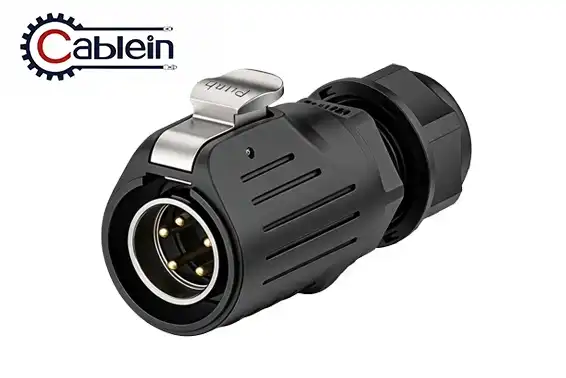
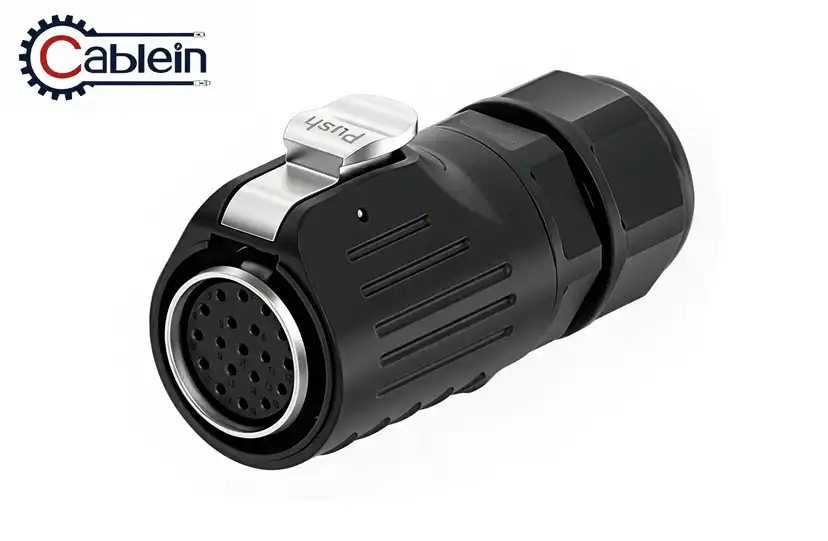
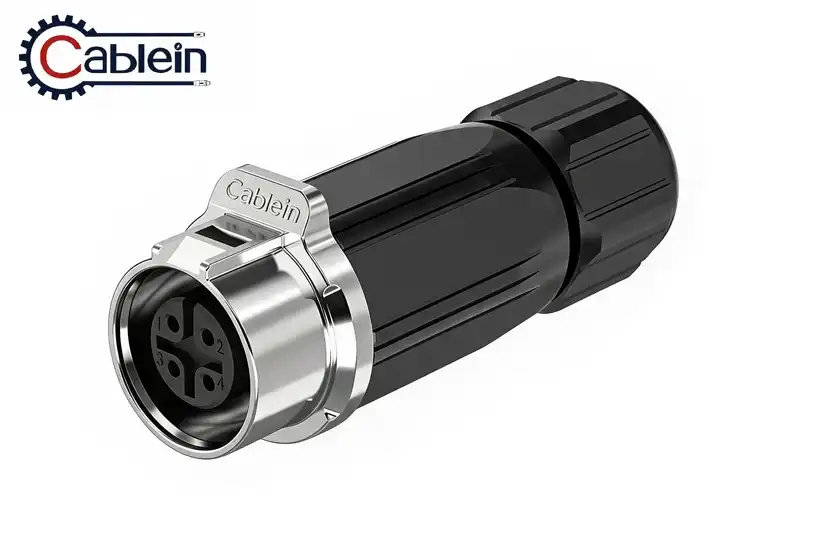
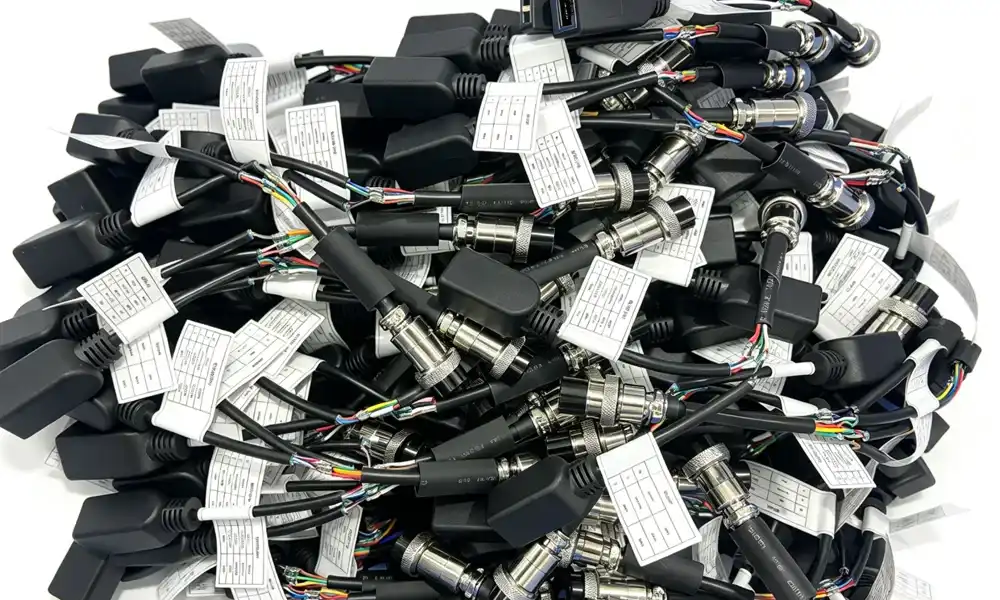
Simple DC power circuits can use two-pin connectors. Three-pin models have extra lines that can be used for controlling, signaling, or grounding. Screw-lock designs stay in place even when the system is shaking, and push-lock and quick-connect designs make it easier to service and put together in different ways. It also makes connectors that are waterproof and don't need to be soldered. The installer doesn't have to do the soldering, which speeds up the process in the field. This is also important because different cases work best with different mounting styles, such as cable-mount, panel-mount, and inline. The M12 circular connection with a 12 mm locking thread is the standard when it comes to automation. M16 connections are often used to send power and DMX data in architectural lighting.
Nylon Versus Metal Housings
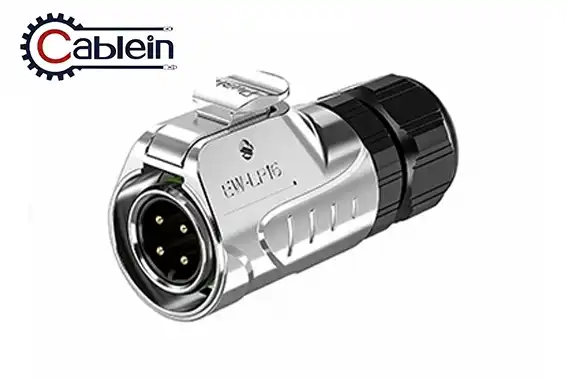
This type of connection is most often used for outdoor lights and solar work because it is cheap, doesn't rust, and is light. Metal housings are better for heavy industrial and marine sites because they are stronger. That one thing isn't the best. Pick based on the weight, the chemicals, and the possible damage to the spot. Things that are standard tend to cost less and take less time to make. When you can't use a catalog part because of an OEM housing, a strange cable size, or a different pin layout, it makes sense to make your own. Cablein can make custom molds just for these cases, and our expert team can help you figure out what you need.
Recommended Options by Application
The connector should work in this case. For lights outside, you need IP65–IP68 connectors that are small and have a lot of pressure relief. IEC 62852 sets rules for how DC links in solar systems should be safe. The cables in a solar system must all be the same size, be resistant to UV light, and lock securely. They must also work with DC power. Car and motorcycle wiring has to deal with shaking, changes in temperature, oil, and road splash. For marine gear, you need materials that don't rust. IEC 60068-2-52 talks about a test called cyclic salt mist. For cameras and sensors to work, they need signal links that are small and strong. When industrial and OEM buyers look at the formal IP grade, they should also look at how long the mating cycle lasts, how easy it is to track, and how stable the batch quality is.
How to Choose, Test, and Evaluate a Supplier
A Step-by-Step Selection Process
Start with the weather, water, dust, salt spray, chemicals, UV rays, and UV light when selecting waterproof connectors. The next thing you should do is make sure you know the voltage, current, cable diameter, number of pins, vibration, mating cycles, and service life. Do not pick IP68 just because you think it is better in general. Instead, choose the grade based on how much it will be exposed. First, make sure that the housing and contact materials fit properly. Also, make sure that the fitting is easy to do and can be kept up. Check the certificates one last time to make sure they work with the market where you live. Before you make a big order, ask to see examples and full papers. A bad batch costs more in the field than a small test order.
Quality Testing That Protects Your Project
Instead of just a datasheet, ask for test data. Electrical continuity, temperature cycling, vibration, shock, salt spray, cable pull, and mating cycles are all useful tests. There are also IP ingress and insulation resistance tests. Check out the records of inspections, the ability to keep track of materials, sample approvals, and packs that are packed safely. We follow ISO9001:2015 and RoHS rules and test all of our products thoroughly to make sure they are waterproof and will last a long time. Also think about how much it will cost you to own it. It takes more than just the price of the unit to do things like repair, maintenance, replacement, insurance claims, shipping, and tools.
Manufacturer, Distributor, or OEM Partner
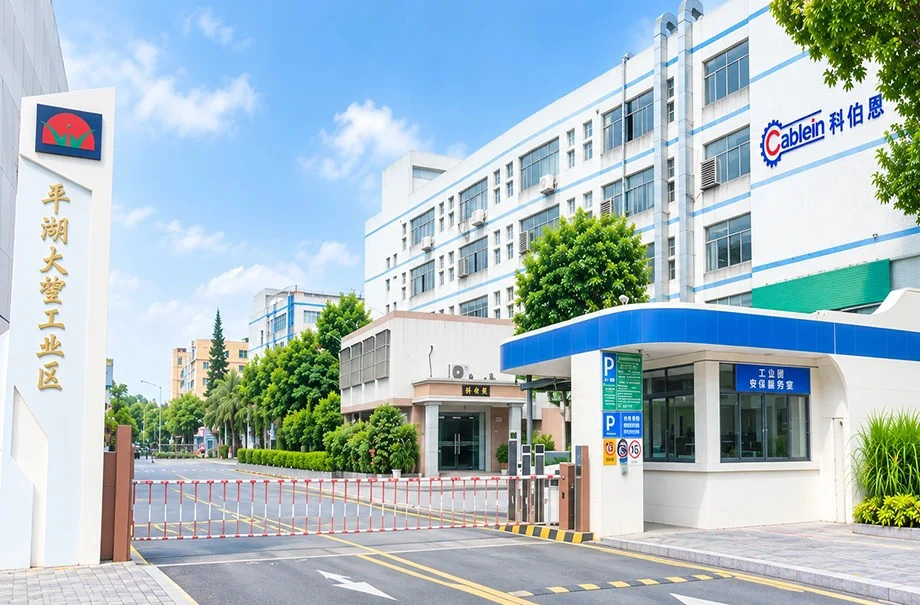
A manufacturer usually has more engineering support and more control over the specs. A dealer may have stock nearby and be able to send it more quickly. Cablein is a national high-tech company that began in Longgang, Shenzhen, in 2017. The building occupies 6,000 ㎡, and more than 200 professionals work there. We always have more than 10,000 of each item in stock, and partners like UPS, DHL, and FedEx let us ship by air or sea. Orders of stock take 7–10 days to arrive. For each line of products, you can pick from ETL, PSE, SAA, CQC, CE, RoHS, REACH, and TUV standards. Also, people who want to import should look at the MOQ, the payment terms (like L/C and Incoterms), and the local paperwork (like the NOM in Mexico).
Common Mistakes and Purchasing Checklist
Mistakes That Cause Field Failures
Connections don't operate well most of the time because people have false assumptions about them. When individuals choose an IP rating, they don’t take into account weather, chemicals, immersion depth, water pressure, or where the gadget will be installed. Not all IP68 connections provide the same level of protection; test conditions differ from manufacturer to manufacturer. Some folks don't verify that the wires and glands will function before ordering them. If you only look at pricing per unit over time, the prices of installation, replacement, and warranties may increase. Not having the necessary credentials might mean it takes longer to gain approvals or pass customs. So test the full system as a safe measure. The whole system is the wire, the connection, the casing, the gland, and the way you finish it.
Purchasing Checklist Before You Request a Quote
Please verify this list to make sure everything is in order before asking for rates.
- Technical specifications: Technical details include the IP rating, voltage, current (AC or DC), number of pins, cable size, materials, temperature range, locking technique, mating cycles, and certifications. Don't try to guess any of the things; write them down so the vendor can quickly identify one that fits and offer you a quotation. Draw or photograph any pieces you utilize at the moment.
- Details of application: Application details include where it will be used (inside or outside), submersion danger, toxins, UV radiation, vibrations, simplicity of maintenance, and how the device is installed. Read this. Then you can determine whether IP65, IP67, or IP68 works. They also help determine whether a metal casing or additional strain relief is desirable. It also helps us determine how exposed the site is, and how likely it is to last.
- Supplier and Shipment Checks: Always verify with the vendors and deliver the things on time. When you make a product, you have to consider factors like samples, customisation, MOQ, wait time, overseas experience, warranty, packaging, payment conditions, and shipping method. Before you make a large order, you need to approve the designs, test samples, labels, acceptance criteria, and shipping paperwork. If you are sending more than one, make sure it is clear what model you are sending and how many.
Final Recommendations by Project Type
Many IP65 or IP67 nylon plugs may be used outdoors, as long as they are matched with the correct wire glands and a secure lock. If the item will be wall-mounted or if it will be drenched in water for a brief period, choose IP67. If the place is underwater or in the sea or constantly damp, go for IP68. Understand how deep and how long the dive will be. Industries that utilize a lot of power may require metal or reinforced links to tolerate large amounts of vibration. Projects that seek to conserve don't ask too much. Simply get them the grade they want. If the conventional parts don’t match their demands for connection, mounting, layout, or lifetime, OEMs should consider bespoke choices.
Conclusion
The greatest connection isn’t usually the most watertight. The finest waterproof connectors are one that performs well in real life. From IP65 to IP69K, tough wet or wash-down locations may be handled. Short-term immersion can be handled by IP67, and dust and water jets can be handled by IP68 or IP69K. But test circumstances are different for each manufacturer. For lighting, solar, automobiles, boats, workshops, or OEM work, the number of pins, kind of connection, and how securely it locks may all tell you how well a product with a nylon or metal casing functions. To acquire high quality, you have to monitor testing, make sure everything is assembled well, and inspect the overall system. The unit price is merely a fraction of the overall cost. The supplier’s stock, lead time to receive items, and flexibility to make modifications may also increase project risk. Buyers who set down their needs and confirm them in writing will be able to pick waterproof ratings that work for their application and prevent failures that cost a lot of money.
FAQ
1. What is the difference between IP65, IP67, and IP68?
IP65 protects against dust and water sprays, but not from being flooded. IP67 can handle being submerged for a short time; it was tested for 30 minutes at a depth of 1 meter. As long as you get those numbers in writing, the manufacturer will tell you how deep and for how long you can stay submerged with IP68.
2. Is IP67 enough for outdoor use?
Yes, most of the time. IP67 can handle splashes, rain, and floods by accident. Choose IP68 for places that are always wet, underground, or in water. Keep IP65 for things that are inside.
3. Should I choose nylon or metal housings?
Because it is cheap, doesn't rust, and is light, nylon is good for solar and light projects. Metal makes heavy industrial and naval sites stronger. Pick based on the weight, the drugs, and the chance of getting hurt.
4. Can Cablein customize waterproof connectors for OEM projects?
Yes. We can make OEM/ODM changes, like private molds. Someone from our team will look over your drawings, cable size, and pin layout if you send them to nick@cableinco.com.
5. How can I verify quality before a bulk order?
First, ask for samples, test data, and certificates. Then, use your own cable and gland to test the whole structure that has been put together. Before you use an IP grade, you should read inspection records and make sure you understand how the immersion was done.
Request Waterproof Connector Samples from Cablein
Searching for a waterproof connectors supplier? Cablein always has more than 10,000 of each item in stock, and orders that are in stock are sent out within 7–10 days. Plus, they offer OEM/ODM customization and help 24 hours a day, seven days a week. We will help you compare options and set up samples if you email nick@cableinco.com with your application, IP rating, pin count, cable size, quantity, and location.
References
1. IEC 60529: Degrees of Protection Provided by Enclosures (IP Code), International Electrotechnical Commission, 2013.
2. ISO 20653: Road Vehicles – Degrees of Protection (IP Code) – Protection of Electrical Equipment Against Foreign Objects, Water and Access, International Organization for Standardization, 2013.
3. IEC 61984: Connectors – Safety Requirements and Tests, International Electrotechnical Commission, 2008.
4. IEC 62852: Connectors for DC-Application in Photovoltaic Systems – Safety Requirements and Tests, International Electrotechnical Commission, 2014.
5. IEC 60068-2-52: Environmental Testing – Test Kb: Salt Mist, Cyclic, International Electrotechnical Commission, 2017.
6. NEMA 250: Enclosures for Electrical Equipment (1000 Volts Maximum), National Electrical Manufacturers Association, 2020.