IP67 Waterproof Clamp: Cable Gland for Circular Connectors
An IP67 waterproof clamp is a cable-entry fitting that grips a cable, seals the opening around it, and keeps dust out while resisting temporary immersion. Many buyers call it a cable gland. For circular connectors, the two terms often describe the same job: sealing the cable and relieving strain. Under IEC 60529, IP67 means dust-tight and protected against immersion in water for 30 minutes at a depth of up to 1 meter. To pick the right one, match the cable's outside diameter, thread type, body and seal material, and the real exposure at your site.
Cable entry points are where water, dust, and oil most often get into circular connectors, junction boxes, and enclosures. I wrote this guide for buyers who need to complete a bill of materials quickly and get the right fit on the first order. It covers construction, sizing, installation, application choices, and purchasing checks, so you can compare quotes with confidence.
What an IP67 Waterproof Clamp Does and How It Is Built
What the IP67 Rating Actually Covers
The IP number comes from IEC 60529. Because of the first number, 6, the box doesn't let dust in. The second number, 7, means it can be submerged up to one meter deep for thirty minutes. That doesn't mean you can always use it underwater, and it doesn't say anything about how well it stands up to oil, chemicals, or UV light. People who buy and make products can agree on the test depth and time, so two products can be different, even if IP68 is better. NEMA ratings are also looked at by people in the US. NEMA types and IP codes are not the same thing, so I always look at the picture to see which one it points to. Keep in mind that a grade only covers the parts that were checked out. If you don't connect things correctly, a clamp with an IP67 grade won't make them waterproof on its own.
Core Parts and Materials
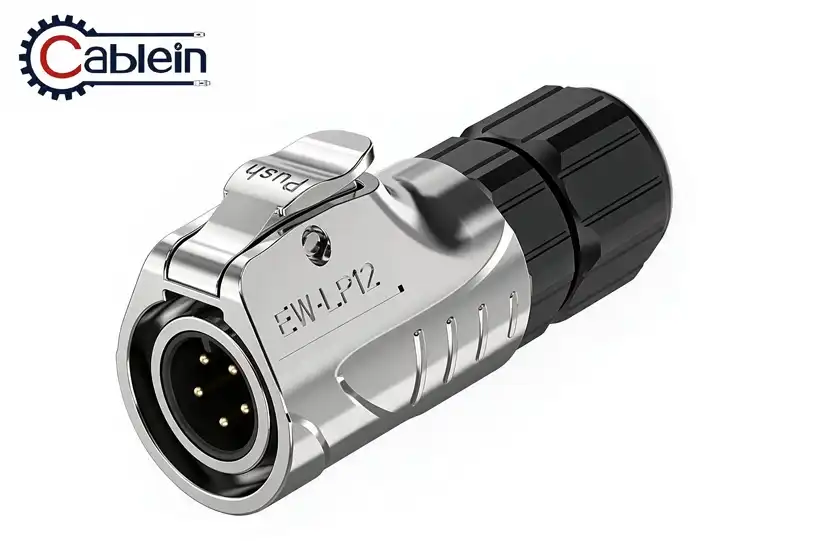
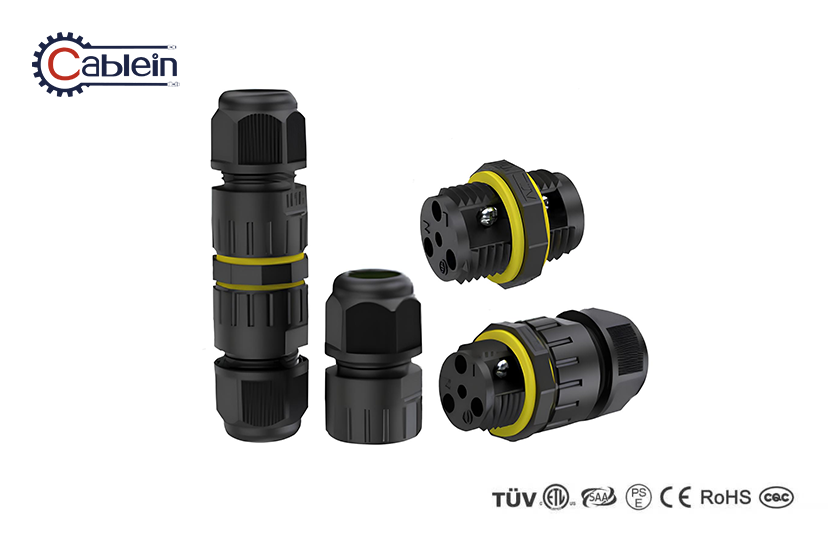
A waterproof clamp usually has a body, a compression nut, a sealed insert, an O-ring or gasket, and a locknut for attaching to a panel. As the nut gets tighter, it presses the filler against the wire jacket. That makes the seal, which stops someone from pulling on the wire. Nylon (polyamide) bodies are cheap, light, and don't let electricity flow through them, so they work well with most light-duty cabinets and junction boxes. Because they are stronger and more stable, nickel-plated brass and stainless steel are better for heavy-duty use or use outside. It's important to have both body material and seal material. EPDM can handle weather, ozone, and UV light, but oil doesn't work well with it. Silicone can stand up to a lot of temperature changes. Do not forget to check the wire jacket, because some jackets don't work well with some elastomers.
Waterproof Clamp vs. Cable Gland vs. Backshell
Because there are two products with the same name, the orders get mixed up. A simple cable waterproof clamp won't seal anything, but it will hold a cable in place. A cable gland is made of one piece that closes, holds cables in place, and reduces pressure. The wire exit is protected by a backshell connector that fits on the back of a round connection. The stress may be eased by itself. Make sure you know what role you need before you order. One rating can't be the best everywhere because IP65 covers water jets, IP66 covers strong jets, and IP67 covers short-term immersion. A combiner box outside that has IP65 or IP66 parts might be fine to keep out the rain. But IP67 parts are needed for a case that could leak. When you need to do a tough job, use the document to compare the product title instead of the temperature range, vibration grade, holding force, or thread strength.
Sizing, Selecting, and Installing Your Waterproof Clamp
How to Size a Waterproof Clamp for Your Cable
Start with the real outside diameter of the cable jacket. You will need to use calipers and measure in two directions because many cables are shaped like ovals. The label on the spool and the size of the conductor are not reliable. Test the cables with samples if the seal gets wrinkly around armor, soft jackets, braided shields, or shields that are wound around each other. Next, check to see if the wire fits within the closing range. And so on. A gland that's meant for 6 to 12 mm will work best with a cable that's about 9 mm wide, which is in the middle of the range. Then check the body's length, the width of the mounting hole, the thickness of the panel, the size of the locknut, and the space for the wrench. Metric, PG, and NPT threads don't switch on their own. ANSI/ASME B1.20.1 talks about an NPT thread, which is a tapered US thread. Not so with metric glands. Their threads run parallel to each other, so if they don't meet, they can leak or cross-thread.
A Simple Selection Process
A check with four steps would be good. Start by writing down all the things that could hurt you. These could be dust, rain, chemicals, salt spray, vibrations, and changes in temperature. Second, look at the cable's shape, the material of its jacket, how it bends, and how it links to the connector or container. Third, choose the site's IP rating. Sometimes, having a bigger number is not better. This is because IP65, IP66, IP67, and IP68 check for various things. Fourth, look at the supplier's paperwork, such as drawings, IP test reports, and material data. It's important to know what kind of materials are used for the body and seals and how often they need to be maintained. Pick a few wire ranges and thread sizes that you will use on all of your jobs. This lowers the number of SKUs, keeps inventory simple, and makes it easier to use connectors to join orders that aren't the same.
Installation Steps That Keep the Seal Intact
To do an installation well, you need to follow careful steps that you can do again and again. There should be no cuts, dirt, or burrs on the wire jacket or the area where it sticks. Follow the manufacturer's instructions for how to put the compression nut, seal, and body on the wire. Place the O-ring or seal flat on a clean surface. Next, attach the locknut and tighten the body to the specified force level. Then, tighten the nut until the seal fits snugly on the jacket. When you loosen something, you make a hole for the leak to go through. The insert or jacket can be cut if the strap is too tight. Do not make sharp turns right at the gland exit, and do not use any sealing that the seal material can't handle. Last, make sure the cable is in the middle, the gasket doesn't have any holes in it, and a hard pull on the cable doesn't move it.
Applications, Common Mistakes, and Testing
Application Recommendations
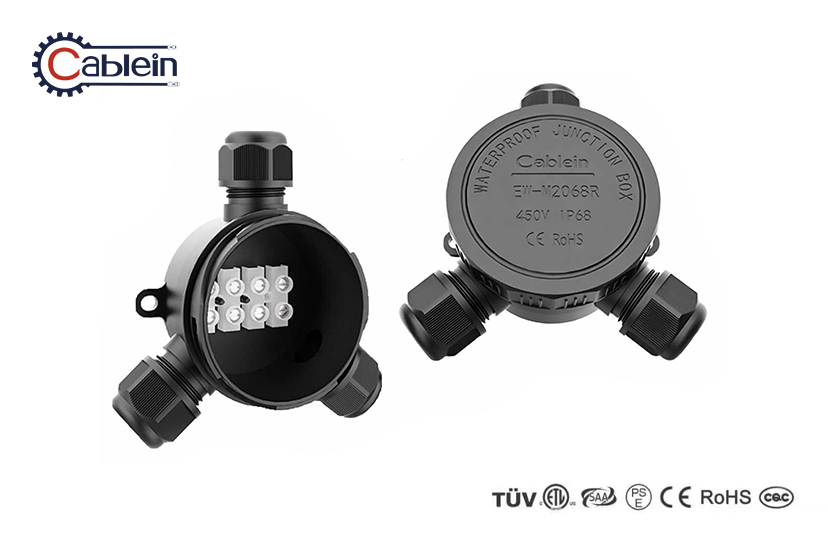
Application recommendations should be based on the use. This type of wire must be able to handle UV rays and bad weather, and it must be the right size for solar systems. For junction boxes, it's important that the gasket, screw hole, and wall thickness all match up. A lot of the time, you need small cables and parts that can fit into tight spaces to connect LEDs. Automobile parts have to handle shaking, changes in temperature, oil, fuel, and road splash. Marine gear needs better locks and materials that don't rust. Industrial automation makes it possible to shield, ground, use sensors that work with each other, and take care of things easily. At Cablein, these kinds of things happen all the time. Our waterproof clamp connectors are used for projects in security, automation, LED lighting, and new energy. When making PV or distribution boxes, write down the area first, then choose the part.
Common Mistakes to Avoid
Ordering by name instead of by description is where most mistakes happen. People who buy cables don't always notice that the jackets are different from batch to batch. They also sometimes pick the wrong thread or think that the number of a single part applies to the whole socket assembly. Some people choose IP67 because it allows long-term use, which this grade doesn't allow. A material's performance in UV light, saltwater, fuel, chemicals, and heat is also not given enough thought. Without the right torque, water can get in. On the other hand, too much torque hurts the seal and the jacket. It's simple to fix. First, test the whole thing with the production wire, connector, case, and surface for mounting. Then use it in the times and places it will be used.
How to Validate Waterproof Clamp Performance
The first thing that is checked to make sure it is correct is the size. These include the type of wire, the size of the thread, the fit of the fitting, the position of the seal, and the material needs. After that, you should add close and technical checks. IEC 62444 checks what kinds of things, like how well they hold cables, and how they work mechanically when they are used in electrical installations. Find out from suppliers how they test pull-out. Look at the sample, check the torque, and put it through a water-ingress test. It depends on the job whether you want to add temperature changes, UV exposure, salt spray, chemical protection, vibration, or putting the same thing together over and over again. The model, installation instructions, IP test report, and sample permission record should all be kept in the same project file. Every industrial plug and socket we sell at Cablein is certified by UL2238/EN61984. We check them over and over to make sure they work well and last a long time.
Buying a Waterproof Clamp with Cablein
What to Include in Your RFQ and How to Compare Quotes
“When you have a full request, you don’t go back and forth in emails. Product Type IP Requirement Wire Width Thread Standard Materials Temperature Range Approvals Number Location Packing Target Lead Time When you acquire quotations, you should compare more than unit cost. You should also compare the cost to the land. There are items you will need to add, such as fresh seals, documents, delivery, taxes, and a check. Shipping an inexpensive item that is late or has to be repaired may cost more than a tiny bit extra per unit. Whether you’re buying a variety of products in modest quantities, ask each seller about the MOQ for each SKU, how full their shelves are, and whether your connectors and clamps can ship together in one package. Asking that one inquiry may save you a lot of money in freight charges.
Why Order from a Specialized Manufacturer
You can be certain it will work with your cable, connection, and environment before the item is built. They may help customers choose samples, look at measurements, examine seals, assist with supplies, and teach how to assemble them as part of the assistance. Cablein is a company established in 2017, based in Longgang, Shenzhen. Most of the time, it supplies industrial waterproof connectors and specialized wire systems. Our building is 6000 sqm with more than 200 personnel, and our R&D team has more than 15 patents. We can provide CE, RoHS, REACH, ETL, PSE, SAA, CQC, and TUV certifications for each product line. We are ISO9001:2015 Certified. We usually have over 10,000 of each typical item in stock and can ship in 7 to 10 days. We ship via Air and Sea using UPS, DHL, FedEx, and Freight Forwarders. We arrange a time with you to deliver your unique orders.
Pairing Clamps with Quick-Clamp Waterproof Connectors
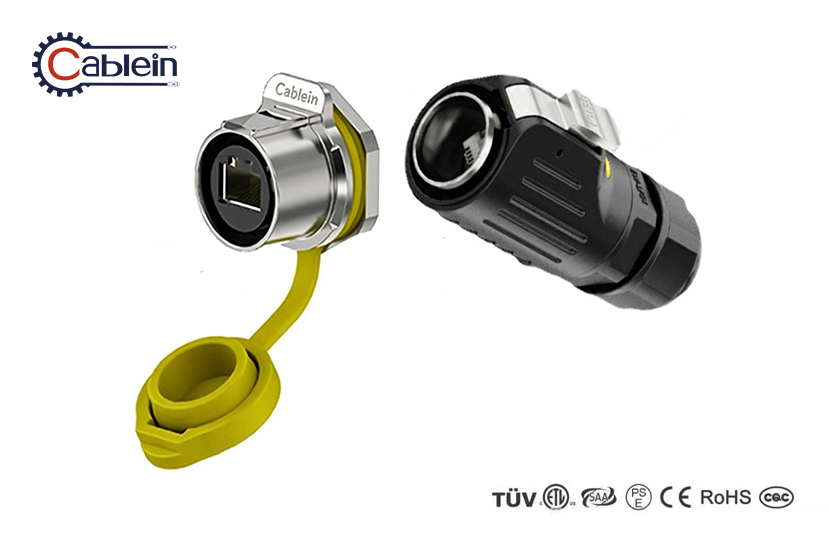
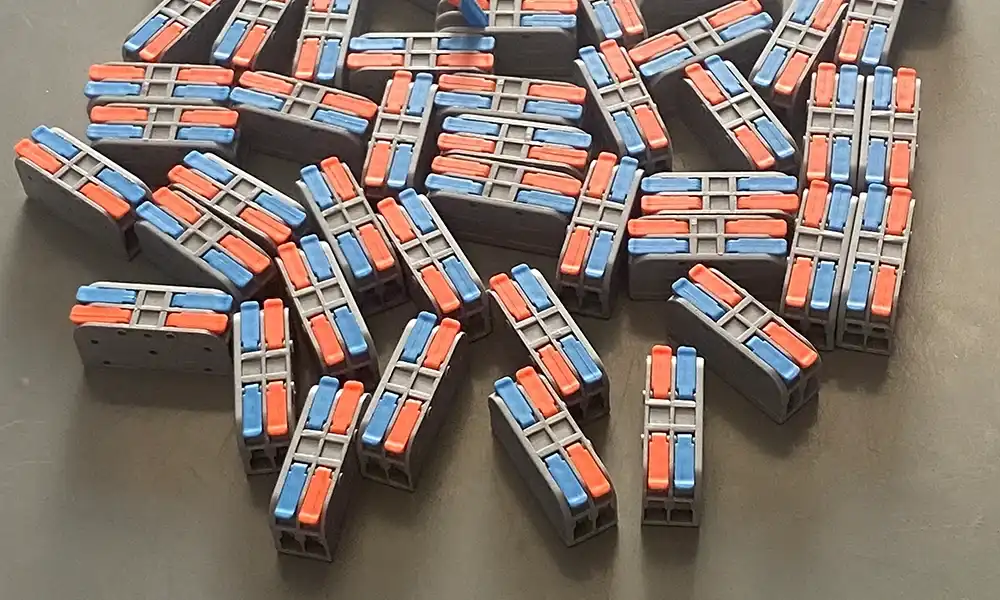
And plenty of folks purchase the plugs and screws together. Our QC12 Quick Clamp Waterproof Connector has a UV-stable PA66 shell and a UL94-V0 flame rating. Contacts are constructed of gold-plated copper alloy. The usual current is 10A~20A, and the dielectric withstand voltage is up to 1500V AC. Working temperature range: -40°C to +105°C, designed for at least 500 mating cycles. It features EPDM gaskets or silicone O-rings. The QC16 clamp accepts 0.5 mm2 to 2.5 mm2 ( 20-14 AWG) wire. The clamp may be spring- or lever-actuated. It works with LED street and tunnel lights. It also works with industrial monitors and at sea. Its PA66 housing and silicone seals allow it to tolerate most industrial oils, solvents, and mild acids. Verify the information to ensure you’re ordering the correct series.
Conclusion
A waterproof clamp rated IP67 clamps and seals a wire to a circular connector, junction box, or enclosure. The part has to be proper for the task, it will not operate correctly. IEC 60529 IP67 is dust-tight, can be wet for a short period, but not used underwater for a long time, and not resistant to chemicals. How well it fits and how long it lasts depends on the outer width, thread type, body material, and seal material of the wire. Most leaks may be avoided with the proper torque, clean mounting surfaces, and a test sample using the genuine cable. It is also significant since it is employed in diverse ways in different solar, LED, automobile, naval, and automation areas. When you decide to acquire anything, you’d best look at a complete RFQ and a landed-cost comparison instead of simply the unit pricing.
FAQ
1. Is an IP67 waterproof clamp the same as a cable gland?
Not all the time. A cable clamp goes through the wall of a cage and keeps the cable sealed. It also reduces stress on the cable. Some clamps only hold the wire in place. Before you place your order, read the document to learn more about the closing insert and gasket.
2. Does IP67 mean I can leave it underwater?
No, IP67 is good for short-term immersion. IEC 60529 tested it at up to 1 meter for 30 minutes. Ask for IP68 and write down the test settings for long-term submersion.
3. How do I choose the right size?
In two different directions, use calipers to find out how wide the cable jacket is. Then choose a gland that closes within that range. Check to see if it's a metric, PG, or NPT thread.
4. Which documents should I request?
Ask for the datasheet, the drawing, the IP test report, the material declaration, the compliance certificates, and some approval records to look over.
Request a Quote from Cablein for Your IP67 Waterproof Clamp Project
Want to find a business that can ship both waterproof clamps and fittings at the same time? Cablein can be reached at nick@cableinco.com with the thickness, thread, material, and amount of your cable. There are over 10,000 of each standard product in stock at all times, and we can deliver them in 7–10 days. We also offer technical support 24 hours a day, seven days a week. These are the rules we follow: ISO9001:2015. Some of our products can also be certified by CE, RoHS, and TÜV.
References
1. IEC 60529: Degrees of Protection Provided by Enclosures (IP Code), 2013
2. IEC 62444: Cable Glands for Electrical Installations, 2013
3. NEMA 250: Enclosures for Electrical Equipment (1000 Volts Maximum), 2018
4. ANSI/ASME B1.20.1: Pipe Threads, General Purpose (Inch), 2013
5. UL 94: Tests for Flammability of Plastic Materials for Parts in Devices and Appliances, 2013
6. IEC 61984: Connectors – Safety Requirements and Tests, 2008