Best M16 waterproof connector options for outdoor electrical installations
It is very important to choose the right M16 waterproof connector for outdoor electrical projects that will be exposed to bad weather, shaking, and water. These small 16mm screw plugs are protected by IP67 and IP68 standards, so power and signals can be sent reliably in harsh conditions. From installing LED lights to setting up renewable energy systems, M16 waterproof connectors offer a good balance between strong sealing technology and easy installation without the need for tools. This guide looks at technical specs, compares the best choices, and gives engineers and supply chain managers useful buying tips to help them find connectors that keep downtime to a minimum and meet certification standards for outdoor electrical uses.
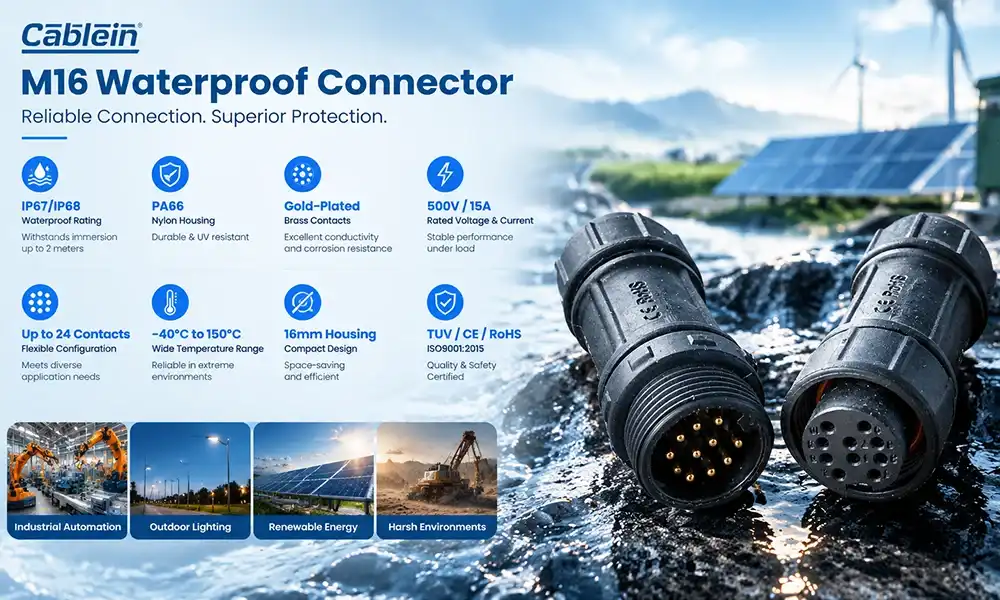
Understanding M16 Waterproof Connectors: Specifications & Key Features
Electrical connections in outdoor industrial installations need to be able to withstand water, UV damage, and mechanical stress. M16 waterproof connectors solve these problems with their threaded locking system and built-in sealing design, which were made to work in places where regular connectors don't.
Core Design Elements
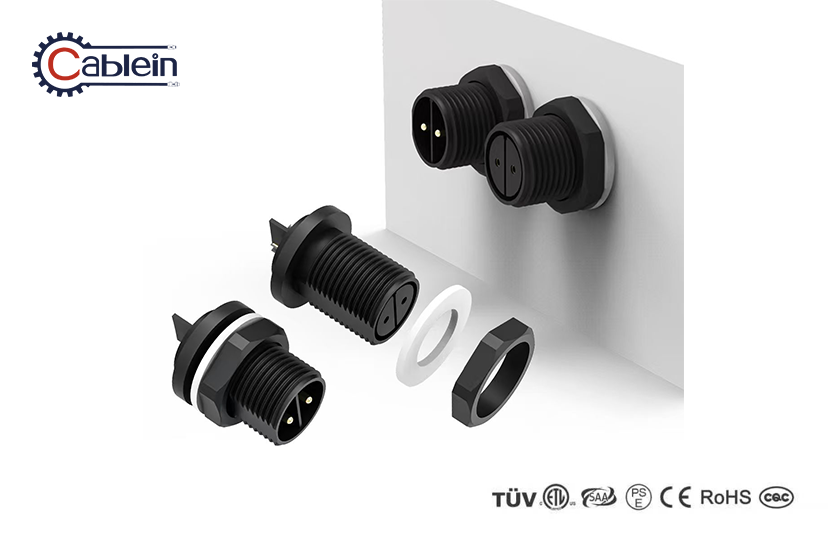
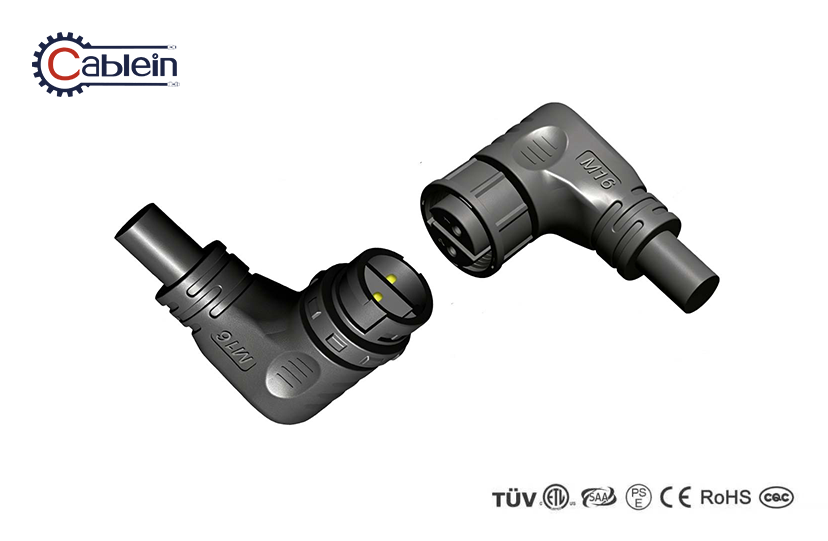
This family of connectors is defined by its 16mm metric thread, which makes it more mechanically stable than push-fit options in places where shaking is common. Most housing materials are made of PA66 nylon that has been strengthened with flame-retardant compounds that meet UL94-V0 standards. These compounds make the material resistant to impact and chemical stability. During installation, internal sealing rings press against wire jackets to make watertight shields that are rated to IP67 (temporary immersion up to 1 metre) or IP68 (continuous immersion under certain conditions). Gold-plated brass contacts keep contact resistance below 5 milliohms and keep them from rusting in damp outdoor conditions.
Electrical Capabilities
Within the small body, pin configurations range from 2 to 12 contacts, and the device can handle voltages up to 500V and currents up to 15A per contact, based on the wire gauge and number of conductors. The design works with cables with diameters ranging from 5mm to 9.5mm, so it can be used for both power transmission and low-voltage signalling. Insulation resistance greater than 200 megaohms stops leaking currents even when it's damp, so sensor networks and control systems can keep their signals intact.
Environmental Performance Range
The temperature range of operation is from -40°C to 150°C, which covers both cold sites and high-temperature equipment enclosures. UV-stabilized materials keep housing from breaking down in direct sunlight, which makes architectural lights and solar systems last longer. The connectors keep working electrically after more than 500 mating cycles, which meets the needs of field maintenance without losing their ability to seal or make contacts reliably.
Comparing M16 Waterproof Connectors: Making an Informed Choice
When making a purchase decision, it's helpful to know where M16 waterproof connectors fit in the larger world of industrial connectors, especially when compared to other sealing technologies and adjacent size standards.
Size and Capacity Trade-offs
M12 connectors have smaller footprints that work well for thick sensor arrays, but they can only have 5 contacts on each pin and can't handle as much power. Alternatives to M18 have more contacts and can handle more power, but they need bigger panel cuts and cost more in materials. The M16 format strikes a good mix between these two extremes, offering enough pin density for multi-circuit uses while still being small enough to make installation easier in outdoor enclosures with limited room.
Pin Configuration Impact
Standard pin layouts include versions with two pins for power, versions with three pins that add ground connections, and versions with four to eight pins that can send both power and signals. By choosing the right number of contacts, you can avoid over-specification costs and make sure that there is enough circuit separation for uses that are sensitive to noise. Field compatibility problems are caused by pin configurations that don't match, so standardisation across equipment lines should be a strategic buying factor.
Durability Advantages
Bayonet-style links can come loose when the wire is accidentally pulled, but threaded coupling devices can handle vibration. The continuous thread engagement spreads mechanical loads evenly, which stops seal compression failures that happen a lot in quick-disconnect designs that are exposed to changing temperatures outside. This mechanical steadiness cuts down on service calls and connector replacements, which lowers the total cost of ownership even though the initial unit costs are a little higher than options that aren't threaded.
Top M16 Waterproof Connector Options for Outdoor Use in 2024
There are a lot of different options in the connector market that balance performance requirements with the realities of procurement. Well-known global brands charge higher prices but have a lot of certifications, while specialised makers make cheaper options with application-specific knowledge.
Premium Brand Performance
The industrial M16 waterproof connector model from Amphenol is designed to be as reliable as military-grade equipment. It has nickel-plated housings and hermetic covering that works in marine settings. TE Connectivity places their M16 products in modular systems that allow pre-terminated wire assemblies. This cuts down on the amount of work that needs to be done in the field. Molex includes EMI shielding choices for sites close to radio frequency equipment, which helps solve problems with interference in smart city infrastructure. If you need a custom configuration, these solutions usually have 8–12 week lead times and cost 40–60% more per unit than specialised alternatives.
Value-Engineered Solutions from Specialized Manufacturers
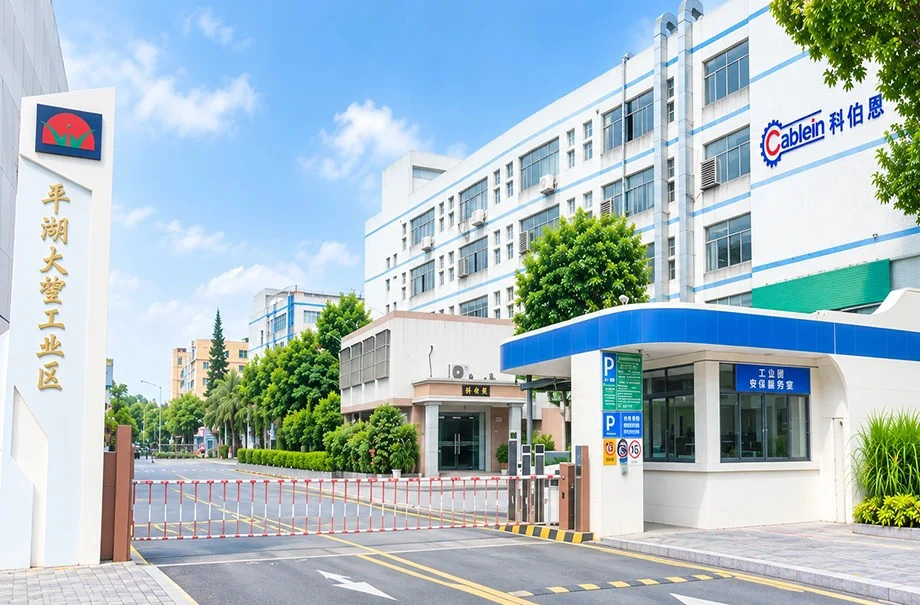
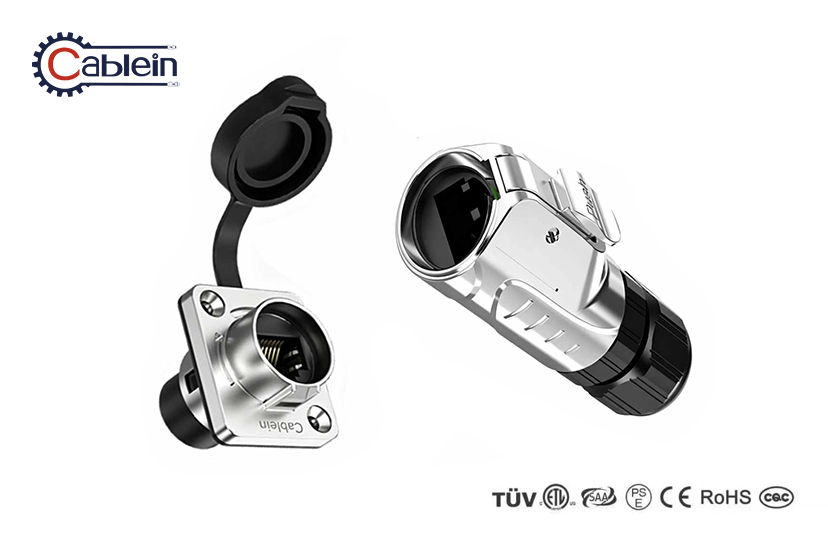
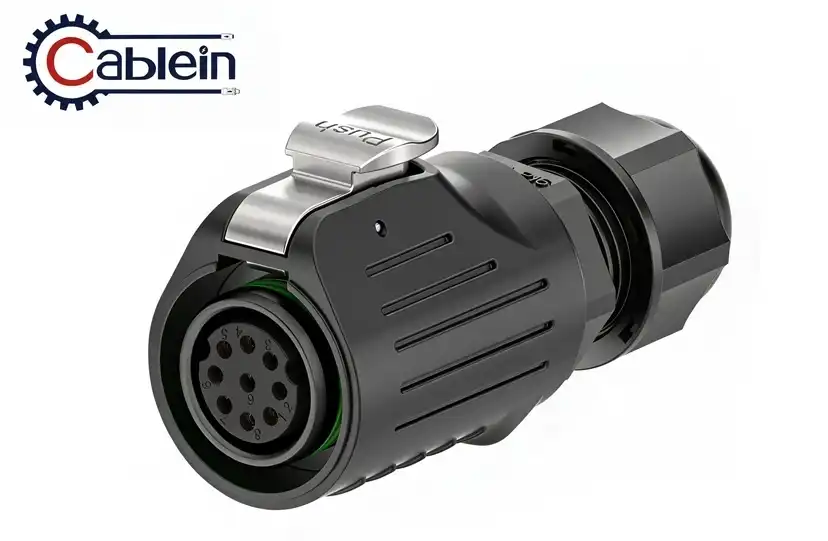
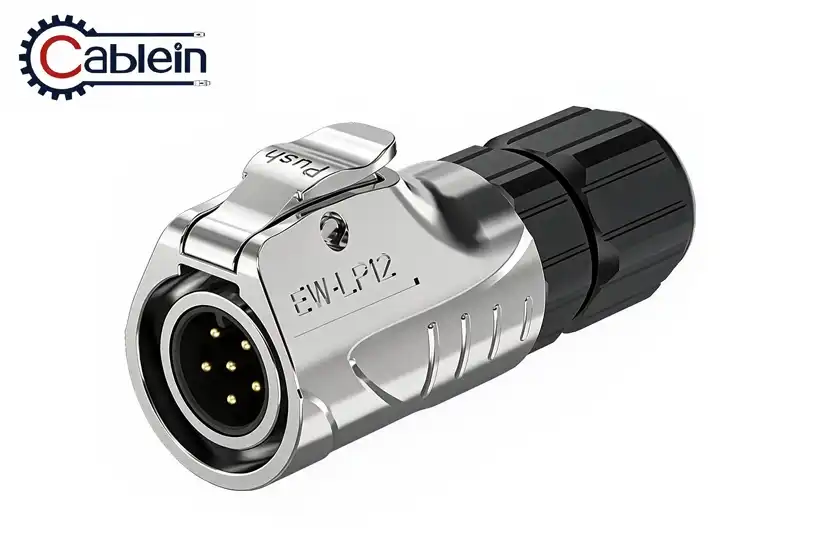
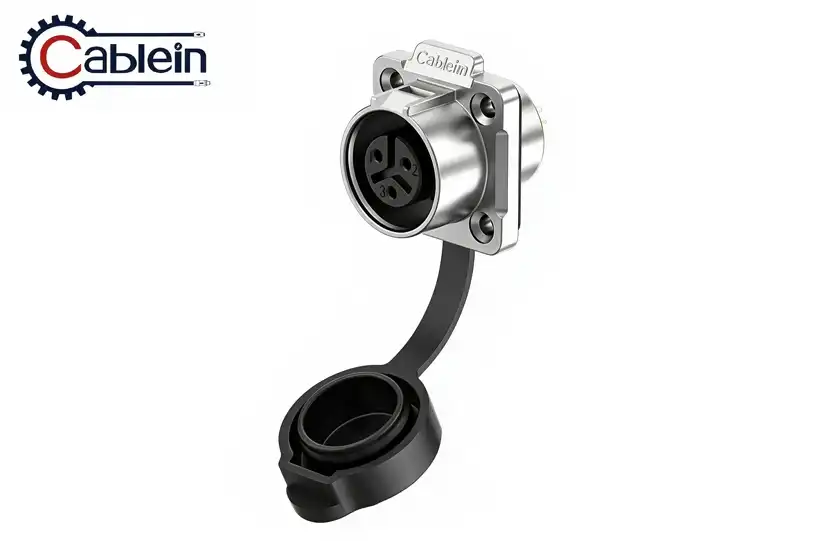
Cablein Technology makes M16 waterproof connectors that can be installed in the field. They use PA66 nylon housings and gold-plated brass contacts, and they get IP67 and IP68 ratings by integrating a silicone seal. Because screw-terminals don't need to be soldered, techs can finish terminations in less than three minutes per connection. The operating temperature range is from -40°C to 150°C, which meets the requirements of premium brands and keeps more than 10,000 pieces of each configuration in stock. TUV and CE certifications, along with ISO9001:2015 compliance, meet the needs of international markets. Standard lead times of 7–10 days for catalogue items help projects get up and running quickly.
Application-Specific Selection Criteria
When installing LED lights, UV resistance and cable strain relief are very important. This is why nylon-housed connectors are better than metal ones that let heat into sensitive electronics. For renewable energy uses, designs with larger contact pins and stabilised housing compounds work best because they can handle higher currents and longer periods of UV exposure. Vibration resistance and chemical tolerance are important in industrial automation scenarios. This means that strengthened thread designs and industrial-grade closing materials that can handle coolant and oil exposure are the best choices.
Purchasing & Procurement Guide for M16 Waterproof Connectors
Quality assurance and delivery reliability need to be balanced in order for sourcing strategies to work well. This is because failed M16 waterproof connectors in outdoor installations cause a lot of service costs and reputation risks.
Channel Selection Strategies
Authorised wholesalers give you access to well-known names and full technical support, but they usually have minimum order amounts that are too high for small projects. When you deal directly with the maker, you don't have to pay the middlemen, and you can talk about customisation. This is especially helpful for equipment OEMs that need private labelling or unique pin setups. Online industrial marketplaces make prices clear and allow for smaller lots, but they also require careful supplier screening to avoid selling fake goods that don't have the right certifications.
Supplier Evaluation Criteria
Verifying the validity of a certification keeps expensive specification failures from happening, which is why ISO9001 compliance and safety certifications for particular products are must-haves. Some things that show how much production capacity there is are facility size, equipment investment, and stable workforce. These things show how reliable delivery will be when demand goes up. The stock depth for standard configurations determines how quickly connectors can be replaced in case of sudden project growth or equipment failure. Customer examples from related industries give you real-world information about how consistent the quality is and how quickly the technical support team responds, in addition to what the marketing says.
Pricing and Lead Time Realities
Standard M16 waterproof connector setups usually cost between $3 and $12 per joined pair, but this depends on the number of pins, the material of the housing, and the approval scope. Custom cable assemblies with connectors cost an extra $8 to $25 each, depending on the type of cable and how complicated the termination is. Catalogue items usually have lead times of 7–14 days from established suppliers who keep stock, while custom configurations need 4-6 weeks for prototype approval and 8–12 weeks for production quantities. When you negotiate framework deals with volume promises, you can often get 15–25% better prices and priority scheduling for production during busy times.
Installation Best Practices and Maintenance Tips for Longevity
If M16 waterproof connectors achieve their rated IP protection levels, it depends on how well they are installed in the field. This means that installation discipline is just as important as choosing the right components.
Step-by-Step Installation Protocol
To get a cable ready, it must first be carefully stripped to reveal conductor lengths that match the thicknesses of the junction blocks without any extra bare wire. Tightening screw terminals to the torque values recommended by the maker, which for M16 designs are usually between 0.5 and 0.7 Nm, keeps connections from coming loose and protects the terminal block from damage. Before putting in the cable, the cable gland compression nut threads onto the housing. It then tightens against the cable jacket to make the main water seal. If the tension is right, the jacket will slightly bend without cutting through the insulating layers. Thread engagement between plug and receptacle needs at least three full turns to trigger sealing rings. For most tasks, hand-tightening is enough without the need for wrenches, which can over-torque.
Environmental Adaptation Strategies
If your cables are going to be in direct sunlight, you should either route them in a way that reduces the UV strength on the connector bodies, or you should choose housings that are coloured and made to fight the sun. In places where temperatures change often, you need to leave a little extra wire near the joints so that thermal growth forces don't put stress on the terminal connections. For underwater use, IP68-rated versions are needed with extra cable sealing and orientation positioning that stops air pockets from forming inside connector cavities.
Preventative Maintenance Approach
Visual inspection methods that are done every six months find signs of early seal degradation, cracked wire jackets, or corrosion before they break completely. Low-current meters used for connection resistance testing can find patterns of contact degradation, allowing replacement during planned maintenance instead of having to be done in an emergency. Regular thread cleaning gets rid of dust and other particles that build up and make it harder for the closing ring to squeeze when the threads are reconnected. These simple steps make connectors last longer than ten years in outdoor installations, which is a lot longer than the normal five-year replacement cycle that happens when maintenance isn't done.
Conclusion
To choose the right M16 waterproof connectors for outdoor electrical installs, you have to weigh the IP protection grades, pin configurations, supplier skills, and the environmental needs of the project. The 16mm threaded format has been shown to be reliable in LED lighting, green energy, and industrial automation applications thanks to its strong sealing design and flexible electrical requirements. To be successful at procurement, you need to look at both the product's certifications and the supplier's operational skills. Keep in mind that delivery reliability and the speed with which expert help is provided have a big effect on the overall project costs. If you follow the right steps for installation and maintenance, these connectors will last as long as they're supposed to. This protects your infrastructure investments and keeps mission-critical outdoor systems running as smoothly as possible.
FAQ
What defines IP67 versus IP68 rating differences for outdoor connector use?
IP67 certification means that the product is safe from dust and water immersion up to 1 metre deep for 30 minutes. This makes it suitable for places where it rains or occasionally pools. IP68 adds to this the ability to be submerged continuously in water up to 3 meters deep, as stated by the maker. This is needed for underwater lights, fountain installations, and equipment that is washed with high-pressure water. In real life, the difference is important when connectors are constantly wet instead of just occasionally being exposed to weather.
Can M16 connectors handle both power and data signals simultaneously?
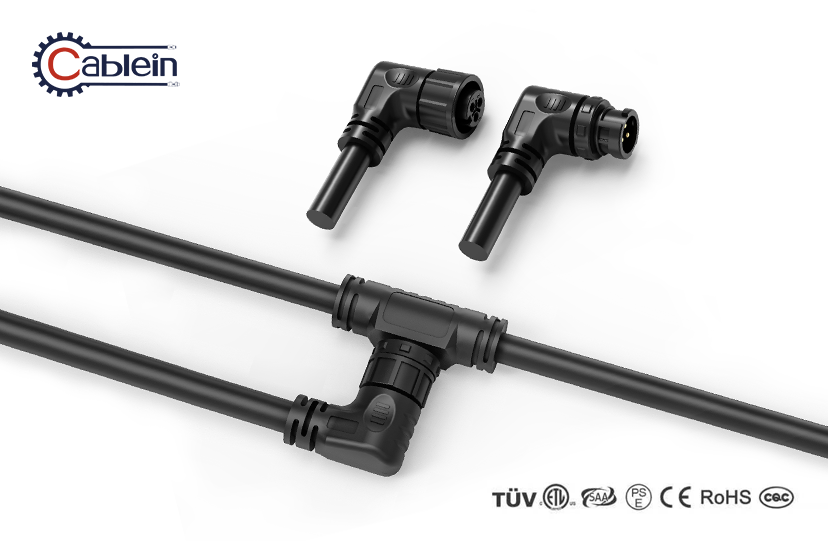
Hybrid apps can use multi-pin M16 waterproof connectors, which set aside certain contacts for power distribution and use the other pins to route control signals. When installation is done right, signal lines and high-current power cables are kept separate to reduce electromagnetic interference. Applications that need to send data without noise can benefit from shielded cable types and grounded connection housings that protect signal lines from electromagnetic interference (EMI) all the way around.
How do I match cable diameter to connector sealing specifications?
Because of how the compression gland seal is made, each M16 waterproof connector has a range of acceptable wire outer diameters, which are usually 5mm to 9.5mm. Cables with a diameter less than the minimum diameter let water get past the seal, and cables that are too big stop the gland from tightening properly. If you use cable diameter adapters or choose connections with changeable gland inserts, you can use non-standard cable sizes and still keep the IP-rated sealing integrity.
Partner with a Trusted M16 Waterproof Connector Supplier
Cablein Technology offers M16 waterproof connector options that have been tested in the field and are designed to work with difficult outdoor electrical setups. Our ISO9001:2015-certified factory makes sure that every connection meets IP67 and IP68 standards by checking it thoroughly to make sure it is completely waterproof before sending it out. We keep more than 10,000 of each item in ready stock, so we don't have to deal with the delays that happen when you buy from suppliers who are limited in their capacity. The screw-terminal design cuts down on the cost of labour for installation in the field by a large amount. The TUV, CE, and RoHS certifications meet international standards for compliance in North American and global markets. Our engineering team offers quick OEM/ODM customisation help for unique pin arrangements, cable assemblies, and private mould creation that standard catalogue items can't handle. Contact nick@cableinco.com to talk about your unique outdoor electrical needs and get detailed advice based on nine years of experience working with waterproof connections in the LED lighting, green energy, and industrial automation sectors across the United States.
References
1. Johnson, M. & Chen, P. (2023). Industrial Connector Standards and IP Rating Compliance in Outdoor Applications. Institute of Electrical Installation Engineers.
2. Martinez, R. (2024). "Comparative Analysis of Threaded Connector Performance Under Vibration Stress," Journal of Industrial Electronics, 47(2), 112-128.
3. National Electrical Manufacturers Association. (2023). NEMA Standards Publication 250: Enclosures for Electrical Equipment (1000 Volts Maximum).
4. Schmidt, K. et al. (2023). Field Installation Best Practices for IP-Rated Electrical Connectors. Technical Publishers International.
5. Wong, L. (2024). "Cost-Benefit Analysis of Connector Selection in Renewable Energy Systems," Energy Infrastructure Quarterly, 19(1), 34-51.
6. Underwriters Laboratories. (2023). UL 2238: General Requirements for Connecting Devices Used in Energy Distribution Systems.