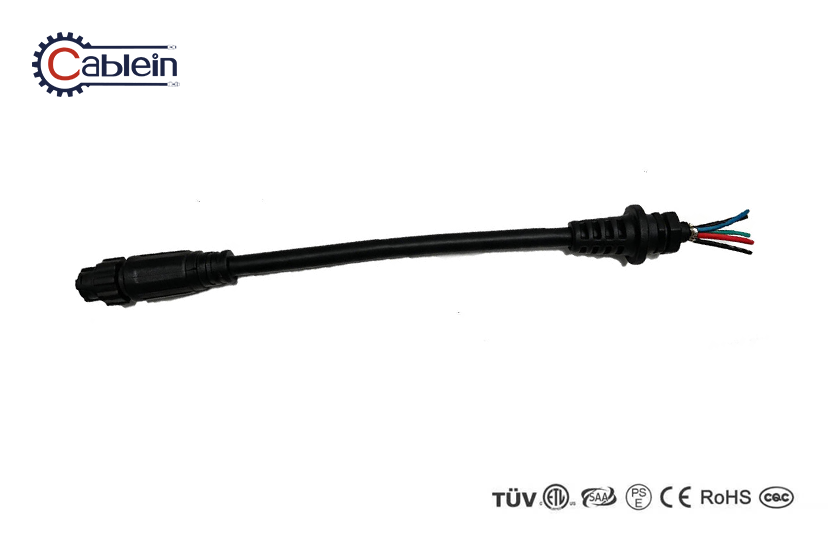
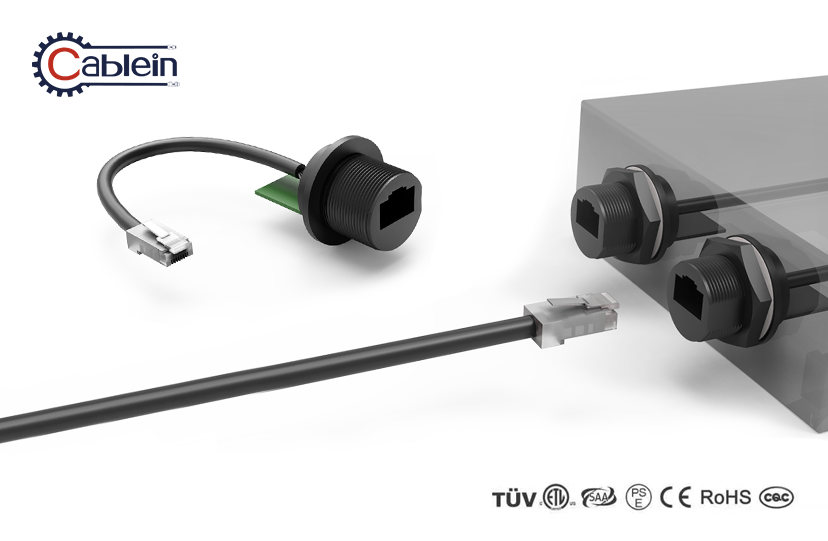
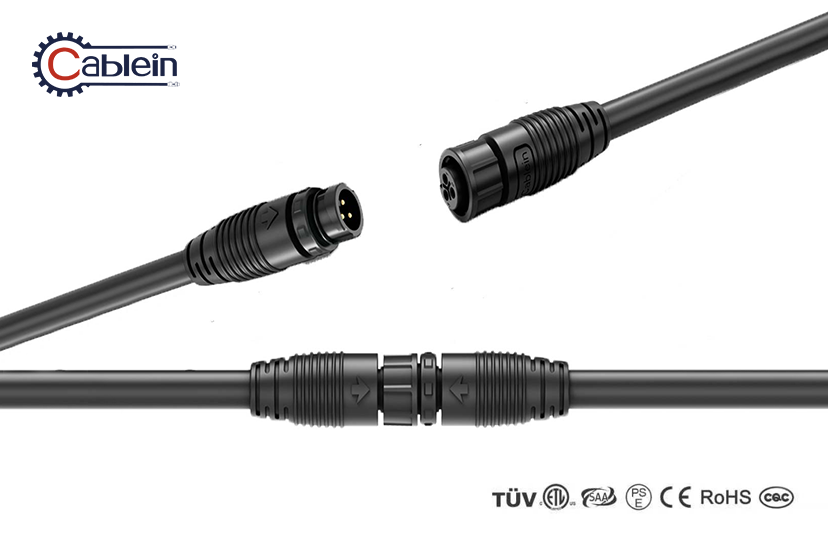
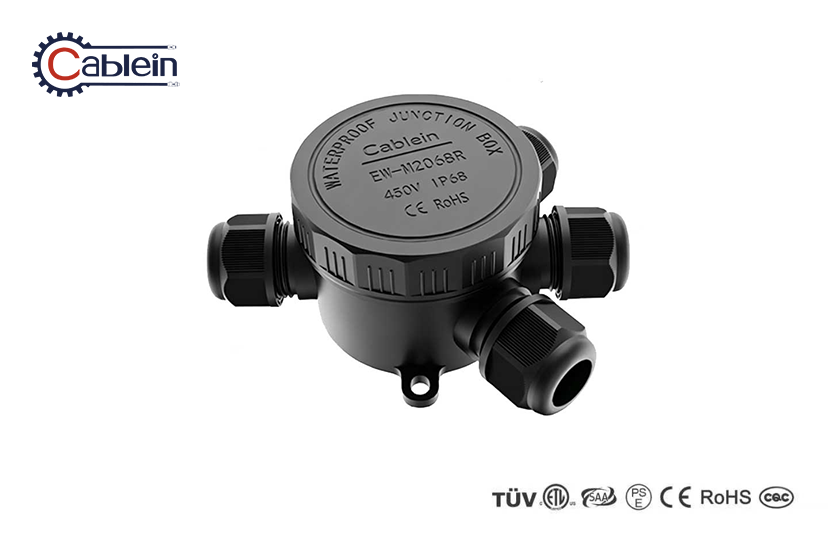
What is an M16 waterproof connector?
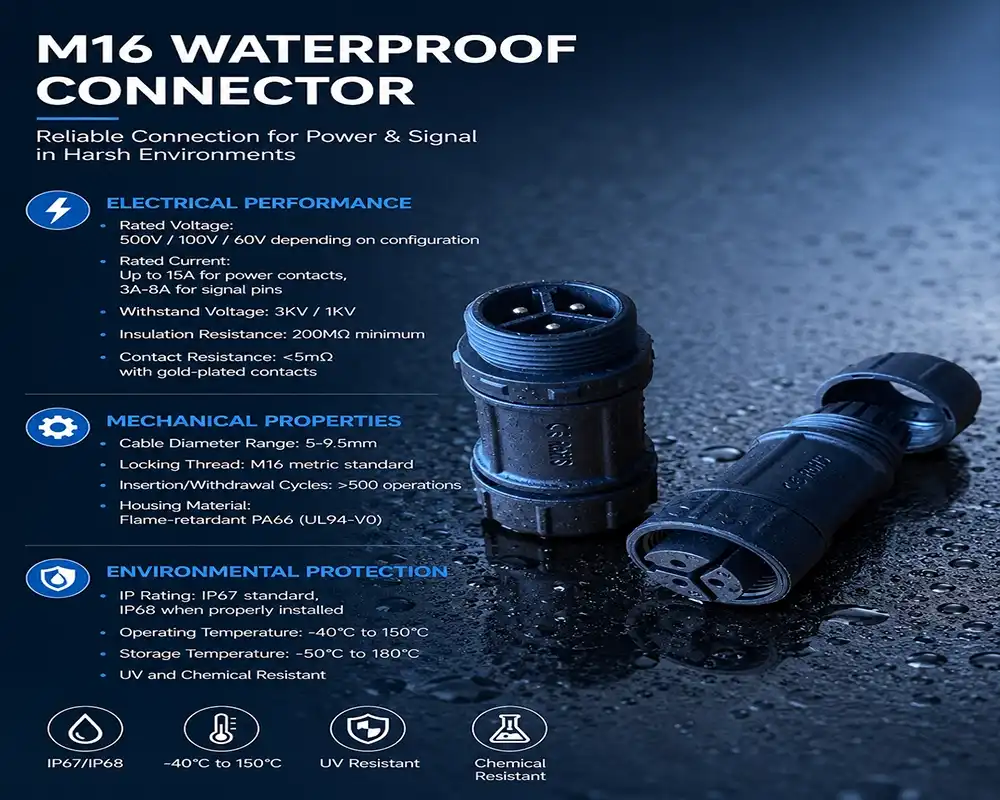
When I talk to engineers and procurement teams that work on outdoor projects or industrial equipment, they always complain about the same problem: standard electrical connections that break after a few months of being wet, dusty, or vibrating. That's why the M16 waterproof connector is so useful. An M16 waterproof connector is a round, field-installable electrical interface device with a standard 16mm metric locking thread that keeps power and data transfer safe in harsh conditions. With grades of IP67 or IP68, these connections keep water and dust out of your electrical systems, even if they are submerged for a short time or put through high-pressure washing. They are made of strong materials like PA66 nylon or metal housings with gold-plated brass contacts, and they work reliably in temperatures ranging from -40°C to 150°C. This makes them necessary for LED lighting, industrial automation, renewable energy systems, and marine uses.
Understanding M16 Waterproof Connectors
This family of connectors is named after the metric thread width of 16 millimetres, which is what "M16" stands for. Unlike proprietary designs, this standardised sizing makes sure that products from different manufacturers can work together and makes planning replacements easier. The "waterproof" label isn't just fancy marketing speak; it means that the connection has been tried to work in environments that would destroy regular connectors in weeks.
What Makes Waterproofing Effective?
Several built-in parts must work together for the sealing technology to work. Silicone or rubber gaskets are pressed against both the wire jacket and the connection face by a threaded locking device. These barriers are put up at key entry points where water usually gets in. Quality connectors from companies like Cablein Technology get their IP68 ratings from precision-molded sealing rings and cable glands that keep their shape even after being mated hundreds of times. The gold plating on brass contacts does two things: it keeps the contacts from rusting from condensation and keeps the contact resistance below 5 milliohms so the electricity works properly.
Common Configuration Types
There are different shapes and sizes of M16 waterproof connectors to meet the needs of different installations. Panel-mount or bulkhead versions let clean wires go through equipment enclosures while keeping the seal against the environment. Straight cable connectors have the smallest profile, but elbow designs are better for places with limited space because they avoid strain by moving cables at a 90-degree angle. The number of pins usually ranges from two to twelve, and they can be used for anything from simple power supply to complicated signal arrays. You can also get T-splitters and Y-adapters that let you connect more than one gadget to a power source without using junction boxes.
Technical Specifications That Define Performance
Cablein Technology makes field-installable connections that can handle rated voltages of up to 500V and currents of up to 15A per contact. These connectors are good for medium-power uses that are common in industrial settings. The UL94-V0 flame retardancy standards are met by the PA66 nylon housing material, which is important for electrical safety approvals. Insertion and withdrawal cycles are more than 500, which means that your repair teams can separate and reconnect these connections many times without the seal breaking down. Stability at temperatures ranging from -40°C to 150°C means it can be used in harsh environments, such as in the Arctic or in engine compartments. Most industrial wire gauges can be used with the 5-9.5 mm cable diameter range without any custom modifications.
M16 vs Other Waterproof Connectors: Making the Right Choice
Picking the right connector size affects both how much it costs to install and how reliable the system will be in the long run. If you know how M16 connectors stack up against other types and technologies, you can avoid making costly mistakes in your specs.
M16 Compared to M12 and M20 Alternatives
The 12mm thread on the M12 connection is smaller, which is helpful when panel room is limited or when adding small sensors. However, the smaller size limits the amount of power and pins that can be used, usually maxing out at 8A and 8 places. When you upgrade to M20 connectors, you get 20mm threading that can handle higher current loads of up to 20A and bigger cable diameters. The M16 is perfect for uses that need strong defence from the outdoors but don't need the bulk of the M20 gear. As a matter of habit, procurement teams have switched to M12, only to have field failures happen when real current draws were higher than expected during peak activity.
Metal Versus Plastic Housing Considerations
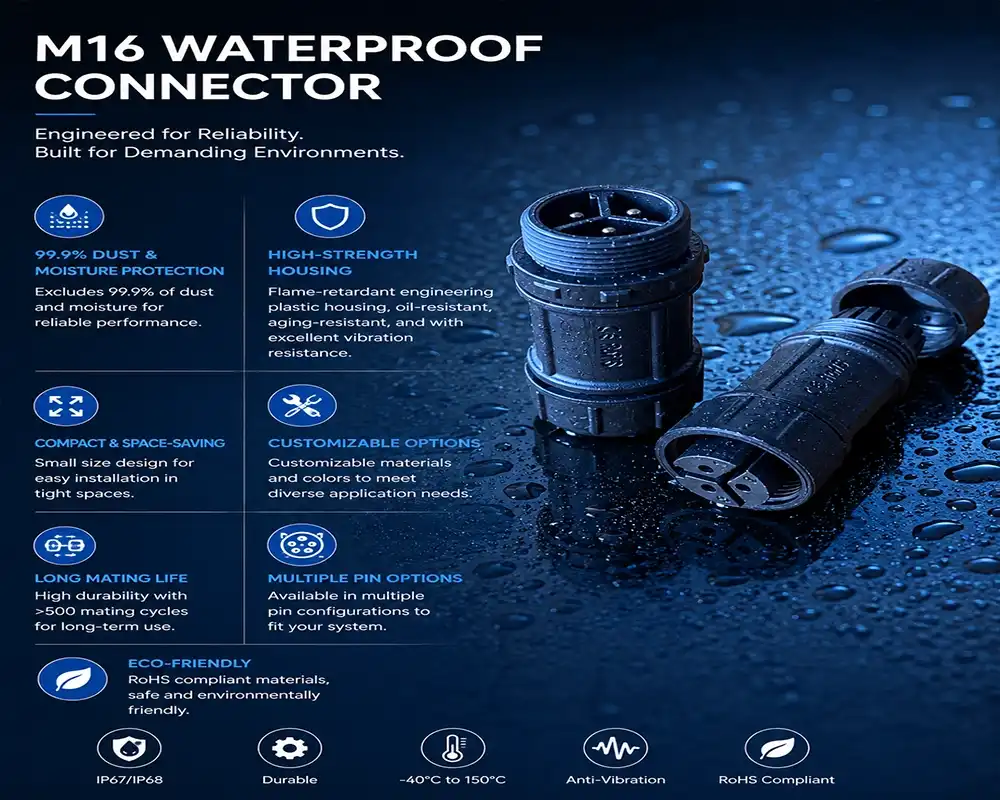
Metal-shelled M16 connectors have housings made of brass, zinc alloy, or stainless steel, which makes them stronger and better at blocking electromagnetic waves. These versions work great in places with a lot of vibration, like on public transport or mobile equipment, where impact resistance is important. Additionally, the metal construction provides 360-degree EMI shielding, which is very important for sensitive instruments. Plastic versions made from PA66 nylon are much lighter, don't react chemically with oils and coolants, and cost less to make. Cablein Technology's tests show that properly designed plastic housings can survive the same IP68 immersion tests as metal options. They also require less installation work because they are easier to handle.
Locking Mechanisms and Vibration Resistance
M16 waterproof connectors have a threaded connection that makes mechanical retention that snap-fit designs can't match. If the threads are properly tightened, they won't come loose even when they're subjected to long-term vibrations like those that happen in workplace automation or shipping. Bayonet locks are used by some other types of link families. They allow for faster mating but less holding force. Aviation-grade circle connectors have coupling nuts with extra holes for safety wires, but this is over-engineered for most commercial uses and costs more. Our M16 waterproof connector has a tool-free screw ending that lets techs quickly connect wires in the field without needing to use soldering irons or special crimping tools. This cuts down on both the time it takes to install and the level of skill needed.
How to Select the Best M16 Waterproof Connector for Your Needs?
Instead of guessing based on what other companies use, the first step in strategic connection selection is to write down your real working environment and electricity needs.
Assessing Environmental Demands
First, figure out what IP number your program really needs. IP67 protection is enough for outdoor setups that get wet in the rain or small puddles, where the socket might be submerged for a short time while it's being cleaned or flooded. IP68 is needed for setups that are constantly submerged in water or that are washed down with high pressure water. Extreme temperatures need extra care. Our M16 waterproof connectors keep the electricity working from -40°C to 150°C, but you should make sure that your cables and internal wiring can handle the same temperature range. When chemicals like oils, coolants, or saltwater attack a housing, it needs to be made of suitable materials and seal compounds that won't break down over the expected service life.
Electrical Specification Matching
Find your maximum current needs, taking into account inrush currents that happen when the motor starts up or when capacitive loads are present. The voltage values must be higher than your system's voltage by a safe amount. Usually, we suggest 25% more voltage headroom than the standard working voltage. Voltage drop and heat production are directly affected by contact resistance. Gold-plated contacts with less than 5 milliohms of resistance ensure minimal power loss even at higher currents. The pin configuration needs to be able to handle all of your conductors, including power, ground, and any signal lines. When high-current power contacts and low-level sensor data are mixed in the same connection, metal-shelled versions with internal grounding are sometimes needed to stop electromagnetic interference.
Evaluating Supplier Capabilities
Reliable suppliers keep a lot of stock on hand, so standard products can be delivered quickly. Cablein Technology keeps more than 10,000 of each item in stock, so our normal M16 waterproof connector configurations can ship within 7–10 days instead of making you wait longer, which can throw off project plans. Professional suppliers and low-quality importers can be told apart by their certification compliance. Look for TUV, CE, RoHS, and ISO9001:2015 paperwork that you can give to your own quality inspectors or end clients. When standard products don't quite meet your needs, customisation support is important. Our engineering team offers OEM/ODM services, such as private mould development for custom housing designs, custom pin setups, and different wire lengths. You can check the fit and function of samples before committing to large amounts, and responsive sellers can get these to you within days instead of weeks.
Budget and Total Cost Considerations
The unit price is only a small part of how much it really costs. When comparing tool-free termination designs to traditional soldering, think about how much installation labour they save. Figure out how much it will cost to maintain the product over its lifetime. For example, high-quality plugs that can be used more than 500 times will need to be replaced less often than cheap ones that fail after 50 uses. Delivery reliability affects project timelines; late deliveries that keep your installation teams from working or delay the launching of equipment often cost a lot more than any price differences that were seen at first. If you have problems, the warranty terms and availability of technical support will protect you. Manufacturers who back their goods with fast engineering help will cut down on the time you spend fixing problems and the time your system is down.
Installation and Maintenance of M16 Waterproof Connectors
Whether your M16 waterproof connectors work as expected or break down early depends on how well they were installed. When put hastily, even the best parts don't work as well as they should.
Step-by-Step Installation Best Practices
First, make sure you choose the right cable gland size for the width of your wire. The compression seal will only work if the gland fits the cable's outer diameter exactly. For screw terminals, strip the wire insulation to the exact length needed. Leaving too much bare conductor on the wire can cause short circuits, and not stripping enough stops solid contact. Before tightening the screw to the manufacturer's torque specification, make sure that each conductor is fully inserted into its terminal cavity. Loose connections lead to resistance, heat, and eventually failure. A surprising number of people make the mistake of terminating wires before threading the cable through the cable gland. This means they have to disconnect everything and start over. Once the electrical connections are complete, tighten the cable gland nut so that the sealing gasket is pressed against the cable jacket. As the gasket is compressed, you should feel strong resistance. Using too much force can damage the threads or the gasket. Align the connector keys before using tools to keep the pins from getting bent. Then, turn the coupling nut by hand at least three times before using them to avoid cross-threading.
Common Installation Mistakes and Solutions
Cross-threading during joining is the most common way for a machine to break. Before you use tools, you should always start threading by hand and wait until the rotation feels smooth. If you don't tighten the cable gland all the way, gaps form that make the waterproofing less effective. Tighten until the seal contracts clearly, but don't use too much force, as that can break plastic glands. When screw connections are over-tightened, the threads are stripped or the conductors are crushed, especially when the wire is stranded. If exact measurements are needed, use a torque screwdriver or tighten by feel, but don't go too far. When you mix connector families or sizes, compatibility problems can happen. Make sure that your plug exactly matches the receptacle's requirements. If dirt or moisture get into the connector during installation and aren't sealed properly, the connection is already weak from the start.
Routine Maintenance and Inspection Protocols
In harsh settings, check mated connections every three months. In safe sites, check them once a year. Check to see if the housings are broken, the plastic shells are cracked, or the metal parts are corroding. Pulling the wire slowly through the gland should show that it doesn't work. If the connections are easy to get to, disconnect them and look at the contact surfaces for oxidation, pitting, or discolouration that could mean they are too hot. Use electrical contact cleaner and soft brushes to clean the contacts. Every time you unhook the connection, change the gaskets and sealing rings because compressed elastomers don't always go back to their original size. Monitoring the environment helps figure out when repair needs to be done. For example, systems that are in saltwater need to be inspected more often than systems that are in freshwater. Record the connection resistance during commissioning to set baselines. Regular measurements that show rising resistance are a sign of problems that are starting to show up before they completely fail.
Conclusion
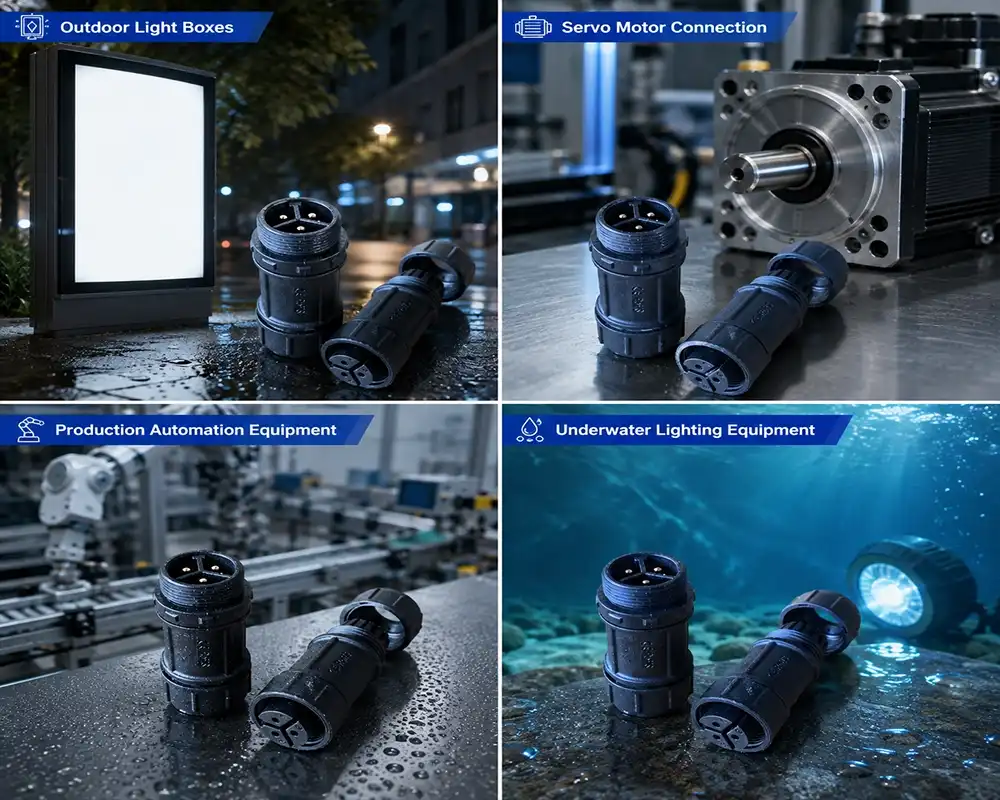
M16 waterproof connectors solve important problems with communication in places where regular electrical connections can't last. These interconnects work reliably in LED lighting, industrial automation, green energy, and transportation because they have standardised 16mm threading, IP67/IP68 environmental protection, and a lot of different setups. If you choose the right specs based on the surroundings, the electrical needs, and the supplier's skills, your installations will work for as long as they're supposed to. The best way to get the most out of your connector expense is to put it correctly and keep it in good shape. Quality M16 connectors from certified manufacturers are an important part of keeping electrical systems safe from moisture, dust, and mechanical stress. They cost a little more up front, but they save a lot in the long run by preventing costly system failures and extended downtime. You can protect your project's success and operational continuity by making smart purchasing decisions based on the total cost of ownership instead of just the initial price.
FAQ
What IP rating do I actually need for outdoor applications?
IP67 protection is enough for most outdoor sites where equipment will be exposed to rain, snow, and short-term pools of water that won't stay buried. The "7" means that the M16 waterproof connectors can be submerged in water for 30 minutes at a depth of 1 metre. For example, IP68 grades are needed for fountain lights, naval instrumentation, or installations that are washed down with high pressure water for a long time. The exact depth and length of time for IP68 testing depend on the manufacturer, so make sure you get the exact specs.
Can M16 connectors handle high-vibration industrial environments?
When properly tightened, the screw- locking device resists vibrations very well. The threaded coupling keeps its tight grip, while push-pull joints can come loose after a while of shaking. Metal-shelled versions are more durable in places with a lot of vibration, like heavy machinery or rail equipment. Strain support from the cable gland keeps the wire from wearing out at the end point, which is another common way for things to fail in environments with a lot of shaking.
How do I request samples or place bulk orders?
Email Cablein Technology and let them know what kind of pins you need, how many cables you need, and how many of each you need. We send you samples to test for quality before you place an order for mass production. Within 24 hours, our sales team gets back to you with technical details, prices based on your order number, and shipping times. Standard items from our 10,000+ piece inventory ship within 7–10 days. For unique designs, we need to talk about the lead time based on how complicated they are.
Partner with a Trusted M16 Waterproof Connector Manufacturer
Your connectivity problems should have answers backed by technical and production excellence that has been shown to work. Since 2017, Cablein Technology has been a leader in industrial waterproof connectors. Our ISO9001:2015-certified facility in Shenzhen provides reliable M16 waterproof connector solutions. Our connectors can be put together in the field. They have IP68 protection because they have PA66 nylon housings, gold-plated brass contacts, and precision silicone seals. We design solutions that work in LED lighting, industrial automation, green energy, and transportation. Our over 30 utility patents and TUV, CE, and RoHS certifications keep us coming up with new ideas. Our expert team is available 24 hours a day to help, and we offer customisation options such as OEM/ODM development. We also keep a collection of more than 10,000 pieces of each item to ensure fast delivery. Contact nick@cableinco.com if you need an M16 waterproof connector provider that knows how to meet your needs in terms of speed, quality, and technical requirements. We'll help you choose the best connection setup, send you samples to test, and make sure your projects are reliable.
References
1. Institute of Electrical and Electronics Engineers. (2021). IEEE Standard for Circular Connectors: Specifications and Testing Methods. IEEE Standards Association Press.
2. National Electrical Manufacturers Association. (2020). NEMA 250 Enclosures for Electrical Equipment (1000 Volts Maximum). NEMA Publications.
3. International Electrotechnical Commission. (2019). IEC 60529: Degrees of Protection Provided by Enclosures (IP Code). IEC Central Office.
4. Anderson, R. & Martinez, J. (2022). Industrial Connector Technology: Design Principles and Application Guidelines. Technical Publishing International.
5. European Committee for Electrotechnical Standardization. (2020). EN 61984: Connectors - Safety Requirements and Tests. CENELEC Standards.
6. Thompson, K. (2023). Waterproof Electrical Systems for Harsh Environments: Engineering Best Practices. Industrial Electronics Journal, 47(3), 112-128.