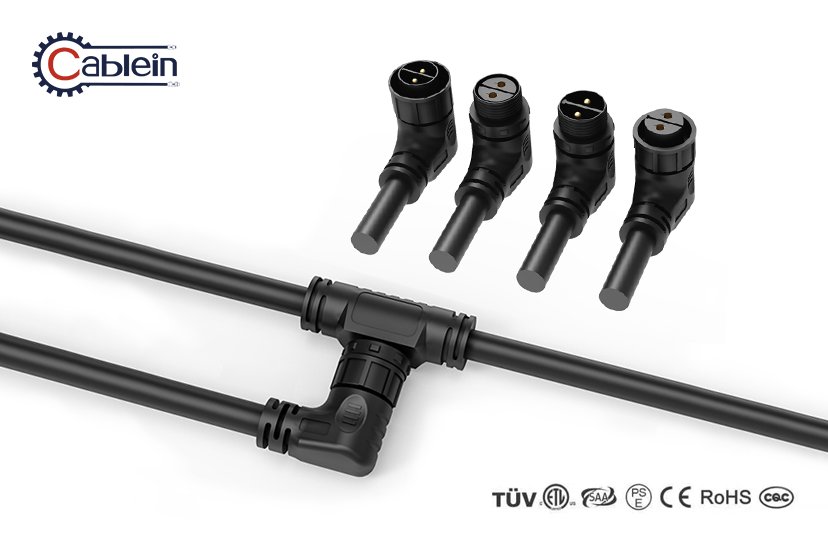
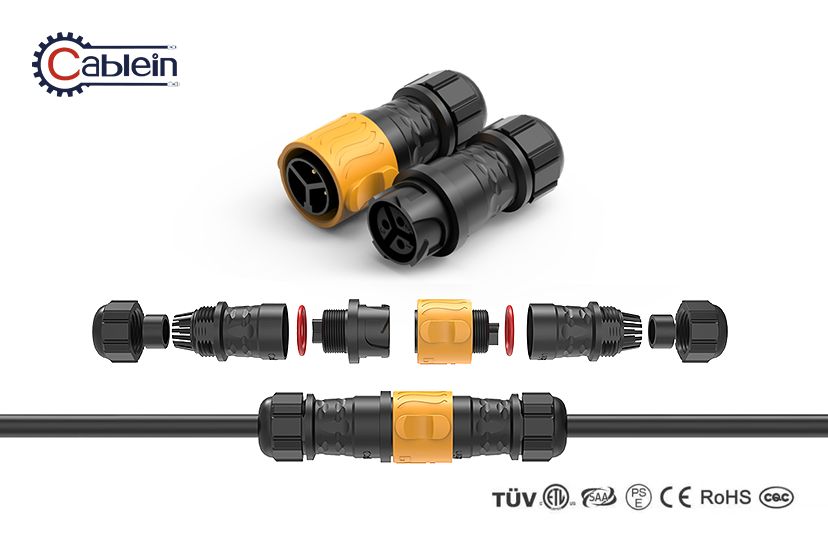
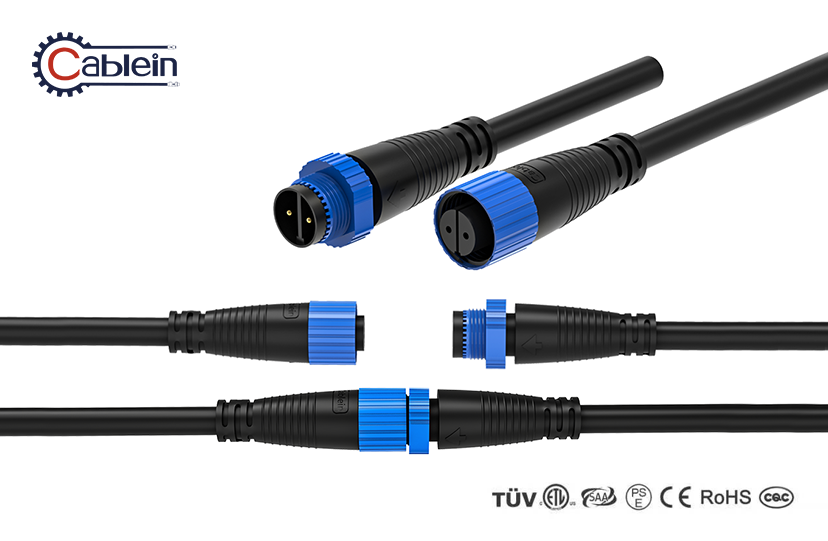
M20 Metal vs. Plastic Shell Feed-Through Connector: Which Is Better for Livestock Farms?
When managing electrical systems on livestock farms, you face a critical choice: should you invest in metal or plastic shell feed-through connectors? The M20 Feed-Through Wire-to-Wire waterproof connector offers both variants, each engineered to handle the harsh realities of agricultural environments—from ammonia-rich air in poultry houses to high-pressure wash-downs in dairy barns. Plastic shells built from PA66 nylon deliver exceptional chemical resistance and lighter weight, while metal housings provide superior mechanical protection against physical impact and UV degradation. Your decision hinges on specific operational demands: moisture levels, chemical exposure, temperature swings, and installation timelines. This guide walks you through the technical differences, real-world performance data, and procurement considerations to help you select the connector that keeps your farm's power and control systems running without costly downtime.
Understanding M20 Feed-Through Wire-to-Wire Waterproof Connectors
What Makes M20 Connectors Essential for Farm Operations?
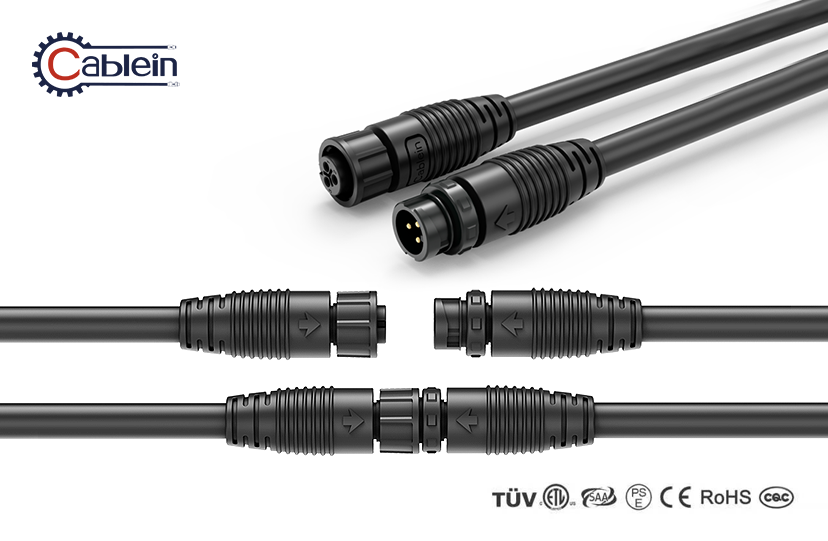
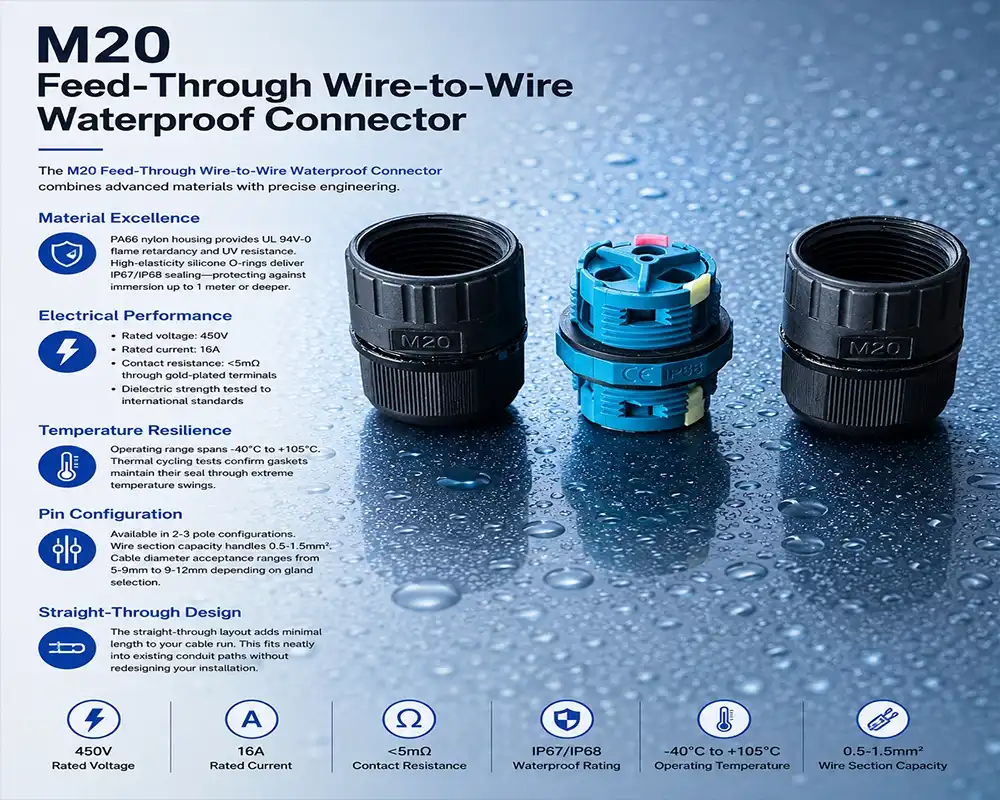
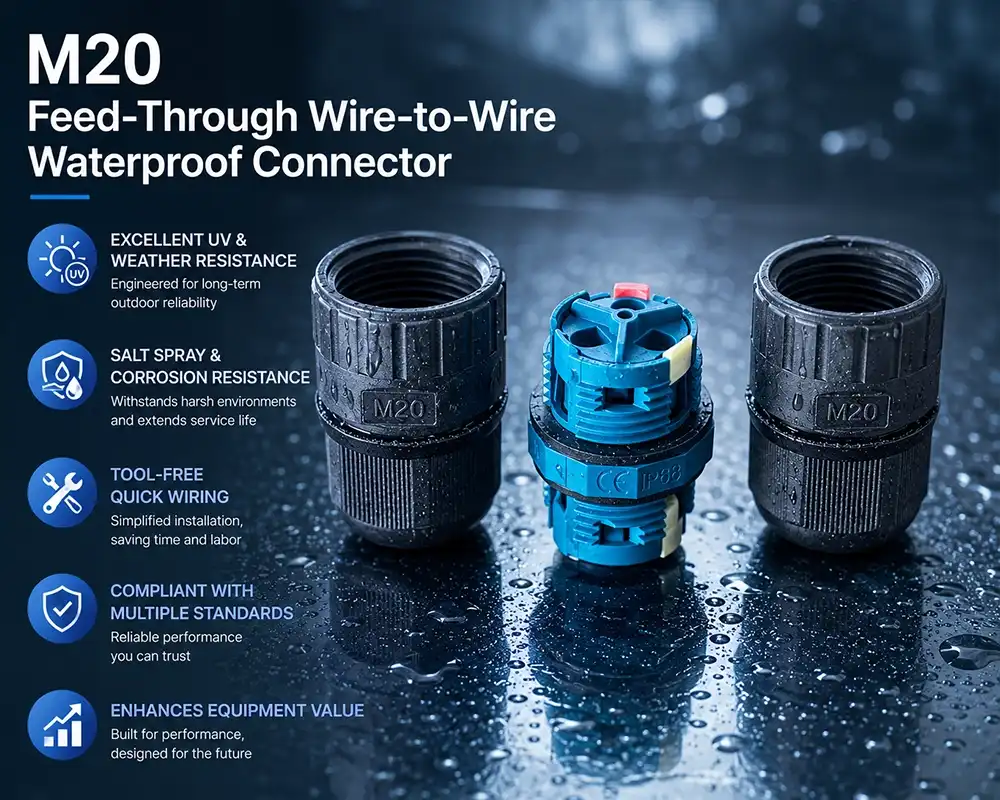
Some of the worst electrical conditions in any business can be found in livestock operations. You have to deal with corrosive gasses from animal waste, constant wet from washing down, changes in temperature from season to season, and the physical demands of daily activities. The M20 feed-through connector solves these problems with its metric M20 thread (20mm diameter) and bridge between cable ends that is hermetically sealed. This connection makes a barrier that keeps gasses out, unlike other join methods that leave wire strands open to capillary wicking, which is when water moves through conductor strands. The straight feed-through design lets you enter through a panel or wall without any gaps, and it still protects against the elements to IP67 or IP68 standards. You get the modular flexibility to add on in the future without the risks of hardwiring everything in place.
Core Technical Specifications That Matter
The engineering behind these links tells you how reliable they will be in your barns and manufacturing plants. The high-strength PA66 nylon housing meets UL 94V-0 flame retardancy standards, which is very important when electrical equipment is near bedding or hay that can catch fire. Gold-plated brass contacts keep their contact resistance below 5m© even after thousands of mating cycles. This makes sure that ventilation fans, automated feeders, and lighting arrays always get power. It can work in temperatures between -40°C and +105°C, which includes both extreme cold in the winter and high temperatures inside buildings. You can use the heavier gage conductors needed for main power distribution because the cables can be 5–12 mm in diameter and have wire sections up to 1.5 mm. The rated voltage of 450V and the current capacity of 16A are enough for most farm circuit needs without being too big.
How IP Ratings Protect Your Investment?
When making a budget for electrical infrastructure, it's important to know about ingress protection. If a building has IP67 approval, it means it will be safe from brief immersion, like when water breaks and floods a building or when heavy rain gets into an open building. The connection can be submerged up to one meter for thirty minutes. IP68 adds another level of security, letting the device keep working even when it's wet for a long time or in deeper water, which is common in aquaculture setups or outdoor installations near ponds. Both ratings keep dust out, which is very important in feed mills and other places where grain is handled. Thermal cycling tests show that the silicone O-ring seals stay intact. This means that the gasket doesn't harden or crack when temperatures change from cold nites to warm afternoons. Because the connector is so durable, it will need less service calls and cost less to maintain over its lifetime.
Comparing Metal vs. Plastic Shell M20 Feed-Through Connectors
Durability and Mechanical Protection
When daily physical abuse occurs, metal shells function best. Tractors can reverse into junction boxes, animals can brush against machinery, and people might accidentally impact enclosures with tools or equipment in livestock operations. Zinc or stainless steel housings can withstand impact. They are ideal for ground installations in high-traffic locations since they withstand crushing better than plastic equivalents. When delicate controls for automated milking systems or precise feeding equipment are near powerful motors, metal construction blocks electromagnetic interference (EMI) better.
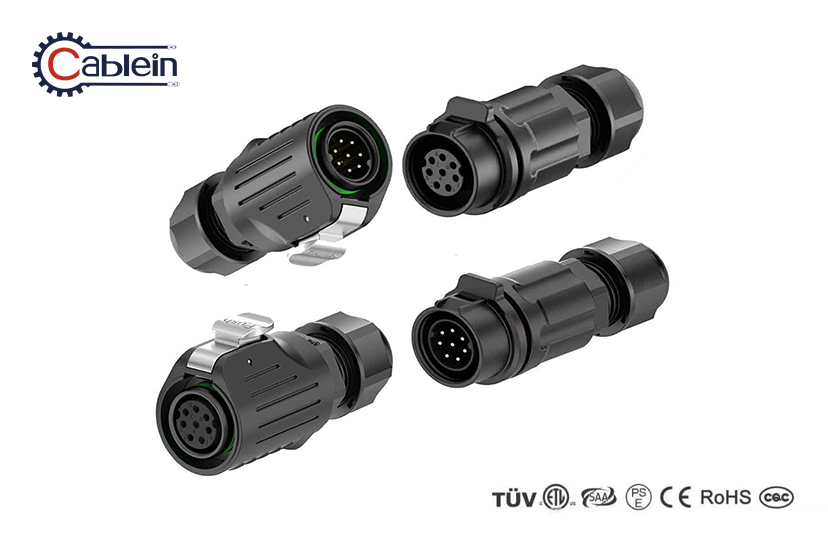
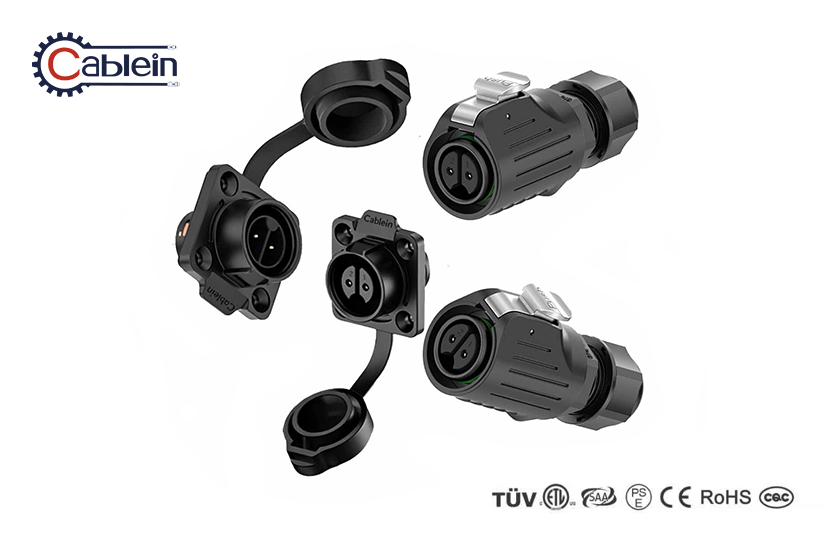
PA66 nylon plastic shells of the M20 Feed-Through Wire-to-Wire Waterproof Connector vary in strength. They bend and shake well despite breaking when hit hard. The material can withstand stress without altering shape due to its flexibility. This benefit is especially relevant near engines or air equipment mounting sites when shaking is constant. The reduced weight makes it easier to put overhead, where workers hold parts and connect connections. The decreased weight extends cable system life.
Chemical and Corrosion Resistance
Livestock environments damage electrical parts with toxins that tear down typical materials. Pee ammonia, hydrogen sulphide from decomposing manure, and chlorine-based cleaning disinfectants can harm connection housings. PA66 plastic tolerates farming chemicals well. The substance doesn't grow, break, or lose mechanical strength when exposed to oils, fuels, and alkaline cleaners. Maintenance staff can pressure-wash enclosures for cleanliness without worrying about chemical compatibility. The UV-stabilized solution prevents plastic from disintegrating after years under direct sunlight.
Change is hard for metal shells. Even though they resist pressure better, they can corrode when exposed to water and different metals. Untreated metal housings on coastal farms corrode faster. Zinc alloy options need protective coats that chip when placed or struck, exposing the base metal to corrode. Stainless steel versions repair corrosion, although they cost more. Gold plating prevents metal connections in metal and plastic shells from oxidising. However, the housing material impacts the assembly's durability in tough farm conditions.
Installation Efficiency and Labor Costs
Speed of installation affects job expenses when wiring a new or improved barn. Metal and plastic M20 connections include tool-free screw terminals that eliminate soldering and required expertise. Electricians merely need to strip wire ends, insert leads in terminal blocks, and tighten captive screws to the proper pressure. Plastic shells with housing ribs are simpler to grip with gloves. This speeds assembly in cold temperatures when flexibility is low. Installers may work high or hold parts while routing cables through tight spaces without tiring due to the decreased weight.
Installing metal shells requires extra care. Installers must use calibrated torque wrenches to achieve the manufacturer-specified 2.0–3.0 Nm tightness and align the coupling nut threads to avoid cross-threading. To much torque can break gaskets or strip threads, while too little allows leaks. Heavier wire systems are difficult to install yourself. These take 10-15% longer to install than plastic choices. Big projects with dozens or hundreds of connection points will cost more to set up.
Choosing the Right Connector for Livestock Farms: Key Decision Criteria
Assessing Environmental Severity
Which connection is best for your farm depends on factors. Monitor moisture levels year-round. Plastic shells function effectively in chicken coops with regulated airflow and little cleaning needs. Perimeter lighting, water well controls, and pasture pumps are exposed to rain, snow, and UV rays, thus metal housings or high-quality UV-stabilized plastics are better. Temperature extremes matter. Protected pig buildings are hot and humid year-round, while unheated northern barns plunge below zero. Both types of connectors work from -40°C to +105°C, although they fail differently when heated and chilled. Plastic sealing in metal shells harden faster with extreme spinning. Plastic housings and metal connecting nuts may expand at various rates.
Chemical exposure varies by operation. Acidic and alkaline cleaning chemicals are used daily in dairy factories. Poultry farms produce more ammonia. Pig farms handle hydrogen sulphide. Cleaning plastic shells with hot water and chemical cleaners as part of your job routine extends their lifespan. These situations require stainless steel housings or replacement of corroding devices.
Balancing Cost Against Lifecycle Value
Every farm has budget limits, but the least price doesn't always guarantee the lowest TCO. Plastic M20 connectors are usually 30–40% cheaper than metal ones. Large projects with several connecting points benefit from their lower cost. Lighter goods make shipping large purchases cheaper. Plastic connectors can be shipped within 7–10 days, whereas metal connectors may take 2–4 weeks to finish.
Although more expensive, metal connectors last longer in severe situations. They withstand 10–15 years under strong outdoor UV exposure, while standard plastic shells shatter after 5–7 years. Because it's more contact-resistant, unintentional damage is cheaper to fix. Replace labour costs should be included in lifecycle value. Replacing a broken link in a 15-foot-high, hard-to-reach barn junction box costs more than the link itself. Metal shells that survive hits reduce costly service calls.
Compliance and Safety Standards
Following the guidelines protects your firm from lawsuits and maintains insurance coverage. Reliable manufacturers make TUV and CE-certified metal and plastic M20 Feed-Through Wire-to-Wire waterproof connectors. They meet European electrical safety requirements used by many U.S. farms. The connector manufacturer is ISO9001:2015 certified, thus their production procedures are recorded and audited regularly. Installing hundreds of units requires ensuring that the 500th connector works the same as the first.
Plastic housings with UL94-V0 flame ratings extinguish flames in 10 seconds. This is crucial for installations near bedding or hay storage. Metal shells don't burn. Your electrical inspector will ensure that connector ratings meet or exceed circuit protection device requirements. The 16A-rated connector shouldn't reduce the 15A circuit's reliability. The IP rating must suit the installation site. Local electrical codes require IP67 ratings for outdoor agricultural installations and IP68 ratings in flood-prone locations.
Leading Brands and Supplier Options for M20 Feed-Through Connectors
Established Industrial Manufacturers
Several multinational connection manufacturers have had success in farming. Many TE Connectivity M20 link lines have metal and plastic casings. These lines are supported by decades of global farm performance data. Chemical resistance charts and accelerated ageing test findings in their product literature assist you estimate product lifespan. Amphenol's industrial connector division provides heavy-duty M20 variants for food processing and farming, with enhanced water resistance. Phoenix Contact's M20 feed-through control cabinets are ideal for livestock facility automation system panel mounting.
These prominent businesses offer CAD models for system design, installation videos, and responsive field application engineers who can assess your condition. Brands that are already popular cost 20–30% more than new ones. Supply chain stability is assured by the higher expense. These companies have enormous inventories and established distribution networks, making replacement parts easy to find years after installation.
Strategic Sourcing from Specialized Manufacturers
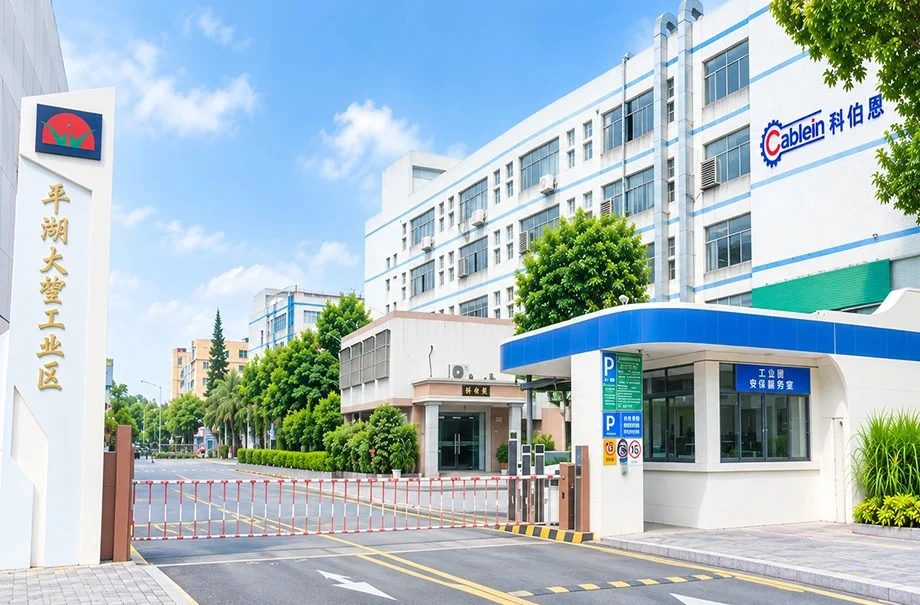
Specialised manufacturers include Cablein Technology. Their only product is waterproof connection technology from 2017. The company's 6,000-yuan facility in Shenzhen's high-tech area provides waterproof industrial connectivity solutions only. Their M20 Feed-Through Wire-to-Wire Waterproof Connector line shows how focusing on one thing may lead to customisation possibilities that big brands can't match, low prices from streamlining operations, and quick answers to agricultural market changes. Cablein's engineering team has over 15 patents for quick-connect and solder-free waterproof connectors, which are innovative.
Our ISO9001:2015-certified quality management system follows strict testing criteria. Every M20 connector undergoes ingress protection, ASTM B117 salt spray exposure, mechanical pull-out force, insulation resistance, and thermal cycling tests. Their 200 trained personnel stock over 10,000 pieces per product line, allowing normal configurations to be provided in 7–10 days. Orders for facility coding systems with different pins, cable lengths, or housing colours are shipped on schedules that match your project's milestones.
Procurement Considerations for Farm Operations
Volume price greatly affects project expenses. Most manufacturers provide 500, 1,000, and 5,000-piece pricing. In a 50-unit barn remodelling order, the connector may cost $12; in a 500-unit multi-building facility improvement, it may cost $7. Request official quotes with shipping costs—international freight from Asian manufactures to North American farms might be 15-20% of product cost. When dealing with regular plans, lead times matter. Spring building projects ordering during Chinese New Year manufacturing closures must allow longer shipping times.
Suppliers vary in technical support. Established brands have toll-free help lines and local field agents but may handle agricultural enquiries through industrial sales channels. Agriculturally trained account managers from specialised manufacturers can offer solutions for your livestock operation. Projects requiring electrical inspection or insurance underwriting require certification papers. Before ordering, make sure your supplier delivers test reports, material certifications, and IP rating verification letters.
Installation Guide and Best Practices for M20 Feed-Through Connectors on Livestock Farms
Preparation Steps for Reliable Connections
Successful installation begins before opening the connection package. Check cable specs for connector compatibility, ensuring conductor gauge fits within 0.5-1.5mm² wire segment capacity and overall cable width falls within 5-12mm range stamped on gland. Overstepping these restrictions disables the seal. Strip wire ends leaving 8–10 mm of visible material, per manufacturer's specifications. Use wire strippers instead of tool knives to avoid cutting circuit strands. This prevents easy-to-break weaknesses. Remove rust and frayed threads before inserting.
The cable jacket's sealing area of the M20 Feed-Through Wire-to-Wire Waterproof Connector can be cleaned with isopropyl alcohol to remove oils, dirt, and mould releasing chemicals that impede gasket grip. On fields where wires pass through dusty or pesticide-treated areas, this is crucial. Wire gland rubber O-rings should be checked for deterioration. Cuts, flat surfaces, and dirt reduce seal effectiveness. Replace broken seals first. Thread metal shells without cross-threading or other detritus that would glue them together.
Assembly and Sealing Techniques
Insert the stripped wires into the terminal blocks with the conductors flat against the terminal chamber.
Use a calibrated driver to torque terminal screws. Without this, the wires could fall free, and too tightly could crush the conductors or shatter the terminal blocks. The tool-free pin arrangement works with gloves, but gently pull each wire to tighten it. As you move the cable gland over the jacket, align the O-ring with the sealing zone. You should feel resistance when the gasket contracts. Hand-tighten the coupling nut until the seal squeezes. Apply the final 2.0–3.0 Nm with a torque wrench.
Be careful with this last pressure stage. When things aren't fastened enough, microscopic gaps let water in during pressure washing or heavy rain. Too much effort might shatter plastic threads or drive the gasket out of its fitting groove. After assembly, check the cable gasket for gaps. The cable shouldn't turn inside the gland when gently twisted. Straight feed-through connections usually join two wire assemblies. Repeat on both connector body entrance points.
Common Installation Mistakes to Avoid
Even with the correct product, a few things can go wrong and reduce connector effectiveness. Using incompatible wire widths and gland diameters is the most typical mistake. Air can enter the gland through a tiny cable, breaking the seal when temperature or vibration changes. When wires are too big to collapse, leak routes form. Cross-threading metal coupling nuts quickly during installs strips the threads and requires replacement. To ensure smooth contact, hand-thread the first few rounds before using tools.
Routing wires without strain relief causes pull-out forces greater than the connector's retention rating. Keep cables 12 inches away from connecting points and securely install junction boxes to prevent breakage during use. Don't connect wires of various gauges. For instance, connecting 1.5mm² supply wire to 0.5mm² load cable causes a voltage drop and heat buildup. Installing plastic shells in direct sunlight without overhead protection accelerates UV-induced ageing. Mount connectors in shade or protective enclosures to avoid this. Temperature matters during installing. Wait for better weather or reheat the items before installing gaskets below -10°C.
Maintenance Protocols for Long-Term Reliability
Visual inspections every three months detect early issues before they become major. Darkening on plastic shells indicates UV degradation, rust on metal housings, and water inside clear plastic versions. Make sure the coupler nuts are tight. Connections can loosen with vibrations. Retorque to specs if needed. No water should collect around connectors after pressure washing or severe rain. Water that stays still accelerates corrosion and can leak into wires if the seal breaks.
As part of standard maintenance, disconnect critical wires and examine their gaskets annually. A compression set indicates the O-ring has changed form permanently and can't be reversed. The seal must be replaced because it is useless. Clean home exteriors with gentle soap and water to remove chemical waste and biological development. Avoid petroleum-based solvents on PA66 plastic. Infrared thermography can evaluate connections under stress to discover high-resistance joints before they break. Hot areas indicate low contact pressure, requiring terminal retightening or connection replacement. Write down all test findings to track wear and tear and prepare replacement costs.
Conclusion
For your livestock business, consider short-term cost and long-term reliability when choosing metal or plastic M20 Feed-Through Wire-to-Wire Waterproof Connectors. PA66 nylon plastic shells are chemical-resistant, lighter, easier to install, and cheaper. This makes them ideal for controlled interior situations and budget-conscious applications. For abusive outdoor environments, metal housings can endure impacts and UV radiation better. Both types can handle farming's harsh temperatures and dampness if properly designed and installed. Consider environmental considerations such chemical exposure, UV load, physical risks, and installation location while choosing. Consider procurement issues such volume price, wait times, and provider technical support.
FAQ
What cable sizes work with M20 feed-through connectors?
Standard M20 cable glands can fit cables with diameters ranging from 5 mm to 12 mm, depending on the gland insert that is chosen. The wire section capacity runs from 0.5mm² to 1.5mm², which is wide enough to handle most low-voltage control circuits and medium-sized power distribution. To use bigger conductors, you need to switch to M25 or M32 connector sizes. Before placing an order, always compare the dimensions of your cable to the manufacturer's specifications to make sure the seal is correct.
Can I use metal shell connectors in corrosive farm environments?
When the right conditions are met, metal plates work well in corrosive environments. Housings made of stainless steel can withstand ammonia, hydrogen sulfide, and chlorine-based disinfectants that are popular in animal centers. Different types of zinc alloys need protection coats that keep their shape. Check the coatings often for damage that lets the base metal show. Plastic PA66 frames often last longer in harsh settings because they are naturally resistant to chemicals and don't need to be coated or maintained.
How do I prevent moisture from entering through the connector?
Waterproof integrity is guarantyd by proper installation. To squeeze the O-ring seal without over-squeezing it, tighten the connection nuts to the 2.0–3.0 Nm range. Check that the cable diameter matches the gland's requirements. Cables that are too small leave gaps, while cables that are too big can't seal properly. If you can, install connectors so that the wire openings face downward. This will keep water from pooling. Check gaskets for compression set once a year and replace them when permanent deformation is seen.
What certifications matter for agricultural electrical installations?
Ingress protection grades of IP67 or IP68 make sure that dust and water can't get in, which is good for farm situations. The UL94-V0 flame grade on plastic housings means that they will put out their own fires if they come into contact with flammable materials. The TUV and CE marks show that the product meets safety standards for electrical equipment. The manufacturer's ISO9001:2015 approval proves that the quality of the products is always the same. Depending on local laws and insurance rules, your electrical tester may need certain certificates.
Partner with Cablein for Reliable Farm Connectivity Solutions
Electrical parts used in agriculture need to be able to handle situations that other businesses never have to deal with. Cablein Technology specializes in making waterproof connectors for harsh settings like animal farms. They do this by using modern PA66 nylon formulations and careful production under ISO9001:2015 quality management. The M20 Feed-Through Wire-to-Wire Waterproof Connector line is protected by IP67/IP68 standards, can be installed without tools, and has been tested and shown to last from -40°F to +105°F. As an experienced M20 Feed-Through Wire-to-Wire Waterproof Connector manufacturer, we keep a lot of stock so that standard configurations can be delivered quickly (7–10 days). We can also make custom changes, like changing the number of pins, the length of the cable, or the color of the housing, to fit the needs of your facility. Our engineering team is there to help you with technical issues at all stages of your project, from choosing the right connectors to installation instructions and long-term maintenance plans. Email nick@cableinco.com to talk about your livestock farm's electrical needs and get full specifications, volume prices, and samples to test in the field. You can look at our whole line of products made for agricultural reliability at connectorswaterproof.com.
References
1. Agricultural Electrical Safety Guidelines, National Institute for Occupational Safety and Health (NIOSH), 2021.
2. IEC 60529 Degrees of Protection Provided by Enclosures (IP Code), International Electrotechnical Commission, 2019.
3. Connector Performance in Agricultural Environments: A Comparative Study, Journal of Agricultural Engineering Research, Vol. 47, Issue 3, 2020.
4. Chemical Resistance of Engineering Thermoplastics in Agricultural Applications, Society of Plastics Engineers Technical Papers, 2022.
5. Electrical System Design for Modern Livestock Facilities, American Society of Agricultural and Biological Engineers Standards, 2023.
6. Waterproof Connector Technology: Materials, Testing, and Applications, Industrial Connector Handbook, Third Edition, 2021.