What Are the Best Cable Types for an LP24 Waterproof USB Connector?
When engineers specify an LP24 waterproof USB connector for outdoor kiosks, EV charging stations, or industrial HMI panels, the connector itself is only half the equation. The cable routed through its Ø5.0–7.0 mm gland seals the assembly's IP rating and sustains 5.0 Gb/s SuperSpeed data transfer. Pair the wrong jacket material with an IP67/IP68-rated bulkhead connector and moisture, UV degradation, or mechanical stress will compromise the entire interface—often triggering costly field failures that dwarf the component cost.
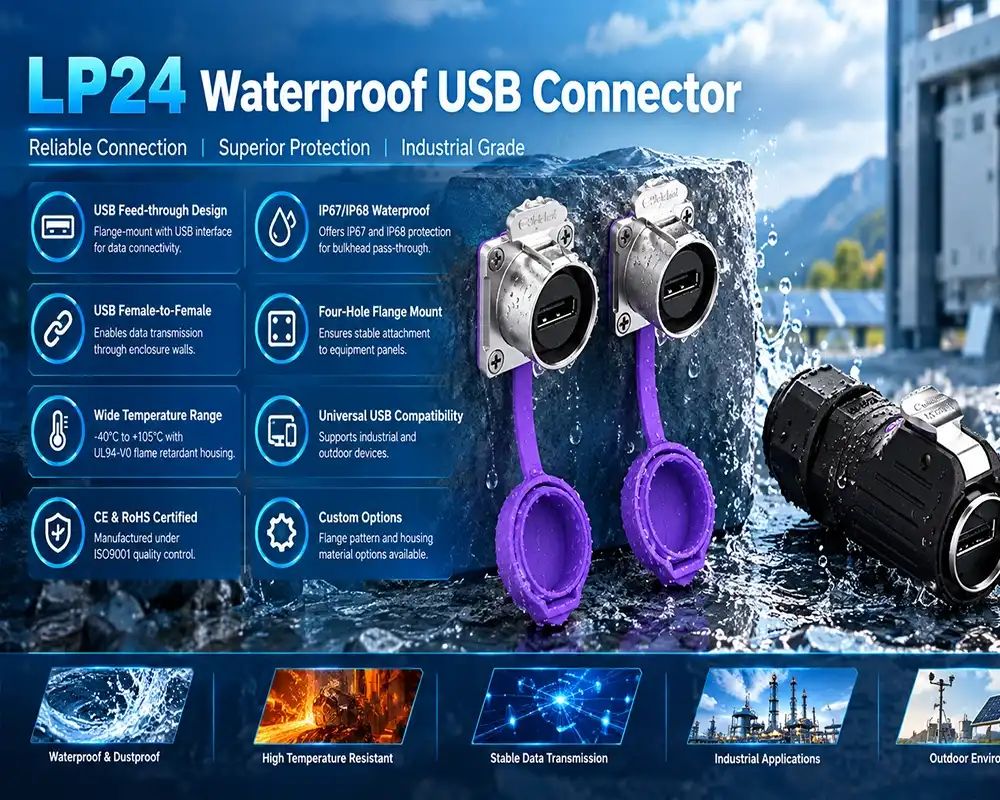
Understanding LP24 Waterproof USB Connectors and Their Cable Requirements
When engineers ask for an LP24 waterproof USB connector for industrial HMI panels, outdoor booths, or charging stations for electric vehicles, it's not just the connector itself that they need. When the wire goes through its Ø5.0–7.0 mm joint, it seals the assembly's IP rating and lets 5.0 Gb/s SuperSpeed data flow. If you use the wrong jacket material with an IP67 or IP68-rated bulkhead connector, moisture, UV degradation, or mechanical stress will damage the whole interface, which can lead to expensive field failures that are much higher than the cost of the component.
Learning about LP24 waterproof USB connectors and the cables they need.
What the LP24 Is Built to Do
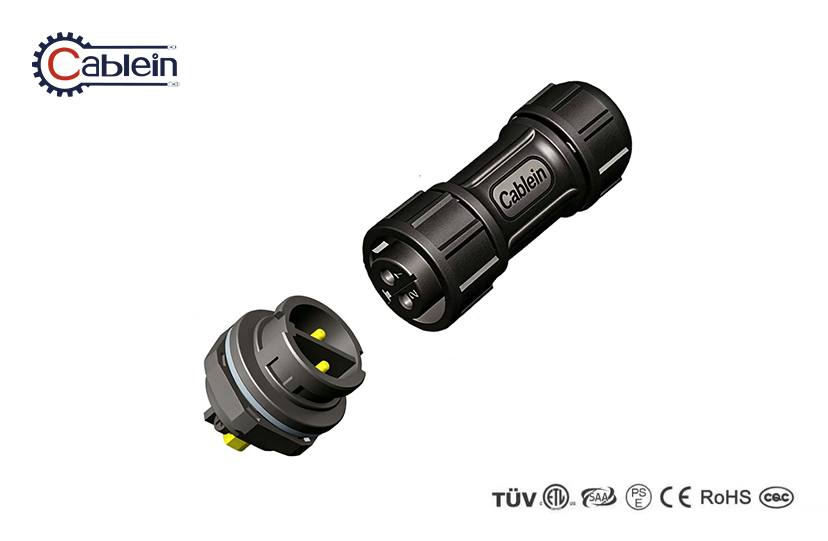
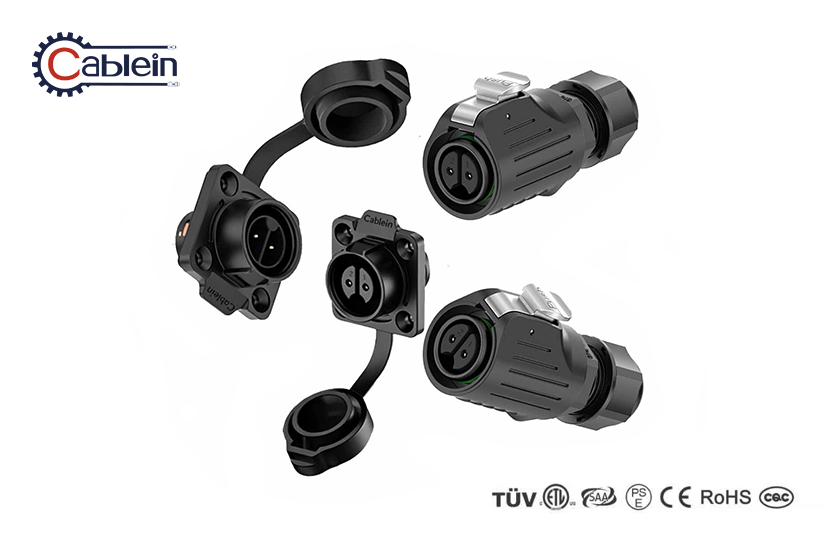
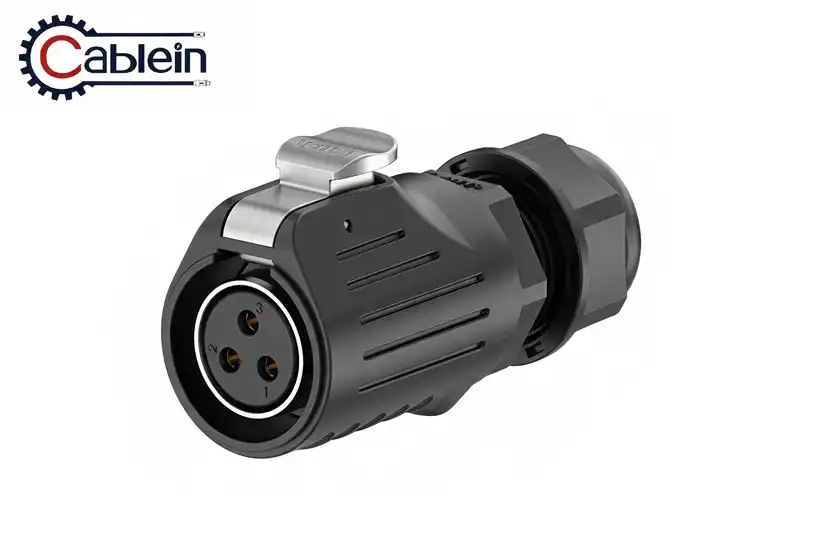
The LP24 from Cablein is a flange-mount, female-to-female USB feed-through connector that is designed to go through panels in tough conditions. Its four-hole mounting pattern securely attaches to aluminum, stainless steel, or plastic housings, stopping the shifting that happens with single-nut designs because of vibrations. The UL94-V0 flame-retardant housing works safely from -40 °C to +105 °C, and the built-in panel seal provides IP67 protection by default. IP68 (1 m/2 h) protection can be requested. The connector meets global compliance standards because it has CE and RoHS certifications and is managed by ISO 9001:2015 quality management.
Why the Cable Matters as Much as the Connector?
An IP grade for a waterproof connector only tells you how safe the wire assembly it ends is. IEC 60529 talks about ingress protection for the whole system, not just certain parts by themselves. No matter how well the connector is rated, the seal will not work if the cable jacket breaks down, cracks, or shrinks away from the gland. So, choosing the right wire outer diameter (Ø5.0–7.0 mm for the LP24) and jacket material for the deployment setting is not just a matter of personal taste, but of structural design.
Key Characteristics to Consider in Cable Types for LP24 Connectors
Shielding, Insulation, and IP Rating Alignment
Electrical interference can really mess up USB 3.0 SuperSpeed signals at 5.0 Gb/s. EMI from motors, switching power sources, and LED drivers is common in industrial settings like plant halls, EV charging stations, and outdoor advertising panels. A foil-and-braid shielded cable with >85% optical coverage blocks this noise and keeps the signal strong up to the maximum cable length allowed by USB 3.0. In addition to protection, the insulation has to be able to handle the same chemicals and temperatures that the connection does. Ratings that don't match up make the weakest part of an otherwise strong assembly.
Hardware engineers should look at four performance axes before choosing a cable jacket material: the temperature range, the resistance to UV and ozone, the tolerance for chemical exposure, and how hard the jacket is at low temperatures. A cable that stays flexible at -40 °C stops seal micro-cracking during cold-start maintenance cycles. This is a type of failure that often happens in outdoor installations after the first winter.
Comparing Popular Cable Types Suitable for LP24 Waterproof USB Connectors
Comparing common cable types that are compatible with LP24 waterproof USB connectors.
PVC: Cost-Efficient and Chemically Resistant
Polyvinyl chloride (PVC) is the most common jacket material and the one that is usually chosen for low-cost SKUs. It is very resistant to oils, weak acids, and alcohols, and it stays flexible enough at room temperature. The problem starts below -10 °C, when regular PVC gets much stiffer and can microcrack at small bend radiuses. PVC-jacketed USB 3.0 cables within the Ø5.0–7.0 mm window are still a useful and inexpensive way to connect devices inside and outside in mild climates. These cables can be used in shop kiosks, indoor HMI panels, or covered charge bays.
Silicone Rubber: Superior Flexibility Across Extreme Temperatures
Silicone rubber jackets stay flexible from -60 °C to +200 °C, which is why they are the best choice for displays on vehicles, automation equipment for farms, and telemetry units that are used in the Arctic. The substance is naturally resistant to UV damage and ozone damage, which is important for outdoor LED display setups that are meant to last for ten years. The downside of silicone is that it doesn't resist wear well. If you have cable trays or conduit runs that get a lot of use, you should add an extra protective sleeve. Because the jacket is soft, it's easier to press against the LP24's gland, which makes for a better IP seal than stiff options.
TPU and TPE: The Balanced Workhorse for Industrial OEM Builds
For most OEM hardware engineers, thermoplastic polyurethane (TPU) and thermoplastic elastomer (TPE) coats are the best of both worlds. TPU has great resistance to wear and tear, like rubber but workable like plastic. It is also flexible down to about -40 °C and doesn't react with fuels, hydraulic fluids, or UV light. TPE is also flexible in cold temperatures, but it is easier to recycle, which helps RoHS compliance strategies. A TPU-jacketed, foil-plus-braid shielded USB 3.0 cable in the LP24's diameter window is the most flexible option for charge station builders and outdoor information booth builders who need a single cable specification that can be used in a variety of climates. These qualities of the material directly lead to fewer guarantee returns and easier bill of materials management across all product lines. These are two things that procurement managers look at very carefully when new models come out.
Armored Cables: Maximum Mechanical Protection in Harsh Deployments
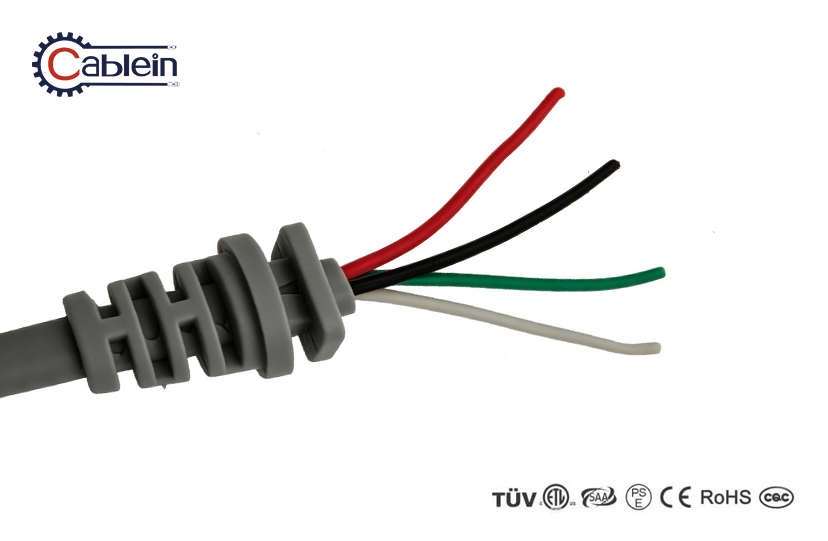
Stainless steel spiral or interlocked armor over a TPU inner jacket keeps things from crushing and keeps rodents away in places like utility boxes, underground pipe, and heavy machinery. Armored USB cords with an outer diameter of Ø6.0–7.0 mm fit within the LP24's gland range and add a Faraday-cage-like layer that blocks EMI, making them suitable for LP24 waterproof USB connector applications. Because it is more rigid, the bend radius at the panel entry point needs to be bigger. This is where the positional stability of the four-hole flange mount really shines, since it stops the connection from rotating when the cable stress is high.
How to Select the Best Cable Type Based on Application Needs?
Three factors directly affect the choice of cable type: the extreme temperatures in the environment, the type of mechanical stress that the cable will be under, and the regulations that the target market must follow.
| Application | Recommended Jacket | Rationale |
|---|---|---|
| EV charging stations (outdoor, -40 °C climate) | TPU, foil+braid shielded | Cold flexibility, fuel resistance, EMI rejection |
| Outdoor digital signage / LED display | Silicone or TPU | UV stability, wide temperature range |
| Industrial HMI / control cabinet | PVC or TPE | Cost efficiency, chemical resistance, IP match |
| Marine / offshore equipment | Silicone, armored option | Salt-spray resistance, pressure washdown tolerance |
| Agricultural automation | TPU or silicone | Mud, moisture, UV, temperature cycling |
For North American deployments, UL listing is an extra thing to think about. The U.S. market for communications cables is controlled by UL 444 and UL 20276. Customers who want to install cables that are regulated by UL must specify UL-listed wire along with a CE/RoHS-certified LP24 connector to ensure both electrical safety and environmental compliance.
Installation Best Practices and Ensuring Long-Term Reliability
Correct Gland Engagement and Bend Radius
Before ending the USB plug, put the cable through the LP24's rear gland. Tighten the gland nut to the force level listed in Cablein's datasheet. If you tighten it too much, the closing ring will deform, opening up ways for water to get in. Keep the bend radius at least five times the outer diameter of the cable right behind the connection to keep the conductor from wearing out and the jacket from cracking where the seal meets the cable.
Routine Inspection Schedule
In high-UV or coastal areas, outdoor connections should be looked at clearly every six months. Look through the female ports to see if the jacket has changed color, the glands have become loose, and there is contact corrosion. The LP24's gold-plated contacts don't oxidize, but debris building up in the recessed socket can raise contact resistance above the 30 mΩ limit for USB 3.0 signal integrity. If you see cracks in the jacket or a distorted gland seal, you should replace the whole cable assembly instead of just the connector. This is because a damaged jacket makes the IP68 sealing system less effective no matter what the condition of the connector is.
Conclusion
Choosing the right cable type for an LP24 bulkhead USB connector is a direct indicator of how well an LP24 waterproof USB connector IP67 or IP68 rating works in real life. PVC is good for low-cost installations in mild climates; silicone rubber works best in harsh temperatures and UV exposure; TPU/TPE is durable and flexible enough for most OEM builds; armored wires are best for the most physically demanding settings. When the outer diameter, shielding specifications, and regional certifications (CE, RoHS, UL) of the cable jacket are matched to the LP24's technical parameters, it protects both the end product's IP rating and the OEM's reputation after the sale.
FAQ
Does the LP24 waterproof USB connector work with standard USB cables?
Standard USB cords don't have the outer-diameter range (Ø5.0–7.0 mm) and jacket grades that the LP24 needs to keep its IP67/IP68 seal. For a legal placement, you need industrial-grade wires with the right jacket materials and shielding.
What IP rating does the LP24 carry, and what does that mean in practice?
If you submerge something up to 1 m for 30 minutes, IP67 will protect it. With the optional IP68 rating, this can be extended to continuous immersion at a depth and for a time set by the maker. This makes it ideal for wash-down areas or installations that are partially underground.
Can the LP24 support USB 3.0 data rates through an enclosure wall?
Yes. When used with a properly shielded cable that doesn't go over the 3-meter USB 3.0 specification limit, the female-to-female feed-through design keeps the USB 3.0 SuperSpeed path at 5.0 Gb/s.
Which cable jacket performs best in marine or coastal environments?
For aquatic uses, silicone rubber is the best choice because it is resistant to salt spray, stable in UV light, and flexible. When physical contact or pressure-wash exposure is also a worry, TPU with an armored outer layer is a good choice.
Is the LP24 available with custom flange patterns for non-standard panel layouts?
Cablein can make unique flange hole shapes and housing materials to fit enclosure designs that aren't standard. Send your panel drawing to the engineering team so they can make a solution that fits your needs.
Partner With Cablein for Your LP24 Waterproof USB Connector Supply
Cablein keeps more than 10,000 of each item in stock and ships them out within 7 to 10 days. They are certified by CE, RoHS, and ISO 9001:2015. Whether you need an LP24 waterproof USB connector provider for an OEM new model launch or a trusted source for restocking your production line on a regular basis, our engineering team is available 24 hours a day, 7 days a week, and the minimum order quantity (MOQ) starts at just 100 pieces. To get examples and prices, email nick@cableinco.com or go to connectorswaterproof.com right now.
References
1. Cablein Technology Co., Ltd. (2024). LP24 Waterproof USB Connector Product Datasheet. connectorswaterproof.com.
2. International Electrotechnical Commission. (2013). IEC 60529: Degrees of Protection Provided by Enclosures (IP Code). IEC.
3. USB Implementers Forum. (2013). USB 3.1 Specification, Revision 1.0. USB-IF.
4. UL Standards & Engagement. (2022). UL 444: Standard for Communications Cables. Underwriters Laboratories.
5. National Electrical Manufacturers Association. (2020). NEMA WC 27500 Standard for Aerospace and Industrial Electrical Cable. NEMA.
6. Mouser Electronics / Industry Technical Team. (2023). Selecting Industrial Connectors for Outdoor and Harsh-Environment Applications. Mouser Electronics Technical Resources.