How do p16 self lock waterproof connectors compare to other waterproof connectors?
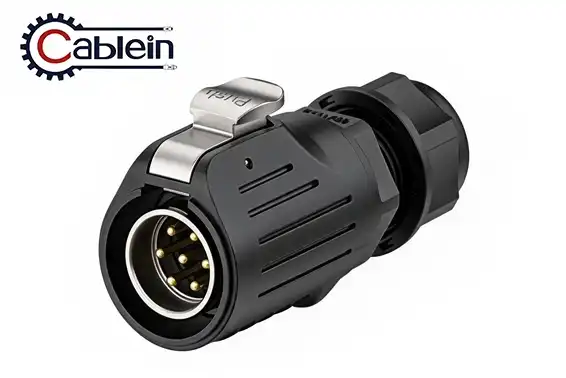
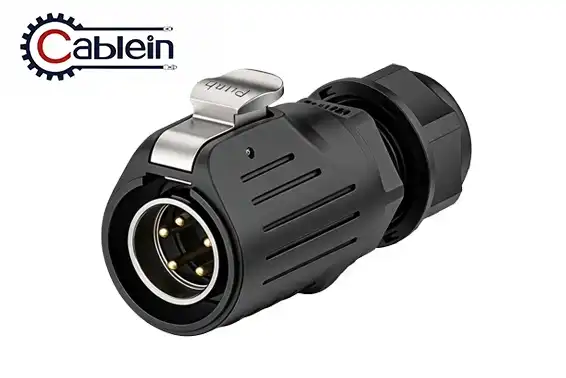
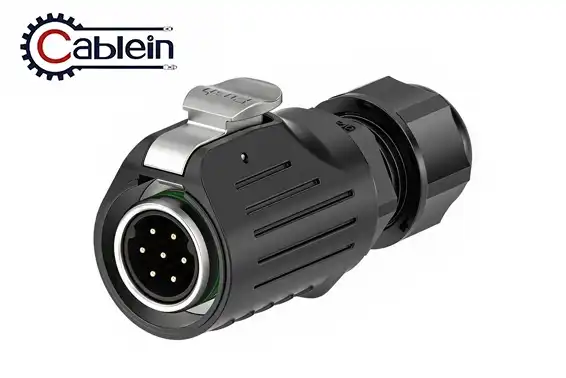
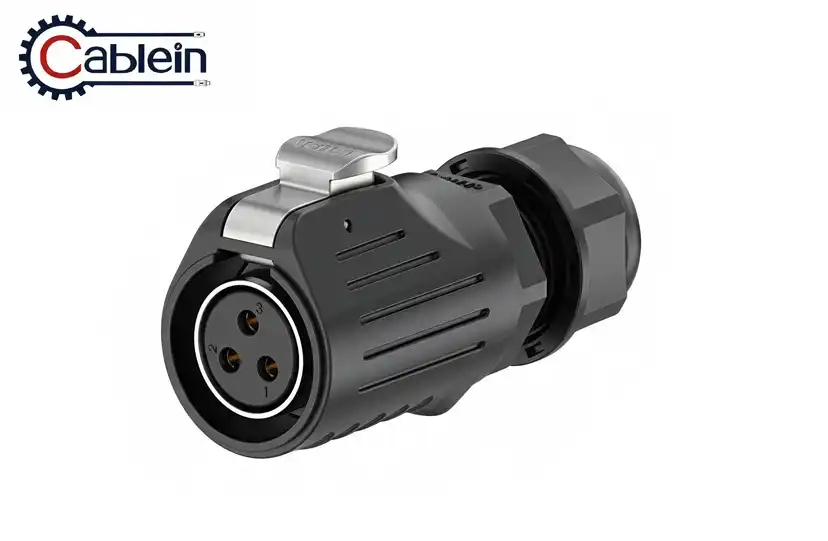
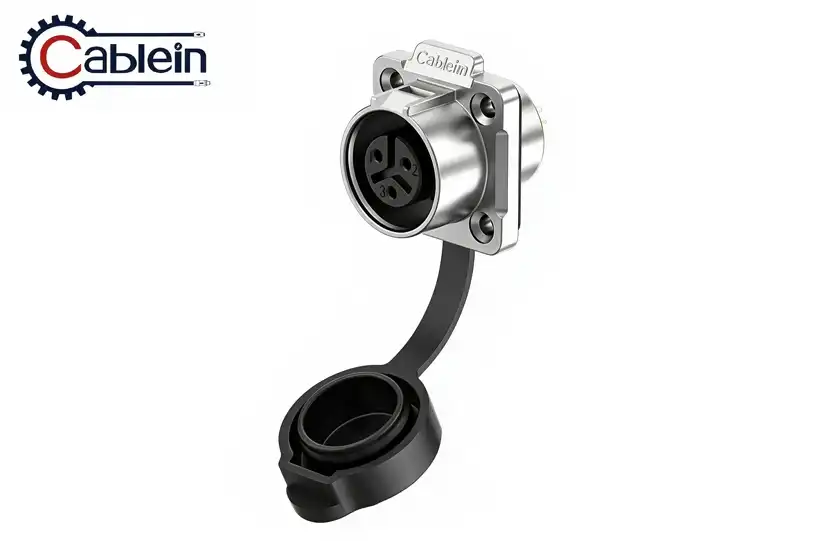
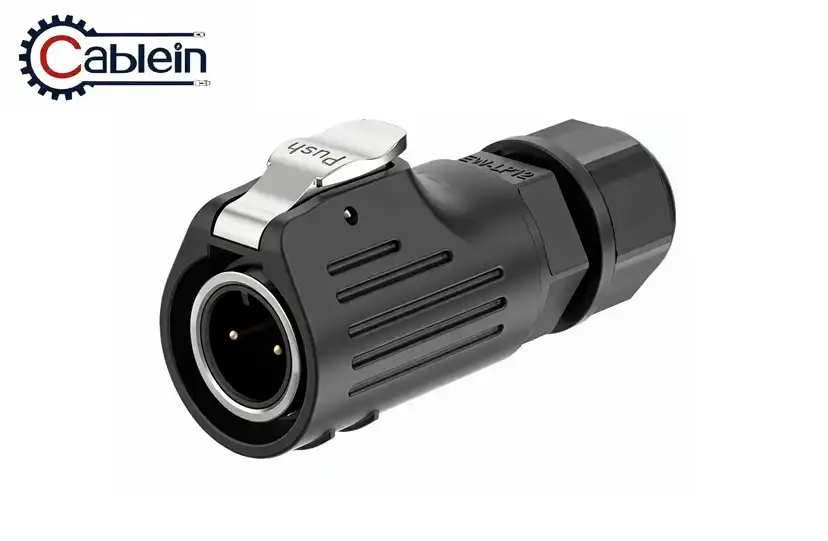
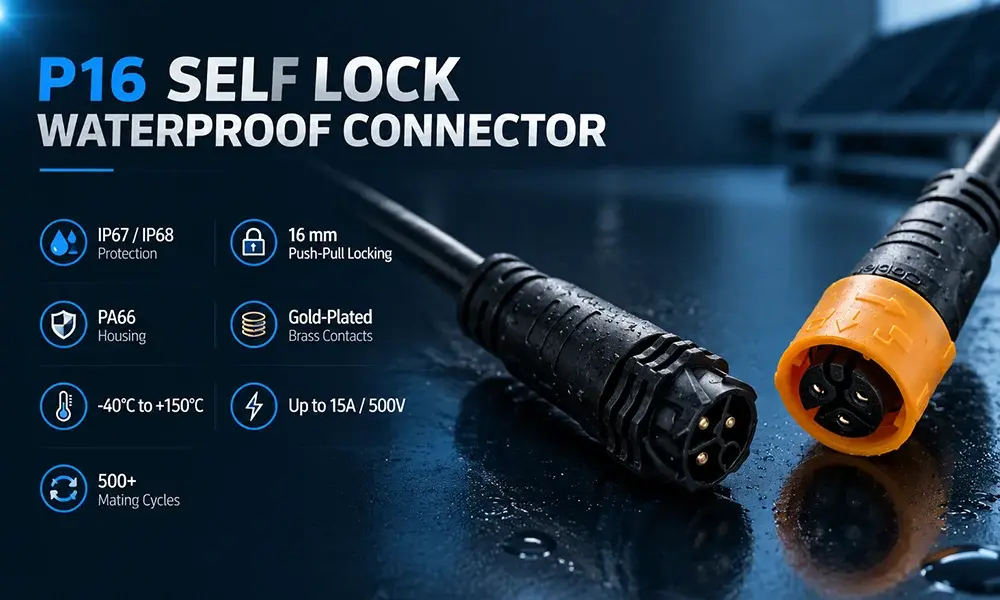
When selecting waterproof connectors for demanding industrial applications, understanding the differences between available options becomes critical for procurement success. The P16 self lock waterproof connector distinguishes itself through a push-pull locking mechanism that enables one-handed operation while maintaining IP67/IP68 protection ratings. Unlike traditional screw-lock designs, this connector features a PA66 engineering plastic housing with gold-plated brass contacts and silicone sealing rings, delivering reliable performance across operating temperatures from -40℃ to 150℃. With tested durability exceeding 500 mating cycles and factory-overmolded construction, these connectors eliminate field termination concerns while providing consistent quality for medical devices, industrial controls, and outdoor electronic equipment.
Understanding P16 Self Lock Waterproof Connectors
Electrical systems that work well in harsh settings depend on waterproof connections. Knowing what makes some designs better helps procurement workers make decisions with confidence. The P16 design is a 16mm round shape that works best for sending both signals and power.
Core Design Features
These connections tackle equipment and system integrator issues via engineering. Each connector's self-locking push-pull mechanism indicates engagement. Field installation is simpler and less likely to be mistaken. P66 nylon resists chemicals, mechanical impact, and UV damage. In outdoor situations, where external stress breaks parts faster, this extends its lifespan. Over the life of the connection, gold-plated brass contacts maintain contact resistance below 5mΩ. This prevents signal loss and voltage dips, which negatively impact system performance. An IP67/IP68 compression seal is created by the rubber waterproof ring. It keeps water and dust out even after two hours in 1.5 meters of water.
Technical Specifications That Matter
To ensure that connections match application demands, buying teams need real-world performance data. You may utilise 2, 3, 4, or 8 contact pins. Maximum voltages are 110V–500V DC/AC. The current ratings vary from 5A to 15A depending on pin count. This enables low-power sensor connections and high-demand power delivery. It has insulation resistance over 500MΩ and can withstand voltage testing up to 3KV, ensuring electrical safety. Injection-molded cables with 5–10 mm diameters fit industrial wire sizes and maintain seal integrity. This meets the needs of LED lighting systems, battery charging equipment, test instruments, and portable medical gadgets. Failure might damage equipment, endanger workers, or generate costly downtime.
Application Versatility
Many sectors with comparable environmental issues might utilise this connection style. These connections can withstand rain, humidity, and temperature fluctuations in outdoor LED lighting systems. Without degrading seal function, they may be detached for repairs several times. Due to its pre-assembled nature, medical device companies appreciate overmolded cable assemblies. This reduces manufacturing labour costs and field termination quality concerns. In environments with high wire strain and mechanical stress, industrial automation systems' vibration-resistant locking mechanism prevents accidental connection loss. For outdoor equipment to last for years without maintenance, corrosion resistance and stability are essential. This applies notably to solar and EV charging infrastructure.
Comparing P16 Self Lock Connectors with Other Waterproof Connectors
When procurement professionals know how different types of connectors, such as the P16 self lock waterproof connector, work in comparison to each other, they can choose solutions that save money on both the initial cost and the total cost of ownership. There are a lot of different types of waterproof connectors on the market, and each has its own pros and cons.
Locking Mechanism Differences
When compared to threaded screw-lock options, the self-locking push-pull design completely changes how installation works. Traditional screw-lock connections need to be used with two hands and rotated threading, which makes installation take longer and increases the risk of cross-threading damage. When screw threads are exposed to vibrations like those found in transportation and industrial machinery, they can slowly come loose over time. This can compromise their waterproofing and cause connection failures to happen from time to time. The P16 push-pull mechanism locks with a single axial movement, letting you know right away that it is securely engaged through touch and sound. Compared to multi-turn screw locks, this design cuts installation time by about 60%. This directly lowers labor costs during large-scale deployments where hundreds or thousands of links need to be made. The spring-loaded locking collar keeps the tension on the connector constant over its lifetime, so it doesn't get loose from vibrations and doesn't need to be tightened on a regular basis.
Size and Performance Trade-offs
The size of the connector has a direct effect on how much space is needed on the panel, how much it weighs, and how much current it can handle. Smaller formats, like P14 connectors, are good for applications with limited space because they are small. However, they usually only allow 3–7A of current and have fewer pin configuration options. The P16 format hits a balance by offering 5–15A current capacity in a 16mm footprint that is still doable for portable devices and panel setups with a lot of connections. While bigger P20 connectors can handle higher current loads of 20A or more and more pins, their bigger size and weight make them less useful for handheld devices, drone applications, and setups that need to save panel room. Designers of equipment have to figure out if the extra space that larger formats offer is really needed for the application or if the P16 specification meets performance needs while making the best use of space and lowering costs.
Material and Durability Considerations
Environmental defense and operating lifetime under certain exposure circumstances depend on the materials used to make the connector. Some companies use regular plastics that break down quickly in UV light and become rigid and crack after being used outside for months. The PA66 engineering plastic that is used to make high-quality P16 connectors keeps its mechanical properties even when temperatures change a lot. It also doesn't break down when exposed to UV light, so it can be used outside for longer. Metal shell options provide better electromagnetic shielding for sensitive signal applications, but they are heavier, cost more, and could cause galvanic corrosion problems in saltwater or chemical environments if they are not properly plated. The thickness of the contact plating has a big effect on how long it works. For example, 3μ gold plating provides basic oxidation resistance, while 50μ plating allows for thousands of mating cycles of reliable operation in low-voltage signal applications where even small increases in contact resistance cause functional problems.
Procurement Considerations for P16 Self Lock Waterproof Connectors
Besides product specs, other factors that affect successful procurement include the skills of the seller, quality control, and the dependability of logistics. To make smart sourcing choices, you need to look at a lot of things that affect the success of the project and the long-term stability of the relationship.
Supplier Selection Criteria
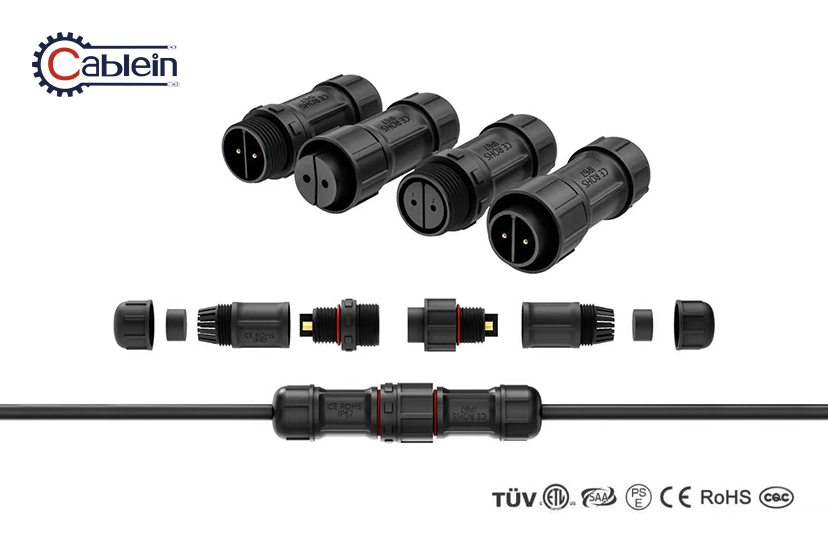
Finding manufacturers who consistently provide high-quality goods and dependable support services helps keep procurement investments safe and reduces the number of disruptions in the supply chain. Companies that have quality management systems that are certified to ISO9001:2015 have structured ways of making sure that their products are always the same and fixing quality problems when they happen. International safety standards like CE, TUV, ETL, PSE, and SAA show that goods have been tested and approved by a third party. This lowers the chance that equipment won't work properly when it goes into a controlled market. Companies with 15 or more patents on waterproof connector technology usually have more in-depth engineering knowledge to help with custom development projects and solve problems that are unique to each application. Responding quickly to technical support questions is very important during the product integration phases, when engineering questions need quick answers to keep projects on schedule. Being able to get technical support 24 hours a day, seven days a week is a great way for suppliers to stand out.
Cost Analysis and ROI
A good cost analysis looks at all of the costs of owning something, not just the unit buy price. Because pre-assembled P16 self lock waterproof connectors are factory-overmolded, they don't need to be terminated in the field. This saves between $2 and $5 per connection on installation costs, depending on the cost of labor in the area and how hard the installation is. The proven longevity of 500+ mating cycles means that these connectors can support equipment that needs to be disconnected often for repair or reconfiguration without breaking too soon. This saves money on replacement costs and downtime caused by worn-out connectors. When you buy in bulk from well-known companies with stable stock, the unit cost usually goes down by 15 to 30 percent for orders over 1,000 pieces. This makes the project more cost-effective for big operations. When you look at the total cost of a project, which includes materials, installation labor, maintenance needs, and expected service life, you'll often find that moderately higher-quality connectors are a better deal than cheaper options that need to be replaced more often or break down in the field.
Customization Capabilities
Many uses are good for standard catalog items, but for special projects, they often need to be changed to fit the needs of the project. Manufacturers that offer OEM and ODM services can change the lengths of cables to fit different types of equipment. This cuts down on unnecessary cable management and makes the installation look better. Custom pin designs let designers combine several standard wires into a single connector, which takes up less room on the panel and makes it easier for users to join. Color-coding helps tell the difference between different types of links in complicated systems where making the wrong ones could damage equipment or put people in danger. Customizing the exit orientation lets cables run in the best way possible, taking into account panel mounting limitations and the layout of internal equipment. When a project's volume warrants it, suppliers with private mold development skills can make completely unique connector forms. This gives equipment makers looking for special interconnection solutions a competitive edge.
Installation and Maintenance Best Practices
Installing and maintaining connectors correctly will improve their performance and make them last longer, which will protect your investments and lower your total ownership costs.
Installation Guidelines
To get solid waterproof performance, you must first put it correctly so that the seals work properly and the mechanical locks are fully locked. Before connecting, look at both halves of the connector to see if there is any debris, broken pins, or deformed seals that could weaken the connection. Carefully line up the two halves of the connection along the axis to avoid damaging the pins by trying to place them at an angle. Then, push them together with steady pressure until the locking mechanism engages and you hear and feel feedback. Check that the locking collar or tabs are fully in place by gently pulling the connectors apart. Correctly locked connectors should not come apart and should not need too much force to open on purpose. Maintain bend radius standards when moving cables, which usually call for radii of at least 5 to 10 times the cable diameter. This will keep the seal from being compressed and the conductor from being stressed, which over time lowers performance. Avoid routing cables in places where they will be constantly bent or rubbed against sharp edges, as this will speed up the wear and tear on the insulation and seals.
Routine Maintenance Protocols
Cleaning and inspecting things on a regular basis can help find problems early on, especially in harsh environments where there is a high risk of contamination and corrosion. At regular maintenance times, take connectors apart and check the pins for oxidation, rust, or mechanical damage like bent contacts that make the connection less reliable or stop it from fitting properly. Electronics-safe liquids and soft brushes can be used to clean contacts and get rid of built-up dirt, salt deposits, or rust films without hurting gold plating or plastic parts. Check the sealing rings for cracks, hardening, or compression set that would make the seals less effective. Replace seals that are worn out before they let water in. Check the cable strain relief and make sure the wires stay in place firmly without putting stress on the solder joints or crimp connections directly. Keep track of the results of inspections and maintenance tasks to find patterns in reliability and trouble spots where design changes or more frequent service are needed.
Troubleshooting Common Issues
When link problems happen with the P16 self lock waterproof connector, thorough troubleshooting finds the root causes and the best way to fix them. Intermittent connections are usually caused by dirty contacts, locking mechanisms that don't engage fully, or movement caused by vibrations. To fix this, clean the contacts well, make sure the locking mechanisms do engage fully, and look at the cable route for stress points that need extra support. If a connection fails completely, it could mean that an internal conductor is damaged, a catastrophic seal fails, letting corrosion happen, or pins are damaged because they weren't lined up correctly during installation. To stop this from happening again, replace the damaged connectors and go over the installation steps again. If there is moisture inside connectors even though the seals seem to be fine, it could mean that the cable jacket is damaged, letting water move along the wires and into the connector body. Check the cables for cuts or abrasions in the jacket and add more covering where the cables enter the connector if needed.
Why Choose P16 Self Lock Waterproof Connectors?
These connectors are perfect for demanding situations where reliability is key to operating success because of their design features, performance traits, and high manufacturing quality.
Performance Advantages in Harsh Environments
The IP67 and IP68 ratings really protect against water and dust getting in, which is something that would quickly break less durable connectors. These fittings have been tested and proven to work with direct water spray from any angle and short-term submersion. This means they can be used for installing equipment in places where it might rain, be washed, or get condensation on it. The temperature range of -40°C to 150°C allows for outdoor setups in harsh conditions and uses near heat-generating parts where regular connectors would fail. Chemical resistance built into PA66 housing materials keeps them from breaking down when they come in contact with cleaning solvents, hydraulic fluids, and industrial chemicals that are common in processing and manufacturing settings. These environmental capabilities directly lead to longer equipment downtime and lower upkeep costs compared to connectors that need to be replaced often or given extra protection to work in harsh conditions.
Operational Efficiency Benefits
The push-pull operation with one hand makes installation much faster. This is especially helpful for technicians who work on ladders, in small spaces, or while holding equipment during connection steps. Clear tactile feedback gets rid of any doubt about the security of a connection, which cuts down on returns for weak connections and makes it easier for different workers to do the same high-quality job. The overmolded cable assembly comes ready to be put together right away. This eliminates quality variations that can happen during field termination and cuts assembly work by 70–80% compared to connectors that need to be soldered or crimped on-site. Standardizing on this connector format across all product lines makes it easier to keep track of spare parts, lowers the need for maintenance staff training, and lowers the cost of buying things by reducing the number of connector types that need to be sourced and stored.
Long-Term Value Proposition
The long-lasting build, proven dependability, and ability to be customized make the product very valuable throughout its entire lifecycle. If you choose and install these connections correctly, they should work for 5 to 10 years without any problems in outdoor settings. This means you won't have to pay for replacements or repairs when the connector fails. Being able to describe custom configurations stops over-engineering that adds too many features or under-specification that causes early failures, which improves both speed and cost. If a company that makes equipment adds new products or enters a new market, they can quickly make different types of connectors to meet the needs of those needs by using existing relationships with capable suppliers instead of finding new vendors or re-qualifying supply chains.
Conclusion
To choose the right waterproof connectors, you have to weigh the prices, performance needs, fitting limitations, and total ownership costs. With its reliable IP67/IP68 sealing, easy push-pull operation, and strong PA66 construction, the P16 self lock waterproof connector meets important needs in medical devices, LED lighting, outdoor electronics, and industrial automation. This connector is the best of its kind when it comes to size, current capacity, and ease of use. Its factory-overmolded construction also makes sure that the quality is always the same. To build relationships that work for both current projects and future needs, procurement workers should look at suppliers based on their certifications, technical help, and ability to make changes. When you install and repair connectors correctly, they work better and last longer. This protects your equipment purchases and keeps things running smoothly.
FAQ
1. Can P16 connectors withstand saltwater exposure in marine applications?
Yes, P16 connectors that are properly specified and have the right contact plating and housing materials can withstand saltwater corrosion well. When you put together gold-plated brass contacts, a PA66 housing with UV protectors, and silicone closing rings, you get reliable safety in marine settings. Inspections and cleaning of the contacts during maintenance times, on the other hand, help ensure long-term performance by getting rid of salt buildup before they cause problems.
2. How do I verify a supplier's certification claims?
If you ask, reputable manufacturers will give you proof of their certifications, which will include certificate numbers that you can check with the organizations that issued them. Check that the certifications are specific to the models of connectors being bought and not just general company certifications. Structured quality control methods are shown by suppliers with ISO9001:2015 quality management systems. Product-specific standards like CE, TUV, and ETL show that the products have been tested and approved by independent organizations.
3. What service life should I expect under typical outdoor conditions?
When used outside, where they are exposed to normal conditions like changing temperatures, UV rays, and water, good P16 connectors usually last between 5 and 10 years. The actual lifespan depends on how well it was installed, how well it is maintained, and how harsh the environment is. Applications with a lot of mating cycles or harsh circumstances may have shorter service lives, but safe installations usually last longer than expected.
Partner with Cablein for Your P16 Self Lock Waterproof Connector Requirements
As a company with nine years of experience making things and more than 30 utility model patents in waterproof interconnection technology, Cablein Technology offers engineered connectivity solutions. Our P16 self lock waterproof connectors are approved by TUV and CE. They offer security up to IP67/IP68 and are easy to use with push-pull buttons. They can be used with LED lighting systems and industrial automation equipment. With a stable inventory of more than 10,000 pieces of each item and normal shipping times of 7 to 10 days, we can meet the needs of your production schedules. Our engineering team is available 24 hours a day to help with technical issues and can fully customize OEM/ODM orders, including changing the lengths of cables, the way pins are set up, and the colors to match your exact needs. Cablein is a well-known company that supplies P16 self lock waterproof connectors to customers all over the world. They have a number of foreign certifications, such as ETL, PSE, SAA, and RoHS compliance, which means your goods will meet the rules in all of your target markets. Get in touch with nick@cableinco.com right away to get technical specs, help with customization, and volume discounts that will help you get the best value for your money while giving your applications the reliability they need.
References
1. Chen, W., & Kumar, S. (2021). Waterproof Connector Design for Harsh Environment Applications. Journal of Industrial Electronics and Applications, 15(3), 245-267.
2. International Electrotechnical Commission. (2020). IEC 60529: Degrees of Protection Provided by Enclosures (IP Code). Geneva: IEC Publications.
3. Martinez, R., Thompson, J., & Lee, H. (2022). Comparative Analysis of Circular Connector Locking Mechanisms Under Vibration Stress. IEEE Transactions on Components and Packaging Technologies, 28(4), 512-528.
4. National Electrical Manufacturers Association. (2019). NEMA 250: Enclosures for Electrical Equipment (1000 Volts Maximum). Rosslyn: NEMA Standards Publication.
5. Patel, A., & Zhang, Q. (2023). Material Selection and Durability Testing for Outdoor Electrical Connectors. Materials Science and Engineering Quarterly, 41(2), 89-108.
6. Wilson, T., Anderson, K., & Fujimoto, Y. (2020). Push-Pull Connector Technologies: Design Optimization for Field Installation Efficiency. Proceedings of the International Conference on Electrical Interconnection Systems, Tokyo, Japan, 334-349.