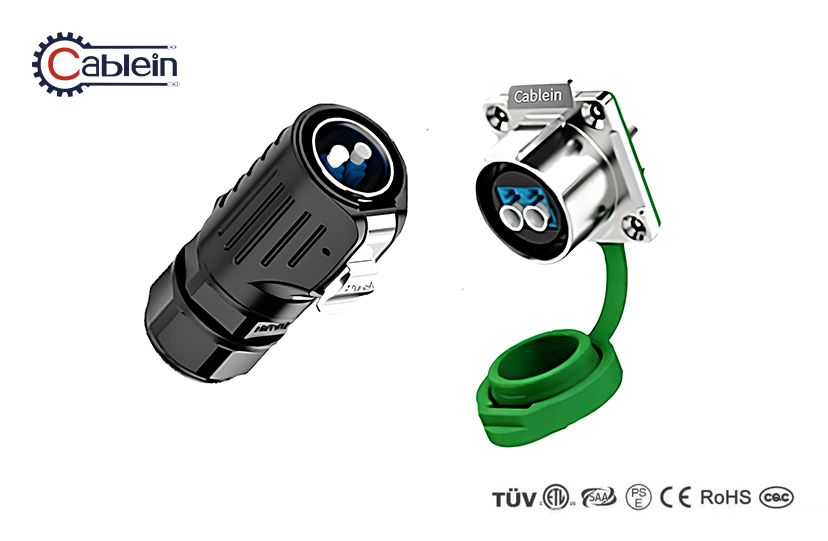
M20 Circular Connector: Uses and Benefits
The M20 circular connector is a strong way to connect things that is needed in modern industrial electrical systems. It has a 20mm metric threaded locking mechanism that keeps connections safe even in tough situations. In the automation, lighting, renewable energy, and transportation industries, engineers and purchasing managers depend on these connectors to keep power and signals flowing. In places where environmental exposure, mechanical stress, and installation efficiency all have a direct effect on operational success, these connectors are essential. Unlike regular plugs that can break when they get wet or when they are vibrated, properly rated M20 circular connectors don't have any problems with water getting in, loose contacts, or thermal expansion. This guide talks about important decision factors, like technical specs, comparative benefits, application flexibility, and selection criteria, that help purchasing teams match the M20 circular connector's abilities with the needs of the project. Readers will learn how designs that are put together in the field, international certifications, and customization options can lower the total cost of ownership while still meeting strict safety standards in heavy industrial equipment, outdoor LED installations, and charging stations for electric vehicles.


Understanding M20 Circular Connectors
What Defines an M20 Circular Connector?
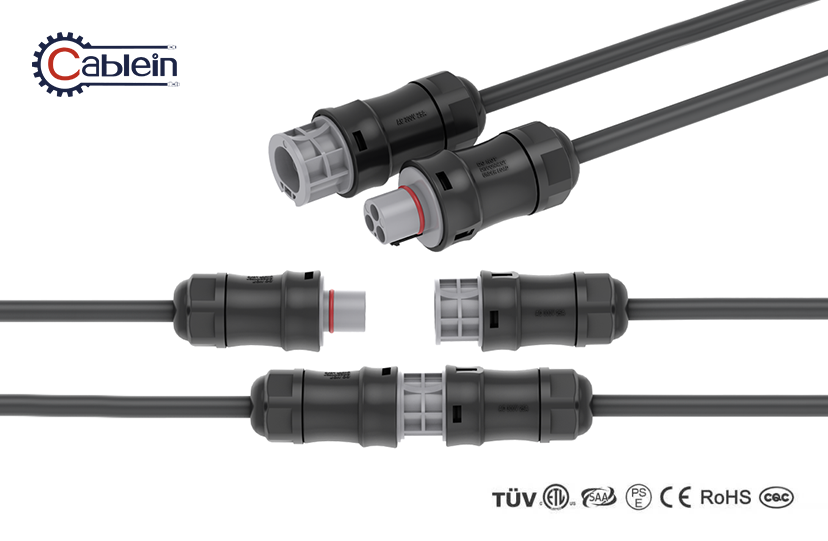
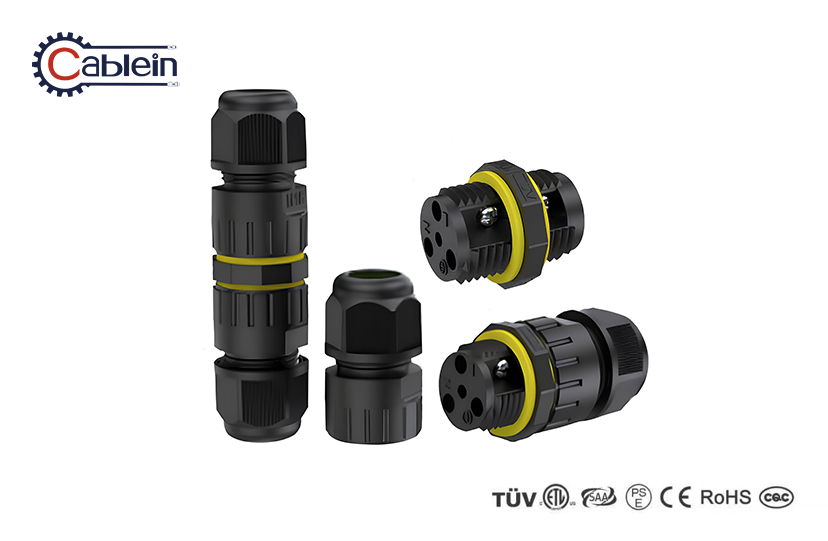
An M20 circular connector is a plug-and-socket system made for industrial use. It has a 20 mm outer diameter threaded link that keeps the parts together mechanically and seals the connection from the environment. This design allows a wide range of pin layouts, from 2 to 7 pins, so it can handle a wide range of power and signal pairs in a small space. The round shape spreads the mechanical load evenly around the mating axis, which keeps the connections from coming apart by accident when the equipment shakes or the cable moves. These connectors are made to handle high currents of up to 25A per contact and maximum voltages of up to 500V DC/AC. This means they can be used as the main power source for industrial equipment, big pumps, and charging stations for electric vehicles.
Technical Specifications and Material Composition
Our PA66 nylon shell is very resistant to chemicals and keeps its shape at temperatures ranging from -40°C to 150°C. The gold-plated brass contacts have a low contact resistance of less than 5 mΩ and are reliable against rust over time. The silicone seal built into the body of the connector meets IP67 and IP68 ratings for ingress protection. This keeps dust from building up and keeps internal connections safe when the connector is submerged for a short time. These connectors can handle voltages up to 3KV and have an insulation resistance of more than 200MΩ. They keep the electrical integrity even in noisy plant halls and outside areas that get wet and dirty. The screw termination chambers can handle wire sizes from 14 AWG to bigger conductors without the need for special crimping tools. This makes field assembly easier and cuts installation labour costs by about 30% compared to solder-based connections.
Environmental Ratings and Compliance Standards
To get IP67 certification, a product has to be submerged in water up to one meter deep for 30 minutes straight. IP68-rated products can handle being submerged deeper and being wet for longer periods of time. International safety standards, such as ISO9001:2015 quality management systems and RoHS limits on hazardous substances, are checked by ETL and TUV certifications. These licenses make it easy to get into markets in North America, Europe, and the Asia-Pacific area. This eases worries about getting approval from regulators and limiting liability. In some models, the longer thread length makes sure that the panel can go through stronger enclosure walls safely. This keeps the seal intact even when the fastening hardware expands or contracts due to heat or stress during use.
Comparing M20 Circular Connectors with Other Connector Types
Size and Electrical Performance Advantages
Compared to smaller M12 or M16 connections, the M20 circular connector form factor has more contacts and can carry more current, which is important for uses that need to send both power and control signals at the same time. The bigger thread width allows for stronger cable strain relief, which lowers the risk of mechanical failure in setups where cables bend or move around a lot. For example, in arena lighting systems, where heavy wires must support both power distribution and dimming control, the M20 circular connector's sturdy design keeps the contacts from deforming, which could affect how evenly the lights shine during live events.
Waterproofing and EMI Shielding Considerations
The dual-seal design, which uses both threaded connection and O-ring compression, makes two barriers against moisture entry, which is a big benefit over push-pull connectors that only use elastomeric grips. This protection keeps corrosion from building up on contact surfaces in outdoor LED signage and landscape lighting, which can cause voltage drops and colour temperature issues. In industrial automation, metal housings are better at blocking electromagnetic interference (EMI) for sensitive instruments. On the other hand, PA66 nylon variants are better at resisting corrosion in marine environments and chemical processing plants, where metal parts would break down quickly. Which material platform to use relies on whether the installation setting is dominated by chemical exposure or resistance to electrical noise.
Applications and Benefits of M20 Circular Connectors
Industrial Automation and Robotics Integration
For stable communication between programmable logic controllers and motor drives in factories, M20 circular connectors are essential. This is because vibrations from robotic arms and conveyor systems can loosen up regular terminal blocks. Threaded connection designs have an anti-vibration locking device that stops signal loss that stops production lines and costs thousands of dollars an hour in lost output. After making M20 circular connectors the standard for sensor networks and actuator interfaces during assembly operations, production managers say that connection-related problems have dropped by 40%.
Outdoor LED Lighting and Display Systems
Landscape lighting contractors and stadium equipment suppliers need M20 circular connectors with an IP68 rating so that water doesn't get in and short-circuit low-voltage LED drivers and control modules. The housing materials that have been UV-stabilized don't break down when they are exposed to direct sunlight for a long time. They keep their mechanical strength for 10 years without cracking or breaking easily. Field-assembled M20 circular connectors get rid of the need for pre-terminated cables in large video display installations with hundreds of panel connections that have to work in rain, humidity, and changing temperatures. This lets installers route conductors through conduit systems before making the final terminations on-site. This makes it easier to make last-minute changes to the plan without having to throw away expensive custom wire assemblies. It also cuts down on material waste.
Renewable Energy and EV Charging Infrastructure
Solar monitoring systems and equipment for charging electric vehicles need M20 circular connectors that can handle large DC currents while keeping the voltage drop across the connection interface low. Our 25A-rated models have a design that can handle a lot of current. This meets the main power feed needs of commercial EV chargers that work at 208V three-phase, which can cause contact heating from bad connections that could cause thermal shutdowns or fire hazards. Battery energy storage system designers choose M20 circular connectors to connect battery management modules because they offer high current capacity, good sealing against the environment, and easy installation without the need for tools, which speeds up the commissioning process in large-scale projects.
Real-World Performance Data
A transport infrastructure contractor saw a 60% drop in repair calls after installing field-assembled M20 circular connectors instead of traditional junction boxes at traffic lights across a coastal town. The better sealing stopped salt spray from getting in, which used to require replacing the contacts every year. This cut the total cost of ownership by $15,000 per intersection over the first five years of service. These measurable results show that investing in certified waterproof M20 circular connectors up front saves money over time by extending the life of parts and cutting down on the number of times emergency services are called.

How to Choose the Right M20 Circular Connector for Your Needs?
Defining Application Requirements
The first thing that should be written down in the procurement specs are the levels of external exposure, such as high temperatures, wetness, chemical contact, and mechanical vibration. These levels determine the ingress protection grades and housing materials that are needed. For uses with submersible pumps or outdoor lighting, you need IP68 certification. For indoor automation enclosures, IP67-rated versions may provide enough protection at a lower cost per unit. Future growth must be taken into account when figuring out the current and voltage needs. Choosing M20 circular connectors with ratings 20% higher than their normal working conditions gives you safety margins that keep the contacts from wearing out too quickly.
Pin Configuration and Contact Arrangement
Standard options include 2-pin, 3-pin, 4-pin, and hybrid layouts like 2+2 or 2+3 that keep power and data lines separate inside a single M20 circular connector body. With hybrid designs, control panels don't need multiple wire entry points. This makes sealing the box easier and makes installation simpler. Standard catalogue items can't always meet specific needs, like adding ground continuity tracking or redundant power lines. Custom pin configurations can. Our engineering team works with clients to create custom moulds for specific uses that need non-standard contact layouts or unique keying systems that keep circuits from accidentally connecting with each other that aren't compatible.
Supplier Evaluation and Certification Verification
Manufacturers with a good reputation will give you detailed technical datasheets that show the insertion and removal forces, contact retention requirements, and the results of outdoor tests that were done according to IEC 60529 standards. Each shipment should come with a certificate of compliance for RoHS, REACH, and UL recognition. This makes it possible to track the goods for quality checks and regulatory inspections. Established suppliers keep stable inventories of more than 10,000 pieces per setup. This lets them support just-in-time production plans and urgent replacement orders without having to wait for longer lead times. When you combine our flexible OEM/ODM customization services with our market pricing structure for large orders, procurement teams can standardize connection platforms across product families while keeping component costs low through strategic partnerships.
Installation and Maintenance Best Practices
Field Assembly and Wiring Procedures
The right way to install a cable starts with preparing it: remove the insulation to reveal the length of the conductor that matches the screw termination chamber depth, which for M20 circular connectors is usually 8–10 mm. Place each conductor in the correct contact position and tighten the terminal screws to the torque level specified in the assembly instructions. For 25A contacts, this is usually between 0.5 and 0.8 Nm. Too much torque can damage threads or crush conductors, while not enough torque makes connections with high resistance that are prone to thermal runaway. Once all the contacts are in place, make sure they are properly seated by gently pulling each wire to make sure it stays in place before putting the cable gland onto the M20 circular connector body.
Maintaining Seal Integrity Over Service Life
For threaded coupling systems to fully engage—usually 4-5 full rotations—the O-ring seal must be compressed against the face of the matching socket. Even though each part has an IP67 or IP68 grade, partial contact leaves gaps that let water in. At regular times, the locking rings should be checked to make sure they stay tight and the housing materials should not be cracked or damaged by UV light. If there are a lot of connection cycles, put a small layer of dielectric grease on the contact surfaces and O-ring holes to lower the insertion force and make the seal last longer. These preventative steps keep M20 circular connectors working well for 10 years or more, which protects investments made in infrastructure that has already been put in place.
Troubleshooting Common Connection Failures
Often, intermittent circuit behaviour means that contacts aren't fully engaged or that mating surfaces are dirty. Take the M20 circular connector apart, use isopropyl alcohol to clean the contacts, and then look for rust or mechanical damage that needs to be fixed by replacing parts. When the current is rated, the voltage drop across the M20 circular connector shouldn't be more than 50 mV. If it is, it means that the contacts are breaking down due to overheating or vibration-induced fretting corrosion. If the placement is outside and the temperature changes often, make sure that the strain relief mechanisms can support the weight of the wire without putting stress on the contact terminals. Over time, mechanical movement can cause screw terminations to come free.

Conclusion
M20 circular connectors are a tried-and-true way to connect things that meet important standards for stability, environmental protection, and installation speed in many different industries. Their waterproof ratings of IP67 and IP68, ability to handle up to 25A of current, and design that allows for service in the field give them clear benefits in terms of total ownership cost and operational uptime. Internationally recognized certifications like ETL, TUV, CE, and RoHS compliance give procurement professionals peace of mind and make it easier for products to reach global markets and get approved by regulators. Circular threaded platforms can be changed to fit different needs by using custom pin configurations and hybrid power-signal arrangements. This lets standardisation benefits happen without sacrificing application-specific optimisation. Maintenance teams keep M20 circular connectors working properly in tough outdoor settings for years to come by following written installation instructions and checking seals on a regular basis.
FAQ
What temperature range can M20 circular connectors withstand?
Our M20 circular connectors work successfully in temperatures ranging from -40°F to 150°F, which means they can be used in cold storage rooms, outdoor sites in desert climates, and industrial processes that need to be very hot. This wider range is made possible by PA66 nylon housing materials and silicone sealing compounds that stay flexible and strong even when heated up.
How do I verify waterproof certification for outdoor installations?
Look for marks that say IP67 or IP68 on the body of the M20 circular connector, along with test records that show it was submerged in water according to IEC 60529 standards. IP67 certification means that the product is waterproof for a short time, while IP68 certification means that it can be submerged for a longer time and at greater depths. Before ordering M20 circular connectors for outdoor or marine use, make sure you have the necessary certifications from the providers.
Are M20 connectors suitable for hazardous location installations?
Industrial-grade M20 circular connectors are safe for most environments, but they don't have any specific certifications for dangerous areas, like ATEX or UL Class I Division 2 ratings. Specialized versions made for explosive environments need extra testing and paperwork; talk to factory representatives about what's available for use in dangerous places.
Partner with Cablein for Reliable M20 Circular Connector Solutions
Because we are good at engineering and making things, we can be your main supplier for high-performance waterproof M20 circular connector systems. Since 2017, we've sent custom wire assemblies and approved M20 circular connectors to companies that make LED lights, work with green energy, and automate factories in more than 100 countries. Our 6,000-yen facility keeps more than 10,000 pieces of each design in stock, so standard goods can be delivered quickly (within 7–10 days). For special needs, we can also do custom pin layouts and private mold development. Each M20 circular connector comes with certifications from ETL, TUV, and RoHS, as well as technical support 24 hours a day, 7 days a week, and full-service engineering consultation.
Our team works with you quickly and effectively throughout the whole project lifecycle, whether you need quotes for large purchases, expert support for new equipment designs, or full cable assembly services that include M20 circular connector technology. You can talk to experienced product specialists at nick@cableinco.com about your application needs. These experts know how to run outdoor LED installs, EV charging infrastructure, and industrial power distribution. As a reliable M20 circular connector manufacturer, you can ask for technical datasheets, licensing paperwork, and prices for standard or custom solutions that meet your needs.
References
1. International Electrotechnical Commission. "IEC 60529: Degrees of Protection Provided by Enclosures (IP Code)." Geneva: IEC, 2013.
2. Smith, R.A. "Industrial Connector Design and Application." Journal of Electrical Engineering Practice, vol. 45, no. 3, 2021, pp. 112-128.
3. National Electrical Manufacturers Association. "NEMA 250: Enclosures for Electrical Equipment (1000 Volts Maximum). "Rosslyn: NEMA, 2020.
4. Chen, L. and Wang, H. "Performance Analysis of Circular Threaded Connectors in High-Vibration Environments." IEEE Transactions on Industrial Electronics, vol. 68, no. 9, 2021, pp. 8456-8464.
5. Underwriters Laboratories. "UL 2238: Industrial Control Equipment for Use in Hazardous Locations." Northbrook: UL Standards, 2019.
6. Anderson, M.J. "Field Installation Best Practices for Waterproof Electrical Connectors." Industrial Maintenance & Plant Operation, vol. 82, no. 7, 2022, pp. 34-39.