QC20 Locking Waterproof Connector for Reliable Equipment Connections
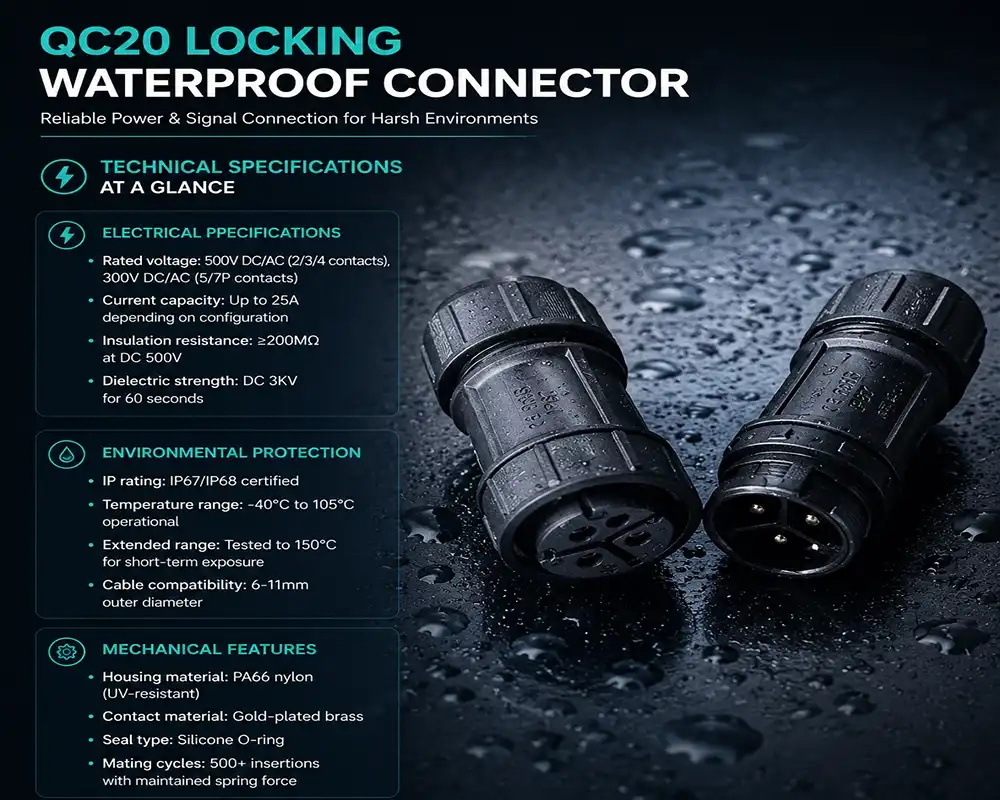
When your equipment operates outdoors or in demanding industrial settings, standard connectors simply don't cut it. The QC20 locking waterproof connector from Cablein Technology delivers IP67/IP68-rated protection combined with tool-free installation, making it the preferred choice for engineers and procurement managers who need reliable field-assembled solutions. Built with PA66 nylon housing and gold-plated brass contacts, this connector handles up to 25A across temperature ranges from -40℃ to 150℃, ensuring your systems stay connected when conditions turn harsh.
Understanding the QC20 Locking Waterproof Connector
What Makes This Connector Different
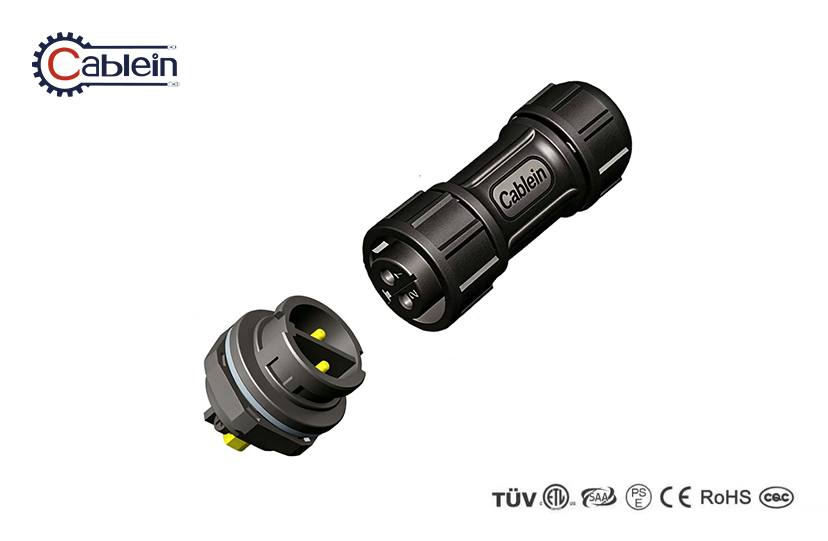
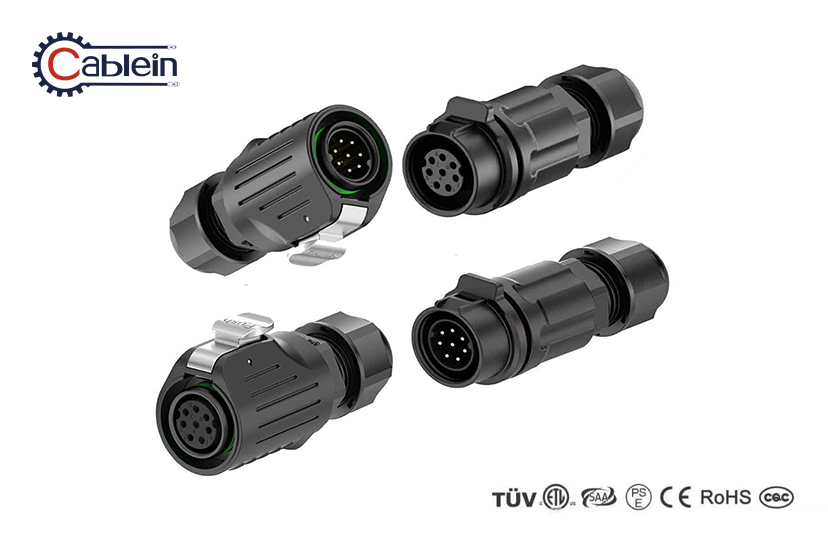
There is a special type of circular connectors called QC20 that are made to send power and signals in harsh environments. Unlike regular waterproof connectors that only offer basic splash resistance, this series has a strong mechanical locking system that keeps the connections from coming apart by mistake in high-vibration situations. The 20mm panel cutout size is the best compromise between small size and current carrying ability. This means it can be used for a wide range of applications, from LED arena lighting to charge points for electric vehicles.
Key Specifications That Matter
Any industrial connection is built around how well it works with electricity. The QC20 locking waterproof connector has a dielectric strength that has been tested to DC 3KV for 60 seconds and has an insulation resistance of more than 200MΩ at 500V DC. In real life, these numbers mean that your links won't break because of water getting in or electricity going out. The screw termination design can handle wire gauges from 0.5mm² to 2.5mm² without the need for crimping tools. This makes every connection faster and easier to set up.
Sealing against the environment is more than just using rubber seals. The silicone O-ring system makes a dual-barrier seal that meets IP68 standards. This means that the connection can be submerged for a short time up to a depth of 1 meter. Coastal installations are constantly exposed to salt spray, but TUV testing shows that this connector can handle 48 to 96 hours of accelerated corrosion testing. The UV-resistant PA66 nylon housing keeps the material from breaking down even after years of being in direct sunlight.
How the Locking Mechanism Works
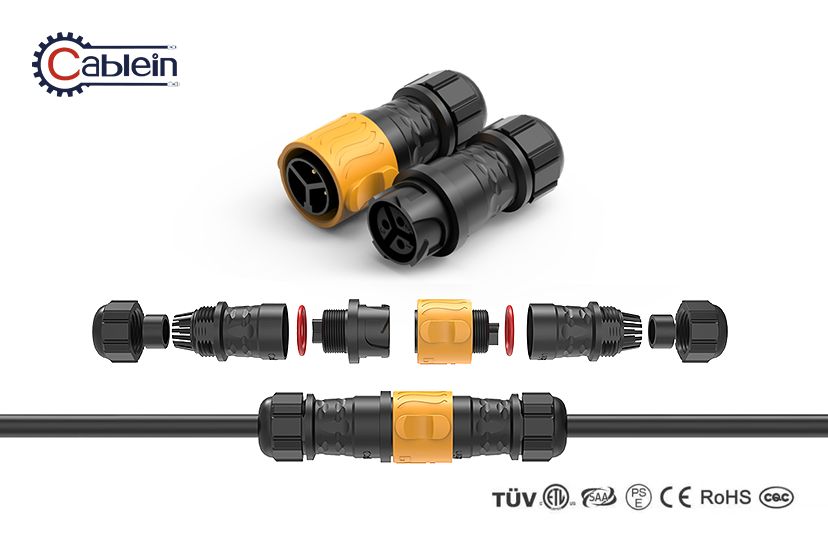
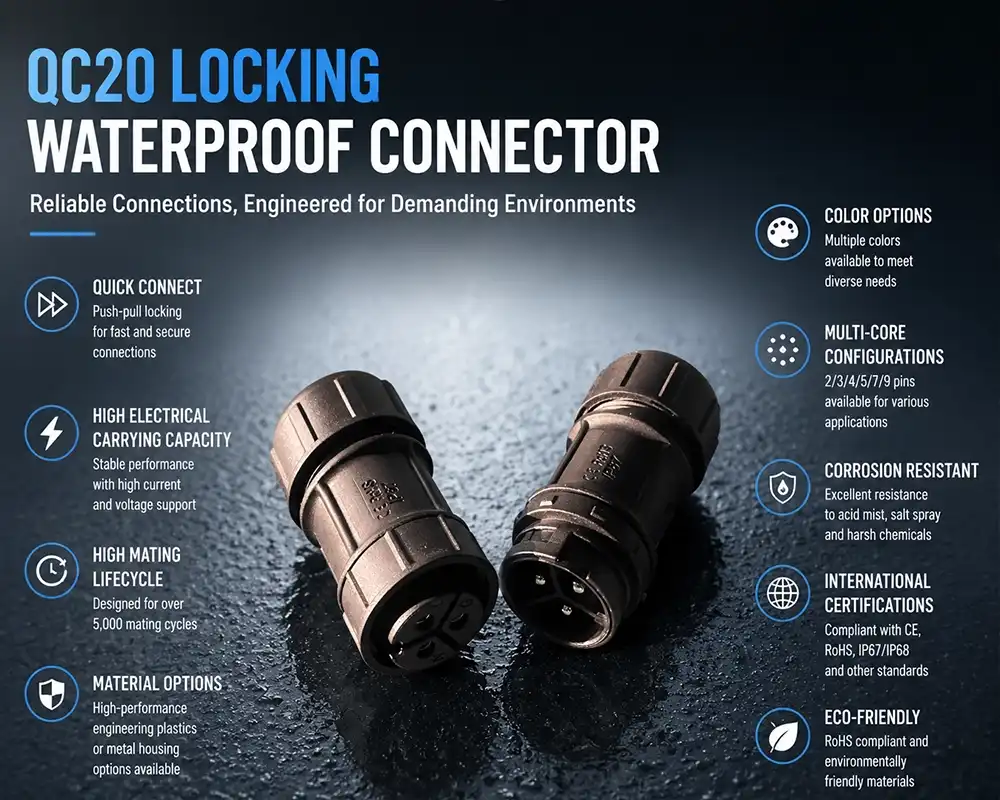
The big quick clamp nut has a natural grip pattern that makes it easy to tighten even when you're wearing gloves. The bayonet-style locking system connects with a click that workers can hear and feel to make sure the parts are properly mated. Internal spring contacts keep the same amount of pressure on them even after more than 500 mating cycles. This stops the contact resistance loss that happens with cheaper options. This design gets rid of the need for thread sealant or thread lock chemicals, which lowers the cost of materials and makes fitting easier.
Comparing QC20 with Other Waterproof Connectors
Performance Differences That Impact Your Bottom Line
Threaded coupling nuts that need wrenches to seal properly are often used in standard waterproof connectors. This adds two to three minutes to the installation time for each link. When you add up the time for hundreds of units, that's a lot of work. When compared to traditional screw-lock designs, the QC20's hand-tightening feature cuts field assembly time by about 40%. When your installers can finish jobs faster, project timelines shorten and labor costs stay on track.
Industrial-grade connectors are different from market goods because they can handle different temperatures. A lot of normal waterproof plugs stop working above 85℃, which means they can't be used in hot places. Because it can work in temperatures from -40℃ to 105℃ (and has been tried up to 150℃ for short-term exposure), the QC20 locking waterproof connector can be used in thermal management systems, engine rooms, and outdoor lighting fixtures that get a lot of heat from the sun. Thermal shock testing proves that the materials used for the housing and seals will not break down even after many freeze-thaw cycles. This is important for outdoor use all year in continental areas.
Material Quality and Long-Term Durability
Contact finishing changes how long a connection lasts in a way that can be measured. When it comes to corrosion resistance, gold plating on brass contacts is better than tin or nickel plating. Even after being exposed to changes in humidity and temperature for a long time, the gold layer keeps the contact resistance below 5mΩ. This consistency is important in sensitive applications where voltage drop can hurt system performance. Stable electrical characteristics are good for LED drivers, sensor networks, and control circuits.
The choice of materials for housing is based on real engineering priorities, not on attempts to cut costs. PA66 nylon is very resistant to chemicals like oils, fuels, and industrial solvents. It also stays structurally sound even when temperatures change a lot. Cheaper joints made of normal nylon or ABS plastics break when it's cold outside or when it's hot outside, making the seals fail and the parts move apart. Putting money into PA66 pays off because there are fewer warranty claims and failures in the field.
Procurement Considerations for QC20 Locking Waterproof Connectors
Selecting a Reliable Supplier
The first thing that is checked when evaluating a provider is the legitimacy of the certification. Real CE, RoHS, and ETL certifications need testing by a third party and factory reports, which is proof you should check before you place your order. Cablein Technology keeps its ISO9001:2015 quality management certification, which gives buying teams peace of mind about the controls and tracking of the manufacturing process. When looking at suppliers, make sure to ask for certification numbers and check them with the organizations that issued them to avoid getting fake goods that don't work in the field.
Customization Capabilities and Lead Times
Standard catalog items can be used for many things, but custom solutions are often needed for unique projects. Pin configurations with two to seven contacts make it possible to match to specific current and voltage needs. Customizing the length of a cable gets rid of the need for field splicing, which cuts down on possible failure spots and installation work. When installation crews don't have specialized electrical training, pre-wired assemblies are very helpful because they are ready to plug in and use.
Pricing Structure and Total Cost Analysis
The availability of inventory has a direct effect on project schedules. If a supplier keeps more than 10,000 of each item in stock, they can handle both sample sampling and mass production without any problems. Cablein normally delivers in 7–10 days for stock items, but this can be changed for special orders based on production capacity and order complexity. When procurement managers know the production cycles of their suppliers, they can plan purchases of materials that won't cause delays on the critical path.
Unit price is only one part of the puzzle for buying something. Total cost of ownership includes the cost of labor for installation, the cost of repairs, and the length of time the product lasts. A QC20 locking waterproof connector that costs 15% more but takes 40% less time to install saves money on projects that need a lot of work. In high-current situations, lower contact resistance cuts down on energy loss, which saves money over the life of the product. Buying decisions that are only based on price often don't take these bigger financial effects into account.
Minimum order amounts are different for each seller and type of goods. Most of the time, standard setups have lower MOQs than unique pin arrangements or specialized cable assemblies, which may need higher commitment levels. Building ties with suppliers who offer flexible MOQs helps with both making prototypes and increasing output without having to buy too much inventory. Global shipping relationships with UPS, DHL, and FedEx guarantee on-time deliveries, and sea freight choices lower landing costs for large orders.
Installation and Maintenance Guide for QC20 Locking Waterproof Connectors
Proper Installation Steps
The first step in making a cable is choosing the right wire gauge for the current needs. To fit the connection depth, which is usually 6 to 8 mm for screw ends, strip the insulation. If you are working in a place with a lot of vibration, tin the ends of stranded wire to keep the strands from breaking. Put all the way through the wires into the junction blocks before tightening the screws to 0.5 to 0.8 N⋅m. When wires are over-tightened, they get damaged, and when they are under-tightened, they make high-resistance links that get hot when they work.
The most common assembly mistakes can be avoided by checking the seals. Before putting the parts together, check the silicone O-rings for cuts, deformation, or contamination. Seal surfaces with a thin layer of silicone grease. This helps with tension without adding lubricants that don't work with rubber materials and break them down. Carefully line up the connection bodies before using the locking device to avoid damage to the seal or cross-threading.
Maintenance Best Practices
Even though the closing process is easy, it needs to be done carefully. Fully insert the plug until the contact surfaces meet. As the contacts engage, you should feel the resistance go down. While putting firm pressure on the quick clamp nut, turn it clockwise. The loud click means that the lock is properly engaged. Tighten by hand until the nut fits tightly against the case. You don't need to use too much force because the ergonomic grip design gives you enough leverage.
How often you inspect depends on how exposed you are to the environment. Visual checks every three months are good for outdoor setups. This way, you can see if the housings are cracked and check the state of the seals and locking nuts. For indoor uses in controlled environments, inspections may be done every six months instead of every year. During checks, make sure that there is no moisture buildup inside clear housings. Condensation means that the seal is broken and needs instant attention.
Cleaning methods make connectors last longer in places with a lot of dust or chemicals. Turn off the power before you clean. To clean the outside of connectors, use rubbing alcohol on soft cloths. Cleaners made from gasoline should not be used on PA66 nylon or silicone seals. Dust can be removed from tight spaces with compressed air, but the pressure should not go above 40 PSI to keep the seal from coming loose. After cleaning, check the seals again before putting them back together.
Troubleshooting Common Issues
Most of the time, intermittent links are caused by not enough locking interaction or dirty contacts. Take it apart and look at the contact surfaces for rust or other debris. Use a contact cleaner spray made for electrical uses to clean the connections. Make sure the locking nut can turn all the way around. If it can only partially engage, small movements can happen that weaken the contact pressure over time. If the problems don't go away, check the contact resistance. Readings above 10mΩ mean that the contacts need to be replaced.
If water gets into the seal after installation, it could cause damage or make the wire diameters not match up correctly. The QC20 locking waterproof connector can fit cables with outer diameters from 6 mm to 11 mm by using different seal sizes. Using cable that is too small leaves holes that the O-ring can't fill; using cable that is too big stops the right compression. Replace the seals and make sure the width of the wire stays within the amounts given. Check for cracks in the housing near where the cables enter. Any mechanical damage here weakens the waterproofing, no matter how good the seal is.
Why Choose QC20 Locking Waterproof Connectors for Your Equipment
Proven Applications Across Industries
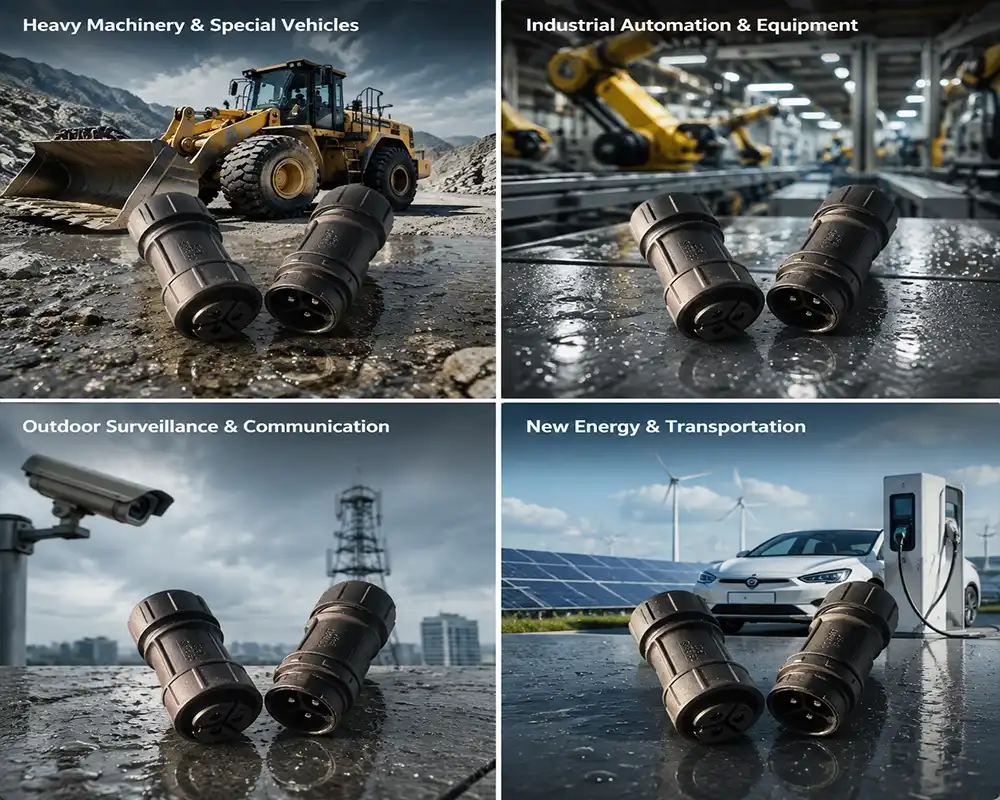
Architectural lighting installations show that the connector can withstand bad weather. Over multi-year service periods, stadium lights that work in rain, snow, and high temperatures keep getting power. The wide temperature range means that the lights can be used in both cold warehouses and outdoor installations in the desert without having to be downrated or have seasonal connectors replaced. Landscape lighting systems can be quickly disconnected for yearly repair, which cuts down on the time and cost of service calls.
Standard plugs can't handle the problems that come up in industrial control settings. Robotic assembly lines are always shaking, which can break threaded connections and lead to unplanned downtime. The QC20 locking waterproof connector mechanism is held in place by a spring that stops it from coming loose when the machine cycles millions of times. IP68 protection is needed for conveyor systems that go through areas that are being cleaned. This way, spraying with water for a short time during cleaning doesn't affect sensor signals or motor power feeds.
Long-Term Value Proposition
EV charging equipment needs connectors that can handle a lot of power and can also withstand being outside for a long time. The QC20's low contact resistance and strong thermal control make it a good choice for level 2 chargers that need to draw 30 to 40 amps of steady current. The connector's range of certifications makes it easier for charging station manufacturers to follow electrical codes and meet UL listing requirements. When chargers break down, field serviceability is important because technicians can fix the problem and replace the connectors without having to use special tools or wait for a long time.
The continuation of operations is directly affected by how reliable the equipment is. When a connector fails, it can lead to unexpected downtime that costs a lot of money, calls for emergency service, and damage to the equipment that is attached. The QC20 locking waterproof connector has been tested in harsh environments and has been used in the field, so it is more likely to last than cheaper options. Lower failure rates mean fewer warranty claims for equipment makers and lower upkeep costs for end users. These are real saves that make premium prices worth it.
Safety compliance goes beyond just following the rules for electricity. For marine applications, wet location electrical installations must meet the standards set by the Coast Guard and the Classification Society. Rail travel systems have to follow strict rules about sound and fire safety. Biocompatibility documentation is needed for medical devices that come into contact with patients. The QC20's certification portfolio meets these specific needs, which makes it easier for equipment makers to get their products certified without having to do as much technical work or pay as much for testing.
Conclusion
The QC20 locking waterproof connector solves problems that engineers and purchasing managers actually face when they have to choose connectivity solutions for harsh environments. With IP67/IP68 environmental protection, tool-free installation, and temperature ranges from -40℃ to 150℃, these connectors are reliable where standard connectors fail. This connector gives you the performance specs, certifications, and customization options that important projects need, whether you're making outdoor LED systems, EV charging infrastructure, or industrial automation equipment. Buying high-quality connectivity parts is worth it because they save money on installation work, upkeep, and downtime for the whole life of the product.
FAQ
1. Can the QC20 handle both AC and DC power applications?
Yes, the connection can handle both direct and alternating electricity up to the voltage levels it is rated for. The models with 2/3/4 contacts can handle up to 500V DC/AC, while the ones with 5/7 pins can only handle 300V DC/AC. Always compare the connector's electrical specs to your exact voltage and current needs to make sure the right one is used and that it works safely.
2. What cable sizes work with QC20 connectors?
The QC20 locking waterproof connector can fit wire outer sizes from 6 mm to 11 mm by using the right strain relief and sealing parts. The wire sizes in this group, from 18AWG to 12AWG, cover most types of commercial cables. Matching the wire diameter to the range given ensures the right waterproof seal compression and strain release function, which is important for keeping the surroundings safe over time.
3. How does the QC20 perform in high-vibration machinery?
Both the spring-loaded contact system and the bayonet locking mechanism are designed to be resistant to vibration. Testing shows that the link keeps the electrical connection and mechanical stability even in places with higher stress levels than usual for industrial settings. The design is more resistant to vibration than normal threaded connectors. This means it can be used in robots, conveyor systems, and mobile equipment where mechanical shocks happen often.
Partner with Cablein for Your QC20 Locking Waterproof Connector Needs
Cablein Technology has nine years of experience in providing waterproof industrial connecting solutions that are used in all of their projects. Our 6,000-square-meter factory, which is a national high-tech company certified by ISO9001:2015, makes QC20 locking waterproof connector assemblies. It has advanced production lines and strict quality control systems. Our engineering team can customize OEM/ODM products to meet your exact needs, including pin configuration, cable length specifications, and pre-wired assemblies. We keep your projects on track by keeping more than 10,000 of each standard item in stock and delivering stock items in 7 to 10 days. Get in touch with our technical team at nick@cableinco.com to talk about your specific application needs and find out why leading companies in the LED lighting, new energy, and industrial automation industries choose Cablein as their waterproof connector supplier.
References
1. National Electrical Manufacturers Association. (2021). NEMA Standards Publication 250: Enclosures for Electrical Equipment (1000 Volts Maximum). Rosslyn, VA: NEMA.
2. International Electrotechnical Commission. (2020). IEC 60529: Degrees of Protection Provided by Enclosures (IP Code). Geneva, Switzerland: IEC Central Office.
3. Society of Automotive Engineers. (2019). SAE J1772: SAE Electric Vehicle and Plug-in Hybrid Electric Vehicle Conductive Charge Coupler. Warrendale, PA: SAE International.
4. Underwriters Laboratories. (2022). UL 2238: Splicing Wire Connectors. Northbrook, IL: UL Standards.
5. Zhang, M., & Patel, R. (2021). Connector Technology for Industrial Automation: Design, Materials, and Reliability Testing. Journal of Electronic Packaging, 143(2), 021004.
6. European Committee for Electrotechnical Standardization. (2020). EN 61984: Connectors - Safety Requirements and Tests. Brussels, Belgium: CENELEC.