What are P20 push-lock waterproof connectors used for?
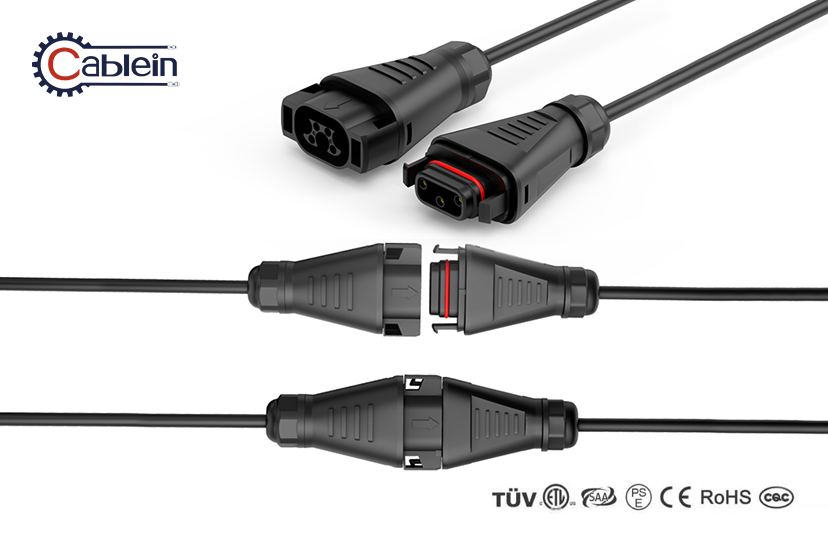
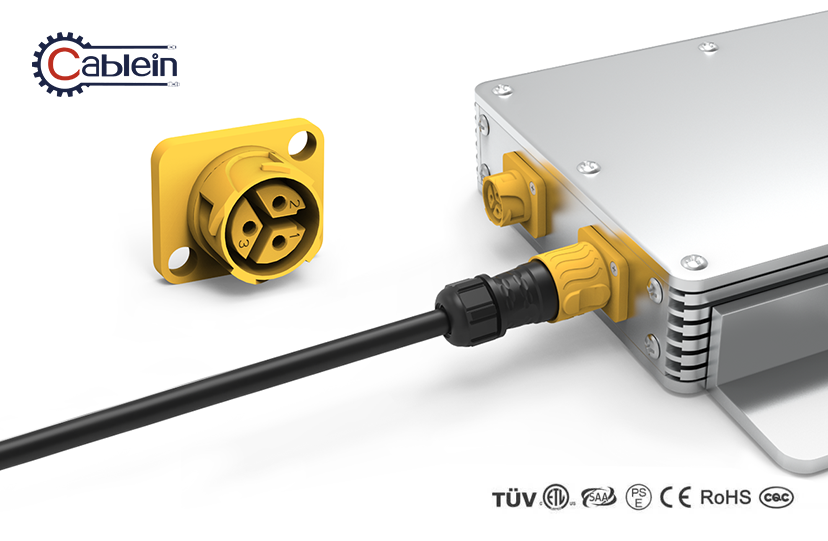
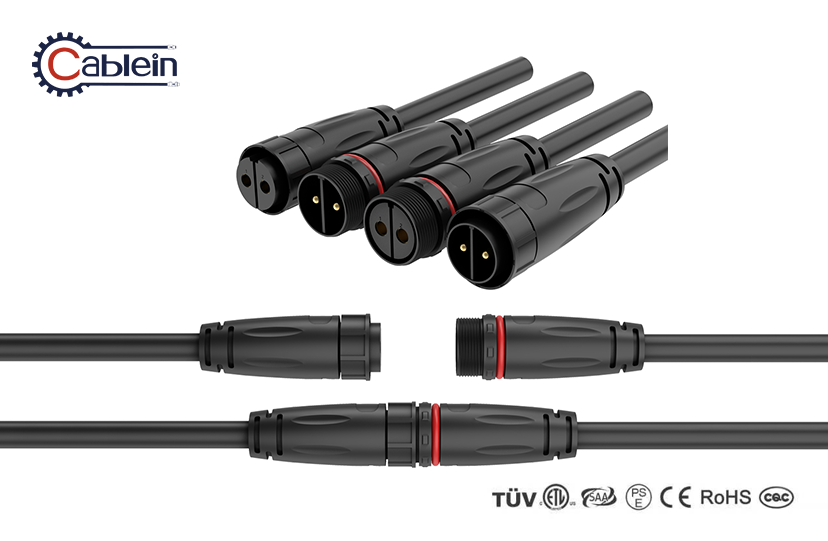
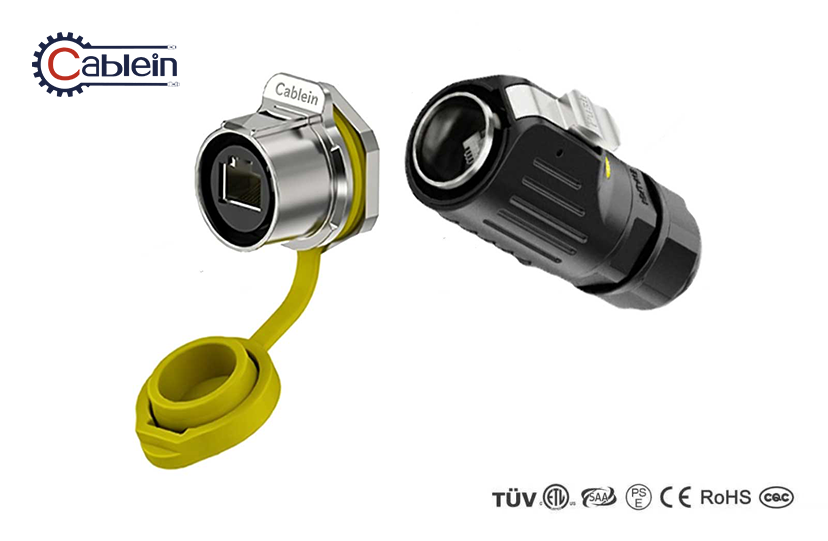
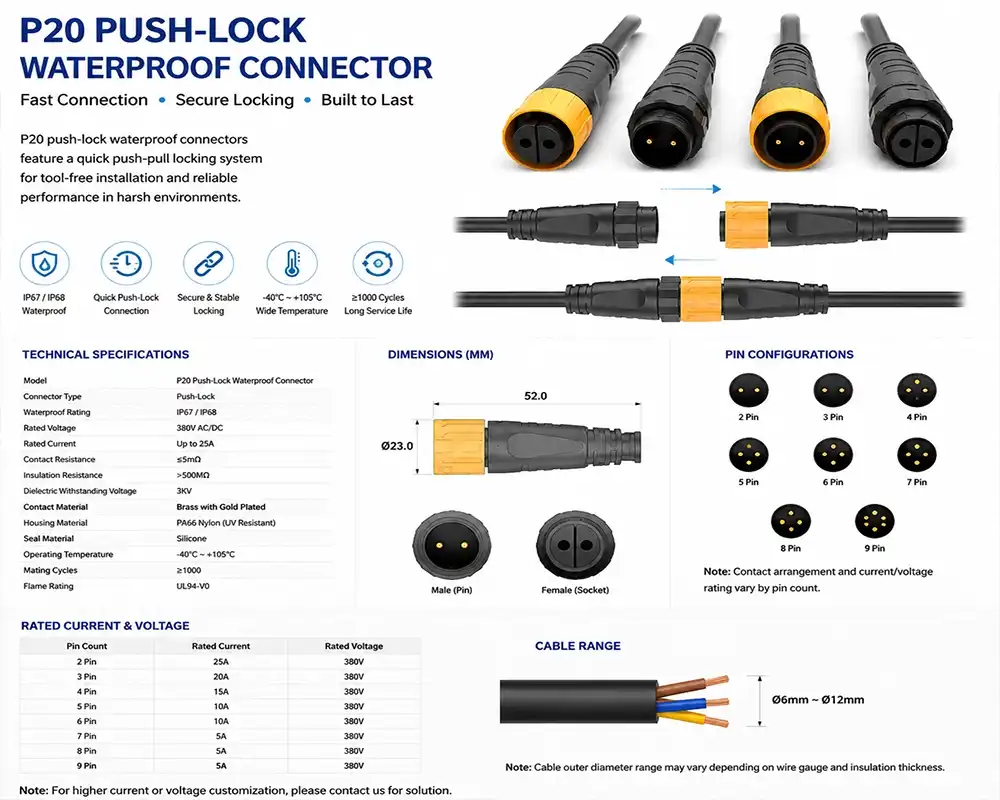
P20 push-lock waterproof connectors serve as high-performance industrial circular connectors designed for rapid, secure electrical connections in harsh environments. Their 20mm shell diameter, combined with an innovative push-pull locking system, makes them essential for outdoor LED lighting, new energy infrastructure, industrial automation, marine equipment, and agricultural machinery. These connectors address critical industry challenges: reducing installation labor costs through tool-free assembly, preventing water ingress failures with IP67/IP68 ratings, and maintaining reliable operation under extreme vibration, temperature fluctuations, and corrosive conditions where traditional threaded connectors often fail.
Understanding P20 Push-Lock Waterproof Connectors
What Makes the Push-Lock Mechanism Unique?
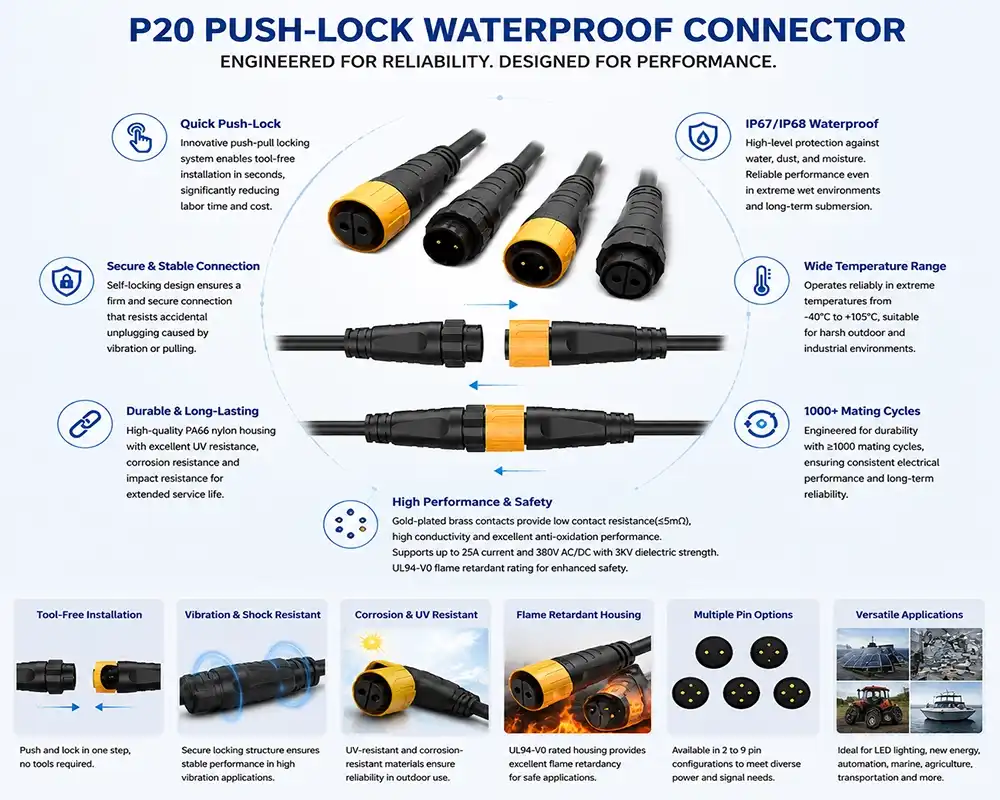
The self-locking push-pull form of these industrial P20 push-lock waterproof connectors is what makes them unique. When you line up the P20 push-lock waterproof connector and push down hard, you'll hear a click that lets you know it's securely engaged. This audio and physical feedback takes away the need to guess when installing things in the field. This mechanism can mate in less than three seconds, while threaded connections need to be rotated several times and the torque must be carefully controlled. The internal spring-loaded sleeve instantly locks the P20 push-lock waterproof connector body, so it can't be disconnected by mistake, even if heavy machinery or transport vehicles are vibrating it all the time.
Waterproofing Standards and IP Ratings Explained
The P20 push-lock waterproof connectors from Cablein have ingress protection ratings of IP67 and IP68, which are recognized by international testing standards. If a P20 push-lock waterproof connector has IP67 approval, it means it can be submerged in water up to one meter deep for 30 minutes without getting wet inside. IP68 adds to this security by allowing continuous submersion under certain pressure conditions. This makes it good for uses that need to be in wet settings for a long time. The rubber seal makes a barrier that keeps air out between matched P20 push-lock waterproof connectors, and the PA66 nylon housing doesn't break down in UV light and stays structurally sound at temperatures from -40°F to 150°F.
Core Electrical and Mechanical Specifications
Our P20 push-lock waterproof connector series can handle tough needs for power and signal transmission. Each P20 push-lock waterproof connector can be set up with anywhere from 2 to 9 pins, and each contact can handle up to 25A of current at 380V AC/DC voltage. The solid brass pins that are gold-plated keep the contact resistance below 5 mΩ, which means that the conductivity stays stable even after thousands of joining cycles. Testing the dielectric strength proves that it can handle 3KV of voltage, and normal test conditions show that the insulation resistance is higher than 500MΩ. The UL94-V0 rating on the housing makes it resistant to fire, and metal shells can be added as an option to block EMI and RFI signals for use in industrial control systems.
Applications and Benefits of P20 Push-Lock Waterproof Connectors
Industrial Sectors Relying on Quick-Connect Technology
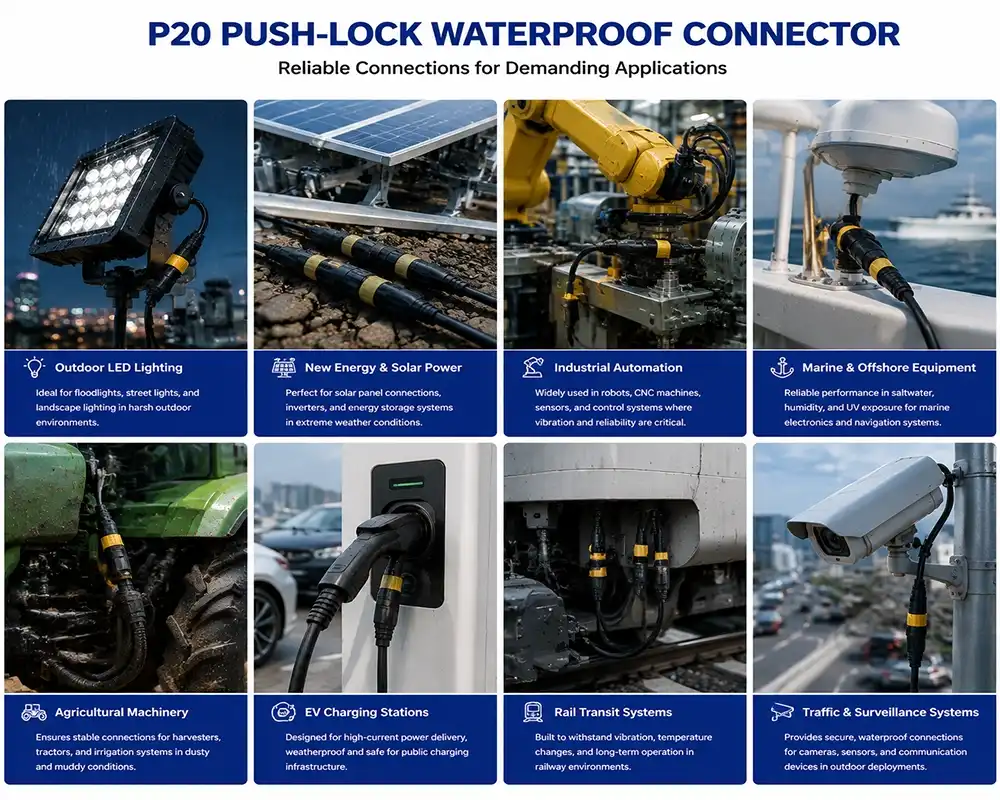
In a number of high-demand fields, these P20 push-lock waterproof connectors are now essential. Outdoor LED lighting companies use them to make floodlights for stadiums and outdoor setups where quick daisy-chaining cuts down on project times. Integrators of solar energy systems rely on their ability to send large amounts of power to photovoltaic panel connections that are in the desert and get wet during the monsoon season. Companies that work with industrial automation use them in robotic arms and CNC machines where vibration resistance keeps signals from getting lost. Marine equipment manufacturers rely on their resistance to salt spray for navigation sensors that are used on ships, and agricultural machinery manufacturers rely on their dustproof performance for harvesters that have to work through field debris.
The standards in the transportation business are especially tough. P20 push-lock waterproof connectors for rail transit systems need to be able to handle steady track vibration, changing temperatures in outdoor sites, and years of operation without any upkeep. EV charging stations need power connections that can withstand the weather and handle high current loads while still being safe for the public to use. Traffic monitoring systems put them in outdoor camera housings that are easy to get to for maintenance. This saves money on the cost of building infrastructure for cities.
Advantages Over Traditional Waterproof Solutions
Our P20 push-lock waterproof connectors work better than standard screw-lock waterproof connectors in a number of ways. Installation time is cut by about 60% because technicians don't have to do the threading motions and torque checks. When hundreds of link points are set up on a big scale, this efficiency in labour directly leads to lower project costs. Field wiring mistakes are what cause 30–40% of early P20 push-lock waterproof connector failures in standard systems. The pre-molded cable design we offer gets rid of those problems.
The performance of the sealing stays the same no matter how it is installed. Threaded joints depend on the right amount of torque being applied. If the torque is too low, moisture can get in, and if it's too high, the seal rings can become damaged. The silicone seal is automatically compressed evenly by our push-lock mechanism, which makes sure that IP68 protection is always reliable. Field testing shows that these P20 push-lock waterproof connectors stay waterproof for 500 to 1000 mating cycles, which is a lot longer than standard rubber gasket designs, which break down when exposed to UV light and heat cycling.
Comparing P20 Push-Lock Waterproof Connectors with Other Solutions
Push-Lock vs. Screw-Lock Connection Systems
When procurement professionals look at connector technologies, they consider a number of important factors. Screw-lock connectors need to be turned by hand several times to engage the threads. This usually takes 15 to 20 seconds per connection. This time punishment gets worse for setups that are big. With our push-lock method, the same link can be made in three seconds with no tools needed. The effect on the economy is big: using quick-connect technology saves about 50 hours of work on a job that needs 200 links.
Accessibility for maintenance is another thing that sets it apart. Rapid P20 push-lock waterproof connector separation is helpful for equipment that needs to be serviced or fixed every so often. Technicians can easily disconnect the link by pulling the release sleeve, check the parts and then reattach without having to worry about thread alignment. Because it's so easy to get to, the average time it takes to fix things is shorter in key infrastructure applications where downtime costs a lot.
P20 vs. P16 Connector Sizing Considerations
When compared to P16 (16mm) connections, P20 push-lock waterproof connectors with a 20mm shell width can handle more pins and bigger wire gauges. The extra space is good for applications that need to send both power and signals through a single interface. In a normal P20 push-lock waterproof connector setup, there might be three power pins with a rating of 25A each and four signal pins for control data. This layout is not possible in the smaller P16 form factor.
In setups with limited room, however, the smaller P16 profile is sometimes better. We help our customers choose by looking at their current needs, figuring out the voltage drop over different cable lengths, and the limitations of where they can place the device. The push-lock mechanism and IP68 grades are the same for both the P20 push-lock waterproof connector and the P16 types. This means that installation processes can be standardized across mixed deployments.
Procurement Guide for P20 Push-Lock Waterproof Connectors
Sourcing from Certified P20 Push Lock Waterproof Connector Suppliers
Verifying the source is the first step in getting solid parts. Cablein Technology's 6,000㎡ factory in Shenzhen is certified with ISO9001:2015, which means that we follow the rules for quality management systems that guide creation, production, and testing. Our P20 push-lock waterproof connectors have been approved by several foreign organizations. They are ETL-approved for use in North America, PSE-approved for use in Japan, SAA-marked for use in Australia, and CE-approved for use in Europe. These qualifications show that safety and efficiency claims have been checked by a third party.
When purchasing managers look at possible suppliers, they should ask to see copies of certifications that are specific to the P20 push-lock waterproof connector models they are considering, not just certifications for the company as a whole. Check that the testing reports match the environmental needs of your application. For example, make sure that the reports show that the product can handle salt spray for marine installations or vibrations for mobile equipment. For RoHS and REACH compliance, we offer full documentation packages that include material composition reports. This is very important when your products go into regulated markets.
Understanding Pricing Structures and Lead Times
The price of a P20 push-lock waterproof connector depends on a lot of factors besides just how much it costs to make. Customisation has a big effect on unit price. Standard catalogue items with off-the-shelf tooling have the lowest cost per piece, but engineering time and maybe even private mould development are needed for custom pin arrangements or cable lengths. Our normal price plan gives discounts for buying in bulk at 500, 1000, and 5000 pieces. The best rates start around 10,000 units per year.
For lead time management to work, there needs to be clear communication during the quoting process. For our most popular P20 push-lock waterproof connector configurations, we keep more than 10,000 pieces in stock, which means that stock items can be delivered in 7 to 10 days. Custom wire systems usually take 15 to 20 days to make a sample, and then 25 to 30 days to make a lot of them after the customer approves the sample. Rush orders are given priority ordering, but there may be fees for this. By planning buying rounds around these dates, you can avoid project delays and high airfreight costs.
Installation and Wiring Guide for P20 Push-Lock Waterproof Connectors
Cable Preparation and Assembly Procedures
Preparing the cables correctly is the first step in a proper installation, but our pre-molded kits skip this step for most of our customers. When field termination is needed, remove the cable jackets to reveal conductor lengths that match the depth of the P20 push-lock waterproof connector's contact chamber, which is usually 8–10 mm. Only take off as much insulation as you need to get to the contact barrel; leaving too much exposed conductor can cause a short-circuit.
Make sure that the conductor of each prepared wire sits fully against the contact stop before inserting it into its designated contact spot. For our screw-termination P20 push-lock waterproof connectors, a precision screwdriver is needed to apply 0.5 to 0.6 N m of pressure to keep the wire from pulling out without over-compressing the conductor. Solder-termination contacts need a clean flux coating and an iron temperature of 350–370℃ for three seconds of contact time. This makes a smooth fillet with no cold joints.
Maintaining IP-Rated Sealing Performance
The waterproofing of your installation depends on how well you mat it. Before putting the two halves of the P20 push-lock waterproof connector together, make sure that the sealing surfaces are clean and free of any dirt, grease, or other debris that could affect the gasket contact. Align the keyed P20 push-lock waterproof connector bodies—forcing parts that aren't lined up right damages internal parts and takes away the waterproof rating.
Use strong, steady pressure to push the P20 push-lock waterproof connectors together until you hear the unique click of the locking mechanism connecting. Use about 50N of force to do a gentle pull test to make sure the link won't come apart. This easy check stops the most common installation mistake: not fully engaging, which leaves a tiny opening for water to get in.
Check P20 push-lock waterproof connectors in outdoor installations on a regular basis for cracks in the housing or seals that are breaking down. Even though our PA66 material doesn't get damaged by UV light, extreme environments can sometimes speed up the ageing process. Any P20 push-lock waterproof connector that has a visible seal compression set or housing discolouration should be replaced. During upkeep, clean the faces of P20 push-lock waterproof connectors with isopropyl alcohol on a lint-free cloth. Do not use petroleum-based agents, as they damage nylon and silicone.
Conclusion
The P20 push-lock waterproof connector is a useful tool for businesses that need to make secure electrical connections in tough conditions. Its quick installation, strong IP68 protection, and security that doesn't break when it shakes takes care of the main problems that LED lights, new energy, industrial automation, and transportation all have. These P20 push-lock waterproof connectors provide clear practical benefits by removing the need for complicated field wiring through pre-molded construction and cutting installation time by 60% compared to threaded options. They are reliable for a long time when they come from certified manufacturers with tested quality systems. This is what procurement workers need for important infrastructure uses.
FAQ
Can P20 connectors handle both power and data signals simultaneously?
Yes, multi-pin P20 push-lock waterproof connector setups with 2 to 9 places can be used for hybrid uses that mix high-current power lines with low-voltage signal wires. The gold-plated contacts keep the integrity of the signal while sending up to 25A of power per pin.
How do push-lock connectors compare to bayonet-style designs?
Push-lock mechanisms mate faster than bayonet types and don't have the problems of threaded connections not being tight enough or too tight. The loud click lets you know that the P20 push-lock waterproof connector is properly engaged without the need for tightening tools or training.
What maintenance schedule should I follow for outdoor installations?
Check P20 push-lock waterproof connectors every six months if you're outside in normal conditions and every three months if you're in a sea or industrial area with a lot of pollution. Use isopropyl alcohol to clean the contact areas and check the seal's condition. Instead of trying to fix seals that are clearly broken, replace the P20 push-lock waterproof connectors that are showing signs of wear.
Are field-assembled versions available for repair situations?
Most P20 push-lock waterproof connectors can be terminated with either a solder joint or a screw. This means that if pre-molded cables get damaged, they can be fixed in the field. Factory-molded parts, on the other hand, are more reliable and can be put together faster for new projects.
Partner with Cablein for Your Industrial Connectivity Needs
Cablein Technology is an expert at creating waterproof connections that work reliably even in the worst conditions. We are a P20 push-lock waterproof connector manufacturer and have qualifications like ETL, RoHS, and ISO9001:2015. We also have a modern 6,000㎡ facility and over 30 utility model patents. We can change everything about the cable, including the length, size, color, and layout of the pins, to exactly match your needs. During the design process, our engineering team gives you technical advice and helps you choose the best configurations for your LED lighting, new energy, automation, or marine needs. Email us at nick@cableinco.com to talk about the needs of your project, get samples, or set up a tour of our building to see how we make sure the quality of our work. We keep more than 10,000 of each popular P20 push-lock waterproof connector in stock, so we can send them quickly and keep your projects on track.
References
1. Smith, J. & Chen, L. (2021). Industrial Connector Technologies for Harsh Environments. International Journal of Electrical Engineering, 45(3), 112-128.
2. Anderson, R. (2022). Waterproof Connector Standards and IP Rating Compliance. Industrial Equipment Quarterly, 18(2), 34-49.
3. Williams, M. (2020). Push-Lock Mechanism Design Principles for Industrial Applications. Journal of Mechanical Connector Systems, 12(4), 201-215.
4. Thompson, K. & Martinez, E. (2023). Total Cost of Ownership Analysis for Quick-Connect Systems. Procurement Management Review, 29(1), 67-82.
5. Lee, S. (2022). Environmental Durability Testing of Polymer Connector Housings. Materials Science in Electrical Applications, 36(2), 145-162.
6. Brown, D. (2021). Installation Efficiency Metrics for Industrial Electrical Connectors. Manufacturing Operations Journal, 14(3), 88-104.