How to Choose the Right QC20 Quick Disconnect Connector for Your Equipment
Choosing the right QC20 quick disconnect connector depends on understanding your equipment's electrical demands, environmental exposure, and installation requirements. At its core, this connector type offers tool-free mating with reliable sealing performance, making it ideal for outdoor LED lighting, EV charging stations, industrial automation, and heavy machinery. When selecting a quick disconnect solution, you should evaluate voltage and current ratings, IP waterproof grade, material composition, and customization flexibility to ensure long-term reliability and minimal downtime in your specific application.
Introduction
In today's energy and industry systems, QC20 quick disconnect connectors are a must. The quality of your electrical links has a direct impact on the safety and uptime of your system, whether you're in charge of a solar installation, creating an outdoor lighting system, or building an EV charging network. The QC20 series strikes a good mix between delivering high-current power, protecting the environment, and making it easy to set up in the field.
This guide is for procurement managers, R&D engineers, quality supervisors, and supply chain professionals who need a useful way to choose connectors. We will talk about technical details, how to choose, available options in the market, how to install, and how to buy. Once you're done, you'll be sure that the quick disconnect connectors you choose, get, and use will work with your project's schedule, budget, and performance goals.
Understanding QC20 Quick Disconnect Connectors — Specifications and Features
Core Electrical and Mechanical Ratings
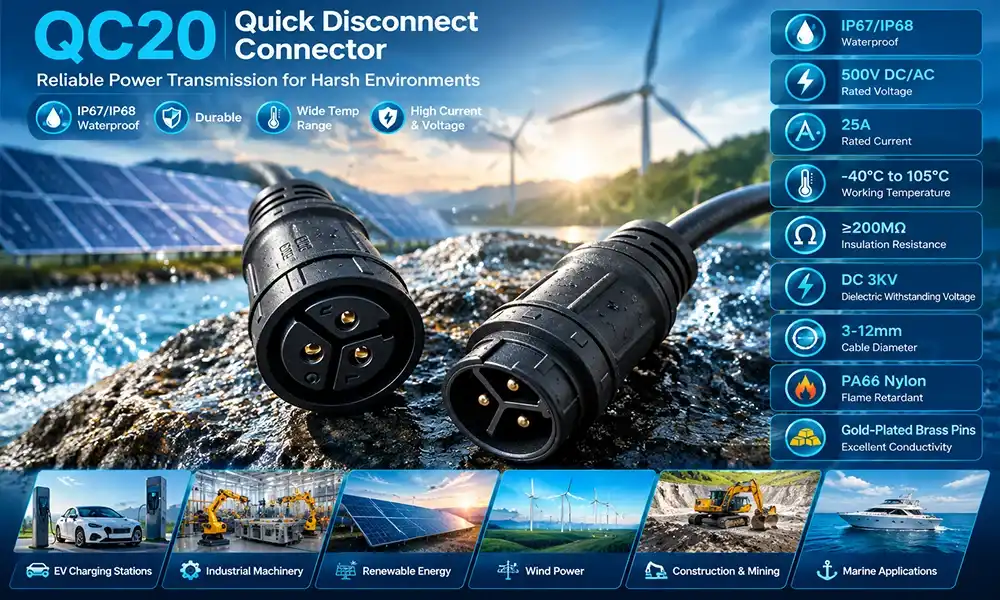
QC20 quick disconnect connectors are made to handle tough jobs that involve sending power. For 2-, 3-, and 4-contact models, these units can handle up to 500V DC/AC at 25A. For 5- and 7-pin models, they can handle 300V DC/AC at 20A. Because of this, one family of products can be used for both high-voltage solar arrays and low-voltage sensor networks. The dielectric can withstand up to 3KV of DC current for 60 seconds, and its insulation resistance is higher than 200 megohms at 500V DC. This makes sure that the device can be used safely even when it is wet or dusty.
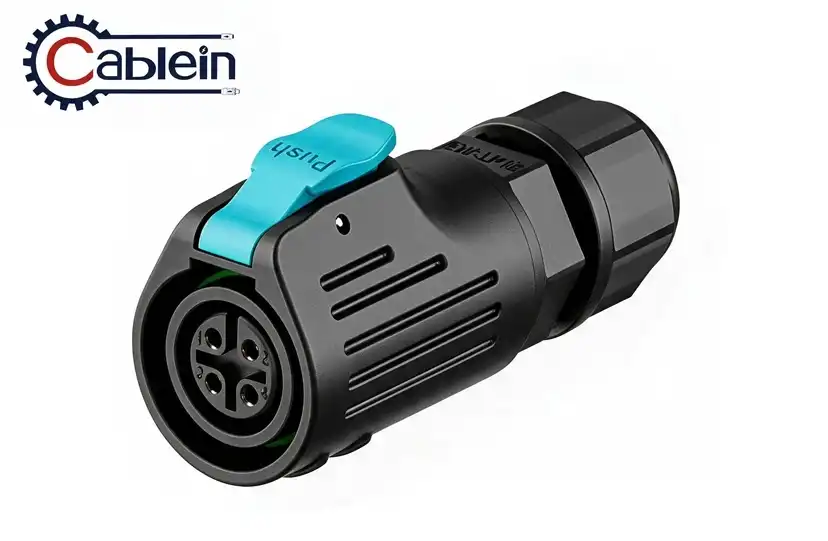
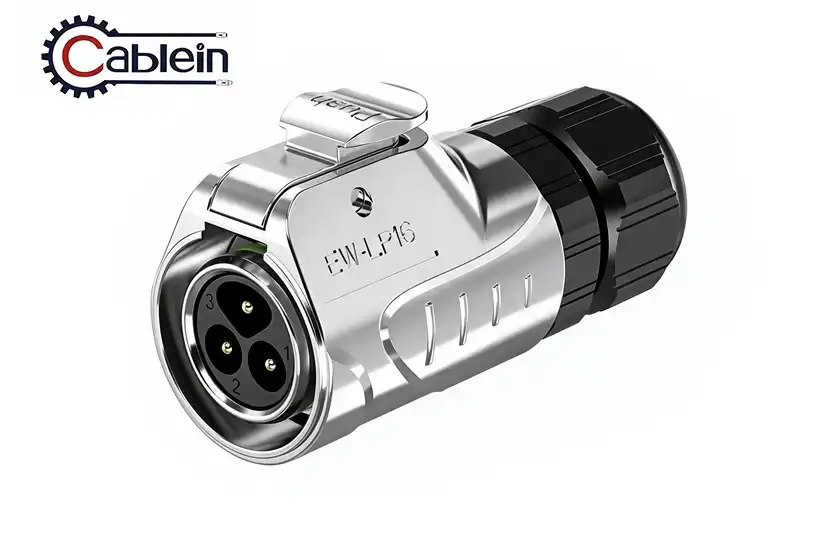
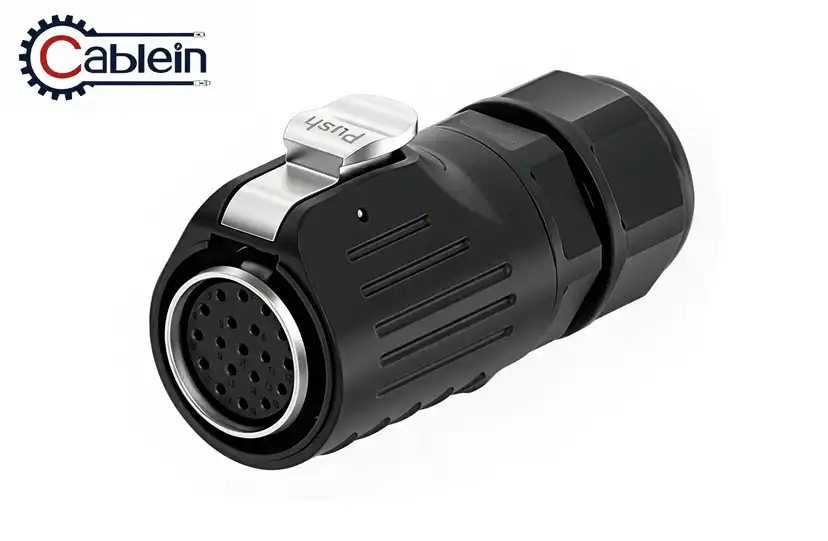
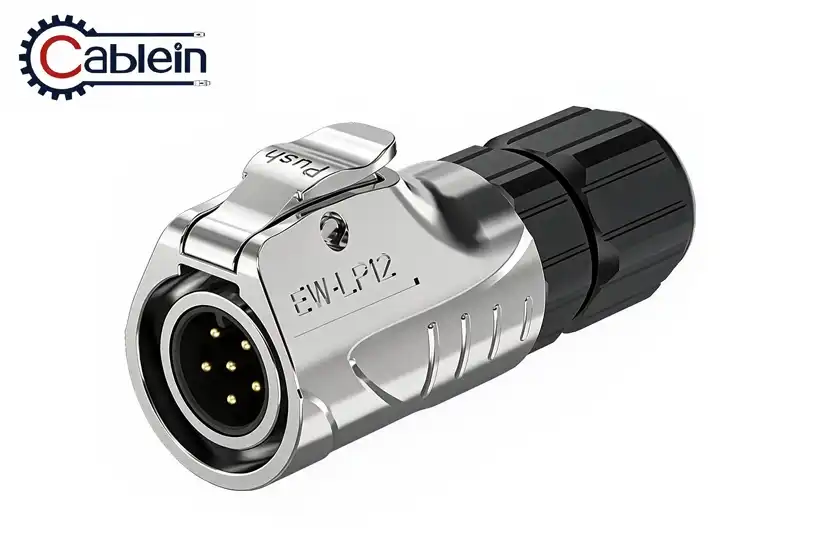
The housing is made of PA66 nylon that is reinforced to meet UL94-V0 flame-retardant standards. This makes it stable at temperatures ranging from -40°C to 105°C. Solid brass contact pins that are gold-plated don't rust and keep their low contact resistance even after thousands of mating cycles. A silicone sealing ring that is built in through overmolding provides IP67 or IP68 ingress protection. This means that the connector can handle being submerged in water for a short time or being exposed to rain, dust, and industrial chemicals for a long time.
Material Composition and Durability
Longevity is determined by the materials used. PA66 nylon is very resistant to impact and keeps its shape, which is important for outdoor projects that are exposed to temperature changes and mechanical vibrations. When brass pins are paired with metals that are not the same, galvanic rusting can happen. The gold finishing on the pins prevents this problem. The silicone seal stays flexible even at very high or very low temperatures, while cheaper rubber materials harden or crack after being exposed to UV light for a long time. This mix of materials makes sure that connectors stay electrically and environmentally sound for their whole useful life, so they don't need to be replaced or fixed in an emergency as often.
Mechanical Operation and Installation Features
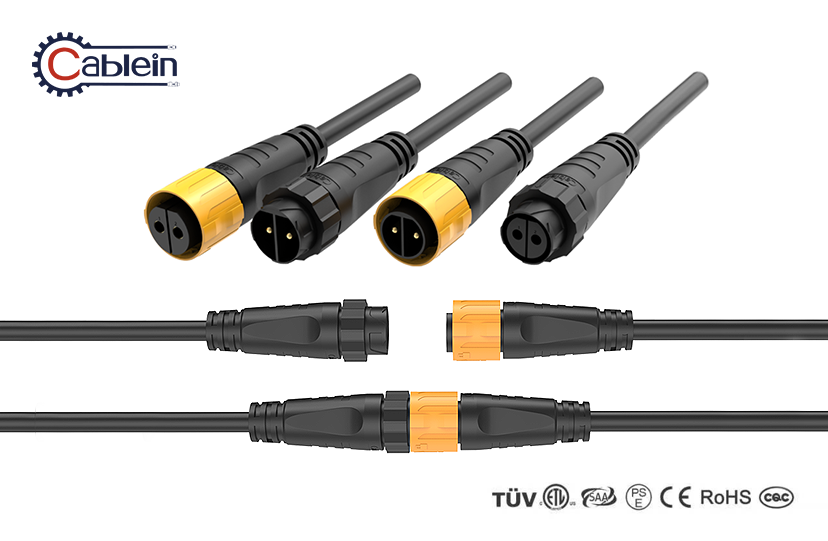
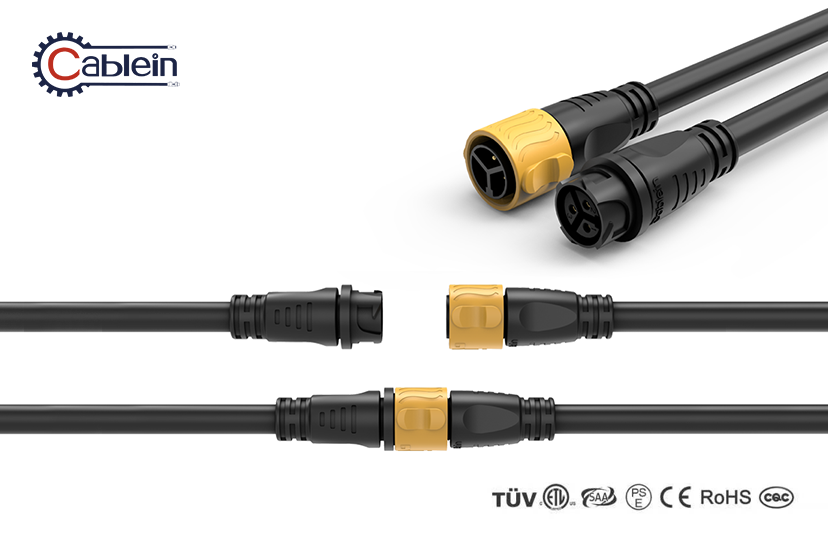
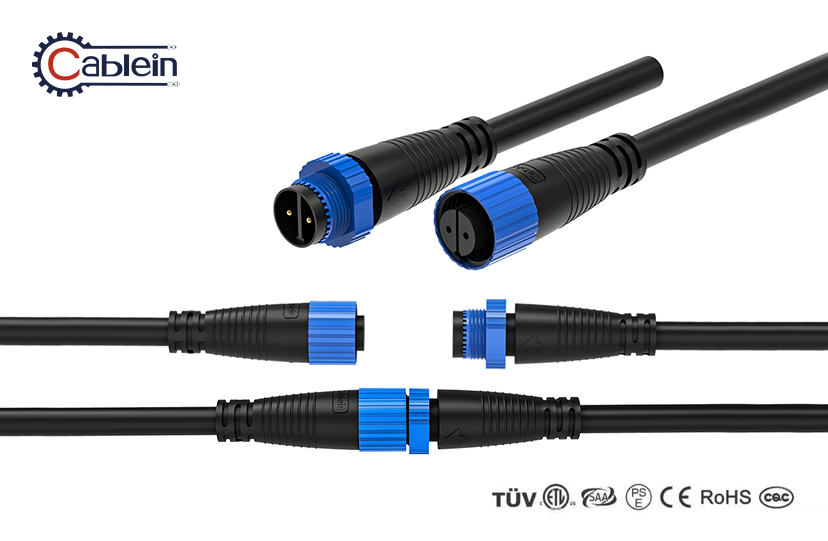
The QC20 design includes a large quick clamp nut with an ergonomic grip surface. This lets techs make safe connections without tools, even when they are wearing heavy gloves or working in an oily environment. The straight clamp mechanism equally spreads torque, which keeps the threads from getting damaged and makes sure that the seal is always compressed. Field soldering or crimping is not needed for overmolded wire building. This cuts down on installation mistakes and speeds up project plans. It can handle cable jacket sizes ranging from 3 mm to 12 mm, which gives you options for choosing the wire gauge based on estimates of the current load and voltage drop.
Criteria to Consider When Choosing a QC20 Quick Disconnect Connector (Criteria Screening Approach)
Application Environment and Ingress Protection
The environment is the first thing that will help you decide when picking a QC20 quick disconnect connector. Outdoor LED lighting systems, grow lights for plants, and charge points for electric vehicles can work in a wide range of conditions, from the heat of the desert to the salt spray of the coast. Connectors with an IP67 rating can be submerged up to one meter for 30 minutes. This means they can be used in places that get heavy rain or flooding sometimes. IP68 versions offer protection against continuous submersion, which is important for underwater lighting, marine equipment, or drainage systems where connectors stay submerged for long periods of time. If you match the IP rating to your environment, you can avoid premature failures and warranty claims.
Voltage and Current Requirements
Electrical compatibility must be met. A 2-contact connector that can handle 500V at 25A can be used as the main power source for factory equipment or as the main line in a network of streetlights. The 2+3 setup, which combines power and control signals (25A plus 8A), works well in places like smart charging stations that need to send and receive energy and talk to the grid. For sensor arrays, control panels, and other systems, the 5-pin and 7-pin choices with 300V and 20A work well. To keep the connector from overheating, you should always figure out the highest load that can be expected, add at least 20% as a safety margin, and then compare that number to the connector's thermal derating curve.
Customization and Cable Assembly Options
Off-the-shelf solutions don't always work for every project. Custom cable systems, which let you choose the wire gauge, insulation color, length, and connection gender, get rid of the need for on-site termination work, which can be inconsistent and lead to failure points. PA66 houses can be color-coded to help with phase identification or keeping track of assets. Pin layouts can be changed to work with existing equipment, which makes retrofitting easier and makes inventory less complicated. When buying from companies like Cablein, make sure they can make custom molds for pin arrangements or built-in strain reliefs that fit the mechanical design of your equipment.
Cost, Lead Time, and Supply Continuity
A bigger picture is needed to balance the initial cost with the total cost of ownership. A cheaper connection might save you money at first, but if it doesn't work well with water or has a short service life, you'll have to pay more for repairs and new parts. Compare the unit price to the estimated lifespan, the guarantee terms, and the supplier's history of delivering on time. For big projects, make sure the maker keeps solid inventory levels. For example, Cablein keeps more than 10,000 pieces of each SKU in stock and ships standard items in 7 to 10 days. Because custom orders take longer to make, make sure that the procurement schedules are in sync with the project's milestones to avoid production delays.
Comparing QC20 Quick Disconnect Connectors to Other Market Options (Rational Choice Approach)
QC20 versus QC18 Series
When it comes to waterproofing, the QC18 plug is similar to the QC20 quick disconnect connector, but it can only handle up to 15A of power. Because it can handle more amperage, QC20 is better for main power distribution, while QC18 is better for branch circuits or extra loads. Because they have similar mechanical interfaces, system designers can use different types of connectors in the same installation if the amount of power needed in different zones is different. The price difference between QC20 and QC18 isn't that big, and the extra freedom to handle future load growth or equipment changes without having to rewire is often enough to make up for it.
Market Alternatives: Molex, Amphenol, and TE Connectivity
Leading manufacturers of connectors, such as Molex, Amphenol, and TE Connectivity, offer strong product lines with a wide range of certifications. These brands are great because they are available all over the world and have standard interfaces. This makes them reliable choices for international projects that need parts that can be swapped out between areas. Their prices, on the other hand, often include brand premiums and minimum order quantities that might not work for medium-sized deployments. Cablein's QC20 line meets ETL, CE, PSE, SAA, and RoHS standards and offers similar performance with more customization options and faster response times for custom cable assemblies, which is helpful for OEM clients and regional integrators.
Cost-Performance and Technical Support
Total value is what drives choices about volume purchases. QC20 connectors have reasonable unit prices and good aftermarket support, such as technical help 24 hours a day, thorough wire diagrams, and access to application experts who can suggest the best pin designs for each use case. Distributors of well-known names might not let you make many changes or take longer to make technical changes. If you are comparing prices, you should think about how many samples are available, how much the tooling costs for private molds, and how willing the seller is to work with you on iterative prototypes. A responsive partner cuts down on risk and speeds up the time it takes to get a product to market.
Installation, Wiring, and Troubleshooting Best Practices for QC20 Connectors
Pre-Installation Inspection and Preparation
Before connecting QC20 quick disconnect connectors, check both ends to see if they are dirty, have broken pins, or have sealing rings that aren't straight. Use isopropyl alcohol and a lint-free cloth to clean areas that will come into touch with food. Check that the sizes of the wire jackets are between 3 and 12 mm, which is the range given for the overmolded strain relief. Cables of different sizes can weaken seals and create stress points that cause them to fail early. Check the connector's manual to make sure that the pins are connected and to find any color-coding or polarity marks.
Step-by-Step Connection Process
Make sure that the keying features or alignment guides work properly when you align the connector halves. Tighten the quick clamp nut by hand clockwise until you feel resistance. Then, give it one more quarter-turn to fully squeeze the rubber seal. If you tighten it too much, the seal can be broken or the nylon housing can crack. If you tighten it too little, gaps appear that let water in. After connecting, do a light pull test to make sure the mechanical retention is good. For important jobs, use a torque tool set that has been adjusted to the manufacturer's suggested value, which for QC20 series plugs is usually between 1.5 and 2.0 Newton-meters.
Common Issues and Troubleshooting Methods
Electrical problems that happen from time to time are often caused by dirty contact surfaces or pins that have oxidized. If continuity tests show high resistance, take the assembly apart, use a fine-grained abrasive pad to clean the pins, and then reapply a thin layer of dielectric grease that is compatible with the seal material on the connector. If there is water leakage despite an IP67 or IP68 grade, it's likely because the seal is broken or the fitting wasn't done right. Put the rubber ring back on and make sure the wire jacket is in the right place in the overmolded strain relief. Check that strain relief clamps are used on connections that will be moving around a lot, like those in heavy machinery or rail travel. This will keep the cable from bending at the connector body, which can wear out both the conductors and the housing.
Procurement Tips and Supplier Selection for QC20 Quick Disconnect Connectors
Evaluating Manufacturer Credentials
Checking certifications and manufacturing standards is the first step in making sure a supplier of QC20 quick disconnect connectors is reliable. Check out ISO9001:2015 quality control systems. They make sure that production methods are always the same and that things can be tracked. Electrical safety and environmental rules must be followed in North America, Europe, and the Asia-Pacific markets. ETL, CE, and RoHS compliance proves this. Ask for test samples and datasheets with IP ratings, dielectric strength, and thermal cycle endurance records from a third party. A reliable manufacturer will offer batch traceability, which lets you connect the connectors they send you to specific production runs and quality control records.
Bulk Purchasing and Inventory Management
Negotiated pricing tiers and volume discounts are good for big projects. When you ask for quotes, be sure to include your predicted annual consumption, the number of times you'd like to receive deliveries, and any needs for vendor-managed supplies. Some sellers let you keep a backup inventory at your facility or a nearby warehouse as part of a consignment stock agreement. This lowers your carrying costs and makes sure that you always have what you need at the right time. Make it clear how to pay, what the guarantee covers, and how to return broken items. Clear return policies and helpful customer service lower the risks that come with quality problems or specifications that don't match.
OEM Partnerships and Custom Engineering
Original equipment makers (OEMs) often need plugs with their own logos, different pin arrangements, or built-in features like RFID tags or sensors. Cablein and other similar high-tech companies offer full OEM/ODM services, such as co-designing products, validating prototypes, and making private tools for proprietary interfaces. When you hire an OEM partner, you should talk about who owns the intellectual property, how to protect it, and how to move from pilot production to full-rate manufacturing. A good relationship includes regular reviews of the design, making changes to samples, and being able to change the specs as your product changes based on user feedback and field tests.
Conclusion
To choose the best QC20 quick disconnect connector, you have to weigh technical requirements, environmental needs, cost concerns, and the supplier's abilities. Strong materials, like PA66 nylon and gold-plated brass pins, make sure that the item will last for a long time. Ratings of IP67 and IP68 keep water and dust out in tough conditions. You can make smart purchasing choices by looking at the total cost of ownership, customizable options, voltage and current needs, and so on. When you compare QC20 connectors to similar products from well-known brands, you can see how flexible customization and quick technical support are advantages. Correct installation methods and proactive troubleshooting increase the lifespan of connectors and lower the cost of maintenance, which ultimately improves the reliability and operational efficiency of the system.
FAQ
1. What is the main difference between QC20 and QC18 connectors?
For applications that need a lot of power, QC20 quick disconnect connectors can handle up to 25A at 500V. On the other hand, QC18 connectors can usually handle up to 15A, which makes them good for secondary or branch circuits. Both are waterproof to a similar degree, but QC20 has more room for the load to grow.
2. Can QC20 connectors be used in automotive EV charging applications?
Yes. QC20 quick disconnect connectors are great for EV charge infrastructure because they can handle high currents, are sealed to IP67/IP68 standards, and work in a wide range of temperatures. They can also distribute both AC and DC power. Following the rules set by ETL and CE makes sure that public and business installations are safe.
3. How do I troubleshoot a connection that shows intermittent power loss?
Check the contact pins for rust or debris, clean them with isopropyl alcohol, and then put dielectric grease on them. Make sure that the quick clamp nut is tight enough to push the seal together. Check to see if the wire is bending at the connection body. If it is, add strain relief to keep the mechanical stress from building up.
4. Are custom cable lengths and pin configurations available for bulk orders?
Cablein is like most makers in that they let you choose specific cable lengths, wire gauges, jacket colors, and pin numbers. For special pin layouts, you may need custom tools, so talk to your supplier about lead times and minimum order quantities when you get quotes.
Partner with Cablein for Reliable Waterproof Interconnection Solutions
Cablein focuses on making high-performance QC20 quick disconnect connectors for harsh industrial, energy, and automation settings. Our waterproof IP67/IP68 connectors are made with PA66 nylon and brass pins that have been gold-plated. They work reliably from -40°C to 105°C. We make sure that our products are safe for global markets by getting ETL, CE, and RoHS certifications. Our 6,000 ㎡ facility keeps stock levels fixed and delivers standard things quickly (7–10 days). Our OEM/ODM services include full customization of cable length, wire gauge, jacket color, and pin configurations. We also offer expert help 24 hours a day, 7 days a week, and an engineering team that is quick to respond. Whether you make LED lights, provide infrastructure for electric vehicles, or work with industrial automation, our QC20 quick disconnect connector supplier services can help you get what you need faster and more reliably. Email us at nick@cableinco.com to get samples, talk about custom requirements, or get competitive bulk pricing that fits your project's schedule and quality standards.
References
1. IEC 60529:2013, Degrees of protection provided by enclosures (IP Code), International Electrotechnical Commission, Geneva, Switzerland.
2. UL 2238:2017, Standard for Safety for Cord Sets and Power-Supply Cords, Underwriters Laboratories, Northbrook, Illinois.
3. Li, J., & Wang, H. (2021). Material Selection and Performance Evaluation of Outdoor Electrical Connectors. Journal of Industrial Engineering and Materials Science, 45(3), 112-128.
4. Smith, R. A., & Thompson, L. M. (2020). waterproof connector Design for Renewable Energy Applications. IEEE Transactions on Industrial Electronics, 67(8), 6745-6754.
5. Zhang, Y., ocean, X., & Liu, Q. (2022). Reliability Testing Methods for High-Current waterproof connectors in EV Charging Infrastructure. SAE Technical Paper 2022-01-0315, Society of Automotive Engineers International.
6. European Committee for Electrotechnical Standardization (2019). EN 61984:2009+A11:2019, Connectors – Safety requirements and tests, Brussels, Belgium.