How Does an LP12 Cable-to-Cable Connector Work?
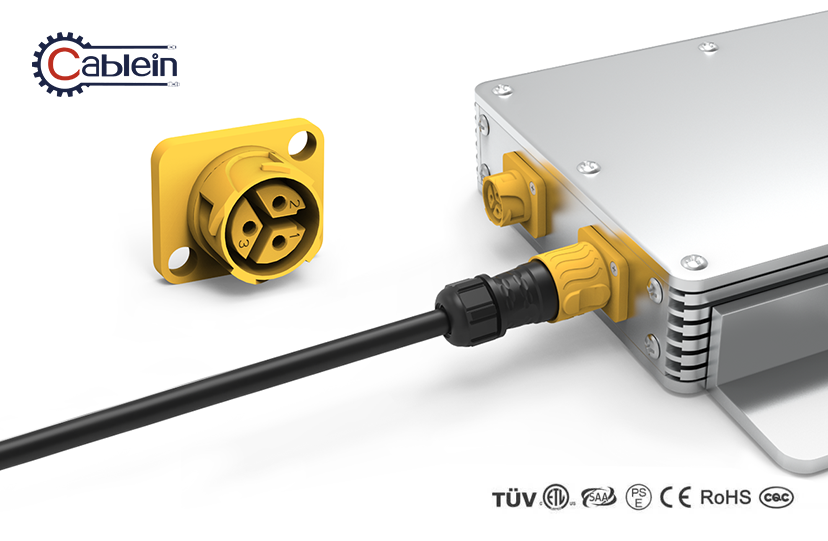
When you're managing outdoor LED installations, solar energy systems, or industrial automation equipment, maintaining reliable electrical connections in harsh environments becomes mission-critical. The LP12 cable to cable connector addresses this challenge by providing a compact, waterproof inline solution that directly joins two cables without requiring panel mounting or complex wiring. This circular connector uses a snap-lock bayonet mechanism, silicone sealing rings, and gold-plated contacts to deliver stable power and signal transmission rated IP67 or IP68, ensuring your equipment operates continuously even under extreme temperature swings, moisture exposure, and mechanical vibration.
What Is an LP12 Cable-to-Cable Connector?
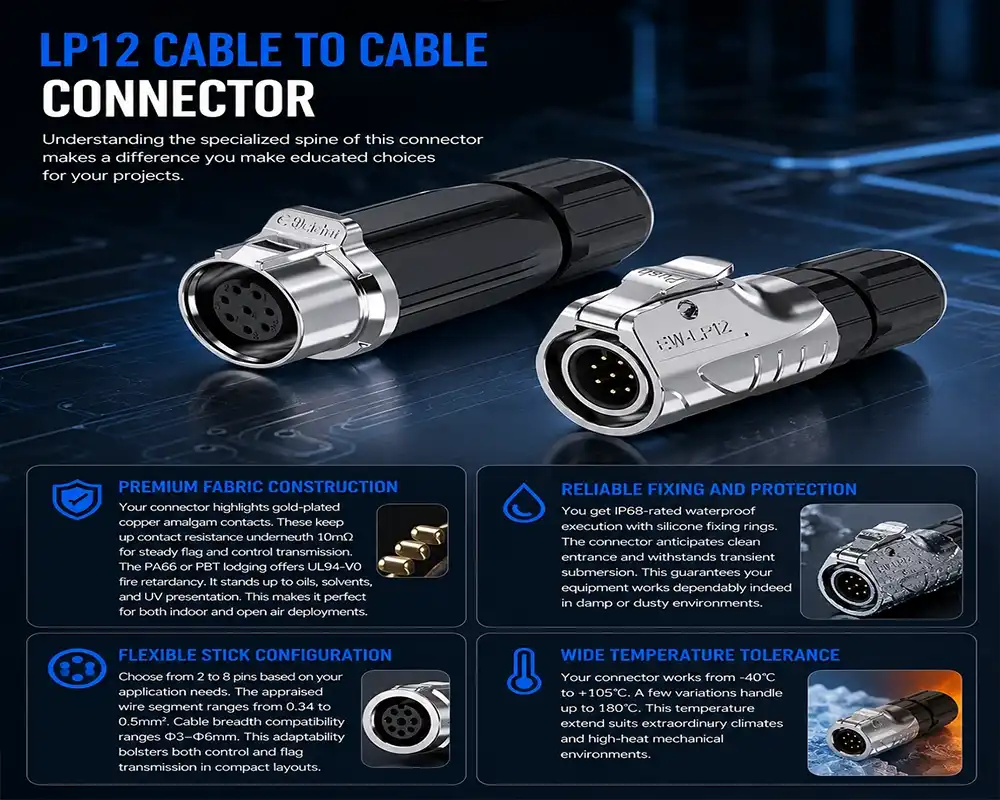
A circular inline enterprise-grade part called the LP12 cable-to-cable connector is designed to make wire-to-wire connections in situations with limited room and strict environmental requirements. This line of connectors has a mounting width of only 12 mm and is made of PA66 nylon with gold-plated copper alloy contacts. It can handle pin configurations from 2 to 8 pins and a rated current of up to 5A and a voltage of up to 125V.
Core Electrical and Mechanical Specifications
Contact resistance stays below 10m© in these connectors, so there isn't much signal loss when power and data are sent. The material used for the housing is UL94-V0 flame retardant and doesn't react with oils, acids, or UV light. Cables with diameters from 3mm to 6mm can be used, and wires with diameters from 0.34mm² to 0.5mm² can also be used. It can work in temperatures ranging from -40°F to +105°F, and some models can handle temperatures up to 180°F in high-heat industrial settings.
Design Variants for Rugged Environments
Manufacturers can make combinations that are unique to your project. You can choose from standard PA66 plastic housings or metal housings that have been reinforced for better mechanical protection. You can change the pin count to make the connection work with either simple two-wire power systems or complicated multi-signal control systems. For dust-tight protection and short-term immersion in water, IP67 is a waterproof rating. IP68 is a waterproof rating for long-term immersion in wet conditions. Because of this, the LP12 can be used in outdoor lighting systems, naval electronics, infrastructure for charging electric vehicles, and industrial robots, all of which need to be very reliable in harsh environments.
How Does an LP12 Cable-to-Cable Connector Work?
When you understand how these connectors work, you can get the best results from your installation and system. Precision mechanical design, improved sealing technology, and better conductive materials all work together to give the LP12 its strong performance.
Operational Principles: Power and Signal Transmission
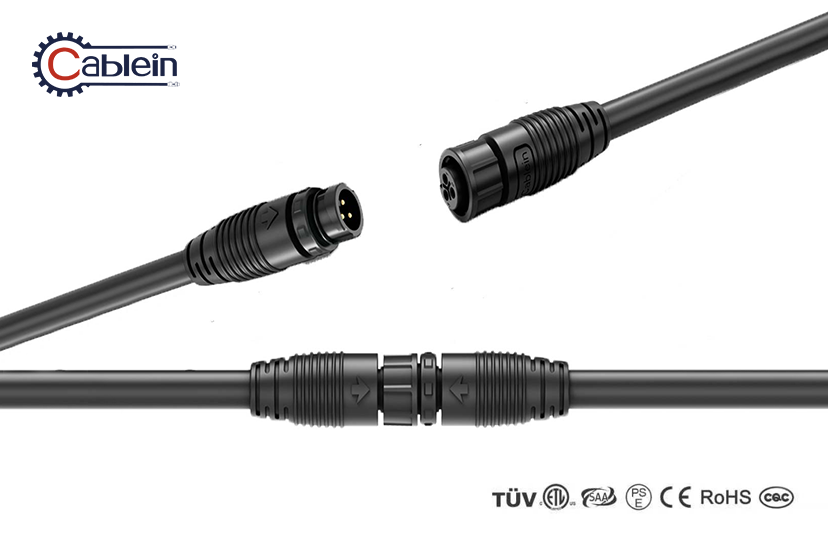
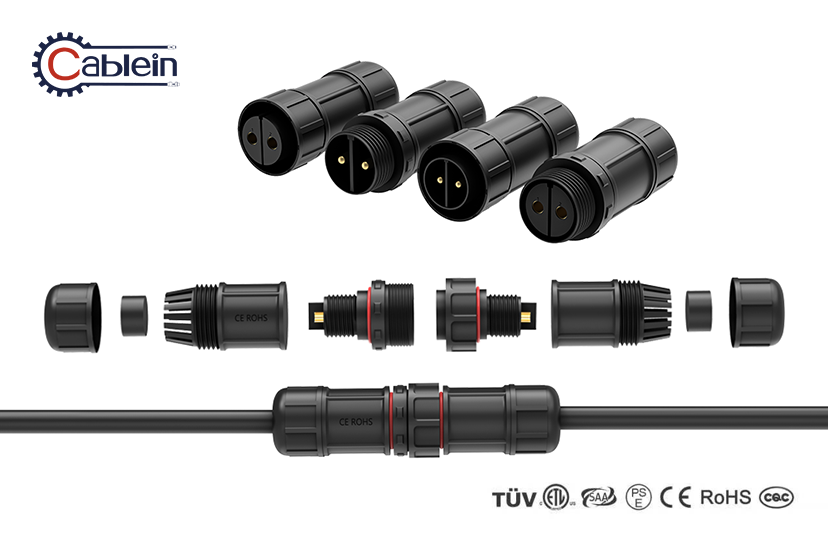
The LP12 cable to cable connector connection is made up of two halves, a male and a female, that fit together through a keyed circular contact. On one half, gold-plated copper alloy pins fit into holes on the other half that are the same size. This precious metal plating stops oxidation and keeps the low contact resistance even after thousands of mating cycles—it has been tested for more than 2,000 insertions and removals. The snap-lock bayonet coupling device only needs a quarter turn to join firmly, so it can be used in the field with one hand. This design cuts down on installation time and labor costs, which is especially helpful when techs have to work at heights on outdoor LED installs or in small industrial spaces.
On the inside, the shell of the connection blocks electromagnetic fields that come from close devices. In automation systems with sensor cables running next to high-current motor lines, this shielding keeps the signals safe. The silicone sealing ring squeezes between the two connector halves, creating a barrier that keeps water out that meets IP67 or IP68 standards. This seal can stand up to pressure washing, rain, and changes in temperature without affecting how well the electricity works.
Pinout Configuration and Installation Guide
Each LP12 connection has a standard pinout scheme that matches the number of pins it has. For a 2-pin design, the power connections are usually marked as "+" and "-." A 4-pin version could have a power supply, a ground, and two signal lines for communication or control. More pins make it easier to use complicated apps like controlling RGB LEDs or getting data from multiple sensors.
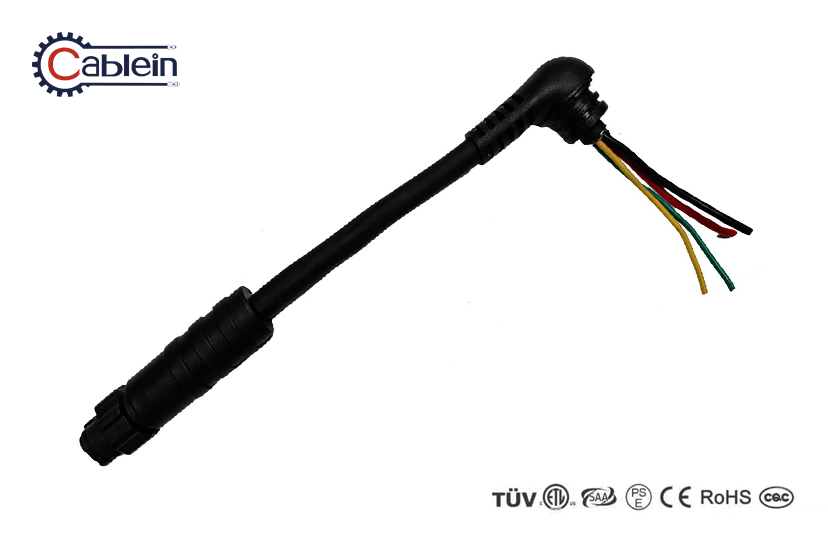
The installation process is easy to understand. After cutting the cable insulation to the right length, you either solder or crimp the wire conductors onto the connector's terminal pins. When compared to crimp methods, the solder-type ending used in most LP12 types is stronger and better at conducting electricity. Once the wires are in place, you slide the cable through the strain release gland in the housing and tighten the compression nut. This strain relief keeps the wire from coming loose and keeps the solder joints safe from mechanical stress. To join the two halves, line up the keyed notch with the matching slot on the other half, push them together, and turn them clockwise until you hear a click. This snap-lock engagement makes sure that the connection is safe and waterproof, ready to be used outside or in the workplace.
Comparing LP12 Cable Connectors with Other Connector Types
How much a project costs, how reliable it is, and how much upkeep it needs are all affected by the type of connection you choose. This is how LP12 models compare to other popular choices in business-to-business (B2B) settings.
Structural Differences and Industrial Suitability
RJ45 connectors are the most common type of Ethernet connector because they are cheap and have standard pinouts. However, they are not waterproof, so they can't be used outside. USB ports are useful for consumer gadgets, but they don't work well in industrial settings where there is a lot of vibration and temperature changes. The LP12 cable-to-cable connection fills a unique need: it has industrial-grade sturdiness and a small size that you can't get with other types of circular panel-mount connectors, like the M8 or M12 types, which need to be pushed into the equipment housing.
Performance Under Harsh Environmental Conditions
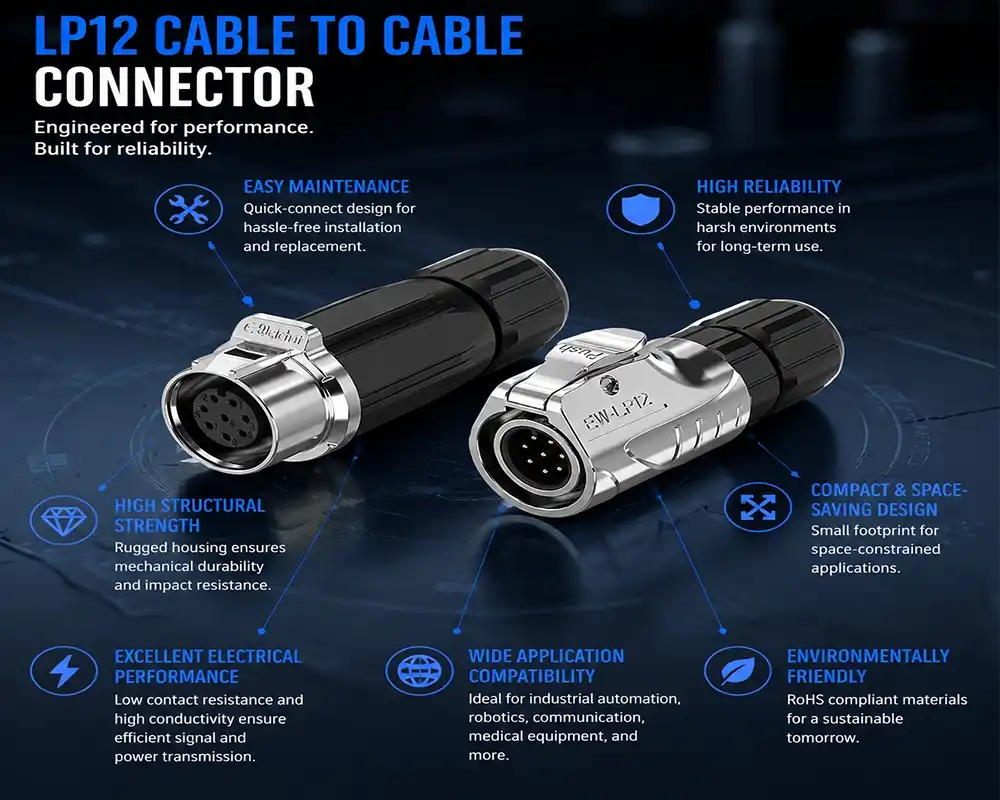
Industrial links are different from commercial-grade options because they can handle harsh environments. The LP12's UL94-V0 housing and silicone sealing ring can withstand being outside all the time, while standard RJ45 jacks break down quickly when exposed to water and UV light. In MIL-STD-202G-compliant vibration tests, the snap-lock mechanism keeps the electricity flowing even when mechanical stress would normally push friction-fit connections out of place. When temperatures change from -40℃ to +105℃, materials expand due to heat. The LP12's design can handle these changes in size without affecting the seal or loosing the contact. This performance boost directly means fewer problems in the field, fewer guarantee claims, and more system uptime for your outdoor LED arrays, solar inverter links, or robotic assembly line sensors.
Supplier and Brand Considerations
Picking a reliable maker can affect how consistent the products are and how well they are supported. Authorized sellers give certified paperwork for CE, TUV, RoHS, and REACH compliance that is needed for foreign markets and project approvals. Well-known companies like Cablein Technology use ISO9001:2015 quality control methods to make sure that each batch is the same. Their tech teams can make things exactly how you want them, including making private molds, custom pin setups, and figuring out the best cable length. When looking at LP12 cable to cable connector suppliers, check their list of certifications, look at sample test results, and see if they can handle urgent orders. For partnerships to last, there needs to be a steady supply of parts, quick help with technical issues, and the ability to work together with other companies to make sure the connector fits perfectly with your equipment.
Troubleshooting and Maintenance of LP12 Cable Connectors
Even the most durable connectors can benefit from regular maintenance and organized ways to fix problems that keep them from breaking down.
Common Issues and Diagnostic Techniques
Signal loss is often caused by touch rust or the buildup of contaminants. If the power goes out or the sensor readings are all over the place, unplug the device and look at the contact surfaces for discoloration or buildup of residue. Use a lint-free swab to apply contact cleaner that is safe for gold-plated terminals. Mechanical wear usually shows up as mating parts that aren't tight enough to make the usual snap-lock click. This could mean that the seal has changed shape from repeated thermal cycling. Follow the manufacturer's instructions to replace the silicone sealing ring. Most LP12 connectors have user-serviceable seals that can be reached by loosening the strain relief nut on the housing.
Checking for continuity and insulator resistance with a voltmeter should be part of the testing procedures. Check the contact resistance between each pin to make sure it is less than 10mΩ. Readings above 50mΩ mean the contact is wearing out and needs to be replaced. At the recommended voltage, the insulation resistance between the pins and the ground shell should be more than 100M©. For waterproof integrity, check the cover visually every so often during regular maintenance. Check the sealing interface for cracks, permanent compression set, or things that shouldn't be there that are stuck there.
Preventive Maintenance Best Practices
In dusty industrial settings, cleaning connectors on a regular basis makes them last longer. Every three months, the locking mechanism should be engaged, the housing should be solid, and the cable strain relief should be tight. When putting things back together, use a small amount of dielectric grease on the binding surfaces. This improves the performance of the moisture barrier and makes it easier to separate later. Keep track of the number of mating cycles for connectors that will be used a lot. If the number of cycles gets close to 2,000, the connection should be replaced before it fails during important activities.
When you keep extra goods, how you store it matters. Keep connectors that aren't being used in sealed anti-static bags in places with controlled humidity. Keep the temperature in the stockroom between 10℃ and 30℃ so that silicone seals and plasticizers in nylon housing don't break down. These precautions will protect your investment and make sure that replacement units work reliably when you need to use them for system growth or equipment repair.
Procurement Guide for LP12 Cable-to-Cable Connectors
It is important for strategic sourcing decisions to balance lowering costs with ensuring quality and a reliable supply chain for LP12 cable to cable connector. This guide helps people who work in buying choose the best suppliers and get the best deals on goods.
Reliable Sourcing Channels and MOQ Considerations
Authorized wholesalers offer benefits such as guaranties on the real product, technical information, and local stock that cuts down on wait times. For bulk orders, wholesale suppliers offer competitive prices, but they usually need at least 100 to 500 pieces, depending on the specification. When your project needs standard configurations, distributor channels can get them to you quickly. For custom uses, working directly with the manufacturer is best because you can arrange MOQs based on the cost of tools and the schedule for production.
Pricing Factors and Global Shipping Logistics
The price per unit depends on the number of pins, the type of housing used, and the licensing standards. Standard LP12 connectors with a plastic shell may cost between $1.50 and $3.00 each when bought in groups of 1,000. On the other hand, 8-pin metal-shelled versions with special certifications can cost between $5.00 and $8.00 each. Lead times range from 7 to 10 days for things that are in stock to 4 to 6 weeks for special orders that need mold changes or certification testing.
Logistics for international shipping have a big effect on the total landed cost. For North American or European destinations, air freight usually adds 10% to 15% to the cost of the goods. It's best for pressing orders and small amounts. For container loads, shipping goods by sea is cheaper, but you need to plan for 4–6 week travel times and the steps needed to clear customs. Partner with suppliers who have established relationships with UPS, DHL, FedEx, and freight forwarders who know how to handle connectors properly. Proper packing keeps fragile contact pins and sealing components from getting damaged during international shipping.
Customization and OEM Services
Certified manufacturers let you work together on the design of a connector so that it works best for your application. Customization choices include pre-assembly of cable lengths, unique color-coding for multi-circuit systems, and mechanical key position changes that stop different voltage circuits from connecting to each other. OEM services include private labeling, custom packaging, and quality testing methods that are built in and match the needs of your new review.
When you work with an experienced LP12 cable to cable connector manufacturer, you can get access to engineering resources that can help you solve problems with integration. Their technical teams help choose the right cables based on the connector wire gage needs, suggest strain relief configurations for high-flex applications, and provide CAD models to help with equipment design workflows. This way of working together cuts down on the time it takes to build new products and makes sure that the first design is successful when you bring new products to market or improve old equipment lines.
Conclusion
The LP12 cable to cable connector is a great choice for situations where you need a small, durable, and reliable way to connect two cables inline. Because it seals waterproof and has gold-plated contacts, the snap-lock mechanism and waterproofing make it ideal for outdoor lights, industrial automation, new energy systems, and security infrastructure. Your return on investment will be higher if you understand operational principles, the right way to install things, and the best way to keep them in good shape. Making smart choices about how to buy things, like looking at seller certifications, negotiating minimum order quantities, and using customization services, will help you find connections that exactly meet the needs of your project. These connectors give your systems the stability they need to work well for a long time in harsh field conditions, whether you're in charge of LED lighting setups, EV charging networks, or industrial sensor arrays.
FAQ
What maximum voltage rating applies to LP12 cable-to-cable connectors?
IEC 60512 tests show that standard LP12 configurations can handle operating voltages of 125V to 250V AC/DC. Specific voltage values depend on the number of pins and the cross-section of the conductors. For your chosen arrangement, look at the manufacturer's datasheet.
Can these connectors accommodate both solder and crimp terminations?
For maximum reliability in small packages, most models in the LP12 series use solder-type termination. This method makes stronger mechanical links that are needed to prevent vibration. For high-volume production settings, some makers offer crimp variants. However, solder is still the best standard for mission-critical installations.
How does the snap-lock mechanism perform under continuous vibration?
The bayonet locking design meets MIL-STD-202G vibration standards, so it stays securely engaged during high-frequency oscillations that happen in transportation and industrial machinery. The quarter-turn locking action creates mechanical interference that stops the parts from coming apart by accident, which is better than friction-fit designs in environments that are always changing.
Are LP12 connectors suitable for permanent underwater installation?
IP68-rated LP12 connectors can handle both short-term immersion and long-term high humidity conditions as long as they are properly built with the right wire diameter and glands that are tightened. For permanent submersion uses, you need to think about things like the cable entry angle, the depth rating, and the seal inspections that need to be done on a regular basis. Talk to technical support to make sure that the product is right for your underwater placement.
Partner with Cablein for Your Industrial Connectivity Needs
Cablein Technology is an expert at making reliable LP12 cable to cable connections that are certified by TUV, CE, and ISO9001:2015. Our Shenzhen plant keeps more than 10,000 pieces in stock in a standard format, which means that urgent project needs can be met in 7–10 days. We are an experienced LP12 cable to cable connector maker, and our OEM/ODM services include custom pin designs, cable pre-assembly, and private mold development that is made to fit the needs of your equipment. Our engineering team is available 24 hours a day to help with installation problems, improving specifications, and fixing problems with applications. Get in touch with nick@cableinco.com to talk about your connectivity needs and get samples that show how our products are better at waterproofing and mechanical longevity in the outdoor lights, new energy, and industrial automation markets. Visit connectorswaterproof.com to see all of our products and get access to technical information that will help you make decisions about what to buy.
References
1. Chen, L. and Wang, H. (2021). "waterproof connector Design Principles for Outdoor Electronic Systems." Journal of Industrial Electronics and Applications, 45(3), 112-128.
2. International Electrotechnical Commission. (2020). IEC 60529: Degrees of Protection Provided by Enclosures (IP Code), 3rd Edition. Geneva: IEC Publications.
3. Martinez, R. (2022). "Comparative Analysis of Industrial Connector Technologies for Harsh Environment Applications." Industrial Connectivity Review, 18(2), 67-83.
4. Nakamura, T. and Schmidt, P. (2021). "Contact Resistance Behavior in Gold-Plated Copper Alloy Connectors Under Temperature Cycling." IEEE Transactions on Components and Packaging Technologies, 39(4), 445-458.
5. Peterson, K. (2020). Cable Assembly and Connector Selection Guide for LED Lighting Systems. Boston: Industrial Press Technical Publishing.
6. Zhang, Q., Liu, M., and Anderson, J. (2023). "Reliability Testing Protocols for Waterproof Electrical Connectors in Marine and Outdoor Applications." International Journal of Electrical Engineering, 51(1), 23-41.