How to Evaluate a Waterproof Connector Manufacturer
To evaluate a waterproof connector manufacturer, I check six things in order: application requirements, verified IP test conditions, materials and construction, engineering and tooling terms, quality and testing records, and total cost with lead time. A custom waterproof connector supplier should prove each point with drawings, test reports, and samples, not with marketing claims. I also ask who owns the mold and whether the supplier will sign an NDA before I share any design. This guide walks through that process step by step, so you can compare suppliers fairly and avoid costly redesigns before your first production order.

Define Your Requirements and Verify Waterproof Performance
Start With Your Application and Environment
I write down where the connector will go before I call the plant. Keep track of how long you are in water, dust, chemicals, salt spray, UV light, movements, and changes in temperature. Then you need to add the electrical needs, such as voltage, current, number of connections, cable outer diameter, joining cycles, and how the device will be mounted. Something inside a robot arm is under more stress than a street light. It takes different skills to fit different types of designs, such as circular, panel-mount, inline, molded, and field-assembled. It is also important to format. If the specs are clear, you might not have to redesign as often. Also, quotes are more accurate, and engineers can give you a good structure in their first reply. It also lets you compare sellers.
Read the IP Rating Behind the Label
It's not the end of the story; an IP rating is just the beginning. That's what IEC 60529 says. IP65 goes against water jets, IP67 goes against short-term immersion (30 minutes at 1 m depth), and IP68 goes against ongoing immersion at the depths and conditions specified by the manufacturer. The length of the test, the depth of the test, the amount of pressure used, the number of samples used, and whether the connection was joined during the test. It can also work better or worse depending on the wire, seals, caps, and panel contact as a whole. If the wrong wire jacket is put on top of a socket, it may still leak even though it fits by itself. Pick the grade that fits your item. It costs more and takes longer to build things with IP68 than they need to be for things that will be outside in the rain.
Inspect the Sealing Design
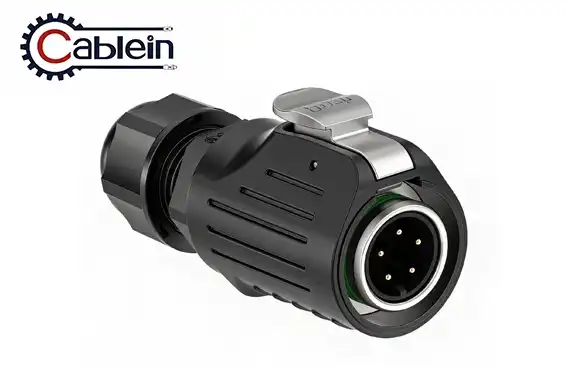
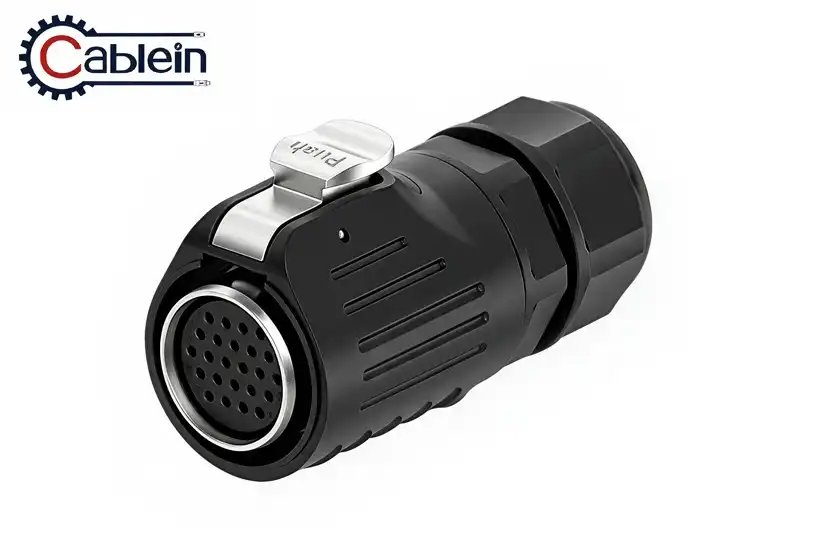
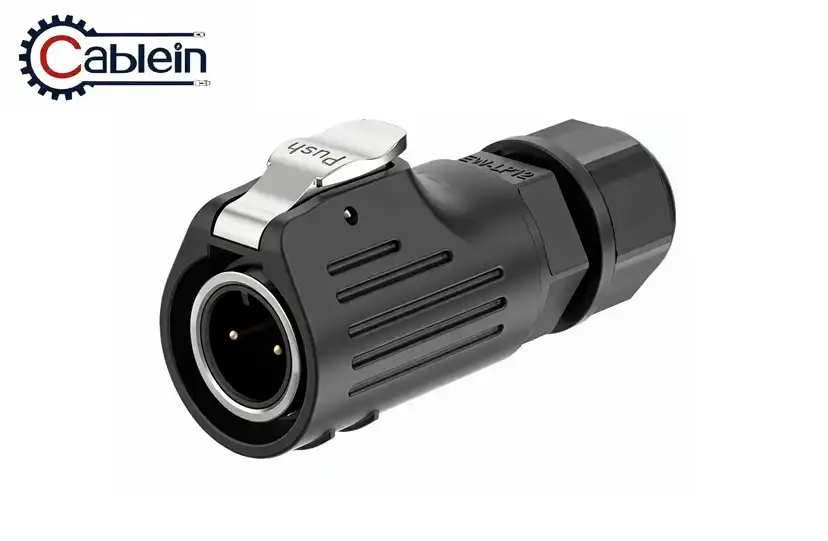
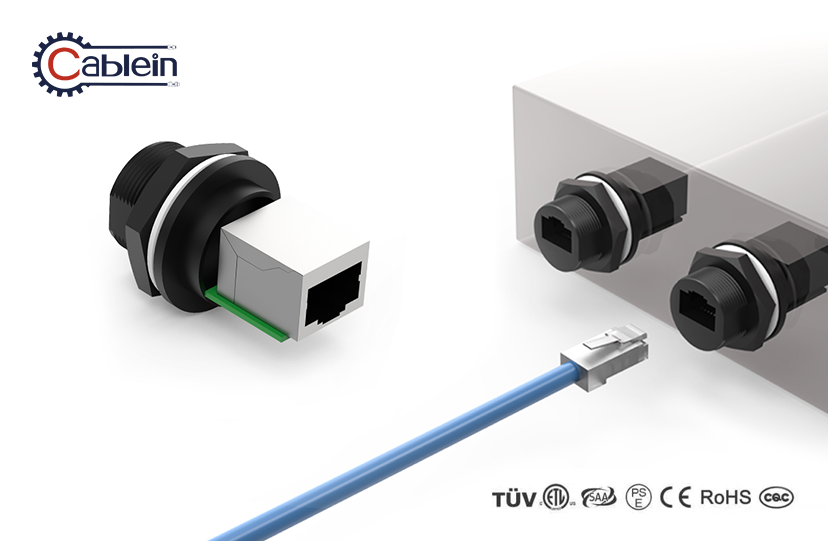
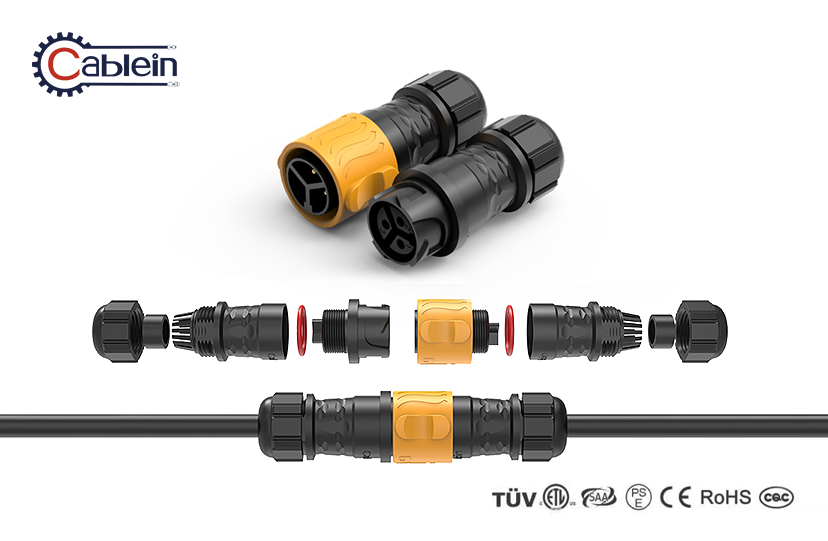
In this case, the way the seals are made shows how much engineering goes into a grade. Some of the things you should look at are lock systems, O-rings, gaskets, overmolding, and compression seals. When you use cable-end connectors, make sure that the grommets can fit the outside diameter of the cable. Even if the grommets are the right size, the housing can still leak. For M12 connectors, IEC 61076-2-101 is used as a guide. This lets you compare your interface to one that other people have. Cablein has splash-proof round and panel-mount IP67/IP68 plugs for you to pick from. There are also types that don't need to be soldered: push-lock and quick-connect. In every paper I read, I look for the wire range, the type of cover, and how the wire is squished.
Check Materials, Engineering, and Customization Strength
Materials and Construction
You can tell how long a custom waterproof connector supplier will last outside by what it's made of. Things made of TPU or PA66 are light and don't rust, so they make good shells. When it comes to metal cases, they protect the device from rough places and make it stronger. Copper alloy contacts that have been covered in gold don't have much resistance. Most of the time, the resistance for M12 contacts is less than 5 mΩ. Get sheets that list the materials that were used to make the plates, contacts, seals, and housing. Then, see if they match up with records that say they are safe. It is important to check things like the quality of the thread, the retention of the terminals, the uniformity of the crimp, the compression of the seal, and the locking power. You should ask for the first-article check results when you give the order to be made. These tell the plant if it can make the sample again.
Engineering Process and Tooling Ownership
An order form and a price quote are not enough for custom work. That's not enough. A good workshop will help you talk about your needs, draw up your ideas, choose materials, make prototypes, test them, make tools, start trial production, and get your final green light. Make sure you know which steps are done in-house, such as injection molding, overmolding, wire assembly, and seal production. Help with failure analysis and feedback on design for production can be found here. Before you start making your own mold, you should agree on three things: who owns the tool, who pays for repairs and changes, and how the shop will keep your models safe. Write these down. Before you send files, you should sign an NDA. These steps will protect the look of your product and help you decide what to do if you change your mind later.
Customization and Patent Backing
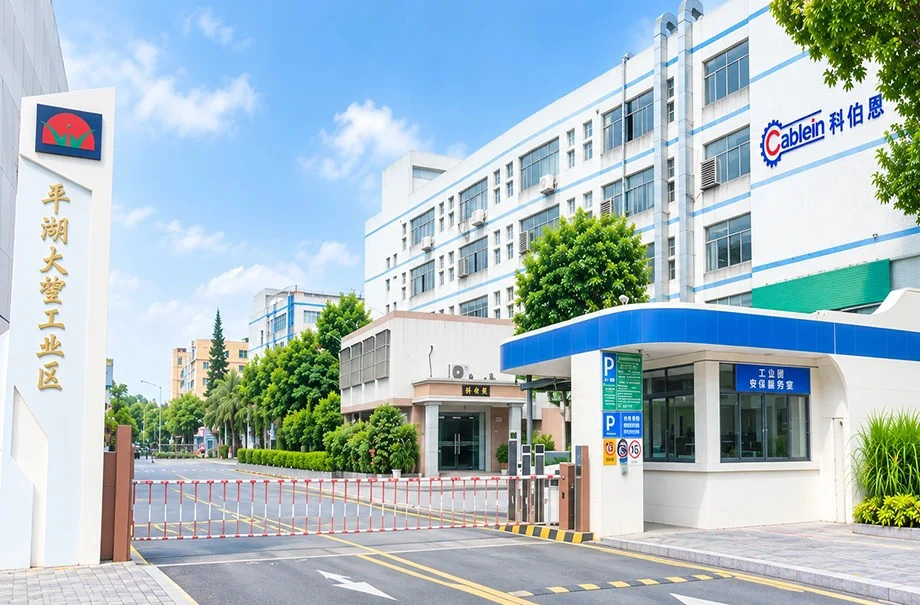
On January 1, 2017, Cablein opened in Longgang, Shenzhen. They have more than 30 patents on utility models and make molds that are only used by them. You should make sure that people inside the company build the structure if you want to make something that no one else has. When it comes to customization, these are the first two things I would ask any factory:
- Custom cable assemblies: You can make your own cable assemblies with Cablein's parts for robotics, LED, and new energy tools. The number of pins, the layout of the contacts, the length of the cable, and the thickness of the wire should all match what you see on the drawing. You have to sign off on the drawing in writing before the sample is built. This way, the end piece will be the same as how you put it together.
- Private mold appearance: Take a look at the mold. You can make a connector that no one else can buy if you have your own mold. Write down who has the tool, that it was made just for your project, and how the factory stores it so that the design stays unique to your business.
These checks take a vague promise of customization and write it down in clear language that you can check.
Audit Quality Systems and Compare Suppliers Fairly
Certifications and Test Reports
You shouldn't have any slogans or other written things that show you have a good system. Make sure you know what the ISO 9001 certificate says, when it expires, and who gave it to you before you ask for it. Find out what safety and compliance marks the U.S. market needs before you sell your goods there. Cablein has many types of products that are certified by groups such as ETL, PSE, SAA, CQC, CE, RoHS, REACH, and TUV. ISO 9001:2015 is what the company uses as its quality system. After you print them out, put each coupon next to the type of food you want to buy. In the test record, there should be a list of the standard, conditions, sample size, and results for the IP, salt spray, temperature cycle, vibration, pull-out, and contact resistance tests.
Traceability and Communication
You can see how a plant will work in the RFQ step. They will write down correct answers if you ask them about drawings, supplies, packing, or Incoterms. Don't give tricky answers that aren't clear, don't explain changes, and don't write things with quotes. Find out what the factory does when it needs to change materials, tools, or parts that don't meet the standards. Thanks to group tracking, if something goes wrong in the field, we should be able to figure out where the problem came from. The dates of raw materials, production, inspections, and shipments are linked to make this work. Cablein carefully checks each item to make sure it is waterproof and will last. They are open 24 hours a day, which is helpful if your workers and buying team are in different time zones in the U.S.
Build a Weighted Supplier Scorecard
To choose a partner, I don't think the lowest unit price is the best way. Instead, I use a value-based scorecard. Testing and licenses, capacity, shipping, total cost, contact, export service, and protection performance are some of the areas that are looked at. What's best for things that will be used outside or that need to be waterproof is the one that can hold the most weight. It's smart to give MOQ, speed, and flexibility more weight when you're making something. This is more important when you make a lot of things: delivery, tracking, and being able to do things. When you only need a few items or spare parts, a distributor is better than a factory. It's better to work on your own molds in a workshop. A service provider should be thrown out if they get less than a certain score on quality control and sealing. It does not matter what their total score is.

Validate Samples, MOQ, Pricing, and Delivery
Samples and Pilot Runs
Reading isn't as fun as seeing things. Make sure the pieces you look at were made with real tools and materials and are meant to be used in production. Then test them in real or fake situations that include chemical and mechanical exposure, installation time, sealing, vibration, and being able to lock securely. If the tests are important, you may need to have them done by a different lab. Stop making so many of them once everyone agrees on the technical specs, the golden sample, the packaging, the standard for inspection, and the way to fix things. You should also ask to see a written copy of the plan.
MOQ, Tooling Costs, and Total Price
The price of the part is only written on one line of the quote. As the provider, you should ask them to break down the costs of samples, the wait time for the prototype, the pilot batch, the minimum order quantity (MOQ) for mass production, tooling, engineering fees, testing, packing, and certification. More time needs to be given to get custom waterproof connector supplier-molded parts back, while stock items are sent out in smaller groups. Ask the business to explain what each level of numbers means. Cablein always has more than 10,000 of each thing in stock, and it takes 7–10 days to ship them out. The customer can also choose when to receive their special order, so you can talk about a first-run number that works with your plan.
Capacity and Shipping Support
What to do if you run out of things to do and how to plan for busy times. Know how much you can do monthly and how long standard and custom lead times are. If you mess up the paperwork or packaging for the import, it will take longer to get through customs. UPS, DHL, FedEx, and freight forwarders all send and receive goods by air and sea. Around the world, clients in more than 100 areas trust it to stay in touch with them over time. A 6,000 ㎡ building has modern production lines where more than 200 trained people work. To find out how much something will cost to ship to your U.S. town, ask the seller to show you proof that they have shipped something before.
Avoid Common Mistakes and Choose a Supportive Partner
Mistakes Buyers Make
A lot of the time, people forget to compare specs when they look at prices. It's possible that the quote is too low because the seals aren't as strong, the plating isn't as thick, the testing wasn't done well enough, or the costs of making the tools and getting the product certified were left out. A lot of people also think that an IP rating means something is high-quality, but it doesn't say anything about how well it can handle chemicals, shocks, UV light, or mating cycles. Bugs in the interface, wiring, or closing are more likely to happen after launch if you don't test and sample. People who buy things often don't say who owns the tools, who can draw them, who must keep the pictures hidden, or who can change the design. No one can be safe from a disagreement if you only agreed to something in your head. Putting everything in writing is the deal.
What Good Project Support Looks Like
A skilled maker is helpful at every step of the way. What are the needs? What are their thoughts on the design? They make prototypes, test them, make tools, do trial production, mass production, and keep getting better. When making a new connector, it may be faster to start with an already made standard connector. That's when they can change the packaging, wire, label, housing, lock structure, or label. When there is a lot of expert help, redesigns, mistakes during installation, problems in the field, and guarantee claims are less likely to happen. If a supplier can help me with technical issues by writing down clear steps, responding quickly, and giving clear answers to tough questions, then that supplier is good.
Why Buyers Consider Cablein
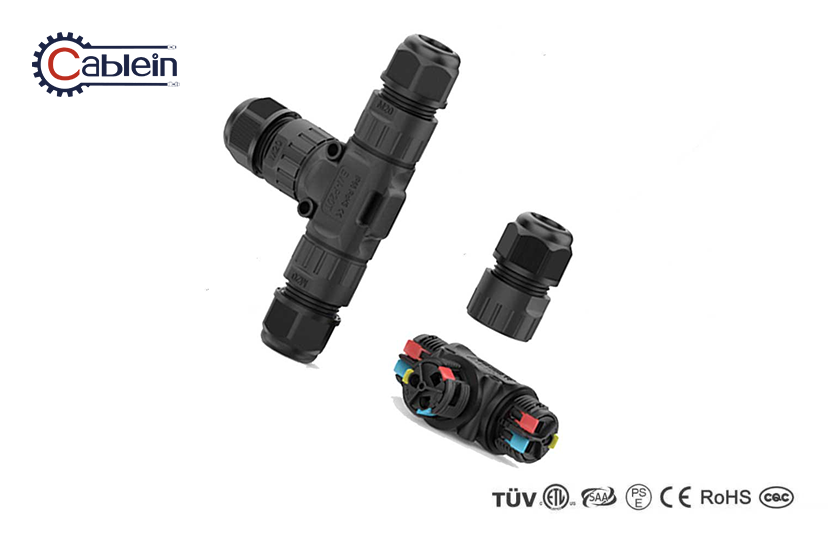
Cablein is an American high-tech business that has been making waterproof industrial connectors and custom cable assemblies for nine years. These things are used for: solar power, electric cars, energy storage, industrial automation, security and monitoring, medical devices, LED lights, and robots that can move underwater. There are also T/Y splitters and UL2238/EN61984-certified industrial plugs and jacks in this range. These are waterproof up to IP68. If you want to find a custom waterproof connector supplier that can make private molds and has patents on its designs, these facts will help you along the way.
Conclusion
If you want to find a custom waterproof connector supplier, ordering is the best way to do it. Before you buy a seal, read the IP test conditions that come with it and look at how it was designed, made, and packed. After that, write down your plan. Before you show your design to someone, make sure you understand how engineering works, who owns the tools, and how to keep the design a secret. Use a weighted evaluation to see what other sellers have to offer if you want to compare sellers. Don't just look at price per unit. You should agree to test runs and samples that will be used in production. You should also get exact prices for MOQ, tools, and shipping. If people don't follow these steps, they might have to deal with redesigns, broken seals, or disagreements over who owns something when they want to buy it. For a supplier to be the best, their quality, speed, and quick engineering help must all fit how the product will be used.
FAQ
1. Is IP68 always better than IP67?
Not at all. For up to 30 minutes at 1 m, IP67 only covers short-term immersion. IP68, on the other hand, covers ongoing immersion as long as the maker sets the conditions.
2. What documents should I request from a supplier?
Check the material's IP and electrical test results, as well as its testing standards, records of how each batch was made, and certificates that say what they cover and how long they are valid for. For one-of-a-kind projects, you should include rules for how to handle changes and tool templates.
3. Should I choose a molded or assembled connector?
Molded types are better for long-term or high-volume installations because they can handle more stress and have better sealing built in. On the job site, cables can be switched out, and types that are already put together can be fixed. You should also think about how much work, care, and loss there is, in addition to how much the parts cost.
4. What is a typical MOQ for custom connectors?
The MOQ changes based on the tools, length, number of years, and ease of use. Ask the provider to split the amounts that are needed for the prototype, the test run, and the big run.
Request a Custom Waterproof Connector Evaluation from Cablein
Are you ready to do something? You can trust Cablein as a custom waterproof connector supplier and manufacturer because it has more than 30 utility model patents. They can also make models for you. You can also get help from a professional at any time, seven days a week. Send your plans, information about the application, or examples of connectors to nick@cableinco.com by email so that we can look at the structure, IP rating, MOQ, and lead time.
References
1. IEC 60529: Degrees of Protection Provided by Enclosures (IP Code), 2013
2. IEC 61076-2-101: Connectors for Electrical and Electronic Equipment, M12 Connectors with Screw-Locking, 2012
3. ISO 9001: Quality Management Systems – Requirements, 2015
4. NEMA 250: Enclosures for Electrical Equipment (1000 Volts Maximum), 2020
5. Directive 2011/65/EU on the Restriction of Hazardous Substances (RoHS), 2011
6. Regulation (EC) No 1907/2006 on Registration, Evaluation, Authorisation and Restriction of Chemicals (REACH), 2006