What are the common applications for M25 overmolded waterproof connectors?
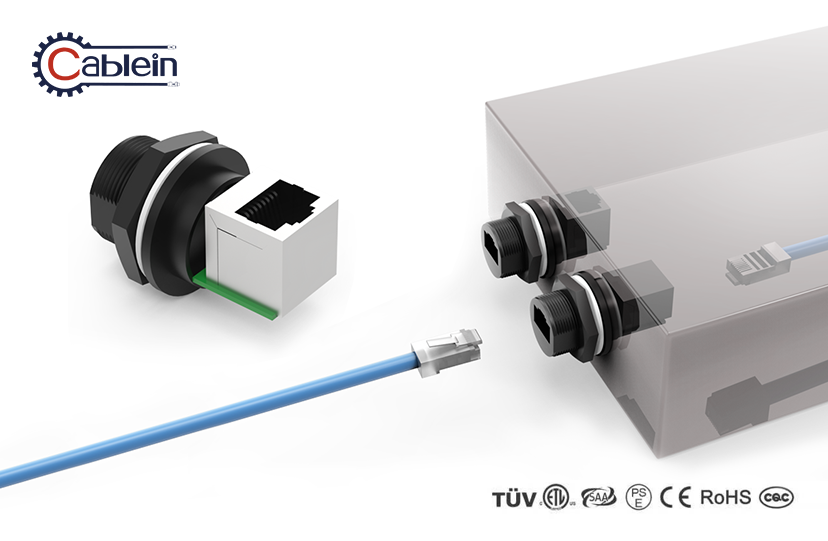
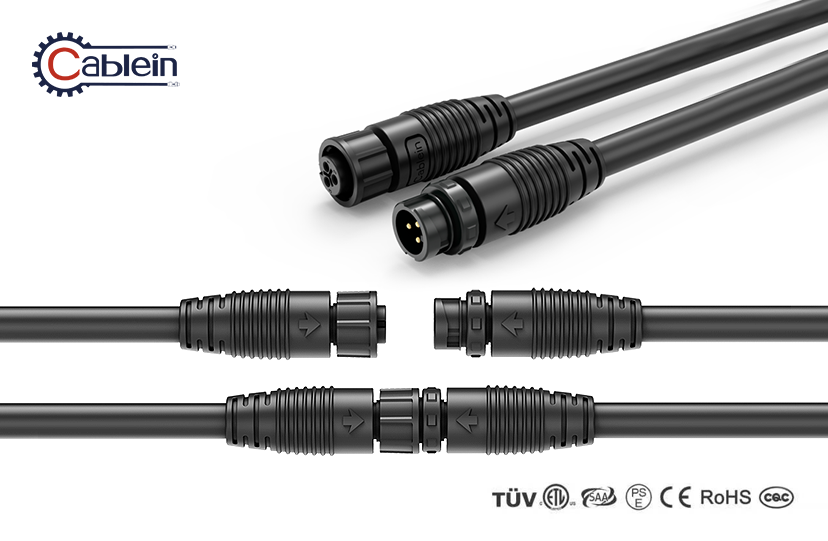
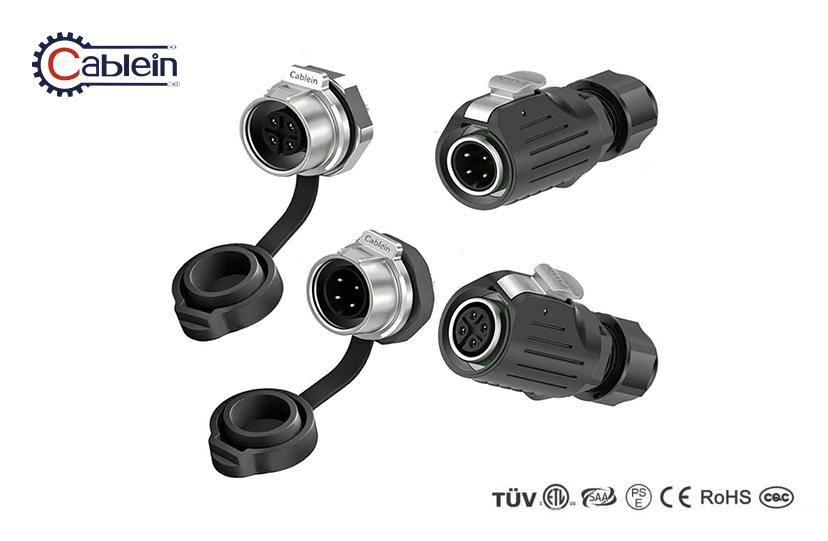
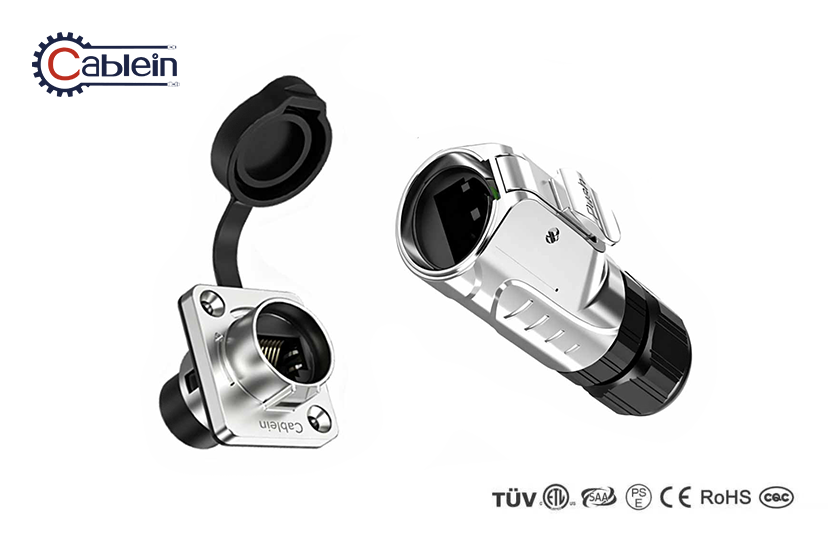
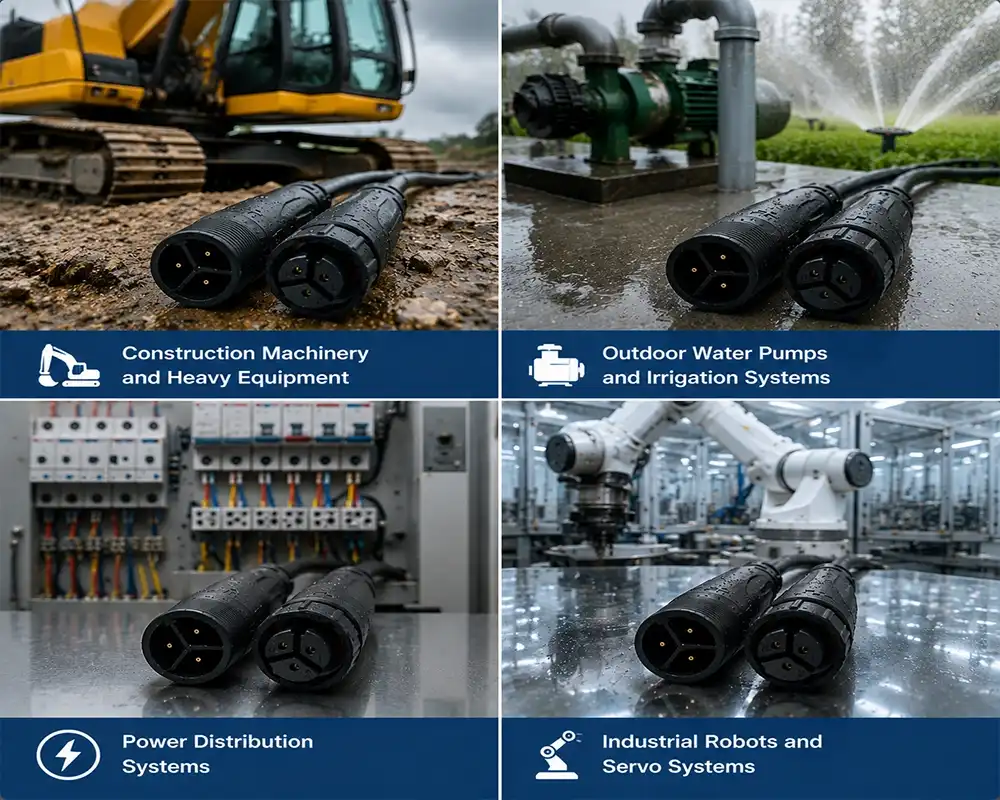
M25 Overmolded waterproof connectors are important for connecting things in many businesses that need strong protection from water, dust, and mechanical stress. These factory-built units combine the cable and connector into a single hermetically sealed part. They work well with outdoor LED lighting systems, renewable energy installations, industrial automation equipment, security surveillance networks, and rail transit infrastructure (IP67/IP68 rating). Their overmolded design prevents connecting mistakes in the field and gives them better strain relief and corrosion protection, which makes them essential in harsh settings where regular connectors fail.
Understanding M25 Overmolded Waterproof Connectors
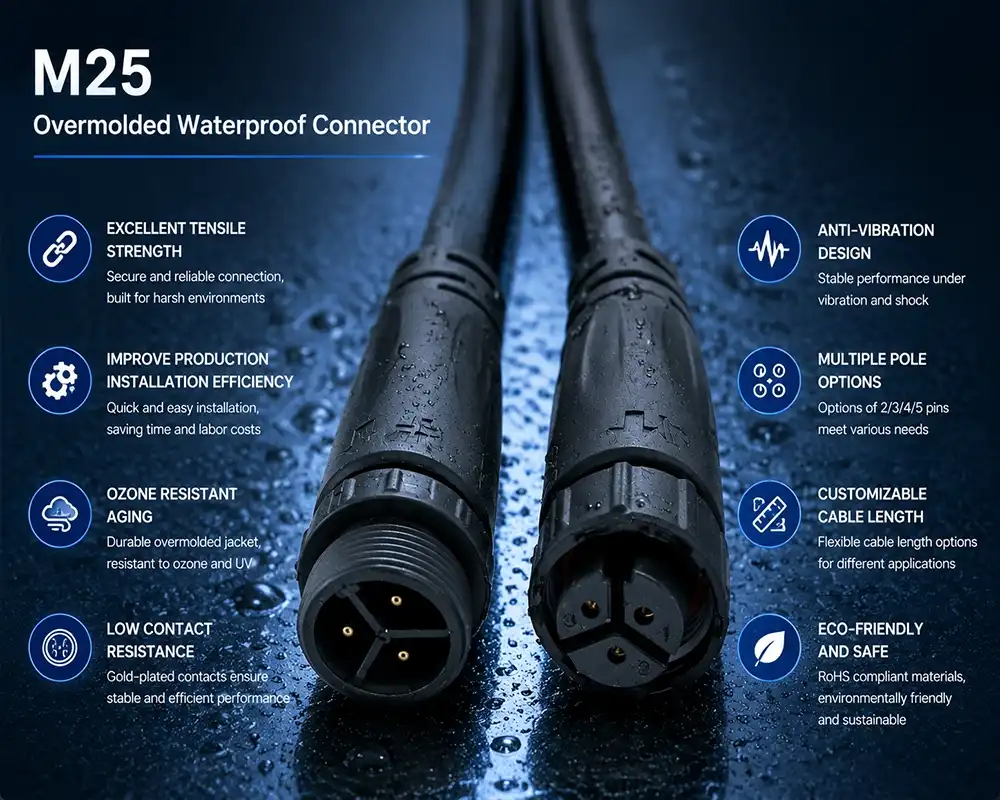
The 25mm metric thread connection system is what makes up the M25 connector family. It was designed for uses that need to handle a lot of power and be resistant to harsh environments. M25 Overmolded Waterproof Connectors use precise injection molding to fuse the wire jacket directly to the connection housing, while standard field-assembly connectors need to be sealed by hand. This way of making things makes a single structure that stops the wicking effect, which is a common way for cables to fail where water moves through the stranded cable and into the end point.
Core Construction and Materials
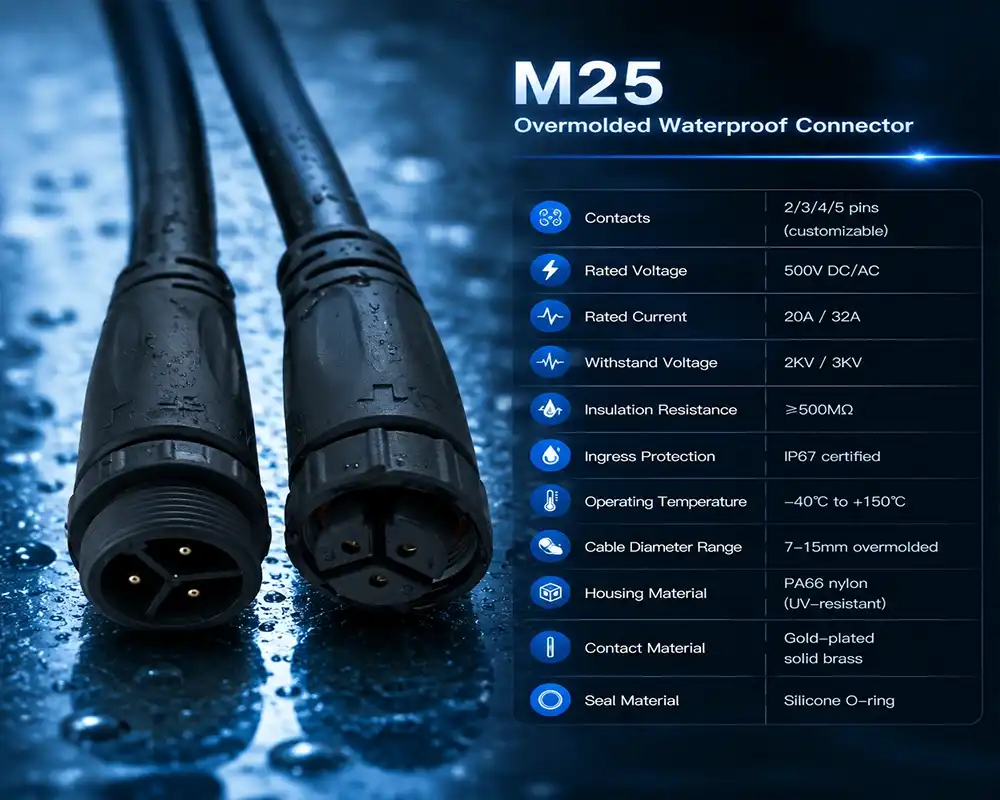
The outer housing is made of heavy-duty PA66 nylon, which is very resistant to impact and keeps its shape even when temperatures change. Gold-plated solid brass contact pins make sure that the electrical paths are low-resistance and stay that way even after hundreds of mating cycles. The silicone O-ring is the main waterproof barrier, and the overmolded transition zone spreads mechanical stress over a larger area, which keeps the cable from wearing out at the entry point. This multi-layer protection approach gets ingress protection scores of IP67 and IP68, which mean it can be used underwater for short periods of time or all the time.
Technical Specifications
With rated currents up to 32A for power transmission and 20A for signal applications, our M25 Overmolded Waterproof Connectors can hold 2 to 5 contact pins. The operating voltage ranges from 500V DC to AC, and tests for withstand voltage show that the dielectric strength is 3KV to 2KV. Insulation resistance is higher than 500MΩ, which stops leakage currents that could make the system less safe. With an operating temperature range of -40°F to 150°F, these connectors can be used in harsh climates, from solar farms in the desert to installations in the Arctic. The cable width can be anywhere from 7mm to 15mm, so it can be used with different wire sizes and jacket materials.
Common Industrial and Commercial Applications of M25 Overmolded Waterproof Connectors
These interconnect options are very flexible because they can keep their electrical integrity in situations where regular links would break. We've seen steady adoption in all areas where machine downtime directly costs money or puts people in danger.
Outdoor LED Lighting and Signage
Power distribution that works well in rain, snow, and changing temperatures is needed for street lighting networks that cover miles of city infrastructure. Connectors for stadium lighting systems must be able to handle high-wattage fixtures that are mounted at high levels, where maintenance access is hard to get to and costs a lot. The overmolded design gets rid of the most frequent place where outdoor lighting fails: where the cables meet, letting water in. This means that in properly installed systems, the lights will last longer than ten years. In the same way, landscape lighting systems are helpful, especially in areas that get a lot of water or salt from the soil, which speeds up corrosion.
Renewable Energy Systems
Solar photovoltaic arrays use panels that are constantly exposed to UV light, temperature changes, and rain to turn sunlight into electricity. In these spread generation systems, junction boxes, inverters, and tracking gear are all linked by M25 overmolded waterproof connectors. When wind turbine pitch control systems are used offshore or near the coast, they have to deal with salt spray and vibrations that not many long-term connection solutions can handle. These links are perfect for installing on nacelles and tower bases because they are made of materials that don't rust and have an overmold design that reduces vibrations. In the same way, waterproof connections between cell modules and power management electronics are needed for battery energy storage systems, especially when they are used in outdoor containers.
Industrial Automation and Robotics
Sanitation with high-pressure hot water and harsh cleaning chemicals is required every day in places that make food. Connectors that meet the even stricter IP69K standard are needed for sensors that check fill levels, temperature, and product flow. The overmolded design doesn't break down during these washdown procedures. When automated guided vehicles move around warehouse floors, they come across spills, condensation, and floor cleaning tasks that would damage weaker connectors. In the automobile industry, cutting fluid and vibrations from pneumatic tools can affect robotic assembly cells. In these situations, the strain relief qualities of overmolded transitions keep the parts from breaking too soon.
Security and Surveillance Networks
Outdoor CCTV cameras that watch over parking lots, perimeters, and transportation hubs are always on, no matter the weather. One waterproof wire arrangement is all these cameras need to connect to power and data. In smart city deployments, things like license plate recognition, traffic flow analysis, and emergency call boxes are all connected to make networks that cover whole towns. Because M25 Overmolded Waterproof Connectors are made in the workshop, they are easier to install and don't require training like field-terminated options do. For big projects, this means that installers only have to route pre-assembled wire runs and make safe mechanical connections. This saves a lot of money on labor costs.
Rail Transit and Transportation Infrastructure
Electrical connections that are exposed to the trackside environment are used by railway signal systems to control track switches, crossing gates, and signal lights. Vibrations from trains going by, ballast dust, and freeze-thaw cycles can all make connectors less reliable. Overmolded forms give these systems the mechanical strength they need, and their useful lives are measured in decades instead of years. Charging stations for electric cars, especially DC fast-charging units that give 150kW or more, produce a lot of heat and need cooling devices that could spray water on the connectors. The temperature range of -40°C to 150°C covers both the cold and hot conditions of outdoor sites and the heat that is made during high-current charging processes.
Comparing M25 Overmolded Connectors with Other Connector Types for Application Suitability
When making a purchase decision, you have to weigh the upfront cost, the difficulty of installation, and the total cost of ownership over the lifecycle of the equipment. Knowing these differences helps you choose the right connection.
Standard M25 vs. Overmolded M25
Installers put together traditional M25 connectors' separate cable glands and strain relief mechanisms while the connectors are still in the field. This method lets you change the length of the cables on-site, but it also increases the chance of human error. Waterproofing can be lost if the gland twist is wrong, the O-ring is placed incorrectly, or there is contamination during assembly. M25 Overmolded Waterproof Connectors come as finished parts that were tested in the factory for things like Hoover leaks and insulating resistance. When hundreds of connection points are needed for a project, the difference in labour costs becomes big because installation time has a direct effect on project schedules.
M20 and M32 Size Considerations
The M20 connector size works well for uses that need less power and cables with smaller diameters. It can usually handle up to 16A with two to three pins. The small profile is good for installations with limited space, but the lower thread engagement means there is less mechanical retention force. On the other hand, M32 connectors can handle heavier cables and more pins, which means they can support large control panels and industrial motors. The M25 standard is in the middle, combining the amount of current with the size that makes sense. A lot of equipment makers use M25 as a standard because it makes managing supplies easier across all of their products.
Performance Against Generic IP68 Solutions
Not all connectors with an IP68 rating work as well as others. Different manufacturers use different testing methods. Some only certify against short immersion, while others certify against continuous immersion at depth. The overmolded design naturally offers better long-term dependability because the stability of the seal doesn't depend on the skill of the installation or the upkeep of separate sealing parts. Cable assemblies with standard IP68 connectors might meet the requirements at first, but they break down more quickly when they are put under mechanical stress, UV light, or chemical contact. The strengthened engineering plastic body and stainless steel parts in high-quality overmolded designs keep working for the full rated service life.
Installation, Maintenance, and Best Practices for Application Success
To work at their best, even factory-assembled parts need to be handled and put together correctly. We suggest a number of actions that will increase operating life and keep things from breaking down too soon.
Installation Guidelines
A pre-installation inspection makes sure that the cable jacket is intact and that the connector housing is clean. M25 Overmolded Waterproof Connectors should engage smoothly without cross-threading, which could damage the coupling nut or housing threads. Different manufacturers have different torque requirements, but for non-metallic housings, hand-tight plus quarter-turn is usually enough. Do not tighten too much, as this could damage the O-ring or cause the frame to crack. When moving the cable, it should be kept from making sharp turns within 150 mm of the connection, and the minimum bend radius for that type of cable should be kept. Using the right clamps or cable trays to hold cables in place stops mechanical stress from building up at the overmolded transition.
Routine Maintenance Protocols
Every six months, a visual inspection finds UV damage, mechanical damage, or contamination that needs to be fixed. Using a mild detergent to clean the outside surfaces gets rid of salts, oils, and other things that could speed up the breakdown of the material. Solvents should not be used unless they are specifically allowed for the housing material. Some chemicals can damage nylon or flexible elastomers. Electrical testing with insulation resistance meters shows that there is no moisture ingress; readings below 100MΩ show that the seal might be broken. Using thermal imaging while the system is running can find high-resistance contacts before they completely break, so they can be replaced before they fail during planned maintenance windows.
Troubleshooting Common Issues
Micro-movements caused by vibrations that raise contact resistance are a common cause of intermittent connection. These problems might go away if you make sure the locking mechanism is engaged and add extra strain relief. If a connection fails completely, it needs to be checked right away for physical damage, moisture intrusion, or contact corrosion. If there is water inside the connector housing, it means that the seal has failed, which could be due to a problem with the production process or with the fitting. It is more reliable to replace the whole cable assembly than to try to fix overmolded units in the field, since they are built in a way that makes disassembly impossible.
Procurement Insights for B2B Clients: Selecting M25 Overmolded Waterproof Connectors
Minimum performance requirements are set by engineering specifications. However, when choosing suppliers, there are other factors that affect the success of the project that go beyond technical compliance.
Quality Assurance and Certification Requirements
Getting ETL and CE certifications under ISO9001 production shows that you are committed to quality management that is always the same. RoHS compliance limits dangerous substances and is becoming more and more necessary for equipment to enter European and North American markets. Electrical safety and performance claims are checked by a third party, TUV. Specification inflation can be avoided by asking for test results for specific M25 overmolded waterproof connectors instead of depending on general approvals. People are more likely to trust a supplier who gives them full paperwork, such as material composition, testing methods, and quality control procedures, than one who just gives them basic datasheets.
Customization and OEM Capabilities
Standard catalogue items cover most needs, but custom solutions improve performance and lower the overall cost of the system. Customizing the length of the cable gets rid of extra material and the work that comes with cutting and fixing slack. By changing the number of pins and how they are arranged, hybrid configurations can be made that use a single connector for both power and signal. The type of material used for the jacket—PVC, PUR, or TPU—depends on the chemical exposure or flexibility needs. Putting company logos and part numbers on products makes keeping track of inventory easier and improves the way people think about quality. Suppliers that can create molds and make fast prototypes in-house can cut down on the time it takes to make new products for specific uses.
Total Cost of Ownership Analysis
Lifecycle cost is much higher than the purchase price. Pre-assembled connectors often explain higher prices because they save installers time and effort, especially on large-scale operations. Failure rates have a direct effect on machine performance and repair funds. The terms of the warranty and the availability of expert help affect how the risk is shared between the buyer and the seller. Whether projects have to wait or pay extra for faster production depends on how bulk pricing works and how much inventory is available. Instead of buying through multiple layers of distribution, building relationships with manufacturers usually leads to better technical support and more customization options.
Conclusion
Material science, precision production, and application-specific engineering all come together in M25 Overmolded Waterproof Connectors. Their use in LED lights, renewable energy, industrial automation, security networks, and transportation infrastructure shows that they work well in places where other options don't. The factory-integrated design gets rid of the need for field-assembly factors and offers better mechanical security and sealing against the environment. When procurement professionals look at these interconnect solutions, they shouldn't just look at unit price; they should also look at supplier certification, customization options, and the total cost of ownership. With the right specifications and placement, these connections will last for decades without needing any repairs.
FAQ
1. What maximum cable diameter works with M25 overmolded connectors?
The injection molding cable width ranges from 7 mm to 15 mm, and wire gauges from 12 AWG to 18 AWG can be used, based on the insulation thickness and number of conductors. For specific uses that need heavier cables or more shielding layers, custom mold designs can make this range bigger.
2. Can these connectors withstand submersion in saltwater environments?
IP68-rated M25 overmolded waterproof connectors using PUR jacket materials and passivated stainless steel hardware resist saltwater corrosion effectively. The sealed construction and UV-resistant housing polymers keep galvanic corrosion from happening at the cable-connector contact. This means that they can be used in marine and seaside systems as long as they are properly described.
3. How does factory assembly improve reliability compared to field-terminated alternatives?
Controlled manufacturing processes, such as automatic stripping, crimping, and overmolding, are used to make pre-assembled connectors. These processes include quality checks built in. This gets rid of factors like the skill level of the installer, contaminated environments during assembly, and incorrect placement of sealing components that commonly lead to field-terminated connector failures. At the plant, vacuum leak tests and electrical checks make sure that every unit meets the requirements before it is sent out.
Partner with Cablein for Industrial-Grade M25 Overmolded Waterproof Connector Solutions
Cablein Technology offers waterproof connecting solutions that are made to order and are backed by over 30 useful patents and 9 years of manufacturing excellence. As a provider of M25 Overmolded Waterproof Connectors, we can change the pin configuration, the length of the wire, and the material to meet your unique environmental needs. Every part goes through strict testing procedures to make sure it works well in temperatures ranging from -40°C to 150°C. Our dedication to meeting foreign standards is shown by our ETL, CE, and RoHS approvals under ISO9001:2015 quality management. We can support both pressing operations and planned production needs because we keep an inventory of more than 10,000 pieces per SKU and can deliver standard setups in 7 to 10 days. Our engineering team is available 24 hours a day to help you choose the best connectors for your needs. Email nick@cableinco.com to talk about how our custom overmolded waterproof connectors can make your system more reliable and lower the cost of installation as a whole.
References
1. Chen, W., & Liu, S. (2021). Waterproof Connector Design for Harsh Industrial Environments. Industrial Electronics Press.
2. Hoffman, R. (2020). Cable Assembly Engineering: Materials, Methods, and Testing Standards. Technical Publishing International.
3. International Electrotechnical Commission. (2019). IEC 60529: Degrees of Protection Provided by Enclosures (IP Code). IEC Standards Publications.
4. Martinez, J., & Thompson, A. (2022). Overmolding Technology in Electrical Connectors: Manufacturing Processes and Quality Control. Journal of Manufacturing Technology, 45(3), 112-128.
5. Peterson, K. (2021). Renewable Energy Infrastructure: Components, Installation, and Maintenance Best Practices. Green Technology Publishers.
6. Wu, Y., & Zhang, H. (2020). Corrosion Resistance of Thermoplastic Materials in Outdoor Applications. Materials Science Quarterly, 38(2), 201-219.