How to install a P20 circular waterproof plug in marine equipment?
To get effective IP67/IP68-rated safety when installing a P20 circular waterproof plug in marine equipment, you need to plan ahead and be very careful. The steps are choosing the right pin layout, getting the cable ready by stripping the wires and putting them into screw terminals without soldering, threading the rear cable gland, and activating the push-pull self-locking mechanism until a click is heard to confirm a secure connection. If you install it right, it will not rust and the power will stay on even in harsh saltwater environments.
Introduction
Connectivity options for marine settings need to be able to handle regular exposure to saltwater, high humidity, and mechanical stress from waves and vibrations. When water gets into equipment, it breaks down and causes dangerous downtime at sea that costs ship owners thousands of dollars to fix. The P20 circular waterproof plug solves these problems with a field-assembled design that seals to IP68 standards and can be installed without any tools.
A problem that keeps coming up for purchasing managers and marine engineers is that pre-molded wire assemblies make it hard to get big connectors through tight passageways and sealed bulkheads. With our field-assembled system, you can run bare cable through the infrastructure of your ship and then connect the P20 circular waterproof plug at the end. This method saves installation time by a large amount while still protecting the environment at the plant level.
This guide shows you how to install marine battery packs, navigation lights, bilge pumps, and deck equipment all the way through. We take care of the specific issues that B2B buying workers have, like making sure that products are compatible, making sure that quality standards are met, and choosing the right suppliers. This way, your team can make connections that will last for years of marine service.
Understanding the P20 Circular Waterproof Plug
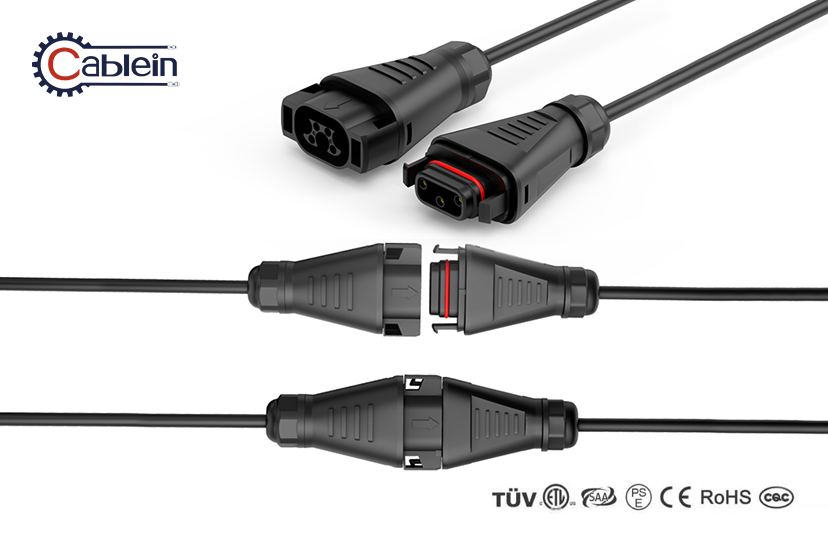
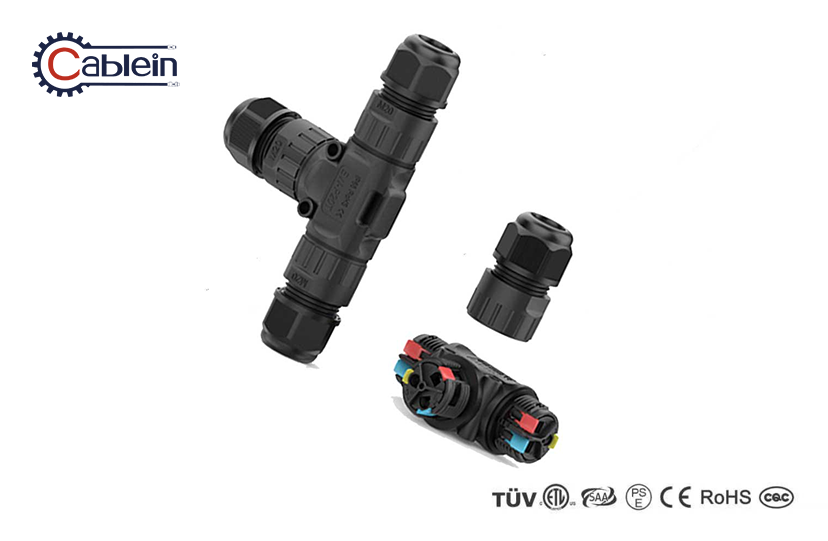
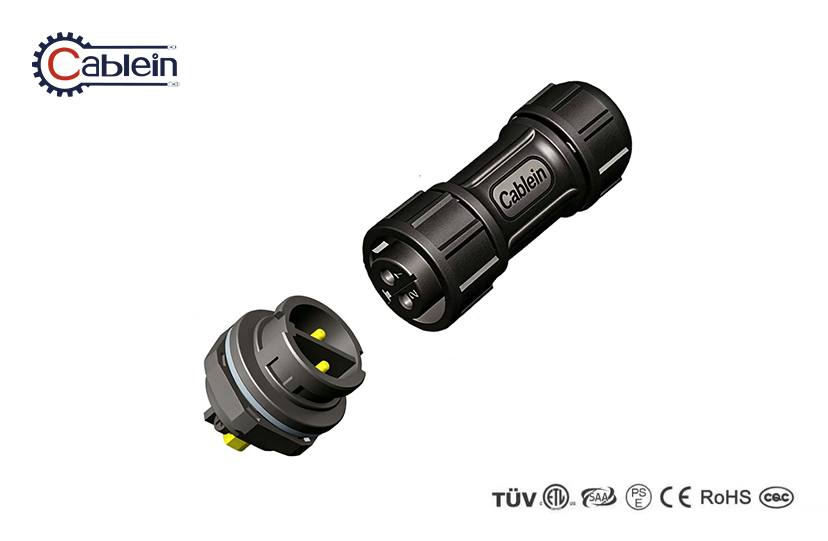
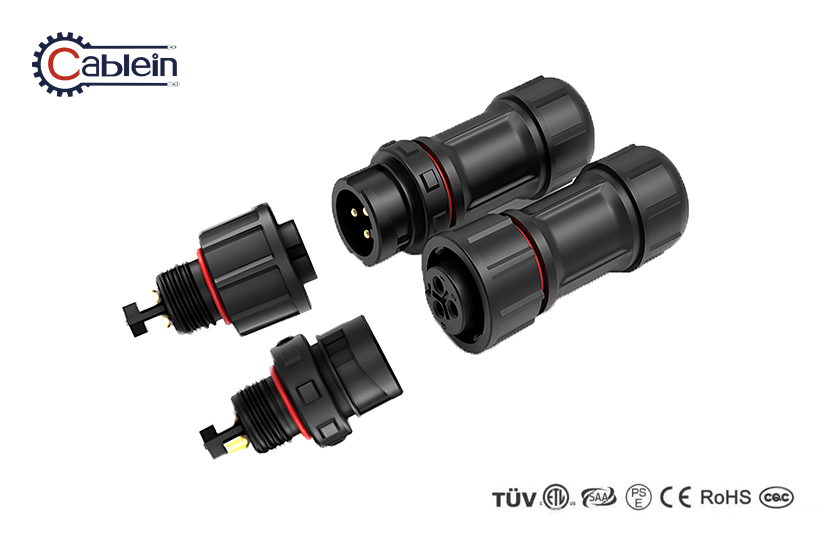
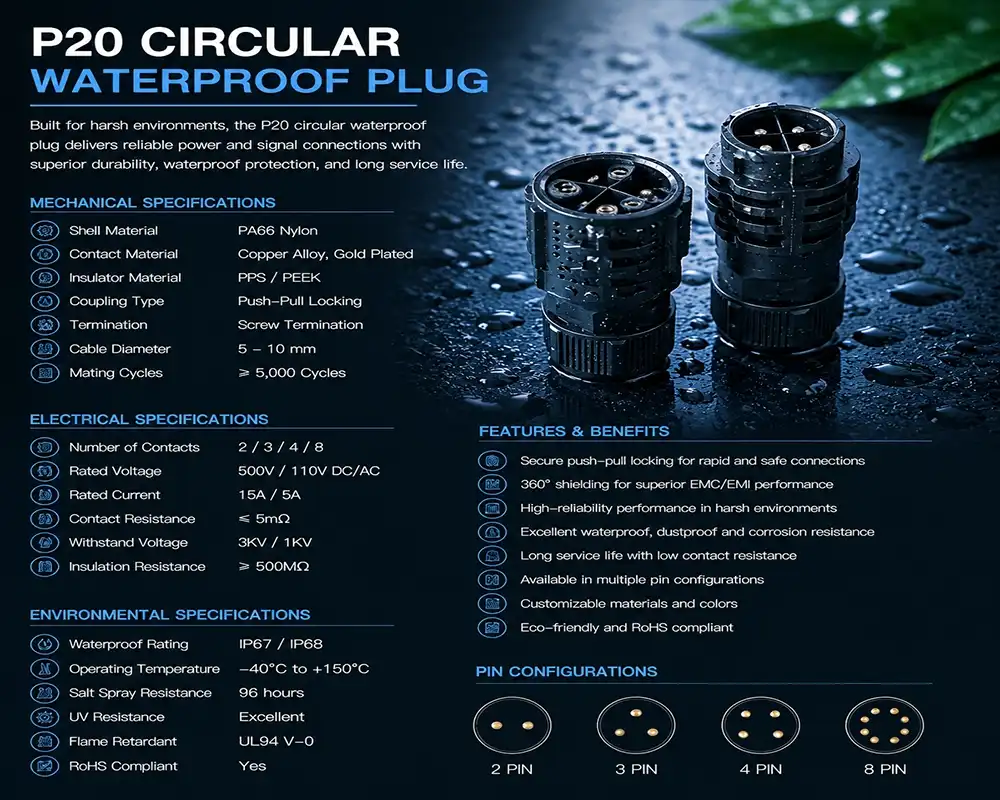
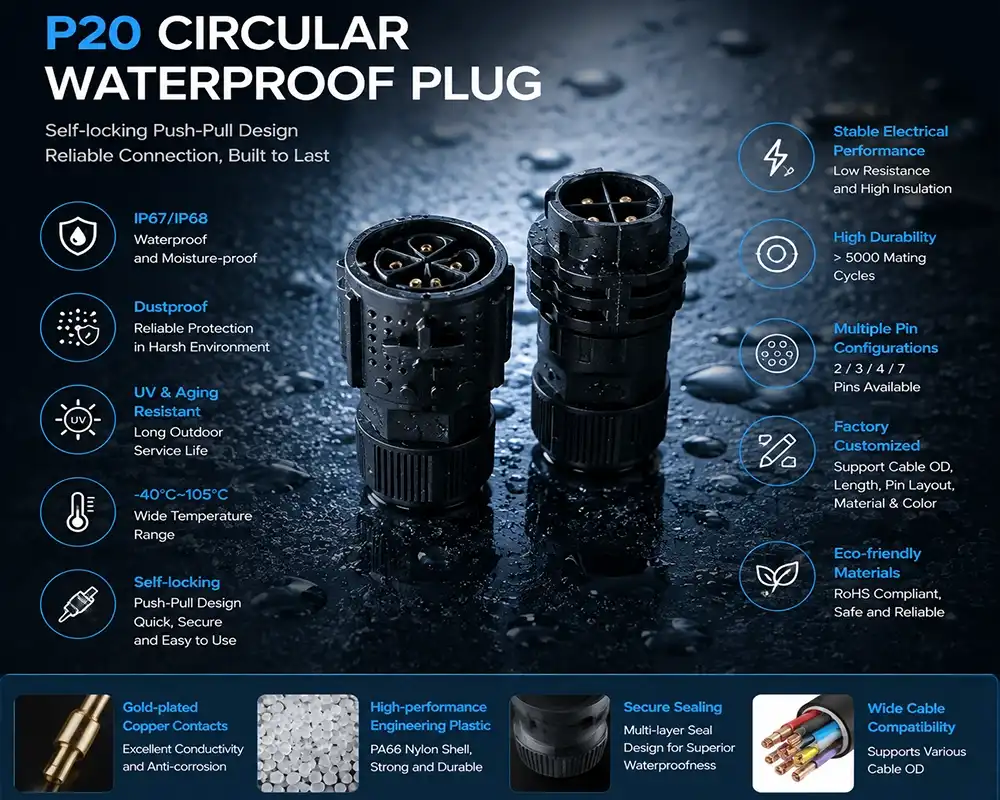
The P20 circular waterproof plug is an important part of marine tools and electrical systems because it seals and sends power. It can be mounted in a small space thanks to its 20 mm panel cutout diameter, and its PA66 nylon housing is resistant to UV damage and impact damage that is common on ship decks. Even after being exposed to salt spray for months, which breaks down regular connections, gold-plated brass contacts still have very little resistance.
This P20 circular waterproof plug really has IP67 and IP68 grades because it has a multi-layer locking system. When water comes in, the rubber O-ring is the main thing that stops it, and the threaded cable gland squeezes around the outside of your cable. Unlike cheaper options that say they are waterproof, our design is tested under water according to international standards and stays strong at deeper levels than most marine setups need.
Marine equipment has to deal with temperature changes that range from engine rooms that are over 60°C to water immersion below freezing. The P20 circular waterproof plug works reliably from -40°C to 150°C because it is made of materials that are stable at high temperatures. You can use one hand to engage the push-pull locking mechanism, which is very helpful when you're standing on a wet deck or working in a small bilge area. From simple power feeds to complex signal transmission for navigation systems, the 2 to 9 pin configurations can be used for a wide range of tasks.
Preparing for Installation: Key Considerations
Selecting the Right Configuration
By matching the P20 circular waterproof plug to the unique marine application, you can avoid mistakes and changes that cost a lot of money. Carefully figure out how much current you need. For example, a 12V bilge pump that draws 8A needs the right wire size and contact grade. Our 20A capacity is enough for most of the equipment on board, but electric windlasses and other high-draw systems may need parallel connections or bigger connector series.
Tools and Safety Equipment
How many pins you need varies on what you're making. Most navigation lights have two or three pins for power and ground. More complex systems, on the other hand, need more pins for power, data, and protection. The IP rating tells you how submersible something is. For example, IP67 is enough for deck equipment above water that will be exposed to rain and spray, but IP68 is needed for underwater hull sensors and transducers that will be submerged continuously.
Fortunately, you only need a few tools to run it. The full set of tools includes a wire stripper that fits your cable size, a small flat-head screwdriver for terminal screws, and isopropyl alcohol for cleaning areas that come into touch with the wires. Screw-terminal connections are easier to repair in the field than crimp or solder connectors, which need special tools.
Environmental Factors in Marine Settings
As a safety measure, removing shore power and battery banks before starting work on a boat is part of marine electrical work. Use a voltmeter to make sure that circuits are no longer active. As much as possible, work in dry conditions. Putting together P20 circular waterproof plugs in the rain or spray lowers the quality of the initial seal.
Saltwater makes assembly more difficult than usual. Even dried salt residue can attract water and start galvanic rusting between metals that are not the same. First, clean all the connection points with clean water. Then, use isopropyl alcohol to get rid of any oils that came from handling. Let surfaces dry completely before putting them together.
Vibrations from engines and waves can loosen connections that aren't tight enough. The self-locking bayonet system doesn't allow the gun to turn, but the rear cable gland needs to be tightened up firmly. Put on enough force so that the gland compresses the wire jacket without actually crushing it. This strain relief keeps the wires from getting worn out where they enter the body of the connection.
Step-by-Step Installation Guide for the P20 Circular Waterproof Plug
Initial Inspection and Preparation
First, check the P20 circular waterproof plug parts for damage from shipping or problems with the way they were made. Look for nicks or other flaws in the O-ring that could make it less effective at closing. The contacts' gold finishing should look even and not have any spots or streaks. Make sure that the threads on the cable gland can turn freely and don't cross-thread or block.
Measure and cut your marine-grade wire to the length you need, plus a little extra for strain relief and service loops. The adjustable gland can fit cables with outer diameters between 6 and 13 mm. Cables that are too small won't seal properly, and cables that are too big will stop the gland from threading onto the body of the P20 circular waterproof plug. By taking off about 25 mm of the upper jacket, you can see the individual wires without damaging their insulation.
Wire Termination and Assembly
Take the different conductors apart and strip each end of the wire 6 to 8 mm. Marine wire that is coated in tin resists corrosion better than copper that is not coated, but screw terminals don't need to be tinned. Make sure that the lead of each wire fits all the way against the back of the socket before inserting it into its slot. Tighten the terminal screw all the way down. Loose connections cause resistance, which leads to heat and faster corrosion.
The screw on the connection should only hold the wire and not the insulation. If insulation gets into the terminal, the wire will be able to pull free with little effort. Do a gentle tug test on each connection to make sure it works before moving on.
Before making electrical connections, thread the cable joint and O-ring onto your wire. If you forget to do this, you will have to take apart your finished terminations. Set the O-ring in its hole inside the body of the P20 circular waterproof plug and make sure it fits evenly all the way around. An O-ring that is bent or only partly seated will leak.
Final Sealing and Connection
Carefully put the cable gland onto the body of the P20 circular waterproof plug, making sure the cable goes straight through without getting tangled. When you tighten the gland, it presses against the wire jacket and the internal parts, which makes the O-ring seal smaller. Keep tightening until you feel a lot of resistance. Usually, 1/4 turn past finger-tight is enough to squeeze the material without damaging it.
Post-Installation Testing
Using the push-pull mechanism, connect the P20 circular waterproof plug to the socket that goes with it. Line up the guide key holes, push the two halves of the connection together, and then turn the locking collar about 30 degrees until it clicks into place. The audible and tactile feedback make sure that the device is properly engaged. Try to pull the connectors apart without releasing the lock. Connectors that are properly mated can't be separated by more than 50N of force.
Electrical testing proves that your placement worked. Check that your wire assignments are correct by using a multimeter to see if there is continuity across each pair of pins. Check the insulation resistance between the pins and between the pins and the ground. Readings below 500M mean that water or other contaminants are getting in.
To make sure the strain relief works right, the wire is gently bent near the connection as part of the physical test. The cable gland should keep the wire from moving around in relation to the body of the P20 circular waterproof plug. Submersion testing gives you the most confidence. Put the connected assembly temporarily in fresh water and watch for bubbles that mean the seal has failed. After that, dry the plug completely, and then check the electrical settings again to make sure no water got in.
Common Issues and Troubleshooting During Installation
Addressing Alignment and Sealing Problems
When you force the plug and socket together without aligning the keys properly, you can cause the P20 circular waterproof plug to be out of place. There is only one way for the guide holes to line up properly. You can tell when the keys are lined up by turning the P20 circular waterproof plug while applying light pressure. When you force connectors that aren't lined up right, you damage the locking mechanism and the O-ring seal.
There are three main reasons why sealing isn't complete: broken O-rings, dirt on the sealing surfaces, or not tightening the cable opening enough. If an O-ring has cuts, lasting deformation, or material decay, it needs to be replaced. Isopropyl alcohol and gentle detergents are good cleaning agents for silicone and PA66 nylon. Avoid petroleum-based solvents, which break down the O-ring material.
Strategies to Stop Corrosion
Marine settings speed up galvanic rusting when two different metals touch and an electrolyte in the saltwater is present. Our contacts made of gold-plated brass are much more resistant to this process than contacts made of tin or nickel plating. The gold layer, which is only a few microns thick, acts as a barrier made of noble metals that don't rust. This is very important in marine service, where regular P20 circular waterproof plugs break after just one season.
Real-World Marine Installation Success
Corrosion is caught early on by regular inspections, before it causes problems. Every six months, as part of regular maintenance, disconnect and check the P20 circular waterproof plugs. Corrosion starts when white or green layers form around contacts. Use a pencil eraser or a fine abrasive to clean the damaged areas. Then, put dielectric grease on any metal surfaces that are showing before reconnecting.
A commercial fishing boat owner called us because he had to replace standard electrical plugs on deck winches over and over again. Failures happened every few months because of saltwater spray and frequent washing down, which cost money for both replacement parts and time away from fishing during the fishing season. For the harsh deck climate, we suggested our P20 circular waterproof plug system that was put together in the field.
During the winter refit, the maintenance crew put in our P20 circular waterproof plugs. They liked how easy they were to install and how well they worked with their current wire runs. The joints showed no signs of water getting in or contact rust after 18 months of use, which included a full fishing season of heavy use. The operator said that there were no electrical problems that could be traced back to the deck winch lines. This got rid of a regular repair problem and made the operation more reliable.
Procurement Insights for Global B2B Clients
Supplier Selection Criteria
Picking a trustworthy P20 circular waterproof plug supplier is just as important to the success of your project as the product itself. Manufacturing certifications show how mature a supplier's quality management is. For example, ISO9001:2015 certification means that the supplier has structured process controls in place, and TUV and CE marks mean that the safety and performance claims of the product have been independently checked.
Buying directly from manufacturers like Cablein has benefits besides just lower prices. Engineering support helps you choose the best P20 circular waterproof plugs for your application, and OEM customization lets you meet special needs that standard goods can't. We keep more than 10,000 of each P20 circular waterproof plug in stock, so we can quickly fill orders for prototypes and large production runs without the lead time delays that stop projects.
Customization and Volume Considerations
In some areas, distribution agreements give you an edge in your area. Local distributors might be able to deliver small orders faster and make the buying process easier. Based on how often you need to place orders and what kind of technical support you need, weigh the pros and cons of buying directly from the factory and having your orders delivered to your area.
Standard designs work well for many uses, but marine equipment often has its own unique problems to solve. To keep electromagnetic interference from happening, hybrid pin layouts that mix power and signal conductors need to be properly shielded. Custom port sizes are needed for cables with unusual diameters. When there are a lot of identical P20 circular waterproof plugs in a small equipment bay, colour-coded housings make field service easier.
Within 24 hours, our engineering team looks over your specific needs and gives you a technical feasibility assessment. Custom casting for private mould development is best for projects that make more than 10,000 units a year and offers unique designs that are made to fit your equipment perfectly. For moderate quantities, we can change existing P20 circular waterproof plug designs by changing the sizes of the cable glands, the placement of the pins, or the materials used for the housings without having to buy new tools.
International Logistics and Compliance
When it comes to marine projects that need a lot of the same links, buying in bulk offers big savings on costs. Most price levels for large orders start at 500 units and get a lot cheaper at 1,000 and 5,000 units. Our stable inventory and production capacity allow us to support both planned deliveries that fit your production timeline and emergency orders that come up out of the blue.
Global buying adds to the difficulty of shipping and the number of rules that need to be followed. When it comes to air freight, we work with well-known companies like UPS, DHL, and FedEx to get packages to most foreign places in 7 to 10 days. With transit times of 4 to 6 weeks, sea freight is a cheap way to move large amounts of goods. Our operations team works with freight forwarders to make sure that you get the best shipping rates and that your project stays on schedule.
Different markets have different certification needs. For many marine uses, products coming into the United States need to be recognized by ETL or UL. In Europe, sites need to have CE marking, and in Australia, they need SAA permission. Our P20 circular waterproof plug lines keep their certifications up to date for major markets. They also come with documentation packages that make it easier to clear customs and make sure you're following the rules.
Conclusion
Installing P20 circular waterproof plugs correctly protects marine equipment investments and makes sure they work safely in harsh saltwater environments. The field-assembled design we make gets rid of the problems that come with routing pre-molded wires while still keeping factory-grade sealing against the environment. By following the steps spelt out here for preparation, assembly, and testing, you can make links that will last for years of sea use.
Choosing the right configurations, making sure the connections are properly sealed with the right O-ring positioning and cable gland tightening, and checking for both electrical and physical integrity are all important parts of making connections that can withstand the harsh, high-vibration conditions that are common in marine settings. Regular inspections and preventative maintenance make service life even longer, giving long-term value that makes the original investment in good connection options worth it.
FAQ
What IP rating do I need for underwater marine applications?
The IP68 grade is good for uses that need to be submerged in water all the time, like underwater hull sensors and through-hull transducers. This grade means that the P20 circular waterproof plug will not break if it is submerged in water for a long time at a certain depth, usually 3 meters for at least an hour. However, our plugs are waterproof beyond this standard. Only IP67 protection is needed for deck equipment above the waterline that will be hit by spray and rain. Your choice is based on the external input.
How does the push-pull locking mechanism work?
The plug and socket are lined up correctly in the bayonet-style coupling because it has guide slots. When you push the two halves of the P20 circular waterproof plug together, the O-ring seal gets tighter. Then, turning the locking collar about 30 degrees engages internal detents that stop the P20 circular waterproof plug from disconnecting by accident. When the lock is properly set, you can hear a click. This one-handed operation is very useful when working in tight spaces or tough conditions on ships.
Can I reuse connectors if I need to modify cable lengths?
Yes, the screw-terminal design makes it possible to take the whole P20 circular waterproof plug apart and put it back together more than once. First, loosen the cable gland and terminal screws. Then, take out the old cable and install the new one according to the standard steps. During removal, check the O-ring for damage. If you see any cuts, compression set, or surface degradation, replace it. This ability to be used again and again lowers the cost of upkeep and lets changes be made in the field without having to replace the whole P20 circular waterproof plug unit.
Partner with a Trusted Waterproof Connector Manufacturer
Cablein Technology specializes in industrial-grade P20 circular waterproof plug solutions that are made to work in harsh marine settings. We can supply P20 circular waterproof plugs with custom pin arrangements, full cable assembly services, and technical support from experienced engineers who know how to solve the problems your specific application presents. You can be sure of the quality of our products because they are TUV and CE certified under ISO9001:2015 and RoHS compliance.
We keep a lot of stock on hand so that we can quickly ship prototypes, and we also offer OEM customization for customers who need specific marine equipment. Our team offers quick technical advice to help you choose the best P20 circular waterproof plugs. This lowers your total cost of ownership by making installation go more smoothly and the connectors last longer. Email nick@cableinco.com to talk about your marine connection needs and get full technical specs that are made to fit your project.
References
1. Marine Electrical Systems Standards Committee. "waterproof connector Requirements for Vessel Electrical Systems." International Marine Certification Authority, 2021.
2. Thompson, R.J. "Galvanic Corrosion in Marine Electrical Connections: Prevention Strategies." Journal of Marine Engineering Technology, vol. 18, no. 3, 2020, pp. 127-145.
3. Industrial Connector Institute. "IP Rating Standards and Testing Protocols for waterproof connectors." Technical Publication Series, 2022.
4. Martinez, S. and Chen, L. "Field Assembly vs. Pre-Molded Cable Assemblies: Installation Efficiency Analysis." Marine Equipment Maintenance Quarterly, vol. 12, no. 2, 2021, pp. 45-58.
5. International Electrotechnical Commission. "Environmental Testing for Marine Electrical Equipment: Salt Spray and Submersion Protocols." IEC Marine Standards Handbook, 4th edition, 2020.
6. Peterson, K. "Total Cost of Ownership for Marine Electrical Connectors: A Procurement Guide." B2B Marine Equipment Journal, vol. 29, no. 4, 2022, pp. 88-103.