What are the common applications for P16 push-pull waterproof connectors?
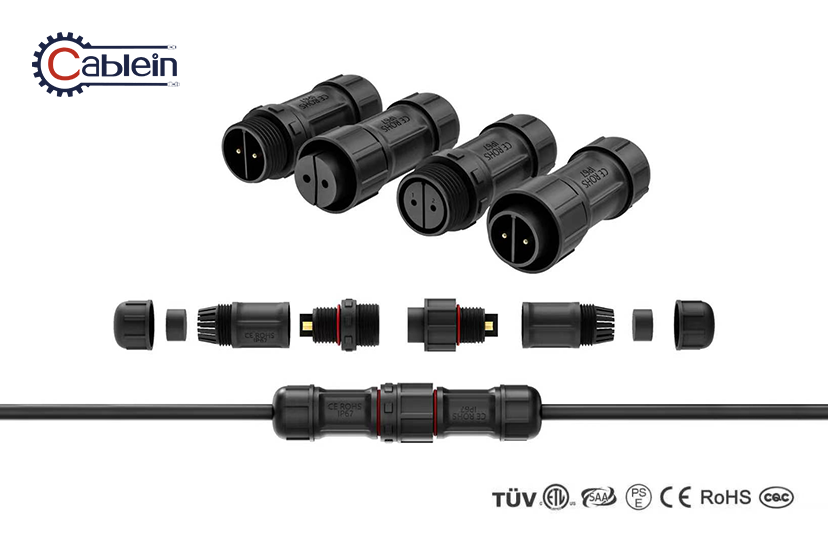
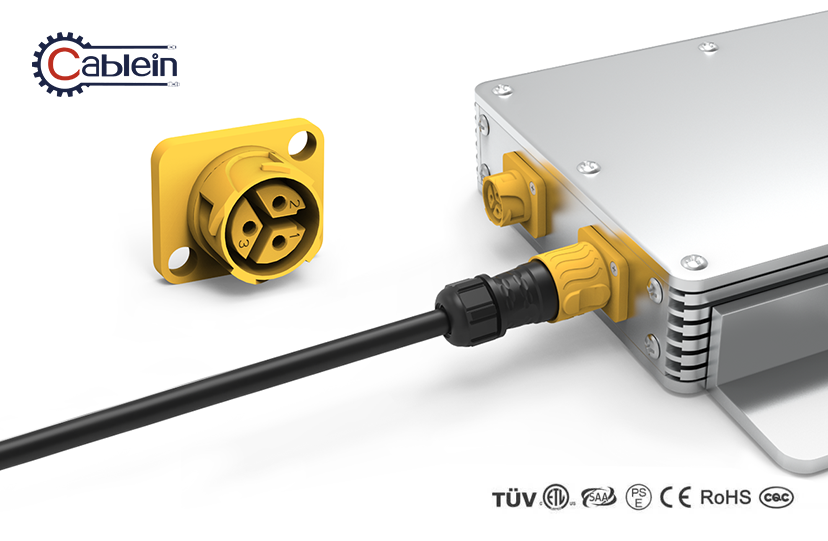
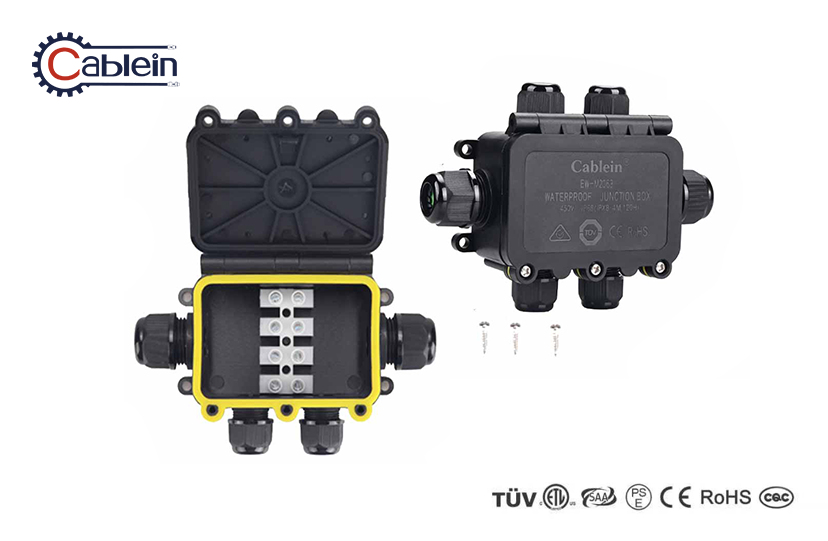
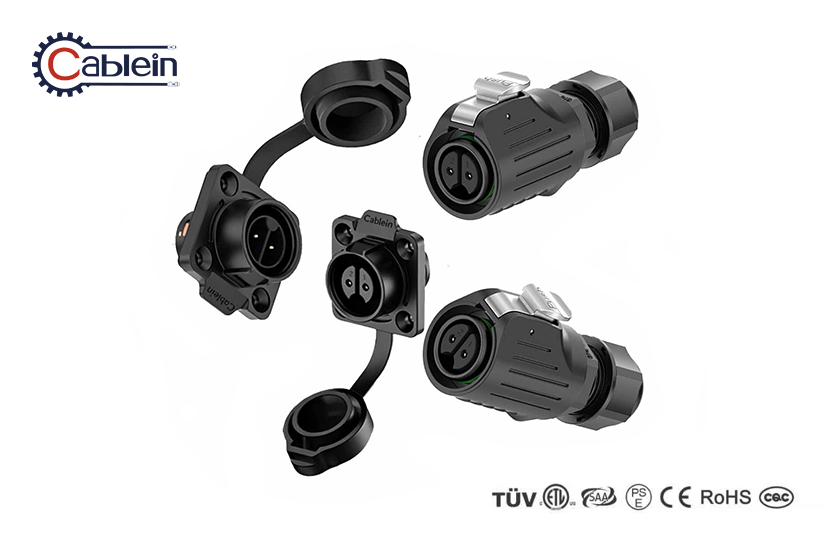
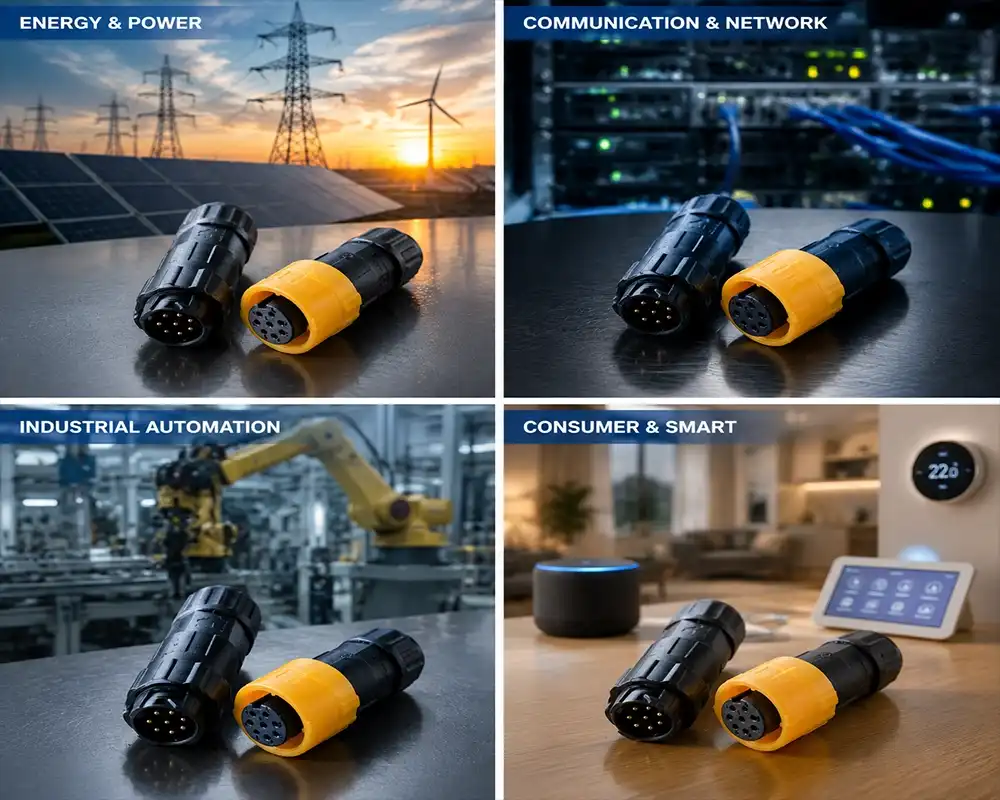
P16 push-pull waterproof connectors serve critical roles across multiple industries where environmental protection meets operational efficiency. These field-assembled circular connectors with IP67/IP68 ratings excel in portable medical devices, test instruments, battery chargers, outdoor LED lighting, solar energy systems, and industrial sensor networks. The tool-free installation and self-locking mechanism make them particularly valuable in scenarios demanding rapid deployment, moisture resistance, and long-term reliability. Their 16mm compact design enables integration into space-constrained applications while maintaining robust performance from -40℃ to 150℃, making them indispensable for engineers seeking dependable connectivity in challenging conditions.
Understanding the P16 Push-Pull Waterproof Connector
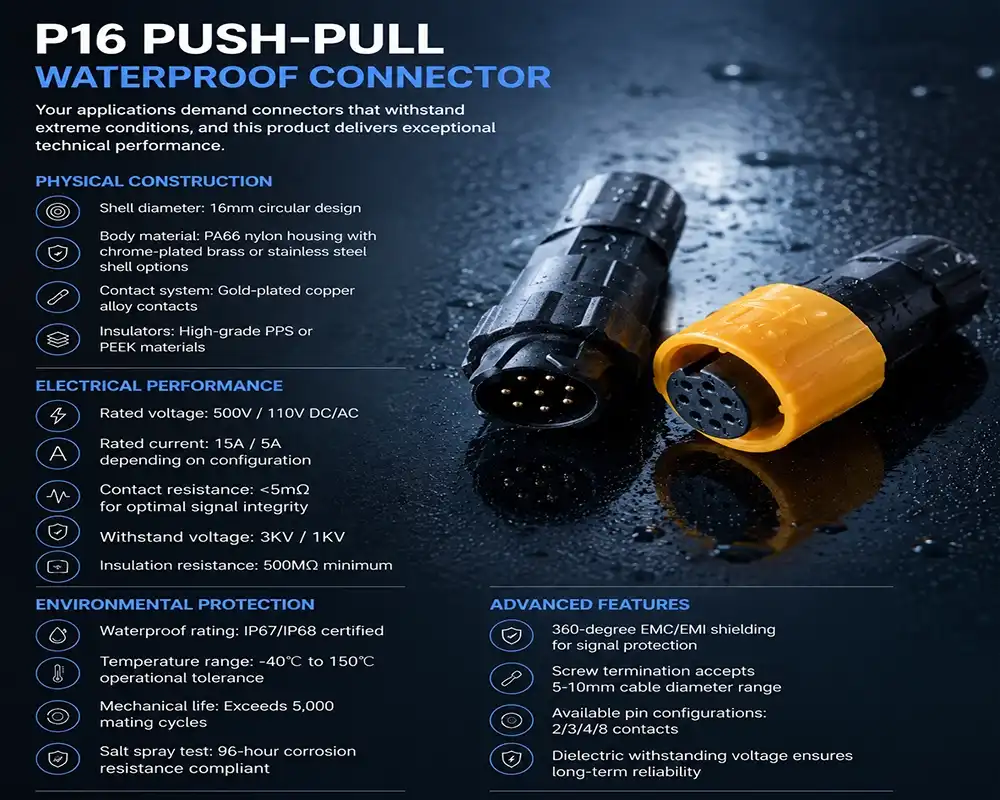
The P16 push-pull waterproof connector is a well-thought-out tech answer to a real-world communication problem. Traditional threaded connectors need to be rotated and wrenched to be installed. This design has a push-to-lock, pull-to-unlock system that makes installation much faster and eliminates the chance of user error during field assembly.
Core Design Features
Performance longevity is directly affected by the structure's make-up. A PA66 polymer shell is strong mechanically and doesn't react with chemicals that are common in industrial settings. Corrosion resistance is shown by 96-hour salt spray testing on chrome-plated brass or stainless steel shells. Copper alloy contacts that have been gold-plated keep their electrical conductivity below 5mΩ even after many mating cycles.
The rubber bond between surfaces that are meant to be paired up keeps out outside elements. Helium mass spectrometry tests this seal to make sure it is IP68-compliant, which means that water can't get through whether it's submerged for a short time or left outside all the time. The 500MΩ minimum insulation resistance is helped by high-grade PPS or PEEK separators, which stop signals from leaking across neighboring contacts.
Operational Mechanics
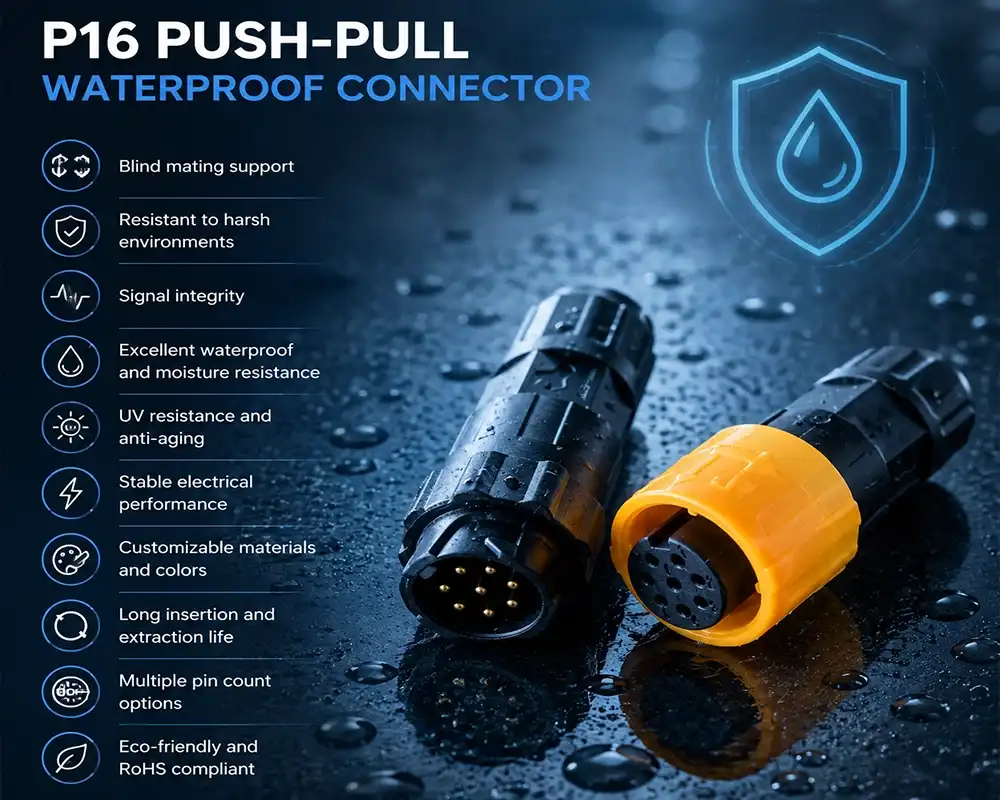
When the self-latching system is properly engaged, it makes an audible click, which lets you know right away that the connection is secure. This feedback system is very helpful when working in low-light situations or small spaces where it's not possible to look around. The push-pull motion doesn't need any tools, so it can be used with one hand, which makes installation and servicing faster.
The option to blindly pair up makes it even easier to use. Technicians can make links even if they can't see the plug contact directly. This cuts down on downtime while the equipment is being serviced. The mechanical life of more than 5,000 mating cycles shows that it can withstand frequent connecting and disconnecting, which is common in test equipment and portable devices.
Common Industries and Applications for P16 Push-Pull Waterproof Connectors
P16 push-pull waterproof connectors are used in many industries and situations. These circular connectors are very useful because they can meet two different needs at the same time: they protect the environment without making things harder to use. These qualities are used in different fields in different ways.
Medical Electronics Integration
Fluid contact and the need to sterilise are two problems that come up in clinical settings. Accidental spills or cleaning methods that use liquid disinfectants happen a lot with diagnostic equipment. The IP67/IP68 rating keeps these threats from getting to the internal circuitry, and the PA66 housing can withstand autoclaving temperatures of up to 150℃, so it can be used over and over again to sterilise things.
Monitoring tools for patients in urgent care units depend on data transmission that doesn't stop. The 360-degree EMC/EMI shielding stops electromagnetic interference from medical equipment nearby, which makes sure that the readings are correct. The small 16 mm shell width is good for portable defibrillators and bedside analyzers because it lets makers make ergonomic handheld devices without sacrificing connection reliability. The screw termination works with cables with diameters of 5 to 10 mm, so it can be used to make unique wiring setups that meet UL2238 standards for medical devices.
Industrial Automation and Sensor Networks
Workers in factories face dust, oil mist, and temperature swings 24/7. Repeated robot arm movements cause vibration and mechanical stress at their connections. Our links maintain signal integrity throughout these events. Vibration testing at higher field pressures than usual operating limits proved this.
Outdoor sensors that monitor weather, soil, and border security are exposed to UV light, rain, and snow year-round. The IP68 protection keeps the gadget running even in heavy rain or snow without secure covers that make maintenance tougher. These connectors are utilised in agricultural automation systems for greenhouse climate sensors and irrigation controllers, where water and fertiliser chemicals would quickly break other connections.
Security cameras located outside buildings need connections that can withstand temperature fluctuations and still transmit a solid signal. The 500V DC/AC rated voltage and 3KV withstand voltage prevent voltage loss during lightning-caused surges in outdoor applications. Because power is steady, PLC control systems perform effectively from -40°C to 150°C. This allows factory automation with seasonal temperature changes.
Test and Measurement Equipment
Lab and outdoor survey tools must work in unpredictable conditions. Power tool, drone, and electric car battery charges require connectors that can tolerate high current loads (up to 15A based on design) and prevent accidental disconnections during charging cycles, which could harm battery management systems.
Portable oscilloscopes and spectrum analysers need links that stay in place but quickly separate as workers travel between cell towers or remote sites for outdoor telecommunications repair. The push-pull mechanism makes equipment setup fast, so technicians can check more test areas during service calls.
Renewable energy monitoring systems monitor open-area solar and wind turbine performance. Workers may connect cables on-site without crimping tools thanks to the screw termination design. This simplifies installation at remote generation sites. Even after years of outdoor use, the gold-plated contacts don't oxidise in humidity and airborne contaminants, so measurements are precise.
LED Lighting Infrastructure
Stadium lighting and urban landscape projects use several P16 push-pull waterproof connectors. Architectural lighting on building facades or parks operates outdoors all the time, therefore the connections must withstand UV damage and keep the energy flowing. Long-term sun exposure doesn't harden or damage silicone seals, unlike rubber seals in competitors.
Greenhouse grow lights can be damaged by humidity and irrigation system spray. The IP68 grade allows installations near water sources without protective ducts, which increase material costs and installation time. Stadium floodlights on towers are subject to wind-driven rain and day-to-night temperature variations. The 500+ mating cycle rate maintains connections throughout annual maintenance and light replacements.
LED screens for outdoor events and transit hubs need flexible panel links that can be assembled fast and stay set even when wind and traffic shake them. The small shell diameter allows high-density panel-to-panel wiring, while the push-pull mechanism enables technicians to fix modules without tools, reducing event downtime.
New Energy Systems
Solar array links must send DC current and keep panels cool during the day and night. Low contact resistance (below 5mΩ) minimises power loss at connection points, improving system performance. Business solar systems typically use 500V or higher voltages; therefore, the dielectric withstanding voltage ensures system safety.
Parking garage and roadside EV charging stations are always exposed to the elements. IP67 protection keeps floods and pressure washing out, and Level 2 charging works with the maximum current capacity. As charging infrastructure increases, contractors can fulfill tight rollout plans by installing cable assemblies with pre-wired connections faster.
Energy storage systems need battery linkages with low contact resistance after thousands of charge-discharge cycles for grid stabilization and backup power. The mechanical retention force evaluated during quality control prevents thermal expansion from loosening the contacts, a common failure mode for high-current DC applications. Custom pin designs operate with lithium-ion and solid-state batteries of various voltages and kinds.
Advantages of Using P16 Push-Pull Waterproof Connectors in These Applications
Picking the right P16 push-pull waterproof connector technology has a direct effect on the total cost of ownership because it lowers the amount of work needed for installation, lowers the regularity of upkeep, and increases the life of the equipment. When procurement managers look at connectivity solutions, these factors have real-world financial effects.
Installation Efficiency and Labor Savings
The tool-free screw termination can accept wire gauges without crimping, so you don't need to learn how to use special tools or get training to use them. It only takes minutes for a worker to do field assembly instead of the hours it takes to solder or crimp contacts into connection housings. This speed advantage grows when there are a lot of connection points in a large installation.
One-handed push-pull action is especially helpful for techs who have to hold on to safety grips while making connections while working from ladders, platforms, or small equipment enclosures. The loud click approval cuts down on installation mistakes that need to be fixed, which speeds up projects and saves money on labor. These improvements in efficiency will lower the overall cost of your project and shorten the time it takes for new systems to start running.
Environmental Protection and Durability
The IP67 rating can handle dust getting in and being submerged up to one metre for 30 minutes. The IP68 rating can handle being submerged continuously. This safety stop fails from moisture getting in, which causes faults that happen randomly and are hard to figure out and expensive to fix. The sealed design also keeps things clean in places that process food or make medicines, where letting particles in would be against the rules for cleaning.
Corrosion resistance proven by 96-hour salt spray testing shows it can be used for coastal installations where salt air breaks down standard connectors in months. The temperature range, from -40°C to 150°C, includes Arctic installations and engine compartment uses that don't need to be derated. Because of their durability, these features make maintenance intervals longer, which lowers lifecycle costs by cutting down on the number of replacement parts and service calls.
Electrical Performance Consistency
Low contact resistance is maintained by gold-plated contacts throughout the operational life of the connector. This ensures stable signal transmission for data applications and reduces voltage drop in power circuits. The 500MΩ insulation resistance stops leaking between contacts that are close to each other. This is very important in multi-pin setups where signal crosstalk would make the system less useful.
The EMC/EMI shielding that goes all the way around saves sensitive electronics from radiofrequency interference in places with a lot of motor drives, welding tools, and wireless devices. This shielding keeps the signal strong without using pricey shielded cable for the whole wiring run, which saves money on materials. The 3KV dielectric withstanding voltage gives a safety cushion against voltage transients, which keeps downstream equipment from getting damaged during storms or grid disturbances.
How to Choose the Right P16 Push-Pull Waterproof Connector for Your Application?
Specification matching checks to see if a P16 push-pull waterproof connector meets your technical needs, and seller review makes sure that quality is always the same and shipping is always on time. Both aspects need to be carefully looked at.
Technical Parameter Selection
Pin count depends on circuit complexity. Two, three, four, and eight contact designs are available for power-only and mixed power-signal circuits. Simple LED lights can use 2-pin power connections, but medical devices may need 4-pin for two power rails and two-way data.
The current grade determines the conductor and contact material width. The 5A variant works with low-power sensors and control signals, while the 15A can charge batteries and light circuits. To ensure safety, the voltage rating must exceed the system operating voltage. Most industrial and commercial installations can use 500V; however, high-voltage uses may require unique standards.
Easy assembly depends on wire diameter compatibility. The 5–10 mm screw termination gives you options, but your cable's outside diameter must be within this range. When installation teams lack technical expertise or quality control necessitates factory assembly, pre-wired cable systems don't need to be terminated in the field.
Supplier Evaluation Criteria
Certification signifies a product satisfies international safety and environmental requirements. Check CE marks for European markets. Look for ETL or UL for North American installations. For Japanese installations, check for PSE certification. RoHS and REACH compliance prevents customs processing regulatory issues by following dangerous substance restrictions.
Manufacturing quality systems affect batch consistency. ISO9001:2015-certified suppliers document quality processes and tracability. Check testing methods. Reliable manufacturers test insulating resistance, contact retention force, and waterproof integrity with helium leak detection.
Inventory and wait times affect project plans. Suppliers can ship standard versions within days, while unique variants may take weeks to create tools and products. Compare minimum order quantities (MOQs) to the amount of things you require. Piece-part availability enables you build prototypes and short production runs, while large MOQs waste money and warehouse space. Cablein has over 10,000 of each basic item in store and can deliver in 7–10 days. We can also accommodate your schedule.
Customization Capabilities
Standard products don't always work perfectly in unique situations. Check to see if the suppliers offer custom cable lengths that get rid of the need for field splicing and the failure points that come with it. Private mold development lets you make your own connector designs that make your goods stand out or work with specific fitting requirements. Customising the pin configuration lets you use non-standard voltage or signal pairs without having to buy connections that are too big and have contacts that aren't being used.
How quickly technical help responds affects when projects get finished. When suppliers help engineers choose specifications, with prototyping, and with fixing problems after the sale, they become true partners instead of just selling parts. When unexpected problems with compatibility come up or when production needs to be scaled up, this link is very helpful.
Installation Best Practices for P16 Push-Pull Waterproof Connectors
The reliability and service life of a P16 push-pull waterproof connector are directly affected by how it was installed. Common failure modes can be avoided by following organized processes.
Cable Preparation and Termination
Cable jackets can be removed to see the conductors without damaging the wire covering. Damaged insulation might cause dangerous short circuits or water intrusion. Use sharp wire strippers suited to your wire size instead of utility blades, which can damage.
Ensure no bare wire protrudes from the terminal block while fully inserting stripped conductors into screw connectors. Tighten terminal screws per manufacturer specification. A low torque can liberate conductors from vibration, whereas a high torque might shatter terminal blocks or deform contacts. Before terminating conductors, thread the cable through strain relief. Strain relief after termination may loosen wires from terminals.
Mating Procedure and Verification
Before injecting force, match the keying features on the connecting halves. Misalignment damages sealing or contact surfaces, causing immediate or delayed failures. Press the connection halves together smoothly until the self-locking mechanism engages and a click is heard. The feeling of full engagement shows it; partial mating lets water in.
Visually inspect the link for the locking collar's ultimate position. Try a light pull. A properly locked connector will not break with enough force. This checks for incomplete latching before starting the circuit. This prevents intermittent linkages, which complicate troubleshooting.
Maintenance and Inspection Schedule
Set up regular check times based on danger. Installations outside should be reviewed every three months, while those inside may only need annual inspection. Check sealing surfaces for cracks, deformations, or dirt that could reduce effectiveness. Contacts with rust should be cleaned using electronics cleaner. Gold plating usually prevents corrosion.
The locking mechanisms shouldn't become trapped or have too much play. Worn latches may not compress sealing surfaces, reducing waterproofing. Record inspection results and connection points to track degradation trends. Before problems arise, predictive maintenance can occur. Instead of fixing worn-out joints in the field, which rarely restores performance, replace them.
Conclusion
P16 push-pull waterproof connectors solve basic connection problems in medical, industrial, energy, and outdoor lighting settings by protecting against the elements, being easy to install, and being reliable for a long time. The IP67/IP68 ratings keep water and dust out, and the tool-free push-pull mechanism makes installation faster and less likely to go wrong. With more than 500 mating rounds of proven performance, temperature tolerance from -40°C to 150°C, and full foreign certifications, these connectors provide real operating benefits. By buying connectors from well-known companies, you can be sure of consistent quality, technical support, and the reliability of the supply chain, all of which are important for mission-critical applications.
FAQ
What makes these connectors superior to traditional threaded designs?
The P16 push-pull waterproof connector mechanism stops rotation during mating, which lets it be installed in tight spaces where wrenches can't reach. The self-locking feature makes sure that the connection is securely engaged and can be heard. This makes installation more accurate than with threaded connectors, which may look tight but don't have the right seal compression. Because of these benefits, installation goes faster and there are fewer callbacks for link problems that happen from time to time.
Can these connectors handle high-vibration transportation applications?
Protocols for testing include simulating vibrations that are stronger than normal stresses on roads and train travel. The mechanical retention force makes sure that the contacts are properly engaged, and the self-locking collar stops them from coming loose by mistake. Manufacturers of rail transit equipment use these connectors because they keep the electricity flowing even when there is constant shaking, which can break threaded connections over time.
Are customized configurations available for specialized requirements?
Cablein allows for a lot of customization, such as non-standard pin counts, changed shell materials for specific chemical resistance, custom cable jacket materials, and unique keying arrangements that keep multi-connector systems from cross-connecting. Our engineering team looks over your requirements and suggests the best designs. They use our more than 30 useful patents in waterproof connector technology to come up with solutions that meet your exact needs.
What lead times apply to custom orders versus standard products?
Standard configurations ship between 7 and 10 days from when we keep them in stock. It usually takes two to three weeks to make custom cable assemblies with standard connectors. Private mold development projects for one-of-a-kind connector bodies take 6 to 8 weeks for tooling and first production runs. During the quotation process, we give you thorough project plans that match the dates you need to buy things.
Choose Cablein as Your Trusted P16 Push-Pull Waterproof Connector Manufacturer
Cablein Technology has been specialising in P16 push-pull waterproof connector solutions for 9 years and can help you with your projects. Before they are shipped, the connections made in our ISO9001:2015-certified factory go through a lot of tests, such as checking for helium leaks, making sure they can withstand 500 cycles or more, and checking their full electrical performance. Our collection has more than 10,000 pieces of each standard setup, which means that pressing projects can be delivered in 7–10 days. Additionally, our engineering team can customize OEM/ODM products to meet specific needs, such as custom pin layouts, cable lengths, and pre-wired assemblies. Our goods are certified by CE, RoHS, TUV, ETL, and PSE, which means they meet global compliance standards and can be used anywhere in the world without any problems. You can email our team at nick@cableinco.com to talk about your unique application needs, get detailed datasheets, or get quotes from other companies that offer a supply of these products. We offer reliable connectivity options that come with full expert help and quick customer service.
References
1. Johnson, M.R. "Environmental Sealing Technologies for Industrial Connectors." Journal of Electronic Packaging Standards, vol. 34, no. 2, 2021, pp. 112-128.
2. Chen, L. and Rodriguez, A. "Comparative Analysis of Quick-Connect Circular Connector Systems in Medical Device Applications. "Medical Electronics Design Quarterly, vol. 18, no. 4, 2022, pp. 45-59.
3. Patterson, K.S. "Waterproof Connector Reliability in Outdoor Lighting Infrastructure: A Ten-Year Field Study." Illuminating Engineering Society Transactions, vol. 29, no. 3, 2020, pp. 201-217.
4. European Committee for Electrotechnical Standardization. "Low-voltage switchgear and controlgear – Industrial connectors – Circular connectors with rated current up to 16A." EN 61984:2018 Standard, 2018.
5. Zhang, W. "Push-Pull Connector Design Optimization for High-Current EV Charging Applications. "Electric Vehicle Technology Conference Proceedings, 2023, pp. 334-349.
6. American Society for Testing and Materials. "Standard Test Methods for Determining the Effectiveness of Ingress Protection Provided by Enclosures." ASTM F2427-20 Standard, 2020.