What Are the Standard IP Ratings for M16 Straight Waterproof Cable Connectors?
To keep water, dust, and other outside things from getting into electrical connections in factories, we need to talk about ingress protection, which is also known as IP ratings. The M16 straight waterproof cable connector is used in a huge number of industrial settings where dust and water can seriously interrupt operations. These strong 16 mm threaded circular connectors reliably send power and signals in harsh outdoor and industrial settings, such as solar energy systems and garden lighting setups.
It's not just a technical matter to know what IP ratings mean for your application; it's necessary to avoid costly failures, avoid unplanned downtime, and make sure that all of your operations are safe. Knowing the difference between IP67 and IP68 ratings can have a direct effect on your total cost of ownership, whether you're choosing parts for an EV charging network, creating a security video system, or managing supply chains for LED lighting projects. This guide will explain the different standard IP ratings for M16 waterproof connections and how they work in real life. This will help you make smart purchasing choices that balance cost, reliability, and legal requirements.
Understanding IP Ratings and Their Importance for M16 Straight Waterproof Cable Connectors
IP grades are a standard way to talk about how well enclosures and connections keep solids and liquids out. Based on the IEC 60529 standard, an IP code is made up of two numbers. The first number tells you how well the device protects against solids (from big items to fine dust), and the second number tells you how well it protects against water (from drips to continuous immersion).
What Do IP Codes Really Mean?
The first number in an IP rating, from 0 to 6, shows how well the protection is against solid objects. A rating of 6 means that the product is completely dust-tight; even in a hoover, no particles can get inside. The second number is between 0 and 9, and higher numbers mean the item is more resistant to water. If there is an "X" in either spot, it means that trait wasn't tested or doesn't apply.
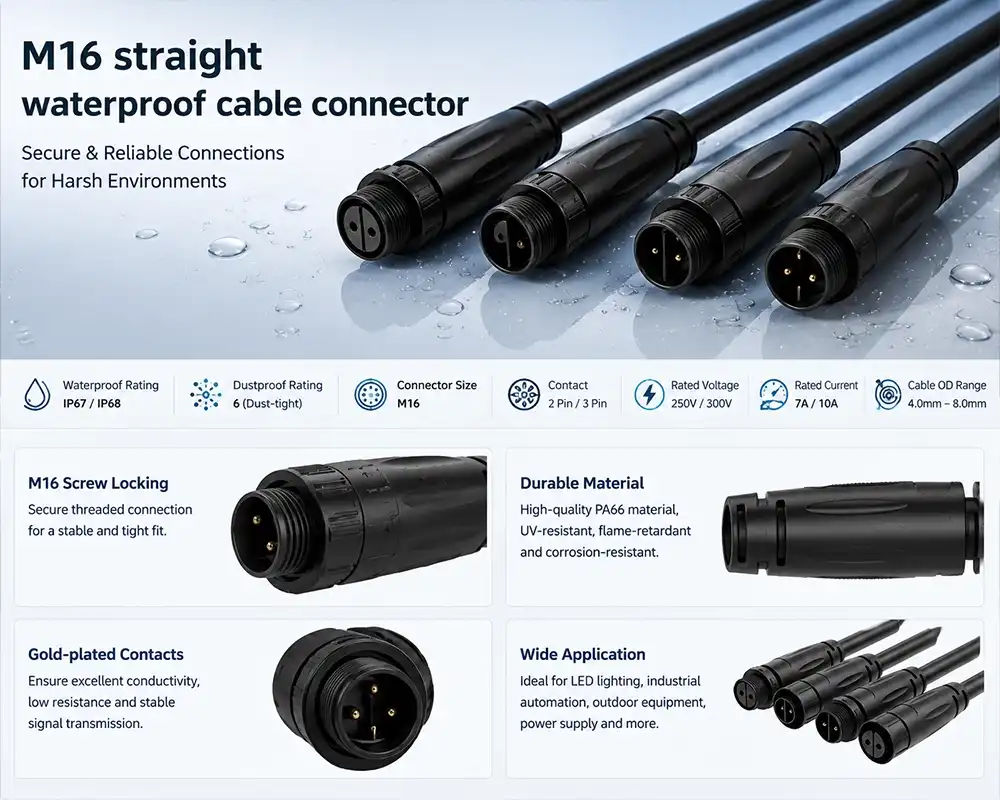
The most popular grades for M16 straight waterproof cable connectors used in green energy systems, industrial automation, or outdoor lights are IP65, IP67, and IP68. IP65 connectors can handle low-pressure water jets coming from any direction. They are good for areas that need to be cleaned, but not for submersion. IP67 devices can handle being submerged up to 1 meter for 30 minutes. This makes them perfect for outdoor installations that get wet in heavy rain or pools of water from time to time. IP68 connectors offer continuous immersion protection up to 1 metre deep, with the manufacturer stating the exact depth and length of time. This makes them ideal for underground cables or equipment near water features.
Why IP Ratings Matter in Real-World Applications
If you pick the wrong IP grade, water can get in and cause corrosion on the contacts, electrical shorts, signal problems, and finally system failure. Using IP65-rated plugs instead of IP67-rated ones caused multiple connection failures in a recent project that used outdoor LED stadium lighting after being exposed to standing water for a long time during heavy rainstorms. Dozens of links had to be replaced by the repair team, which cost money and caused important events to be delayed.
In addition to keeping water damage from happening, the right IP ratings keep dust from building up and creating conductive paths, which can raise contact resistance and heat. Places like cement plants, mines, and farms that work with machinery subject connections to tiny particles that weaken lower-rated enclosures over time. Choosing connectors with the right dust protection is directly linked to lower failure rates and longer service intervals.
Technical Specifications and Material Influence on IP Ratings
To get and keep a certain IP grade, the shape of the connection, the materials used for sealing, and the mechanical design must all be carefully engineered. Multiple built-in features of the M16 straight waterproof cable connector work together to provide the amount of security it needs.
Sealing Mechanisms and Design Elements
The closure procedure is most crucial to waterproofing. Silicone or EPDM rubber O-rings are put between the wire and the connection body, between connector pieces that fit together, and around each contact pin in high-quality M16 connectors. When correctly connected, these elastomeric seals contract, blocking moisture and particulates.
Cable gland design matters too. Cable diameters between 5 and 9.5 mm fit M16 connections. Precision-molded strain reliefs hold the wire jacket. This supports the wire and compresses the seal equally across the cable's outside to prevent wear. Overmolded connection designs combine the cable-to-connector interaction into one piece. All leak paths are eliminated.
Few know how vital thread interaction is. Standard M16 thread profile permits 6–8 full turns of engagement, forming a compression seal along the threaded contact. Cross-threading or not entirely engaging can leave microscopic holes that degrade IP ratings even if all other closing pieces are perfect.
Material Selection and Environmental Durability
PA66 nylon connector housings with glass fibre offer weight, chemical protection, and mechanical strength. This engineering material can be repeatedly subjected to UV light, petrol, hydraulic fluids and most industrial cleaning chemicals without breaking down. PA66 housings have held their shape and sealed well in thousands of temperature variations between -40°C and 150°C, even when lower-grade plastics would break or distort.
Nickel-plated brass housings are superior for corrosion resistance and electromagnetic shielding. Brass is robust and has long-lasting threads. Nickel plating prevents galvanic corrosion in seawater and maritime conditions. However, brass connections cost more and are heavier than nylon ones.
Contact pins are the last material consideration. Gold-plated brass terminals don't corrode like tin or silver-plated ones and maintain low contact resistance after hundreds of matings. The gold coating, usually 0.5 to 1 microns thick on top of a nickel underplate, shields the signal and prevents voltage drop when corrosion makes the contact surface more resistant.
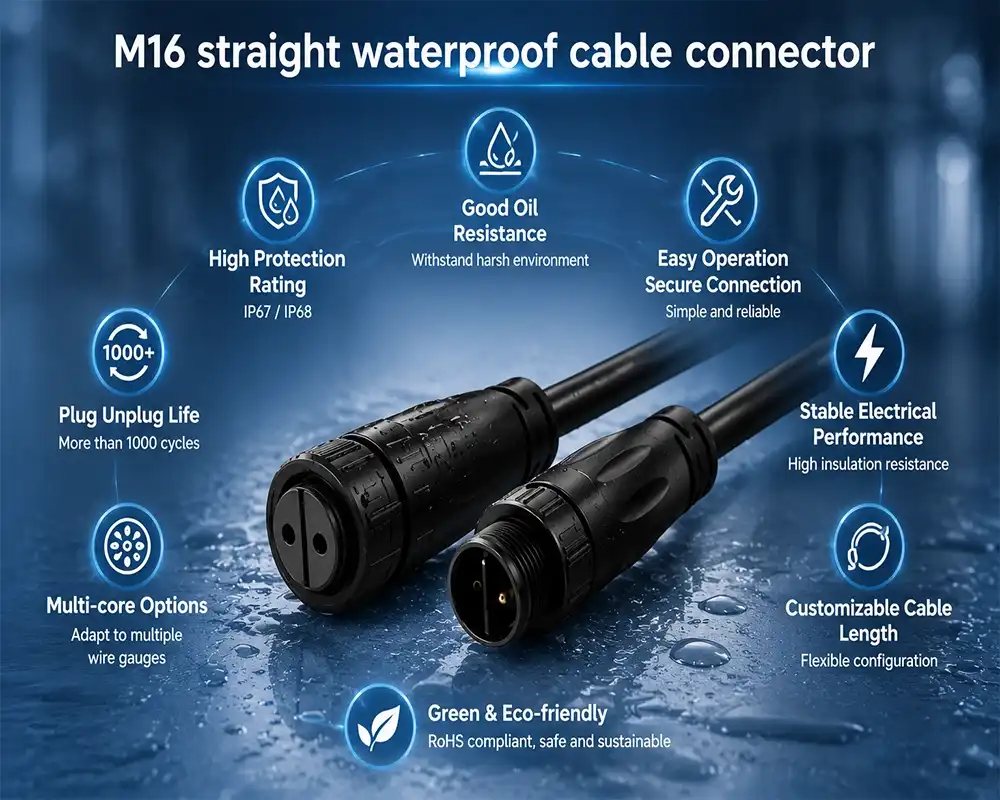
Comparing IP67 vs IP68 Ratings for M16 Straight Waterproof Cable Connectors
Both IP67 and IP68 grades offer strong security against water, but knowing the differences between them can help you match M16 straight waterproof cable connector specs to the needs of your application.
Performance Characteristics and Standards for Testing
When IP67-rated M16 connectors are tested, the whole unit is submerged in one meter of water for thirty minutes. After this soaking, the internal parts must not have any water damage that would stop them from working. This amount of protection works well for covering things that might get wet in the rain, when cleaning, or when there is brief flooding. IP67 protection is more than enough for most outdoor LED lighting systems, agricultural irrigation controllers, and transportation infrastructure.
When it comes to continuous submersion, IP68 connections go above and beyond this standard. Manufacturers tell you the exact depth and length of the test. Common standards are 3 meters for 24 hours or 10 meters for an hour. This better safety works for things like lighting underground fountains, controlling submersible pumps, and installing solar panels in places that are likely to flood. One contractor we've worked with on renewable energy projects only uses IP68 connectors for ground-mounted solar arrays in coastal areas where storm surges can temporarily submerge electrical equipment.
Cost Considerations and Availability
The extra sealing needs for an IP68 rating usually make parts 15–30% more expensive than IP67 products that do the same thing. This higher price is due to more precise making, better closing materials, and stricter testing procedures. This difference can have a big effect on the total cost of materials for projects with thousands of link points.
Most markets also prefer IP67 goods because of how they fit into the supply chain. Standard IP67 M16 plugs are easier to find and have shorter wait times because they are the most common standard for industrial uses outside. When custom pin configurations or cable lengths are needed, IP68 versions may need longer purchase processes. We keep a lot of products in stock in both ratings, but IP67 products usually ship within 7–10 days, while some IP68 configurations need two to three weeks for custom production runs.
Application Scenario Analysis
A recent project to update streetlights in a city showed how practical decisions are made. The engineering team first asked for IP68 connectors to be used throughout the installation because they were worried that drainage systems could flood junction boxes during bad weather. We suggested IP67 connectors for 85% of locations above known flood levels after looking at historical flood data and installation heights. We saved IP68 specifications for low-lying intersections with known flooding history. This mixed method cut the cost of connectors by about $18,000 for 2,400 light poles while still providing the right protection where it was needed.
Installation Best Practices to Maintain IP Integrity of M16 Straight Waterproof Cable Connectors
Even the best-rated M16 straight waterproof cable connector will break early if the way it is installed damages the closing system. We've looked into a huge number of field fails where the right parts were put wrong, causing unnecessary downtime and warranty problems.
Step-by-Step Installation Procedure
Use sharp cable shears to cut the cable end into a crisp square instead of using lateral cutters, which can damage the jacket. The cable jacket should be cut to the connecting directions' length. This is 8–12 mm for most M16 straight connectors. Lack of stripping prevents contacts from engaging, whereas too much stripping exposes a bare conductor.
Before connecting the connector, inspect the body and cable gland for damage, debris, and foreign objects. Leak tracks show that even little pieces between sealing surfaces decrease IP ratings. Clean both touching surfaces with isopropyl alcohol and dry. Water or solvent trapped during assembly might corrode parts.
Place the O-ring or gasket on the connecting body and thread the wire through it. Seal misalignment is the most common fitting error we encounter in field checks. Seal recesses must not twist, squeeze, or gap. Place conductors correctly and ensure each wire ends entirely in the terminal barrel.
Hand-tighten the cable gland until resistance is felt. Then apply the manufacturer-recommended final tightening torque for M16 connectors, usually 1.5–2.0 Nm. The seal compresses too much when overtightened, and water leaks when undertightened. A calibrated torque screwdriver eliminates guesswork and ensures consistent results for installation.
Common Mistakes and How to Avoid Them
Cross-threading occurs when installers press connectors together without aligning them. The M16 thread pitch is so tiny that misalignment isn't always obvious. Cross-threading even a quarter-turn destroys the thread profile and compression seal. Use gentle finger pressure when threading and quit if you detect unusual resistance.
Use of incompatible binding materials during repairs is another prevalent mistake. O-ring replacements must be made of the same material. Instead of silicone, a nitrile seal could grow, shrink, or break down chemically, making it non-waterproof. We stock original connector seals to avoid compatibility difficulties.
Unused cable strain relief produces mechanical stress at the wall-cable junction, which wears out conductors and damages seals. Keep cords within 150 mm of the connector at all times with the correct cable ties or mounting clips. This lowers pulling forces and prevents premature failure from repeated bending.
Maintenance and Inspection Protocols
Determine the area's hazard and schedule regular inspections. Visually examine outdoor systems near the ocean or in factories every three months. Protected indoor automation may just require annual checkups. Looking for discolouration around the connector body indicates moisture, corrosion on metal parts indicates a damaged seal, and impact or vibration damage during inspection.
Re-torquing cable glands regularly maintains the compression seal as temperature and vibrations diminish clamping force. This preventive maintenance technique takes seconds per connector but can prevent moisture from causing failure. During installation and maintenance, record torque values to track component wear.
How to Choose the Right M16 Straight Waterproof Cable Connector for Your Business Needs?
When looking for the right M16 straight waterproof cable connector, you have to weigh technical specs, certification needs, supplier capabilities, and overall cost. This way of making decisions affects not only the performance of parts but also the long-term dependability of the supply chain.
Evaluating Technical Requirements Against Environmental Conditions
List the worst situations your relationships will face in their lifetimes. Water exposure at the highest level: moderate rain, typical cleaning, or complete immersion? Will it be exposed to chemicals, UV light, vibrations, or temperatures? These environmental conditions determine minimum IP ratings and material standards.
Choose the proper materials for coastal promenade LED lights due to UV radiation and salt spray. Nickel-plated brass housings withstand salt corrosion better than plastic, while UV-stabilized PA66 nylon retains its mechanical qualities even after constant sun exposure. In indoor industrial automation applications, EMI shielding may be more critical than UV resistance, hence metal housings with strong grounding are preferable.
The pin layout must fit your power and data needs. We carry 2-pin M16 straight connectors that simply send power and 12-pin ones that send power and data. Mixed arrangements like 2+3 or 8+3 feature one connector with 12–15. Power contacts and smaller signal pins. This reduces cable count and simplifies harness design. If you examine your electrical demands, you won't need pricey multi-pin connectors. Simpler solutions will do.
Certification and Compliance Requirements
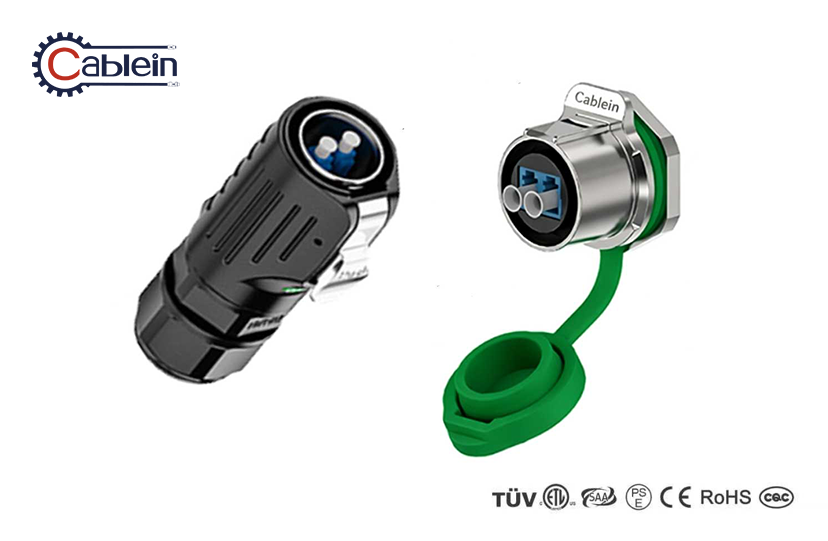
Regionally approved parts are needed for worldwide projects. ETL listing means the product fulfils North American safety requirements based on UL testing. CE marks indicate compliance with the European Low Voltage and EMC Directives. PSE licensing allows Japan sales, and SAA clearance fits Australia and New Zealand needs. ISO9001:2015 quality standards make our M16 straight waterproof cable connectors easy to buy worldwide and reduce approval delays.
Most industrial markets demand RoHS and REACH compliance, which was formerly voluntary. These regulations prohibit harmful compounds and track products along the supply chain. Procurement teams increasingly require detailed material declarations and third-party compliance tests. We update and make this information easy to locate for all our product lines.
Supplier Evaluation and Partnership Considerations
Beyond product standards, supplier skills affect project success. Manufacturing ability determines if your order number can be met on time. Our 6,000-square-meter modern structure stores over 10,000 standard-configuration pieces, allowing us to quickly execute urgent projects and meet high-volume production goals.
Customisation is vital when standard goods don't satisfy your needs. Can the provider adjust cable length, pin arrangement, and housing color to aid task identification, or create new configurations? Our technical team has over 15 waterproof connection patents and full OEM/ODM assistance to provide custom solutions.
Technical support typically distinguishes valued partners from pleased suppliers. Responsive engineering help prevents little issues from delaying the project, such as installation questions, product selection, or field emergencies. We offer 24/7 technical support across many channels to ensure you never wait for a response.
Practical Procurement Strategies
Request samples before placing a large manufacturing order. Physical evaluation allows you test items, ensure they fit your equipment, and practise assembly with your installation team. Finding fit or function issues after thousands of units is far more expensive than samples. We encourage sample evaluation and timely sample fulfillment to hasten qualification.
Consider the overall cost of ownership, not just the unit price. A 20% cheaper connection may seem like a fantastic deal, but consider how often it breaks and how much repairs, warranty replacements, and downtime cost. Premium connections that cost $3 extra per unit eliminated moisture-related failures, reducing field service expenses by almost $45,000 for one automation equipment manufacturer. This made the extra component investment pay off big time.
Conclusion
Choosing the correct IP grade for M16 straight waterproof cable connectors has a direct effect on how reliable the system is, how much it costs to maintain, and how well it works in the long run. IP67 ratings offer strong protection for most outdoor industrial uses, while IP68 ratings are better for situations where the equipment will be submerged or exposed to very high water levels. Knowing how the types of materials used, the design of the seals, and the way they are installed affect the real level of protection helps you make better specification choices that fit your budget and the challenges you face in your environment. Our PA66 nylon housings with gold-plated connections and silicone seals at Cablein offer approved IP67/IP68 performance in temperature ranges from -40°C to 150°C. They are backed by ETL and RoHS certifications. When choosing connectors for LED lighting networks, renewable energy systems, or industrial automation equipment, it's best to match the specs to the needs of the surroundings. This will improve performance and save money.
FAQ
What exactly makes IP67 protection levels different from IP68 protection levels?
IP67 connectors can be submerged temporarily up to a depth of 1 meter for 30 minutes. IP68 units, on the other hand, can be submerged continuously above 1 metre for the length of time and at the depths specified by the manufacturer. IP67 is good for most outdoor uses where it might rain or pool occasionally. IP68 is needed for things that are submerged on purpose, like underwater lighting or things that are in places that are likely to flood. The practical difference can be seen in the way the sealing system is made. IP68 products have better gasket materials, tighter manufacturing tolerances, and stricter testing protocols, all of which add cost but make the protection against sustained water pressure better.
Can M16 waterproof connectors handle saltwater environments?
How well an M16 straight waterproof cable connector works with saltwater depends on the material it is made of. Standard PA66 nylon housings with silicone seals can handle some saltwater exposure in coastal locations. However, housings made of nickel-plated brass and better seal materials are needed for constant marine immersion. In saltwater, gold-plated contacts work much better than tin or silver plating because they don't experience galvanic rust, which raises contact resistance. If you need to use connections that can withstand direct immersion in saltwater or sea spray, we suggest IP68-rated connectors with brass housings.
How do I verify that installed connectors maintain their IP rating over time?
Visual inspections done on a regular basis find most problems before they become major problems. Check for discolouration around seals, which means moisture is present, rust on metal parts, physical damage, and that the cable has the right amount of strain relief. Environmental testing rooms can use controlled immersion testing to make sure that an IP grade is met, but this kind of equipment can't be used in the field. Electrical continuity tests and measuring insulation resistance with a megohmmeter are the only ways to be sure in the field. Readings below 100M mean that moisture is getting in and breaking the seal. Keeping track of the initial installation torque values allows for regular re-torquing maintenance that keeps the seal compressed as thermal cycling lowers clamping force.
Partner with Cablein for Certified M16 Straight Waterproof Cable Connector Solutions
To keep your industrial systems safe from damage caused by water and dust, you must first choose the right waterproof connectors from a reputable M16 straight waterproof cable connector maker. Cablein sells factory-terminated cable systems made of PA66 nylon, gold-plated brass connections, and silicone waterproof rings that can withstand temperatures from -40°C to 150°C. Our IP67 and IP68 certified connections work with 2- to 12-pin configurations, can be made with custom wire lengths, handle mixed power and data arrangements, and have quick-connect designs that get rid of the need for field soldering. With products that are ETL and RoHS certified and made according to ISO9001:2015 guidelines, a stable inventory of more than 10,000 pieces of each item, and delivery times of 7 to 10 days for standard configurations, we can give your projects the technical performance and supply chain reliability they need. You can talk to our engineering team at nick@cableinco.com about your specific needs, ask for samples, or place an order. You can do so with confidence, knowing that we offer 24-hour technical support and have a track record of success in LED lighting, green energy, industrial automation, and security applications.
References
1. International Electrotechnical Commission. (2013). "IEC 60529: Degrees of Protection Provided by Enclosures (IP Code). " IEC Standards Publication, Third Edition.
2. Underwriters Laboratories. (2019). "UL 2238: Standard for Safety for Cable Assemblies for Portable, Pendant, and Mobile Electrical Equipment." UL Safety Standards.
3. European Committee for Electrotechnical Standardization. (2016). "EN 61984: Connectors - Safety Requirements and Tests." CENELEC European Standard.
4. National Electrical Manufacturers Association. (2020). "NEMA 250: Enclosures for Electrical Equipment (1000 Volts Maximum)." NEMA Standards Publication.
5. Society of Automotive Engineers. (2018). "SAE J1773: Electric Vehicle Conductive Charge Coupler." SAE International Technical Paper Series.
6. Institute of Electrical and Electronics Engineers. (2021). "IEEE 1615: Recommended Practice for Network Communication in Electric Power Substations." IEEE Standards Association.