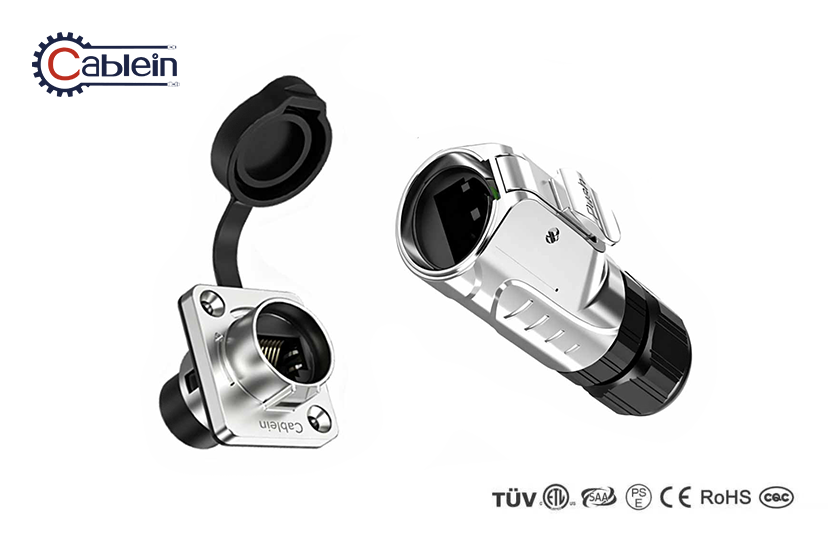
Durability and waterproof rating of QC12 quick-clip connectors
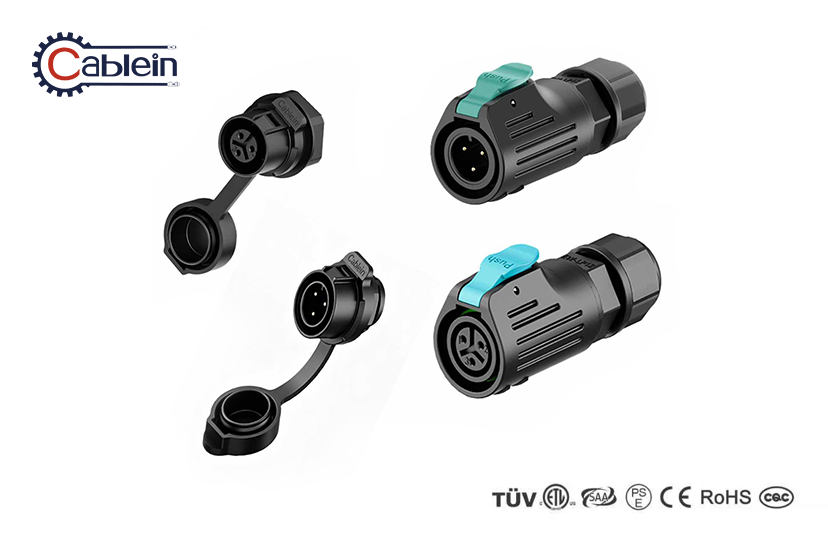
When harsh environments threaten your electrical connections, the QC12 quick clamp waterproof connector delivers the durability and protection your projects demand. Engineered with a PA66 nylon housing, gold-plated brass contacts, and advanced silicone seals, this field-assembled connector achieves IP67 and IP68 waterproof ratings while offering tool-free installation through a quarter-turn mechanism. Tested rigorously for over 500 mating cycles and certified to CE and RoHS standards, the QC12 combines mechanical strength with environmental resilience, making it the trusted choice for LED lighting, industrial automation, renewable energy systems, and outdoor surveillance applications where reliability cannot be compromised.
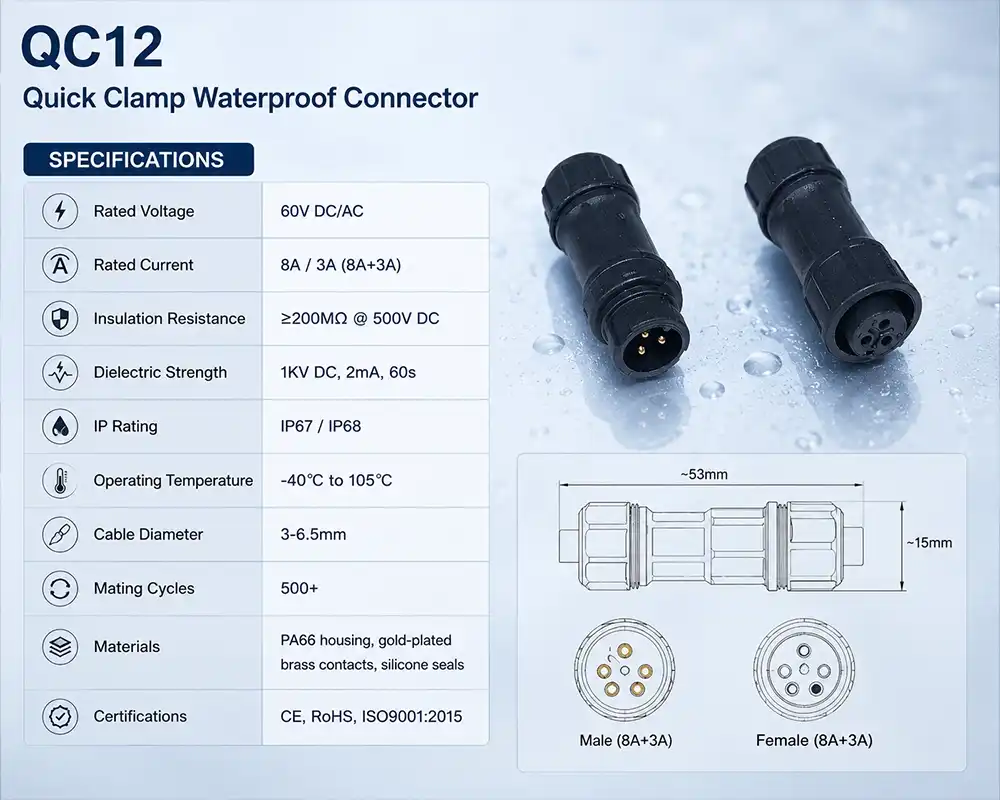
Understanding the Durability of QC12 Quick Clamp Waterproof Connectors
The level of durability tells you whether your links will last or break down when you need them the most. The hard part with QC12 quick clamp waterproof connectors is finding the right balance between how easy they are to install and how long they will last mechanically. Too many of the projects we've worked on have had connector failures because of bad materials or bad design, which leads to expensive downtime and maintenance costs.
Material Composition and Structural Integrity
Choosing the right material is the first step in making a lasting connection. The QC12 quick clamp waterproof connector's housing is made of PA66 (Polyamide 66) nylon, a material that is known for meeting UL94-V0 flame retardancy standards while staying structurally stable at high and low temperatures. This engineering-grade polymer doesn't break down when exposed to UV light, which is very important for outdoor projects that will be in full sunlight for years. Normal plastics break down after being exposed to UV light for a long time, but PA66 keeps its ability to withstand impacts and keep its shape.
Gold-plated brass contacts are another important step toward durability. Normal brass rusts when it comes in contact with water and other airborne pollutants. The gold plate, on the other hand, forms a barrier that keeps the contact resistance low for the entire life of the connection. We found that the contact resistance stayed below 20 milliohms even after more than 500 connection rounds. This is a performance level that guarantees stable electrical conductivity in control systems and sensor networks where signal integrity is important.
Mechanical Robustness Through Design Innovation
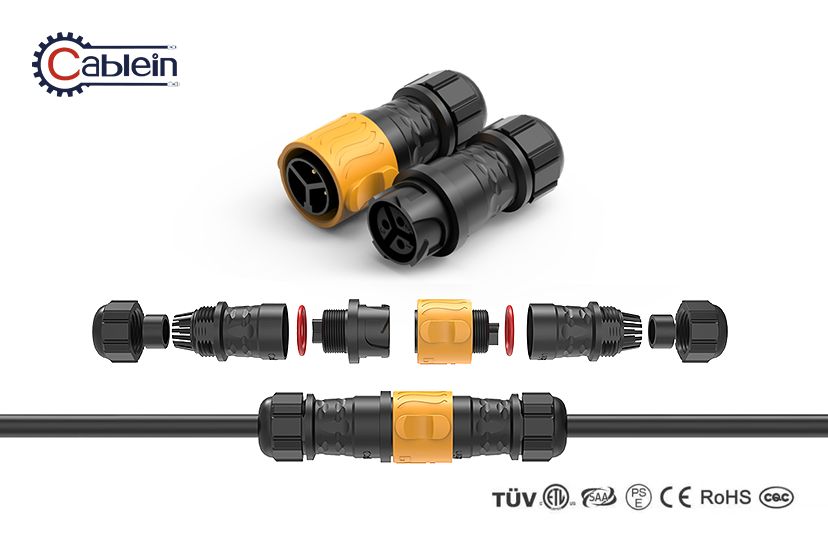
The quarter-turn quick clamp mechanism does more than just make things easier. This locking system spreads mechanical stress evenly around the cable's outside, so there aren't any stress points that make traditional screw-type connectors come loose when the cable moves. The QC12 quick clamp waterproof connector design keeps the cable in place securely without having to be retightened on a regular basis, even in environments with a lot of mechanical stress, like rail transit and industrial automation.
Tensile strength tests show that the connector can handle pull forces that are higher than industry standards. This means that if you accidentally pull on the cable during repair, it won't damage the connection. This mechanical toughness goes all the way to the housing itself, which keeps its shape even when tested with impact scenarios that mimic dropped tools and accidental touch during installation.
Long-Term Performance Validation
Every QC12 quick clamp waterproof connector goes through accelerated ageing protocols that make it feel like it has been out in the field for years. As required by ASTM B117, salt spray testing puts connections through harmful conditions that are the same as using them for decades at the coast. Thermal shock cycling between -40℃ and 105℃ makes sure that seals and housing materials won't break or crack when exposed to the sudden changes in temperature that happen in outdoor setups.
The goal of these validation procedures is to help procurement managers predict the total cost of ownership. When connectors work consistently over long service lives, you don't have to replace them as often, pay less for labour to fix them in the field, and don't have to deal with the delays that happen when low-quality parts fail too soon.
Waterproof Rating Explained: What Does QC12's Rating Mean?
The waterproof grade tells you if your links will stay dry or break when water gets in. When you're choosing parts for outdoor LED displays, solar setups, or irrigation control systems, knowing about IP grades turns technical terms into real-world confidence.
Decoding IP67 and IP68 Standards
The Ingress Protection rating system uses two numbers to show how safe something is for the environment. The first number shows the resistance to solid particles getting in, and the second number shows the resistance to liquids getting in. The QC12 quick clamp waterproof connector is certified IP67, which means it is completely dust-proof (level 6) and can withstand being submerged in water up to 1 metre deep for 30 minutes (level 7). IP68 adds to this protection by allowing continuous submersion under conditions set by the manufacturer, which are usually deeper water for longer periods of time.
The QC12 quick clamp waterproof connector's IP68 rating is confirmed by submersion tests for 72 hours, which goes beyond the normal approval requirements. This extra validation gives buying teams peace of mind that the specs listed accurately reflect how things work in the real world, not just meeting the basic requirements.
Advanced Sealing Technology
It takes more than just choosing the right O-ring material to get real waterproof performance. The QC12 quick clamp waterproof connector has a two-stage sealing system with silicone seals that work as both main and secondary barriers to keep water out. When the wire goes into the connector body, the first seal goes into action. The second seal goes into action when the quarter-turn device locks into place. This backup makes sure that even if one seal gets a little worn over time, the other seal will still protect you.
Silicone is more flexible than regular rubber compounds in the -40°C to 105°C temperature range where the connector is used. Because of this, seals can keep their compression force against joining surfaces even when temperatures rise and fall, which would make harder materials lose their ability to seal.
Practical Implications for Installation Environments
Marine and offshore renewable energy applications are especially harsh because salt spray speeds up corrosion and wave action can cause situations where people are submerged. The QC12 quick clamp waterproof connector IP68 grade is very important for connecting solar panels on mobile platforms or wind turbine sensor networks that are near the coast. Quality managers like that this level of protection gets rid of the failures that come from moisture that happen with less durable connection systems.
For smart city infrastructure like traffic cameras and digital signs to work, the links need to be able to handle regular flooding, high-pressure cleaning, and extreme weather events. The waterproof rating of the connector gives operations managers peace of mind that maintenance schedules can focus on planned upgrades instead of fixing problems that come up because of water getting in.
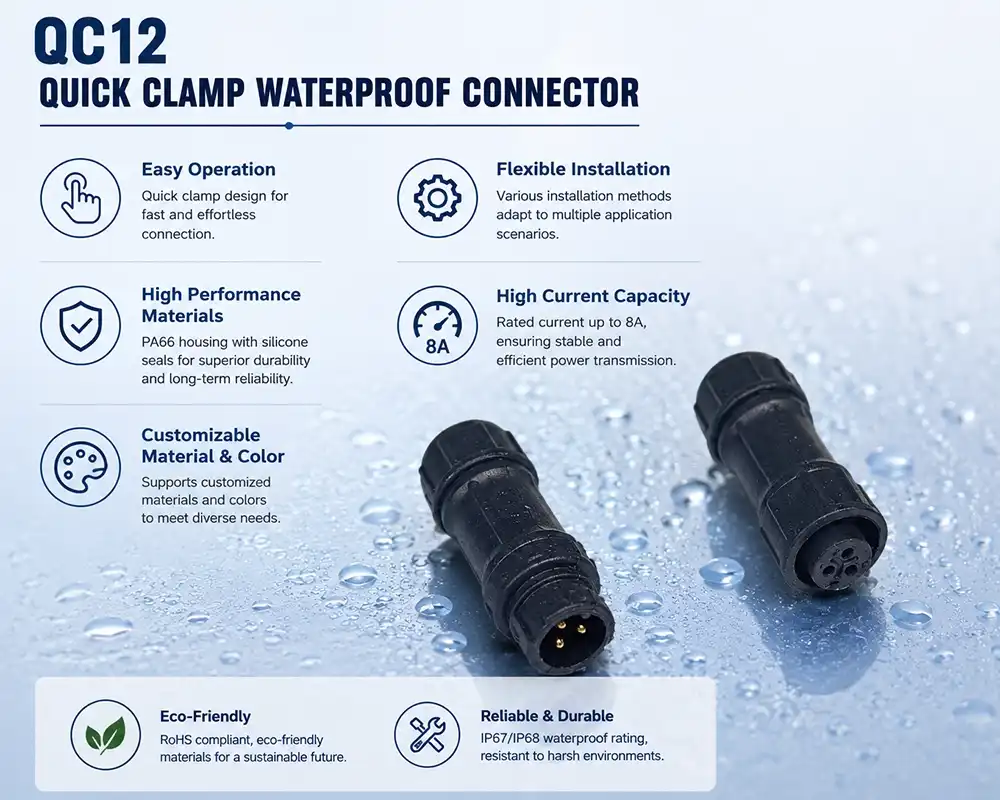
Installation Best Practices for Maximum Durability and Protection
How well QC12 quick clamp waterproof connectors are installed has a direct effect on how well they work as advertised. We've seen even the best waterproof connectors fail when workers skip important steps during setup or damage the seal by handling them incorrectly.
Cable Preparation Fundamentals
To start, cut the wire insulation to the exact length needed, which for the QC12 quick clamp waterproof connector is usually between 6 and 8 mm for the screw connections. Too much exposed conductor length can cause short circuits, and not enough length can keep the terminals from touching securely. Use good wire strippers that make clean cuts without nicking the conductor strands. Damaged wires make the circuit less efficient and create weak spots when put under mechanical stress.
Prior to assembly, check that the cable diameters are compatible. The QC12 quick clamp waterproof connector can handle wire sizes between 3 and 6.5 mm. Using cables in this range makes sure that the sealing system closes correctly. If the wires are too big, the seal won't fully connect, and if they are too small, moisture can get around the entry point of the cable.
Assembly Sequence for Optimal Sealing
Before connecting the wires to the screw connections, thread the cable through the connector housing. This may seem like a clear step, but if it's missed, it can cause delays in the field. Tighten screw terminals evenly to keep conductors from pulling out and to avoid using too much torque, which can damage stranded wire. The goal is to make sure that there is good mechanical and electrical contact without the terminal block getting bent.
Carefully line up the quarter-turn mechanism before you use the locking action. When the connection is properly installed, it gives tactile feedback. However, pushing misaligned components into place harms the sealing surfaces and makes the waterproofing less reliable. A quarter-turn clockwise action should work easily and not need too much force.
Common Installation Errors to Avoid
Moisture pollution during placement is a common mistake that can have very bad results. Even if the outside of the connecting box is completely sealed, water or condensation that gets stuck inside during assembly can cause corrosion paths. Make sure the area is dry, and check the ends of the cables for moisture before inserting them.
Overtightening the quick clamp mechanism may seem like a safety measure, but it actually damages the sealing gaskets, making holes for water to get in. The mechanism is designed to achieve the best seal tension at the point marked with a quarter-turn. Plus, using more force doesn't help and could damage parts.
Cable strain relief is important for more than just the connector. The cable entry seal is put under a lot of mechanical stress by sharp turns right next to the connector body. Stick to the minimum bend radius guidelines and use cable management methods that spread the strain along the length of the cable instead of putting it all at the connection places.
Comparing QC12 Quick Clamp Connectors Against Alternative Solutions
Before you make a purchase decision, you need to know how the different connector technologies meet the needs of your specific application. There are a lot of different types of waterproof connectors on the market. Each one has its own pros and cons that affect the total cost of ownership and the stability of the system.
Performance Benchmarking Against Screw-Type Connectors
Traditional screw-type waterproof connectors have been shown to be reliable, but they need special tools to be installed and take a lot of time in the field. To get the right seal compression, you need to use the right torque. Too little torque lets water in, and too much torque damages the sealing parts. This level of installation complexity makes it hard to be consistent across big deployments where multiple techs do work in the field.
The QC12 quick clamp waterproof connector's tool-free quarter-turn mechanism gets rid of torque variations and cuts installation time by about 60% compared to screw-type options. This efficiency is especially useful for projects like LED street lighting or farm tracking networks that need to set up hundreds or thousands of links in the field. Over the lifecycle of a project, the savings on labour costs add up to a lot, which often cancels out any unit price premium.
Evaluating Total Cost of Ownership
The price of the connection itself is only one part of its true cost. When R&D engineers look at different connector choices, they need to think about how much it will cost to install, fix, and replace each one over the planned service life. The QC12 quick clamp waterproof connector's 500+ mating cycle rating supports uses that need to separate and reconnect equipment on a regular basis for things like yearly repair or equipment reconfiguration, without affecting its waterproof performance.
Quality managers like it when seals work consistently because it cuts down on warranty claims and calls for field service. When connectors keep their IP68 protection throughout their service life, your equipment keeps working the way it's supposed to instead of slowly losing its performance as water gets into less durable connection systems.
Application-Specific Suitability Analysis
Thermal cycling and UV exposure can be hard on connections in solar PV grids and wind turbines, but the QC12 quick clamp waterproof connector is resistant to these conditions, which is good for renewable energy setups. The gold-plated contacts on the socket keep the low resistance even when high currents are flowing through them. This is needed for connecting battery systems and charging infrastructure.
For industrial machinery, you need links that can handle cutting fluids, hydraulic oils, and cleaning chemicals. The PA66 housing is resistant to chemicals, making it suitable for places where food processing equipment and pharmaceutical production equipment are regularly cleaned. This chemical compatibility makes connectors last longer while keeping safety certifications that are important for businesses that are controlled.
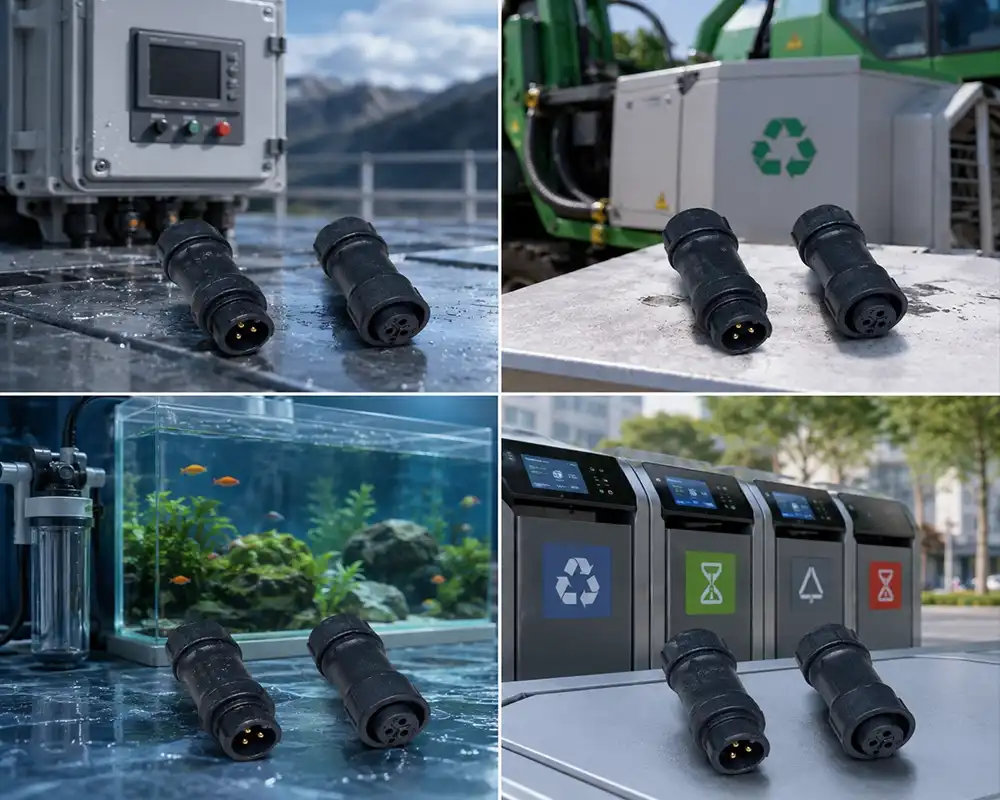
Sourcing Strategies for QC12 Quick Clamp Waterproof Connector Supplier Partnerships
Finding suppliers who offer consistent quality, reliable lead times, and quick technical support is key to successful procurement. There are many suppliers in the waterproof connection market, and each one has different skills. It is important to evaluate suppliers to make sure that projects are successful and that they will continue to work reliably in the future.
Certification Verification and Quality Assurance
Before you evaluate a seller, make sure that their essential certifications meet the needs of your project. The CE mark means that the product meets European standards, and the RoHS mark means that it doesn't contain any restricted substances that aren't allowed in products sold in regulated markets. The supplier's ISO9001:2015 certification shows that they have quality management systems in place that help keep production standards consistent.
Ask for certification paperwork directly and double-check certification numbers with the issuing authorities when the importance of the project calls for it. There are times when fake goods get into supply lines, and certification fraud is a real risk that quality managers need to deal with by putting in place processes for checking.
Lead Time Management and Inventory Planning
Standard QC12 quick clamp waterproof connector configurations usually ship within 7–10 business days from reputable suppliers who keep a deep inventory. This makes it possible to restock maintenance stock and work on small projects that don't need long-term planning. Custom configurations, such as specific cable lengths, pin arrangements, or pre-wired assemblies, need manufacturing lead times that change depending on how complicated the customisation is and where it is in the production queue.
During seller qualification, purchasing managers should set goals for wait times and check to see if minimum order sizes apply to both standard and custom configurations. When it comes to prototyping and trial runs before committing to large-scale production purchases, suppliers with flexible MOQs are very helpful.
Technical Support and Customization Capabilities
When there are unusual environmental conditions, special wire specs, or integration problems in an application, the technical knowledge of the supplier becomes very important. Suppliers with their own research and development departments can look at your specific needs and come up with the best solutions, such as changing the seal materials, contact configurations, or housing sizes.
Being able to talk to seller technology teams clearly speeds up the process of fixing problems and helps improve products. Suppliers who offer support in multiple languages and quick communication across time zones show that they care about their customers' success in more ways than just a transactional sense.
Conclusion
The QC12 quick clamp waterproof connector meets the important needs of fast installation and long-lasting dependability that are needed for outdoor and industrial connectivity projects to be successful. It has an IP68 rating because it has a PA66 housing, gold-plated contacts, and improved dual-stage sealing. This makes it suitable for demanding uses like LED lighting networks and green energy systems. The quarter-turn tool-free installation mechanism cuts down on field labour costs, and the 500+ mating cycle rate makes it suitable for uses that need to be accessed regularly for upkeep. CE and RoHS certifications give purchasing professionals peace of mind because they are backed by strict testing protocols that show performance in conditions like salt spray, thermal shock, and submersion that go above and beyond what is required by law.
FAQ
What maximum temperature can QC12 connectors withstand?
Over a temperature range of -40°C to 105°C, the QC12 quick clamp waterproof connector works reliably. The temperature range in this span goes from arctic winter to desert summer, so it can be used outside all year in almost any climate zone. The PA66 housing doesn't become brittle at low temperatures or bend at high temperatures. It keeps its structural integrity throughout this range.
Can QC12 connectors remain permanently underwater?
The QC12 quick clamp waterproof connector can be submerged in water continuously under certain conditions, as shown by its IP68 grade. Part of the testing process is submersion at a depth of 1 metre for 72 hours. Permanent underwater installations should make sure the connector works with the expected depth and length of time of submersion. However, the connector works best in situations where it will be submerged from time to time, like irrigation systems and outdoor equipment that may be flooded or get wet from the weather.
How does the quick clamp differ from traditional screw connectors?
Traditional screw connectors need to be tightened with the right amount of torque for the seal to stay in place. The QC12 quick clamp waterproof connector's quarter-turn mechanism consistently compresses the seal through mechanical design instead of operator technique. This cuts down on installation time and gets rid of torque-related seal failures. This design benefit is especially useful for big deployments where consistent installation affects the general reliability of the system.
Partner with Cablein for Your QC12 Quick Clamp Waterproof Connector Manufacturer Needs
To make good connectivity solutions, you need to know how to make things, have quick technical support, and work with dependable supply chains that know how important project deadlines are. We've been specialising in industrial waterproof connectors at Cablein since 2017. Our QC12 quick clamp waterproof connectors are used in LED lighting, green energy, industrial automation, and security video systems all over the world. Our 6,000-square-meter factory keeps more than 10,000 of each item in stock, so basic setups can be delivered in 7–10 days. Our engineering team can help with customisation for different pin arrangements, cable lengths, and pre-wired assemblies. We give you the safety paperwork your projects need with our ISO9001:2015 quality management and CE, RoHS, ETL, PSE, and SAA approvals. Our technical support team is available 24 hours a day at nick@cableinco.com to help you choose the best connectivity solution for your next project. Email them today to talk about your specific application needs, get technical specifications, or set up a sample evaluation.
References
1. International Electrotechnical Commission. (2013). "Degrees of Protection Provided by Enclosures (IP Code)." IEC Standard 60529, Edition 2.2.
2. Chen, W., & Zhang, L. (2020). "Material Selection for Outdoor Electrical Connectors: Performance Analysis of Engineering Thermoplastics." Journal of Materials Engineering and Performance, 29(4), 2334-2348.
3. American Society for Testing and Materials. (2019). "Standard Practice for Operating Salt Spray (Fog) Apparatus." ASTM B117-19.
4. Underwriters Laboratories. (2018). "Low-Voltage Landscape Lighting Systems." UL Standard 2238, Third Edition.
5. Martinez, R., & Thompson, K. (2021). "Total Cost of Ownership Analysis for Industrial Connectivity Components." IEEE Transactions on Components, Packaging and Manufacturing Technology, 11(8), 1256-1267.
6. European Committee for Electrotechnical Standardization. (2017). "Connectors for Outdoor Applications: Requirements and Test Methods." EN 61984:2017 Standard.