How Waterproof Splitter Connectors Simplify Multi-Device Electrical Connections
A waterproof splitter connector provides a simpler means of connecting several devices to an electrical supply by separating a single cable run into two or more sealed branches within a single body that may be moulded or assembled. No more stripping wires, twisting splices and wrapping tape on the field. They connect to an existing junction which is weather and dust proof and can take moving wires. This maintains the wires for the exterior camera, lights and sensors in order and saves time during installation. What are these pieces for ? What are the various IP ratings? How to pair cables? How to choose a supplier? In addition, I explain about what Cablein develops.
How a Waterproof Splitter Connector Works and Why It Helps?
What Is a Waterproof Splitter Connector and How Does It Work?
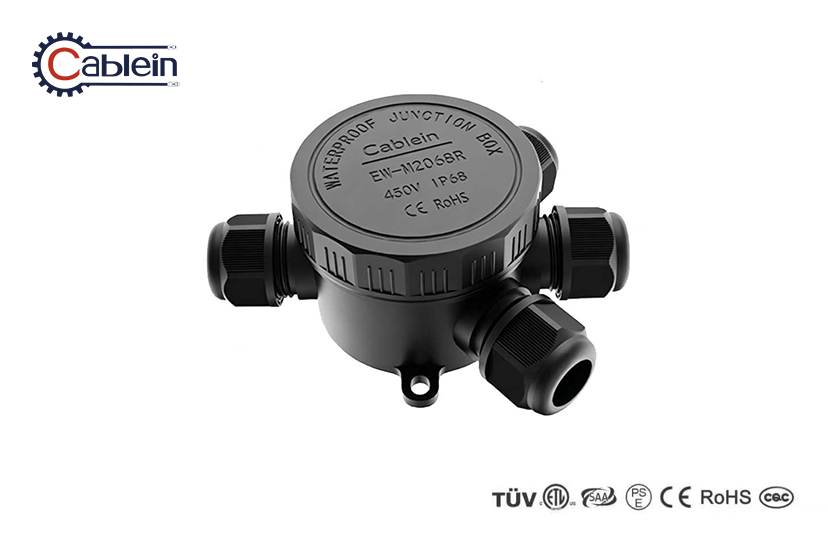
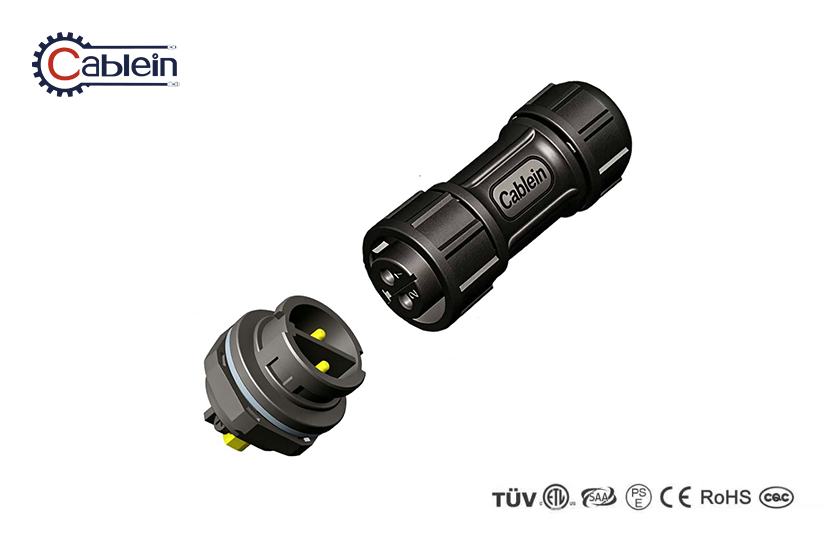
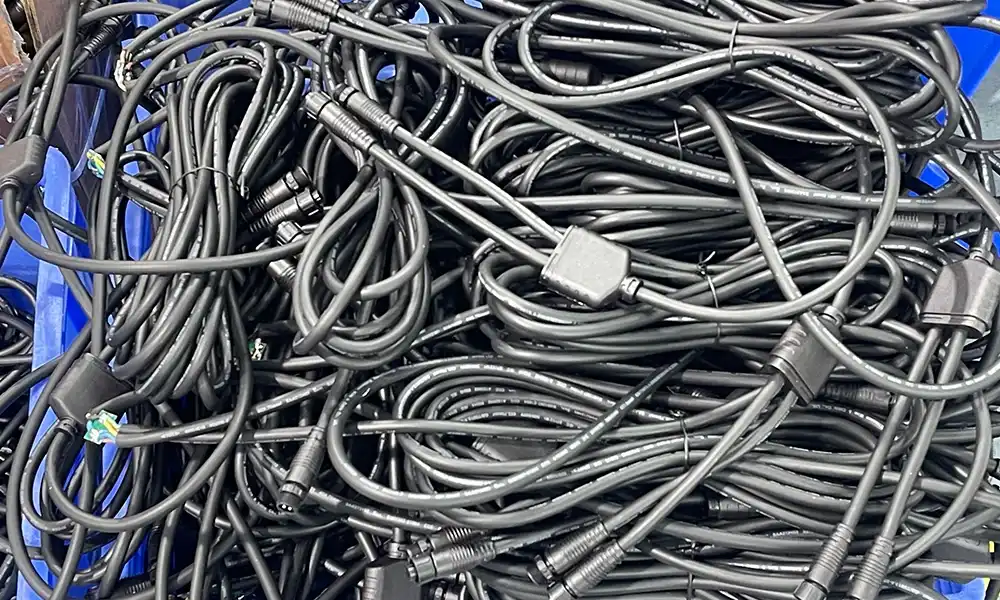
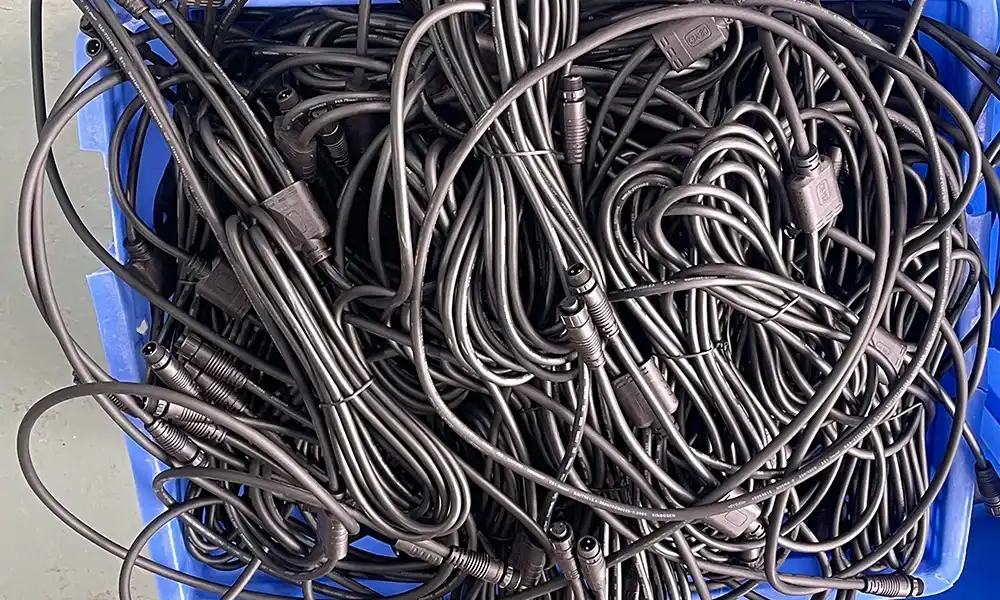
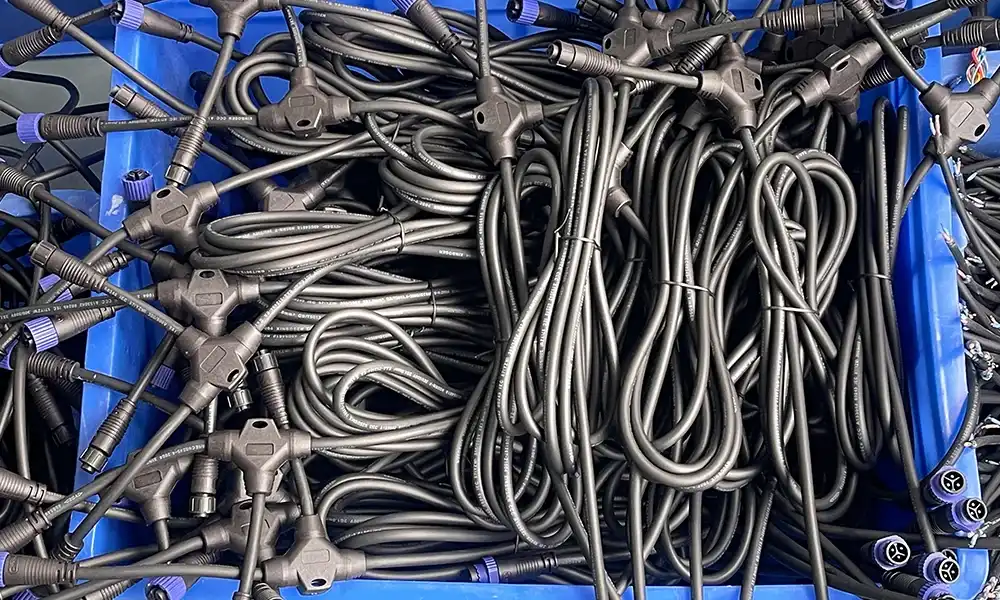
A waterproof splitter connector is a sealed component that takes one input circuit and splits it into numerous output lines. It keeps water, dust, vibration and cable pull out of the joint. The most popular configurations are two-way Y types, three-way T types and bespoke multi-branch assemblies. "Splitter" is the number of electrical paths. That does not indicate the part changes voltage or regulates power or handles data.
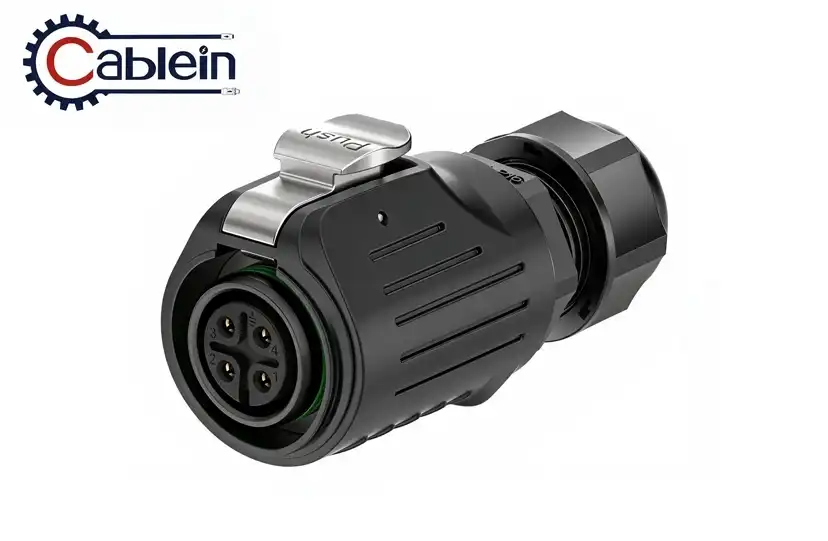
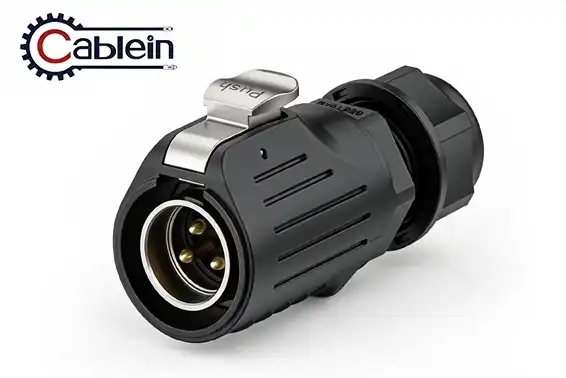
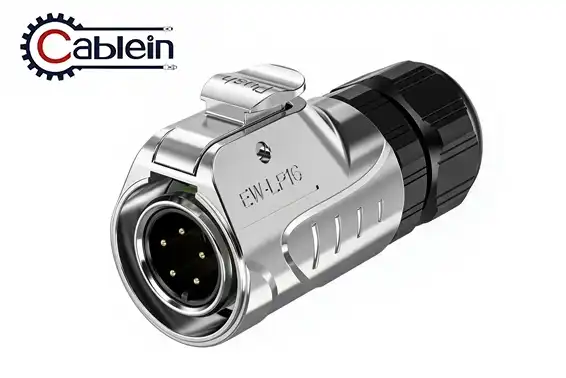
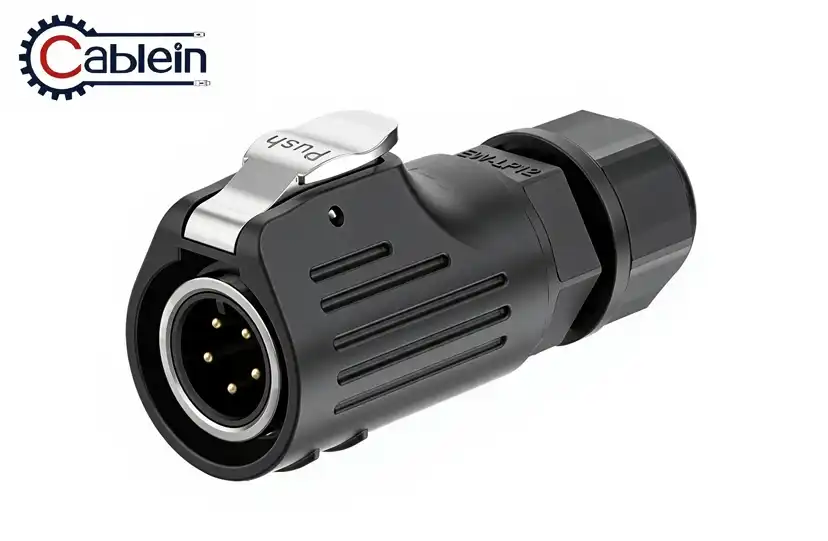
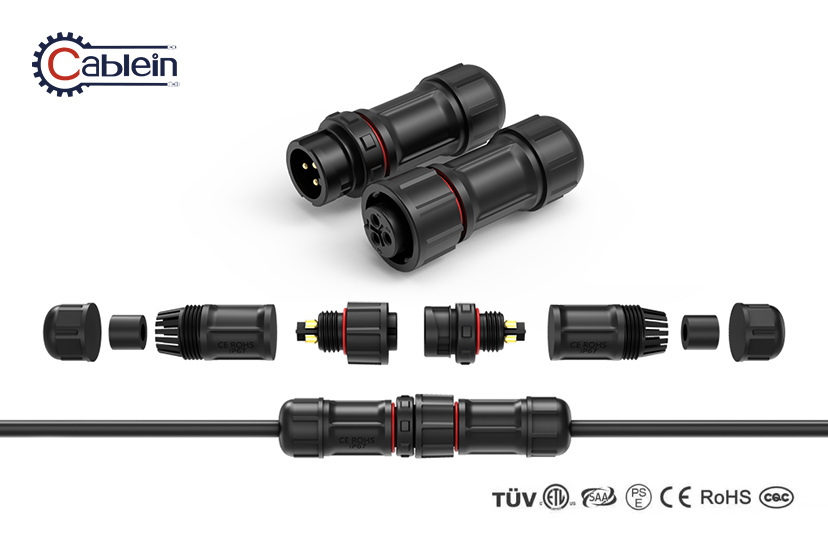
Most of the time it will have a casing, metal contacts, cable seals, gaskets, locking mechanism and strain relief. A 6-pin Y splitter will divide for example, one 6-wire input into two parallel 6-wire outputs. This manner both branches will have the same voltage. The sealing only works when the cable diameter, parts, and assembly methods are precisely as the manufacturer specifies.
Why Waterproof Splitter Connectors Simplify Multi-Device Electrical Connections
Traditional wiring has several weak points. Gaps, loose terminals, and splices left out in the open may allow water in heat shrink joints. A full junction box means more terminals, more effort and more errors. That task is replaced with a sealed splitter, which makes it simpler to assemble. Crews plug the branches in, lock them up and go on, meaning it’s quicker to put up and simpler to maintain later.
Every drop on a pole or wall uses the same part , so technicians only need to learn one set of procedures . Spare parts are easy . Standard designs are advantageous for distributors since the replacements are identical to the original. This is when the connection is suitable for the load, cable, weather and service life of the location.
Waterproof Splitter Connector Comparison: Choosing the Right Solution
It's easier and takes less time to install a waterproof splitter connector than a junction box. For complicated circuits that need relays, fuses, terminal blocks, or a lot of rewiring, a junction box is still a good idea. When there are only a few outs and one in, like when there are several cameras on one pole, the splitter saves space and work.
Branch count is also important. For simple runs, a 2-way model works well. A 3-way model, on the other hand, has an extra branch and needs more space and better load planning. Screw-type designs let you make changes in the field. When installers use the right tool and method, crimp-type designs always work out the same way. Strain-relieved models work in cars, boats, and factories because they keep the contacts and seals from getting too stressed.
IP Ratings, Sealing, and Testing for Outdoor Connections
Waterproof Splitter Connector IP Ratings: IP65, IP67, and IP68 Explained
A watertight splitter connection is quicker and simpler to install than a junction box. For sophisticated circuits that need relays, fuses, terminal blocks or a lot of rewiring a junction box is still a smart choice. If you have few outs and one in, for example, if you have numerous cameras on one pole, the splitter saves space and effort.
The branch count is also crucial. For basic runs a 2-way model is enough. However a 3 way model has one additional branch and requires more room and better loading design. Screw type designs allow you to make adjustments in the field. Crimp type designs always come out the same when the installer uses the proper tool and approach. Strain-relieved models are used in vehicles, boats and industries, since they prevent the contacts and seals from being overstressed.
Waterproof Connector Sealing Methods and Long-Term Practices
Waterproof Splitter Connector IP Ratings Explained: IP65, IP67 and IP68
The IP code, defined in IEC 60529.1, is made up of a pair of integers. First one exhibits protection against solids, second one displays protection against water. IP65 and IP67 both protect against dust. With IP65, low-pressure water jets from any direction are harmless. IP67 means you may submerse it for up to 30 minutes at depths of up to 1 metre. IP68 covers longer or deeper immersion but the depth and duration is defined by the producer thus I usually write those data down to be sure.
An IP address does not tell you everything. Buyers should also consider its resistance to UV light, temperature range, salt spray, chemicals, fires and market certifications such as UL, ETL, CE, RoHS, or REACH. The rating is only useful if the connection is correctly linked to a cable that can operate with it.
How to Test a Waterproof Splitter Connector
These portions may be sealed using compression gaskets, O-rings, cable glands, threaded caps, resin potting or factory overmolding. Field-assembled designs allow greater flexibility and servicing ease. For operations that entail a lot of labour or are harsh, factory moulded or potted assemblies offer more consistent protection since the sealing is done in a controlled environment rather than on a ladder.
The excellent habits will defend any strategy. Check that the surfaces you are sealing are clean and not damaged. Never combine various kinds of connection seals. Use the correct equipment, make sure the cable diameters match, and run the wires so that water cannot flow up the wire and into the junction. It helps if the arrangement allows for a drip loop (minimal sag before the junction). “Cover any open ports and protect exposed branches from damage.
Circuit Planning, Cable Matching, and Installation
Waterproof Splitter Connector Wiring Diagram and Circuit Planning
Check the entire item, not just the body of the connection, when evaluating a waterproof splitter connector. Including the casing, the connections, the seals, the cable and the method of mounting. First inspect it and feel it for cracks, gaps, broken threads, loose locks, corrosion or poor strain relief. Then, before connecting the complete load, check for shorts, continuity, polarity, branch function, etc. using a multimeter.
Some systems additionally need insulation resistance or dielectric withstand tests, provided the voltage is within the limitations of the components. The final cable arrangement should be used in formal IP testing, and recognised procedures should be used. Tests for vibration, temperature cycling, immersion and salt spray may be included as part of environmental assessments in accordance with ASTM B117. Every single unit is tested for water proofness at Cablein. I advise you to do the same with your own cable before ordering a lot of it.
Waterproof Splitter Connector Cable Size and Compatibility Guide
Cable fit affects both how well the electricity works and how well it keeps water out. Match the connector to the outer diameter, the cable construction, and the size of the conductor (AWG or mm²). A cable that is too small might not be able to squeeze the seal enough. A cable that is too long can stop the assembly or damage the seal. Round, stranded, flexible cables usually seal better than flat or wavy ones, but make sure you stay within the range allowed by the manufacturer.
With a clear purchase spec, there's no need to guess. Write down the voltage, current, cable diameter, number of poles, contact material, temperature range, IP rating after assembly, and any certifications that are needed. If you use an overmolded Y splitter, you can also use different wire gages on each branch. For example, for power pins, you could use thicker wire and thinner wire. For your model, ask the supplier to make sure of this.
Waterproof Splitter Connector Installation Guide
First, make sure you know the model of the connector, the number of branches, the polarity, the diameter of the cable, the load rating, and the conditions of the site. The ends of the cables should be cleaned and cut to the right length. End the wire in the way that the product specifies, such as by crimping, screw terminals, soldering, or inserting. Seals, O-rings, glands, and sealing plugs should be put in the right place. Do not force threaded parts to be tightened. Instead, tighten them to the recommended torque.
Before you route the cable, make sure that each terminal locks all the way into the housing and that the strain relief is turned on. Last, check the polarity, branch labels, seal alignment, cable bend, and protection on ports that aren't being used. A quick check on the ground takes much less time and money than going back up with a lift.
Choosing a Waterproof Splitter Connector for Your Application
Selecting the Best Waterproof Splitter Connector for Security and Smart City Wiring
There is rain, sun, dust, and temperature change on every pole and wall box that is used for outdoor surveillance and smart cities. A Y or T splitter cuts down on the number of field splices needed because it lets one feed go to more than one camera or device. Cablein's T/Y splitters are certified by UL2238 and EN61984, which means that US project managers can show inspectors and clients proof that they are in line with the rules. IP67 protection is good for most outdoor conditions.
Check the voltage, current, and cable type, then match the number of branches to the layout of the device. Find out if the splitter only carries power lines or power lines plus control lines. A 6-pin design carries more than one conductor. Network traffic can't be split by a splitter unless it was made to do that. To find the exact model, look at the datasheet.
Lighting, Solar, Automotive, and Marine Applications
Rules are different for each field. For outdoor and garden lighting, UV protection, a good temperature range, and IP67 or IP68 protection depending on the amount of exposure are all important. Voltage, polarity, current, and conductor layout must all be the same for LED strips to work. DC voltage, cable size, UV exposure, and whether the connector is approved for photovoltaic use are all things that solar systems need to think about.
Installations in cars and RVs need to be able to handle vibration, oil, and temperature. Doing work in the sea protects against corrosion and salt spray. When you bury cable, you need a connector that has been tested for direct burial. Don't think that an outdoor-rated part will work. LED lighting, new energy, industrial automation, and security and surveillance are all parts of our product lines. This makes it easier for contractors to find the right supplies for a wide range of projects.
Common Waterproof Splitter Connector Mistakes and How to Avoid Them
Not the basic design of the product, but mistakes in the specs or the way it was put together cause most failures in a waterproof splitter connector. An IP rating doesn't tell you anything about UV resistance, current capacity, salt-spray protection, or whether it's safe to bury directly. Bad cable diameter makes the seal less strong. Too much total current can make contacts too hot, which can lower the voltage. Any open branches need plugs or caps that are approved. Parts that are rated for outdoor use shouldn't be used underwater all the time unless the rating allows it.
It's easy to fix. Test the whole assembly with the cable and installation method you chose. Before sending out a lot of items, test the first article and a production sample. Field failures, repeat site visits, and warranty claims all cost a lot more than these checks.
Buying Waterproof Splitter Connectors: Suppliers and Decisions
How to Choose a Waterproof Splitter Connector Supplier?
You want to look at pricing and a supplier’s technical expertise. Describe the application, voltage, current, number of branches, cable type, outer diameter, IP requirement, yearly volume, target market and certification required. In reply you should request test results, samples, drawings, data sheets, quality system records, tool making ability and manufacturing capacity.
Check if the supplier offers bespoke housings, cable assembly, labelling and documentation for OEM and custom applications. Check minimum order quantity, tooling costs, lead time, packaging, warranty, payment conditions, expertise in exporting and supply stability. For US contractors, how much stock they have and how soon they can get it typically decides whether a project remains on time. Which is why it’s crucial to acquire lead times in writing.
Practical Decision Checklist for Buying Waterproof Splitter Connectors
Consider the environmental danger, the electrical needs, the installation technique and your shopping objectives. First, identify the kind of exposure: rain, transient immersion, permanent immersion, salt spray, chemicals, vibration, direct burial, heat, or chemicals. Secondly, be sure you know the voltage, total current, cable size, voltage drop, number of branches and strain relief.
“When the specs are set, standard products do a good job.” Bulk or OEM projects such as custom cable lengths, packaging, branding, testing and planned manufacturing are wonderful things. Finally, check whether the IP rating, certifications, compatibility, lead time, MOQ, warranty and supplier support are still up to the mark. The general buying sequence for individuals is as follows: inquiry, sample, field trial, bulk purchase, repeat orders. This is the sequence you should plan your timetable around.
What Cablein Offers for Waterproof Splitter Connector Projects
Cablein Technology Co., Limited is situated in Shenzhen, China and was founded in 2017. We employ over 200 competent individuals in our 6000koku facility. We specialise in the production of industrial waterproof connectors and specialised cable assemblies. It is authorised by UL2238/EN61984 for our T/Y splitters and it may also be approved by ETL, PSE, SAA, CQC, CE, RoHS, REACH and TUV depending on the series.
We have over 10,000 items of each product in stock at all times and ship in 7-10 days. We can work with your schedule for unique orders. We are ISO9001:2015 certified in our quality system and we test each device to ensure it is waterproof. We ship by air or water via UPS, DHL, FedEx and freight forwarders. OEM/ODM Customisation includes Private Moulds, with 24/7 technical support.
Conclusion
A waterproof splitter connector gets rid of the need for open splices and crowded junction boxes, leaving only one sealed branch point that can be used again and again. It explained how the part works, why it cuts down on failure points and installation time, and when a junction box is still a better choice. While IP65, IP67, and IP68 ratings talk about different water exposures, they don't take the place of UV resistance, salt spray, current, and certification checks. How well a design works depends on the cable diameter, total current, voltage drop, and polarity. The seal is protected by careful installation and testing. There are different needs for surveillance, lighting, solar, automotive, and marine work, so each use needs its own review of the specifications. Buyers can get consistent results in the field by picking a supplier based on their documentation, stock, lead time, and ability to make changes.
FAQ
What does a waterproof splitter connector do?
It splits a single input circuit into two or more sealed outputs. This way, one cable can power or connect multiple devices without leaving any exposed splices.
Is IP67 enough for outdoor surveillance?
IP67 covers dust and short-term immersion up to 1 meter for 30 minutes, which is good for most rain. Choose IP68 for permanent submersion and check with the maker to see what depth and length of time were tested.
Can one splitter work on 12V and 24V systems?
It should only be used if the system can handle its rated voltage, current, cable size, and branch load. To find the exact model, look at the datasheet.
Should I choose a standard or custom splitter?
Products that are standard fit set requirements. Custom designs can be made to fit different cable lengths, branch requirements, brand guidelines, or high-volume programs.
How do I test a splitter before installation?
Before you connect the load, check the continuity, polarity, and shorts with a multimeter after looking at the housing and seals.
Request a Waterproof Splitter Connector Quote from Cablein
Cablein makes waterproof splitter connectors and keeps more than 10,000 of each item in stock. They offer 7–10 day delivery and their T/Y splitters are UL2238/EN61984 certified. If you email nick@cableinco.com with your application, IP rating, voltage, current, branch count, cable diameter, and order quantity, our team will help you choose a standard or custom solution.
References
1. IEC 60529: Degrees of Protection Provided by Enclosures (IP Code), 2013
2. IEC 61984: Connectors – Safety Requirements and Tests, 2008
3. NFPA 70: National Electrical Code, 2023
4. NEMA 250: Enclosures for Electrical Equipment (1000 Volts Maximum), 2020
5. ASTM B117: Standard Practice for Operating Salt Spray (Fog) Apparatus, 2019
6. ISO 9001: Quality Management Systems – Requirements, 2015