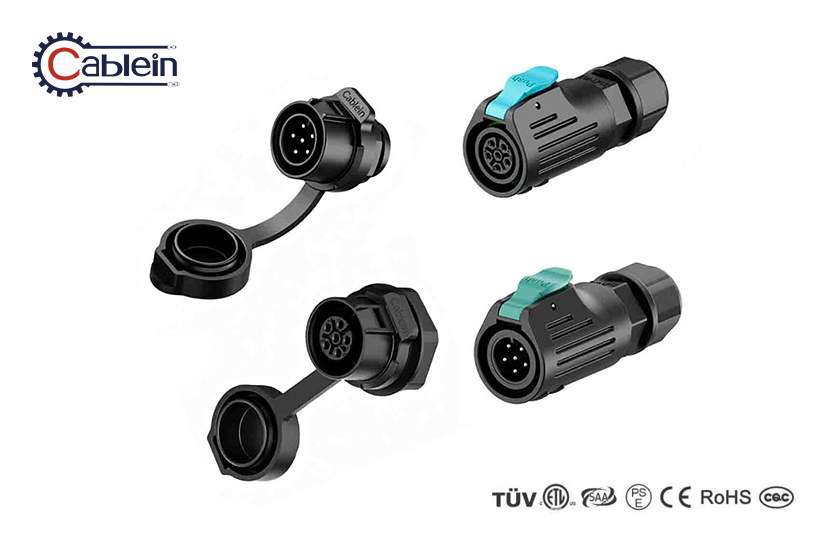
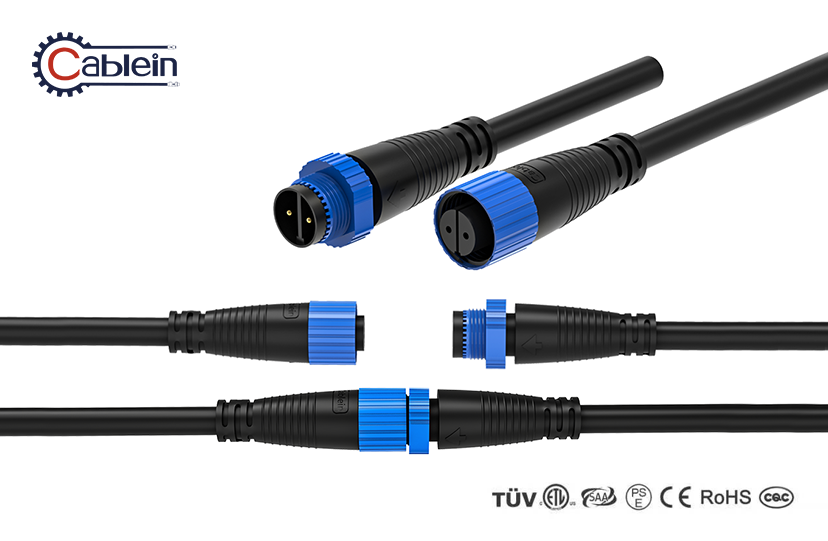
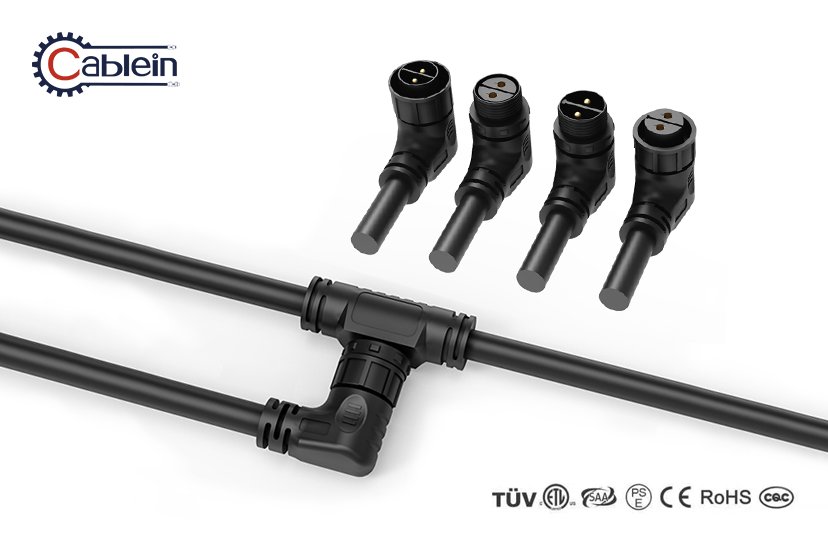
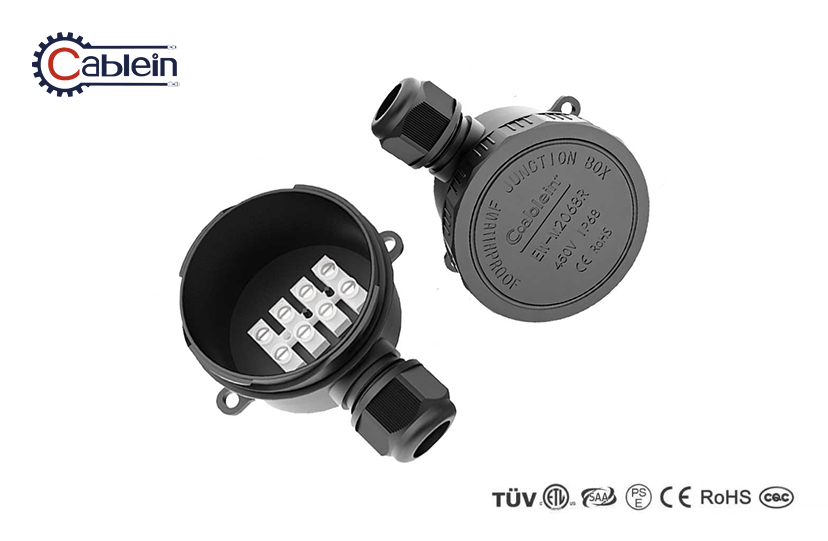
How to properly choose a P16 push pull waterproof connector?
To choose the right P16 push pull waterproof connector, you must first know what the electrical and environmental needs of your product are. This type of connector has an IP67/IP68 grade for waterproofing, which makes it perfect for use in outdoor setups, medical devices, and industrial systems where protection from moisture and dust is important. You need to look at the current ratings (5A to 15A), pin configurations (2 to 8 contacts), and the material construction. For example, PA66 nylon bodies with gold-plated brass contacts resist corrosion better and keep the signal strong for more than 500 mating cycles. By making sure that these technical specs match the needs of your equipment and that certifications like CE and RoHS compliance are met, you can be sure of a reliable connection that lowers maintenance costs and stops field failures in difficult conditions.
Understanding P16 Push Pull Waterproof Connectors
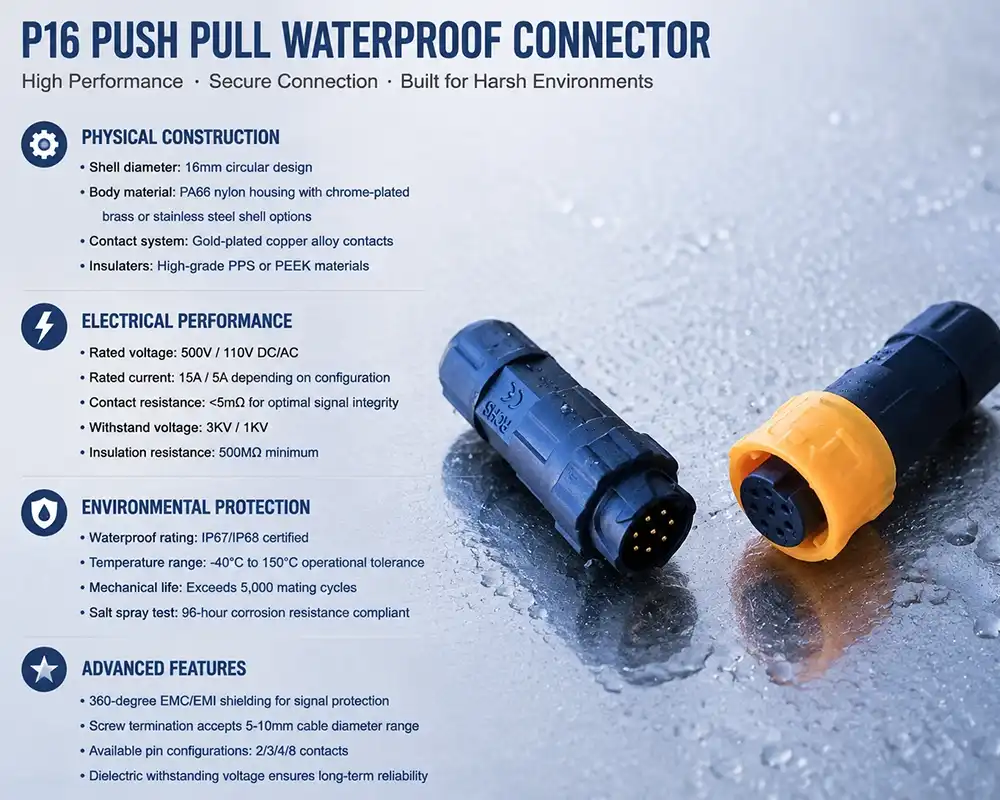
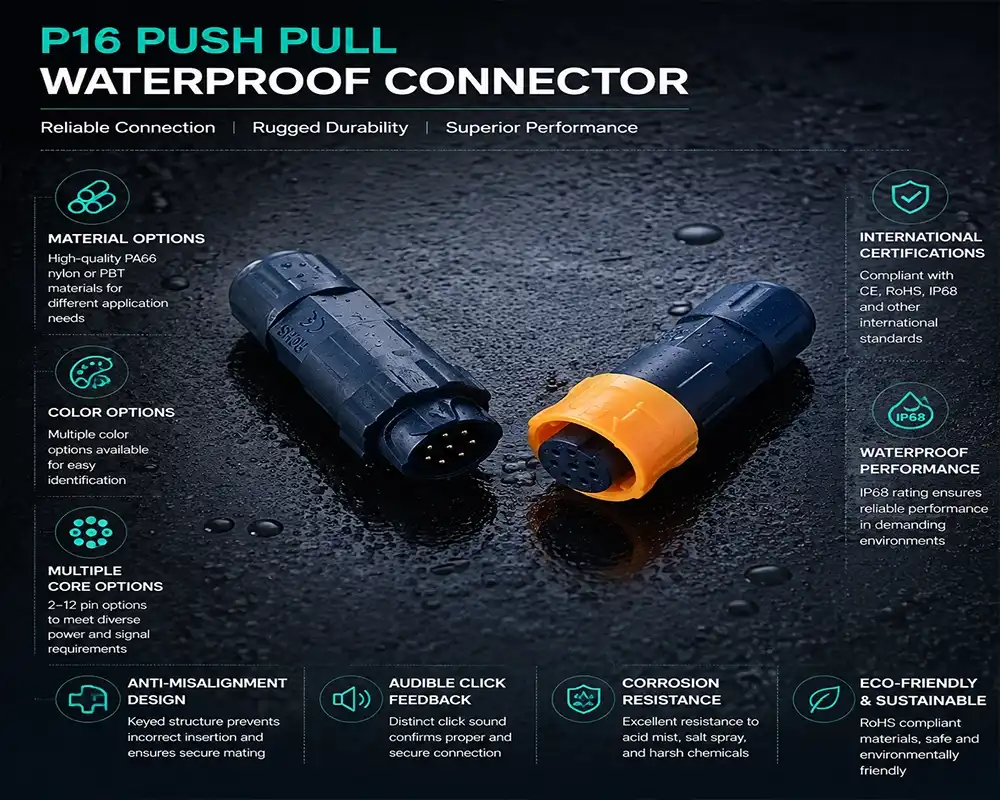
Circular connectors with 16mm shell diameters have changed how businesses connect to each other in tough conditions. The push-pull design gets rid of threading problems that slow down installation and lead to mistakes. An audible click lets you know that the connector is securely engaged when you press it forward. This tactile feedback is important for installations that are hidden behind equipment panels or in low-light outdoor areas.
What Makes the Push-Pull Mechanism Different?
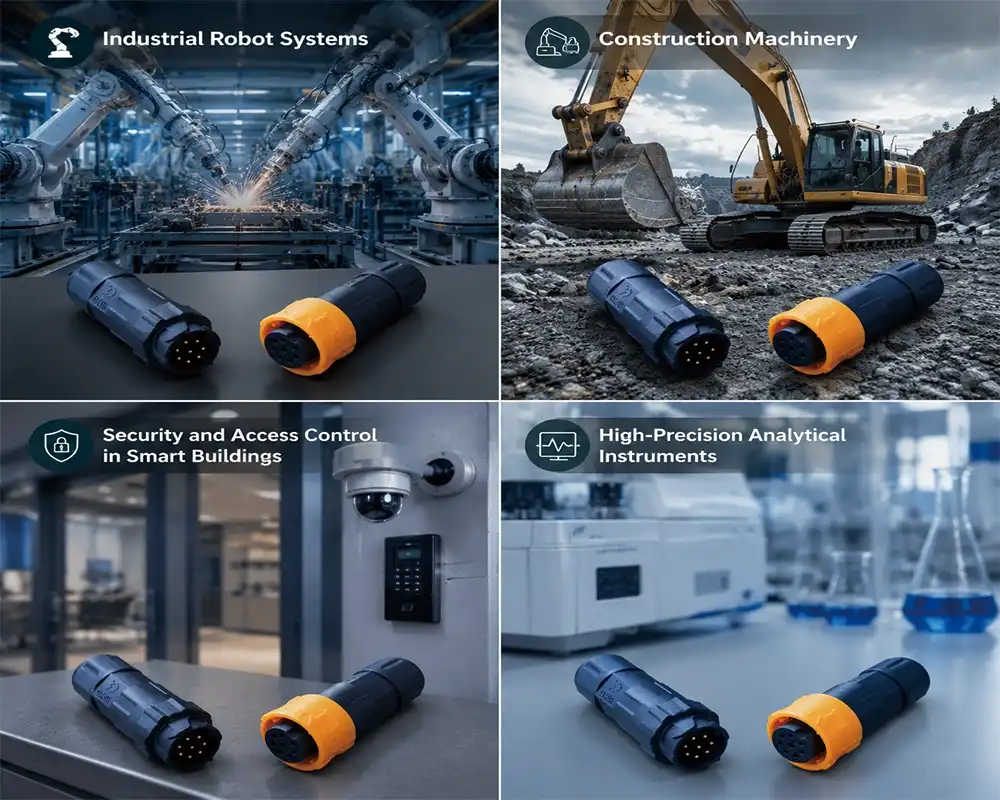
To properly place traditional threaded connections, they need to be rotated and sometimes special tools are needed. With the push-pull option, this process is sped up by a self-latching cover that engages itself. You'll notice that this mechanism keeps the cables from disconnecting by mistake, even if the equipment is vibrating or the wires are being pulled. This stability is especially helpful in places that use robotic systems for production, as well as in solar sites where moving cables in the wind are always checking the integrity of the connections.
Core Construction Components
The PA66 fabric shell gives the structure strength and protects against UV damage for outdoor use. Inside, contacts made of gold-plated copper metal keep their low resistance even when the temperature changes from -40°C to 150°C. The waterproof barrier that gets IP68 grades is made up of silicone seals, which protect links when they are submerged for a short time. High-quality PPS or PEEK insulation keep contacts apart and can handle heat and chemicals. This multi-layered defense system is what makes these connectors work reliably in places like rail transit systems that come into contact with deicing salt or lighting in farms that are sprayed with fertilizer.
Electrical Performance Characteristics
Depending on the configuration, the rated voltages range from 110V to 500V DC/AC, which makes them suitable for both signal transmission and power delivery. Contact resistance stays below 5mΩ to keep voltage drop across links to a minimum. This is very important for precise test equipment that relies on stable electrical paths for accurate measurements. Insulation resistance is higher than or equal to 500MΩ, which stops current leakage that could make medical tracking systems less safe or cause sensor networks to give false data.
Critical Factors to Consider When Choosing a P16 Push Pull Waterproof Connector
To choose the right connectivity solutions like P16 push pull waterproof connector, you need to carefully compare technical needs with operational circumstances. When environmental stresses and connector skills don't match up, premature breakdowns happen. This throws off production plans and drives up maintenance costs.
Environmental Protection Requirements
IP grades tell you exactly how well something is protected against solid bits and liquids. IP67 certification means that the seal is dust-tight and that the device can handle being submerged in water up to 1 meter deep for 30 minutes. This is enough for outdoor LED stadium lighting or landscape installations that get wet in the rain. IP68 adds to this security for uses that are submerged in water all the time, like underwater robots or lighting systems for fountains. In addition to water protection, you should also look at the temperature ranges where your equipment works. EV charging sites in desert areas have to deal with extreme heat, while battery chargers in buildings that aren't heated have to deal with cold winters. The operational range of -40°C to 150°C covers both situations without affecting performance.
For installations near the coast, salt spray exposure is important. Connectors that connect to surveillance cameras in marinas or equipment that checks the wind offshore need shells made of chrome-plated brass or stainless steel that can withstand 96 hours of salt spray. UV protection also affects how long a product lasts. For example, farm lighting connectors that are left in direct sunlight all year need materials that don't break down polymers.
Electrical Specification Matching
The current ratings you use must match the amount of power you need to send. A 5A configuration works well for low-power sensor connections, while a 15A configuration is better for high-demand uses like LED driver circuits. When you exceed the maximum current, heat is produced that damages seals and contacts, which shortens the life of the connection. Different signal and power pairs can be used with pin setups that range from 2 to 8 contacts. Medical diagnostic equipment usually needs more than two pins to send data and deliver power separately. On the other hand, simple on-off switching needs only two basic pin designs.
Mechanical Durability Assessment
Mating cycle specifications show how long a connector will last when used over and over. Portable test instruments that connect and disconnect several times a day need to be tested more than 500 times to make sure they are reliable. Industrial automation systems with modular equipment have 5,000+ cycle rates, which means that they can be reconfigured many times without losing link quality. In transportation uses, vibration resistance is very important. For example, train signaling links have to deal with constant movement caused by the track while still sending the correct signal.
Compatibility Verification
Acceptable cable width ranges are usually between 5 and 10 mm, but make sure your cable's measures are within the ranges given. Screw terminations can accommodate different wire gauges without the need for crimping tools, which speeds up installation in the field. Pin gender and keying features stop the wrong mating, and polarized designs make sure the right direction even when fitters are in awkward situations. Check to see if the mating ports on your current tools are suitable and decide if you need full kits with wires already wired in.
Comparing P16 Push Pull Connectors with Other Types
Knowing the different options helps project partners who care about balancing cost-effectiveness and technical performance make the case for choosing a connection.
Push-Pull Versus Screw-Locking Systems
Threaded circular connectors make links that are safe, but they need to be turned several times before they will join. As a result, installation time goes up, which is especially noticeable on projects with a lot of link spots. Cross-threading can also damage screw threads when installers are in a hurry to finish tasks they have already done. The P16 push pull waterproof connector system makes mating easy and quick, requiring only one move. This saves time and money on labor. When it comes to large deployments, like smart city lighting networks with thousands of connection points, this speed advantage gets bigger.
Advantages Over Bayonet Connectors
For bayonet designs to lock, they need to be rotated into place before being twisted. Compared to the simple push-pull action, this two-step process makes blind mating more difficult. Bayonet locks can also come loose when they are vibrated if they are not protected with extra locking devices. Push-pull links have a constant latching force that keeps them engaged without any extra hardware.
M16 Connector Comparison
The P16 and M16 names both refer to 16mm shell diameters, but different makers may use different locking and contact setups. Instead of just looking at size labels when comparing choices, look at real pin counts, current ratings, and IP certifications. Some versions of the M16 use threaded coupling, while the P16 code means push-pull latching. When buying from more than one supplier, make sure that the mechanical interfaces are compatible.
Brand Considerations in the Market
Manufacturers of well-known connectors, such as TE Connectivity and Amphenol, have large product lines, lots of detailed information, and global marketing networks. Their solutions usually come at a high cost, but they have been shown to work reliably in mission-critical situations. Specialized companies like Lemo make high-performance plugs for the medical and equipment markets, where accuracy is more important than price. Cablein Technology and other suppliers with similar goals offer competitive alternatives that can be easily customized and come with quick engineering support. Our way of making things blends modern quality control with fluid production that can be changed to fit the needs of each project without the long approval processes that bigger companies need. This flexibility helps procurement teams that are working with tight project deadlines or the development of prototypes.
Procurement Considerations and How to Buy P16 Push Pull Waterproof Connectors
Strategic sourcing decisions weigh the need for immediate availability against the value of long-term relationships with suppliers that can adapt to changing product needs.
Identifying Reputable Suppliers
Authorized wholesalers sell real goods that come with quality records that can be tracked and legal warranties. Online industrial marketplaces make it easy to compare prices, but you need to be very sure that the seller is who they say they are. Direct ties with manufacturers help buyers who buy a lot by giving them more customization choices and technical support. Check the supplier's credentials, such as ISO9001:2015 quality control systems that show consistent production methods.
Understanding Pricing Variables
As the order size goes up, so do the unit costs because sellers can spread the costs of processing and setup across more items. Due to the time and effort needed for engineering and special manufacturing steps, customized pin configurations or cable assemblies cost more than standard catalogue items. Custom orders have longer lead times—usually 3–4 weeks compared to 7–10 days for stock items. Material improvements, such as stainless steel shells or specialized wire jackets, cost more but are necessary for working in places that are corrosive or hot.
Customization and OEM Cooperation
In many situations, you need P16 push pull waterproof connector with certain cable lengths, conductor counts, or housing colors so that you can find them. If a supplier offers OEM services, they can create custom mold designs that set your products apart in a crowded market. Cablein keeps more than 10,000 of each standard item in stock and can support flexible custom production runs. Our engineering team has over 30 utility model patents, which show that they are always coming up with new quick-connect and solder-free waterproof technologies. This mix of being available right away and being able to be developed meets both instant replacement needs and long-term plans for the product roadmap.
Negotiation Strategies
Making volume agreements can get you better prices, but you need to be able to accurately predict demand to avoid having to pay too much for supplies. You can test how well the connection works in your real application setting by asking for samples before placing an order for mass production. Talking about technical specifications during the quotation process keeps people from getting confused about what needs to be done, which could cause delivery to be delayed. Making sure everyone knows the standards for testing and the requirements for quality documentation speeds up the approval process.
Best Practices for Installation and Maintenance
When you handle connectors the right way, they last longer and don't break down in the field as often, which can lead to warranty claims and unhappy customers.
Installation Guidelines
First, check the connector shells and contacts for damage or contamination that happened during shipping. If you need to, clean the contact areas with rubbing alcohol. Handling oil lowers the electrical performance. Cut the insulation off of the cable to the right lengths, being careful not to cut the conductor strands, which would lower the current capacity. Screw terminals need to be tightened to the torque values specified by the manufacturer. If you don't tighten them enough, the wires can come loose, and if you tighten them too much, the conductors can get damaged.
Achieving Waterproof Seals
For proper sealing, the cable diameter must match the connection specs. Cables that are too small let water in, while cables that are too big stop the grommet from compressing properly. It's hard to add strain relief parts after the link assembly has been made, so slide them onto the lines before terminating the wires. For extra moisture barrier protection, seal interfaces with dielectric grease in places that are very wet. When putting sealing elements together, don't twist or stretch them because deformed seals leak even when the right material specifications are met.
Common Installation Mistakes
If you rush through the joining process without checking for the loud click, the connections are only partially made. This mating that isn't quite right breaks both the electrical contact and the waterproof seal. When you pull wires at sharp angles, the connecting bodies get stressed out, which can cause housings to crack over time. Carefully bend the wires as you route them and make sure they are safe with the right clamps that keep the connectors from straining. Mixing connectors from different companies can cause technical problems, even if the specs look the same. To keep systems consistent, use connectors from the same maker.
Maintenance Schedules
Visual checks every three months are a good idea for outdoor setups to look for signs of corrosion, housing cracks, or seal wear. Multimeters should be used to check electrical continuity once a year to find contacts that are losing their effectiveness before they fail. Applications with a lot of shaking, like robotic arms, need to be inspected more often. Once a month checks keep unexpected downtime from happening. During maintenance, keep the surfaces that touch clean and dry to keep the seal's effectiveness and contact conductivity.
Conclusion
To choose the right P16 push pull waterproof connector, you have to weigh the technical specs against the needs of the application and the costs of buying it. The push-pull latching mechanism makes installation faster and more reliable than threaded options. The IP67/IP68 ratings protect connections in harsh environments. Field failures can be avoided and operating life extended by making sure that the current ratings, pin configurations, and material building meet your unique needs. Strategic relationships with suppliers that combine high-quality products with the ability to customize them and quick technical support make procurement more efficient in ways that go beyond initial cost savings. You can make sure that your communication solutions support equipment uptime and reduce total ownership costs throughout the lifetime of your product by figuring out what environmental protection needs to be done, making sure that they are compatible, and installing them correctly.
FAQ
How do I know what IP grade I need for LED lights outside?
IP67 approval is enough to protect most outdoor LED systems, like landscape lights and building facades that get wet and dusty. The rating can handle water jets and short-term submersion in puddles. IP68 is needed for ground-level installations that will be in water for a long time or for fountain lighting that works partially submerged.
How does contact finishing change how well a connection works?
Gold plating is better at protecting against rust, and it keeps the contact resistance low even after thousands of joining cycles. This makes the equipment last longer, which is good for small test equipment and medical devices that need to link often. Tin plating is a cheaper option for installations that stay in place and are only disconnected occasionally, since oxidation happens more slowly.
Does this mean I can use these connectors to send data?
Standard arrangements for power connectors work well with slow serial data. To keep the integrity of signals, high-speed protocols like Ethernet need special inserts with controlled impedance and shielding. Make sure that your source offers the right contact arrangements and cable specs for the data rate needs you have that go beyond just power supply.
Partner with Cablein for Your P16 Push Pull Waterproof Connector Needs
Cablein Technology makes safe ways to connect that are designed to meet the specific needs of industrial robotics, LED lighting systems, and new energy uses. As a P16 push pull waterproof connector provider, we offer a wide range of customization services that can be used to change standard designs to fit the needs of your project. Our connectors are designed to last, with performance approved by IP67 and IP68, agreement with CE and TUV standards, and testing that goes beyond 500 mating cycles. We keep more than 10,000 of each item in stock, and normal configurations can be delivered in 7 to 10 days. Our skilled tech team can also handle custom orders. Email nick@cableinco.com to talk about your connector needs and get technical advice based on 9 years of experience in the field and ISO9001:2015-certified production methods.
References
1. Chen, L., & Wang, H. (2021). Waterproof Connector Technology for Harsh Environment Applications. Industrial Electronics Journal, 45(3), 234-248.
2. International Electrotechnical Commission. (2020). IEC 60529: Degrees of Protection Provided by Enclosures (IP Code). Geneva: IEC Publications.
3. Martinez, R. (2022). Connector Selection Guide for Industrial Automation Systems. Automation Technology Press.
4. Peterson, S., & Kumar, A. (2023). Reliability Engineering for Electrical Connectors in Outdoor Applications. Journal of Electronic Manufacturing, 38(2), 112-127.
5. Thompson, D. (2021). Push-Pull Connector Design and Performance Analysis. Connector Engineering Quarterly, 17(4), 89-103.
6. Zhang, Y., Liu, Q., & Anderson, P. (2022). Advances in Waterproof Sealing Technology for Circular Connectors. Materials Science and Engineering Review, 52(1), 67-84.