How to select the correct waterproof electrical connector
To choose the right waterproof electrical connector, you should first think about where it will be used. Then, you should match the IP rating, connector type, weight, cable size, and materials to that location. Make sure the rating applies to the connector that is paired with it, confirm the range of cable diameters, and get test samples before you buy. The electrical path stays steady with good waterproof connectors that keep water and dust out. This book was written to help buyers, engineers, and distributors compare choices in a clear and easy way. Each section talks about a different choice, which helps you make a short list, avoid expensive returns, and place your order with a clear mind.
Start With the Application and Read the Protection Rating
First, two checks are made: the real requirements for use and what the rating really means.
Define Where and How the Connector Will Work
Choosing something starts with the environment in which it will run. At first, I ask three things. Will the connector be placed inside, outside, underground, in a box, or on a cable run that is visible? What is it going to be hit by? Wind, rain, mud, oil, salt spray, chemicals, sunlight, vibrations, or changes in temperature? Who is going to do it, and how often? The next step is to write down the voltage, current, type of cable, size of the conductors, installation space, and number of expected mating cycles. Take note of how a technician will connect and disconnect it in the field as well. Before you ask for a quote, write down a short profile of the connector you need. A connector made for simple LED lighting might not work with power needs in an automotive or industrial setting.
Understand What IP67 and IP68 Mean
IEC 60529 is where IP codes come from. A 1 means dust protection, and a 6 means dust-tight protection. Water resistance is shown by the second digit. If a product has an IP67 rating, it can be submerged in water for a short time, usually up to 1 meter for 30 minutes. IP68 covers longer or continuous immersion, but the depth and length of time are set by the manufacturer, so two IP68 products may be different. ISO 20653 adds high-pressure and high-temperature wash-down testing to IP69K. Don't just trust the label; ask for the exact test conditions when evaluating waterproof connectors. For many outdoor lighting and sensor jobs, IP67 is enough, but IP68 is needed for permanent submersion, and the limits are made clear.
Check What a Rating Does Not Cover
A rating talks about a test, not every condition in the field. Chemical, UV light, and high-pressure jets can't automatically damage something with IP67 or IP68. Every datasheet has three things I check. First, does the rating depend on whether the pair is fully mated or just one half? Second, does it apply to the whole cable assembly when it's done? Third, what range of outside diameters does the seal work with? If the cable is too thin or too thick, it breaks the seal that keeps water out. Also, holes that aren't being used need sealing plugs. If these details match your build, the rating given will be an accurate reflection of how well it works.
Choose the Connector Type, Locking Style, and Electrical Specs
As soon as the area is safe, you can focus on the electrical match and the physical design.
Compare Circular, Rectangular, and Panel-Mount Designs
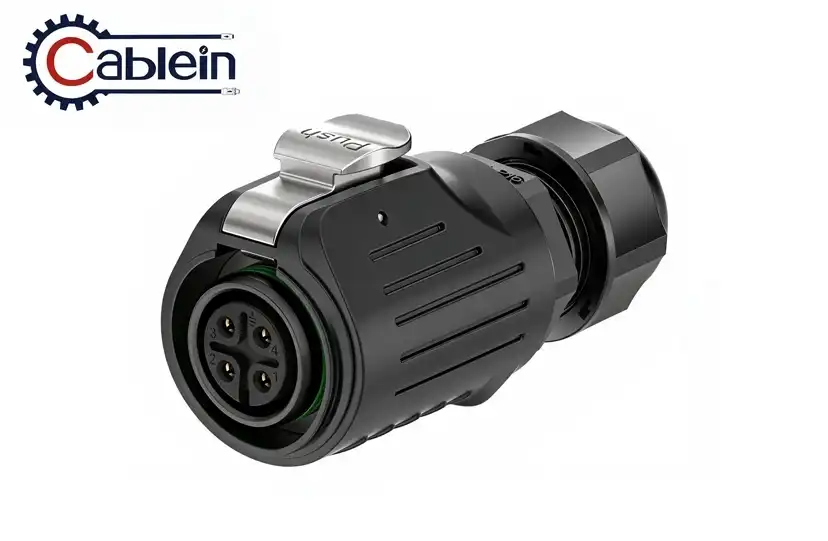
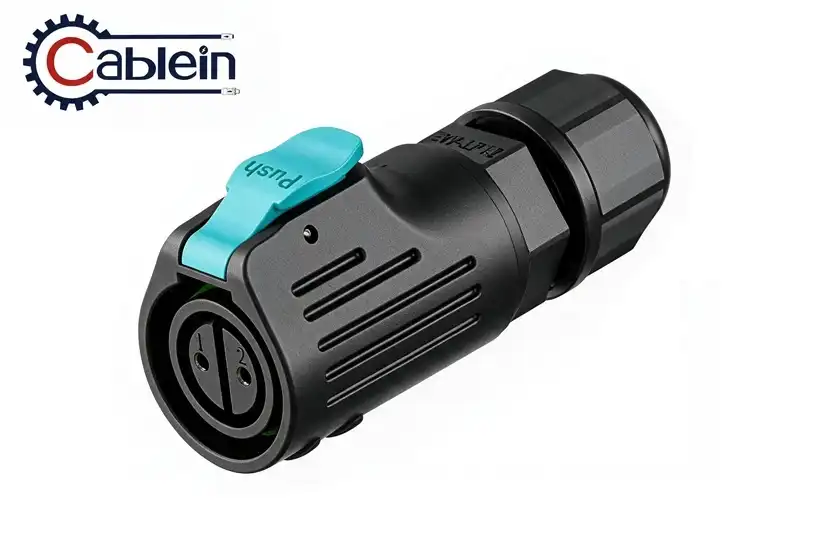
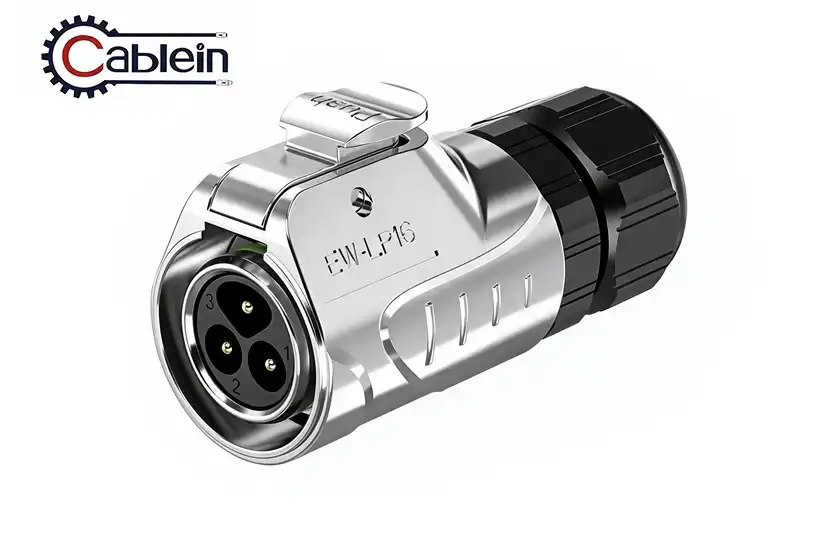
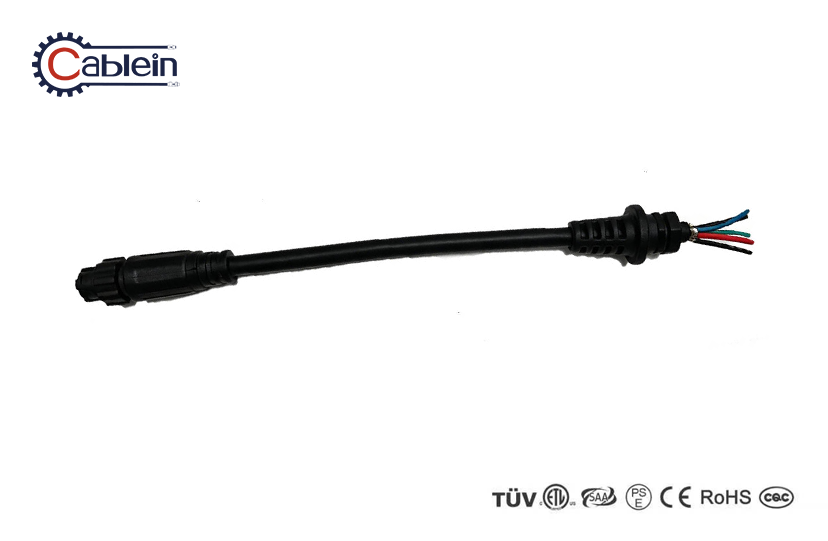
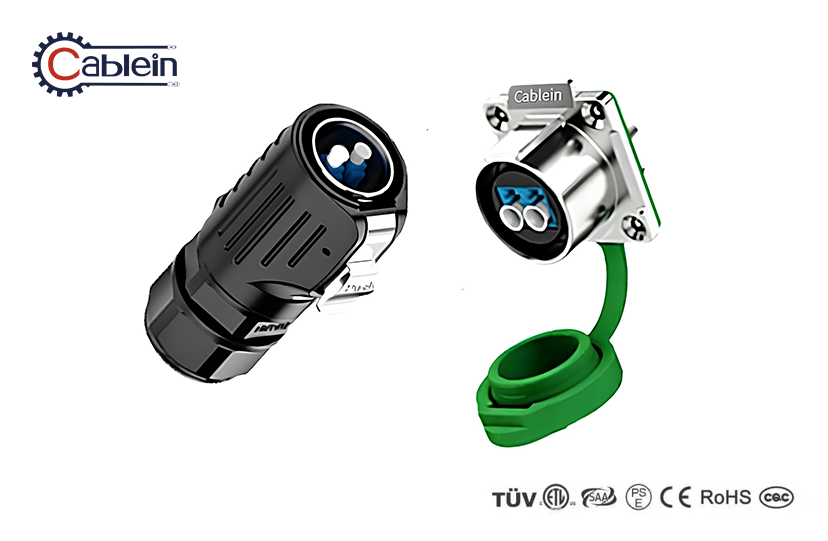
There are different kinds of waterproof connectors, such as round, square, inline, panel-mount, automotive, pre-wired, and kit types. Designs that are circular fit together tightly and seal well when turned. M12 has a metric thread that is 12 mm wide and is commonly used in sensors and industrial automation. M16, on the other hand, has a smaller body but can hold more pins. Most of the time, rectangular shapes can hold more contacts and keep modular wiring neat. Signals are sent through the wall of an enclosure by panel-mount versions, and two cables are joined by inline versions. While a cable gland can seal a fixed cable entry, it can't take the place of a detachable connector when a machine needs it. Choose the form that works best for your service plan, space, and number of circuits.
Pick the Pin Count and Locking Mechanism
The number of pins should be based on the wiring diagram, not on a guess. One with two pins is good for power, and ones with three, four, or five pins can add ground, signal, or data lines. Pick the lock next. Screw locks make a good seal and don't shake easily. Bayonet locks are faster to connect. Latch and snap styles save time on busy lines, and push-lock styles let you put them together quickly by hand. I look at vibration, assembly speed, and access for maintenance all at the same time. When a technician is working in a small space, a fast lock is helpful. However, a threaded lock is better for protecting machinery that is moving. Before you sign off on a batch, test the lock by hand.
Match Voltage, Current, Cable Size, and Materials
The electrical ratings have to work with the system. Check the rated voltage, current, dielectric strength, insulation resistance, and contact resistance. If the cables are heat-sensitive or bundled, lower the rating. Then, check the outside diameter of the cable, the cross-section of the conductor, the size of the terminals, and the cutout in the panel against the drawing and its tolerances. Polymer housings are cheaper, lighter, better at keeping heat in, and less likely to rust. Aluminum housings are stronger, better at blocking noise, and don't get too hot. The temperature range, flame rating, chemical compatibility, and contact plating should all be right for the site. If a connector looks good but doesn't carry enough current, it will get hot and wear out quickly, so look at the numbers first.
Match Connectors to Real Applications and Install Them Properly
To keep a good part together, you still need to be careful when putting together a connector for each job.
Outdoor, LED, and New Energy Systems
Outdoor systems need housings that don't get damaged by UV light, reliable cable seals, and IP67 or IP68 protection. This is true for control boxes, LED lights, irrigation, solar equipment, pumps, and solar panels. We have waterproof connectors for LED lighting, solar, EVs, and energy storage. We also have T and Y splitters that let you branch a line without cutting it. Every joint needs to be taken care of. The pin count should match the load, and the wire hole range should match the outside diameter of your cable. If they don't match, the seal will break. When I do long runs, I also check the polarity coding to make sure that a technician doesn't connect the wrong plug.
Automotive and Industrial Machinery
For automotive wiring to work, it needs to be able to withstand vibrations, changes in temperature, oil, and secondary locking. Industrial equipment adds dust, water jets, chemicals, wear and tear, and regular upkeep. Another type of cabinet might not need IP69K, but a wash-down line might. Even though the voltage is low, systems still need to have the right current ratings, polarity control, and sealing because water can cause corrosion and short circuits at any voltage. Think about the connector in terms of the whole system, which includes the cables, cases, fuses, power supplies, and interfaces for the equipment. There is still a weak spot in a strong connector on a weak cable run.
Install and Seal Each Connector Correctly
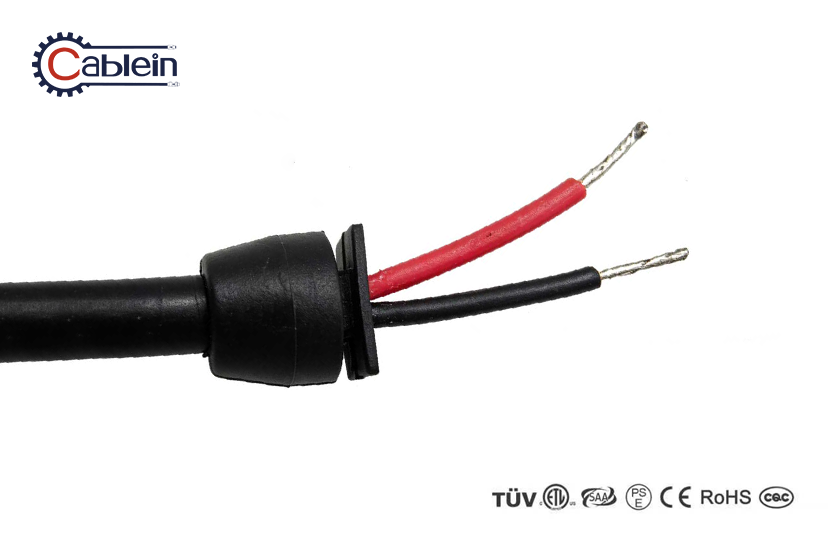
When workers install a connector incorrectly, it doesn't matter how good it is. Check the wiring diagram, the size of the conductors, the length of the strips, the orientation of the terminals, and the condition of the seals, gaskets, and locks before putting the parts together. Put the cable through the seal first, then crimp or connect each conductor the way it says to, and finally, put each contact in the right hole. Look at the polarity and retention. Then, fully mate the housing so that you don't cross-thread, over-tighten, or pinch the seal. After that, do a visual check, a continuity test, a polarity test, a pull test, and an insulation resistance test. Fast-connect and solder-free designs can cut down on the number of steps needed to put something together, which makes mistakes less likely on busy lines.
Compare Suppliers and Make the Final Choice
When making a choice, the distributor should weigh price against risk because their profit margins aren't very big.
Judge Suppliers by More Than Unit Price
Price is important, but it shouldn't be the only thing that matters. Check out their selection of products, their engineering help, their production capacity, their quality systems, their experience with exporting, and whether they can offer standard, OEM, or ODM options. For the exact model, ask for datasheets, measuring guides, IP test results, wiring diagrams, material lists, and compliance papers. When you buy a lot, you should look over the order limits, sample availability, lead times, packaging, inspection steps, and replacement support. Stock depth is also important. If your supplier keeps stock, they can quickly fill small orders from other companies, and you won't have to worry about running out of items or shipping delays.
Build a Weighted Matrix and Test Samples
A weighted matrix makes sure that the choice is fair. Name the IP protection, electrical ratings, pin layout, cable size, materials, temperature range, locking design, installation method, cost, certifications, and the ability of the supplier. Based on what your customers want, give each item a weight, and then give each candidate a score. Rate the ease of use, protection, customization, and assembly time of standard connectors, cable glands, pre-wired products, and molded cable assemblies. If you want to approve a lot of samples, you should test them for things like mating force, lock strength, cable retention, sealing, assembly speed, and tool fit. There should be more weight on safety, documentation, and a steady supply than just price. For the next test, your notes will help you grade it better if you keep them.
What Cablein Offers Wholesale and OEM Buyers
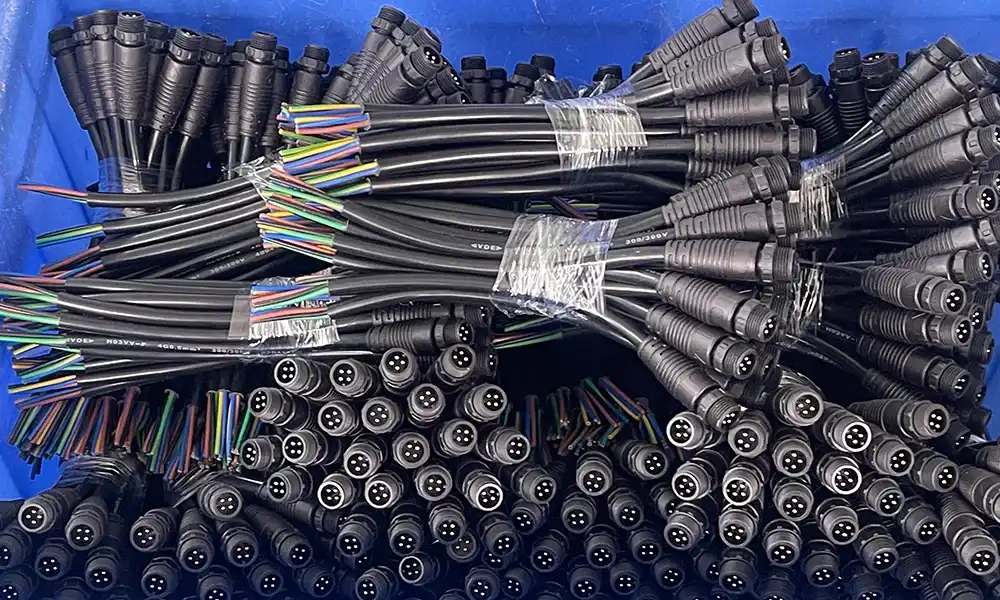
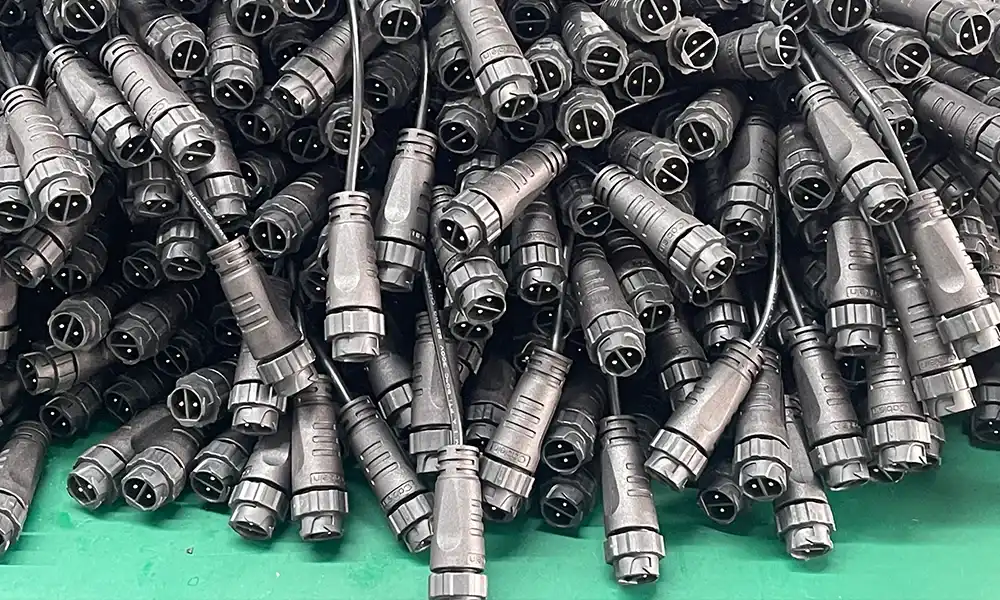
Cablein was started in 2017 and has more than 200 skilled workers in a 6,000-ruh building in Longgang, Shenzhen. The waterproof connectors in our lines are IP67/IP68 circular and panel-mount, with push-lock and solder-free options. We also have T/Y splitters, industrial plugs and sockets, and custom cable assemblies for LED, new energy, and automation equipment. We keep more than 10,000 of each item in stock at all times and deliver in 7–10 days. For custom orders, we work around your schedule. We let you choose the amount you want to order, and we check all of our products for waterproofing. For each type of product, you can get certifications like ETL, PSE, SAA, CQC, CE, RoHS, REACH, and TUV. UPS, DHL, FedEx, and freight forwarders all ship goods by air and sea.
Plan Maintenance and Long-Term Service
A connector's job doesn't end when it's installed, so a simple service plan will keep your customers safe.
Inspect Connectors on a Schedule
When equipment is wet, dusty, or moving, the connectors need to be checked often. Check for corrosion, broken gaskets, loose locks, cracked housings, cable wear, and water residue. Set the time between shots by exposure. A sealed cabinet inside needs to be checked less often than a pump on a farm. Before there is a leak, there are often early signs, like a stiff lock or a gasket that has become flat. Clean the housing and seals with methods that are safe for them, and keep dirt out of open areas while they are being serviced. A short list put next to the enclosure helps the technicians do the same things every time they go there.
Replace Worn Parts and Keep Records
Terminals, seals, plugs, and housings that are broken should not be used again. If you squeeze a gasket, it loses its shape and might not seal again. For each part number, pin configuration, cable specifications, supplier information, and approved alternatives, keep a record. These records make it possible for a technician to find the right part in minutes instead of days when a line stops. The same records help distributors reorder the exact model so that factories further down the line don't have to deal with replacements that don't fit. Every time you agree to a new option, make sure the file is updated so that everyone works from the same set of facts.
Plan for Long-Term Availability
When something has a long service life, it needs parts years later. Before you make a purchase, ask the supplier about replacement parts, tooling support, and notices of obsolescence. Standard series with steady stock make sudden gaps less likely, and a partner with in-house R&D and mold-making skills can change a design as needed. Also, because they wear out first, I think you should keep a small buffer of seals and sealing plugs. To avoid having to redesign the board after a swap, make sure that the different models have the same footprint, pin layout, and seal range.
Conclusion
The best way to choose a waterproof electrical connector is to make sure that it works well in the real world. The needs are set by the voltage, current, cable size, environment, and service needs. The IP67 and IP68 ratings tell you about the test conditions, like the mated state, the range of cable diameters, and the sealing plugs. Different designs, like round, square, inline, and panel-mount, work better in different areas. The number of pins and the lock should match the wiring diagram. Protect the seal with the right materials, in the right way, and after careful installation. Before placing large orders, supplier checks, a weighted matrix, and sample tests lower the risk. Regular inspections and good records also make the service last longer. More weight should be given to safety, documentation, and a steady supply than to unit price, especially when sourcing waterproof connectors.
FAQ
Is IP68 always better than IP67?
No, IP67 covers short-term immersion, usually up to 1 meter for 30 minutes. For IP68, the depth and time are set by the manufacturer, so check the limits that are given. Pick the rating that fits your real risk, like rain, splashes, or being submerged in water all the time.
Can waterproof connectors work underwater?
Some can, as long as the seller rates the whole system for your depth, duration, and pressure. Not just the connector, but also the cable, how it fits, and the range of seals.
How do I choose the pin count?
Stick to the wiring picture. Count the signal, data, power, and ground lines, and then choose the right configuration. Also, make sure that the outside diameter of the cable fits the seal.
Should I choose a standard or custom connector?
As long as it meets your needs, start with a standard series. Items that are already in stock ship faster. Opt for OEM or ODM work if you need a unique housing, cable length, or pin layout.
Contact Cablein for Waterproof Connectors Manufacturer Support
Cablein makes waterproof connectors and keeps more than 10,000 of each item in stock. Delivery takes 7–10 days, and the company has ISO9001:2015 quality control and technical support 24 hours a day, 7 days a week. Email your application, IP rating, pin count, cable diameter, and quantity to nick@cableinco.com. Our team will then suggest models that are a good fit.
References
1. IEC 60529: Degrees of Protection Provided by Enclosures (IP Code), 2013
2. ISO 20653: Road Vehicles – Degrees of Protection (IP Code) – Protection Against Foreign Objects, Water and Access, 2013
3. NEMA 250: Enclosures for Electrical Equipment (1000 Volts Maximum), 2020
4. NFPA 70: National Electrical Code, 2023
5. IEC 61984: Connectors – Safety Requirements and Tests, 2008
6. IEC 61076-2-101: Connectors for Electronic Equipment – Circular Connectors – M12 Connectors with Screw-Locking, 2012