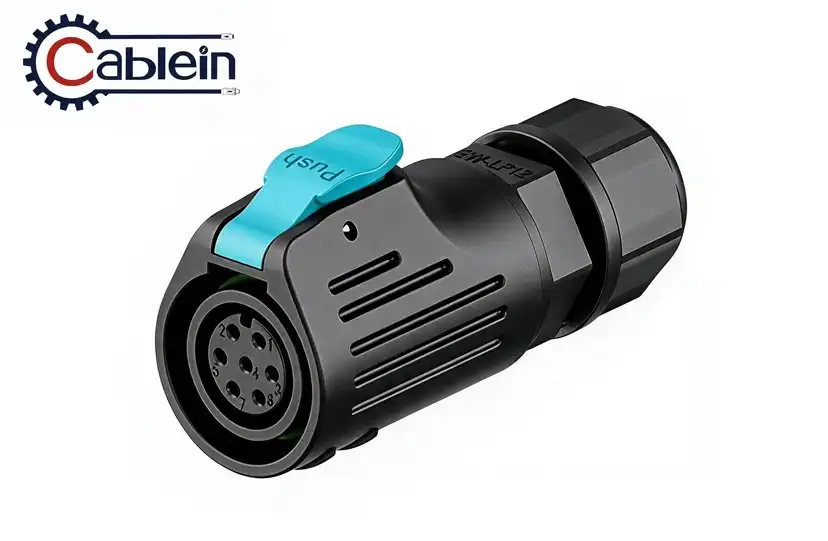
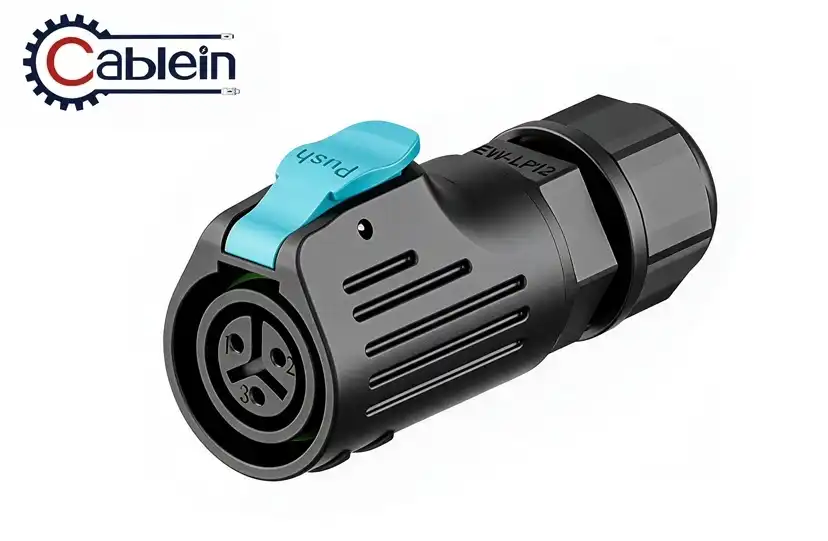
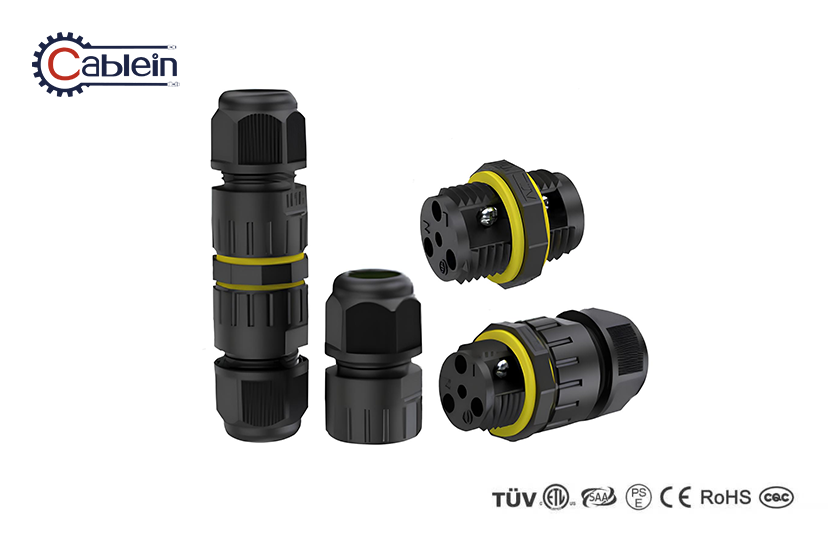
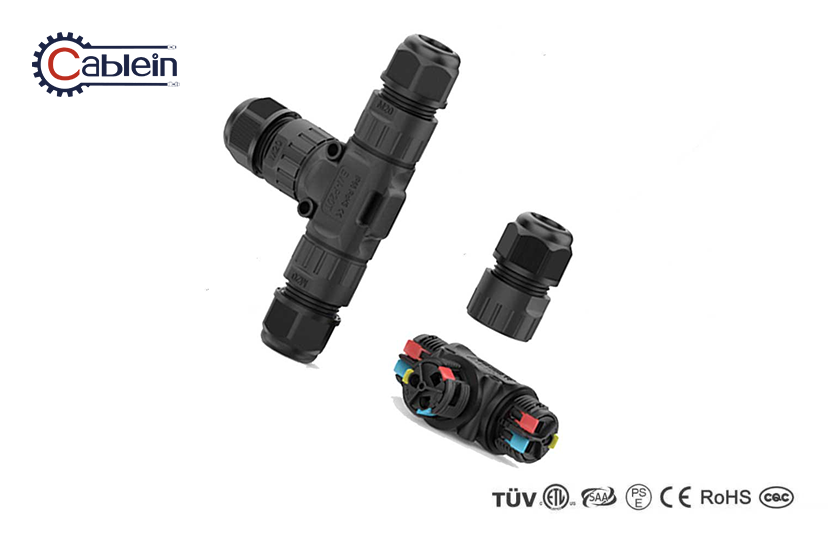
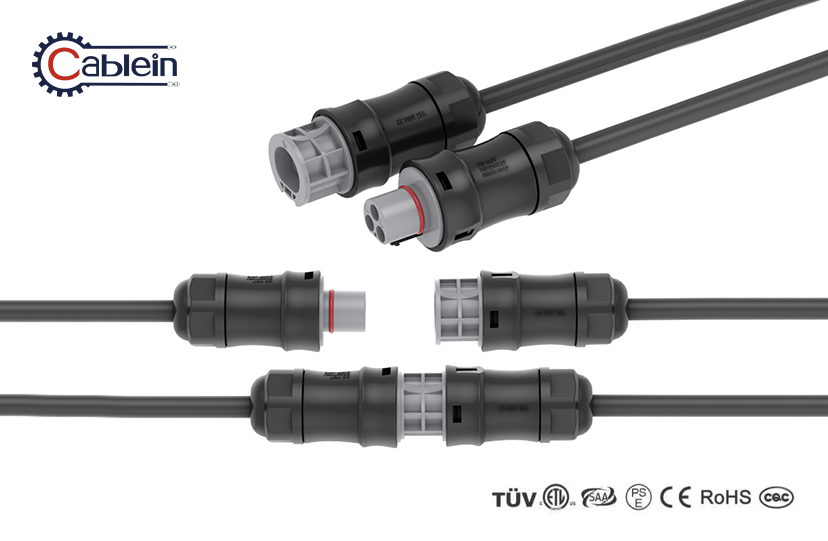
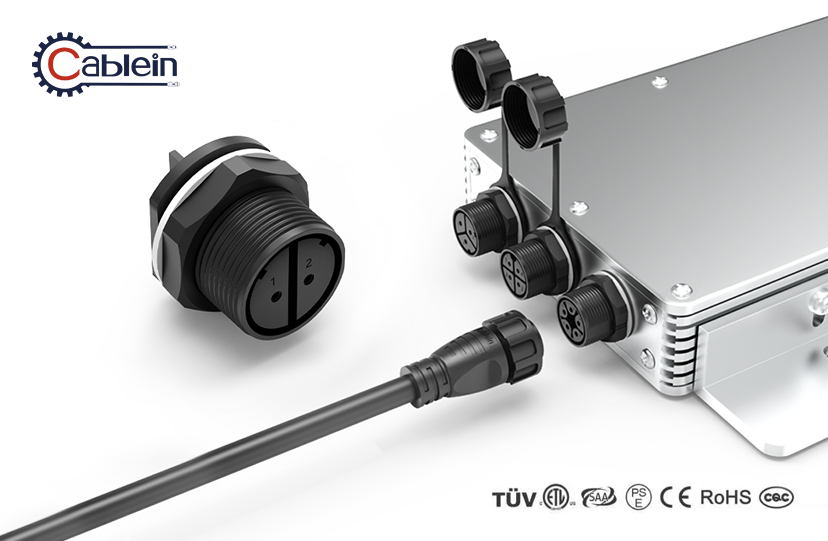
IP68/IPX9K LP12 Waterproof Connector for Industrial Applications
An IP68/IPX9K lp12 connector is a compact circular waterproof connector built to keep power and signal lines dry in wet, dusty, and washdown settings. IP68 describes dust-tight protection and continuous immersion under conditions the manufacturer states. IPX9K describes resistance to high-pressure, high-temperature water jets. The two ratings come from different tests, so a connector with one does not automatically carry the other. I wrote this guide for engineers and buyers who need to match flange size, seal material, and paperwork to their equipment. You will learn how the connector works, how to check a datasheet, and how to source it with confidence.
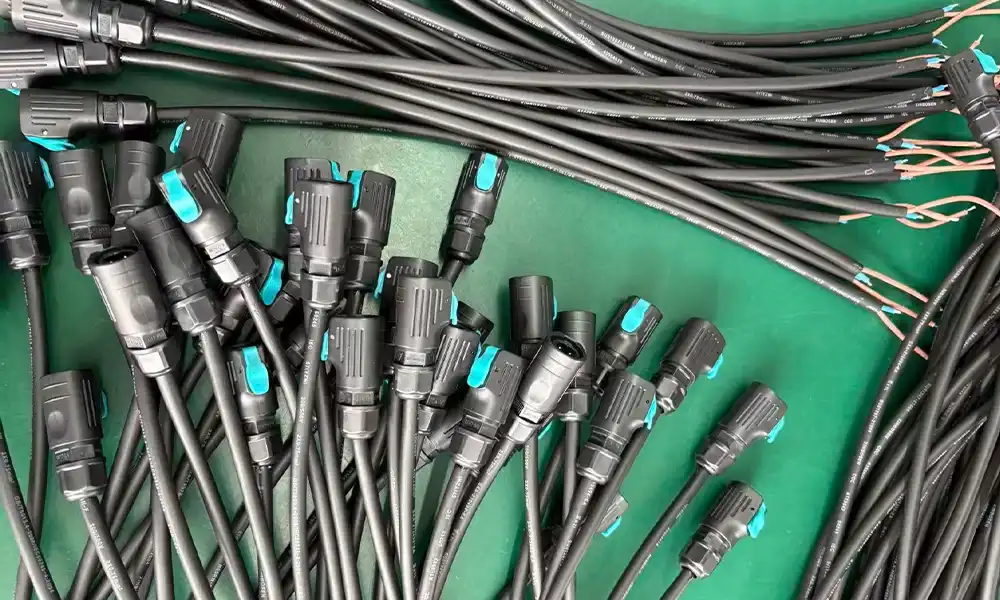
Understanding the IP68/IPX9K LP12 Connector
Why Choose an IP68/IPX9K LP12 Connector for Industrial Equipment?
A lot of things can damage industrial equipment, such as water, dust, shaking, chemicals, pressure washing, and being in motion all the time. When put in the right way, a sealed LP12 connector keeps out water, corrosion, wire strain, and separation that wasn't supposed to happen. That's what IEC 60529 says. If the person who made the device and the person who uses it both agree, the first IP number, 6, means that the device is dust-tight. The second number, 8, means that it can stay underwater for a long time. If you spray water from 100 to 150 mm at 80°C, 14 to 16 liters per minute, and 8,000 to 10,000 kPa, you get IPX9K. It's possible for outdoor lights, automation, sensors, control systems, lab tools, vehicles, and more to use these plugs. I always tell people to look at the full setup, the test conditions, and the manufacturer's paperwork before they decide.
LP12 Connector Construction and Working Principle
An LP12 connector is a round, waterproof connector that is made up of several parts that fit together. The contacts, the insulation, the seals on the wires, the button that closes, the gaskets, the O-rings, and the housing are a few of these. They are lined up in a way that makes sure each pin hits the right wire when you put the plug and socket together. After that, the lock keeps the contact under pressure, which stops the pull-out by accident. You can pick between snap-button and push-pull locks when you connect two LP12 cables. A screw or a snap-lock can be used to lock it. In addition to having the right thickness of wire, the seal must be fully engaged, and the sealing parts must not be broken for it to work. Check to see if the pins will fit together and the number of pins that are available before you place your order.
LP12 Connector Pinout, Wiring Diagram, and Installation Guide
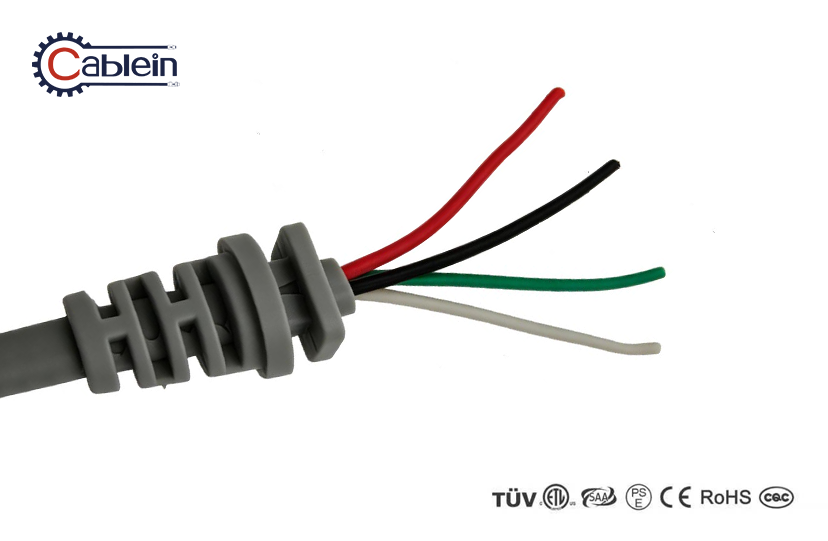
That's why I always look at a picture to see what view it shows. Different names are used for pins on the joining face, the solder side, and the side where the cable goes in. A different color wire is also used by different groups. So, I write on each wire what function it serves in the circuit, such as return, power, signal, ground, shield, control, or power. You should always look at proof before guessing a circuit. Instead, you should compare the picture the service provider sent you to the design of your gear. Make sure you have the right wire, tools for soldering or joining, and a way to place it. Make sure you check the polarity and continuity too. Once that's done, check the safety first before you turn on the power. To avoid most polarity mistakes, it is best to have a short, labeled wire sheet at every construction site.
Specifications, Selection, and Comparison
LP12 Connector Specifications and Datasheet Checklist
A full study of a datasheet looks at four things. As an example of mechanical data, you can measure the width of the housing, the length of the connection, the cutout in the panel, the mounting thread, the contact spacing, the range of cable entry, and the mating gap. You can find the rated voltage, the current per contact, the contact resistance, the insulation resistance, the dielectric withstand, and any derating in the electrical data. Chemicals, rust, UV light, vibration, and changes in temperature have caused the materials and plating to need to be looked at again. If you're interested, our LP12 panel mount connection has a PBT shell that is UL94-V0 flame-rated and can handle 2A to 5A current by pin count, 125V to 250V AC, insulation resistance above 500MΩ, and contact resistance below 5mΩ. OEM teams need to ask for both 2D models and 3D CAD files. Buyers should get written confirmation of the IP68 immersion conditions, IPX9K test parameters, operating temperature, number of mating cycles, and how long the cable will last.
Choosing the Right LP12 Connector for an Industrial Application
Set it to start it up and make it work. Find out if the connection will be chemically wet, UV-lit, vibrated, dusty, or used a lot. You can pick the right amount of links once you know how much power, data, grounds, safety, and control you need. Don't forget to account for voltage and current for loads that turn on slowly and fast. What kind of lock it is is also important. Screw-lock styles work best when the machine shakes a lot. You can get help faster with push-pull methods. Medical electronics, 5G small cell sites, smart and LED outdoor lighting, and light electronics for boats or drones all use the LP12 family. Making your own wire connections can save you time and trouble when you need to connect things in the field. Standard links might work for repeat designs.
LP12 Connector Comparisons for Engineering and Procurement Decisions
Never judge an lp12 connector by its looks or name. Instead, look at what it can do technically and compare it to the GX12, the M12, the aviation-style LP12, and other LP12 options. Make sure you know about the item's electrical ratings, standards, contact density, locking method, code, standardization, housing size, pin arrangement, and where you can get it. Industrial sensors and network systems that are already standard may work with M12. LP12, on the other hand, works better for small assemblies that are specific to the job or need to be cheap. To be clear, "aviation connector" refers to a group of goods, not just one standard. Before you agree to it, make sure that the replacement fits mechanically and meets the requirements for pinout, cable entry, environmental rating, and mating dimensions. You can use drawings or samples to do this. It might not fit or close right if someone else's part has the same number of pins but a different thread or lip.
Preventing Failures and Verifying Quality
Common LP12 Connector Problems and How to Prevent Them
Parts that don't work with each other, broken seals, or weak proof are what most often go wrong. If you cross-thread a connection, only partially mate it, use the wrong wire width, or build it without the right seal or O-ring, water can get in. It's possible for electricity to go wrong if the pins are numbered wrong, the solder joints aren't strong enough, the device is dirty, or the contacts move around when the device shakes. You should carefully look over each piece, clearly name the wires, use only the tools that the source lets you, add the right strain relief, and check for continuity and insulation to make sure these things don't happen. Make sure you check more than just the number of pins when you change a connection. Check the size, layout, rating, sealing, and way the connection ends as well.
LP12 Connector Quality Verification and Compliance
Take a look at both the plug and the whole cord. When something comes in, it can be checked for quality of work, marks, sizes, materials, contact plating, and markings. There are different kinds of electrical tests, such as continuity, contact resistance, insulation resistance, and dielectric withstand. In IEC 61984, we learn about the tests and safety requirements that connectors must meet. In IEC 60512, we learn about how to test connections. Pull-out power, vibration, shock, mating cycles, and strain release are some of the things that are tested with mechanical parts. Chemicals, changes in temperature, and rust should be put to the test to see if they fit the IP68 or IPX9K setup that was said to work. If someone from any country wants to buy something, they should make sure they can see quality certificates, testing records, datasheets, drawings, and a way to separate each batch. They make sure that every piece is waterproof and meets ISO9001:2015 standards. There are papers from CE, RoHS, REACH, ETL, PSE, SAA, CQC, and TUV for each line of goods.
Matching LP12 Connectors to Outdoor Lighting Needs
People who make lights have to go through some extra steps. You should get plans and tolerance data from your structural engineer before you send an example to the line. They can use this to make sure that the hole and flange sizes match the body size of the fixture. The rings should be able to stand up to UV light and all sorts of temperatures if they are made of silicone or rubber. Please make sure you have proof of both drug and age tests. When lights are shipped, CE and RoHS files need to be sent along with them. There may be extra paperwork that needs to be filled out if your goods are going to the US. Find out what certificates your line needs. A lot of outdoor faucets come with warranties that last longer than a year. Fixing a leak can cost a lot more than the faucet itself. I think you should make a sample that fits, wear it for a while, and then set up monthly orders that are linked to your production plan.
Sourcing LP12 Connectors for OEM and Industrial Buyers
Buying LP12 Connectors in Bulk: Supplier and Cost Considerations
It's important to think about how much LP12 connectors will cost you altogether before you buy a lot of them. Think about how much it costs to change things, make tools, test, package, ship, deal with warranty problems, and fix broken parts. Standard lp12 connectors work well for tests and plans for easy replacement. On the other hand, custom wire systems can speed up production and find wiring mistakes in OEM gear more often. Ask a supplier about samples, technical drawings, materials, lead times, customization, certifications, and whether they can make products under your own brand name. There is a test order from a source in another country that shows how to contact them, check quality, pack, ship, and get help after the sale. Cablein can do OEM, ODM, and private mold work. To ship by air or sea, they use freight forwarders, UPS, DHL, and FedEx.
Recommended LP12 Connector Selection Workflow for OEM and Industrial Buyers
It is less likely that there will be problems with compatibility if the process is clear. It also helps to have steady long-term sources. Write down the temperature, the chemical exposure, the IP level, the mounting method, the pinout, the voltage, the current, the wire width, and the measurements. Second, make a short list of the parts that fully meet your needs. Third, get samples and see how they work with the wire, tools, equipment, and way of setting up that you already have. Fourth, before giving the go-ahead for production, make sure that the drawings, bill of materials, wire details, inspection criteria, marking, packing, and rules for controlling changes are all fixed. Lastly, try to estimate how much demand there will be and plan how to get more stock or send it. This makes sure there is a steady supply and stops substitutes that haven't been tested from getting into your product.
Why an IP68/IPX9K LP12 Connector Can Be a Practical Industrial Solution
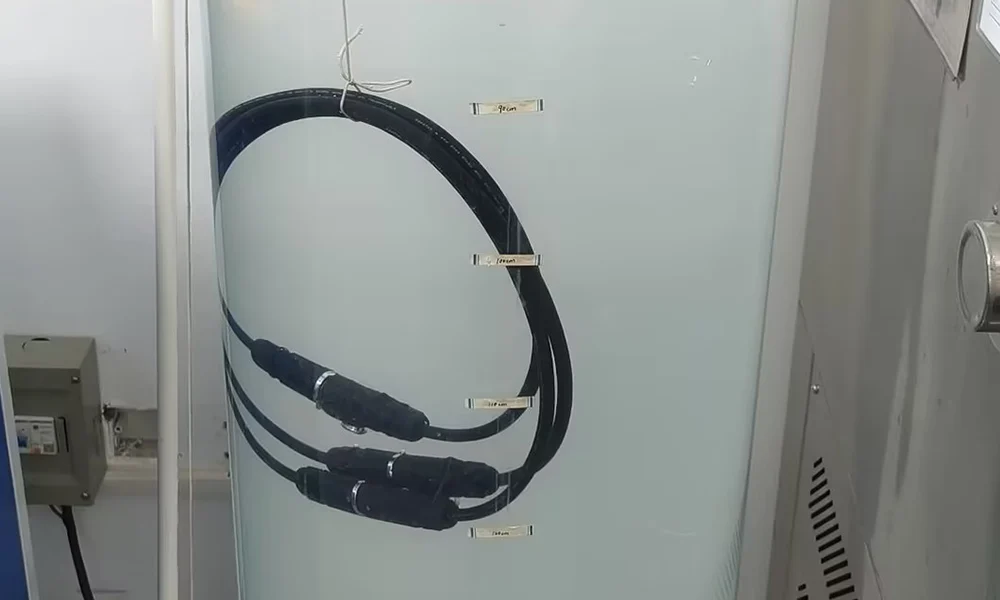
There are a lot of ways that the Cablein LP12 range is great for a production line.
- Compact fit: The LP12 panel mount connector has a mounting hole that is 12 mm wide, so it can fit in small housings and panels with a lot of parts. A small size. Before you cut the hole, ask for the picture that goes with it.
- Documented data: UL94-V0 is written on the PBT shell (facts backed up by evidence). It operates between -40°C and +80°C, and the power ranges from 125V to 250V AC. The current can be between 2A and 5A, based on the variety of pins. Gold-plated copper alloy contacts support these figures, and versions are offered at IP65, IP67, or IP68.
- Supply and support: We always have more than 10,000 of each item in stock, and it takes 7 to 10 days for orders that are ready to go to land. You decide when to have things made just for you. In case you need help with something tech-related, you can talk to one of our techs at any time. This supply plan works well for sales that happen every month.
Conclusion
Even if the gear is dirty, wet, or has been washed, an IP68/IPX9K LP12 connector can still connect power and signals. You should check the datasheet to be sure because the two grades come from different tests. It works because of how it was put together, how well the pins are matched and placed, the make of the seal, and the tests that have been done. You shouldn't compare LP12 with M12, GX12, and aviation-style parts based on their names or how they look. Drawings and samples are used instead. Inspections and tests stop them because people cross-thread, use the wrong wire width, break seals, and don't check the polarity. People who make outdoor lighting need export documents, sealing rings that don't break in UV light, and flange tolerance more than anything else. Check the total cost, request examples, ensure you understand the details, and arrange for when you will receive the goods.
FAQ
1. Is every LP12 connector rated IP68 or IPX9K?
Not at all. It matters how the test is set up, how the cables are connected, and how the seals are made. Our LP12 panel mount types have a grade of IP65, IP67, or IP68. Check out the rating for the part number you have.
2. Can I hook up an LP12 connector to outdoor LED lights?
In terms of power, heat, UV light, cables, and the environment, the answer is no, unless the datasheet says otherwise. First, look at the size of the mounting, the temperature range, and the seal's material.
3. How can I be sure of what the pinout is?
Use both the drawing and the schematic that came with your gear from the supplier. Do not guess what color the wire is. There are different ways to make the two-pin and three-pin types.
4. Why does water still get in?
Many times, it's because of cross-threading, bad mating, the wrong cable diameter, or a gasket that is missing or broken. Look at the seals first, then test them to see if they keep water out and heat in.
Request IP68/IPX9K LP12 Waterproof Connector Samples from Cablein
Cablein is a company in Shenzhen that sells LP12 connectors. They test for waterproofness, do OEM and ODM work, and have things in stock that ship in 7 to 10 days. It's ISO9001:2015 approved. Please email nick@cableinco.com with your drawing, the number of pins, the diameter of the cable, and the amount you want to pay each month. Then, one of our pros will give you a sample that fits your needs.
References
1. International Electrotechnical Commission, IEC 60529: Degrees of Protection Provided by Enclosures (IP Code), 2013
2. International Organization for Standardization, ISO 20653: Road Vehicles – Degrees of Protection (IP Code), 2013
3. International Electrotechnical Commission, IEC 61984: Connectors – Safety Requirements and Tests, 2008
4. International Electrotechnical Commission, IEC 60512-1: Connectors for Electronic Equipment – Tests and Measurements, 2018
5. European Parliament and Council of the European Union, Directive 2011/65/EU on the Restriction of Hazardous Substances (RoHS), 2011
6. UL Standards, UL 94: Tests for Flammability of Plastic Materials for Parts in Devices and Appliances, 2013