M16 Connector with Cable: The Ultimate Guide to Waterproof Connectivity
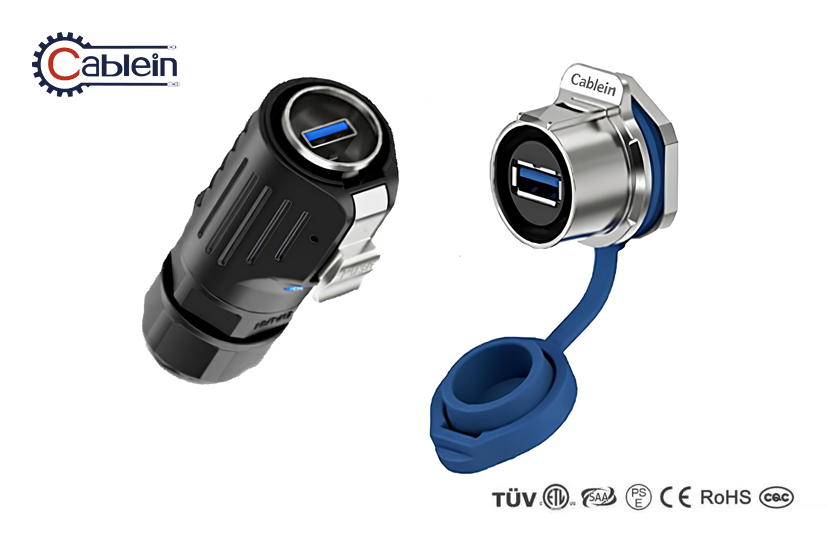
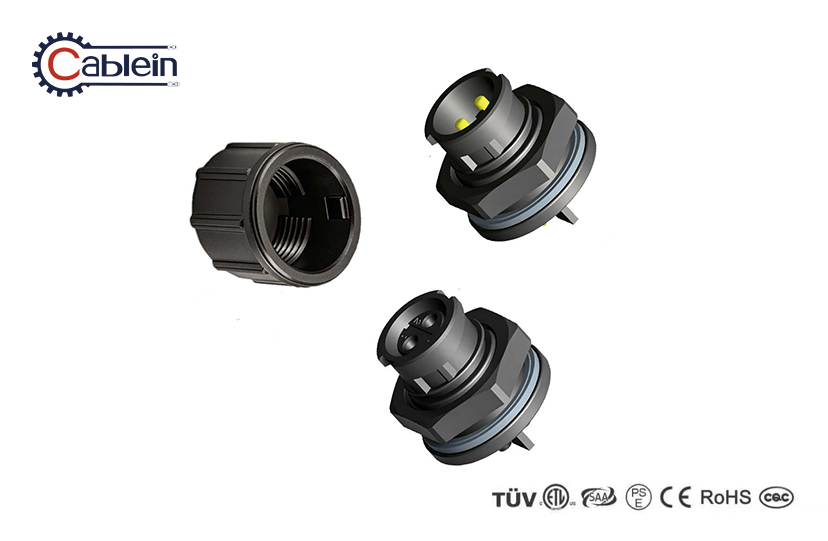
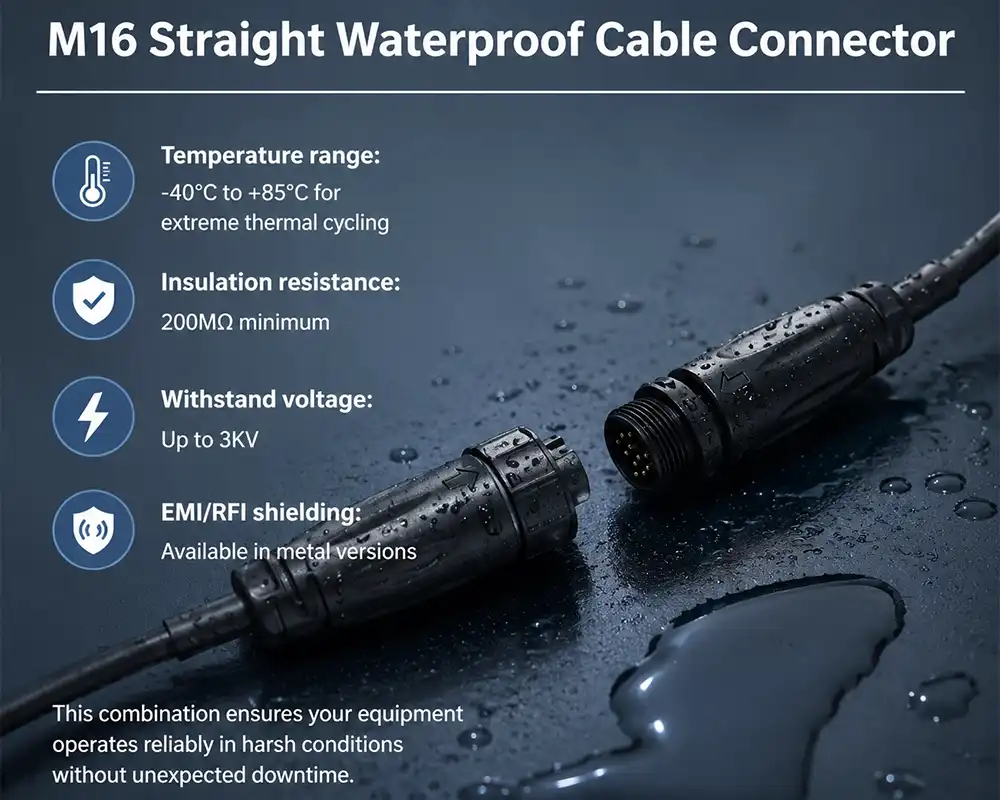
The M16 Straight waterproof cable connector is your first line of defense when your electrical links are in dangerous places. This industrial-grade circular connection has a 16mm metric thread and a linear wire orientation. It sends power and signals safely in places where moisture, dust, and shaking are common problems. It was made to meet IEC 61076-2-106 standards and provides IP67/IP68 protection. It fixes major problems like signal loss in machines that shake a lot and electrochemical corrosion in outdoor settings, making it an essential tool in the automation, LED lighting, and renewable energy industries.
Understanding M16 Straight Waterproof Cable Connectors
What Defines an M16 Waterproof Cable Connector
An M16 straight waterproof cable connector is a specific type of interconnect designed to be reliable in the industrial setting. The "M16" name refers to the 16-millimeter diameter screw system that keeps the machine stable while it's running all the time. Unlike regular plugs, these units have advanced sealing systems that keep water and dirt out. This makes them necessary for equipment that works in harsh outdoor or wet conditions.
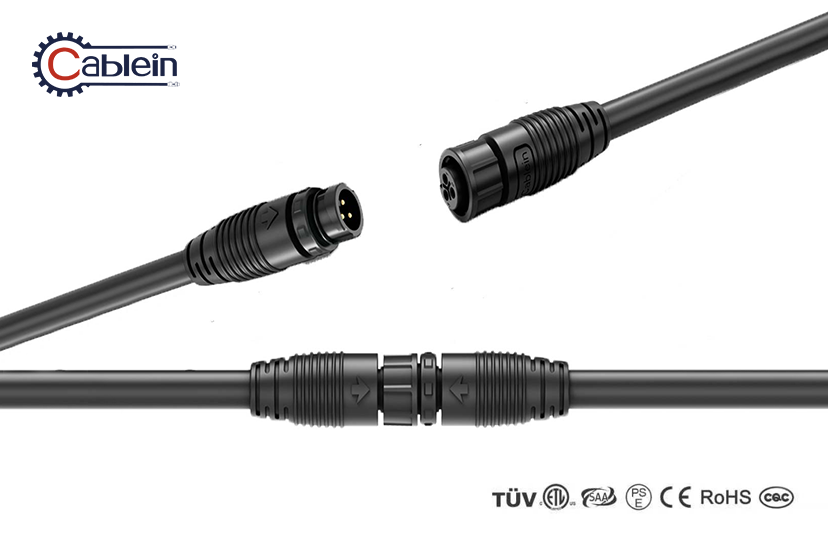
The straight design lets cables leave at an angle of 180 degrees, which makes routing easier in panels and enclosures where room is limited. This design is different from right-angle versions because it makes wire runs cleaner in common places like control cabinets and linear equipment groups.
Core Material Construction and Technical Architecture
The choice of material has a big impact on the quality of waterproof connections. PA66 nylon housings are very resistant to chemicals and have a high mechanical strength. They also stay the same size even when the temperature changes. Inside, gold-plated brass terminals offer better conductivity and don't oxidize, even after being mated hundreds of times. The important seal is made of a rubber ring that is waterproof and doesn't lose its flexibility from -40°C to 150°C.
The technical details show that this construction is strong. Standard setups can handle rated currents of 3A to 15A and voltages of up to 500V with 2 to 12 contact pins. The resistance to insulation goes up to 200MΩ, and the withstand voltage is tested at 3 kV for high-power uses. These factors make sure that demanding industrial power sources, HVAC systems, and heavy-duty lighting networks work reliably.
IP67 and IP68 Protection Explained
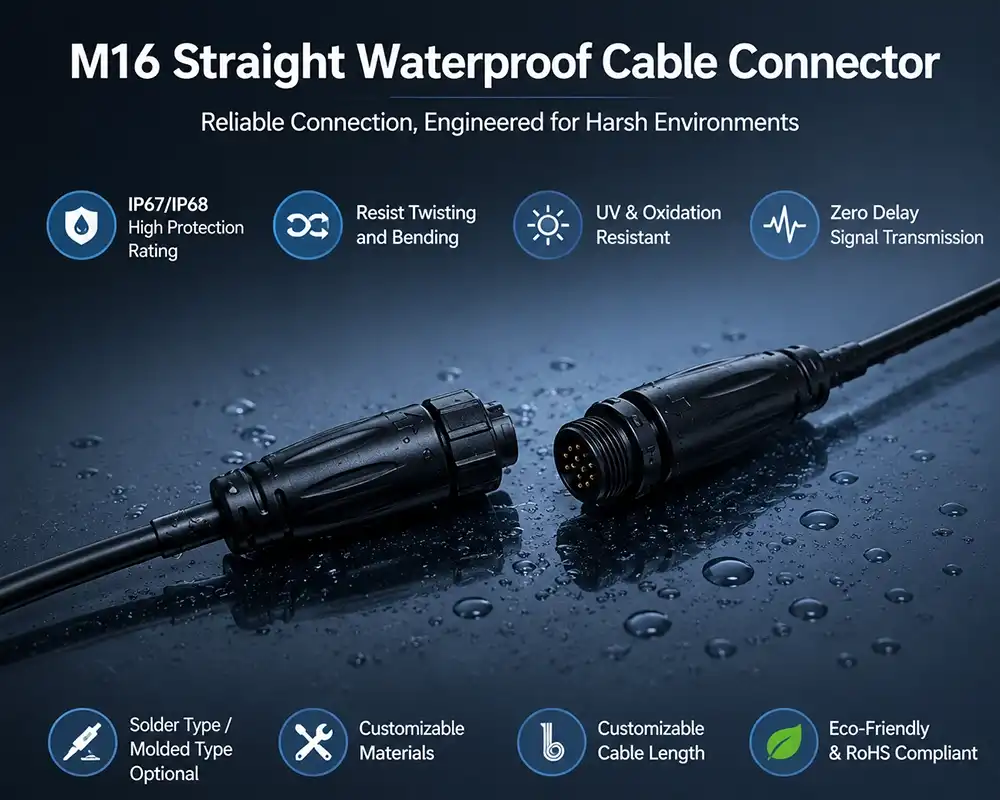
Knowing about ingress protection grades can help you choose the right connections for different types of environments. The IP67 rating means that it is completely resistant to dust and can withstand being submerged in water up to 1 meter deep for 30 minutes. This rating is good for most outdoor installations where splashing and rain are the main concerns.
IP68 provides even more security by letting it stay submerged for more than one meter at a time. This is very important for underwater robots, marine applications, and installations that could be flooded. To make sure the improved sealing works properly under constant water pressure, it needs to be carefully made and tested according to strict rules. Both ratings stop the "wicking" effect, in which water moves along cable strands and damages electronics over time.
Comparing M16 Waterproof Connectors: Selecting the Right Type
Straight vs. Angled Connector Orientation
Connector position has a direct effect on how flexible installation is and how reliable it is over time. M16 straight waterproof cable connectors work great when you need to put them directly on a panel or run cables in a straight line. Their inline form makes it easier to position the cables during assembly and lessens the mechanical stress on the jackets. This position works well for equipment racks, sensor arrays, and control panels where cables naturally run perpendicular to the surfaces they are mounted on.
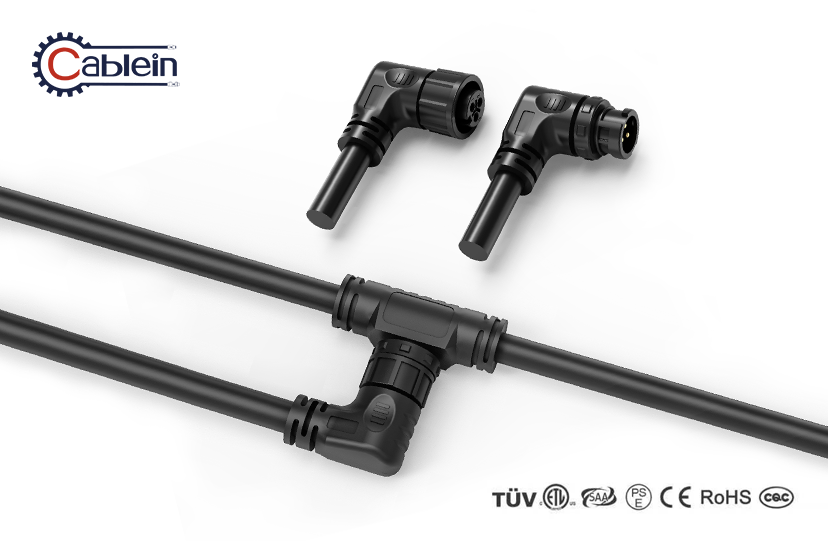
Even though they aren't as popular in M16 formats, angled configurations are useful for setups with limited room where cable bending would otherwise put stress on the wire. The 90-degree exit makes the installation area smaller and keeps cables from getting pulled on by accident in areas with a lot of foot traffic. But straight versions are still the most common choice for most industrial uses because they have an easier sealing shape and work with more standard wire glands.
Choosing Between IP67 and IP68 Standards
The right level of protection depends on your environment. IP67 is good enough for outdoor LED setups, transportation systems, and industrial sensors that will be wet with rain and cleaning, but not for long-term immersion. Because IP67-rated plugs are cheap, they are a good choice for large-scale deployments where brief water exposure is the biggest problem.
For solar pond pumps, underwater lighting, and equipment that works in places that often flood or get condensation, IP68 is a must. Unit costs go up by about 15 to 25 percent because of the new testing and sealing technology, but this investment keeps critical systems from failing in terrible ways. When planning, think about how the surroundings might change in the future. Upgrading from IP67 to IP68 later on often costs more than choosing better protection at the start.
M16 vs. M12 Connector Comparison
When choosing circle links for a job, size is important. With a thread diameter of 12 mm, M12 connectors have a smaller profile, which means they take up less space on panels and are lighter in portable equipment. As a result, they can handle lower currents (up to 4-5A at most), which makes them good for sensor signals and low-power devices.
There are more pin density choices with M16 Straight Waterproof Cable Connectors, and they can handle much higher currents—up to 15A in some combinations. Power-hungry devices, such as motor drives, high-wattage LED panels, and battery charging systems, can use this feature. The bigger housing can also hold hybrid pin arrangements, like contacts that handle both power and signal, which cuts down on the number of cables needed for complicated installations. When your app needs to send data and deliver a lot of power at the same time, M16 formats are more flexible than M12 versions.
Installation and Maintenance Guide for M16 Waterproof Cable Connectors
Pre-Installation Checklist and Required Tools
Common installation mistakes that compromise waterproof integrity can be avoided by properly preparing the area. Before you start, make sure that the outer diameters of the cables match the clamping range of 5-9.5 mm for the M16 Straight Waterproof Cable Connector that is listed in the injection molding parameters. When the sizes don't match up, holes appear where water can get through even the best closing systems.
You will need basic hand tools like wire strippers that are measured for the size of your cable, a torque wrench to tighten the glands correctly, and isopropyl alcohol to clean the areas that will be touching the cable. Field soldering is not needed for factory-terminated wire ends, which greatly cuts down on installation time and human error. The one-piece overmolded design means you're working with a unit that has already been put together and tried in controlled conditions. This means that it will work the same way for multiple setups when it comes to waterproofing.
Step-by-Step Connection Procedure
Preparing the cables is the first step in the installation process. Carefully cut the outer jacket to the length given in the connector's instructions, which is usually between 8 and 12 mm. Be careful not to damage the insulation around the inner conductor. Alcohol can be used to clean metal that is uncovered to get rid of rust and other contaminants that make contact resistance higher.
The push-pull quick-locking technology lets you operate it with one hand, which is very helpful when working in tight spaces or high places. Align the blind mating guide on the connector with the receptacle and feel for the first point of engagement. Keep the pressure on the locking collar while turning it clockwise until you hear a click that means it is fully engaged. This mechanism needs about two to three foot-pounds of torque, which can be easily applied without any tools and won't let the parts come apart by accident.
Check the interface for any gaps that can be seen between the connection body and wire jacket to make sure the seal is good. The rubber seal should be able to stretch around the wire without any gaps. For extra environmental protection, some setups benefit from putting a small bead of silicone sealant around the wire entry point. However, if the connectors are the right size, this isn't needed.
Common Issues and Troubleshooting Methods
In the field, problems can happen with even the best connectors. When contact resistance goes up, voltage drops, heating, or signals that come and go can be signs. Incomplete mating, corrosion on the contact surfaces, or mechanical damage during installation are the most common reasons for this. Often, getting things to work again is as simple as disconnecting and cleaning the contacts with an electronics-grade contact cleaner.
Moisture building up inside connecting housings or rust on pins are signs that the seal is breaking down. Chemical vapors, ultraviolet light, and ozone all speed up the breakdown of silicone. Failures can be avoided by replacing seals at regular maintenance times. This is especially important in situations where high temperature changes put stress on rubber materials.
When setups don't have the right strain relief, cable strain at the connector joint leads to early breakdowns. The range of injection-molded cable diameters makes clamping safe, but pulling too hard can separate internal terminations. Putting cable management clips within 15 cm of the body of the connector spreads out mechanical loads and makes it last longer.
Benefits and Use Cases of M16 Straight Waterproof Cable Connectors
Measurable Performance Advantages
The engineering that goes into making modern M16 Straight Waterproof Cable Connectors directly improves how they work. Gold-plated connections and chemical-resistant housings make these connectors last longer between replacements, 3 to 5 years, compared to normal connectors used outside. This durability lowers servicing costs and minimizes unexpected downtime that disrupts production plans.
A temperature range of -40°C to 150°C allows for use in harsh environments without affecting performance. Every day, agricultural lighting in greenhouses, where high humidity and temperature changes happen, shows that this is possible. Stable electrical performance across this range makes sure that sensitive electronic ballasts and control systems always get the right power.
The quick-connect design makes installation 60% faster than the old screw-terminal way of doing things. This efficiency saves a lot of money on labour costs for big projects with hundreds of connection points. One electrician said that switching to factory-terminated push-lock connectors cut a 40-hour installation down to just 16 hours, which directly increased the project's profits.
Real-World Industry Applications
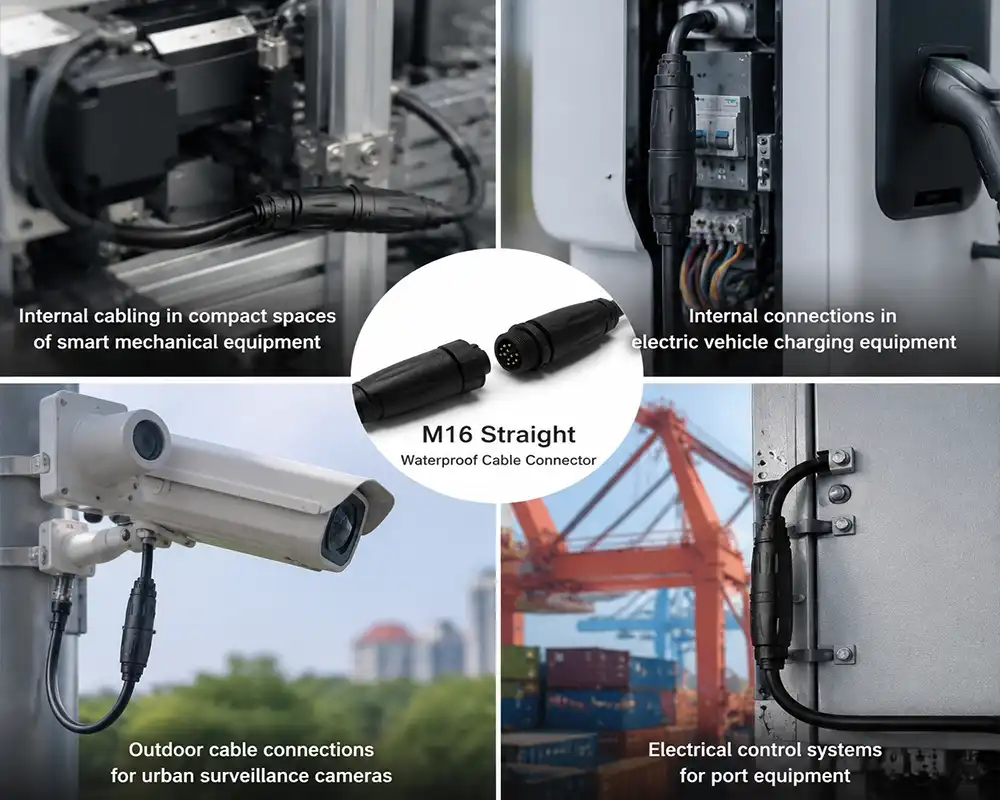
For M16 Straight Waterproof Cable Connectors, outdoor LED lighting is the most common use case. Retrofitting stadium lighting, changing street lamps in cities, and lighting up the front of buildings all need connections that are reliable and can stand up to years of weather. The ETL and RoHS certifications make sure that projects that affect the public safety and the environment follow North American safety and environmental rules.
These links are being used more and more in renewable energy systems for connecting solar panels to inverters and junction boxes. Commercial photovoltaic systems need to be able to handle a lot of power, and this material can do that. It can also fight UV light, which weakens other materials. In the same way, battery energy storage systems depend on waterproof connections to protect their expensive outdoor equipment.
M16 Straight Waterproof Cable Connectors are good for industrial automation because they can handle vibration and work with modular quick-connect systems. Even though the robot arm sensors, conveyor tracking equipment, and PLC control screens are always moving, the signals stay the same. Hybrid pin configurations that support both power and RJ45 data transmission make wiring harnesses easier to use in complicated automated production lines.
Cost-Efficiency Analysis
The economic value of premium M16 Straight Waterproof Cable Connectors can be found by looking at the total cost of ownership instead of just the purchase price. A good M16 unit might cost 40% more than a simple one that isn't waterproof, but that extra money will save you hundreds or thousands of dollars in repairs, lost work time, and emergency service calls.
Think about a remote solar system where a broken connection means sending workers to places that are hard to get to. The service call alone is more expensive than the difference in price between IP68 and IP67 protection. Also, factories where downtime costs $5,000 an hour can't afford to save money by using cheap connections that break soon after they're installed.
When you buy in bulk, you can save money on large deployments. When you order 500 or more units, you can usually get 15-20% off the price, and the specifications will stay the same for the whole project. Having stable inventory from well-known providers like Cablein keeps projects on track and on the key path, which is what determines when the whole project is finished.
Procurement Guide: How to Choose and Where to Buy M16 Waterproof Cable Connectors
Essential Technical Specifications to Evaluate
The first step in a successful buying process is to match the M16 straight waterproof cable connector specs to the needs of the application. How many circuits a single connector can handle is based on the number of pins it has. Simple 2-pole power connections are limited to 12-pole arrangements that can support many circuits. Designs with mixed pins, like 2+4 or 8+3A, let you put high-current power and low-current control signals in the same housing.
To make sure long-term dependability and follow electrical codes, voltage and current ratings must be at least 20% higher than what your application can handle. A connection with a rating of 12A can safely handle loads of 9 to 10A indefinitely without getting too hot, while one with a rating of 500V can safely handle line voltages up to 400V.
Compatibility with cable diameters keeps installation problems from happening. Most standard industrial cables can fit in the 5-9.5 mm injection molding range, but custom assemblies with oversized conductors or jacket materials that aren't common may need special tools. Checking for suitability before placing an order saves money on repairs and keeps projects on schedule.
Certification and Compliance Requirements
Following the rules protects both your equipment and your business from being sued. UL safety standards for electrical parts are met by connections that have ETL approval, which is recognized all over North America. This certification becomes required for tools sold to utilities, towns, and many business users with strict procurement policies.
RoHS and REACH compliance for the M16 Straight Waterproof Cable Connector deals with rules that protect the environment that limit the use of dangerous materials in electronics. These standards are very strict in European markets, but many buyers in North America also require them as a way to help the environment. ISO9001:2015 quality management certification shows that a supplier is dedicated to consistent production methods and ongoing improvement.
With TUV, SAA, and PSE approvals, you can sell your goods in Germany, Australia, and Japan. Checking that the right certifications are in order before planning to ship or helping an international customer stops customs problems and regulatory delays that throw off project schedules.
Supplier Selection Criteria and Verification
There are more than just unit price to consider when picking the right supplier. How well a company can meet your needs as projects grow depends on how much they can produce. A seller who keeps a steady stock of 10,000 or more of each item makes sure that rush orders can be filled right away and lowers the risk of running out of stock during key project phases.
Lead time reliability is what sets professional suppliers apart from unreliable ones. Standard items that ship within 7–10 days help keep project schedules on track, and flexible scheduling for custom orders meets unique needs. A supplier's dedication to customer success can be seen in their ability to handle urgent orders and speed up production.
The ability to provide technical help has a big effect on how well a project turns out. Development risks are lower when engineers answer questions about specifications within 24 hours, give thorough CAD models for design integration, and offer prototyping services before full production runs. When a supplier offers OEM and ODM customization, such as private mold development for one-of-a-kind uses, they stop being just a seller and become a real partner.
Logistics based on location affect both the total cost of delivery and the wait time. International delivery is reliable thanks to partnerships with well-known carriers like UPS, DHL, and FedEx, as well as experienced freight forwarders for shipments by sea. When suppliers know how to handle customs processes, they can avoid the annoying delays that happen when paperwork is missing the right information or description.
Conclusion
In conclusion, M16 Straight Waterproof Cable Connectors are reliable enough for current industrial uses because they are built to last and have easy-to-use installation features. From outdoor lighting with an IP67 rating to equipment used under the sea, these connectors keep important connections safe from environmental problems that would destroy regular ones. Gold-plated contacts, silicone seals, wide temperature ranges, and the ability to quickly connect are all engineering benefits that directly lead to lower maintenance costs and more system uptime. Understanding the capabilities, ratings, and purchasing factors of connectors is important for ensuring optimal performance and long-term value, whether you're choosing parts for renewable energy installations, updating old infrastructure, or designing new automation equipment.
FAQ
1. What differentiates solder versus crimp terminations in M16 connectors?
Solder terminations make connections that are gas-tight and can handle high vibrations. This means they can be used in transportation and heavy machinery, even though they need to be put together by skilled workers in controlled conditions. Crimp terminations are most common in high-volume production because automated crimping equipment ensures consistent contact pressure and faster assembly. However, choosing the right die and wire gauge is still very important for reliability. When trained staff and precise tools are available, crimp methods are usually preferred for field installs.
2. Can M16 connectors achieve IP69K ratings for high-pressure washdown environments?
There are special versions of the M16 with an IP69K rating for cleaning with high-temperature, high-pressure steam in food processing, drug manufacturing, and other areas. These versions have better closing systems with more O-rings and different shapes for the housings. Standard IP67/IP68 connectors shouldn't be used in IP69K environments because the pressure differences and temperatures are too high for them, which could damage the seals.
3. How do I select proper cable gland sizing?
For waterproofing to work, the inner seal must exactly match the outside width of your wire. Standard M16 connectors can fit cable diameters of 5 to 9.5 mm, but to make sure they will work with your cable, check its dimensions against the manufacturer's clamping range specification. If they don't match, the cable won't be compressed enough, which lets moisture in. Custom wire systems with jackets made of unusual materials or having odd sizes may need special glands or extra closing with heat shrink.
4. Is electromagnetic shielding necessary for my application?
High EMI areas near variable frequency drives, motors, switching power sources, or RF equipment need metal housings that are protected all the way around to keep data lines from getting messed up. Standard plastic housings work reliably for power-only uses in places with low electrical noise. Hybrid connectors that carry both power and sensitive signals almost always need to be shielded to keep noise from the power conductors from getting into the data circuits.
Partner with Cablein for Your Waterproof Connectivity Needs
Since 2017, Cablein Technology has been making M16 straight waterproof cable connectors as its main business. With over nine years of experience in industrial connections, they can handle your most difficult projects. The risks of field soldering are eliminated by our factory-terminated M16 straight waterproof cable connector options, which offer approved IP67/IP68 protection backed by ETL, RoHS, and ISO9001:2015 quality systems. We keep more than 10,000 pieces of each design in stock and can customize the wire length, pin arrangement, and housing material to meet both standard deployments and specific engineering needs. Our expert team is available 24 hours a day, seven days a week to help you with your project, from the initial planning stages to problems after installation. Get in touch with our waterproof connector experts at nick@cableinco.com to talk about your needs and get detailed technical information for your next project.
References
1. Anderson, R.J. (2021). Industrial Connector Engineering: Design Principles and Applications. Technical Publishing House.
2. Chen, M. & Williams, P. (2022). "Waterproof Sealing Technologies in Harsh Environment Electronics," Journal of Industrial Electronics, 48(3), 156-174.
3. European Committee for Electrotechnical Standardization (2020). IEC 61076-2-106: Circular Connectors—Product Standard for M16 Screw-Locking Connectors. Brussels: CENELEC.
4. Harrison, T.K. (2023). Field Installation Guide for Industrial waterproof connectors. Automation Press.
5. Liu, Y., Schmidt, D. & Patel, R. (2022). "Contact Resistance Evolution in Gold-Plated Terminals Under Environmental Stress," IEEE Transactions on Components and Packaging, 15(7), 892-905.
6. Roberts, S.L. (2023). Total Cost Analysis in Industrial Procurement: Beyond Purchase Price. Supply Chain Institute Press.