QC16 Waterproof Connector vs Junction Box: Which Is Better for Outdoor Applications?
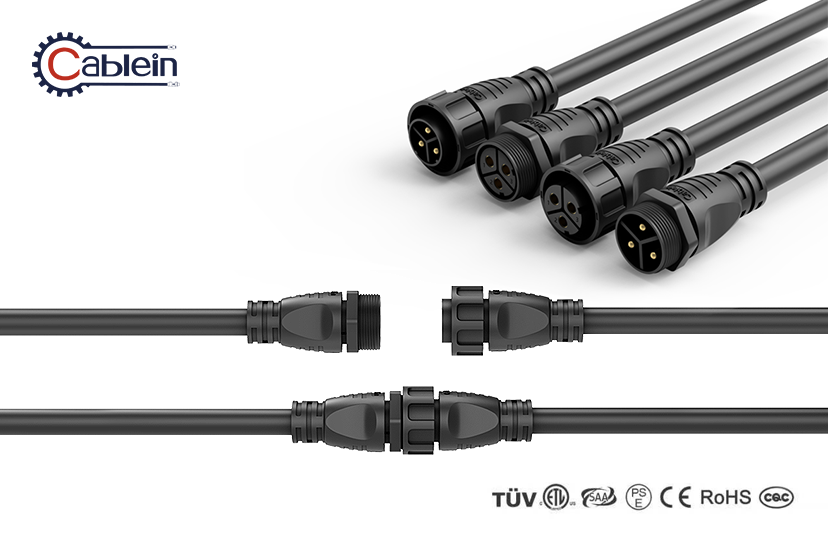
When you need a dependable outdoor wiring solution, the choice between a QC16 quick clamp waterproof connector and a traditional junction box comes down to three things: protection level, installation speed, and long-term reliability. The QC16 quick clamp waterproof connector from Cablein offers IP67/IP68 protection, tool-free field assembly, and a PA66 nylon housing with gold-plated brass contacts — all certified under CE, RoHS, and ISO9001:2015. Junction boxes, while familiar, require more labor, regular gasket maintenance, and often top out at IP66. For most modern outdoor power and signal applications, the QC16 connector delivers a faster, more dependable result.
Understanding QC16 Quick Clamp Waterproof Connectors
What This Connector Actually Is
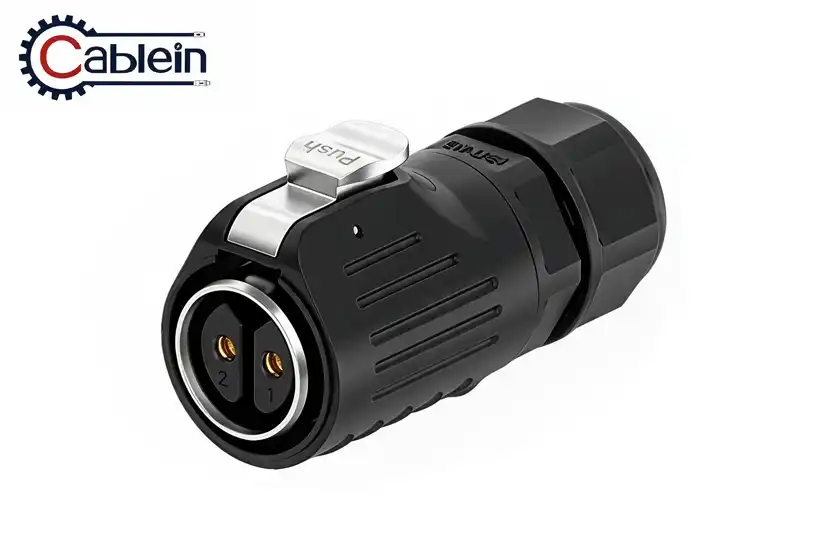
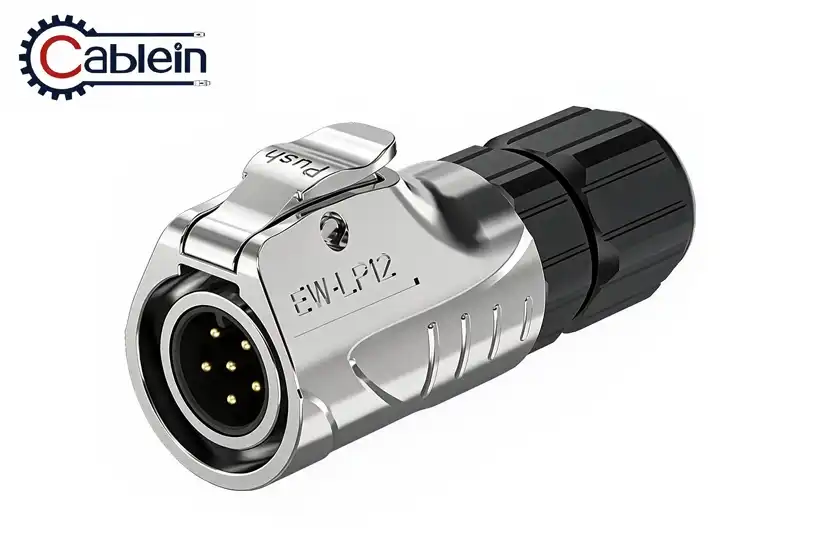
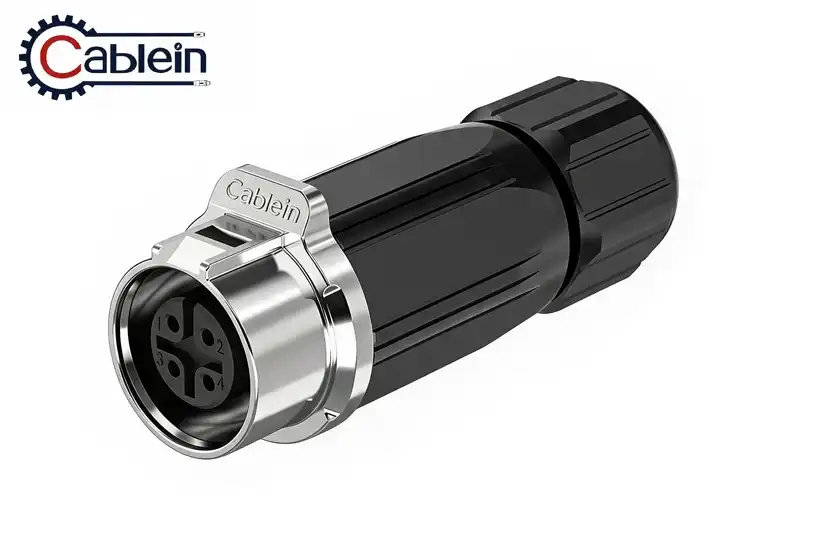
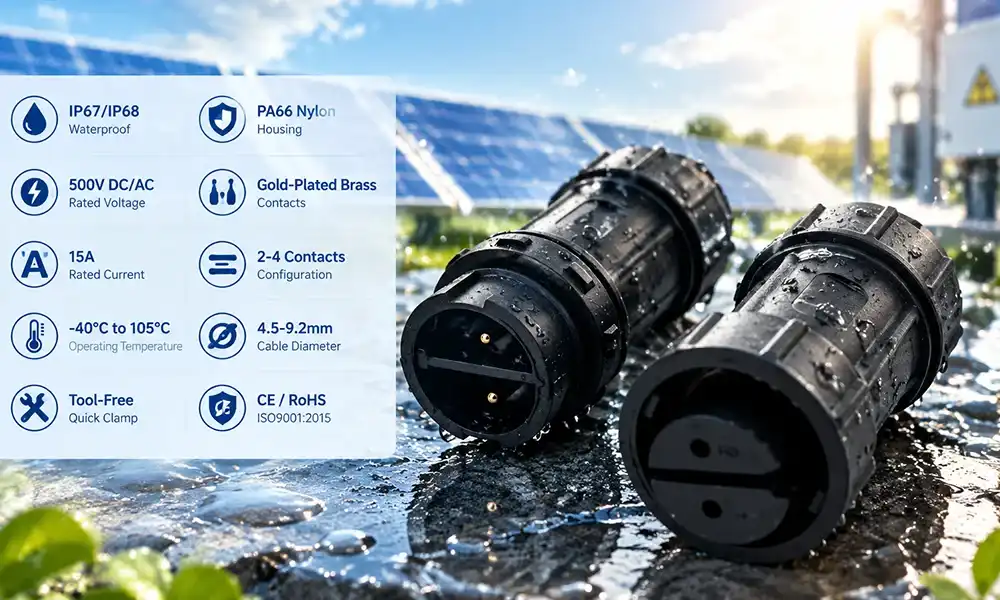
The QC16 is a quick-clamp circle connection that can be put together in the field and is made for medium-power outdoor wiring. Its case is made of UL94-V0 flame-resistant PA66 nylon, and the contacts are gold-plated brass to keep them from rusting. The waterproof seal is made up of two silicone O-rings that meet IEC 60529 standards at both IP67 and IP68 levels. This connector can fit lines with sizes between 4.5mm and 9.2mm and wire gauges between 0.5 mm² and 2.5mm³.
How the Quick Clamp Mechanism Works
The installation process is simple. You strip the wire, put it in the terminal, and then twist the housing once by 90 degrees. There's no need for a torque tool, a screwdriver, or guessing because the spring-loaded clamp locks the wire in place with constant contact pressure. This design stops two problems that commonly happen with screw terminals: wire creep from changing temperatures and seal failure from uneven pressure when tightening.
Performance Ratings That Matter in the Field
The QC16 quick clamp waterproof connector can handle up to 500V DC/AC and 15A across 2–4 contact setups. It has an insulation resistance of more than 200M© at DC 500V, and its dielectric strength has been tested for 60 seconds at DC 1kV. It can work in temperatures ranging from -40°C to 105°C, so it can be used for rooftop solar panels in Arizona in the summer and wires in cold storage facilities in Minnesota in the winter.
Overview of Outdoor Junction Boxes
Construction Materials and IP Ratings
Most outdoor junction boxes are made of polycarbonate, die-cast metal, or polyester strengthened with fiberglass. Most standard models have ratings between IP54 and IP65, and higher-end models can go up to IP66. Their protection comes from silicone sealant and foam seals that are put around the lid's edge. It is possible for water to get in if the gasket ages, compresses incorrectly, or is broken during fitting.
Installation Requirements and Labor Costs
Putting together a junction box means putting the case in place, running cables through glands, connecting the wires inside, sealing the opening, and closing the lid. Each box adds a lot of work to a big outdoor LED project with a lot of connection points. Field installers say that working on junction boxes takes a lot of time when they're doing outdoor wiring, especially when they have to do it in tight or elevated spaces.
Common Application Scenarios
Junction boxes are still useful for situations where several lines come together in a single safe area. For example, they can be used to combine feeds in a large parking lot lighting grid or to house terminal blocks in industrial control panels. They work well when the installation stays in one place, is easy to get to, and doesn't need to be reconnected often. But for outdoor systems that are spread out and have a lot of different connection points, their size and difficulty in installation become problems.
QC16 Waterproof Connector vs Junction Box: Key Comparison Dimensions
Which of these two options you choose will depend on the needs of your project. Here are the main things that need to be looked at in more detail:
- Waterproof performance: The QC16's dual silicone O-ring achieves verified IP68 protection — it holds against continuous immersion. Most junction boxes cap at IP65 or IP66 under ideal conditions, and real-world performance degrades if gaskets are not replaced on schedule. In environments like agricultural irrigation systems or coastal surveillance installations, that difference is meaningful.
- Installation speed: A single QC16 connection takes under 30 seconds with no tools. A comparable junction box connection requires mounting hardware, cable gland threading, internal terminal work, and lid sealing. On projects with 50 or more connection points, the time savings from using quick-clamp connectors translates directly to reduced labor costs.
- Durability and service life: The PA66 housing resists UV radiation, chemical splash, and mechanical impact. Gold-plated contacts maintain stable conductivity over years of thermal cycling. Junction box gaskets, by contrast, require periodic inspection and replacement — particularly in high-humidity or high-UV environments.
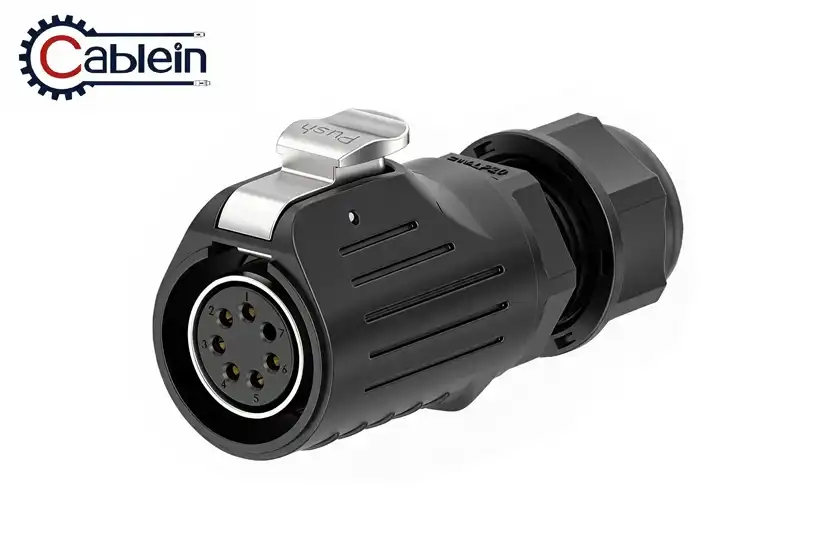
- System design flexibility: The QC16 supports 2 to 12 pin configurations and accepts custom pin arrangements. This makes it adaptable across LED drivers, solar combiner wiring, PLC signal circuits, and sensor networks. Junction boxes are less configurable and add physical bulk to panel designs.
These differences are especially important for procurement managers who have to balance budgets for installations with plans for long-term upkeep.
Procurement Considerations for B2B Clients
Certification and Compliance Requirements
Certifications are a must for buyers who want to sell or for projects that have to follow local building rules. Cablein's QC16 quick clamp waterproof connector connection is certified by CE and RoHS, and it is made under ISO9001:2015 quality management. These qualifications are important if you need to get project approval in the US, EU, or Australia with your tools.
Cost Structure: Unit Price vs. Total Ownership Cost
A waterproof connection costs less per unit than most junction boxes, but the real cost is calculated by how much work it takes to install, how often it needs to be maintained, and how much time it takes to fix when it fails. A junction box with a gasket that needs to be inspected every year adds costs over the course of a five-year project. The QC16's closing design doesn't need any upkeep, which makes that job a lot easier, especially in outdoor areas that are hard to get to.
Delivery and Supply Chain Reliability
Cablein keeps a steady stock of more than 10,000 pieces of each item and can deliver standard orders in 7–10 days. Custom setups, such as specific pin counts, wire lengths, or private-label packages, are planned around the due dates of each project. This supply consistency directly lowers project risk for procurement managers who have to work with tight installation windows.
Making the Right Choice for Your Outdoor Application
If your project needs IP68-rated protection, multiple connection points, or a lot of field service, the QC16 quick clamp connector is the better pick. It can be used for wiring LED drivers outside, installing solar panels in the field, setting up charging stations for electric vehicles, and connecting industrial sensors. In these cases, speed and the integrity of the seal are the most important things.
Junction boxes are still useful when you need to put several terminal blocks under one cover, add safety features, or work with older system architectures. In smart city and stadium lighting projects, hybrid designs are becoming more common. In these designs, a junction box combines trunk wiring, and QC16 connectors handle branch connections.
As a general rule, pick the QC16 if the connection point is outside, often loses its connection, or is in a place with strict IP requirements. A junction box is still useful if the joining point needs to protect the circuit inside and is only opened occasionally.
Conclusion
Traditional junction boxes aren't as good as the QC16 quick clamp waterproof connector in the three areas that matter most in current outdoor uses: protection reliability, installation speed, and total cost of ownership. It is the best choice for LED lights, renewable energy, industrial automation, and security infrastructure because it is rated IP67/IP68, can be put together without tools, and has been recognized as having high build quality. While junction boxes are still useful in some enclosure situations, the QC16 is a better choice for widespread field wiring because it requires less work and less long-term upkeep.
FAQ
1. What IP rating does the QC16 connector carry?
The QC16 carries both IP67 and IP68 ratings per IEC 60529. IP67 confirms protection against temporary immersion up to 1 meter for 30 minutes. IP68 confirms protection under continuous immersion at greater depths, depending on the manufacturer's declared conditions. Both ratings are verified through batch-level vacuum leak and pressurized water immersion testing at Cablein's facility.
2. Can this connector handle extreme temperatures?
Yes. The QC16 operates reliably from -40°C to 105°C. The PA66 housing maintains structural integrity across this range, and the internal spring mechanism preserves consistent clamp force through repeated thermal cycling. This makes the connector suitable for desert solar installations, cold-climate LED systems, and industrial ovens or freezer environments.
3. How do I confirm I am buying a genuine, certified product?
Ask the supplier for a copy of their CE certificate, RoHS declaration, and ISO9001 certificate. Verify that the certificate matches the product series you are ordering. Cablein provides full documentation upon request and manufactures the QC16 exclusively under ISO9001:2015 quality control. Contact nick@cableinco.com directly to request certification documentation before placing an order.
4. Is the QC16 reusable after disconnection?
Yes. The spring-clamp mechanism is designed for multiple mating cycles without degrading contact force. This makes it practical for installations that require periodic maintenance or seasonal reconfiguration, such as agricultural lighting rigs or temporary event infrastructure.
Get a Quote from Cablein — QC16 Quick Clamp Waterproof Connector Supplier
Cablein Technology sells QC16 quick clamp waterproof connectors that are CE and RoHS approved. They keep a steady supply on hand, send them in 7–10 days, and offer full OEM/ODM support. Our tech team gets back to you within 24 hours, whether you need standard configurations or unique pin assemblies. You can email us at nick@cableinco.com to get examples, bulk prices, or a technical consultation.
References
1. International Electrotechnical Commission. IEC 60529: Degrees of Protection Provided by Enclosures (IP Code). IEC, 2013.
2. Underwriters Laboratories. UL 94: Tests for Flammability of Plastic Materials for Parts in Devices and Appliances. UL Standards, 2018.
3. International Electrotechnical Commission. IEC 60998-2-2: Connecting Devices for Low-Voltage Circuits — Part 2-2: Particular Requirements for Connecting Devices as Separate Entities with Screwless-Type Clamping Units. IEC, 2004.
4. ASTM International. ASTM B117: Standard Practice for Operating Salt Spray (Fog) Apparatus. ASTM, 2019.
5. National Electrical Manufacturers Association. NEMA 250: Enclosures for Electrical Equipment (1000 Volts Maximum). NEMA, 2020.
6. European Committee for Standardization. EN 61984: Connectors — Safety Requirements and Tests. CEN, 2009.