What are typical applications for P20 circular waterproof plugs?
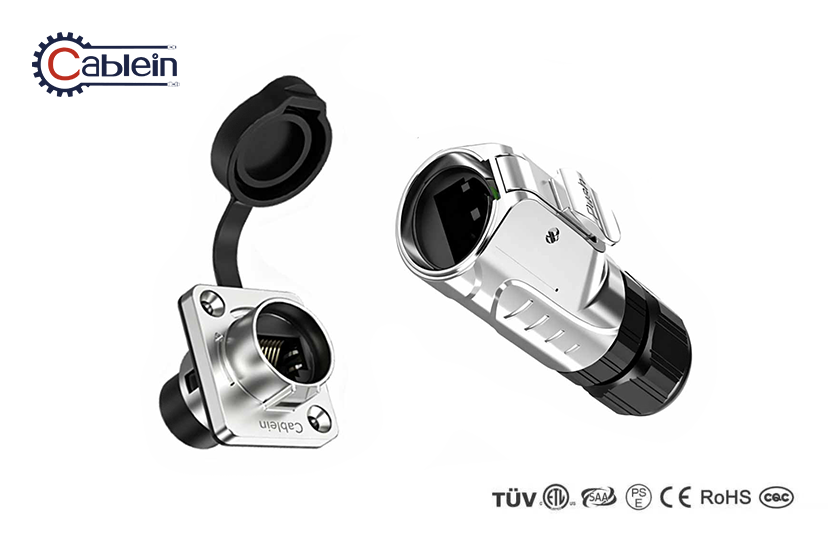
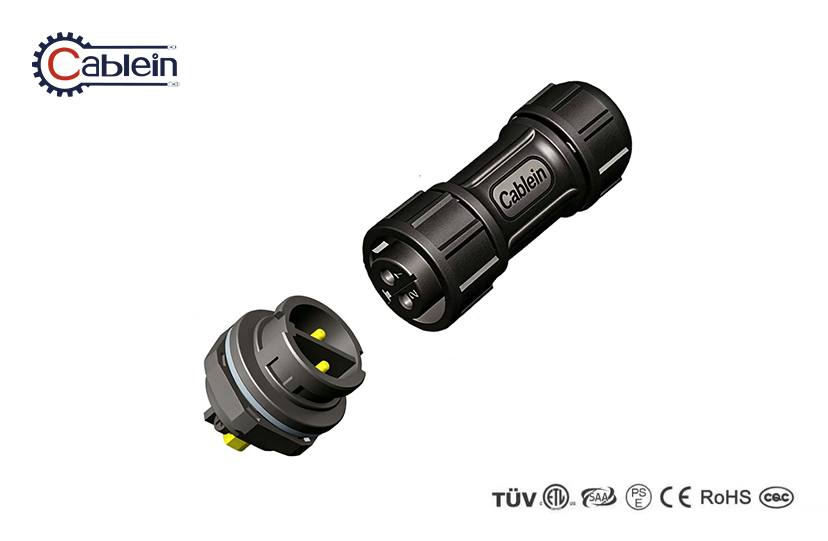
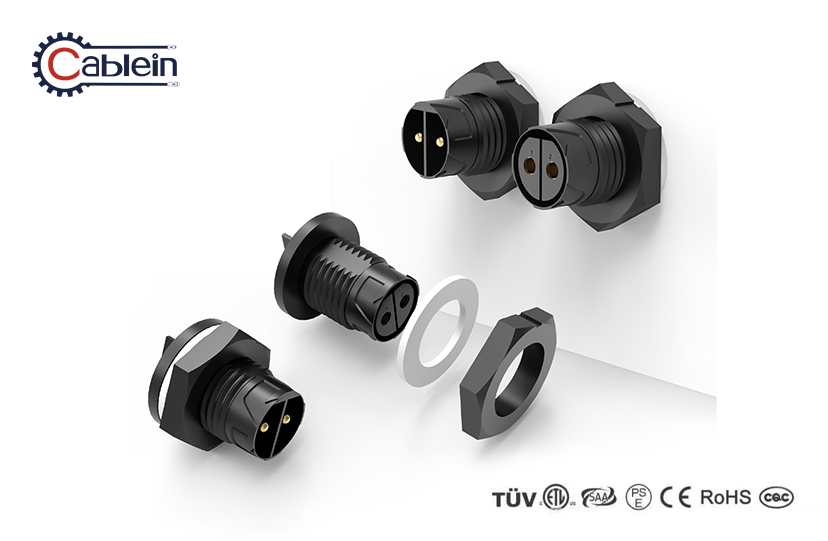
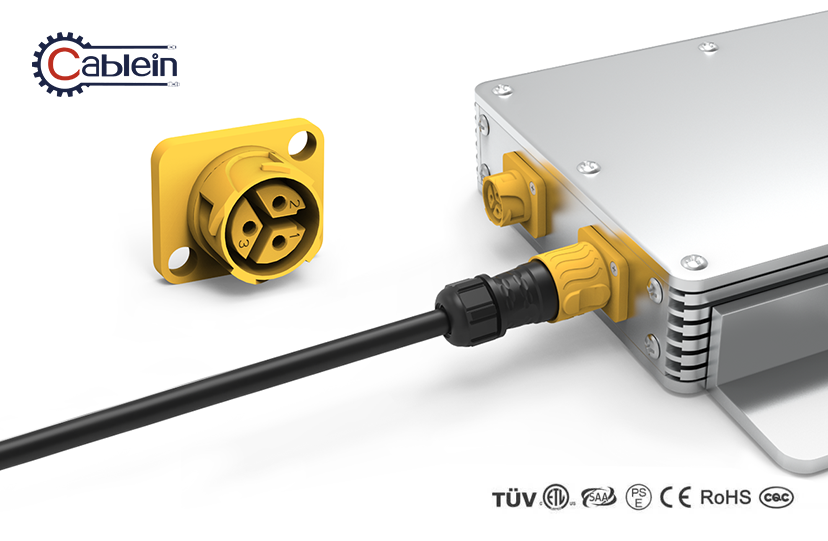
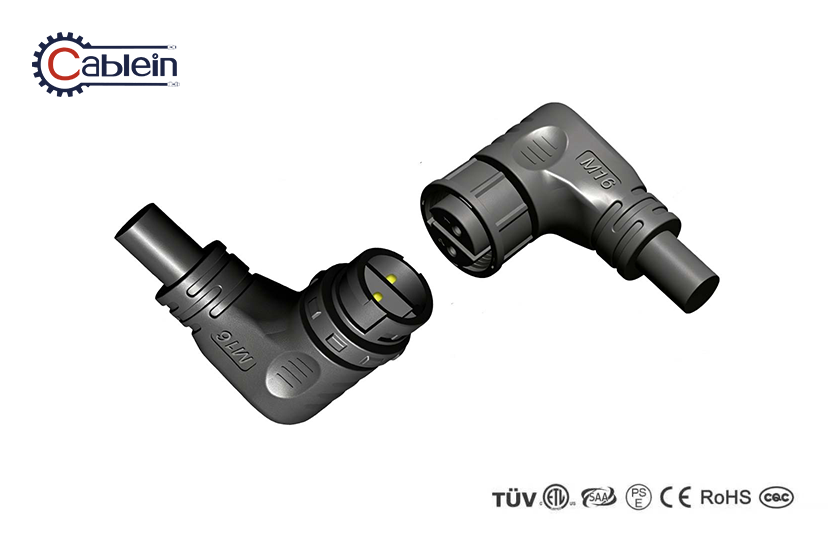
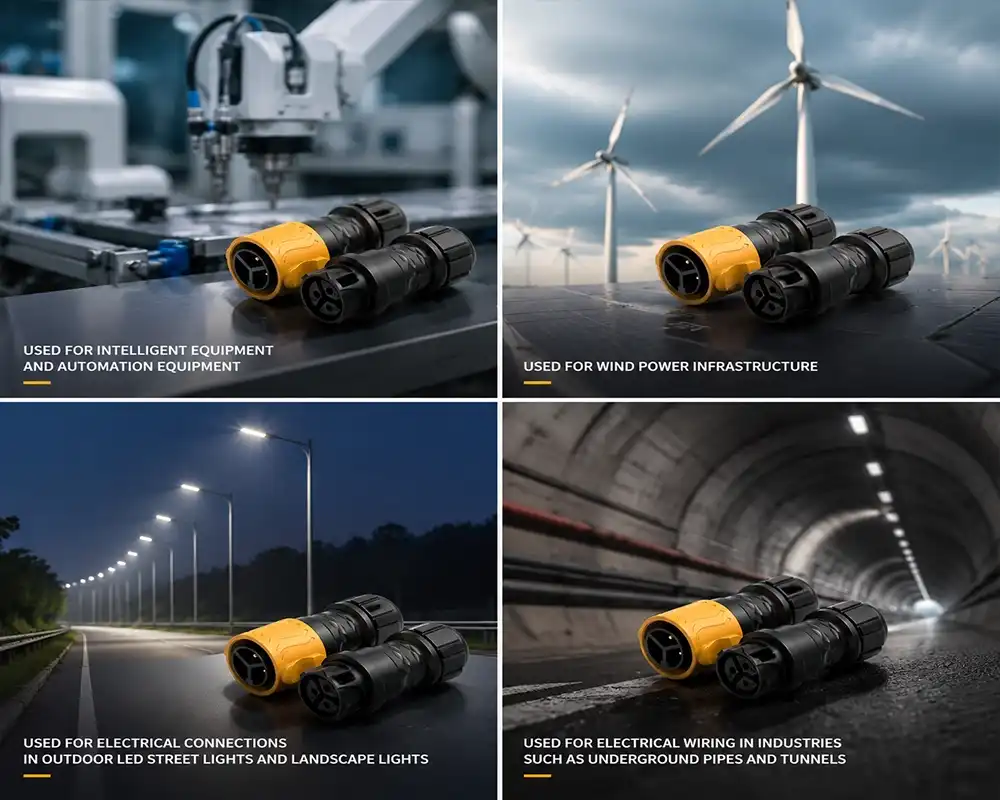
P20 circular waterproof plugs make sure that electrical connections work well in harsh industrial settings where moisture, dust, and temperature changes can damage systems. With protection ratings of IP67/IP68, these field-assembled connectors are a must-have for outdoor LED lighting networks, marine electronics, agricultural equipment, industrial automation systems, renewable energy installations, and security surveillance infrastructure. Their strong PA66 nylon construction and gold-plated brass contacts make them work reliably in places like stadium floodlights and EV charging stations, where other connectors would break under the harsh conditions.
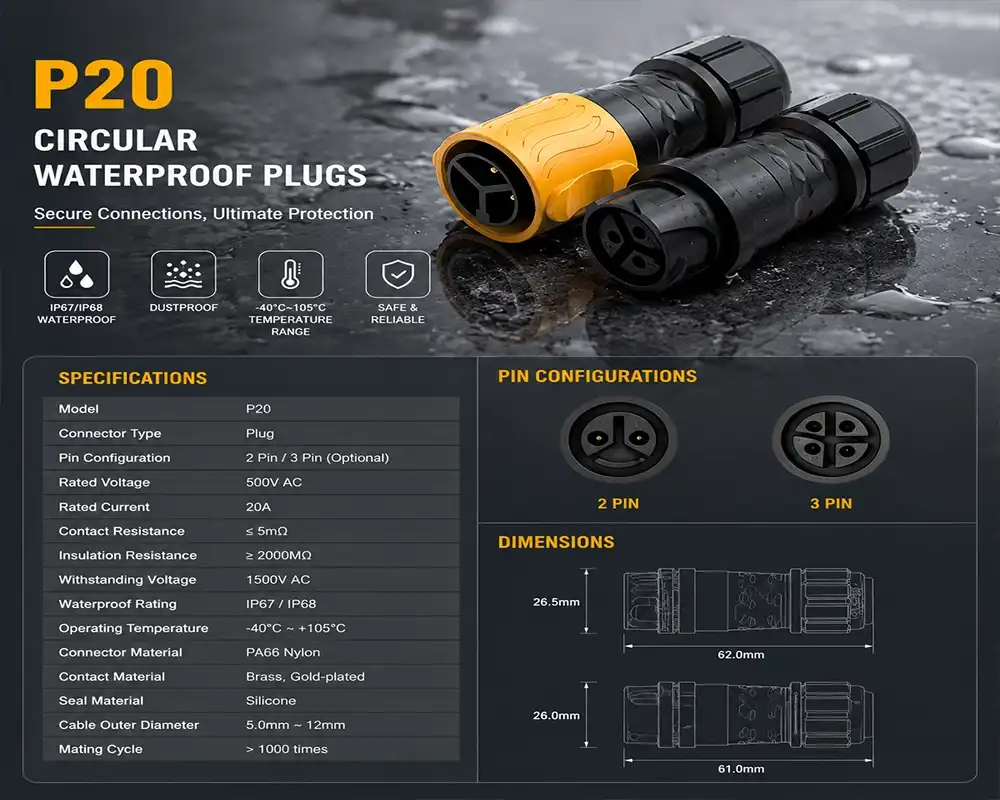
Overview of P20 Circular Waterproof Plugs and Their Key Features
When equipment is left outside all year, rain, dust, and other corrosive substances are always trying to damage the electrical connections. The P20 circular waterproof plug solves this problem with careful engineering that protects the environment while also meeting the needs of installation.
At its heart, the 20mm mounting diameter connection is made of PA66 nylon, which is strong against impact and stays structurally sound in temperatures ranging from -40°C to 150°C. This thermoplastic material is flame retardant to UL94V-0 standards, which is very important for places where fire safety rules apply. The case keeps the internal parts safe and is rigid enough for panel-mount uses that are frequently vibrating.
Inside the connector body, contacts made of gold-plated brass offer better electrical conductivity, with contact resistance below 5 mΩ. This gold covering does more than just carry electricity; it also stops oxidation, which ruins connections in damp places. Normal tin or nickel plating rusts after a few months of being exposed to air, but gold keeps electrical paths stable for years.
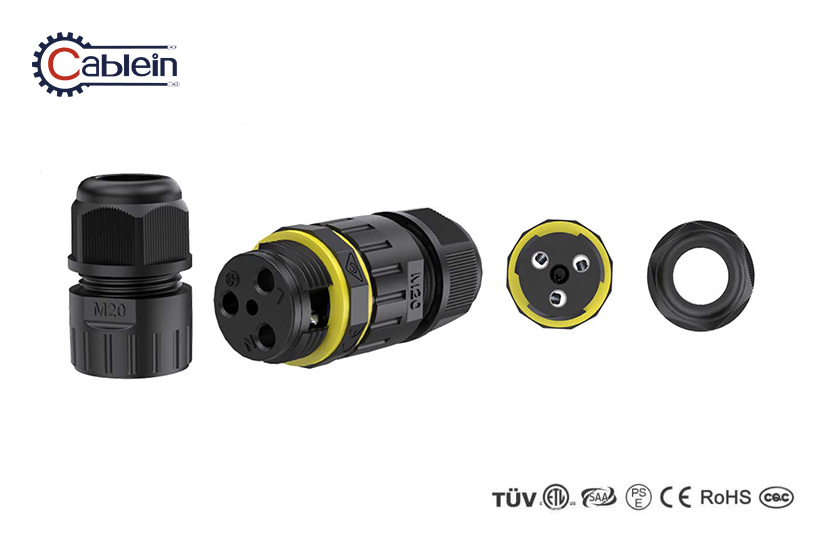
The sealing system is what sets good waterproof connectors apart from simple ones. The main water barrier is a precision-molded silicone O-ring that presses against matching surfaces to stop water from getting in. When placed correctly, this seal gives the connector IP68 protection, which means it can withstand being submerged in water for a long time at the depths that the maker specifies. The flexible cable gland creates a second seal around the wire entry point, so it can fit cable sizes from 6 mm to 13 mm and still keep the waterproof integrity.
The electrical specs are based on what power is needed in the real world. The connector can handle up to 380V AC/DC and can handle up to 25A of power, based on how the pins are set up. Insulation resistance is higher than 500 MΩ, which stops leakage currents that could make the system unstable. A 3KV withstand voltage rating guards against short-term surges that are widespread in industrial power networks.
The push-pull locking mechanism on this connector makes it stand out because it can be used with one hand. Technicians who wear gloves don't have to mess around with threaded fittings to make connections that are safe. The design clicks into place with a satisfying sound, and then it can't be disconnected by accident by pulling or vibrating the cable. This useful technical detail cuts down on installation time and gets rid of mistakes in alignment that can damage waterproof seals.
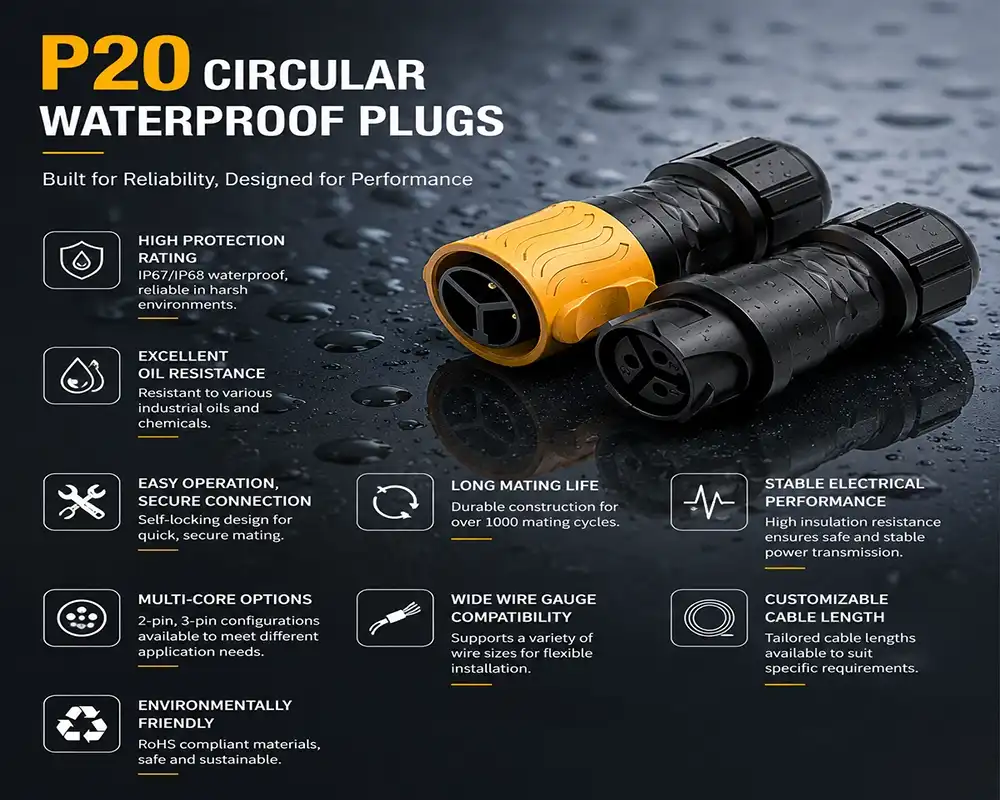
Typical Industrial Applications for P20 Circular Waterproof Plugs
Outdoor LED Lighting Infrastructure
Connectivity problems are unique when it comes to large lighting systems. It rains, snows and varies in temperature 365 days a year, but stadium floodlights, building surfaces and urban landscape systems all work. Connectors for these systems must be able to keep power delivery stable without service interruptions.
The P20 circular waterproof plug works great in these conditions because the UV-resistant housing keeps the material from breaking down when it's in the sun all the time. After being exposed to UV light for a long time, regular plastics become brittle and crack. This makes water entry points that short out lighting circuits. Our PA66 mixture with UV stabilizers keeps its mechanical strength even after years of use outside. Landscape lighting workers like the field-assembly feature because it lets them run cables through conduit systems and then connect plugs at the final locations without having to pull pre-molded cables through tight turns.
LED systems are being used more and more in agricultural lights to help crops grow better in greenhouses and tall farms. The high humidity and fertiliser chemicals in these systems break down normal electrical parts. The materials used to make circular waterproof plugs are resistant to corrosion, so they can handle this harsh environment and keep grow lights working during important growth cycles.
Industrial Automation and Control Systems
Electrical connections on factory floors are constantly being hit by metal dust, coolant mist, and machinery vibrations. For automation equipment to keep working well, sensor signals must be clean and power must be evenly distributed. Any problem with a connection stops the production line, which costs a lot of money.
These outside elements can't get into the PLC signal transmission and sensor feedback circuits because they have P20 circular waterproof plugs covering them. The threaded rear cable entry relieves strain on its own, so pulling on the cable or moving the equipment doesn't put stress on the wire terminations. This mechanical design stops the link problems that happen from time to time and make debugging hard.
The connector's ability to prevent vibration is especially useful for robotics uses. When articulated robot arms move back and forth over and over, the electrical links get worn out. The safe locking system and resilient contact design keep the electricity flowing even after millions of motion cycles. Production managers like this level of dependability because it means that maintenance calls don't come up out of the blue and interrupt production schedules.
Marine and Offshore Applications
Galvanic corrosion is sped up by salt spray and destroys standard electrical connectors in months. Marine tools, tracking systems, and deck equipment all need special ways to link that can handle being in saltwater all the time.
The special closing gasket and gold-plated contacts directly deal with the tough conditions in the marine environment. When exposed to high salt levels, tin or brass contacts rust, but gold doesn't. Even when exposed to chemicals and changing temperatures, the rubber O-ring keeps its flexibility. This means that it will remain waterproof for years to come. This connector technology is used by offshore platforms, commercial fishing boats, and recreational boats to keep important systems running.
Robotics and remotely controlled vehicles (ROVs) that work underwater make waterproofing even more important. For these uses, IP68 protection is needed that can withstand constant submersion and pressure. The proven submersion grade of the connector gives naval engineers faith in the system's ability to work reliably during long periods of time underwater.
Renewable Energy Systems
Installing solar farms and wind turbines is a long-term investment in infrastructure that needs to work well for decades. These systems make electricity in rural areas where getting service is hard and costs a lot. Connector failures in renewable energy applications cost money and make maintenance more difficult.
The P20 circular waterproof plug is used to connect solar array combiner boxes and inverters and distribute high-current power. It can handle 25A of power and 380V of voltage, which is enough for utility-scale systems. The wide operating temperature range can handle the heat and cold that renewable energy sites often experience.
EV charge equipment has to be installed outside, handle a lot of power, and run all the time. Connectors for charging stations need to be able to handle being connected and disconnected thousands of times without breaking. Our connector is rated to last more than 500 mating cycles, which is long enough to handle the heavy use of public charging networks. These links are also used in energy storage systems to connect battery packs so that the system doesn't become unbalanced.
Security and Surveillance Networks
Outdoor cameras and equipment for keeping an eye on traffic are always on, no matter what the weather is like. These works usually cover a lot of space and have a lot of connection spots that water can get into. System designers need interfaces that are easy to set up and will last for a long time.
The screw termination design lets you attach the wires without using any tools, which speeds up installation in the field. Technicians remove the insulation from the wire, enter the conductors, and tighten the terminal screws. This makes the connection in seconds, without the need for special pinch tools. This ease of use lowers the cost of labour for projects with hundreds of camera endpoints.
For smart cities to work, data must be able to be sent reliably through the outdoors. The design of the connection keeps electromagnetic interference to a minimum in hybrid setups that carry both power and data lines. Crosstalk that corrupts surveillance video or sensor data can't happen if the contacts are spaced and shielded correctly.
Comparative Advantages of P20 Circular Waterproof Plugs Over Alternatives
When procurement teams are looking at connector options, they have to choose from a lot of different products that all claim to perform differently. Knowing the real differences in speed helps make decisions about which parts to use and keeps you from making expensive design mistakes.
The P20 circular waterproof plug connector can handle more power and has more pin configuration choices than the smaller P16-size connection. When there is a load, the bigger touch surface area lowers electrical resistance and heat production. This thermal advantage makes connectors last longer in high-power situations where too much heat speeds up the wear and tear on the contacts.
Standard circular connections that don't have IP grades are cheaper up front, but they don't protect against the environment. These simple links work fine in controlled indoor settings, but they break quickly when they come into contact with water or dirt. Failure replacement, system downtime, and emergency service calls must be added to the total cost, which cancels out any price savings at the start. These costs are avoided by using high-quality waterproof connectors that work reliably.
When connections need to be made and taken apart often, the self-locking mechanism is much better than threaded couplings. Threaded connectors need to be used with two hands and rotated several times to make links solid. Our push-pull design cuts the time it takes to connect by 70% and makes sure the right contact is made through physical feedback. This operational efficiency is especially useful for maintenance workers who work in tight areas or high places.
This connector is different from pre-molded wire kits because it can be put together in the field. For pre-molded cables, you have to pull the connector bodies through conduit, cable trays, and bulkhead holes, which isn't always possible without damaging the seals or conductors. These installation problems can be solved by being able to put together plugs after routing wires. This still gives you factory-grade waterproof performance.
Procurement Guide: How to Source and Purchase P20 Circular Waterproof Plugs?
Quality of the parts and the efficiency of the supply chain must be balanced for procurement to go well. To find trustworthy P20 circular waterproof plug providers, you need to look at more than just prices. You need to look at technical skills, certification compliance, and service support.
Verified manufacturers should show that they are certified to ISO9001:2015 quality management and keep up with safety approvals for their products, such as TUV, CE, and RoHS compliance. These certifications prove that the materials and the way they were made are safe, which are important for getting equipment into regulated markets. Instead of accepting claims that aren't backed up by proof, ask for copies of current certificates.
Quality suppliers are different from commodity distributors because they can offer technical support. Engineering teams often need help choosing the right pin layout, making sure the cables work with each other, and making changes that are specific to their needs. Generic wholesalers can't match the fast technical support, custom drawings, and prototype development that suppliers with their own engineering staff can offer.
The supply of inventory has a direct effect on project timelines. Suppliers who keep more than 10,000 pieces in stock per standard configuration can meet urgent orders without having to wait for production to start. Ask possible sellers how they decide what to stock and how long it usually takes to get both standard and custom goods. Well-known companies usually keep common setups in stock and can send custom configurations in 7–10 days.
Pricing models are very different depending on the number of orders and the level of customization needed. Standard plugs in modest amounts usually have prices that are competitive, and if you buy more, you can get a discount. There are engineering fees for custom pin configurations, specialized cable assemblies, and private mold development, but these services provide the best solutions for large-scale uses. To accurately compare suppliers, you should ask for detailed quotes that break down unit costs, tooling fees, and minimum order quantities.
Logistics for international shipping need to be coordinated with freight partners who have a lot of experience. Reliable sellers work with major companies like FedEx, UPS, and DHL for air shipping and with dependable freight forwarders for cheap ocean shipping. Check the shipping terms, insurance coverage, and typical delivery times to the destination. Suppliers who have done business with other countries before can give you the right paperwork to clear customs, so you don't have to wait at ports of entry.
Samples should be looked at before orders are placed, especially for new seller relationships. Good manufacturers offer sample units at a fair price so that you can test them out for yourself. Put test samples through real-life working conditions by putting them through temperature changes, submersion, and mechanical stress that match the needs of your application. Before agreeing to large purchases, this useful validation checks that the specs are correct.
Installation and Maintenance Best Practices for P20 Circular Waterproof Plugs
Proper placement impacts waterproofness and link longevity. Follow methodical assembly methods to ensure system reliability and minimise premature failures that could damage it.
Use the correct wire stripping tools to remove the cable covering without injuring the circuits. Damaged wire strands provide stress concentration areas where fatigue failures occur over time. The terminals won't be shielded and the wire won't be mechanically captured if you don't strip it to the assembly directions' length.
Thread cable glands onto wires before connecting them. When identified after wiring, this usual mistake must be disassembled and restarted. To terminate properly, slip the gland nut, sealing washer, and strain relief onto the cable out of the way.
Screw terminal connections need effort for solid contact. Untight terminals provide links with high resistance, which can get heated under load and cause arcing. Over-tightening distorts wires or cracks terminal blocks, causing failure spots immediately or later. Use a calibrated, manufacturer-specified torque driver. Typically, the range matches terminal size.
Place wires in pin terminals according to the wiring diagram. DC equipment can be damaged by three-phase AC link polarity and phase sequence issues. Check wiring routing again before final construction by comparing actual connections to schematics.
The P20 circular waterproof plug body is assembled by aligning mating keys to prevent misalignment. Press the components together hard until the locking mechanism sounds. Unfulfilled engagement leaves holes when the O-ring seal doesn't compress adequately, reducing waterproofing. Check that the axle alignment marks indicate full engagement.
Keep the cable shaft in the entry hole as you carefully tighten the cable gland. The cable cocks to the side when not tightened uniformly, preventing the seal from compressing around the cable jacket. The gland should pinch the sealing washer to increase resistance. This creates a watertight barrier without damaging cable insulation.
Regular maintenance includes checking the casing for cracks, strain relief for wire wear, and metal parts for rust. Inspect your workplace every three months for strong chemical or marine conditions and once a year for moderate outdoor settings.
A multimeter checks connection strength and contact resistance before using tools. Compare the resistance between paired connectors to standard values. High resistance indicates problems are worsening and must be addressed before the link breaks.
Conclusion
It has been shown that P20 circular waterproof plugs work well in difficult industrial settings where protecting against moisture and making sure connections are always reliable are important. Their field-assembly design, IP68 rating for protection, and strong construction make them perfect for installation problems that happen in real life that make standard connectors less reliable. From LED lighting networks to infrastructure for green energy, these connections keep important systems running in harsh conditions by being resistant to the environment and stable electrically. When it comes to commercial electrical installations, the total cost of ownership can be lowered by choosing the right provider, installing the system correctly, and keeping up with upkeep.
FAQ
What is the difference between IP67 and IP68 ratings for waterproof connectors?
IP67 certification means that plugs will be safe from water exposure up to 1 metre deep for 30 minutes. This makes them good for places where it might rain or get wet by mistake. IP68 offers better protection against continuous submersion at depths specified by the manufacturer. This is important for marine applications or installations that get flooded often. For the better rating, the sealing must be more exact, and the gasket materials must be of higher quality.
Can P20 connectors handle both power and data signals simultaneously?
Power and signal lines can both be carried by hybrid pin configurations in a single connector body, which makes managing cables easier. For execution to go correctly, there needs to be enough space between the power and data pins and the right shielding to stop electromagnetic interference. Talk to tech help to come up with configurations that meet present needs and keep the integrity of the signals.
How do I verify connector authenticity from suppliers?
Ask for copies of the latest safety certifications, such as TUV, CE, and ISO9001 paperwork that is specific to the model of the product. Real makers give you certificate numbers that you can check with certification groups directly. A close look should show constant molding quality, clear manufacturer markings, and the right way to package the item. Usually, goods with suspiciously low prices are fakes or of low quality that don't have real approval.
Partner with Cablein for Reliable Waterproof Connector Solutions
Cablein Technology makes industrial-grade P20 circular waterproof plug assemblies that meet the strict needs of engineering projects around the world. Our factory in Shenzhen keeps more than 10,000 units of each configuration in ready stock. This means that standard products can be delivered in 7–10 days, and custom specifications can be met with flexible production schedules. We are certified by TUV, CE, and ISO9001:2015, which means that our quality is always the same and we follow international rules. Our engineering team is available 24 hours a day to help with unique pin configurations, hybrid power-signal designs, and full wire assembly services that are made to fit the needs of your equipment. We have over 30 utility model patents and partnerships in more than 100 countries, so we can give procurement managers the knowledge and supply chain stability they need. Get in touch with our team at nick@cableinco.com to talk about your waterproof connector needs and get full technical quotes from a well-known P20 circular waterproof plug maker that wants your project to succeed.
References
1. Jones, M. & Williams, R. (2021). Engineering Principles and Performance Standards for Industrial Waterproof Connector Design. The International Technical Publishing Company.
2. Chen, L. (2022). "Standards for Protecting Outdoor Electrical Connections in Extreme Conditions," Journal of Industrial Electrical Engineering, Vol. 38, No. 4, pp. 112-128.
3. Sanchez, A. (2020). Marine Electronics Installation Guide: Best Practices for Corrosion Prevention and Waterproof Connectivity. Marine Technology Press.
4. Thompson, K. & Zhang, W. (2023). "Comparative Analysis of Circular Connector Sealing Technologies in Industrial Applications," International Connector Technology Review, Vol. 15, No. 2, pp. 45–67.
5. Peterson, D. (2021). Renewable Energy System Integration: Electrical Connection Solutions for Solar and Wind Installations. Green Energy Publishing.
6. Anderson, S. (2022). "Total Cost of Ownership Analysis for Industrial Electrical Connectors: Beyond Initial Purchase Price," Procurement Management Quarterly, Vol. 29, No. 3, pp. 78–94.