Recommended Waterproof Connector Manufacturers 2026
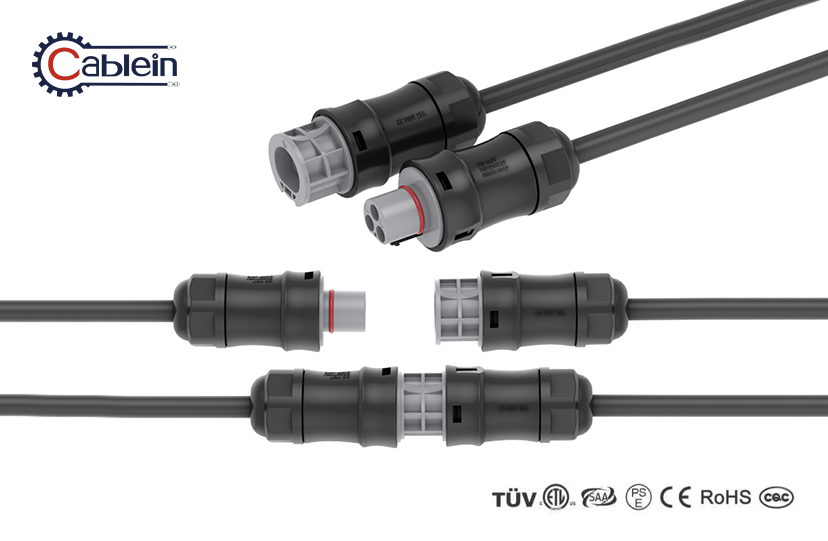
The best waterproof connector manufacturers in 2026 run their own factories, prove IP performance with test reports, hold current certifications, and support private-mold projects from sample to volume. A dependable custom waterproof connector supplier also protects your tooling, quotes the exact specification you send, and keeps quality steady across repeat orders. In this guide, I explain how to judge IP ratings, materials, pricing, and paperwork so you can build a confident shortlist. I also show where Cablein fits for brands that want their own logo, their own housing shape, and no in-house production line.
Custom Waterproof Connector Basics: Definition, IP Ratings, and Materials
What Is a Custom Waterproof Connector?
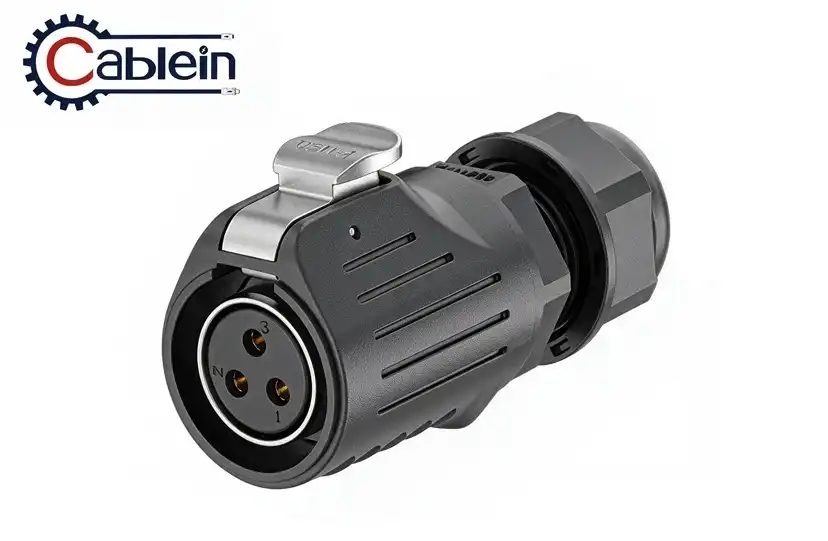
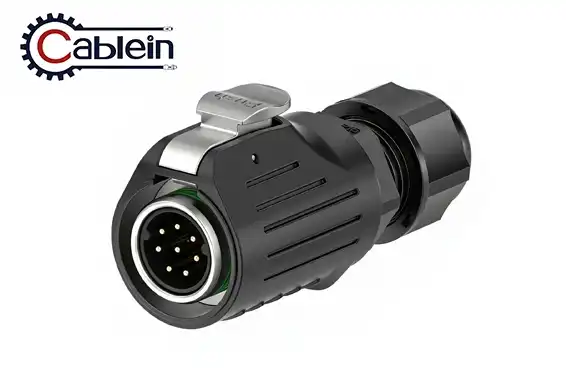
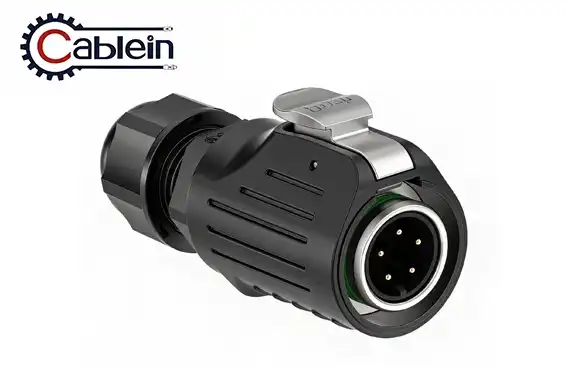
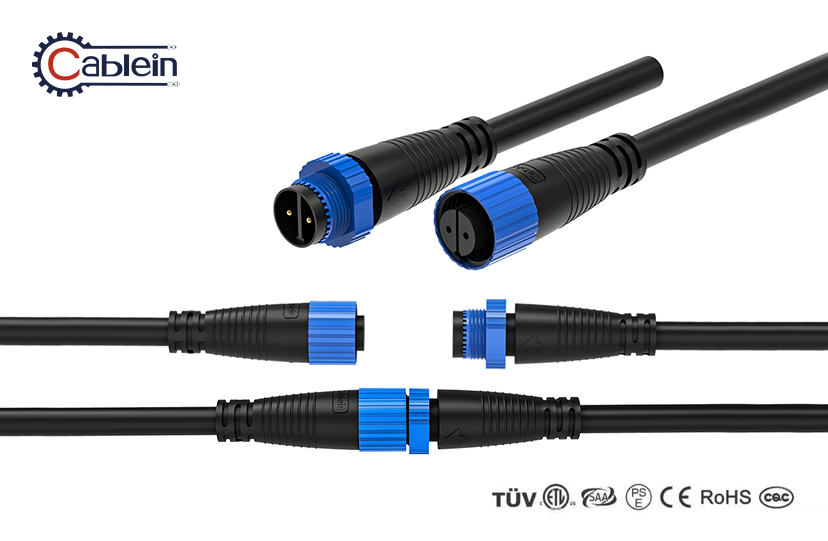
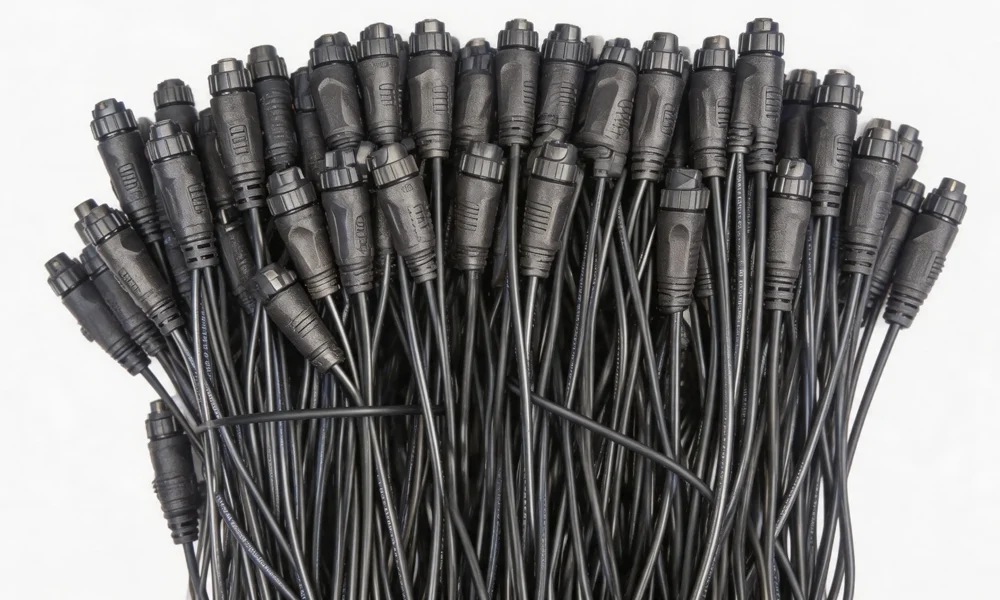
You can build or change a waterproof connector to meet the needs of an application in terms of electricity, mechanics, and weather. Some of the things that can be changed are the pin structure, the length of the wire, the shape of the housing, the sealing system, the overmolding, the labels, and the packaging. A clear ingress test proves that a waterproof connector works. There isn't a strict way to tell if something is waterproof, and a sealed connector might only be waterproof when it's fully connected. There are many popular types, such as round, inline, panel-mount, PCB, automotive, and LED. When a standard part needs adapters, makes installation mistakes, or doesn't meet a compliance need, I recommend making it your own. The owner of a brand can also add a name and a private house shape that other brands can't get from a kit.
IP Ratings Explained: IP65, IP67, IP68, and IP69K
IEC 60529 lays out the IP Code. Inside, there is no dust, and water jets coming from any direction can't get in. This is what IP65 means. A test at up to 1 meter for 30 minutes showed that IP67 is waterproof for a short time. If the maker says so, IP68 covers being submerged in water all the time. The depth and length of the immersion should be written on the data sheet. The number IP69K from ISO 20653 tells us that the product can handle high temperatures and pressures. You can only use a certain grade for a pair, a certain cable width, or a certain mounting position. That's why I always make sure the whole cable system is tried. If you need to rate something, choose the one that makes the most sense for the case.
Plastic vs. Metal Housings and Sealing Materials
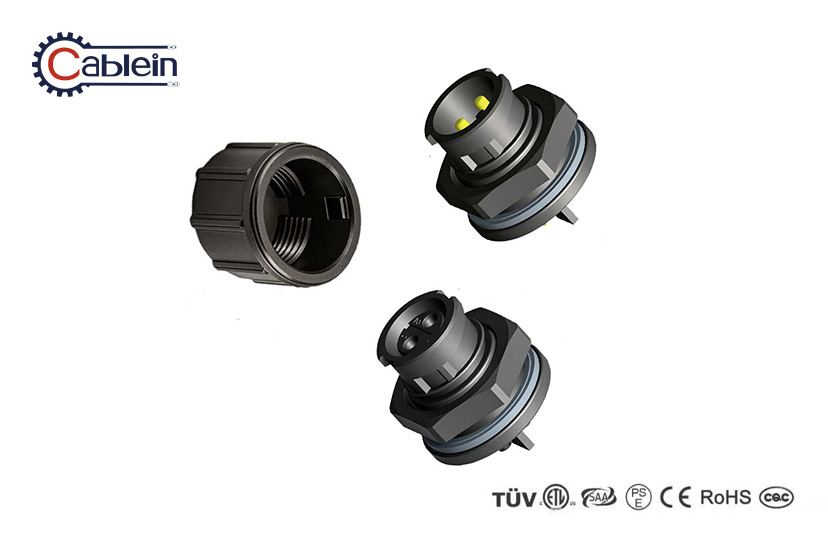
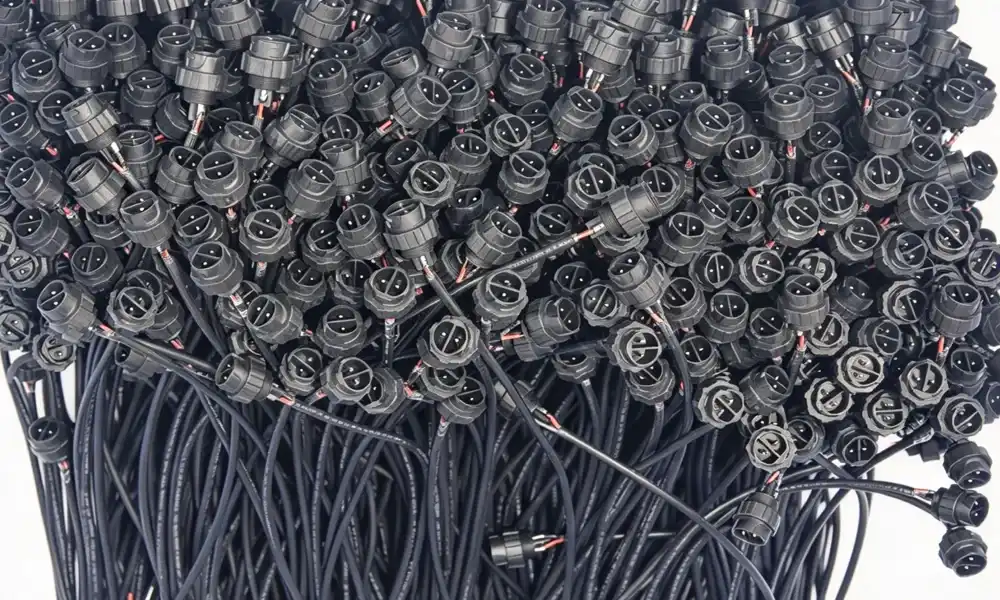
Household items made of polycarbonate, PA66 nylon, or PBT are less expensive, lighter, and less likely to rust. A metal case made of aluminum, stainless steel, brass, or a metal that has been coated makes the electronics stronger, grounds them, and stops electromagnetic interference (EMI). You can pick based on things like price, UV, chemicals, salt water, shaking, weather, and more. The seals are even more important than the shell. What keeps water out after years of being bent is the gasket material, the cable jacket, and the strain relief. Most M12 circular connectors have bodies made of either PA66 or TPU and contacts made of gold-plated copper alloy that have less than 5 mΩ of contact resistance. Ask each seller to write down the grades of the goods they sell.
Applications and the Custom Design Process
Where Waterproof Connectors Work Hardest
Plastic connectors that don't get wet are used for LED lighting inside and outside of buildings, solar panels and energy storage, electric vehicles (EVs), robotics, marine gear, farming, security cameras, public transit, medical devices, and more. The part is stressed in a different way in each field. Lights that use LEDs need small links that can be put together quickly and can handle rain and temperature changes. In factory lines, there is more oil, cooling, and shaking. Sea and sun spots near the coast add salt mist. It is also important to format. There are 2 to 17 poles on the M12. To keep them from getting mixed up, they are coded with A, B, D, X, S, T, and K. On the other hand, the M16 has a small body with up to 24 pins. At first, I match the connector to the setting, and then I match it to the product type as a custom waterproof connector supplier.
From Specification to Prototype
It tells you how many pins it has, how much voltage and current it has, what kind of cable it is, how long it is, how it can be bent, how it will be mounted, how it will be locked, what temperature range it can handle, what chemicals it can be exposed to, and if it needs any certifications. Quote mistakes and extra rounds of samples happen when there aren't enough details. Usually, the steps are to read the requirements, pick the materials, make prototype samples, test them, get approval, and then start making the product. At the start, they should add a step about privacy. I think you should agree in writing who owns the mold and sign an NDA before you share pictures of it. Keep that in mind when you set dates for launch and certification. The process can take up to three months.
Testing, Tooling Ownership, and Change Control
The plan works, as shown by tests. Many tests are done on things all the time, like IP ingress, insulation resistance, dielectric strength, contact resistance, tensile pull, vibration, temperature cycling, salt spray, UV light, and chemical exposure. It depends on your application which ones you need to use. When you use tooling terms, you should be just as careful. Find out who owns the mold, where it's kept, and if the service provider can use it for other clients. Include the responses and change control rules in the contract to make sure that no changes are made without your permission, whether they are small or big. Add batch tracking so that failures in the field can be looked at. Cablein has more than 30 utility model patents, and these patents allow for private and customized molds.
How to Compare and Shortlist Waterproof Connector Manufacturers in 2026
Factory-Direct, Distributor, or Trading Company
For different needs, each source plan works best. Because they are in charge of the tools, materials, and production, a factory-direct manufacturer is good for private-mold, OEM, and ODM projects. A distributor can help you fix something fast. A trading company gets parts from many plants. This makes it easier to handle mixed small orders, but it also adds a step between you and the engineers. When I need special work done, I like to talk to factory engineers directly. This makes it faster to make changes and ask questions about the plan. You should look at the company's license, photos of the production floor, sample quality, and certificates before making a choice.
Shortlist Profile Method
A shortlist should be made up of verified ability, not search rank or price. Each candidate's one-page profile tells me where they are located, what kinds of connectors they offer, what kinds of IP options they have, how much customization they can do, their certifications, their minimum order quantity (MOQ), how long it takes to get a sample, how much they can ship, and their MOQ. Only list companies whose product information is up-to-date and whose paperwork is still valid. Then I give each character the same number based on the same things, like the total cost of ownership, which includes the costs of testing, replacement, downtime, warranty claims, and tools. The table shows how I match common needs with a supplier profile:
| Buyer need | Supplier profile to prioritize |
|---|---|
| Standard replacement | Distributor or factory with stock |
| Private-mold brand product | Factory-direct, with NDA and tooling terms |
| Custom cable assembly | Manufacturer with in-house harness production |
| IP68 performance | Supplier with written immersion test data |
| Global distribution | Supplier with experience with export and courier |
These matches make sure that fit, not just price, is what determines the group.
Step-by-Step Supplier Selection
To begin, pick the project type, its setting, size, delivery area, and level of customization. Next, write down the requirements and select a weight for each factor, such as engineering skill, compliance, total cost, MOQ, lead time, communication, and service after the sale. Two or three candidates should send you samples and documents. You should then test the samples in real life and only give them the job if they meet your needs. Brand owners should send drawings with an NDA and a review from the mold owner before they send the drawings. This order puts facts about prices ahead of price talks.
Where Cablein Fits
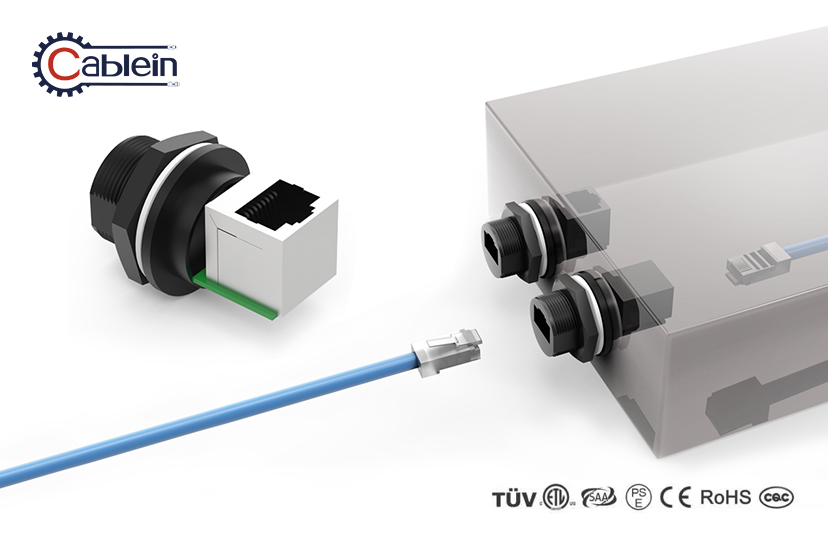
It is a national high-tech company that began in Longgang, Shenzhen, in 2017. Industrial waterproof connectors and custom wire systems are what it sells most of the time. More than 200 people work in the 6,000 ㎡ building. Some of the things it sells are circular and panel-mount connectors with IP67 and IP68 ratings, T/Y splitters, industrial plugs and sockets that are approved by UL2238 and EN61984, and special harnesses for LED, new energy, and automation equipment. ISO9001:2015 is used for quality control, and all goods are checked every single time to make sure they are waterproof and will last. Certifications like ETL, PSE, SAA, CQC, CE, RoHS, REACH, and TUV are different for each type of product. Check that every certificate is for the right model.
Pricing, MOQ, Lead Time, and Compliance
Pricing Drivers and Fair Quote Comparison
The price depends on the number of pins, the IP performance, the construction of the cable, the overmolding, the tooling, testing, certification, packaging, quantity, and where the product is going. To make it fair when I compare quotes, I make sure that each one charges the same amount for the same Incoterm, standard, packing, and test scope. A low unit price might hide a high tooling fee, or it could be the other way around. So, I keep the one-time charge for the tools separate from the price per unit. I look at both the ex-works price and the landed price. Freight, duties, and handling are all included in the landed cost. When a cheap part breaks in the field, it costs a lot more to fix and shut down the machine.
MOQ and Lead-Time Planning
Small brands often worry about engineer fees and minimum order amounts. Ask each supplier what the tooling fee covers and what the minimum order quantity is for both standard and custom parts. They always have more than 10,000 of each item in stock, and they can send them out in 7–10 days. Anyone can choose a time for a unique order that works for them. To make custom waterproof connector supplier items, you should make a full schedule that includes things like designing, making tools, sending samples, getting approval, making the items, shipping them, and more. There are flights and ships that take Cablein's goods all over the world, even to and from the United States. They work with freight forwarders, UPS, DHL, and FedEx.
Certifications and Quality Checks
For the U.S. market, it's important to get the right certification, like an ETL or UL listing, and read the RoHS and REACH terms. RoHS comes from Directive 2011/65/EU and stops some dangerous materials from being used in electronics. What ISO 9001:2015 says about quality control is written down, but it's not the same thing as test results for products. So make sure you ask for the report for your exact model, material, and cable assembly. A certificate for one configuration might not cover a different one. When the materials come in and are being packed, they are checked for quality at every step of the way.
Sourcing Mistakes and 2026 Trends
Common Mistakes and Fixes
There are five mistakes that keep happening. Buyers pick the IP with the best rate without looking at the application. They only look at the price per unit. They believe that the connector's number covers the whole set of wires. The width of the cable and the range of seals are not taken into account. A typical M16 grommet can only fit cables that are between 4 mm and 10 mm in diameter. Any cable that is too short or too long will not close. They also trust a badge that says "certified" even if they haven't read the report. Fix: Test the fully assembled connector in real life and make sure of all the technical, quality, and business details before giving the go-ahead for production.
Protecting Your Private Mold and Designs
Leaks and having to sell their designs again are the things that private mold buyers worry about the most. Fourth, I lower the risk by having the supplier sign an NDA before we share the plans. The contract also says who owns the model and where it will be kept. Finally, the supplier isn't allowed to use the mold or design for other customers, and I keep records of the designs with dates on them. But patents can only do so much. The owner of a utility model patent can only use their rights in the countries that granted them. This is to protect the shape or structure of a product. It's not enough to have a Chinese patent to protect you in the US. You should talk to a good lawyer about which markets need filings.
Trends for Waterproof Connectors in 2026
More and more people want connectors that are made for a specific job, cable assemblies that are built in, small bodies, higher current and voltage ratings, and better thermal control. Things like solar power, energy storage, robots, and outdoor gear are to blame for this. People who buy things also want to keep track of batches, see what materials are used, and see the whole supply chain. They also want products to come in less packaging and last longer. It's faster to find a provider when you use online RFQs, 3D models, remote plant checks, and digital review tools. Even so, who gets repeat work is still based on clear engineering communication and written proof of output capability.
Conclusion
In 2026, it will be proof that has been checked, not marketing claims, that will help people choose a waterproof adapter maker. A custom waterproof connector supplier can work in places where standard parts need adapters or don't meet the needs of the environment. No matter how high the number is, the right IP grade relies on the tested cable assembly and how it works in real life. Field life depends on the tests that were done, the materials that were used, and how the seals were made. The best way to talk to engineers is through a factory-direct partner. To keep private designs safe, make sure there are clear terms on NDAs, mold ownership, and change control. For prices to be fair, all of them must have the same specs, tooling fee, landing fee, and certifications must match the exact model. Not giving the go-ahead until the whole system has been checked cuts down on failures, downtime, and insurance costs.
FAQ
1. What is the difference between a manufacturer and a distributor?
The connector is designed and made by a company, so it can switch out molds, materials, and cable assemblies. These stock parts are usually already made when they are sold by a distributor and can't be changed.
2. Is IP67 always better than IP65?
No, IP67 only covers soaking for a short time. IP65 deals with water jets. You can choose based on test data and the setting.
3. How do I prepare an RFQ?
Send the reason, IP address, pin layout, voltage, current, cable details, supplies, working conditions, certifications, amount, location, plan, and IP address. Draw something if you can.
4. Can I get low-quantity samples?
Each supplier has their own rules, so contact them directly. Cablein plans unique orders based on what the customer wants. Make sure that your price includes cutting samples and making tools.
5. Which certifications should I request?
If your market needs them, ask for test results for your specific model as well as paperwork for RoHS, REACH, ISO 9001, ETL, or UL.
Request a Quote from Cablein, Your Custom Waterproof Connector Supplier
Cablein is a custom waterproof connector supplier and manufacturer in Shenzhen. They offer technical support 24 hours a day, seven days a week, and accept private and customized molds. They also have more than 30 utility model patents. Feel free to email your drawings to nick@cableinco.com along with the IP address, pin layout, cable details, quantity, and destination you want to look at. We'll get back to you with a product idea, terms for samples and tools, MOQ, and a wait time.
References
1. IEC 60529: Degrees of Protection Provided by Enclosures (IP Code), 2013
2. ISO 20653: Road Vehicles – Degrees of Protection (IP Code), 2013
3. IEC 61076-2-101: Connectors for Electronic Equipment – M12 Connectors with Screw-Locking, 2012
4. NEMA 250: Enclosures for Electrical Equipment (1000 Volts Maximum), 2020
5. ISO 9001: Quality Management Systems – Requirements, 2015
6. Directive 2011/65/EU on the Restriction of Hazardous Substances in Electrical and Electronic Equipment (RoHS), 2011