What are the performance and functions of the waterproof usb socket?
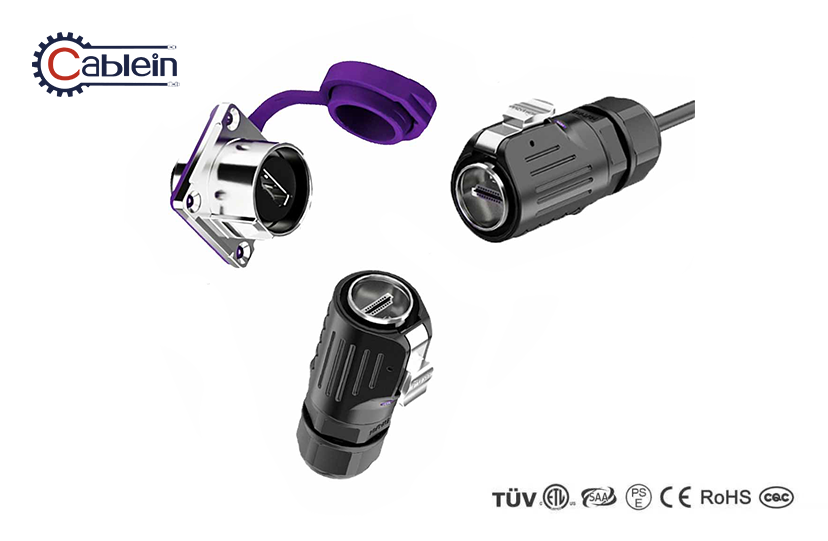
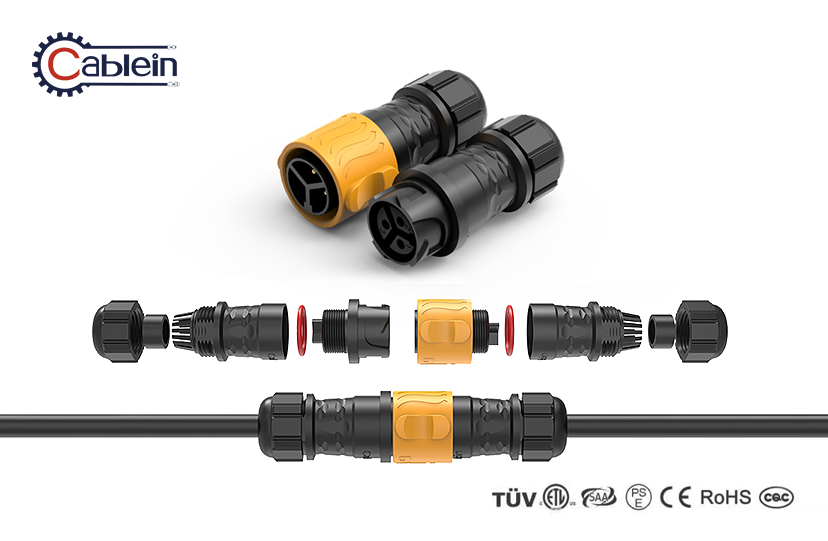
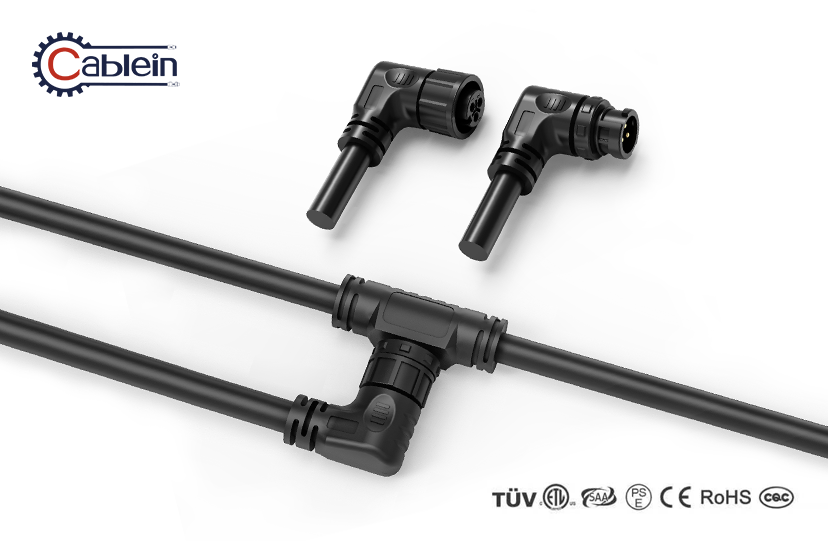
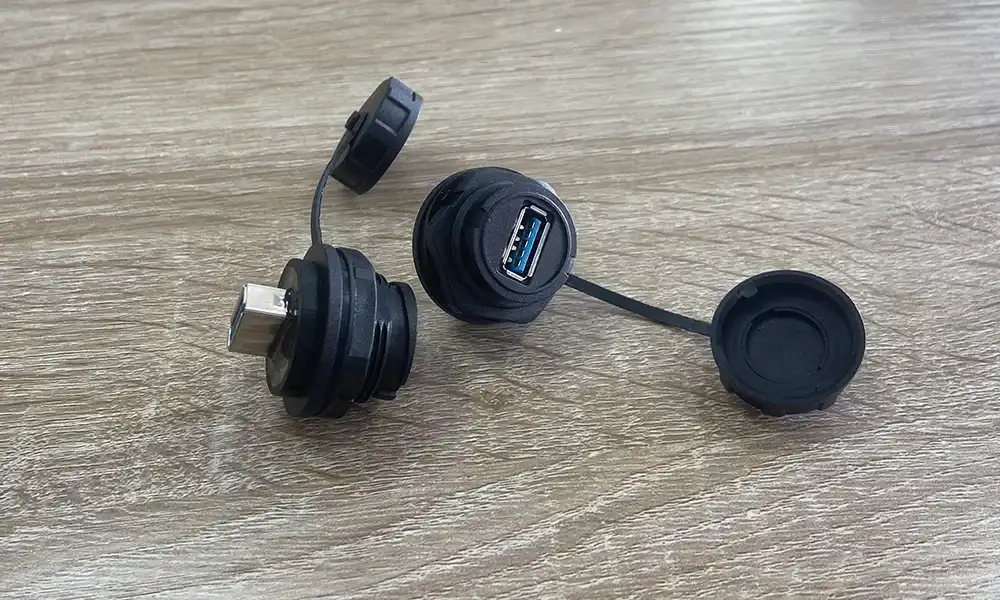
A waterproof USB socket is a panel plug that remains open and allows power and data connections to operate whether water, dust, vibration or chemicals enter the device. Gaskets, covers and sealed housings inhibit ingress . The contacts convey data and charging current and the locking structure holds the plug in place. This guide is for product managers, engineers, and OEM buyers who want to get a feel for how well waterproof usb connectors market perform before they purchase samples and are interested in the waterproof usb connectors industry. To demonstrate functions, ratings, kinds, materials, purposes and where to get them we will use the Cablein LP24 series as an example.
What Are the Core Functions of a Waterproof USB Socket?
Sealing Against Water and Dust
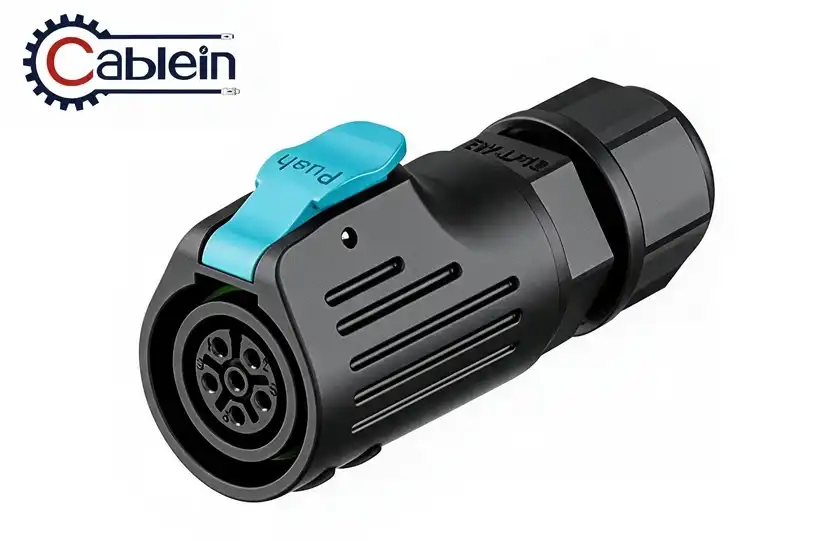
The main duty of a waterproof USB socket is to prevent dust and water off the contacts. Manufacturers utilise gaskets, O-rings, protective covers and sealed housings that push on the panel to protect it. Then the IEC 60529 IP code shows you how effectively the item resists solids and liquids under defined test circumstances. The LP24 Waterproof USB Connector from Cablein has an IP67/IP68 certification and has been quality tested by submerging in water up to IPX7/IPX8 levels. It’s not one component. The socket, the plug and the panel are all part of a sealed system. This is because a seal only functions if the pieces fit and are tightened appropriately.
Power and Data in One Sealed Port
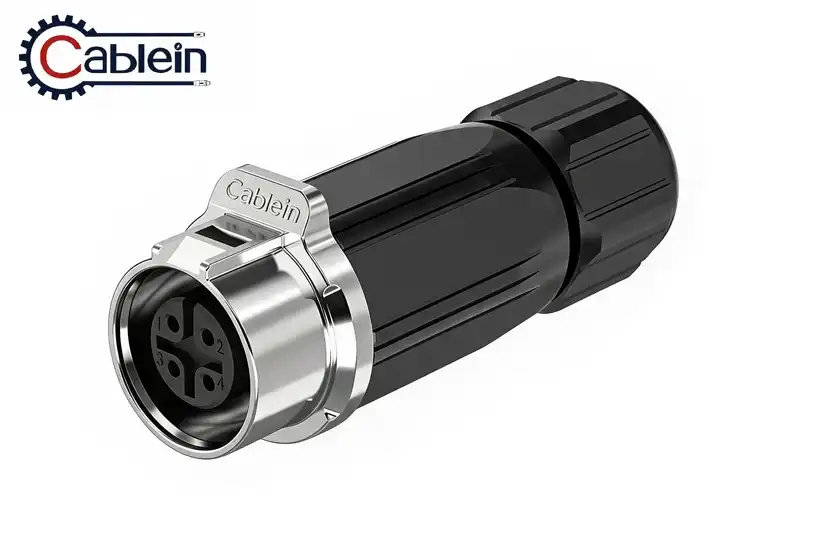
The socket also transmits and receives data and charging current , on top of providing a seal . An Outdoor data logger, controller or monitoring box can power a device, transport logs and provide firmware updates all via one connection. USB 2.0 can run as fast as 480 Mbps while USB 3.0 can go as fast as 5 Gbps. The LP24 series supports both protocols. The rated current is from 1.5 A to 5 A, depending on the model. Good shielding is essential for quicker speeds. The LP24 variants with metal shell provide 360-degree shielding to prevent electromagnetic interference. The connection you pick depends on whether you need your product to transmit data swiftly or only to charge.
Stable Connection and Serviceable Panel Access
And a watertight port must remain attached. The LP24 includes a 1/4 bayonet locking mechanism, so you can attach it without tools and it will not shake. This is crucial in machinery and autos because a simple friction fit might go loose. The connection fits into a 24-mm panel hole so a technician may access the port without opening the case to charge, troubleshoot or update the software. This saves time on service and the primary enclosure seal is not damaged every time. Also noteworthy is the fact that the LP24 can be mated over 500 times, making it suitable for goods that are plugged in a lot.
What Performance Characteristics Should Buyers Evaluate?
IP67 and IP68: Reading the Ratings
According to IEC 60529. IP67 implies the item is dust tight and may be immersed in water for 30 minutes at a depth of 1 metre. If the manufacturer states it, IP68 covers a deeper or longer continuous immersion than the IP67 test. That final statement is the crux. If you are comparing two IP68 goods, ask for documented verification of the test circumstances for the waterproof usb connectors market. Also, is the rating for the mated pair, the capped receptacle or both. IP67 is generally excellent against rain, splashes and dust. IP68 may be best for washdowns or longer wet situations. But conduct your own due diligence for marine and other high risk usage.
Electrical Performance in Numbers
The electrical information indicates what the plug can handle. The resistance to call for the LP24 is less than 30 mΩ and the insulation resistance is more than 500 MΩ. This indicates that there is low loss at the connections and much isolation between the contacts. The rated current may be from 1.5 A up to 5 A, while USB 3.0 versions can be up to 5 Gbps. During an insulation withstand-voltage test, the dielectric does not break down, indicating the part can take voltage spikes. Compare those figures to what you are carrying. The current required is vary for the various devices, such a bike computer, a lighting controller or a power bank port. The socket has to be able to support more than one of them.
Mechanical and Environmental Testing
The age of a part is determined via lab testing. The LP24 quality plan includes a mechanical life test of 500+ cycles, a 48 to 96 hour salt spray test, and a high frequency vibration test to ensure the stability of the bayonet lock. The part is UL94-V0 flammability rated and may be used at temperatures from -40°C to +80°C. PBT plastic versions are resistant to various acids, bases and oils and the parts comply with RoHS and REACH. The IP rating tells you nothing about corrosion, UV light or vibration. Ask any supplier for the same list with pass requirements.
Which Types, Materials, and Construction Features Matter?
USB-A, USB-B, and USB-C Formats
Figure out the scope first. A socket is the plug that is attached to the device, a connector is the whole pair that fits together, and a cable assembly is where the cable goes. USB-A works with older devices, and USB-B is found in some instruments and printers. USB-C can be used in either direction and is small. USB Power Delivery 3.1 lets you send up to 240 W, but the system as a whole must support these features before the port can send them. This article talks about the LP24 series, which has USB 2.0 or 3.0 built in. Let our engineers know if your design needs a different format, like USB-C, so we can talk about it. Panel-mount versions fit inside enclosures, and inline versions make cables longer.
Housing and Seal Materials
The material of the housing affects how strong, heavy, and well it shields. You can get the LP24 shell in either zinc alloy or reinforced PBT plastic. Metal makes things stronger and protects them from all sides, but plastic is lighter and can stand up to many chemicals, so metal isn't always the better choice. Gaskets and O-rings in the industry often use silicone, rubber, or EPDM. You should check how well they age and work with chemicals. In humid air, contact plating is important because bad plating corrodes and raises resistance over time. The cable jacket, shielding, and overmolding then decide how to relieve stress and let water flow along the wire.
How a Waterproof Socket Differs from a Standard Port
Most USB ports inside don't have a cover, a gasket, or a seal against the panel, so water, dust, and salt can quickly reach the contacts. A waterproof socket has those sealing parts and a way to lock it. It usually costs more because it needs more materials, to be made with more care, and to be tested. I tell people who are buying to look at the total cost instead of the unit price, because a failed port in the field means replacement, downtime, and warranty claims. How well it works also depends on how it was installed. Preparing the panel, compressing the gasket, closing the cap, and routing the cables all have an effect on the final level of protection.
Where Are Waterproof USB Sockets Used, and How Do You Choose One?
Common Applications
Waterproof USB ports are great for any device that has to be able to connect to a computer wet or dry. The LP24 finds use in three key areas. Outdoor digital signage and LED displays need to be shielded from UV rays, rain and dust. The lock must prevent coolant or oil from entering and the machine from shaking to function in industrial automation and robotics. Equipment aboard a ship such as sonar and deck sensors need a casing that is free of corrosion and can withstand salt spray and high pressure cleaning. Water, dust and vibration are all things that camping power units, bicycle electronics and portable lights have to cope with, thus they should all be selected on the same criterion. Cablein can also provide waterproof USB connectors and customised cable assemblies for automation, LED and new energy equipment, serving the waterproof usb connectors market.
A Simple Selection Process
Let’s accomplish it in 5 stages. List the items that are exposing you: water, dust, chemicals, salt, UV radiation, vibrations, temperature. Second, you need to pick what sort of power you require: USB generation, voltage, current, and length of cable. Third, pick the IP rating, the mounting method and the housing material. Fourth, consider the supplier’s testing, manufacturing capacity and ability to trace items. Fifth, calculate the cost of everything. This includes samples, tools, shipping, customs, setup, and maintenance. With this arrangement, there is no need to redesign following a test run. It places technical restrictions before pricing.
Mistakes to Avoid
Most individuals make the mistake of relying only on the IP rating. A high rating does not ensure protection against UV radiation, chemicals, salt spray or vibration. Installation may also go awry with improper panel cuts, loose fasteners, poor gasket compression, and plugs that do not entirely match. Also, the socket can't remedy a broken cable, a weak host device, or a cable that is too lengthy and slows down high speed transmissions. Finally, choosing purely on pricing or an unsubstantiated promise results in failures in the field. Ask for floor layouts and test results before you purchase.
What Should You Know About the Waterproof USB Connectors Market Before Ordering?
Reading Demand Signals Before You Commit
If you are unsure about launching a product, check out what the public is saying. Google Trends illustrates how search interest fluctuates over time. Kickstarter sites indicate which lighting and charging solutions attract supporters. Trade exhibitions show what rivals are displaying. I would not trust any one statistic for market size, as estimates vary by source and definition, especially in the waterproof usb connectors market. Designs also need to have just one port as per rules. Directive (EU) 2022/2380 means that from December 2024 a lot of portable gadgets sold in the European Union will feature a USB-C connector. If a team is looking to sell internationally, they may want to decide on their USB-C strategies early.
Writing a Clear RFQ
The quicker the request is clear, the faster the quoting cycle moves. Throw in the USB type and generation, how much power and data it requires, the IP rating, the panel cutout, how it’s mounted, what the housing material is, how long the cable is, how it’s orientated, what the temperature range is, what compliance requirements it has and how much data it’s anticipated to process in a year. Ask the supplier for minimum order quantity (MOQ), lead time, rated current and voltage, mating cycles, drawings, inspection reports, test standards and circumstances. If you don’t have a volume set, say so. You may ask for a trial amount, and this instructs us to offer a sample route rather than a large contract.
Using Samples and Pilot Orders to Lower Risk
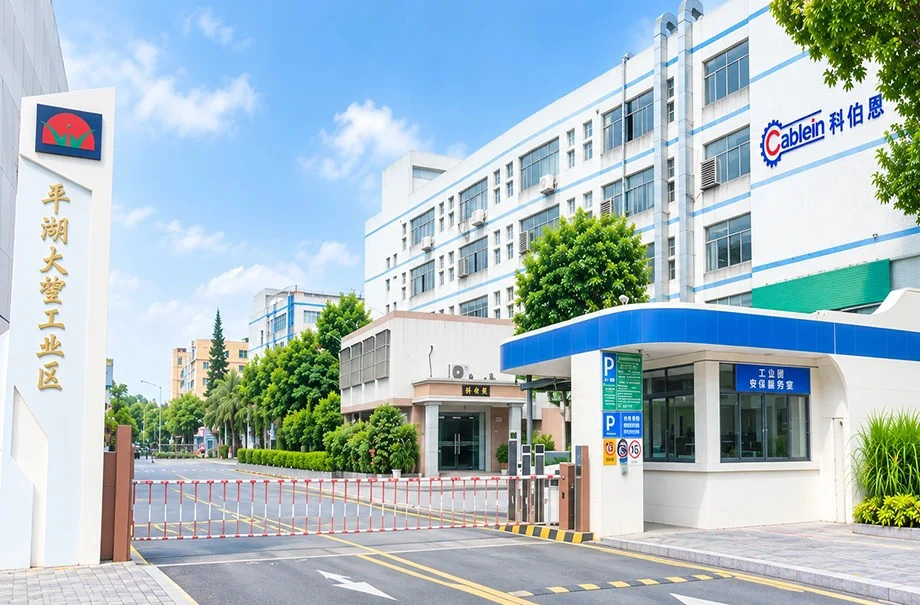
You may use samples to verify the fit, electrical qualities, waterproofing and vibration before you acquire a big quantity of stock. Then a modest test order to see whether production is still the same. Cablein was established in Longgang, Shenzhen in 2017. It includes a 6,000 square metre facility and about 200 staff. We test for waterproofing and durability 100 percent of the time. We have a constant supply of more than 10,000 each and things in stock may be delivered in 7-10 days. We may also custom schedule orders to suit your requirements. We send our items using freight forwarders, UPS, DHL and FedEx. Let us know the sample and MOQ you need and we will discuss a strategy which works for your testing stage.
Conclusion
A waterproof USB socket keeps the plug steady even when the computer shakes. It keeps the contacts dry and clean and carries power and data. For it to really work, it needs to have a clear IP rating, electrical numbers like contact resistance and rated current, and mechanical tests for things like salt spray, vibration, and mating life. As important as the part itself is how it is installed correctly. Format, housing material, and seals all affect how much it costs and how long it lasts. Specifications, uses, and quality checks all work together in the LP24 example for use in marine, automation, and signs. The waterproof usb connectors market will grow steadily if buyers first define exposure, electrical needs, and total cost. They should then confirm samples and pilot orders to lower the risk of redesign and make more stable decisions.
FAQ
What is the difference between a socket and a connector?
A socket is a plug that is attached to a piece of equipment. A connector can be used to talk about a whole pair of mating parts or an entire cable assembly.
Is IP68 always better than IP67?
Not all the time. The manufacturer sets the IP68 depth and duration, so make sure you check them and test them in your own situation.
Can the LP24 support USB 3.0 speeds?
Yes. Some types of LP24 have high-grade pins and internal shielding that allow data rates of up to 5 Gbps.
Is a metal housing always better than plastic?
No, metal-shell versions are stronger and protect from all sides. PBT plastic, on the other hand, is lighter and can stand up to many acids, bases, and oils.
Does Cablein offer customization?
Yes. We offer OEM and ODM customization. Give us your cutout, the length and direction of the cable, and ask about the MOQ and tooling.
Send Your Specs to Cablein, a Waterproof USB Connectors Market Supplier
Cablein is based in Shenzhen and is certified by CE, RoHS, and ISO9001:2015. They keep a steady stock of over 10,000 pieces of each item and ship them within 7–10 days. Email nick@cableinco.com with your USB type, IP rating, panel size, and target volume. Our engineers will then suggest a connector or sample plan that fits your needs.
References
1. International Electrotechnical Commission, IEC 60529: Degrees of Protection Provided by Enclosures (IP Code), 2013
2. USB Implementers Forum, Universal Serial Bus Type-C Cable and Connector Specification, 2022
3. USB Implementers Forum, USB Power Delivery Specification Revision 3.1, 2021
4. European Parliament and Council of the European Union, Directive (EU) 2022/2380, Official Journal of the European Union, 2022
5. USB 3.0 Promoter Group, Universal Serial Bus 3.0 Specification, 2008
6. European Parliament and Council of the European Union, Directive 2011/65/EU (RoHS), Official Journal of the European Union, 2011