How to Choose the Right LP16 Inline Cable Connector?
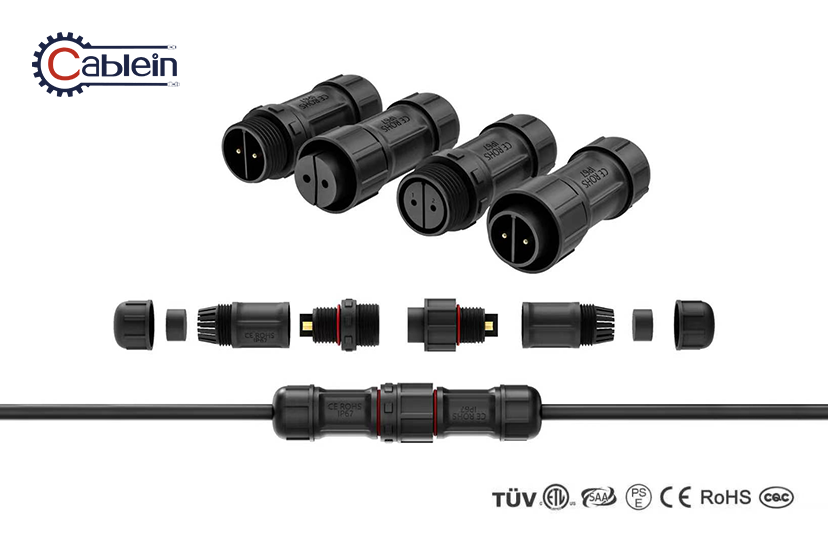
Selecting the right LP16 inline cable connector comes down to understanding your project's specific technical requirements and environmental conditions. You need to assess waterproof ratings (IP67 or IP68), electrical specifications matching your voltage and current demands, pin configurations for your application, and supplier certifications like CE and RoHS compliance. The ideal connector balances durability, ease of installation, customization options, and total cost of ownership while meeting industry standards for your LED lighting, renewable energy, industrial automation, or security system deployment.
Understanding LP16 Inline Cable Connector Specifications and Technical Details
Knowing what these parts can handle in real life is the first step in making smart choices about cable connectors. The LP16 inline cable connector is an option that was specifically made for workers who can't have connection problems in harsh settings.
Electrical Performance Requirements
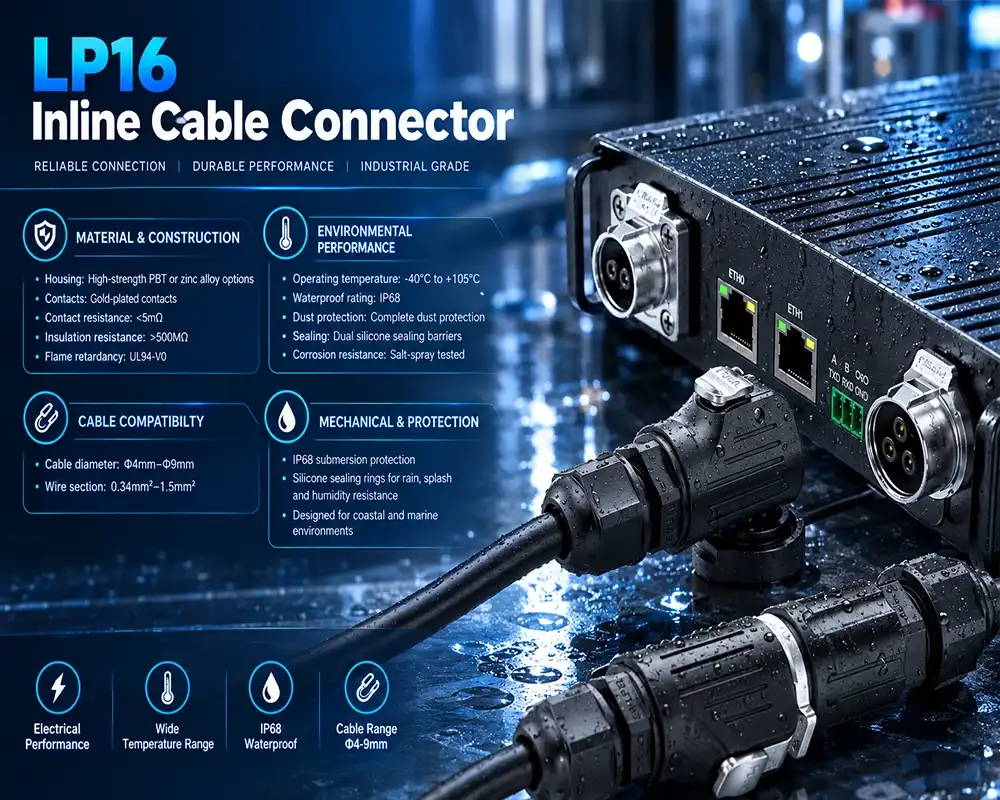
You should look at more than just voltage and current ratings when examining electrical specs. Most of the time, the LP16 connector can handle up to 500V and 10A, which means it can be used for both signal and power transmission. Contact resistance stays below 5m©, which means that very little power is lost during operation. This is a very important factor for making solar installations and LED lighting arrays more energy efficient. Insulation resistance greater than 500M© makes sure that the signal integrity stays stable even when there is a lot of moisture in the air. Because of these electrical properties, your connections will always work the same way whether you're using them to power outdoor lighting or send sensor data in industrial automation systems.
Environmental Durability Factors
Normal connectors have trouble with high and low temperatures, but industrial-grade inline connections can work in temperatures ranging from -40°F to +105°F. This wide temperature range is very important for outdoor installations that are used in places that get cold in the Arctic or hot in the desert. Although the PA66 nylon housing is strong, it also has the UL94-V0 flame retardant grade that is needed for safety in confined places and high-risk areas. Compared to standard plated contacts, gold-plated copper alloy contacts last a lot longer because they don't oxidize in corrosive environments. This resistance to corrosion has been proven by salt spray tests, which confirms that it is suitable for maritime and coastal wind turbine sites.
Waterproof Rating Selection
Knowing about IP numbers can help you pick the right amount of security for the LP16 inline cable connector. The IP67 rating means that it is completely resistant to dust and can withstand being submerged in water up to 1 meter deep for 30 minutes. IP68 provides better security for situations where you are submerged for a long time. The two silicone sealing rings make extra barriers against water getting in. This is very important for underground cable runs, outdoor security cameras, and landscape lighting where the connections are constantly wet from irrigation systems and rain.
Pin Configuration and Customization
Pin counts from 2 to 9 are available, giving you options for a wide range of uses. Simple two-pin configurations are great for connecting power to LED strips, while multi-pin designs can handle more complicated signal needs in robotic systems or industrial IoT devices. The solder-type termination makes sure that the connections between the wires are safe and can handle vibrations better than push-in options. It can fit cable diameters from ¦4mm to Φ9mm and wire gages from 0.34mm² to 1.5mm², so you can match the connector's specs exactly to the cables you already have without having to make expensive changes.
Comparing LP16 Inline Cable Connectors with Alternatives: Making the Right Choice
When you're buying something, it's important to know how the different types of connectors compare to each other. The main way the inline design is different from panel-mount options is that it has floating connection points instead of set mounting places.
LP16 vs LP17 Performance Differences
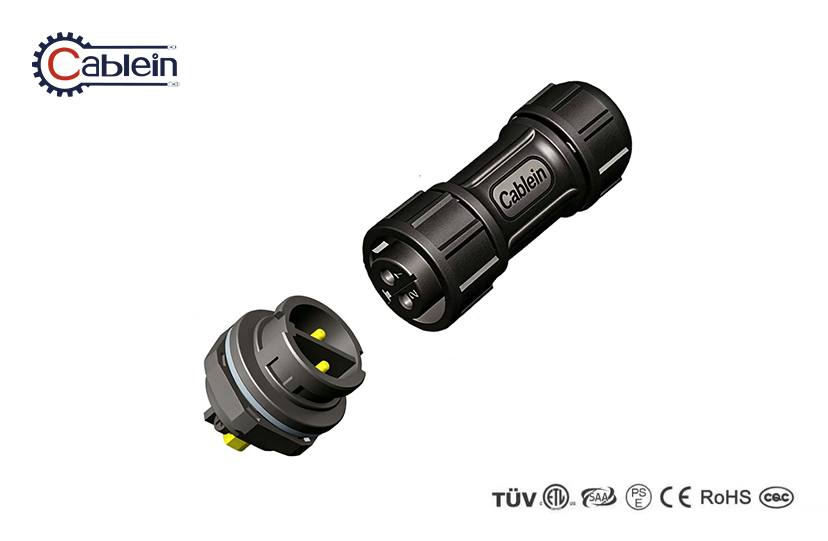
Both types of connectors can be used in industrial settings, but the LP16 has a smaller 16mm form factor that makes it better for installations with limited room. The LP17 usually has better current ratings, but it needs more room to be mounted. For projects with limited cabinet space or complicated cable routing, the smaller LP16 diameter makes installation easier while still providing strong performance. With LP16 connectors' snap-lock bayonet coupling, your technicians can mate and unmate connections with just one hand. This means they can do it much faster than with threaded coupling systems found on some LP17 models.
Soldered vs Quick-Connect Advantages
When you use solder-type terminations, you make permanent mechanical bonds that don't let pull-out forces happen in places with a lot of vibration, like rail transit. Even though it takes longer to set up at first than push-in connections, the fixed joint gets rid of the contact problems that spring-loaded ends have after thousands of vibration cycles. Quick-connect options allow for faster changes in the field, but they might not be as reliable in industrial settings where equipment runs nonstop for years without any service. What you get in exchange for speed of installation versus sturdiness relies on the needs of your application and your ability to maintain it.
Material Construction Considerations
The choice of housing material affects both weight and how well it works with electric fields. PBT plastic housings make the whole wire system lighter, which is helpful for robotic arm and suspended placements where mass affects how motion works. Alternatives to zinc alloys offer better protection against electromagnetic interference for sending sensitive data close to high-power electrical equipment. Both materials meet UL94-V0 flame retardancy standards, but metal housings offer more grounding choices for places like electronics factories that are sensitive to static electricity.
Procurement Insights: How to Source LP16 Inline Cable Connectors Efficiently?
Instead of just comparing unit prices, finding LP16 inline cable connectors that work well takes understanding how the supply chain works and building relationships with makers who can do the job.
Identifying Qualified Manufacturers
Many foreign standards, such as CE, RoHS, REACH, ETL, and PSE compliance, are held by reputable connector makers. These certifications show that the quality management systems and testing methods for the products are uniform. Manufacturers who follow ISO9001:2015 standards have written procedures for controlling the design, keeping an eye on production, and making changes when needed. This lowers the chance that you will receive parts that aren't up to par. Look for providers that have their own research and development department and a lot of useful patents. This means that they are actively working on new products and not just putting them together for you.
Evaluating Minimum Order Quantities and Lead Times
Standard connection orders usually get shipped within 7 to 10 days from well-known companies that keep more than 10,000 pieces of each design in stock. This stock supply gets rid of long wait times that push back project deadlines. Customized configurations that need specific pin counts, cable lengths, or housing colors have longer lead times, which can be anywhere from two to four weeks, depending on how complicated the change is. Knowing about these differences in timing helps you make sure that your procurement schedules work with the project's milestones. Some sellers offer free programs that let you test the technical details before committing to large orders. Use these chances to make sure that the products will work with the systems you already have.
Negotiation Strategies for B2B Purchases
When you commit to buying a lot of something, you can often get better prices, but you should negotiate based on total value instead of unit cost alone. Long-term, suppliers that offer technical support, custom assembly services, and quick after-sales help are more valuable than cheap options that leave you to figure out compatibility issues on your own. Setting up framework deals with yearly volume promises can help you get priority production slots and stable prices, even if the prices of raw materials change. Ask for specific quotes that include payment terms, who is responsible for shipping, and what the warranty covers so that you don't have to pay extra costs while the job is being done.
Trustworthy Brands and Certified Suppliers of LP16 Inline Cable Connectors
Your connectivity infrastructure will either work reliably or become a maintenance headache if you don't choose the right supplier. When you evaluate makers based on more than just price, you can build relationships that help the project succeed.
Manufacturing Capability Assessment
Manufacturers with modern production facilities that are at least 6,000 square meters usually have a wide range of tools that can meet complicated customization requests. Modern production lines with automated contact insertion, precision molding, and waterproof testing stations make sure that the quality of each batch of products is the same. A staff of more than 200 skilled professionals shows that the business is stable and has enough technical knowledge to solve engineering problems. When companies spend money on equipment and staff, it shows that they care about quality, which means that the goods you use will work well.
OEM and ODM Service Evaluation
Original equipment manufacturer (OEM) capabilities let you specify exact needs, such as custom pin configurations, special housing materials, and cable terminations that fit your LP16 inline cable connector equipment's interfaces. Original design manufacturer services go even further by helping engineers create completely new connector solutions that solve problems that are unique to each application. When suppliers offer both services, they show flexibility, which is good for projects that need either standard products with small changes or completely custom communication solutions. As your product lines change and technical needs shift, this freedom becomes more important.
Customer Support and After-Sales Service
Responding quickly to technical help requests is what sets great providers apart from average ones. Manufacturers that offer expert support 24 hours a day, 7 days a week can help you with startup problems and questions about compatibility, no matter what time zone you're in. Your engineering work goes faster when you have detailed product paperwork like installation guides, wiring specs, and dimensional sketches. Warranty support and field failure analysis are examples of after-sales service that show the maker trusts the trustworthiness of the product and protects your investment against defects. Long-term partnerships form when suppliers consistently deliver products that meet your needs and help you succeed throughout the lifecycle of a product.
Troubleshooting and Maintaining Your LP16 Inline Cable Connectors
Even connectors that are properly specified need to be installed correctly and serviced on a regular basis to work at their best for as long as they are in use.
Common Installation Issues
Misalignment of the pins during mating can damage the contact areas and cause links to break. Make sure that the strain relief on the wire stops pulling forces from going straight to the contact surfaces. The snap-lock system gives tactile feedback to confirm full contact. Teach installation teams to recognize the right feel of a mating surface and check visual alignment signs. If you tighten cable glands too much, the sealing rings can get too compressed, which can lead to early aging and possible leak paths. To keep the waterproof integrity of your parts without damaging them, make sure you follow the manufacturer's torque specifications.
Preventive Maintenance Practices
Visual checks done on a regular basis find environmental damage before it causes problems. Check the conditions of the case for effects of UV degradation, mechanical damage from impacts, or chemical contact. Check the closing rings for any cuts, compression set, or hardness that would mean they need to be replaced. Contact areas should stay clean and free of corrosion. To do this, use approved contact cleaners instead of rough methods that take off the metal. Record the results of the check so that you can keep track of patterns of wear and replace parts at the best times based on real field conditions rather than random intervals.
Environmental Protection Strategies
How cables are routed has a big effect on how long connectors last. To keep wires out of direct sunlight, run them through tubing or use UV-protective sleeving around inline plugs that need to be left out in the sun. When you mount connectors with strain relief loops, water can't follow the wires straight to the connection points. When working in places that are corrosive, add dielectric grease to links that are joined to keep moisture out. These safety measures make service intervals longer and cut down on unplanned repair breaks that can mess up production plans or make systems unavailable.
Conclusion
To pick the ideal LP16 inline cable connector, you need to think about a number of factors, including technical requirements, supplier capabilities, and overall ownership costs. Carefully look at the electrical needs, working conditions, and modification requirements of your product. Give more weight to certified manufacturers with good systems, expert help, and a history of dependability. Remember that proper installation and maintenance have a big effect on how well a connector works, no matter how good it was to begin with. Following these tips will help you set up a connection system that will allow your tools to work reliably for as long as it lasts.
FAQ
Can LP16 connectors handle both power and data transmission simultaneously?
Yes, systems with both power and signal pins can use multi-pin setups with 2 to 9 pins. The connection can handle currents between 5A and 10A and send signals reliably. Because they are so flexible, inline connectors are good for modern industrial IoT uses where a single connection point needs to handle both power and data.
How does IP68 rating differ from IP67 in practical applications?
IP67 certification means that the protection is dust-tight and that it can withstand being submerged in water up to 1 meter deep for 30 minutes. IP68 offers better security for longer submersion situations that go beyond these limits. Choose IP68 when connections will be wet for a long time, like with underwater lighting or installations that are likely to flood.
What delivery timeframes should procurement managers expect?
Standard versions that are kept in stock usually ship within 7 to 10 days from approved makers. Lead times for customized solutions that need specific changes range from two to four weeks, depending on how complicated they are. Building ties with suppliers and keeping a lot of stock on hand makes it easier to meet pressing project needs quickly, but special orders need to be planned for ahead of time to fit into project plans.
Get Certified LP16 Inline Cable Connector Solutions from Cablein
Cablein Technology offers waterproof industrial connection that is backed by ISO9001:2015 quality management and a wide range of foreign certifications. As a manufacturer of LP16 inline cable connectors since 2017, we keep more than 10,000 pieces of each configuration in stock so that standard orders can be delivered quickly (7–10 days). Our engineering team is available 24 hours a day to help with technical issues and offer OEM/ODM customization services that are made to fit your needs in LED lighting, security, automation, and green energy. Email us at nick@cableinco.com to talk about your project needs, get technical specs, or get quotes for large orders. Cablein's proven waterproof connecting solutions are trusted by procurement professionals in over 100 countries. Visit connectorswaterproof.com to see our full range of products and learn why.
References
1. Chen, W., & Zhang, L. (2021). waterproof connector Design and Testing Standards for Industrial Applications. Industrial Electronics Publishing.
2. Morrison, R. (2020). Cable Assembly Best Practices: Installation, Maintenance and Troubleshooting. Professional Engineering Press.
3. International Electrotechnical Commission. (2019). IEC 60529: Degrees of Protection Provided by Enclosures (IP Code). IEC Standards Publications.
4. Thompson, D., & Kumar, S. (2022). Industrial Connectivity Solutions for Harsh Environments. Manufacturing Technology Journal, Volume 18.
5. United States Department of Energy. (2020). Electrical Connector Reliability in Renewable Energy Systems. DOE Technical Report Series.
6. Williams, J. (2021). Supply Chain Management for Industrial Components: A Procurement Guide. Business Press International.