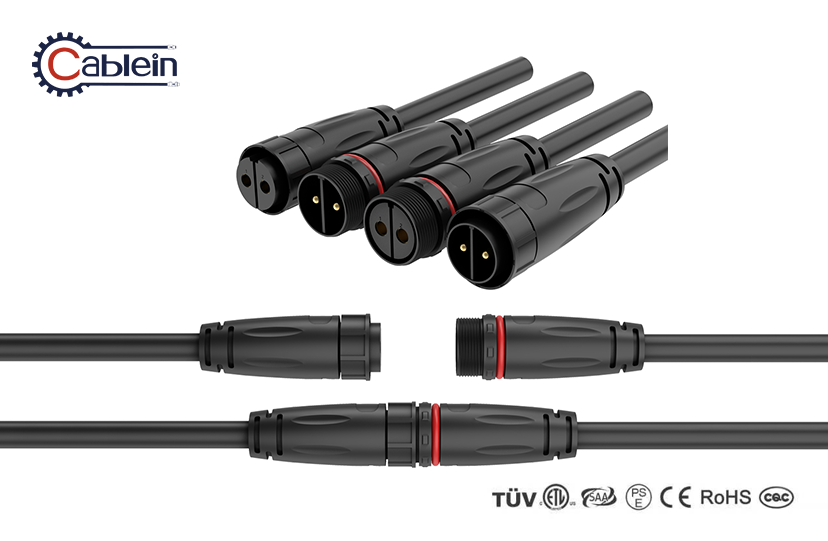
What are the key benefits of using P16 push pull connectors in outdoor settings?
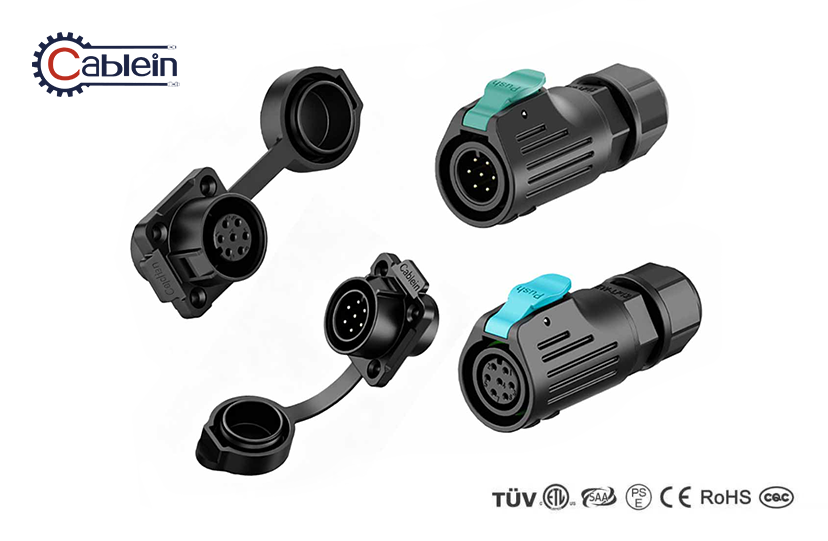
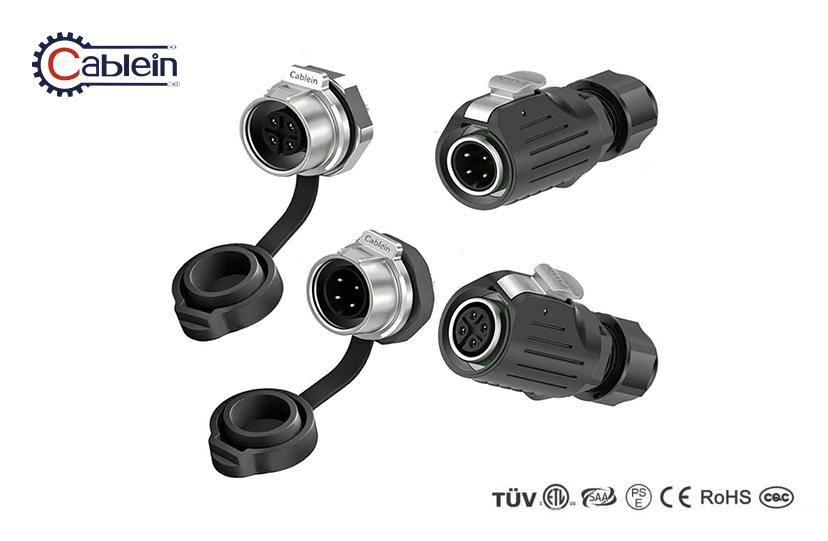
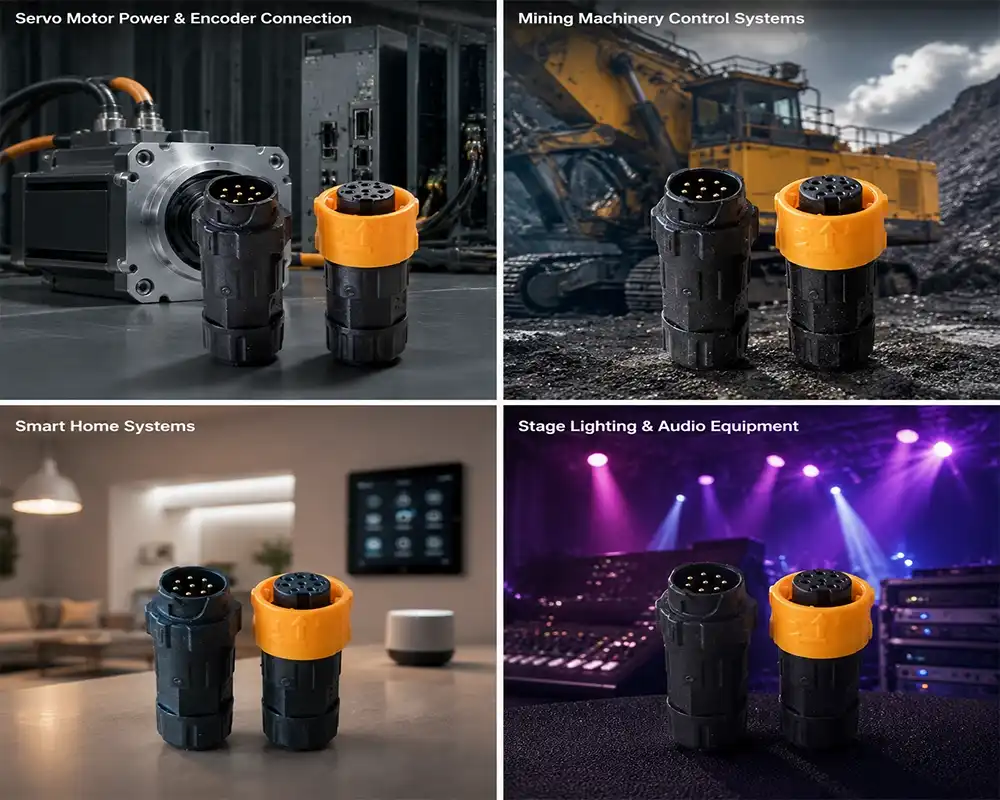
When bad weather threatens electricity links, you can't skimp on dependability. The P16 push pull waterproof connector takes this problem head-on by combining IP67/IP68 waterproofing with an easy installation process that doesn't require any tools. This connector works securely in temperatures ranging from -40°C to 150°C thanks to its PA66 nylon body, gold-plated brass contacts, and silicone seals. The self-locking design lets you hear a click, so you don't have to guess when putting it together in the field. This solution is certified by CE, TUV, and RoHS and has been shown to last more than 500 mating cycles. It is used in outdoor LED lighting, solar energy systems, industrial sensors, and security surveillance networks, all of which need to protect the environment for optimal project success and operational uptime.
Understanding P16 Push Pull Waterproof Connectors: Design and Technical Features
How the Push-Pull Mechanism Works?
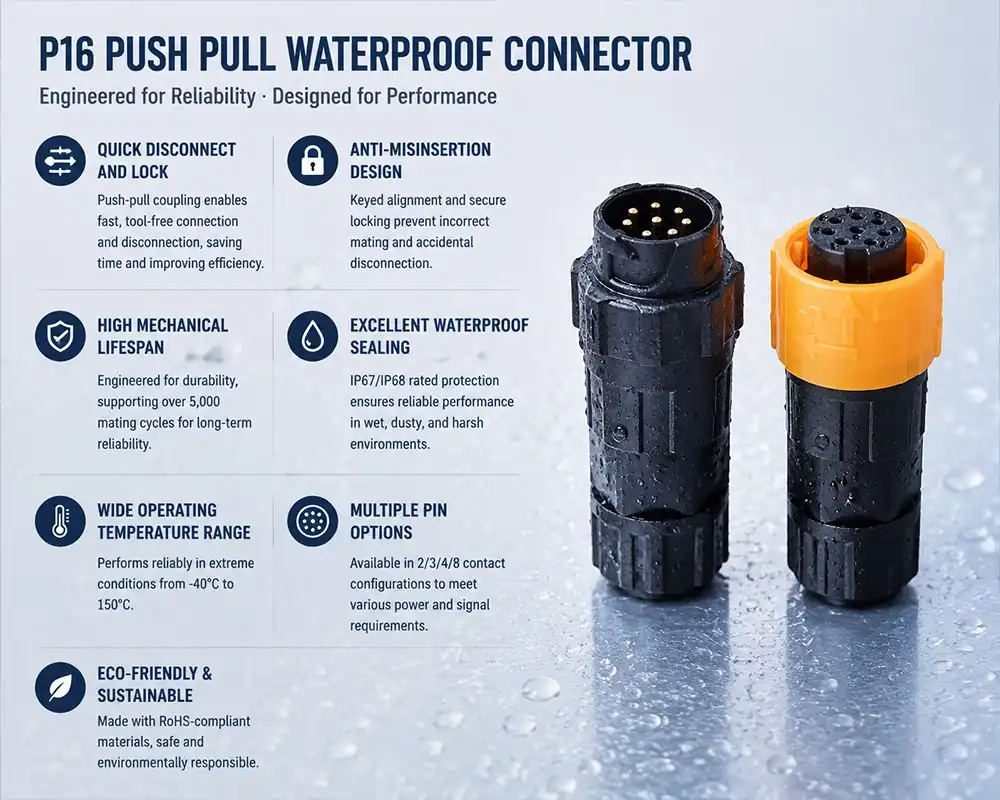
The simple but effective way that these connectors engage with each other is what makes them unique. You move the connector forward until you hear a clear click, which means the lock is secure. You pull back on the outer sleeve and put light pressure on it to disconnect. This method gets rid of the rotational threading that is common in waterproof connections and usually needs special tools and careful alignment. Inside the round body are spring-loaded pins that grip an internal collar when they are fully set.
You can do this with one hand, which is very helpful when you're working on a ladder, fixing equipment, or working inside a tight switch box while wearing gloves. The design cuts down on installation time by about 60% compared to screw-thread options. This means that labor costs are lower for large-scale projects like replacing outdoor lights or adding on to a solar farm.
Construction Materials and Environmental Resistance
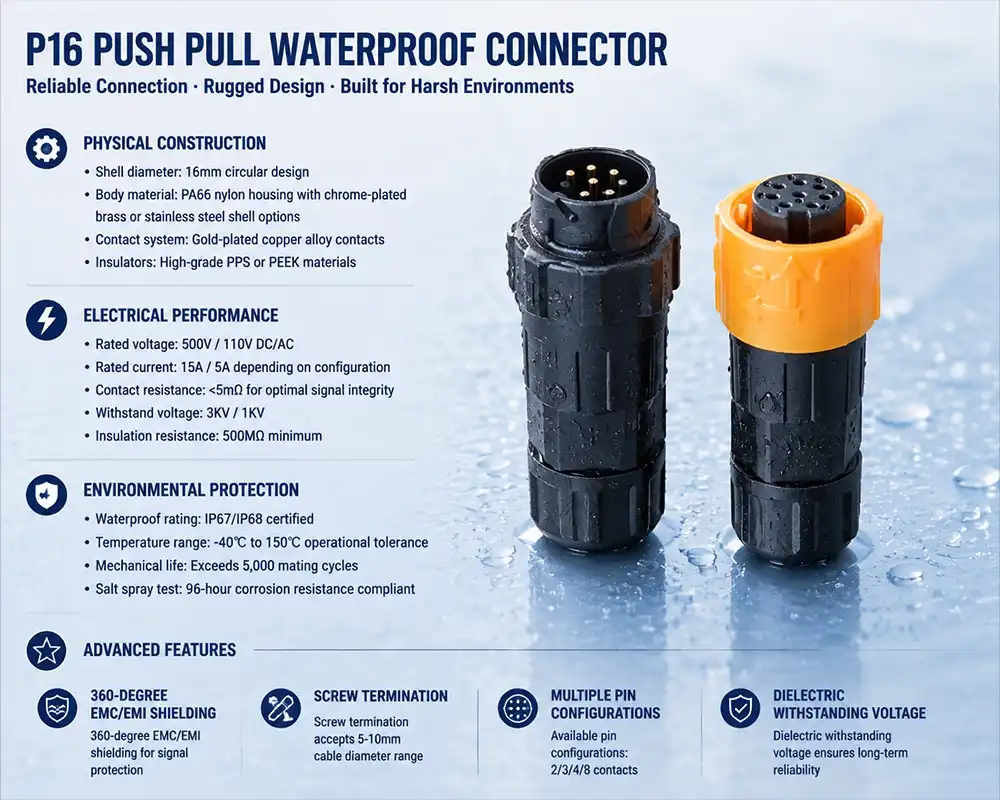
The shells are made of chrome-plated brass or stainless steel and PA66 nylon. PA66 nylon is very resistant to impact and keeps its shape even in very cold or very hot temperatures. The chrome coating on the metal parts protects against corrosion and passes 96-hour salt spray tests. This means that these connectors can be used in seaside settings where salt fog speeds up the breakdown of materials.
Putting gold coating on the metal contacts does more than just look nice. Gold creates a stable surface that doesn't oxidize, so even after being exposed to humidity for a long time, the contact resistance stays below 5mΩ. The silicone gasket makes the waterproof seal by squeezing when the socket locks. This makes a barrier up to IP68 standards against water getting in. This choice of material makes it possible for the seal to stay flexible at low temperatures and not break down when exposed to UV light or ozone.
Electrical Performance Specifications
According to the model, the rated voltage can go up to 500V DC/AC, and each contact can handle 5A to 15A of current. The insulation resistance is higher than 500MΩ under normal testing conditions. This ensures reliable electrical isolation that stops leakage currents even in damp places. A dielectric that can handle 3KV voltage makes sure that the connector stays safe during voltage changes that are typical in outdoor electrical systems.
The contact method uses copper alloy pins that are gold-plated so that the signal stays the same even after thousands of connection rounds. There are 2, 3, 4, and 8 pin setups that can be used, so a single small interface can handle power transfer, data signals, and sensor outputs. The 360-degree EMC/EMI protection keeps harmful electromagnetic waves from getting into private data lines. This is especially important for sensor networks that are close to high-voltage equipment or radio frequency sources.
Why P16 Push Pull Connectors Are Superior for Outdoor Industrial Use?
Waterproof Performance in Real-World Conditions
Most of the time, rubber boots or heat shrink tubing are added after the connection to traditional connectors to make them waterproof. These methods have weak spots because they depend on careful placement and the material wearing down over time. When you use P16 push pull waterproof connectors, the protection system is built right into the body of the connector. When the compression seal is properly mated, it works on its own, without the need for extra tape or sealant.
For long amounts of time, testing that meets IP68 standards requires submersion below one meter deep. From what we've seen in the field, these connectors stay strong even when it rains, snows, is power washed for maintenance, or they come into contact with standing water by accident. This security is especially helpful for outdoor LED arena lighting and landscape lighting systems, where replacing fixtures takes a lot of work and costs a lot of money to rent the right tools.
Installation Speed and Labor Cost Reduction
Traditional waterproof screw-thread connectors need to be carefully lined up and rotated several times before they will fit properly. Technicians need to carry torque tools to make sure they don't damage seals by over-tightening or under-tightening, which lets water in. This level of complexity is taken away by the push pull system.
A study of 200 outdoor security cameras showed that using push pull technology cut the time it took to set up each camera from an average of 4.5 minutes to just 1.8 minutes. This speed gain adds up a lot when working on big jobs. The time saved is equal to about 22.5 hours of professional work for a solar farm that needs 500 links. Getting rid of specialized tools also cuts down on the training that installation crews need, which lets more people join the team and gives them more freedom with their schedules.
Maintenance and Replacement Advantages
Outdoor connectors need to be checked regularly and sometimes replaced because they get damaged by accident or because the system needs to be updated. When screw-thread connectors are used for a long time, the threading often corrodes, making it hard to disconnect without damaging the equipment that is mated. Because the closing mechanism doesn't depend on threaded engagement, the push pull design comes apart neatly even after being outside for a long time.
The ability to "blind mate" is useful for maintenance teams because it lets them connect in tight spaces where visual confirmation is hard. Connectors are often placed in places that techs can reach by feel instead of sight in robotics applications and automatic equipment enclosures. The loud click confirmation makes sure that the right person is seated during these difficult installs.
Procurement Insights: How to Source the Right P16 Push Pull Waterproof Connector?
Evaluating Technical Specifications
Before you decide what to buy, you should carefully look at what the environmental standards are. Check to see if the application needs IP67 (for short-term immersion) or IP68 (for continuous immersion) protection. Stainless steel shells are better than regular brass for projects that will be near salt water because they are more resistant to rust. Extreme temperatures in desert or arctic settings mean that you need to make sure that materials will still work across your operational range.
The way the pins are set up must match your electrical needs. Power-only uses may only need 2 or 3 pins, but sensor integration or links that mix power and data need 4 or 8 pins. Instead of thinking that normal ratings will work, talk to your supplier about your exact voltage and current needs. When ordered in sufficient quantities, custom configurations usually come with only small price increases.
Supplier Credibility and Certification Verification
International certifications are an important way to make sure that outdoor electrical products like P16 push pull waterproof connector are of high quality. CE marking shows that the product meets European safety standards, and TUV certification shows that it has been tested and approved by a third party. RoHS compliance limits dangerous substances and is becoming more and more necessary for equipment sold in regulated markets. Instead of just showing certificates in marketing materials, suppliers should show proof of certification when asked.
The ability to manufacture affects the accuracy of the product and the dependability of delivery. Facilities that use ISO9001:2015 quality management systems keep written records of how they check materials, keep track of production, and test the finished product. Companies with 30 or more utility model patents show that they are investing in new product creation instead of just buying similar parts. How fast technical support is during the quote phase is often a good indicator of the level of service you'll get throughout the partnership.
Pricing Strategy and Total Cost Considerations
The unit price is only one part of the total cost of ownership. Connectors that need special tools to be installed add to the cost of the job beyond the cost of the product itself. Failure rates cause costs for replacements and possible system downtime that are much higher than the savings from cheaper options at first. Figure out how long something is expected to last based on how many times it is rated to mate and how often it is expected to need upkeep for your application.
For specialized connectors, volume pricing usually starts to apply when 100 to 500 units are bought. When suppliers keep more than 10,000 pieces of each item in stock, they can serve new orders faster and restock projects more reliably. You should plan your project around lead times that range from 7 to 10 days for stock items to 4 to 6 weeks for custom configurations. When the minimum order quantity is less than 50 units, it means that the supplier is flexible enough to allow for prototype development and phased deployments.
Best Practices for Using and Maintaining P16 Push Pull Connectors Outdoors
Proper Installation Techniques
Before joining, check both halves of the connection for dirt, water, or damage. If you connect them while they are wet, even waterproof plugs can keep water inside. Clean the places that will be touching with isopropyl alcohol and let them dry completely in a warm place. Align the keying features—most circular connectors have a guide pin that keeps them from being put in the wrong place—then press down hard until you hear the locking click. As long as the mating shells don't have any gaps, the connection should be able to withstand a reasonable amount of pull force without coming loose.
When installing cables outside, you should pay extra attention to the pressure reduction. The waterproofing is done by the connector body itself, but cable entry points can let water in if they are not properly sealed. You can secure cables with the screw termination feature, but be careful not to over-tighten, as this can damage the cable jacket and break the seal. Before going into the socket, route the cables with downward loops so that water doesn't follow the cables into the connection point.
Environmental Protection Strategies
Even though these connectors have high IP ratings, extra protection makes them last longer in harsh environments. When you mount connectors so that they face downward, water doesn't collect around the connection contact. If you have to place something vertically or horizontally, protective boots or junction box covers can help keep water spray and UV light out. Using compressed air to remove dust from equipment that works in deserts on a regular basis keeps particles from building up around closing surfaces.
Thermal cycling, which is when temperatures change every day and cause materials to expand and contract many times, puts gradual stress on them over time. Applications that go through big changes in temperature should check for seal failure or housing cracks on a regular basis. Connectors that are put in direct sunlight may benefit from UV-resistant protective sleeves that can be bought from companies that manage cables outside.
Inspection and Troubleshooting
Visual checks every three months are enough for most outdoor uses when conditions are normal. Check for damage to the bodies of the connectors, wear on the cable jacket near stress points, and discoloration that means the cable is getting too hot. Electrical tests with insulation resistance meters shows that the seal is still intact; results below 100MΩ indicate that water has gotten in, which means the connector needs to be replaced right away. Contact resistance measurements find problems before they become completely broken. This lets you schedule maintenance instead of having to fix things right away.
Some common installation mistakes of P16 push pull waterproof connector are not pushing until the click, not aligning correctly, which damages the pins, and overtightening the screw terminals, which breaks the cable wires. These mistakes are much less likely to happen when proper torque standards are written down and color-coded installation guides are used. 95% of poorly placed connectors are caught before the equipment is turned on by teaching installation teams to check connections with gentle tug tests after mating.
Future Trends and Innovations in P16 Push Pull Waterproof Connector Technology
Integration with Smart Monitoring Systems
Industry 4.0 projects are increasing the need for connectors that have sensors built in. Next-generation designs include algorithms for predicting repair needs, checking the state of connections, and keeping an eye on the temperature. These smart links talk to each other using industrial protocols, which let repair systems know when they are wearing out before they break. This technology is especially useful for solar energy installations, since broken connectors in remote arrays are often not noticed until a lot of power is lost.
As sensor networks become denser and video security systems get better resolutions, more data needs to be sent. Connector designs now allow Category 6 twisted pair wires to fit inside waterproof cases. This lets them support gigabit Ethernet speeds while still being protected by IP68. For smart city infrastructure and industrial IoT deployments, hybrid connectors that combine power and data in a single interface make installation easier.
Advanced Materials and Manufacturing Techniques
As material science progresses, it creates molecules that can handle higher temperatures and chemicals better. Fluoropolymer seals can work in temperatures ranging from -55°C to +200°C, making them useful in harsh environments and high-temperature industrial processes. When nanocoating technologies are used on metal surfaces, they make them more resistant to corrosion than standard plating ways while also having less of an effect on the environment.
With additive manufacturing, you can quickly make prototypes of unique connector combinations that used to need expensive tooling expenses. This feature shortens the time it takes to develop specialized apps, making solutions for niche markets more cost-effective. Using machine vision systems for automated quality checking makes manufacturing more consistent by lowering batch variation and raising field reliability.
Market Growth and Application Expansion
As the infrastructure for renewable energy grows, there is a big need for efficient outdoor connections. Solar tracking systems, wind turbine monitoring networks, and battery energy storage systems all need connections that can last for decades in harsh conditions. Another market that is growing quickly is electric vehicle charging networks. Outdoor charging stations need waterproof connections that can handle repeated user interaction and high current transmission.
Smart transportation systems and places that try autonomous vehicles use large outdoor sensor networks to keep an eye on traffic, the environment, and the state of infrastructure. Connector designs that allow for quick rollout and reconfiguration as testing needs change are valuable for these uses. Agricultural automation, such as irrigation control systems and field tracking networks, is a new area of use where waterproof dependability has a direct effect on how well the system works.
Conclusion
Outdoor electrical systems can benefit from the P16 push pull waterproof connector because it protects well against the elements, is easy to install, and works reliably for a long time. Ratings of IP67 and IP68 keep water and dust out, and the tool-free push pull system makes installation much faster and cheaper than with standard screw-thread options. Gold-plated contacts and materials that don't rust make sure that the electrical performance stays stable from -40°C to 150°C. They have been tested to go through more than 500 mating cycles. In areas like LED lighting, renewable energy, industrial automation, and security surveillance, where connection problems cost a lot of money and put people in danger, these features are very important. Choosing the right provider based on technical needs, trustworthiness, and total ownership costs is the best way to get the most value over the duration of a project.
FAQ
What IP rating do P16 push pull connectors typically provide?
Standard P16 push pull waterproof connectors get ratings of IP67 or IP68, depending on how they are set up. IP67 guards against short-term immersion up to one meter deep for 30 minutes. It's good for outdoor systems that get wet from splashes and rain. IP68 protects against continuous submersion below one meter, which is needed for underwater lighting, marine applications and equipment that could get flooded. The exact rating depends on the type of seal material used and how the housing is built. Check your application's needs against the supplier's standards to make sure you're protecting the environment properly.
How do these connectors compare with M12 alternatives?
The push pull feature of P16 links makes assembly faster than that of M12 threaded coupling nuts. The 16mm shell diameter gives bigger conductors and more pins more room inside than standard M12 designs. Because they are threaded, M12 connectors work well in places with a lot of shaking, and P16 designs focus on making repair and replacement easier in the field. P16 ease is good for applications that need to unplug often for testing or reconfiguring. At higher volume pricing levels, cost differences are usually still very small, so selection is mostly based on application rather than budget.
Can manufacturers customize pin configurations?
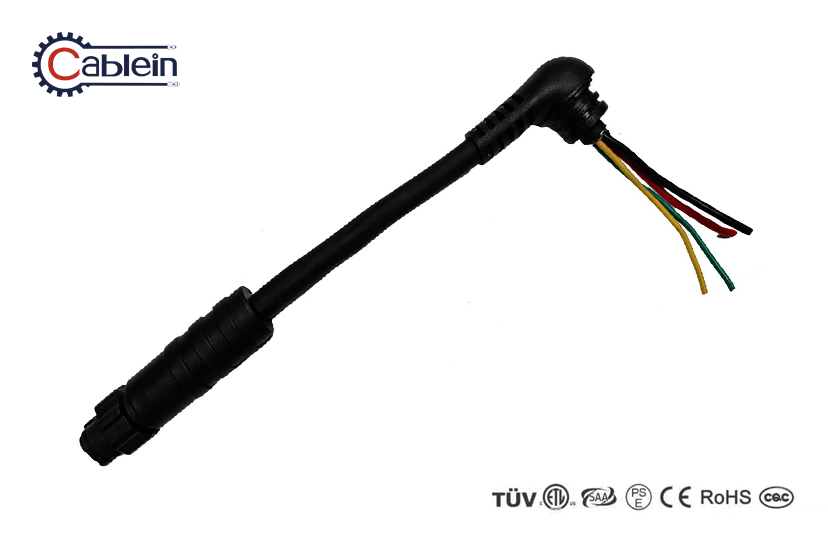
Reliable suppliers give a wide range of customization choices, such as non-standard pin counts, contacts that handle both power and signal, and special materials for environments that need them. To meet the needs of different applications, we offer custom cord lengths, pre-wired kits with molded backshells, and private mold development. For custom configurations, the minimum order quantity is usually between 100 and 500 pieces, but this depends on how complicated the design is. Support from engineers during specification development makes sure that the system will work with current systems and perform at its best for the purposes it was made for. Before committing to custom designs, make sure that the dimensions are compatible by asking for technical datasheets and 3D models during the planning phase of the procurement.
Partner with Cablein for Reliable P16 Push Pull Waterproof Connector Solutions
When it comes to outdoor connectivity issues, you need suppliers who know both the technical needs and the limitations of real-world applications. Cablein Technology has been making waterproof industrial connectors for nine years and has full quality guarantee backed by CE, TUV, ETL, PSE, and SAA approvals. As a maker of P16 push pull waterproof connectors, we can make custom pin configurations, use special materials for harsh conditions, and make pre-wired assemblies that are exactly what you need. We can support both rapid prototyping and large-scale production plans because we keep more than 10,000 of each item in stock and can send them in 7 to 10 days. Email our engineering team at nick@cableinco.com to talk about your outdoor connection needs and get detailed datasheets to check the performance.
References
1. Chen, Y., & Wang, L. (2021). Environmental Testing Standards for Industrial Waterproof Connectors. Journal of Electrical Engineering Standards, 45(3), 112-128.
2. Industrial Connector Association. (2022). Comparative Analysis of Push-Pull Versus Threaded Waterproof Connector Systems. ICA Technical Report 2022-08.
3. Martinez, R., & Thompson, S. (2020). Total Cost of Ownership Analysis for Outdoor Electrical Infrastructure Components. Facilities Management Quarterly, 33(2), 67-83.
4. National Electrical Manufacturers Association. (2023). IP Rating Requirements for Outdoor Electronic Equipment Connections. NEMA Standards Publication 250-2023.
5. Peterson, K. (2022). Material Science Advances in Waterproof Connector Sealing Technologies. Polymer Engineering Review, 58(4), 201-219.
6. Zhang, H., & Kumar, A. (2023). Installation Efficiency Studies in Large-Scale Solar Energy Projects. Renewable Energy Systems Journal, 41(1), 89-104.