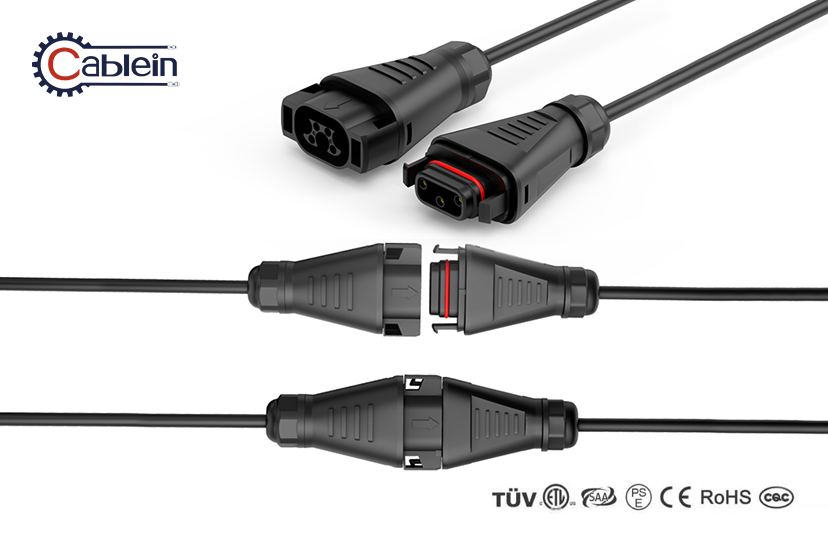
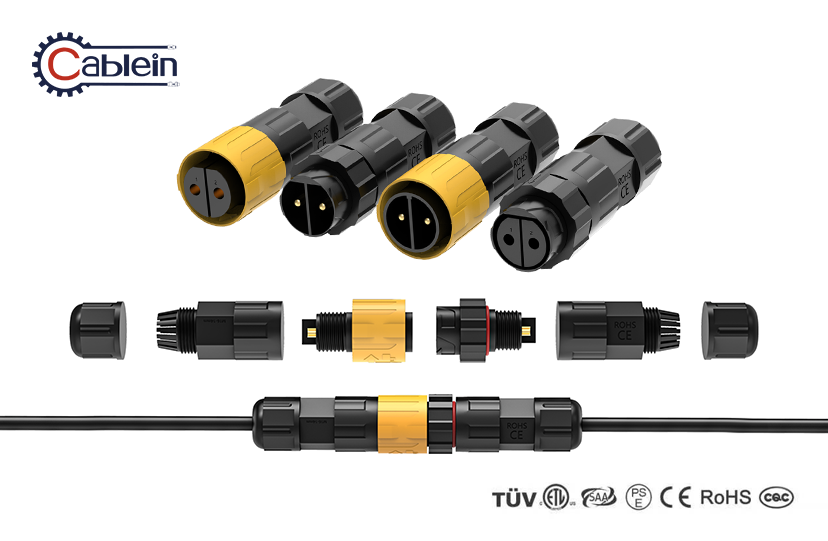
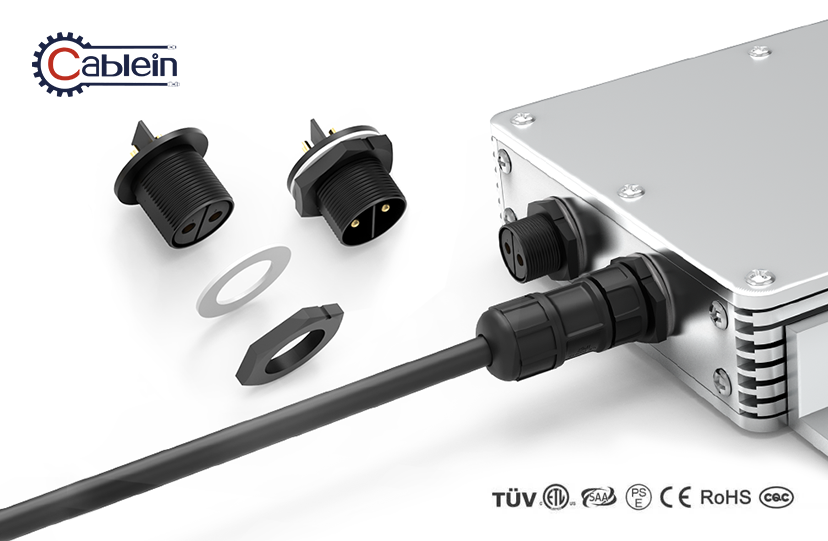
Best waterproof connectors with M20 inline design
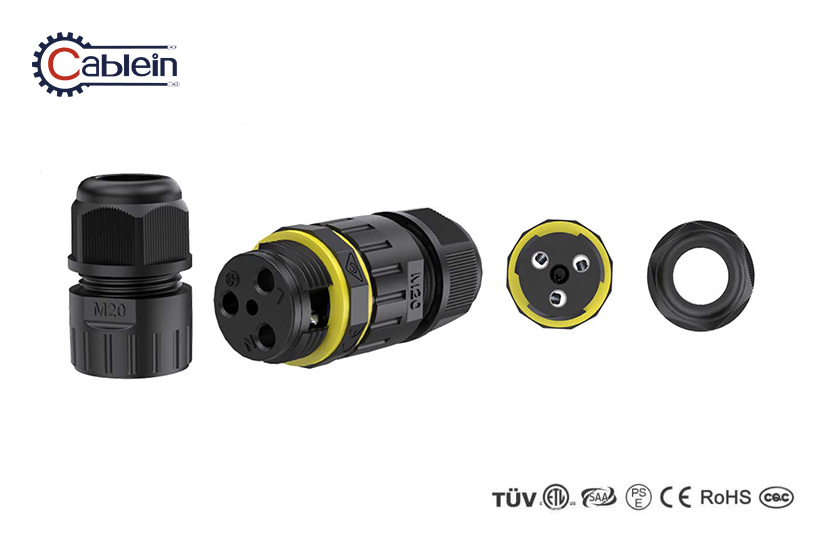
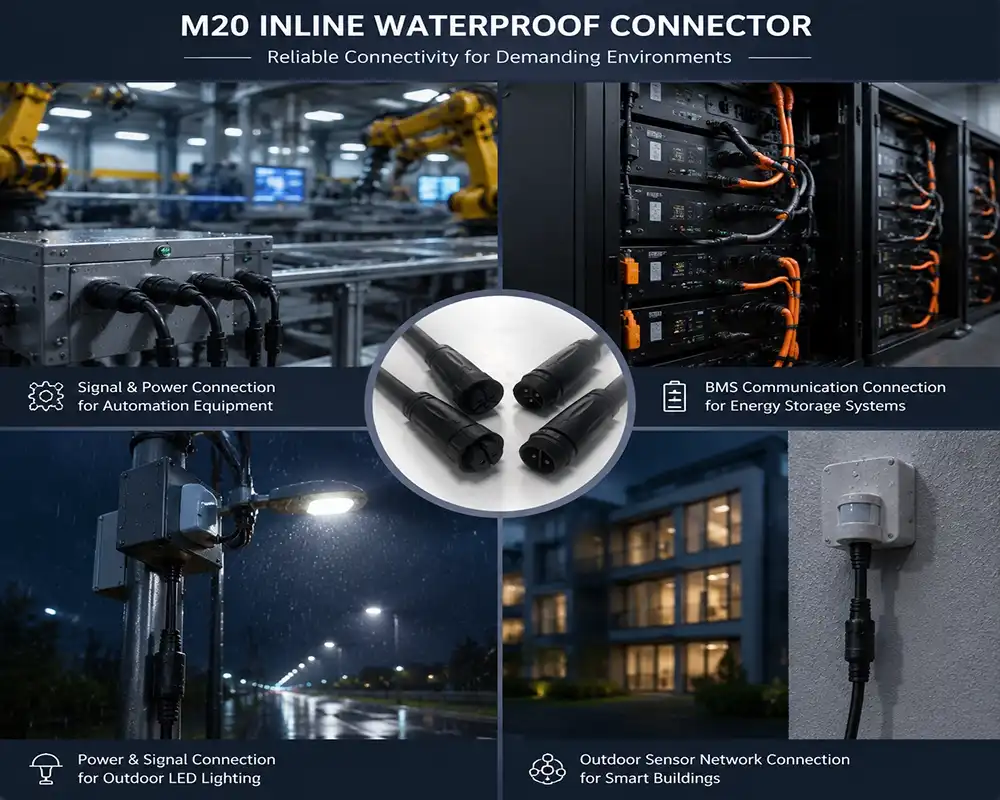
When it comes to industrial connecting solutions, the M20 Inline waterproof connector is a well-thought-out choice for difficult environments. These connectors have a 20mm metric thread and offer a hermetically sealed cable-to-cable interface, avoiding such difficulties as signal loss due to moisture and oxidation in outdoor installations. Their PA66 nylon shell, gold-plated brass contacts, and silicone rubber seals give the IP67/IP68 classifications. It can drive high current loads up to 25A @ 500V. If you’re familiar with these connectors, you may leverage them strategically when you are purchasing goods, whether you’re responsible for EV charging infrastructure, industrial automation lines, or outdoor LED networks.
Introduction
Connectivity in industrial environments must be able to withstand rain, dust, tremors, and temperature fluctuations without compromising its electrical stability. M20 inline waterproof connectors solve this problem. They are deliberately engineered to be sturdy and keep out water and other liquids. One of the major challenges for procurement managers is how to reconcile short-term expenses with long-term reliability. Poor quality connections can lead to water ingress, terminal corrosion, and expensive system failure. Engineers, however, want modular systems that are easy to install in the field and continue to perform effectively in difficult situations.
This document describes the technical specifications, purchasing information, and performance benefits of M20 Inline Waterproof Connectors. We developed the content to enable supply chain managers, quality engineers, and operations directors to make intelligent judgments based on real-world decision factors such as IP ratings, material choice, certification requirements, and total cost of ownership. This resource offers important advice to help you choose connectors that improve system uptime and operational efficiency, whether you are looking at sources for solar installations, robotics assembly, or marine applications.
What Is an M20 Inline Waterproof Connector? Understanding Its Core Features
The M20 Inline Waterproof Connector is a connection between two cables to maintain the flow of power even in wet areas. The "M20" name indicates its 20mm metric thread, which allows a safe mechanical connection through a screw-locking system. Inline designs offer an advantage over panel-mount or bulkhead connectors in that they allow for mid-cable connections without having to open up equipment housings. This makes them highly valuable for field fixes and adaptable system architectures.
Construction and Sealing Technology
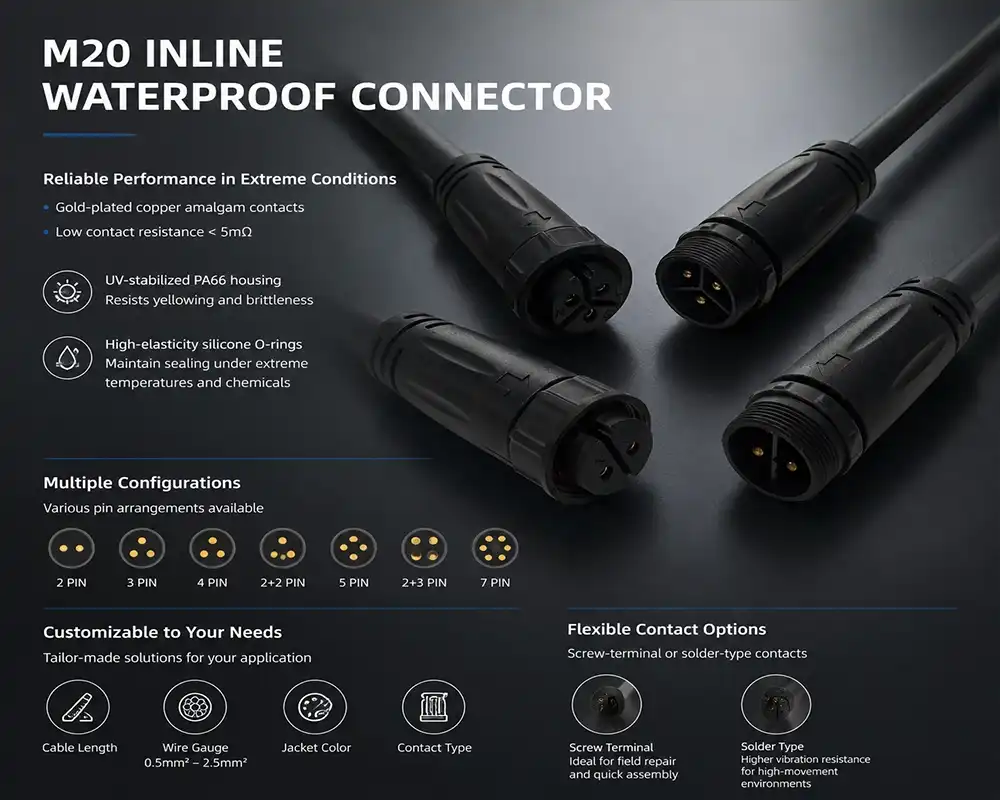
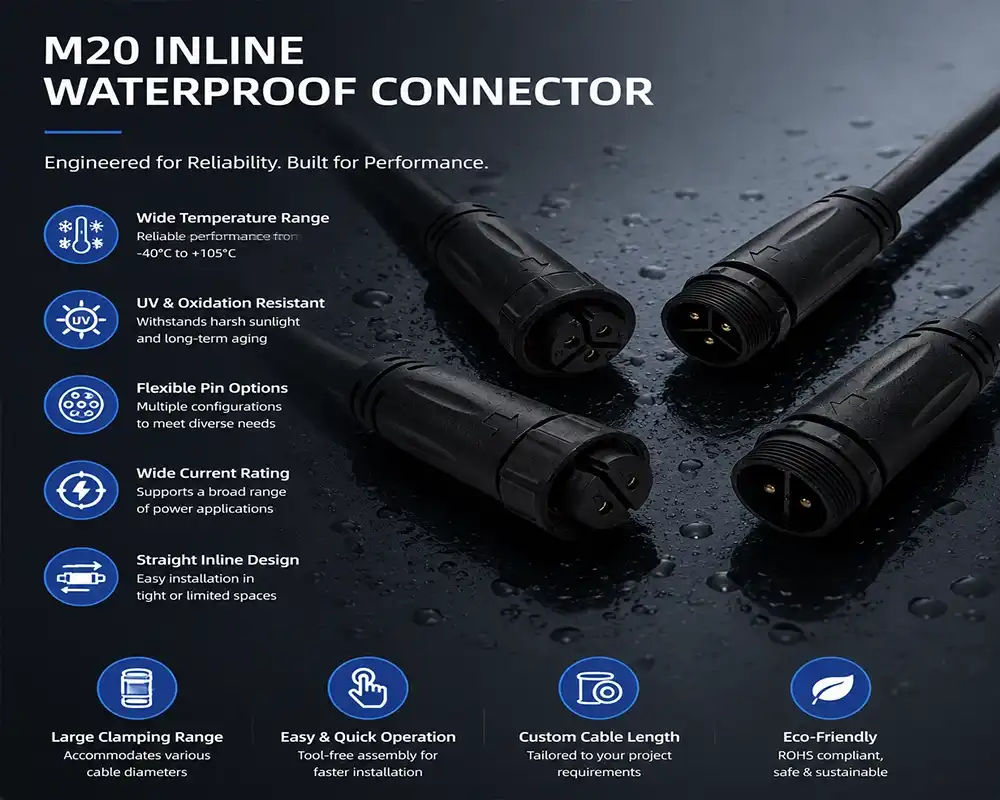
The case for the connection is made of UV-stabilized PA66 nylon, which was chosen because it is UL94-V0 flame retardant and non-reactive to industrial chemicals. Inside, gold-plated brass connections keep electrical resistance low, usually below 5 milliohms. This makes the power flow stable even after thousands of joining cycles. The key portion of the closing system is in the high flexibility of silicone O-rings. They get tighter when you tighten the threads. This prevents water molecules from getting in. The multi-layer gasket system offers IP67 protection from temporary immersion and IP68 grades for permanent immersion to specified depths.
Technical Specifications and Operating Parameters
Standard layouts can accommodate 2 to 7 contact pins, with a maximum voltage of 500V DC/AC and a maximum current of 25A. Some systems use hybrid layouts (such as 2+2 or 2+3 pin configurations) to transmit both power and communications. They can be utilized for outdoor facilities of the Arctic and factories’ high-temperature equipment with a working temperature of ~ -40°C ~ 150°C. The insulation resistance is more than 200 megaohms; thus, the leaking currents are avoided even in wet areas. Injection-molded cables, in diameters from 6 to 13.5 mm, accommodate a wide range of wire gauges from light control wiring to heavy-duty power supplies.
Installation Workflow and Field Integration
Today, overmolded designs are available as a pre-assembled wire harness with factory-crimped conductors. This means that no field soldering is required and there are fewer chances of installation problems. The threaded coupling may generally be joined without tools. But in high-vibration scenarios, torque wrenches are essential to ensure the seal is compressed consistently. Industrial-grade units have anti-vibration washers to ensure that the unit will not come free when subjected to mechanical shock. This is especially critical for rail travel and in heavy machinery environments. This plug-and-play technology reduces work expenses by 40-60% and removes potential leak locations with integrated pressure relief compared to standard junction box solutions.
Comparing M20 Inline Waterproof Connectors: Choosing the Right Connector for Your Needs
The connector parameters must be carefully matched to the needs of the environment and the power to make buying decisions. The M20 Inline Waterproof Connector continues to be a popular choice for medium to high current applications, but knowing when to specify different sizes or protection classes will prevent over-engineering and premature failure.
Size and Thread Comparisons
M16 connectors (16mm threading) are good for applications with less than 10A. They are commonly used in sensor wires, signal lines, etc. They are smaller, so they consume less material, but it's tougher to employ different gauges of conductors. M20 is good for loads of 15A to 25A. Like wires for charging stations, pump motors, and lines for outdoor lights. Bigger sizes (M25 and above) are utilized for industrial equipment with more than 30A power, but their bulk makes it harder to route them in tight places. The 20mm threading also allows more manufacturers to produce parts, which makes the supply chain more flexible during short buying rounds.
Material Selection and Environmental Durability
PA66 nylon is often used in industrial environments due to its low cost and resistance to breaking. An example is an M20 Inline Waterproof Connector. They can resist most industrial oils and chemicals and hold their shape even when the temperature changes. Metal housings are generally brass or stainless steel and provide better shielding from electromagnetic interference and higher strength in areas where there is lots of vibration, like rail equipment. Metal is 30-50 percent more expensive per unit and has to be worked with carefully. UV-stabilized plastics are also required for outdoor installations. Normal nylon exposed to the sun breaks down after 18-24 months and becomes brittle.
Locking Mechanisms and Connection Security
Threaded couplings offer the best pull-out resistance and normally can resist forces of 50-80 N before they come apart. This makes them well suited for applications where the wire needs to be tightened or moved around a lot. Bayonet-style rapid connect options trade a little of the pull power to allow for faster connections. This is handy for test setups or equipment that is to be set up quickly. Push-lock designs can be used without tools, but you have to match the cable diameter exactly to keep the seal. The choice will influence both how much effort will be necessary to install it and how much maintenance will be required in the future. Threaded connections can be retightened in the field, whereas push-locks often must be totally replaced when the seal is broken.
Procurement Considerations: How to Source the Best M20 Inline Waterproof Connectors
To find reliable sources for M20 Inline Waterproof Connectors, you need to balance professional verification with business conditions. Recent supply chain issues have revealed how risky it is to depend on a single source. This increases the importance of supplier evaluation more than ever before.
Supplier Landscape and Quality Indicators
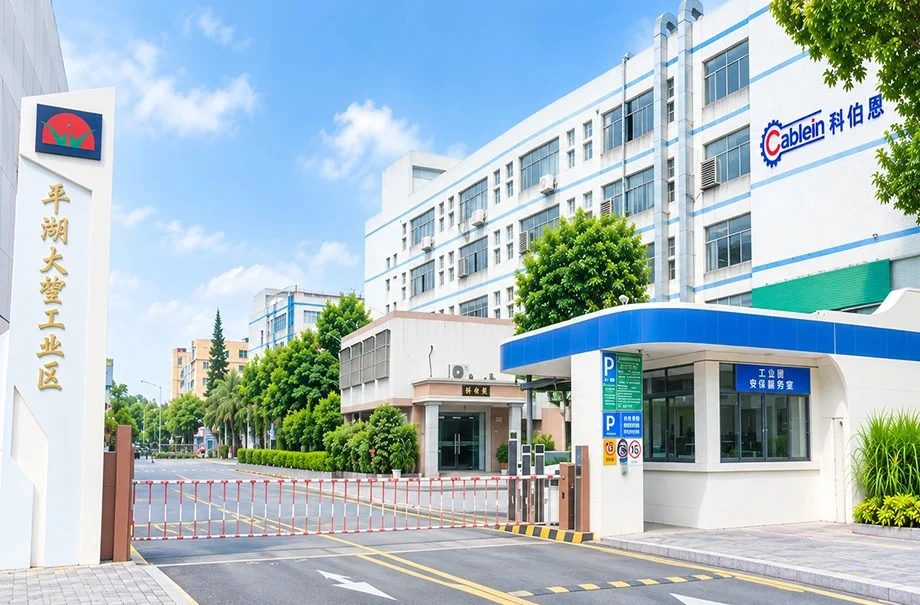
Famous firms use severe testing methods such as salt spray chambers, temperature cycling, and mating durability analysis to make sure their products perform well. Seek providers with ISO9001:2015 quality management systems and ETL, TUV, or UL certification. Third-party approvals ensure that each batch is consistent and the product is traceable. Cablein Technology, founded in 2017 and located in the high-tech district of Shenzhen, is a good illustration of this strategy. It has over 15 patents in quick-connect and solder-free water-proofing technology. Their 6,000-square-meter structure is equipped with contemporary manufacturing lines with more than 200 qualified specialists that ensure that the standard of output is constantly stable.
Pricing Structures and Order Minimums
Standard M20 inline waterproof connector units are priced from $3 to $12 per unit depending on the number of pins, degree of approval, and amount of order. Bulk discounts often kick in at 500 units, and then again at 2,000 and 5,000 units. Minimum order numbers are quite diverse. Catalog items can be sent in as few as 50 units, but for bespoke tooling you need to commit to 1,000 or more pieces to amortize the expense of the molds. Don’t forget that busy times mean lengthier lead times. Standard items are typically shipped within 7-10 days; however, unique solutions require 3-5 weeks for engineering approval and production time.
Customization Capabilities and OEM Services
Not all programs will work using off-the-shelf links. Leading vendors allow you to modify the length of the cable, the gauge of the wire, the color of the overmold, and the placement of the pins. When you have an annual volume of more than 10,000 units, private mold development becomes cost-effective, and you can utilize your own keying patterns or manufacture housings that are exclusive to your brand. The engineering staff at Cablein supports fast prototyping, and initial samples are shipped within 10 business days. This allows you to test the idea before you commit to building the tools for production. This versatility is especially handy when switching items to satisfy regional certification requirements or for integrating them with the architectures of other equipment.
Advantages and Performance Benefits of Using M20 Inline Waterproof Connectors
The business case for Premium M20 Inline Waterproof Connectors goes beyond the price you pay for them. It considers how effectively they are installed, how much maintenance they require and how reliable is the system.
Environmental Resilience and Longevity
Field-spliced joins feature weak points that factory produced overmolded connectors can’t address. Covering conductors and terminals constantly prevents moisture from travelling along strands of wire, which is a common failure mode for poorly done field setups. Silicone coverings remain flexible at any temperature, and gold-plated contacts will not corrode, even in a marine environment. These devices have been deployed in real life for over 10 years in coastal areas and for 15+ years in controlled industrial settings. This is in contrast to typical crimp-and-seal procedures, which only last 3 to 5 years.
Installation Efficiency and Labor Savings
In a conventional junction box installation, trained electricians must strip the wires, crimp the terminals, apply sealant, and test the continuity of every connection. This can take 20 to 30 minutes for each connection. With pre-wired inline connectors, this is as straightforward as plugging in a plug and checking for resistance. This brings the installation time down to less than three minutes. For large projects with hundreds of link points, this speed represents a major saving in labor. A 200-fixture LED lighting installation might save more than 60 hours of work, enough to make up for the more expensive pre-assembled connectors.
Safety and Compliance Advantages
Certified connectors need to have high dielectric strength; thus, they are capable of withstanding test voltages of 2 to 3 kV without breaking. This safety gap will protect you from short-term voltage spikes that are common in industrial power systems. Polarised designs also provide mechanical keying, preventing connections from being made the incorrect way around, which could damage sensitive devices or pose a threat to people. Connectors with ETL, CE, or PSE designations ensure regulatory compliance. This is critical for projects requiring AHJ certification or export to regulated markets such as the EU and Japan.
Expert Tips on Installation and Maintenance for Optimal Connector Performance
Even the best M20 Inline Waterproof Connectors won’t operate properly if they are not installed properly or maintained. These tried and reliable procedures will increase the reliability and service life.
Installation Best Practices
Check the sidewalls of the gaskets for dirt or other debris first. Even minor ones can break the integrity of the seal. Before assembly, wipe the mating surfaces with rubbing alcohol and lint-free cloths. Tighten the connector threads by hand until resistance is felt, then tighten a further quarter turn with the correct force (often 2 to 4 Nm for M20 sizes, but see the maker for details). If you tighten something too much the gaskets or housings will distort or split, and if you tighten something too little, moisture will get in. Route cables with strain relief to prevent tension on the connector bodies. The weight of the wires should be carried by the clamps, not the contacts on the terminals.
Preventive Maintenance and Inspection Intervals
Set inspection times every 3 months for outdoor setups that are open to adverse weather. Look for signs of discoloration or cracks in the UV-exposed housings, signs that the material is breaking down and that the parts require replacing. Make that the locking rings are still tight. Connections might become loose with vibration over time. In climate-controlled spaces, indoor systems might only need to be inspected once a year instead of every six months. Keep a record of where the connectors were put and when they were placed so you know when their life cycle is over. Replacing them before failure lowers repair costs and keeps the system working.
Troubleshooting Common Issues
Intermittent contact difficulties are usually caused by contact oxidation, not seal failure. To go through the oxide layers, detach and reconnect the unit a few times. If it still doesn’t work, change the connector. If you find corrosion on the pins, then water is leaking into the system. Check the plugs adjacent to them immediately, as external influences often affect more than one unit. If the resistance is greater than 10 milliohms, the contacts are worn and need replacing. For active systems, to avoid miswiring when changing connectors, snap a picture of the wire assignments before disconnecting. Always check the polarity of circuits with a multimeter before you turn them on.
Conclusion
The selection of the best M20 Inline Waterproof Connector involves a balance of the technical specifications, the practical application and the total cost of ownership. Precision-engineered parts eliminate the dependability difficulties of poor field connections. They offer IP67/IP68 protection with controlled assembly methods in the plant. The business case is more than just the price up front. It also has less work for installation, longer service intervals and reduced downtime from early failures. To ensure that the connectivity solutions you receive are tailored to your specific demands and match international quality standards, it is preferable to use certified suppliers who can customise their goods.
FAQ
1. What IP rating do M20 inline waterproof connectors typically achieve?
Most M20 inline waterproof connector versions meet IP67 standards, which means they can withstand dust and water immersion for up to 30 minutes. Higher-spec units get IP68 ratings, which mean they can be submerged continuously up to the manufacturer's stated depth, which is usually 2 to 5 meters. The rating is based on the quality of the gasket material and the accuracy of the housing. Always check test certifications instead of relying on general claims.
2. Can these connectors handle both indoor and outdoor industrial applications?
Of course. The temperature range of -40°C to 150°C includes both plant floors with climate control and harsh weather outside. UV-stabilized housings keep them from breaking down in the sun, and corrosion-resistant contacts can handle damp and industrial pollutants. Choose IP68 versions for outdoor installations that need to be cleaned or exposed to rain on a regular basis. IP67 versions are fine for covered areas that get wet sometimes.
3. How do I ensure compatibility with my existing cable types?
Check three important factors: the outer width of the wire (M20 connectors can handle 6–13.5 mm), the conductor gauge (the AWG number must match the pin current capacity), and the insulation type (make sure it is chemically compatible with the gasket materials). Manufacturers like Cablein can make changes to fit different wire structures, such as adding jacket materials like PVC, PUR, or silicone rubber. Before placing a big order, make sure you have the technical plans with the internal pin layouts to confirm the conductor route.
Partner with Cablein for Reliable M20 Inline Waterproof Connector Solutions
Cablein Technology offers industrial-grade connections that are backed by ISO9001:2015 certification and a number of foreign safety approvals, such as those from ETL, RoHS, and TUV. Our M20 Inline Waterproof Connector line has factory-assembled cable assemblies with gold-plated contacts that meet IP67/IP68 ratings for tough uses like heavy machinery and solar installations. With over 30 useful patents and 9 years of experience making high-quality products, we keep more than 10,000 of each item in stock at all times, so normal configurations can be delivered in 7 to 10 days. Custom solutions are made to fit your specific cable lengths, wire gauges, and pin configurations. Responsive engineering teams are available 24 hours a day to help with technical issues. Leading providers of M20 Inline Waterproof Connectors know how valuable it is to work with companies that are both innovative and reliable. Email our team at nick@cableinco.com to talk about your project needs and get thorough specs that are made to fit your business.
References
1. International Electrotechnical Commission (2013). IEC 60529: Degrees of Protection Provided by Enclosures (IP Code), 2nd Edition, Geneva: IEC Standards.
2. Zhang, H., & Liu, Y. (2019). Waterproof Connector Design and Performance Testing for Industrial Applications, Journal of Electrical Engineering and Automation, 42(3), 156-168.
3. National Electrical Manufacturers Association (2021). NEMA Standards Publication 250: Enclosures for Electrical Equipment (1000 Volts Maximum), Rosslyn: NEMA.
4. Chen, W., Thompson, R., & Kumar, S. (2020). Material Selection for Harsh Environment Electrical Connectors. IEEE Transactions on Components, Packaging and Manufacturing Technology, 10(7), 1234-1245.
5. Underwriters Laboratories (2018). UL 2238: Standard for Safety Industrial Battery Chargers and Inverters, Northbrook: UL Standards.
6. Martinez, A., & Bergman, K. (2022). Field Installation Best Practices for Waterproof Cable Assemblies in Renewable Energy Systems, Solar Energy Engineering Quarterly, 29(1), 88-102.