RJ45 Waterproof Connector vs. Standard RJ45 Connector: Key Differences Explained
When deploying Ethernet networks in outdoor surveillance systems, industrial automation floors, or marine environments, standard RJ45 connectors simply cannot withstand moisture, dust, and temperature extremes. The RJ45 ethernet waterproof connector solves this challenge by integrating IP67 or IP68-rated sealing technology with standard Ethernet compatibility, enabling reliable data transmission in conditions where conventional connectors fail within weeks. Unlike basic modular plugs, waterproof variants feature PA66 nylon housings, silicone gaskets, and gold-plated phosphor bronze contacts that maintain signal integrity across Cat5e and Cat6 applications even when exposed to submersion, salt spray, or extreme vibration.
Understanding RJ45 Connectors: Standard vs. Waterproof
Since the 1990s, standard RJ45 ports have been a reliable way to connect computers inside. People use them in homes, data centers, offices, and other places where climate control keeps the environment safe. When kept out of the weather, their simple plastic shell and metal contacts work properly. It only takes seconds to set up, it's cheap, and it works with almost all Ethernet devices on the market.
What Defines Standard RJ45 Connectors
In normal RJ45 connections, the bodies are made of thermoplastic that is injected and have eight spring-loaded pins organized according to TIA/EIA-568 wiring standards. The latch mechanism holds things securely mechanically, but it doesn't protect against liquid or particle entry at all. When new, the normal contact resistance is about 20 milliohms. However, rust raises this over time in damp places. Most versions work with Cat5e to Cat6a standards and can handle data rates of up to 10Gbps, depending on the quality of the cable. Operating temperature ranges are usually between 0°C and 60°C, which is fine for climate-controlled rooms but not for use outside.
How Waterproof RJ45 Connectors Differ
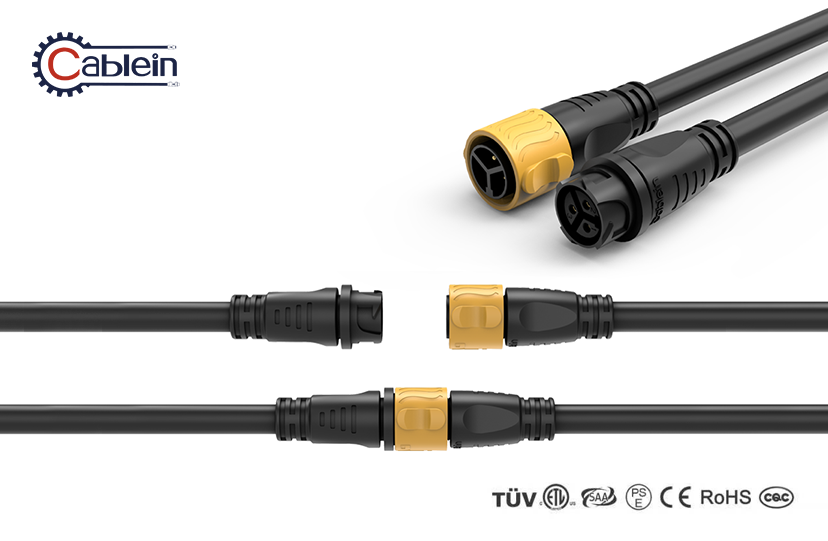
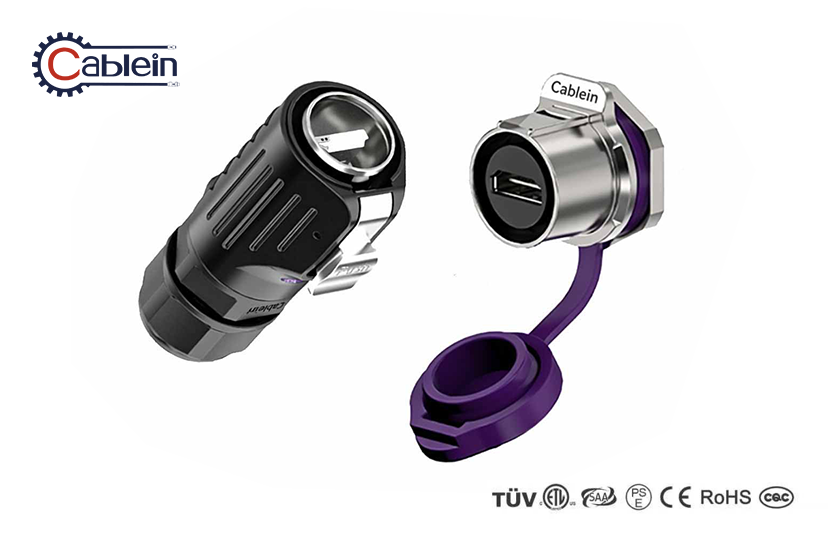
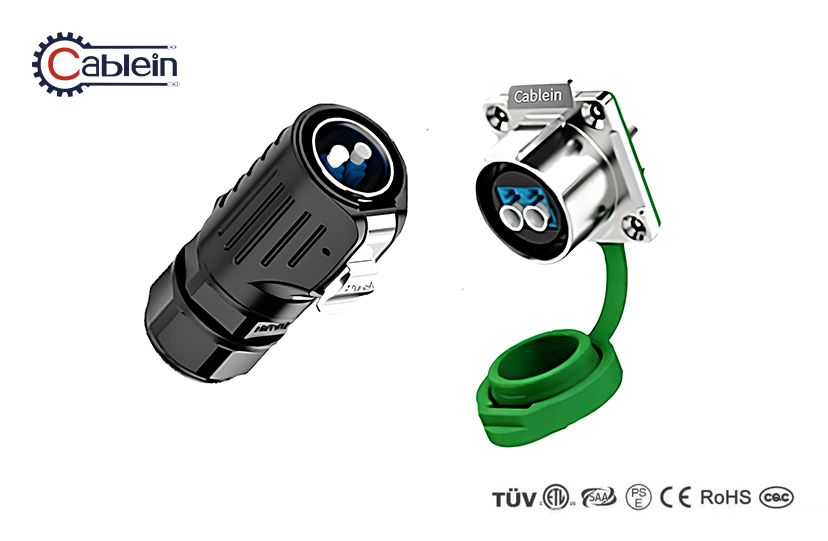
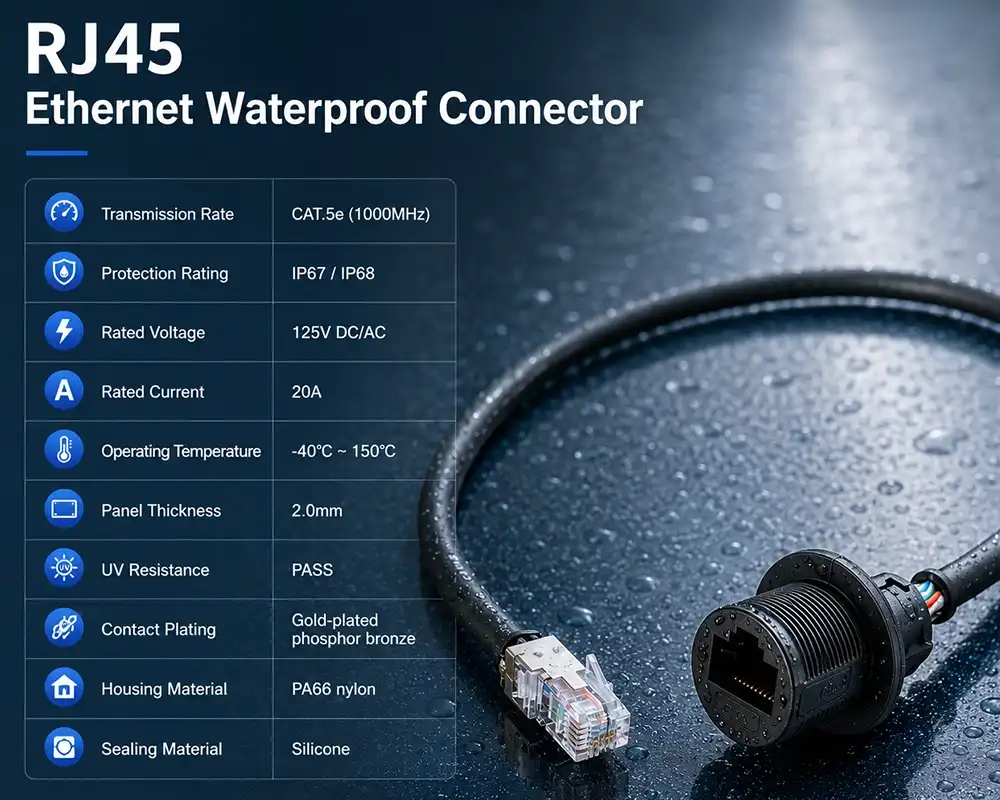
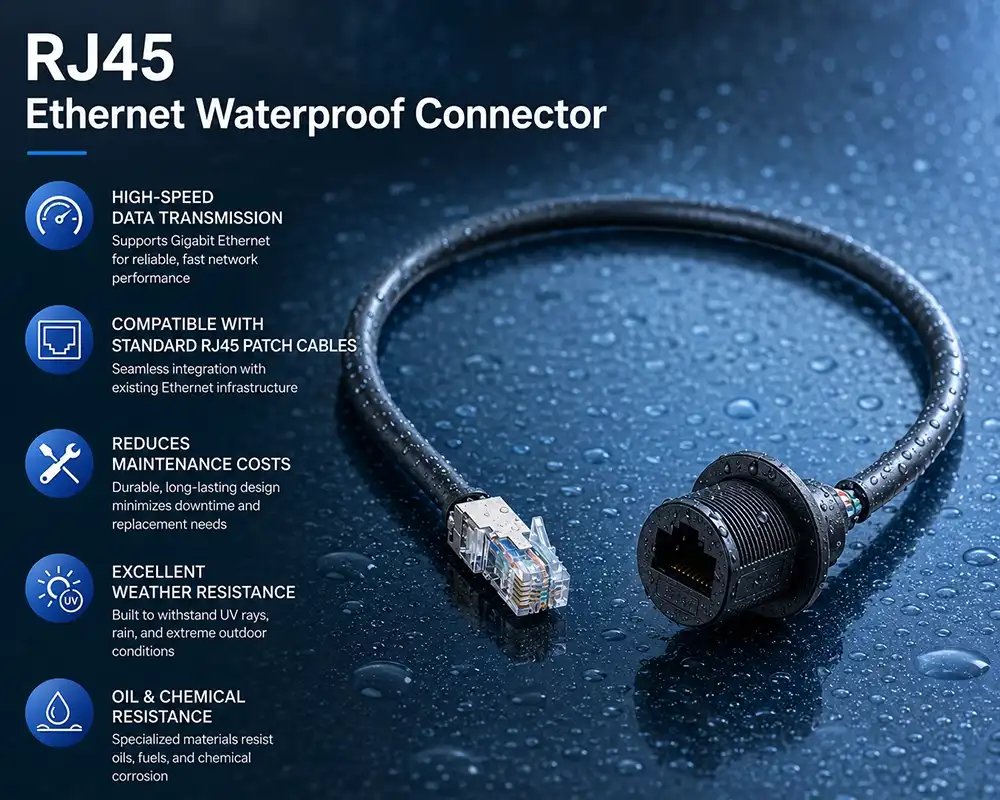
This basic design can be turned into ruggedized interfaces that can work in difficult field situations by adding waterproof versions. Starting with high-quality PA66 nylon shells that withstand UV degradation and mechanical impact, the RJ45 ethernet waterproof connector has several levels of protection. Internal silicone or rubber O-rings make compression seals at three places: where the cable enters the housing, around each wire channel, and where the two parts fit together. Instead of simple latches, threaded locking collars or bayonet mechanisms are used to make sure connections are safe and won't come loose. Putting gold on phosphor bronze contacts keeps them from rusting, even in places where salt spray is present. This building is rated IP67, which means it can withstand dust and water soaking for thirty minutes up to one meter deep. It can also be rated IP68 for longer and deeper exposure.
The change from standard design to waterproof design solves a basic purchasing problem: outdoor networks need connectivity solutions that match the long life of the infrastructure. If you use the right waterproof connector, you won't have to pay for repairs or replacements for standard connectors that corrode every season.
Key Differences Between Waterproof and Standard RJ45 Connectors
Knowing the technical differences between these types of connectors helps buying teams choose the right one from the start. Basic connectivity is different from mission-critical reliability when it comes to material science, manufacturing precision, and performance testing.
Material Composition and Construction Quality
Standard RJ45 ethernet waterproof connector plugs use polycarbonate or ABS plastic that is of a standard grade and is good for indoor use. For waterproof versions, engineering-grade PA66 nylon that has been specially mixed with UV protectors and impact modifiers is used. The mechanical properties of this material stay the same at temperatures ranging from -40°C to 150°C. In waterproof connectors, the contact pins are plated with 50 microns of gold over a base metal of phosphor bronze. In normal versions, the pins are usually plated with 3 to 6 microns of nickel. Gold is very good at conducting electricity and resisting corrosion, so even after 750+ mating cycles in corrosive environments, the contact resistance stays below 20 milliohms. In the same temperature range, silicone sealing bands stay flexible, but cheaper rubber materials used in aftermarket waterproof boots break down or stick together over time.
Environmental Protection Ratings
Standard RJ45 connections don't have an IP rating, which means they're not made to keep water or dust out. Putting on a simple rubber boot might stop direct spray, but it can't help with certified ingress protection. Genuine waterproof connectors are tested by IEC 60529 to make sure they meet IP67 or IP68 standards. For IP67 approval, no dust can get in after eight hours in a test room and no water can get in after thirty minutes at a depth of one meter. For IP68 testing, this goes up to the manufacturer-specified depths and times, which are usually two meters for two hours. Vacuum and pressure difference tests are used in these to find even the smallest seal problems. In order to meet ASTM B117 standards for salt-spray testing, connectors are put through 48 to 96 hours of 5% sodium chloride fog, which is meant to simulate years of exposure to the coast. Only links that don't have any rust or seal damage can go through.
Installation and Field Serviceability
Inserting standard plugs until the latch clicks is as easy as putting a pin in a socket. No tools or special skills are needed. When installing waterproof designs, you need to be more careful to make sure the seal stays in place. The solder-type termination on Cablein's field-installable RJ45 ethernet waterproof connector enables techs to connect wires straight to pins and then seal the assembly into the housing. With this method, you don't have to keep dozens of different lengths of pre-made cords in stock; instead, you can make custom cable lengths on-site. The downside is that they take a little longer to install—usually five to eight minutes instead of thirty seconds for standard connectors. This investment, on the other hand, pays off when one failed link in a rural area costs hundreds of dollars in truck rolls and downtime.
Benefits of Choosing RJ45 Waterproof Connectors for B2B Applications
Including waterproof connectivity from the start of the project has real benefits in many operating areas. These benefits grow over the years or decades that a system lasts.
Reduced Total Cost of Ownership
Waterproof joints are two to four times more expensive than regular ones at first, which can be shocking for budget reviews. It's not a good comparison because it doesn't take into account lifecycle costs. When an outdoor standard connector fails after six months of use, it takes time to figure out what's wrong, get new parts, and send out an expert. This costs between $200 and $500 per incident, which includes labor, car costs, and lost work time. In the same conditions, waterproof connectors from companies like Cablein usually work for five to ten years without any maintenance. If you spread the extra $15 to $30 cost of the connector out over 60 to 120 months of service, the monthly premium is almost nothing compared to the cost of a single maintenance call that could have been avoided.
Enhanced Network Reliability and Uptime
Industrial automation systems, outdoor surveillance networks, and monitoring platforms for renewable energy all need to be able to connect and communicate without any breaks. Signal gaps caused by water getting in cause more problems. If a CCTV camera goes dark, it could miss important security video. A sensor disconnect could stop an automated production line until workers check that it is safe to restart. An EV charging point that loses its network connection can't process payments. These problems can't happen with waterproof connectors because they keep the electrical characteristics stable even when condensation forms inside equipment cases or rain gets into cable paths. Because they have uniform contact resistance and electrical isolation, packets can flow without being asked to be sent again. This keeps real-time control loops responsive and data lines unbroken.
Simplified Installation in Challenging Environments
Outdoor installation places can be hard to get to, but RJ45 ethernet waterproof connector connections can help with that. Traditional methods need weatherproof junction boxes, careful wire placement to keep water from pooling, and often extra tradespeople to make sure the seals are good. Field-installable waterproof connectors change this. One worker can cut the cables at the exact length they were put to, which gets rid of service loops and extra cable management. The solder-type termination in Cablein's design works with both solid and split wires, so it can be used with any type of cable that your supply chain sends you. Threaded locking collars make it easy to see and feel that they are properly seated, so you don't have to guess if the connection will hold. These useful benefits mean that projects are finished faster and labor costs are lower. This is especially helpful when installation plans are tight or teams work in remote areas with little help.
How to Choose the Right RJ45 Waterproof Connector?
For specification to work, the powers of the connector must be matched with the real-world pressures and performance needs. Both over-engineering and under-protection can be avoided with a methodical review process.
Assess Your Environmental Exposure
First, write down the worst situations that your installation will have to deal with. Will joints be hit by direct water jets from pressure washing, or will they only be exposed to rain sometimes? An IP67 grade is good for rain and small puddles, but IP68 or IP69K protection is needed for pressure cleaning. Materials need to be able to handle certain corrosives, like salt spray, hydrogen sulfide, or hydrocarbon solvents, when they are used in coastal or industrial chemical environments. Extremes of temperature are the same. In desert regions, connectors that are open to the sun might see surface temperatures of 80°C, while in the Arctic, temps could drop to -50°C. Cablein's PA66 nylon design with silicone seals stays strong from -40°C to 150°C, which is enough for most land-based uses. In places like manufacturing, transportation, and rail transit, where standard connectors become loose over time, vibration and mechanical shock need to be taken into account.
Match Technical Specifications to Network Requirements
Electrical performance needs are set by the network infrastructure you already have or plan to build. Cat5e systems that use 100Mbps or 1Gbps Ethernet can handle a little more insertion loss than Cat6 setups that want to use 10Gbps. Make sure that the companies that make connectors say they meet the right TIA/EIA standards and give you details on insertion loss. POE and POE+ use 15 to 30 watts per port, and POE++ can use up to 90 watts. This flow of current makes heat, so check the connector's stated current capacity. For example, Cablein's 20A rating can handle POE++ with room to spare. To keep their electromagnetic compatibility, shielded twisted pair (STP) cables need connectors that have continuous shielding and the right amount of grounding. Check that the connector body has shielding continuity in all directions and that it has grounding tabs that touch the cable drain wires.
Evaluate Supplier Capabilities and Certifications
Datasheets only give you a small amount of information about RJ45 ethernet waterproof connector something. Quality control in manufacturing checks to see if production units match research samples. Getting ISO9001:2015 approval means that quality management is organized, but it doesn't mean that the products will be excellent. CE and RoHS marks show that European rules are being followed, which is important for foreign markets. Listings by UL or ETL provide independent confirmation of safety for sites in North America. Check the supplier's responsiveness and the level of technical support they offer in addition to certifications. Can they make custom cable assemblies where you can pick the size of the conductors, the material of the jacket, and the direction of the connectors? Do they have enough product to meet the deadline for your project? Cablein keeps more than 10,000 of each item in stock and can deliver standard configurations in seven to ten days. Custom orders are delivered on a plan that is flexible and is based on your project's goals.
Case Studies: Successful Applications of Waterproof RJ45 Connectors
Real-world operations show how choosing the right connectors can solve specific practical problems in a wide range of fields.
Municipal Traffic Monitoring Network Upgrade
A medium-sized city got rid of old coaxial video feeds from intersection cameras and replaced them with POE switches-based IP surveillance. In the original plan, each pole was supposed to have a standard RJ45 connector inside a NEMA enclosure. Within three months, morning dew condensation inside shelters caused connection drops that happened from time to time, necessitating service calls almost every week. The city government asked Cablein to provide waterproof connectors with an IP67 rating that could be installed in the field. Over the course of two weeks, technicians fixed up old setups by making sure that the links at both the camera and switch ends were properly sealed. After 18 months, there were no more service calls for connection problems. This saved about $40,000 a year on maintenance costs and made traffic data more reliable for adaptable signal timing algorithms.
Offshore Wind Farm SCADA System
An operator of an offshore wind farm needed to make sure that the controls for the turbine nacelles could talk to the SCADA systems at the offshore substation using Ethernet. The salt spray, high humidity, and changing temperatures in the marine atmosphere destroyed standard connectors in less than six months. The engineering team asked for waterproof connectors with IP68 ratings, stainless steel bodies, and gold-plated contacts that can mate over 1,000 times. After it was set up, the system was always online during two storm seasons, with not a single breakdown due to a connector. The fact that the solution could be installed in the field was especially helpful during commissioning, when final changes could be made to the way cables were routed without having to order new assemblies that were already made.
Automated Greenhouse Climate Control
Distributed sensors connected via Ethernet to centralized controllers were used by a large agricultural operation to automate climate control across 50 acres of greenhouse space. Standard RJ45 connections corroded because of high humidity and water spray from watering systems. This caused sensor errors that made growing conditions worse. When repair staff switched to IP67 waterproof plugs with solder-type field termination, they were able to make cables that were the exact length they needed during installation. This got rid of the cable coiling and extra length that trapped moisture. The higher reliability stabilized environmental data streams, which let temperature and humidity setpoints be more precisely controlled. This led to an 8% increase in crop yield while lowering energy costs.
Conclusion
Choosing between normal and RJ45 ethernet waterproof connectors has a big effect on how reliable a network is, how much it costs to maintain, and how well a project works in harsh settings. Standard connectors work well indoors, but they don't have the right material science, closing technology, or building quality for use in the outdoors or in an industrial setting. Even though they cost more per unit, waterproof versions with IP67 or IP68 ingress protection, corrosion-resistant materials, and designs that can be installed in the field have a lower total cost of ownership. When buying something, people should think about how it will affect the environment, how well it works electrically, the supplier's certifications, and how well they can help with technical issues. If you buy waterproof connectors from a reputable company, make sure they are properly described. This will keep your connections working even in the toughest situations.
FAQ
Can I retrofit standard RJ45 connectors with waterproof protection?
Aftermarket rubber boots protect against splashes, but they can't get certified IP ratings. These extras don't have the compression seals, threaded locks, and material integration that are built into waterproof connections that are made for that reason. Boots often keep condensation inside instead of letting it out, which speeds up corrosion. For real environmental safety, dedicated waterproof connections are still the best choice.
What IP rating do I need for outdoor installations?
IP67 is good enough for most outdoor uses where it might rain, snow, or get wet from cleaning or splashing water on the ground. IP68 is needed for installations near waterways, buried conduit ends, or places that get flooded on a regular basis. When choosing the right safety levels, you should think about the deepest water that your equipment could go under and how long it could stay underwater during extreme weather.
Do waterproof RJ45 connectors work with standard network equipment?
Yes. Standard RJ45 interfaces, Ethernet switches, POE injectors, and network devices can still work with waterproof connectors. The waterproof cover keeps the cable entry point and mating interface safe. The electrical properties and contact shape are in line with TIA/EIA standards. You can connect waterproof field cables straight to standard equipment ports inside cases that keep them safe.
Partner with Cablein for Industrial-Grade Ethernet Connectivity
Cablein offers tried-and-true waterproof interconnection solutions that are designed to meet the needs of B2B applications that need absolute dependability. We make waterproof connectors that are certified by ISO9001:2015 and comply with many international standards, such as CE, RoHS, ETL, PSE, and SAA. We sell to companies that make industrial automation, outdoor lighting, green energy systems, and infrastructure builders in more than 100 countries. With IP67/IP68-rated housings, gold-plated phosphor bronze contacts, and field-installable solder termination, our RJ45 ethernet waterproof connector product line simplifies inventory management and enables customized cable lengths. We can meet both pressing project deadlines and planned installations because we keep over 10,000 of each item in stock and can send them in seven to ten days.
Cablein offers more than just products; they also offer full technical support, including OEM/ODM tailoring for cable type, length, and connector direction to meet the needs of your particular project. Our engineering team works directly with your R&D and production teams to solve problems with installations and make sure that connectivity solutions work best. Our quick service makes sure that your project goes smoothly, whether you need a sample to be evaluated, bulk pricing for large deployments, or help with problems that come up after the sale. You can talk to our procurement experts about your industrial Ethernet connectivity needs and get full specs for your application setting by emailing nick@cableinco.com or visiting connectorswaterproof.com.
References
1. Institute of Electrical and Electronics Engineers (IEEE), "IEEE 802.3 Ethernet Standards: Physical Layer Specifications and Implementation Guidelines," IEEE Standards Association, 2021.
2. International Electrotechnical Commission (IEC), "IEC 60529: Degrees of Protection Provided by Enclosures (IP Code)," International Standard Publication, 2020.
3. Telecommunications Industry Association (TIA), "TIA-568.2-D: Balanced Twisted-Pair Telecommunications Cabling and Components Standards," TIA Standards and Technology Department, 2018.
4. National Electrical Manufacturers Association (NEMA), "NEMA 250: Enclosures for Electrical Equipment Environmental Testing and Ratings," NEMA Standards Publication, 2020.
5. American Society for Testing and Materials (ASTM), "ASTM B117: Standard Practice for Operating Salt Spray (Fog) Apparatus for Corrosion Testing," ASTM International, 2019.
6. International Organization for Standardization (ISO), "ISO 9001:2015 Quality Management Systems: Requirements for Manufacturing Process Control," ISO Technical Committee Publication, 2015.