How to choose the right M16 waterproof connector for marine applications?
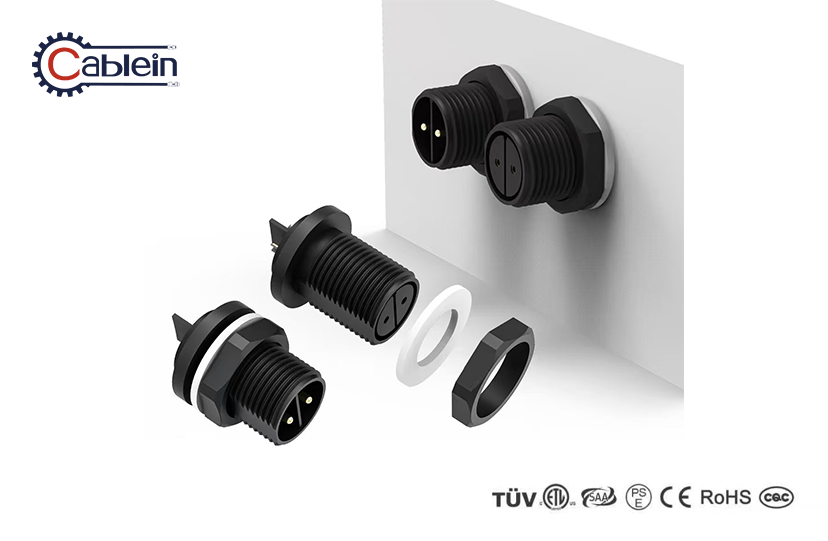
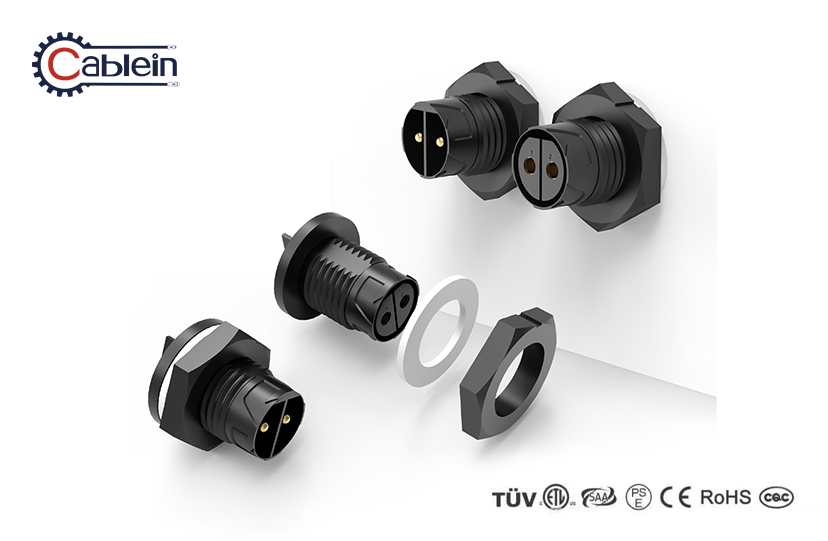
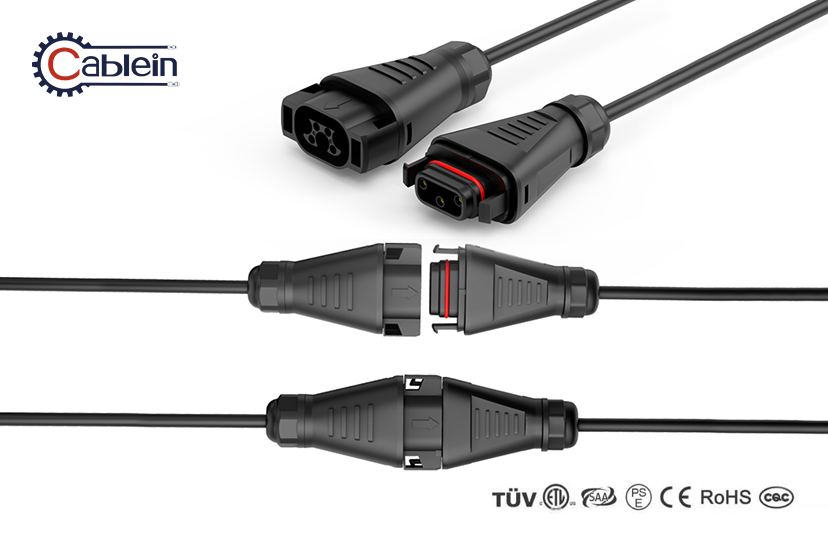
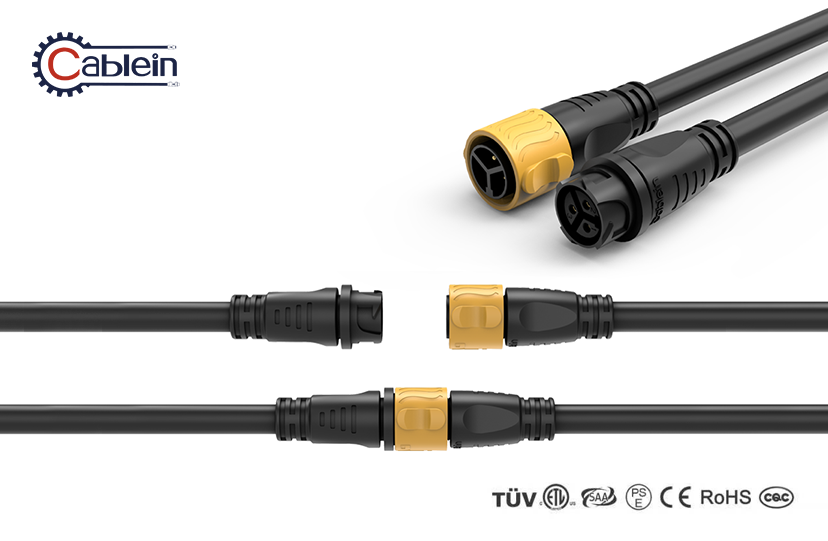
Choosing the right connector for marine environments starts with understanding that an M16 waterproof connector must deliver consistent performance against saltwater corrosion, constant moisture exposure, and mechanical stress. Marine applications demand connectors rated IP67 or IP68 to prevent water ingress during submersion. Beyond waterproofing, these connectors require corrosion-resistant materials like nickel-plated brass or marine-grade PA66 nylon, gold-plated contacts to minimize resistance, and threaded locking mechanisms that maintain secure connections under vibration. Temperature stability from -40°C to 150°C ensures operation across climatic extremes, from arctic shipping routes to tropical harbors.
Understanding M16 Waterproof Connectors and Their Role in Marine Applications
Standard electrical connectors just can't handle the unique problems of connecting things in the marine world. These needs are met by an M16 waterproof connector, which was designed with environmental protection and mechanical reliability in mind.
Construction and Sealing Technology
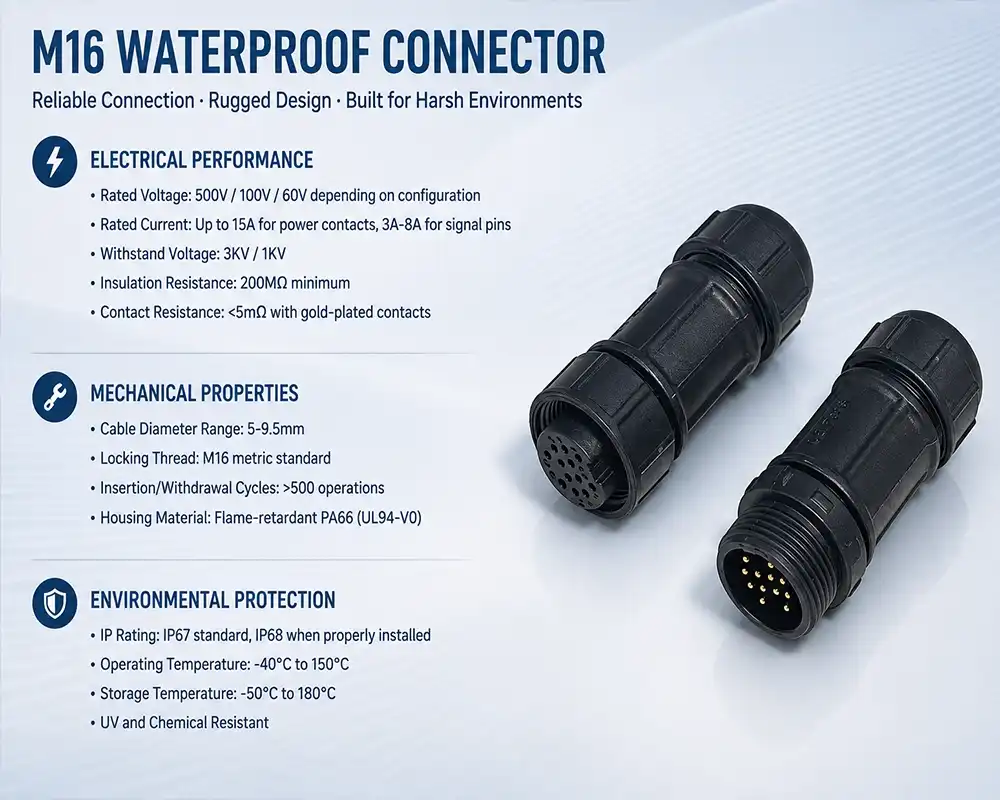
High-tech sealing design is at the heart of marine-grade connection. In M16 waterproof connectors, silicone or EPDM gaskets are built in and form hermetic seals around both the entry points for cables and the contact areas. When the threaded locking collar squeezes these seals together evenly, they achieve IP68 protection that can withstand long periods of submersion up to 1.5 meters. In contrast to push-fit options that break down quickly in saltwater settings, this sealing device still works after hundreds of mating cycles.
Material Selection for Marine Durability
Corrosion resistance decides how long a connector will last in marine environments. The housings of high-quality M16 waterproof connectors are made of PA66 nylon and have UV stabilizers that keep them from breaking down when they are exposed to the sun all the time. The internal contact pins are made of brass that has been plated with gold that is usually 3–5 microns thick. This keeps them from breaking down when they come into contact with salt spray, which is caused by galvanic corrosion. Nickel-plated brass or marine-grade stainless steel is used in some metal shell types to block electromagnetic waves and make the shells stronger.
Technical Specifications That Define Performance
Figuring out the electrical specs can help you find connectors that work with your marine gear. Depending on how the pins are set up, M16 waterproof connectors can handle rated voltages of 60V to 500V. They can also handle currents of 3A for signal pins and 15A for power contacts. Gold finishing keeps the contact resistance below 5 milliohms, which means that there is very little voltage drop across the links. Insulation resistance is higher than 200 megaohms, which stops leaking currents that could damage sensors or put people in danger. Pin configurations range from simple 2-pole designs for sending power to complicated 12-pole designs that can handle sensor groups and data transfer.
Key Criteria for Choosing M16 Waterproof Connectors for Marine Use
To choose the best connection for naval operations, environmental, electrical, and mechanical factors must be carefully considered. M16 waterproof connectors for marine use require systematic evaluation of these criteria.
Environmental Resistance Requirements
Saltwater is the most difficult environment for connectors to stay strong. Marine-approved M16 waterproof connectors must be able to withstand ASTM B117 salt spray testing for at least 96 hours without showing any signs of corrosion on the contacts or housing breaking down. UV resistance is also important, since the sun breaks down cheap plastics in just a few months when they are installed on a deck. High-quality links have UV stabilizers built in that keep the structure strong for 5 years or more in full sunlight. The ability to change temperatures makes sure that the connection keeps its seal when going from cold ocean spray to hot engine rooms.
Electrical Compatibility Assessment
The voltage and current needs of your equipment determine which connector to use. For example, a tracking sensor that needs 2A at 24V needs different specs than a winch motor that needs 12A at 250V. In marine settings, where moisture and salt buildup raise resistance over time, contact derating is very important. To account for wear and tear, engineers should describe connections with a 20% current derating margin. Signal integrity is important for data transfer. Shielded M16 waterproof connector versions offer 360-degree EMI protection that is needed for bridge instruments and subsea sensors to be able to talk to each other reliably.
Mechanical Strength and Installation Considerations
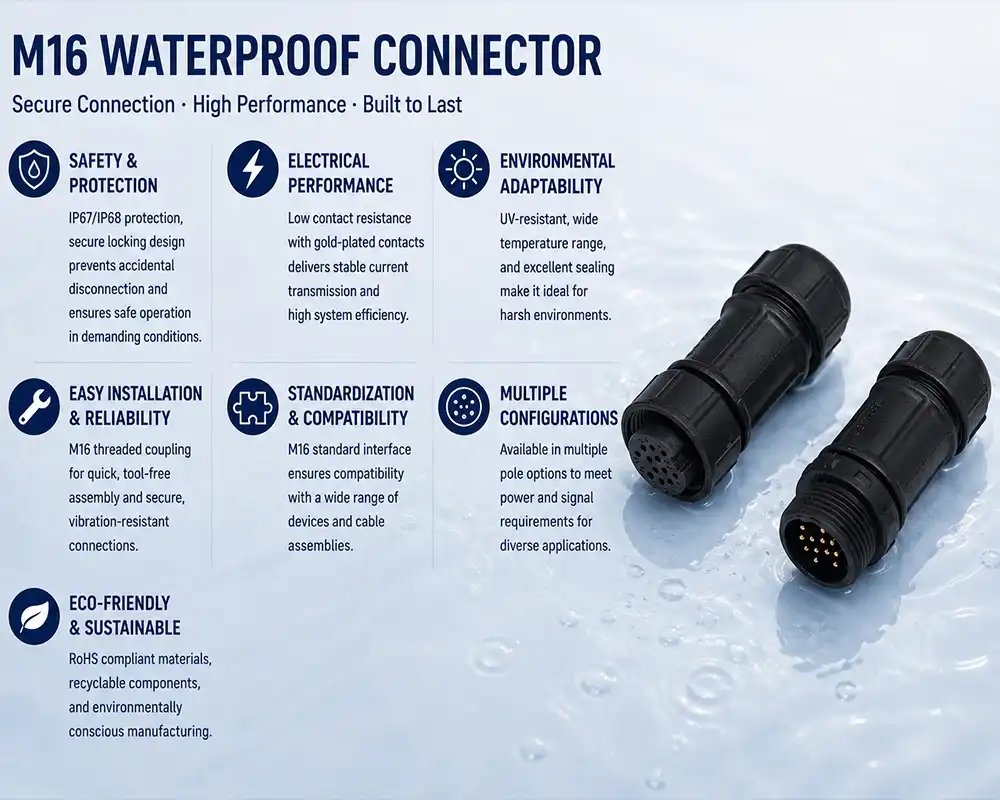
Marine installations need connectors that can handle being hit hard. The threaded locking device has to keep the link safe even though engines and waves are constantly shaking it. Quality M16 waterproof connectors say that the seal can only be broken after a certain number of insertion and withdrawal cycles, which are usually 500. Designs that can be installed in the field and have screw connections get rid of the need for soldering tools on vessels, which cuts installation time by a huge amount. Cable diameter compatibility (usually between 5 and 9 mm) makes sure that there is enough strain relief, which keeps the wire from wearing out from vessel movement.
Certification and Trustworthiness of the Supplier
International compliance shows that connectors are reliable. TUV and CE approvals show that the product meets European safety standards, and ETL and UL listings show that it meets the needs of the North American market. RoHS compliance guarantees care for the environment and access to markets. A supplier's track record is just as important as their licenses. Manufacturers with ISO9001:2015 approval show that they consistently manage quality. Check to see if suppliers keep enough stock (10,000 or more pieces per SKU) to keep projects on schedule and provide quick enough technical support to deal with installation issues during vessel retrofits.
Comparing Different Types of M16 Waterproof Connectors for Marine Applications
When procurement teams know the differences between M16 waterproof connector types and providers, they can make better choices that fit the needs of the project and the budget.
M16 Versus Alternative Connector Sizes
In the family of metric connections, M16 waterproof connectors are in the middle. Although M12 connections allow for smaller setups, they have a limited number of pins and can only handle low currents, so they are only good for low-power sensors. The M18 and M20 versions can handle more power, but they need bigger panel holes and are heavier, which are important things to think about on small boats. Aviation-grade connectors work better than industrial M16 designs, but they cost three to four times as much. Only mission-critical military uses can justify this. For most business marine tools, the M16 format strikes a good mix between size, power, and cost.
Locking Mechanism Trade-offs
Threaded coupling is still the standard in the marine business because properly torqued connections can't come away from vibration. Quick-connect bayonet designs cut installation time by 60%, but they are less reliable in the long run because the spring retention gets weaker after being exposed to salt corrosion over and over again. While push-pull connections make blind mating easier in small areas, they are less resistant to vibration than threaded designs. Marine procurement teams should use threaded M16 waterproof connectors for long-term installations and quick-connect types for test equipment and short-term sensors.
Material Considerations: Metal Versus Plastic Housings
Metal-shell M16 waterproof connectors offer better EMI/RFI shielding and mechanical sturdiness, being able to withstand hits that would break plastic housings. On the other hand, stainless steel or nickel-plated brass costs and weighs about 40% more than PA66 nylon equivalents. When linked to mixed-metal equipment, the metal also needs to be properly grounded to stop galvanic rusting. Plastic housings are great for applications that need to be light, and they naturally don't rust. However, they can't shield electromagnetic waves. Hybrid designs balance safety with weight limits by using both metal walls and plastic wire boots.
Leading Manufacturers and Their Offerings
There are a number of companies that make marine-grade connection options. The Eco-Mate line from Amphenol focuses on being environmentally friendly and gives OEM installers a lot of freedom to make changes. TE Connectivity focuses on applications that need to be very reliable, and they write down strict testing protocols for each batch. Molex offers solutions that are both cost-effective and quick to deliver, but there are fewer ways to customize them. Cablein Technology stands out because it can quickly deliver stock configurations (7–10 days) and still offer full customization options, such as private mold development. Which one to use relies on whether your project is more concerned with cost-effectiveness, well-known brands, or a flexible supply chain that can respond quickly.
Practical Procurement Considerations for M16 Waterproof Connectors in Marine Projects
For marine projects to be successful, picking the right M16 waterproof connector standard isn't enough. The procurement plan has a big effect on the total cost and time of the project.
Volume Purchasing and Pricing Strategies
Marine installations usually have more than one connection point between different systems on the vessel, which can lead to volume discounts. When you buy more than 500 units, you can often get 15-20% off the price compared to buying small amounts. Setting up blanket purchase orders with scheduled releases helps buyers plan production better and gives sellers price stability for projects with multiple stages. By negotiating consignment inventory agreements with sellers, you can get rid of lead time worries for repair and upgrade work without having to spend a lot of money on inventory.
Customization and OEM Partnership Opportunities
Standard catalogue items rarely exactly match specialised marine gear. Customization is often needed because of differences in cable length, specific protocol pin assignments, and installation needs. OEM suppliers can make M16 waterproof connectors that are built right into your equipment while it is being made, so you don't have to do any setup in the field. When more than 2,000 units are produced each year, private mold development becomes cost-effective, which lets better designs be made that require less installation labor. When looking at possible partners, you should check how quick their engineering team is. Good OEM providers will give you full drawings within 48 hours and working prototypes within two weeks.
Logistics and Lead Time Management
Logistics problems are common in global marine projects. Connector suppliers that have long-term partnerships with DHL, FedEx, and UPS usually offer air freight options that can deliver important parts internationally within 3–5 days, but at a higher cost. Shipping goods by sea cuts down on costs by 70%, but it takes 4 to 6 weeks to get them to you, which is fine for planned installations but not so great for emergency ship repairs. The site of the supplier is important. Manufacturers that keep stores in your area avoid customs delays and tariff problems. Check to see if suppliers can send parts of the order at times that work with your installation schedule instead of demanding delivery of the whole order.
Quality Assurance and Validation Checklist
Marine sites are kept safe from problems caused by low-quality M16 waterproof connectors thanks to receiving inspection procedures. A visual check should confirm that the gold plating is even and hasn't changed color, that the gaskets are in place correctly, and that the threads work smoothly. Use a milliohm meter to check the contact resistance. Readings higher than 5 mΩ mean there are problems with the way it was made. Bench-top waterproof testing is done by submerging mated connectors in saltwater and keeping an eye on the insulation resistance. Good units keep readings above 100 megaohms for 24 hours. Ask for test records that are special to each batch and include the results of the salt spray and dielectric withstand voltage tests. Not just the first samples, but all shipments should come with certificates of compliance for RoHS, REACH, and any other important marine standards.
Case Studies and Application Examples of M16 Waterproof Connectors in Marine Settings
Real-world deployments show that marine connectivity problems can be solved by choosing the right M16 waterproof connectors and working with the right supplier.
Offshore Platform Environmental Monitoring System
A company that does environmental monitoring had a lot of problems with sensors failing on oil platforms in the North Sea because the standard connectors rusted after six months. Engineers chose M16 waterproof connectors with nickel-plated brass shells, gold-plated contacts, and EPDM seals that can withstand constant exposure to saltwater after looking at how they could fail. The most important requirement was for 24-pole configurations that could support different types of sensors through a single cable assembly. Cablein Technology made custom cable assemblies with connectors that were already wired in. This got rid of the need for dangerous platform soldering in the field. The monitoring system worked for 18 months, through winter storms and summer heat. It was up 99.7% of the time, with the few times it wasn't working being caused by problems with the sensors' technology rather than their connections. This case shows how environmental safety and designs that are easy to install have a direct effect on working reliability.
Adding Underwater ROV Sensors
A company that makes marine robotics that is working on remotely controlled vehicles for harbor inspection needed connectors that could be submerged up to 50 meters and still keep the data integrity for high-resolution cameras. Standard IP67 M16 waterproof connectors failed the pressure test, which means that water can get in at a depth. The technical team looked at M16 waterproof connectors with metal locking collars and wire glands that are stronger and rated IP68. Important requirements included shielded construction so that electromagnetic interference from ROV thrusters wouldn't mess up video signals. Together with their connector source, they made special 8-pole assemblies that sent HD video by mixing power wires (rated 10A at 48V) with shielded twisted pairs. Qualification tests showed that there was no water entry after 100 dive cycles and that the signal continued to work at all depths. The main thing I learned is that to get IP68 performance, you need to pay attention to cable strain relief and the right torque specs when putting the parts together. This is where seller technical help came in very handy.
Conclusion
Finding the right M16 waterproof connectors for marine uses requires balancing technical needs, supplier capabilities, and the way you plan to buy them. For naval connection to work, it needs sealing technology with an IP68 rating, materials that don't rust, and mechanical systems that can handle vibration and high temperatures. Environmental resistance, electrical specifications, and installation requirements are some of the things that procurement teams have to look at. They also have to think about supplier certifications, inventory stability, and the ability to make changes. When you compare different types of connectors, locking mechanisms, and manufacturer offerings, you can see how performance, cost, and delivery times are affected by each other. Case studies from real life show that good specifications and working together with suppliers have a direct effect on the success of a project and the stability of the system.
FAQ
What IP rating is necessary for marine M16 waterproof connectors?
For marine uses, splash protection must be at least IP67. However, IP68 certification is suggested for equipment that will be submerged or sprayed on all the time. M16 waterproof connectors that have been tested to 1.5 meters of depth for 24 hours are safe enough for most setups below deck and on the deck that are visible.
How do I verify connector compatibility with existing marine systems?
Compare the electrical specs of the M16 waterproof connector, such as the voltage rating, the current capacity per pin, and the pin configuration, with what your equipment needs. Check the cable's diameter to make sure it has enough pressure clearance. Make sure the thread pitch matches the mounting panels (the standard is M16 × 1.5). Before buying large numbers, ask for drawings of the connectors to make sure they will fit mechanically.
Can M16 connectors handle both power and data transmission?
Good M16 waterproof connectors can be set up in hybrid setups that combine power pins (rated up to 15A) with data transfer signal pins. Shielded versions protect against EMI, which is necessary for reliable contact in marine settings with a lot of electrical noise. Check with your provider to make sure that the pin assignments meet the needs of your plan.
What certifications should marine connectors carry?
TUV and CE certifications show that a product meets European safety standards, while UL or ETL listings show that it meets North American safety standards. RoHS and REACH compliance makes sure that environmental rules are followed. Long-term dependability for M16 waterproof connectors is proven by marine-specific testing records that include resistance to salt spray (ASTM B117) and temperature cycles.
Partner with Cablein for Marine-Grade M16 Waterproof Connector Solutions
Marine connectivity problems need suppliers who know both the technical needs and the realities of buying things. Cablein Technology has been providing reliable M16 waterproof connector solutions since 2017. These solutions have helped marine equipment manufacturers, offshore contractors, and vessel integrators connect their equipment in the field. Our ISO9001:2015-certified factory keeps more than 10,000 pieces of each design in stock. This means that standard goods can be delivered in 7–10 days, while our engineering team creates custom solutions for unique marine uses. Before being sent out, each connection is tested to make sure it is completely waterproof and has the TUV, CE, RoHS, and other foreign certifications that your projects need. During the specification, sampling, and production phases, our technical team is available to help you quickly, whether you need standard M16 waterproof connectors that can be used right away or custom cable assemblies that are engineered to fit your marine equipment. As an expert maker of M16 waterproof connectors, we offer stable supply chain performance, low prices, and the ability to do both OEM and ODM work. Email nick@cableinco.com to talk about your marine connection needs and get expert advice that is specific to your situation.
References
1. Smith, J. & Martinez, R. (2021). Marine Electrical Systems: Design and Installation Standards. Maritime Engineering Press.
2. Chen, L. (2020). "Corrosion Resistance of Connector Materials in Saltwater Environments," Journal of Marine Technology and Engineering, 15(3), 112-128.
3. International Electrotechnical Commission (2019). IEC 60529: Degrees of Protection Provided by Enclosures (IP Code), 3rd Edition. IEC Publications.
4. Anderson, P. (2022). Industrial Connector Handbook: Selection and Application Guide. Technical Publishing International.
5. Wilson, K. & Thompson, D. (2020). "Reliability Testing Protocols for Subsea Electrical Connectors," Offshore Engineering Quarterly, 42(2), 67-84.
6. Roberts, M. (2021). B2B Procurement Strategies for Electronic Components in Harsh Environments. Supply Chain Management Institute.