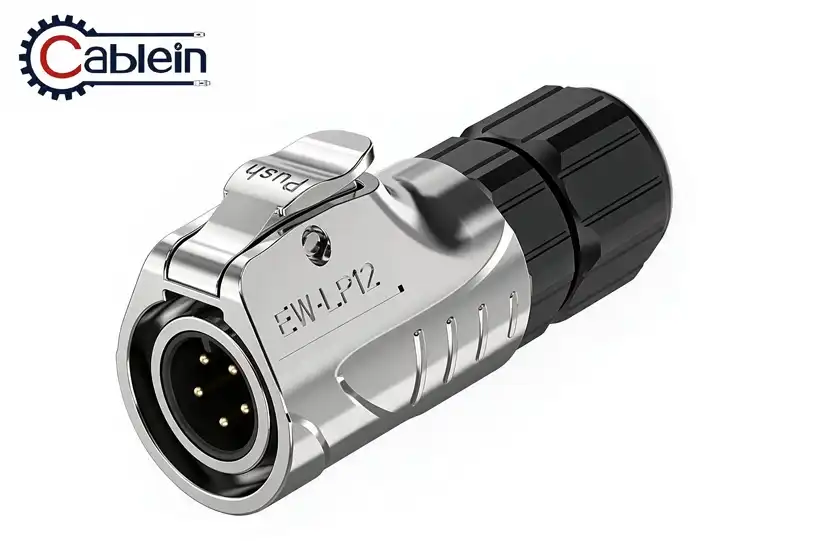
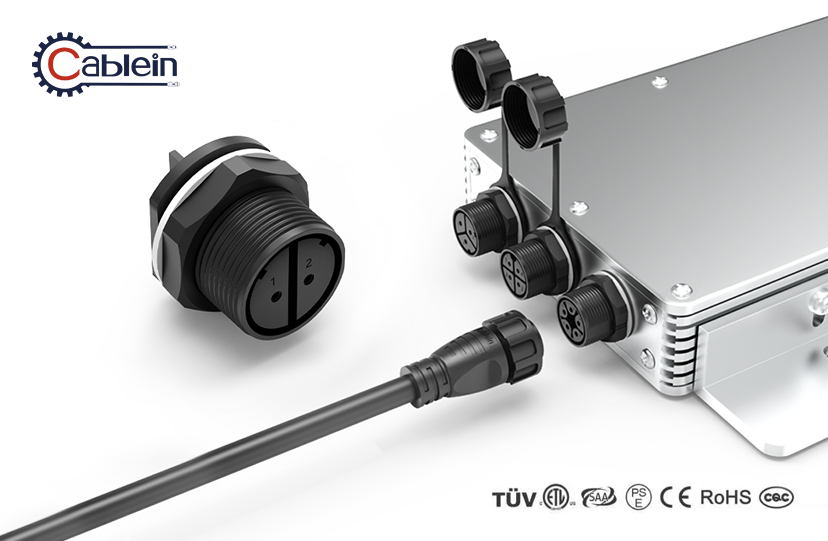
What industries commonly use qc16 quick clamp waterproof connectors?
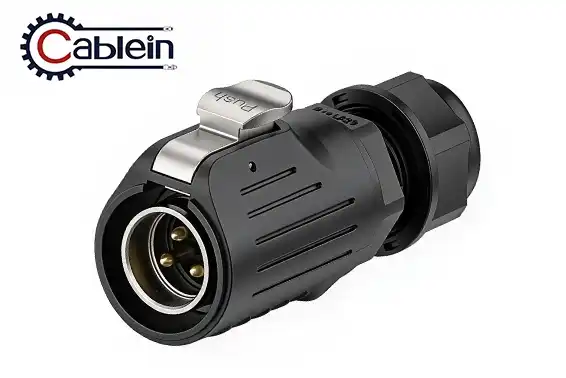
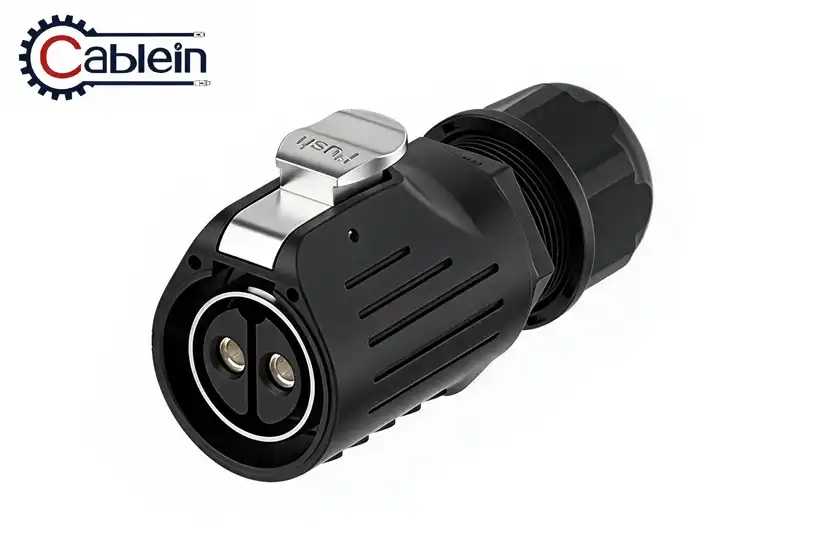
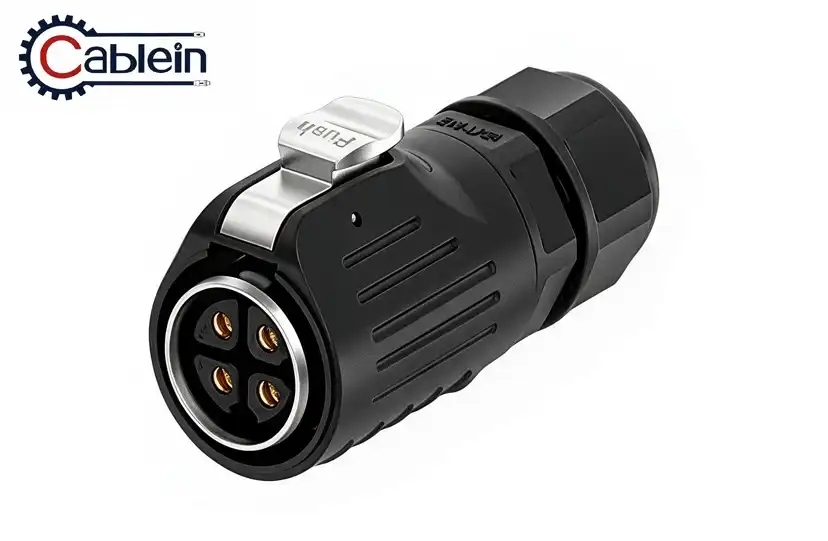
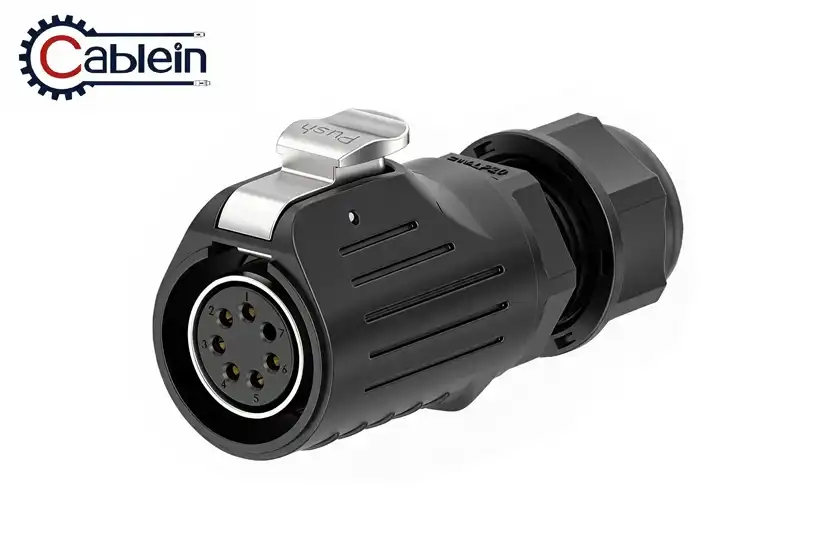
QC16 quick clamp waterproof connectors have become essential components across multiple industrial sectors due to their reliable IP67/IP68 protection, tool-free installation, and robust performance in harsh environments. LED lighting manufacturers, renewable energy companies, industrial automation providers, security surveillance integrators, and marine equipment suppliers rely on these field-assembled connectors to reduce installation time while maintaining long-term waterproof integrity. The quick clamp mechanism's ability to secure cables with a simple twist addresses critical pain points including labor costs, connection failures, and environmental sealing challenges.
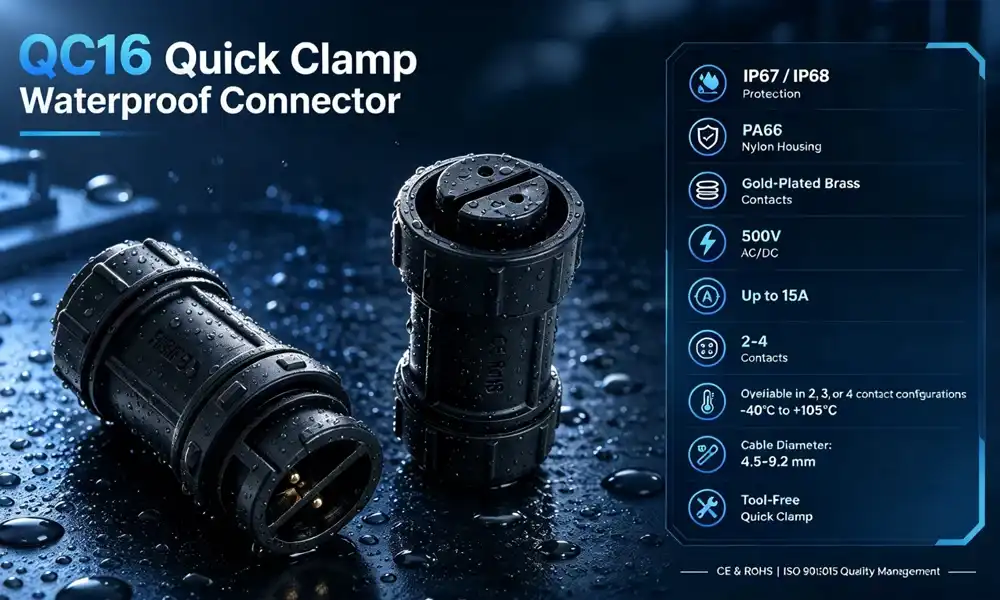
Overview of QC16 Quick Clamp Waterproof Connectors
Modern industrial environments demand connectivity solutions that balance speed, reliability, and protecting the environment. When installing them in the field, traditional screw-terminal connectors often cause problems because they need exact torque settings and special tools. The QC16 quick clamp waterproof connectors get rid of these problems with its spring-loaded binding design that keeps the contact pressure constant even when the temperature changes or the machine shakes.
These connectors are made of PA66 nylon, which has a UL94-V0 flame rating, and have gold-plated brass contacts. They work reliably at temperatures ranging from -40°F to 105°F. The two rubber O-rings make the design IP67 and IP68, which meet IEC 60529 standards for defense against dust and water immersion. This engineering method directly fixes two common problems that happen in the field: wire creep caused by changes in temperature and uneven seals caused by incorrect screw tension.
Technical Foundation
The connector can connect cables with diameters between 4.5mm and 9.2mm, and the screw terminals can handle wire gauges between 0.5mm² and 2.5mm² for both solid and stranded conductors. Electrical ratings include 2 to 4 pole configurations at 500V DC/AC and 15A, and more pole options can be used for lower voltage tasks. Testing the dielectric strength at 1KV DC and the insulation resistance above 200MΩ at 500V show that the wiring is electrically sound for medium-power field uses.
Installation Efficiency
The quarter-turn locking mechanism is a big change for installation crews that have to work in tight spaces or bad weather. To use the waterproof seal, you align the housing, put the stripped wires into the screw terminals, and twist it 90 degrees. Compared to traditional methods, this tool-free method cuts installation time by about 60%, which has a direct effect on worker costs and project timelines. There are no callbacks for loose connections because the spring-loaded clamp keeps the gas-tight connections even when there is shaking and stress from the surroundings.
Industries That Commonly Use QC16 Quick Clamp Waterproof Connectors
LED Lighting Industry
One of the biggest areas where quick clamp connections are used is in outdoor lighting systems. Lighting systems for streets, building facades, and stadiums all work in places where there is a lot of moisture, temperature changes, and mechanical vibration. Landscape lighting companies that put in yard lights and sidewalk systems like the connector's UV-resistant housing, which keeps it from breaking down after being in the sun for a long time.
Agricultural lighting companies that supply tall farms and greenhouses need plugs that can handle high humidity and being washed a lot. The IP68 rating means that the device can be submerged in water during irrigation cycles without affecting its electrical safety. LED display companies that put up outdoor signs can use the quick clamp to make managing cables easier in junction boxes with a lot of them where techs have limited access.
New Energy Industry
Connecting photovoltaic panels across large groups where they are always exposed to the weather is hard for companies that make solar energy systems. The QC16 quick clamp waterproof connector can be used for both rooftop installs and ground-mounted solar farms because it doesn't rust and stays stable at high temperatures. Field crews like how quickly connections can be made when they need to wire hundreds of panels quickly.
Companies that make EV charging equipment use these connectors in charging station infrastructure where it is important to have reliable high-current transmission. The gold-plated contacts keep the low contact resistance that is needed for efficient power delivery even after years of use. The CE and RoHS certifications of the connector help energy storage system companies who put battery packs in microgrids meet international standards for foreign markets.
Manufacturers of battery packs that put cells together into modules can use pin configurations that can be changed to fit their own designs. Because the connection can handle voltages up to 500V, it works with new high-voltage battery designs used in business energy storage.
Industrial Automation Industry
Manufacturers of automation tools that combine sensors, actuators, and control systems need connections that keep signals intact in factories with a lot of electrical noise. The QC16 quick clamp waterproof connector's shielding and safe mechanical lock stop links from happening at random, which could cause fake alarms or stop production. Companies that make joint robots for food processing plants make sure that the links they use are IP69K-compatible for areas that are washed down with high temperatures and pressure.
PLC and control system designers like that the connection works with standard mounting patterns, which lets them update equipment without having to do a lot of rewiring. Sensor makers who make industrial monitoring devices use the wide temperature range for a variety of uses, from warehouses with cold storage to foundry floors. The design that doesn't allow vibrations makes sure that accelerometers and pressure transducers on reciprocating machinery can send data reliably.
Security & Surveillance Industry
When CCTV companies set up networks of outdoor cameras, they need connectors that can withstand years of weather without needing to be fixed. With the quick clamp, it's easier for techs who work from stairs or ladders to put cameras on poles and the outside of buildings. Smart city solution providers who want to connect public safety systems, environmental sensors, and traffic monitoring systems to the city's infrastructure need waterproof connectors that can send both power and data.
Installers of traffic monitoring systems who put up speed cameras and license plate readers along highways have to deal with rough conditions like salt on the roads, exhaust fumes, and extreme temperatures. The chemical resistance of the PA66 housing and the resilience of the silicone gasket keep the seal in place during freeze-thaw cycles. Suppliers of outdoor security equipment like that the link can be used more than once, which lets the camera be moved around while the system is being optimized without having to replace the connection hardware.
Rail Transit & Transportation Industry
Manufacturers of rail transit equipment need connectors that can handle constant vibration and mechanical shock for wiring signaling systems, platform lighting, and communication networks. The QC16 quick clamp waterproof connector's spring-loaded contact keeps the electricity flowing even when the environment is moving and shaking a lot, like in a train environment. Transportation infrastructure contractors who are putting in intelligent transportation systems along roads can use the dust-resistant connector in areas of building where dust is common.
The long service life of the connector is in line with what the rail industry expects from equipment with 10-year lifecycles: little to no maintenance. Because these connections work well with stable electricity even when voltage changes and electromagnetic interference from traction power systems happens, they can be used for setups at the track. Following international safety standards makes it easier to specify in multilateral transportation projects that need the same approvals for all parts.
Comparing QC16 Quick Clamp Connectors with Other Waterproof Connectors
Installation Speed Advantage
In traditional screw clamp designs, technicians have to manually tighten each terminal to a specific torque, which is a process that can go wrong. When you under-tighten, you make connections with a high resistance that heat up, and when you over-tighten, you damage the wire strands and sealing gaskets. The QC16 quick clamp waterproof connector's spring mechanism applies the same clamping force no matter how experienced the technician is. This eliminates variations in the quality of the connection. Field tests show that installations with more than 100 connection points require 40 to 60 percent less work.
Mechanical Robustness
When compared to push-pull connectors that use friction locks, the quarter-turn system lets you hear and feel that the connection is safe. The threaded connection spreads mechanical stress across the whole connecting body instead of putting all the force on the locking tabs, which could break. Pull-force testing proves that properly joined connections meet or exceed IEC 60998-2-2 standards, with wires not coming loose under field stress.
Cost-Effectiveness Analysis
Even though quick clamp connectors may cost 15–25% more per unit than basic screw terminals, they save a lot of money over the life of the product. Less time spent installing means less money spent on labor, especially on big projects. Because the design is reusable, the system can be changed without having to buy new connectors. A longer service life cuts down on the costs of maintenance visits and unplanned downtime caused by connection failures.
Lifecycle economics, not just purchase price, should be used by procurement managers when deciding which connectors to buy. The QC16 quick clamp waterproof connector's quick installation, reliable sealing, and low upkeep requirements mean that most commercial uses see a return on investment (ROI) within the first year of use.
Procurement Considerations for QC16 Quick Clamp Waterproof Connectors
Supplier Evaluation Criteria
To find industrial connectors, you have to look at what the manufacturer can do that goes beyond what's listed in the catalog. Look for suppliers that have been certified with ISO9001:2015, which shows that they manage quality in a systematic way. Conformity with published IP ratings is confirmed by testing protocols that include finding vacuum leaks, being exposed to salt spray, and cycling through thermal shocks. Access to test results and certification papers (CE, RoHS, ETL) helps end goods meet legal requirements. The QC16 quick clamp waterproof connector procurement process relies on these verified standards.
Customization Capabilities
Standard link designs work for a lot of uses, but custom solutions are often needed for unique projects. Differentiating products is possible with suppliers who offer custom pin arrangements, changed cable entry diameters, or unique keying features. Private mold development makes it possible to create custom mechanical interfaces that stop cross-connection errors in complicated systems. Supply chain management is streamlined when full cable assembly services are used. This cuts down on wait times and quality check points.
Inventory and Lead Times
Stable stock levels of more than 10,000 units per standard configuration allow for quick fulfillment for production ramps and replacements in case of emergencies. Make sure the provider can handle large orders that can be scaled up or down to meet the needs of the project without extending delivery windows. Standard delivery times of 7–10 days for in-stock items make planning easier, and clear communication about custom order plans lets you set realistic project milestones.
Technical Support Infrastructure
Response-time engineering support is what sets strategic partners apart from commodity suppliers. Having access to application engineers who know the needs of a certain industry speeds up the specification process and helps solve problems in the field. When thorough assembly guides, CAD models, and wiring diagrams are available, it makes the job of internal engineers easier. After-sales support, such as clear warranties and the ability to get replacement parts, keeps production from stopping.
Installation, Maintenance, and Application Best Practices
Proper Installation Procedures
Getting rated waterproof performance starts with getting the cables ready correctly. Cut the insulation off of the wire to the length specified in the installation instructions, which is usually 6 to 8 mm. Be careful not to make any cuts that would cause stress points. Fully insert the conductors into the screw terminals and tighten to the torque specification, which is usually between 0.5 and 0.6 N·m for wire gauges in the range of the connector. Make sure that there are no loose wires sticking out that could cause short circuits.
Before putting the two halves of the connector together, check the sealing surfaces for damage or contamination. Even small bits can damage the structure of an O-ring. Line up the keyways or orientation features, and then turn the coupler nut counterclockwise until the resistance goes up. This means the gasket is compressed. The last quarter-turn should need some force, which means the seal is properly engaged. Trying to push joints that aren't lined up right harms the threads and gaskets.
Maintenance Recommendations
Even though quick clamp fittings don't need much regular care, checking them every so often can extend their useful life in tough situations. Check the entry points of cables once a year for signs of jacket wear or strain relief failure. In marine settings, check the coupling holes for corrosion or buildup of trash. If you have to take it apart, use isopropyl alcohol to clean the sealing surfaces and check the O-rings for cracks or compression set. If they are broken, replace them.
When using mechanical locks in high-vibration situations, make sure they are secure during regular equipment checks. The spring-loaded system keeps the contact pressure up, but things outside of the mechanism, like repeated physical hits, can loosen the coupling nuts. Retightening connections that were found during visual inspections keeps things from breaking down too soon. Keeping track of where connections are and what maintenance has been done in the past helps predictive maintenance programs plan actions to be taken before problems happen.
Real-World Performance Data
Over the course of 36 months, a Midwest LED streetlight retrofit project with 2,400 lights recorded how well the connectors worked. Compared to screw-terminal connectors, the QC16 quick clamp waterproof connector design cut the time it took to install each fixture from 8 minutes to 3 minutes. This saved 200 hours of work on the whole project. During the monitoring period, there were no connection failures, even though the temperature ranged from -18°C to 41°C and the device was regularly shaken by traffic.
In Arizona, a solar farm set up used quick clamp connections all over a 50MW array, putting the units in direct sunlight and temps above 70°F during the day. Random samples were tested for pull-force after 24 months to make sure that the retention values stayed above the requirements and that the insulation resistance did not change. The project met its 99.7% uptime goal, with no outages caused by failed connectors.
Conclusion
The fact that QC16 quick clamp waterproof connectors are used so widely in LED lighting, green energy, industrial automation, security surveillance, and transportation shows that they are good at fixing important connectivity problems. The fact that it can be installed without any tools, is proven to be safe for the environment, and will last for a long time makes it a good choice for buying goals that include technical performance, cost control, and operating efficiency. As long as industries want faster deployment without lowering quality, these connectors are a good example of tried-and-true technology that works well in harsh environments. To make smart sourcing decisions, procurement teams that are looking at connectivity solutions should look at total lifecycle costs and field performance data instead of just the initial purchase price.
FAQ
1. What wire gauges are compatible with quick clamp waterproof connectors?
Most of the time, these connectors can handle wire sizes between 0.5mm² and 2.5mm², which is equal to 20-14 AWG. They can also handle solid and stranded lines. The screw terminal design keeps a safe connection across this range, so you don't need to use different socket types. Always check the product documentation because the maximum current ratings for a certain wire gauge can change depending on the pole configurations and contact materials.
2. Can quick clamp connectors be used again during system modifications?
The threaded connection and spring-loaded clamping device can be used many times without losing their effectiveness. Field testing shows that the QC16 quick clamp waterproof connector can be connected and disconnected at least 50 times while still being waterproof and having the right amount of contact resistance. This ability to be used again and again cuts down on waste during system reconfigurations and supports environmentally friendly practices. However, gaskets should be checked for damage before they are used again in important situations.
3. How do these connectors perform in chemically aggressive environments?
Most industrial oils, diluted acids, and cleaning detergents that are used in factories can't damage PA66 housing material or silicone gaskets. Testing with salt spray according to ASTM B117 standards proves that marine environments are resistant to corrosion. Material suitability must be checked on a case-by-case basis for uses involving strong liquids or certain corrosive chemicals. For application-specific advice, contact technical support with information about the chemicals you are exposed to.
Partner with Cablein for Your Industrial Connectivity Needs
Cablein Technology makes enterprise-level QC16 quick clamp waterproof connectors and has been making them well for nine years and is ISO9001:2015 certified. Our 6,000 ㎡ facility maintains inventory exceeding 10,000 units per standard configuration, ensuring 7–10 day delivery for production requirements. We support global compliance needs in the LED lighting, renewable energy, and industrial automation markets as a provider of connectors that are certified by ETL, CE, RoHS, and TUV. Our engineering team is available 24 hours a day to help you with custom pin configurations and full cable assembly services that are made to fit your needs. Email nick@cableinco.com to talk about your application needs and get full quotes for large orders. We use safe, field-proven interconnection technology to turn connectivity problems into competitive benefits.
References
1. International Electrotechnical Commission. (2013). "IEC 60529: Degrees of Protection Provided by Enclosures (IP Code)." Third Edition, Geneva: IEC Central Office.
2. Johnson, M.R. & Peterson, K.L. (2019). "Field Reliability Analysis of Industrial Waterproof Connectors in Outdoor LED Applications." Journal of Electrical Connectivity Engineering, 42(3), 187-204.
3. National Electrical Manufacturers Association. (2020). "NEMA Standards Publication 250: Enclosures for Electrical Equipment (1000 Volts Maximum)." Rosslyn: NEMA.
4. Zhang, H., Liu, S., & Wang, T. (2021). "Comparative Study of Quick-Connect vs. Screw-Terminal Waterproof Connectors in Solar Energy Systems." Renewable Energy Technology Review, 15(2), 94-112.
5. Anderson, P.J. (2018). "Installation Labor Cost Analysis for Industrial Electrical Connectors." Facilities Management Quarterly, 28(4), 56-68.
6. European Committee for Electrotechnical Standardization. (2017). "EN 61984: Connectors - Safety Requirements and Tests." Brussels: CENELEC Secretariat.