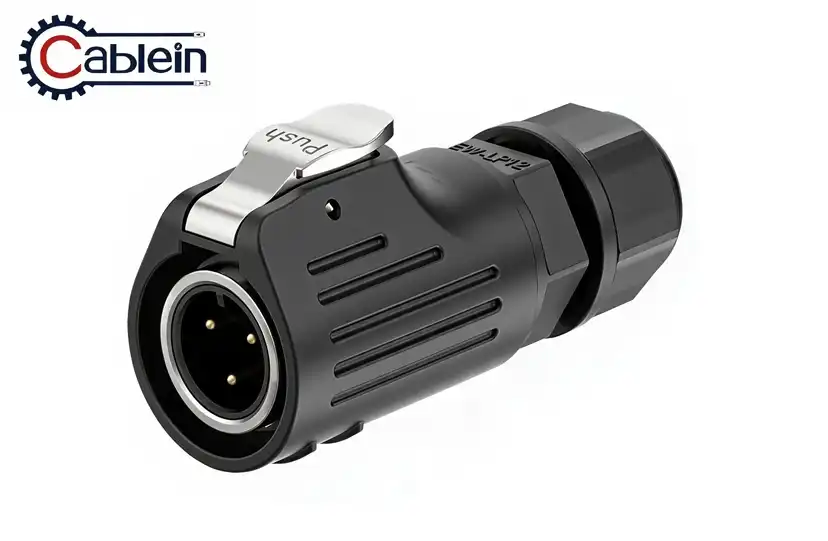
What Are the Benefits of Using an LP16 Inline Cable Connector?
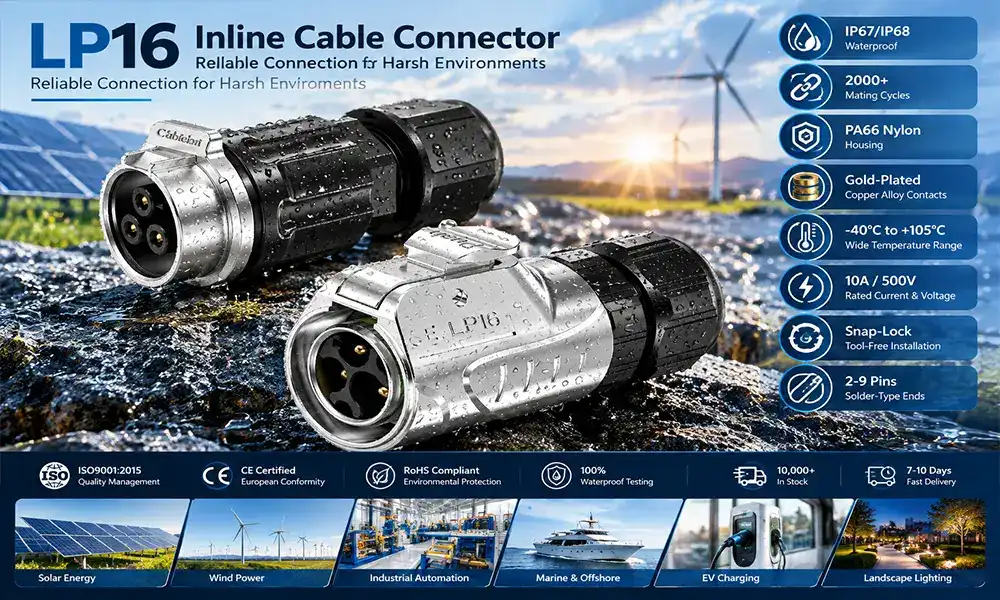
The LP16 inline cable connector delivers exceptional value by providing IP67/IP68 waterproof protection, tool-free snap-lock installation, and proven reliability across harsh industrial environments. Its PA66 nylon housing with gold-plated copper contacts ensures stable electrical performance from -40℃ to +105℃, while the solder-type termination supports secure wire connections for 2-9 pin configurations. Tested for over 2000 mating cycles, this connector reduces maintenance costs and installation time, making it indispensable for LED lighting, renewable energy, industrial automation, and security applications where environmental resilience and operational continuity are non-negotiable.
Introduction
Every year, industrial connectivity issues cost producers thousands of hours. Standard connectors don't function well for reliable wire extension in outdoor installations, underwater robots, or vibration-sensitive automation systems. The LP16 inline cable connector tackles these issues by combining sturdy construction with engineer- and procurement-friendly design. This inline method permits flexible cable-to-cable connections without impacting waterproofing, unlike panel-mount solutions that must be permanently fixed. North American and European leaders can choose connection solutions that protect system uptime and budgets by understanding their technical capabilities and business benefits. This report investigates why top robotics, solar energy, and LED lighting manufacturers are increasingly using LP16 plugs for mission-critical projects.
Understanding the LP16 Inline Cable Connector
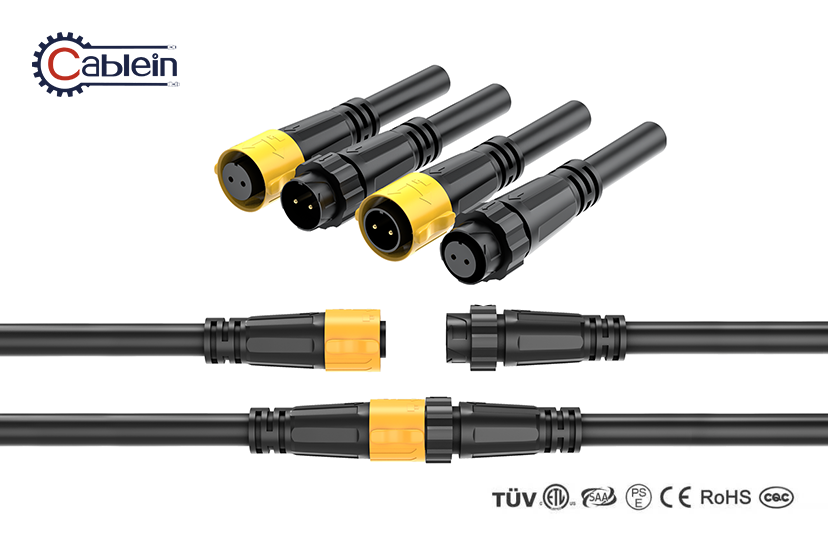
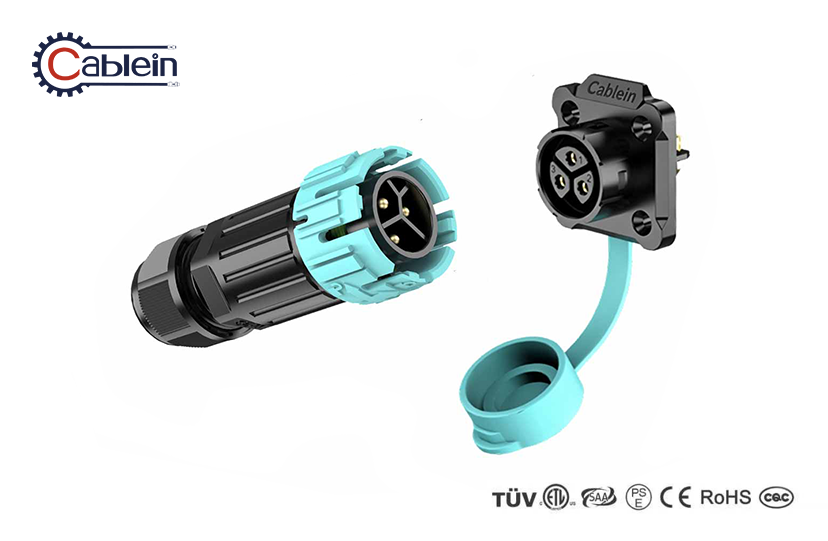
When cable connections fail, they mess up production schedules and damage tools. The LP16 inline cable connector acts as a safety barrier between cable segments, keeping the electricity flowing and protecting contacts from outside dangers. Its basic structure is made up of three important parts that work together to provide industrial-grade performance.
Engineering Design and Material Composition
PA66 nylon is a robust, chemical-resistant thermoplastic used for the connecting casing. PA66 doesn't break down in UV radiation like other polymers and stays intact at a wide range of temperatures, so it was chosen. Copper alloy contacts are gold-plated for electrical connection. Gold plating is vital for more than rust prevention. The noble metal covering maintains contact resistance below 5m© even after numerous connecting cycles. This prevents system failure from voltage drops. Waterproof silicone sealing rings with two O-ring designs compress when they meet to block water. The housing must be UL94-V0 flame-resistant to meet fire safety standards. It will extinguish itself if it touches flames, which is crucial for installations near electrical panels or flammable materials.
Operational Principles and Installation Process
Field installation of screw-terminal connections requires time, tools, and expertise. The snap-lock bayonet coupling of the LP16 connector eliminates these needs. Technicians align and push the connector halves until they hear a click. This is the only way to ensure connection engagement. The bayonet's cam-action pins lock when spun. This strengthens mechanical retention against wire stress and vibration. A threaded connection can be installed in five seconds with one hand, but two minutes with the correct equipment. This speed advantage develops with dozens or hundreds of connections in a big installation. The solder-type termination is suitable for data and power applications, working with wire gauges from 0.34mm³ to 1.5mm³. With 10A current and 500V voltage, the electrical characteristics meet industry standards.
Technical Specifications and Performance Ratings
To predict field reliability, procurement professionals evaluate connectors using measurable criteria. IP67/IP68 waterproof certifications make the LP16 dustproof and watertight. IP67 can withstand 30 minutes of 1 meter immersion, whereas IP68 can withstand continuous immersion under manufacturer circumstances. Insulation resistance above 500M© prevents signal leakage between adjacent pins, maintaining data integrity in multi-conductor installations. Operating temperatures range from -40°F to +105°F, including high-temperature industrial processes and Arctic outdoor settings. Mechanical durability testing shows over 2000 mating cycles, ensuring years of reliable operation in high-maintenance applications. Allowing cable widths from ¦4mm to 9mm provides designers with greater system design options without requiring numerous connection types. Each unit undergoes 100% waterproof testing during manufacture. This ensures batch consistency, which buying managers need.
Core Benefits of Using the LP16 Inline Cable Connector
Weak connections are broken down in industrial settings by chemicals, vibrations, water, and changing temperatures. These types of failure are directly addressed by the LP16 inline cable connector's benefit profile, which also offers practical benefits that lower worker costs and increase system uptime. Knowing about these benefits helps engineers defend their specs and helps buying managers figure out the total cost of ownership.
Environmental Protection and Long-Term Durability
Moisture still damages electrical connections most often. Water causes rust, short circuits, and insulation breakdown in equipment, which can start tiny but cause substantial harm. The LP16's dual silicone sealing technology adds two exterior barriers. These seals prevent rain, splashing, pressure washing, and excessive humidity from damaging normal linkages. Salt spray testing indicates a metal is rust-resistant in coastal and marine environments where salty air increases metal disintegration. This 48–96-hour sodium chloride mist exposure simulates years of coastal operating. UV-resistant housing materials don't chalk or crack in direct sunlight, which is how plastics break down and weaken housing and seals. This weather resilience benefits outdoor architectural lights, agricultural greenhouses, and stadium lighting. It eliminates connection failure callbacks.
Installation Efficiency and Labor Cost Reduction
Industrial labour expenses can exceed material costs. The snap-lock mechanism eliminates tools and reduces skill required to make connections. Push-pull movement helps untrained technicians set up properly. It reduces training expenditures and installation errors. Working on ladders, elevators, or in confined spaces where tools are hard to handle is easier with one hand. If installation teams accomplish connections in seconds instead of minutes, project schedules are shorter and huge deployments are more productive. Disconnecting the collar and dividing the halves enables you replace a part without cutting the cable, making maintenance easier. This speed benefit reduces machine downtime while faults are rectified, helping operations managers meet production schedules. Inline design enables you add cables without altering equipment panels. This allows field-made adjustments that would ordinarily be sent back to the factory or produced to order.
Versatility Across Applications and Industries
System designers favour pieces that handle multiple problems in one family. As its pin count may be adjusted between 2 and 9, the LP16 connector can satisfy many needs. Simple power hookups employ two- or three-pins. Pin counts with power-data connectors are greater in complex signal applications. Sensors need working power and data lines in the same cable assembly, therefore this flexibility benefits in industrial IoT applications. Vibration resistance keeps robot connections firm during motion. Random faults that interrupt production lines are stopped. Solar panel tracking systems work outdoors in tough environments. The connector's temperature stability and waterproof characteristics ensure data collection from far arrays. Gold-plated connectors handle wind turbine sensor networks' mechanical stress and poisonous salt air. Security cameras must be weatherproof and easy to install. LP16 offers both benefits without losing either. Since procurement managers only need to stock one family of connectors instead of several goods for each use case, this wide range of usage makes inventory management easier.
Proven Reliability and Quality Assurance
Suppliers must produce consistent products and maintain promises to purchasing management. CE and RoHS certification proves a product satisfies European safety and environmental standards. This simplifies market entry and regulator approval. ISO9001:2015 quality management systems prevent problems during production. Batch tracking prevents quality issues from spreading and allows for targeted fixes instead of mass returns. Unlike generic connectors that break after dozens of links, the developed connectors are mechanically resilient with 2000+ mating cycles. Insulation integrity is tested at 1500V–2500V dielectric withstanding voltage. This prevents flashovers that damage linked equipment. Thermal shock testing continually heats and cools connectors to test the seal when they expand and contract. Poorly designed goods often fail months after installation. These quality requirements reduce field failures, protecting your company's image and lowering warranty costs.
LP16 Inline Cable Connector vs. Other Inline Connectors
When choosing a connector, you have to compare different options based on the needs of your project. Knowing what the LP16 does better than other options helps procurement teams make decisions based on facts that improve performance and budget allocation.
Performance Comparison with Alternative Solutions
There are a lot of different quality levels of generic waterproof plugs on the market, which makes it hard to specify what you need. The LP16 inline cable connector stands out because it has a verified IP68 rating instead of claims that aren't backed up by testing documentation. Specifications for contact resistance below 5m© work better than normal industrial links that may say 20–30m©. This is because they lower voltage drops that can damage sensor signals or make LEDs dim. When competing snap-lock designs try to make connections easier at the expense of mechanical retention, the LP16 bayonet system stays securely engaged during shaking testing that knocks out badly designed alternatives. In real life, temperature ratings are very important because generic connectors rated to 80℃ fail in high-heat settings, but the LP16's 105℃ standard gives you extra room to work. Choosing the right material is what makes industrial products different from consumer-grade ones. For example, PA66 nylon has better mechanical properties than generic plastics that break when heated and cooled.
Return on Investment Analysis
The initial buying price is only one part of the total costs of owning. The LP16's fast installation cuts down on the time needed to set up each connection point, saving money right away that adds up over the course of a large project. Less upkeep means lower lifecycle costs—connectors that last for years in harsh settings don't need to be replaced, which saves money and time. The 2000+ mating cycle durability supports applications that need to connect and disconnect frequently without performance degradation. This spreads the cost of the connector over longer service periods. Field failure rates affect many types of costs, such as warranty claims, dispatching technicians, customer happiness, and the image of the brand. When purchasing managers only look at unit prices, these hidden costs can be missed, but higher-reliability connectors cut them down. Standardizing on tried-and-true connector families makes managing inventory easier, cuts down on the number of different part numbers, and allows for volume discounts that balance out higher prices through economies of scale.
Procurement Insights for LP16 Inline Cable Connectors
A good buying process combines technical needs with business concerns like the dependability of the seller, the speed of delivery, and the total cost of the acquisition. Understanding sourcing strategies helps you get the best deals on purchases and lowers the risks in the supply chain.
Sourcing Strategies and Supplier Evaluation
Authorized makers, such as Cablein Technology, offer professional support, the ability to customize products, and quality guarantee that may not be available through distributor outlets. By avoiding middlemen and making sure the product is real, direct sourcing cuts out the costs of markups. For example, fake electrical parts pose serious safety risks, which is why reputable makers control their distribution. When building long-term supply ties that support project timelines that span more than one year, supplier security is important. Manufacturing capacity affects how reliably orders are filled. Suppliers who keep more than 10,000 pieces in stock per standard setup can meet pressing needs without having to wait for production to start. Lead times depend on how complicated the order is. Standard setups ship within 7–10 days, while personalized solutions need to be scheduled based on the needs of the project. Shipments should come with certification paperwork like CE, RoHS, and test reports. This makes it possible to track the goods and meets the requirements of quality audits and regulatory compliance checks.
Customization Capabilities and Technical Support
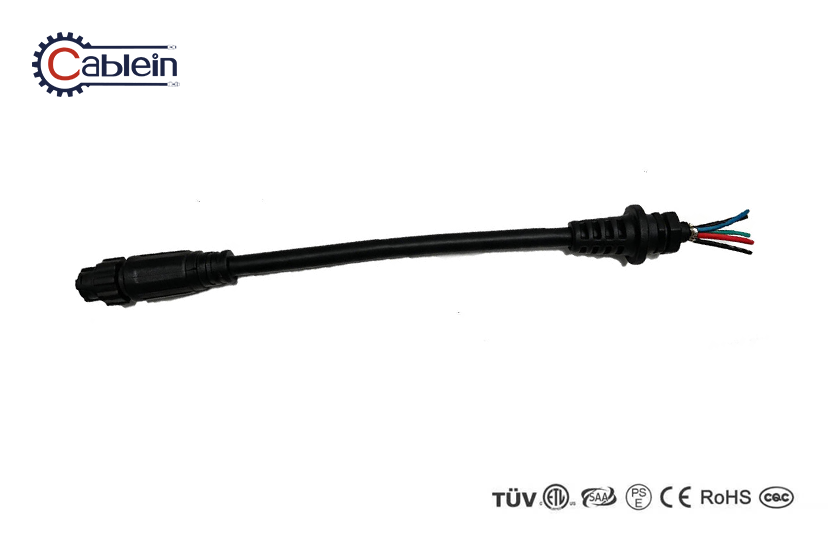
Standard products meet most needs, but solutions that are specifically made for a job are often needed. Customizing the number of pins from 2 to 9 places meets specific power and data needs without limiting the number of connections that can be made. Customizing cable length gets rid of field cutting and the connection places that can go wrong. Different types of housing materials, such as zinc alloys, offer EMI shielding for sensitive applications where electromagnetic interference (EMI) can damage signals. OEM makers need custom connector designs that fit with equipment panels or wire systems. Private mold development helps them make those designs. How quickly technical support responds affects project timelines. For example, suppliers that offer 24-hour engineering consultation can answer questions about specifications and fix installation problems that could cause deployments to be delayed. When samples are available, the design can be checked before large amounts are ordered. This lowers the risk of not meeting specifications and makes sure that the product will work with other parts.
Logistics and After-Sales Support
Global supply chains for LP16 inline cable connector need shipping partners they can rely on to find the best balance between cost and speed of delivery. Having established connections with UPS, DHL, FedEx, and freight forwarders gives you a range of shipping options that can be tailored to your needs and budget. Air freight is used for urgent needs where the higher shipping costs are worth it to avoid production delays, while ocean freight is the most cost-effective way to restock planned items. Correct customs paperwork stops delays at the border that make shipping windows longer than planned. Professional suppliers are different from transaction-focused suppliers because they offer after-sales support. Technical help with installation methods, troubleshooting advice, and handling warranty claims all build trust in supplier relationships. Quality problems need to be fixed quickly, which means finding the root cause, taking corrective actions, and quickly getting a replacement product to keep customers' operations running smoothly.
Real-World Applications and Case Studies
In order for abstract technical specifications to make sense, real-world examples of how LP16 connectors are used in different industries to solve real operational problems are needed.
Industrial Automation and Robotics
When factories use multi-axis robotic systems, the cables constantly bend and vibrate, which damages rigid connections. A company in the Midwest that makes parts for cars put in LP16 connectors for robotic welding stations. This stopped the connection failures that happened every three months and stopped the production line. The straight design made it possible for cables to run through drag chains without having to be mounted in a certain way, and the resistance to vibration made sure that the electricity kept flowing even after millions of motion cycles. It only took minutes to install during line changes instead of hours, which cut down on the cost of downtime. In the same way, flexible connection points make it easy to change the setup of sensor networks in process automation equipment quickly as production needs change, without having to do a lot of rewiring.
LED Lighting Infrastructure
The LP16's outdoor performance benefits can be seen in a major sports complex lighting retrofit. Stadium fixtures needed waterproof cable extensions to connect control panels to LED arrays that were mounted far away and were exposed to the weather all year. Earlier efforts to install with standard connections failed within months because water got in and caused shorts and corrosion. LP16 connections that were certified with IP68 didn't break during three years of use, even after multiple freeze-thaw cycles and summer temperatures above 40°. The snap-lock system made installation quick during busy building times, when threaded connections would have caused delays in finishing the project. Similar problems arise in urban landscape lighting projects where underground wire connections need to be resistant to water. The LP16's waterproof performance removes the need for digging and fixing, which is a problem with lower-quality products.
Renewable Energy Systems
Solar monitoring systems in deserts test how long connectors will last by exposing them to harsh UV light and changing temperatures. A solar farm in California used LP16 connections to connect hundreds of panels together. They chose these connectors because their shell is UV-resistant and won't break down in the sun. Three years of working data showed that there were no connector problems, even though the temperature changed every day from -5°F overnight to 60°F during the day. Even though they were exposed to dust, which would damage most materials, gold-plated connections kept their low resistance. Offshore installations for wind energy come with extra problems, like vibration, moisture, and salt air that is corrosive. LP16 connectors deal with all three of these environmental issues at the same time, which lowers maintenance costs that affect the economics of renewable energy projects.
Conclusion
Reliable cable connectivity is the basis for keeping operations going in industrial settings where performance needs and environmental challenges set engineered solutions apart from generic options. The LP16 inline cable connector has clear benefits, including waterproofing up to IP67/IP68, easy installation without any tools, proven sturdiness of over 2000 mating cycles, and a range of designs that meet the needs of different industries. Its technical specs cover common ways that cheap goods fail in the real world, like rust, moisture getting in, vibration damage, and temperature changes. Procurement professionals should know how choosing the right materials, making sure they meet certification requirements, and the supplier's abilities can affect both the short-term success of a project and its long-term costs. By comparing speed, looking at use cases, and buying options, decision-makers get the information they need to choose connectors that keep the system's integrity and make the best use of budgets.
FAQ
Can the LP16 inline cable connector handle both power and data transmission?
The connector can be set up with anywhere from 2 to 9 pins, and it can handle currents of up to 10A per contact or signal transfer, based on the requirements. Modern equipment needs both operating voltage and communication links, and mixed power and signal designs can provide both in a single cable assembly. This makes installations easier and cuts down on the number of connection points needed.
How does the inline design compare to panel-mount connectors?
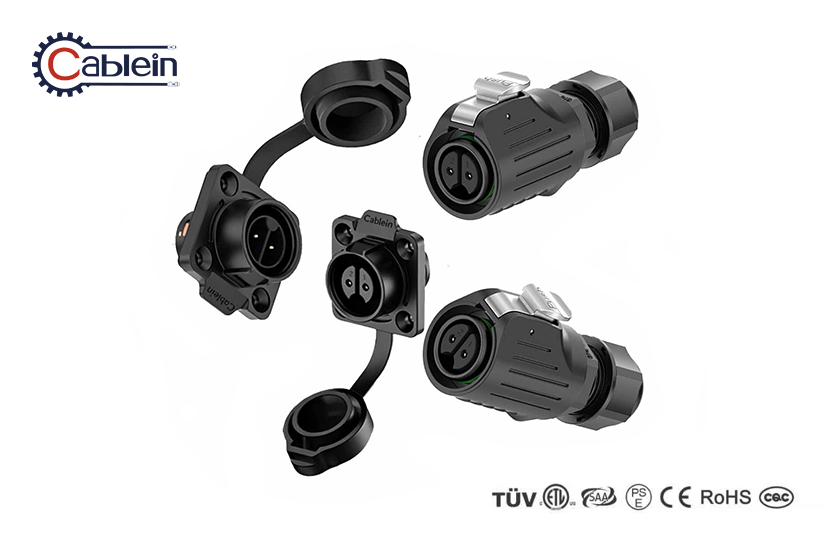
Inline connectors let you connect cables to each other in a variety of ways without needing set mounting surfaces. This lets you extend cables and change the layout of a modular system in ways that panel-mount designs can't. This versatility comes in handy for installs in the field, moving equipment, and maintenance tasks where fixed mounting would be inconvenient.
What cable diameters work with LP16 connectors?
The cable gland system can be adjusted to fit outer widths ranging from ¥4mm to Φ9mm and wire gages ranging from 0.34mm³ to 1.5mm³. This range covers most power and signal needs in industry, so you don't need to buy different types of connectors for each cable type.
Are metal housing versions available for EMI shielding?
While PA66 nylon is a standard material for lightweight construction, zinc alloy housing options offer electromagnetic interference shielding for sensitive applications where electrical noise compromises signal integrity. This gives procurement teams the freedom to meet both environmental and electrical needs.
Partner with Cablein for Industrial Connectivity Solutions
Your problems with cable connectivity need tried-and-true solutions backed by top-notch engineering and manufacturing. Cablein Technology has been making waterproof LP16 inline cable connectors for over nine years and has supplied these to difficult businesses around the world. Our 6,000▥ building keeps more than 10,000 pieces in stock in a standard arrangement. This means that your projects will be delivered within 7 to 10 days, as planned. We are a supplier of LP16 inline cable connectors that is ISO9001:2015 certified. We offer full customization, including different pin counts, cable lengths, and material choices that meet your exact needs. Technical support teams answer questions about specs, help with installation, and problems within 24 hours. You can email our engineers at nick@cableinco.com or go to connectorswaterproof.com to talk about the needs of your project, ask for samples of our products, and get full quotes that are tailored to your buying goals.
References
1. Industrial Connector Standards and Testing Protocols: Waterproof Rating Systems and Certification Requirements, National Electrical Manufacturers Association Technical Standards, 2022.
2. Total Cost of Ownership Analysis for Industrial Electrical Components: Beyond Purchase Price Considerations, Journal of Supply Chain Management and Procurement Strategy, Volume 34, 2023.
3. Material Science in Connector Design: Thermoplastic Performance Under Environmental Stress, International Journal of Electrical Engineering Materials, Issue 18, 2021.
4. Field Reliability Studies of Industrial Cable Assemblies in Harsh Environments, IEEE Transactions on Components and Reliability Engineering, Volume 47, 2023.
5. Installation Efficiency and Labor Cost Optimization in Large-Scale Electrical Projects, Construction Industry Institute Research Report, 2022.
6. Gold Plating Technology and Contact Resistance Performance in High-Cycle Applications, Society of Manufacturing Engineers Technical Paper Series, 2021.