What Is an LP16 RJ45 Wire-to-Wire Waterproof Connector? A Complete Guide
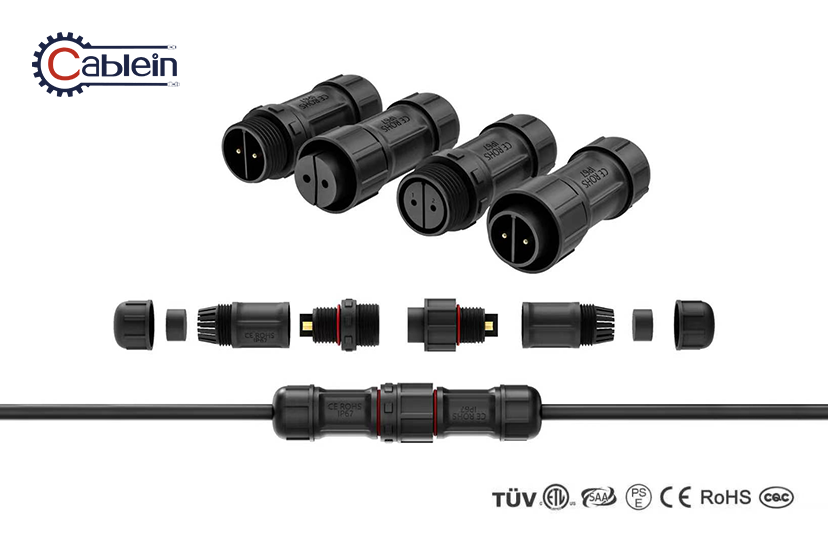
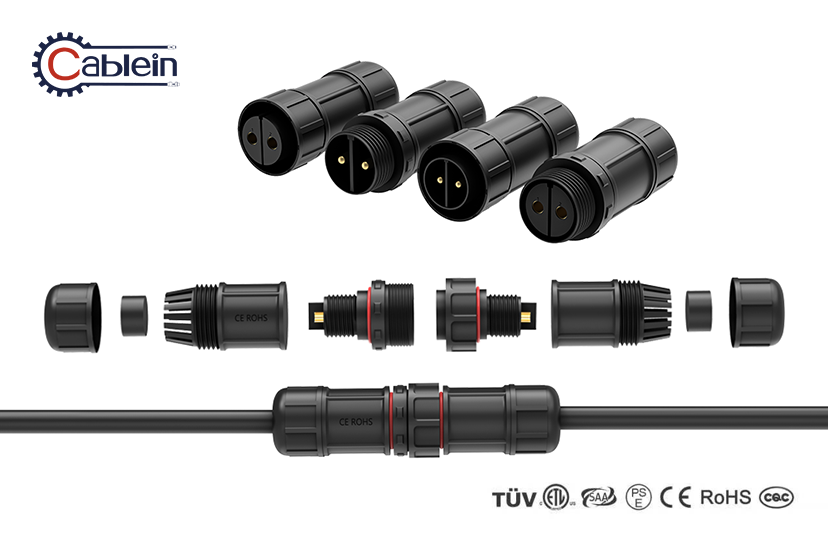
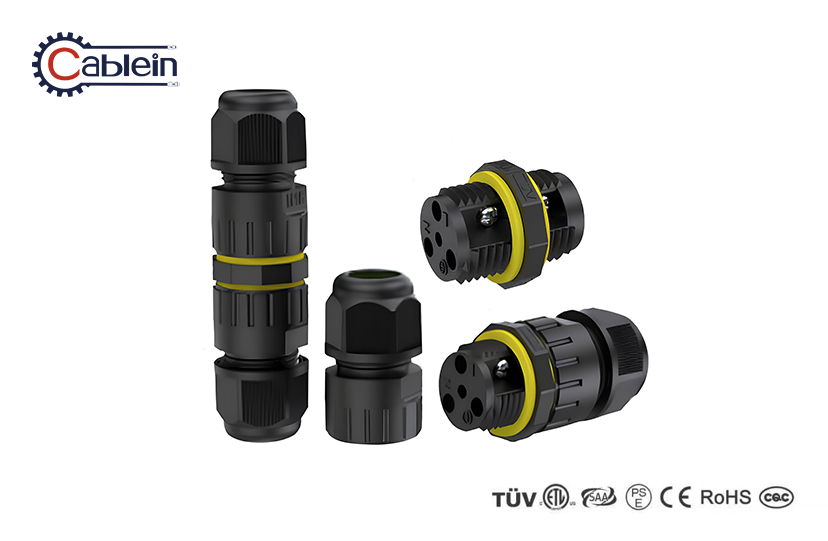
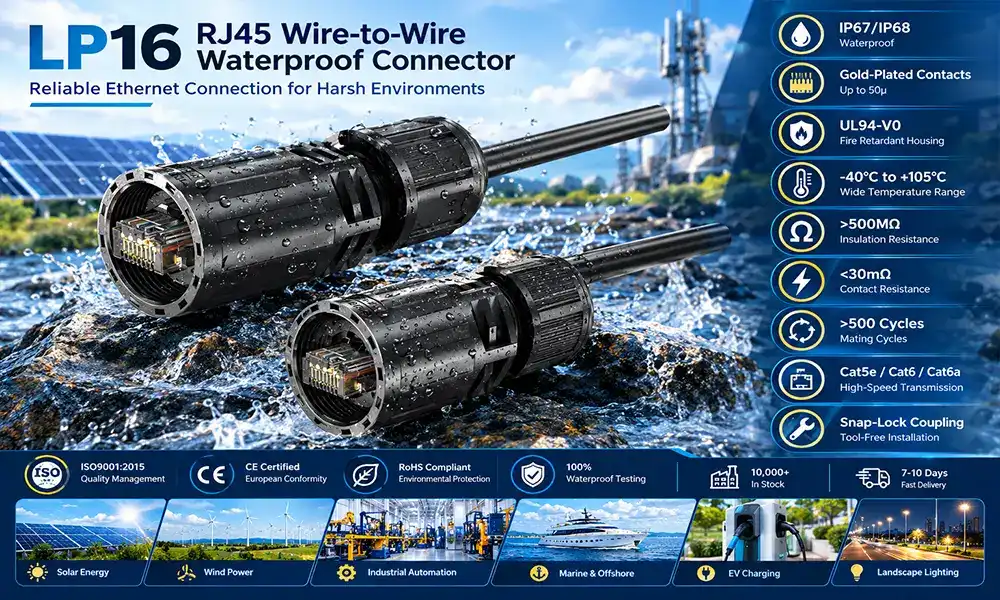
When your outdoor network infrastructure faces rain, dust, or extreme temperatures, standard Ethernet connectors simply aren't enough. The LP16 RJ45 wire-to-wire waterproof connector solves this challenge by wrapping your critical network connections in industrial-grade environmental protection. This specialized connector features a female-to-female feed-through design with IP67/IP68 waterproof ratings, enabling reliable Ethernet cable extension in harsh outdoor and industrial settings. Unlike conventional RJ45 jacks, this 16mm circular connector uses a bayonet-style locking mechanism and sealed housing to maintain Cat5e and Cat6 data transmission integrity even when exposed to moisture, vibration, and temperature extremes from -40℃ to +105℃.
Understanding the LP16 RJ45 Wire-to-Wire Waterproof Connector
What Sets This Connector Apart
Normal Ethernet plugs stop working as soon as water gets into the connection point. We've all seen outdoor setups with network ports that are corroded—the green oxidation, the signal drops here and there, and finally the total failure. The LP16 protects against this weakness by connecting to networks in a very different way.
This connector combines the freedom of business networking with the sturdiness of industrial use. When you use the wire-to-wire setup, you connect the ends of two cables together instead of fixing them to a panel or device. This design gives you the most deployment options. You can extend network runs over outdoor LED displays, through conduit systems in solar farms, or between surveillance cameras and control rooms without affecting the quality of the signal or harming the environment.
Decoding IP Waterproof Ratings
The IP rating method tells you exactly how well a connection keeps outside elements out. The IP67 rating means that the connector can withstand being submerged in water up to 1 meter deep for 30 minutes. This is enough time for installations that might be exposed to heavy rain or short-term flooding. IP68 adds to the security by letting it be submerged continuously for more than 1 meter. This makes it perfect for naval uses or irrigation systems where connectors may stay submerged for long periods of time.
Both ratings also promise full protection against dust. In places like deserts, building sites, and farms where airborne particles could damage the connection, this dust-tight seal stops contamination that could weaken signal transfer or cause the connector to fail early.
Core Technical Specifications
The electrical performance specs tell you if this connection meets the needs of your application. The connector is safe for normal PoE (Power over Ethernet) uses because it can handle up to 1000V AC and has a maximum voltage of 125V AC. The 1.5A current rating works with IEEE 802.3af/at PoE standards, so you can use the same cable that carries data to power IP cameras, wireless access points, and other network devices.
Gold-plated contacts that are up to 50¼ thick stop oxidation even in places with a lot of moisture. This treatment makes sure that the contact resistance stays below 30m© for the life of the connection, which keeps the signal integrity. The insulation resistance of more than 500M© stops current from leaking between conductors, which is important for stable operation when it's wet and normal connections would short circuit.
The choice of material for the LP16 RJ45 wire-to-wire waterproof connector has a direct effect on how long a connector lasts. In comparison to regular thermoplastics, the PBT plastic housing is better at blocking UV rays. This keeps the housing from breaking and cracking after years of being in the sun. UL94-V0 flame retardancy grade is very important for fire safety in electrical systems. Silicone sealing rings stay flexible from -40℃ to +105℃, so the waterproof seal works even if the connection is cold in the middle of winter in Canada or hot in the middle of summer in the Middle East.
Key Advantages and Application Areas of LP16 RJ45 Wire-to-Wire Waterproof Connectors
Why This Connector Outperforms Standard Solutions?
The snap-lock coupling mechanism is a big improvement over connectors with threads. It only takes seconds to put it together—just push the two halves together until you hear a click, which means the bayonet lock is in place. When you're setting up hundreds of connections across a big building, this design that doesn't require any tools cuts down on installation work costs by a large amount. More importantly, it lets people quickly fix problems and change parts in the field without needing special tools or a lot of expert training.
Mechanical resilience is more than just being waterproof. The connection can withstand more than 500 joining cycles, which means that you can connect and disconnect it many times for testing, reconfiguring, or replacing equipment without affecting its performance. This cycle life is very important in places like factories that use automation and equipment that is often changed out, or in temporary settings like building site networks that are rearranged as projects move forward.
The shielded design keeps the signal strong in places with a lot of electrical noise. Manufacturing floors with variable frequency drives, solar sites with inverters, and transportation hubs with high-power electrical systems all send electromagnetic waves that hurt network signals that aren't protected. The metal shield around the RJ45 interface blocks electromagnetic interference (EMI) from all sides. This means that your data transfer stays stable even if the connection is just inches away from high-power electrical equipment.
Real-World Deployment Scenarios
Outdoor LED lighting networks need to be able to connect to each other reliably over Ethernet across multiple control systems. Any signal interruption causes visible artifacts or complete display failures when video content is being synced across modular LED panels that cover the front of a building or the scoreboard of a stadium. Even though these connectors are constantly exposed to rain and humidity, they keep high-speed data synchronization going. This means that you don't have to deal with service calls or damage to your reputation that come from weather-related outages.
Robotic arms, conveyor controls, and central programmable logic devices must always be able to talk to each other for smart workplace automation to work. When traditional connectors are exposed to cutting fluids, cleaning solvents, and the steady mechanical vibrations of industrial machines, they break within a few weeks. The sealed housing and strong locking mechanism make sure stable connection in places where equipment works around the clock in conditions that would damage regular links.
The places where renewable energy installations are located are especially difficult. When installed in the desert, solar inverters are exposed to strong UV rays and big changes in temperature. Battery management systems in energy storage sites need network connections that can last for years without needing to be fixed. Offshore wind monitoring stations have to deal with salt spray corrosion, which breaks down electrical connections very quickly. Because the materials are resistant to corrosion, the housing is stable under UV light, and the connectors are completely sealed against the environment, these connectors can be used in renewable energy applications where maintenance is hard to get to and downtime is expensive.
Coastal tracking sites and intelligent farm systems work in places that aren't staffed and where service trips are expensive and don't happen very often. Automated watering systems use high-pressure water jets that spray equipment directly. Oceanographic tracking buoys, on the other hand, are constantly hit with salt spray. Normal network connections would break in a few months under these conditions, but wire-to-wire links that are properly sealed can send sensor data reliably for years without needing to be serviced.
Installation Best Practices
When LP16 RJ45 wire-to-wire waterproof connector is installed correctly, connectors work better and last longer. Check the silicone seals for any damage or dirt before putting the connection halves together. Even a small particle stuck in the seal can make it less waterproof. You should use isopropyl alcohol to clean the seal surfaces and let them dry completely before connecting them.
Keep a drip loop going as you route the wires to the installation point. This will stop water from following the cable straight to the socket. If you put the connector so that the cable entries are curved down, any water that gets to the connection point will drain away naturally instead of gathering around the seal.
Once the two halves of the connection are connected, make sure the locking device is fully in place. When you try to separate the connectors, you should hear a clear click and feel resistance. A connection that isn't fully locked may look safe, but it will let water in and may break under mechanical stress.
LP16 RJ45 Waterproof Connector vs. Other Waterproof Connectors
Performance Comparison with Standard Solutions
Standard RJ45 patch cords with rubber boots don't protect against much—light rain might be okay, but direct water spray or high humidity will damage them. Most of the time, these connections get IP44 ratings, which only protect against splashing water and not soaking. Rubber boots may be enough for jobs that are mostly done inside but sometimes go outside. For long-term outdoor projects or industrial settings, they are a waste of money because they break down often and cost a lot to fix.
Military-spec circular plugs are very good at protecting against weather damage and being mechanically durable, but they are not natively compatible with RJ45. To connect normal Ethernet connections to military connectors, you need special crimp tools, technical know-how, and parts that are much more expensive. In military or defense applications, where reliability is very important, these connectors make sense. But for business industry uses, where the LP16 works just as well for a lot less money, they're not needed.
Panel-mount waterproof RJ45 jacks cover the network interface of the equipment enclosure but leave the cable-to-cable links open. When more than one wire is needed for a network run, you need efficient ways to connect them. Standard outdoor junction boxes with RJ45 couplers inside offer some security, but they make connection points that are bulky and hard to use. The wire-to-wire feed-through design makes a clean, completely sealed connection point that can handle being exposed to the environment without needing its own protective housing.
Feedback from Industry Professionals
OEM makers who put these ports in LED displays and automation equipment say that field service calls for failed network connections have gone down by a large amount. The connection is long-lasting and easy to install, which lowers the cost of assembly and raises the trustworthiness of the product. Product engineers like that they can make changes. For example, pre-assembled cable harnesses with exact lengths cut down on mistakes made at the field termination point and speed up assembly on the production line.
System integrators who set up surveillance networks say that the method of installation that doesn't require any tools cuts down on labor costs for big projects by a huge amount. If you can save just two minutes per connection when setting up hundreds of cameras across a city or corporate campus, you'll be saving a lot of time and effort. Because the RJ45 interface is common, field workers don't need special training to use these connectors. Anyone who knows how to set up a network can do it without any worries.
Maintenance teams that are in charge of current setups like how serviceable the connector is. Because the connectors can withstand more than 500 mating cycles, they can be used to test connections, replace equipment, and troubleshoot without having to worry about wearing them out. In many industrial connectors, on the other hand, each mating cycle weakens the connection, so after multiple service interventions, the cable has to be replaced completely.
Procurement Guide for LP16 RJ45 Wire-to-Wire Waterproof Connectors
Sourcing Strategy for B2B Buyers
When looking for a trusted LP16 RJ45 wire-to-wire waterproof connector provider, you need to look at more than just the unit price. The ability to manufacture directly affects the uniformity of the product. Suppliers with modern automated production lines and in-house testing facilities offer more constant quality than those who outsource production or use manual assembly methods. Make sure that any possible sellers keep their ISO9001:2015 certification up to date and use statistical process control to make sure that every batch meets your needs.
Certification compliance is different for each market. In North America, projects usually need to be listed with ETL, in Europe they need to be marked with CE, and in Japan they need to be certified with PSE. Instead of thinking that generic "waterproof connectors" will meet local standards, make sure that your provider has the right certifications for the places you want to reach. RoHS and REACH compliance is now pretty much required for goods entering developed markets. goods that don't comply risk being seized at customs and being fined by the government.
Understanding Pricing and Lead Times
Connector prices usually follow levels of output. For example, samples for engineering review might cost $15 to $25 per unit. But, if you order more than 1,000 pieces, the price drops to $5 to $8 per connector, depending on your needs. Custom cable assemblies cost more to make, but they save you a lot of money on in-house assembly. Pre-terminated cables with connectors already attached may cost 40–60% more than parts alone, but they save you a lot of money on quality and labor issues.
Standard things that have been made with the same tools for a long time usually ship within 7 to 10 days. Lead times are extended to 3–4 weeks for initial samples and 4–6 weeks for production quantities when custom specifications call for different pin configurations, special cable types, or changed housing materials. When making plans for the project's timeline, ask for samples early on in the development process to make sure the connectors work well, and give yourself enough time to make any changes that are needed before placing an order for production.
Evaluating Supplier Capabilities
Responding quickly to technical support requests is what sets great suppliers apart from just-good ones. Can the provider give you engineering drawings in the CAD style you want? Do they offer data on impedance testing and specifications for insertion loss? Will they work with you to make wire systems that are exactly what you need? When suppliers see connections as common items, they don't offer much help, but when they see themselves as solution partners, they care about their customers' success.
Documents of good quality should have waterproof test records with the real IP rating, salt spray test results showing resistance to corrosion, and thermal cycling data showing performance across the given temperature range. If a supplier can't or won't give you test data, they don't have good quality control methods, so you should stay away from them even if they have better prices.
Logistics skills affect both your total landed cost and the reliability of your delivery. Suppliers who already work with foreign freight forwarders can offer better shipping rates and faster delivery than those who leave buyers to plan their own shipping. Make sure the supplier keeps enough extra inventory on hand to meet urgent orders. Production schedules don't wait eight weeks for connector lead times to be met when a critical machine needs network connectivity restored.
Conclusion
The LP16 RJ45 wire-to-wire waterproof connector fills a significant gap in industrial Ethernet connectivity by providing commercial networking flexibility with real-world outdoor and industrial conditions protection. It can handle IP67/IP68 waterproof ratings, snap-lock installation without tools, and Cat6 data transfer, which makes it a good choice for outdoor LED networks, industrial automation, green energy systems, and surveillance infrastructure. When choosing suppliers for your next project, give top priority to those who offer full technical support, relevant certifications, and proven manufacturing skills to ensure reliable long-term performance.
FAQ
Can LP16 connectors support Power over Ethernet applications?
In fact, these connections work perfectly with PoE apps. It can handle 1.5A of current and 125V AC power, which is enough for IEEE 802.3af (15.4W), 802.3at (30W), and many 802.3bt (up to 60W) PoE implementations. Even after years of being outside, the gold-plated contacts still have low resistance. This makes sure that power is delivered consistently and that there is no voltage drop that would affect powered devices. Check the electrical specs of the connection against the power you need, especially for PoE++ apps that need more power.
How does this connector handle electromagnetic interference?
High-quality models have a metal body that is insulated and protects against EMI from all directions. The shield fully covers the RJ45 interface, keeping outside electromagnetic fields from causing noise on the data lines. This shielding is very important in factories where there are motor drives, welding equipment, or electrical systems with a lot of power. There are versions that aren't shielded for less demanding uses, but if you're working in an electrically noisy area, you should use shielded connectors.
What distinguishes IP67 from IP68 ratings practically?
IP67 connectors can handle being submerged in water up to 1 meter deep for 30 minutes. This is long enough for rain, puddles, and small floods. IP68 plugs can withstand being submerged in water for a certain amount of time and at a certain depth. Choose IP67 for most outdoor setups and IP68 for places where water will be present for a long time, like marine settings or fountain controls.
Can field technicians install these connectors without special tools?
Installing the snap-lock coupling doesn't require any tools; techs only need to push the connecting halves together until the bayonet lock clicks into place. Compared to threaded connectors that need a certain torque or crimp connectors that need special tools, this makes deployment faster and requires less training. The fact that the RJ45 interface works with standard patch cords makes field termination and troubleshooting even easier.
Partner with Cablein for Industrial-Grade Waterproof Connectivity Solutions
Cablein Technology focuses on creating waterproof connectors that can work in the harshest industrial settings. When you buy our LP16 RJ45 wire-to-wire waterproof connector line, you can be sure that it is protected against IP67 and IP68 water and dust. It also comes with TUV and CE certification and can be customized to fit the needs of your project. As a direct maker of LP16 RJ45 wire-to-wire waterproof connectors, we keep more than 10,000 pieces of each SKU in stock for quick shipping. We also offer open OEM/ODM services for making custom cable assemblies and other unique designs. You can email our engineering team at nick@cableinco.com to talk about your connectivity problems, get technical specifications, or get project-specific pricing for large orders. We offer 24-hour technical support and full documentation to make sure your procurement process goes smoothly from the initial evaluation to the production deployment.
References
1. Institute of Electrical and Electronics Engineers (IEEE). "IEEE Standard for Ethernet - IEEE 802.3." IEEE Standards Association, 2020.
2. International Electrotechnical Commission. "IEC 60529: Degrees of Protection Provided by Enclosures (IP Code)." IEC Standards, 3rd Edition, 2019.
3. Telecommunications Industry Association. "ANSI/TIA-568.2-D: Balanced Twisted-Pair Telecommunications Cabling and Components Standard." TIA Standards, 2018.
4. European Committee for Electrotechnical Standardization. "EN 61984: Connectors - Safety Requirements and Tests." CENELEC Standards, 2017.
5. Underwriters Laboratories. "UL 2238: Standard for Safety for Industrial Control Equipment for Use in Hazardous Locations." UL Safety Standards, 8th Edition, 2021.
6. International Organization for Standardization. "ISO 9001:2015: Quality Management Systems - Requirements." ISO Standards, 5th Edition, 2015.