LP24 Fiber Optic Waterproof Connector: Features, Benefits, and Applications
When your renewable energy project demands uninterrupted monitoring data from remote solar fields, or your industrial automation network needs reliable signal transmission through sealed equipment walls, the LP24 fiber optic waterproof connector delivers enterprise-grade optical connectivity engineered for harsh environments. This panel-mount feed-through solution combines IP67/IP68 waterproof sealing with precision optical performance, enabling high-bandwidth data communication across extreme temperatures while eliminating the costly field splicing and maintenance burdens that plague outdoor fiber installations. Designed for system integrators managing photovoltaic power stations, energy storage facilities, and critical industrial networks, this connector addresses the fundamental challenge of maintaining optical signal integrity where moisture, dust, and temperature extremes threaten network uptime.
What is the LP24 Fiber Optic Waterproof Connector?
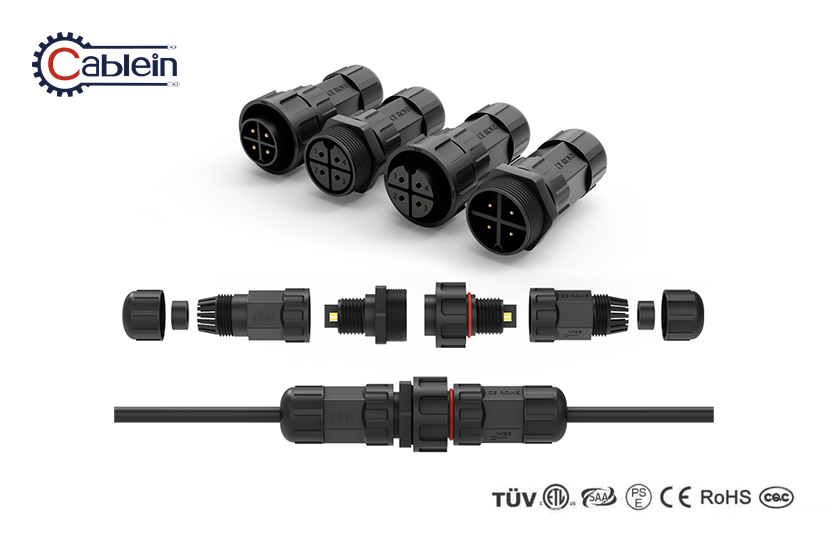
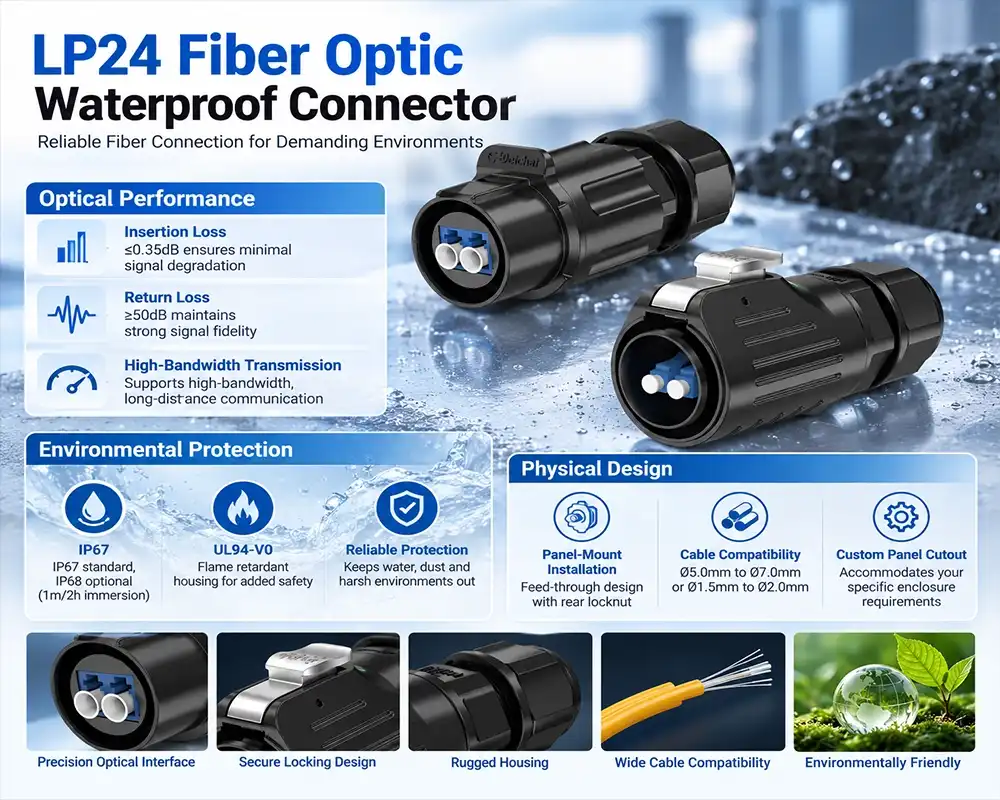
The LP24 is a unique industrial interconnect solution built around a ruggedized housing with a 24mm diameter that keeps fragile fiber optic interfaces safe in tough deployment situations. Unlike most fiber connections that are made for controlled indoor settings, this panel-mount feed-through architecture makes optical paths that are completely sealed through the walls of equipment enclosures.
Panel-Mount Feed-Through Design
The connector's female-to-female feed-through design lets optical signals pass straight through cabinet panels, without having to go through electrical conversion or termination boxes in the middle. This design gets rid of the old way of routing cables through conduit holes that were sealed with aftermarket grommets. This method is prone to seal failure and water getting in over time. As standard, the back locknut installation device presses an O-ring seal against the panel surface. This provides IP67 protection, and an optional IP68 rating for two hours of submersion up to one meter is also available.
Material Construction and Environmental Resilience
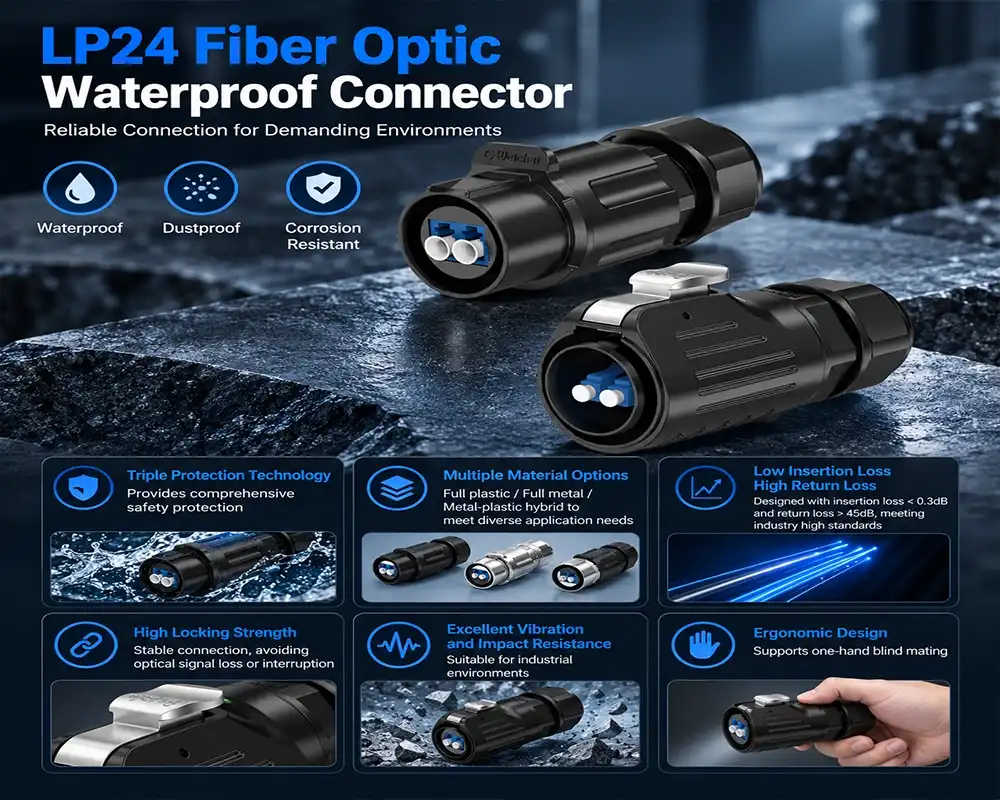
Cablein Technology makes the housing out of high-performance PBT plastic that meets UL94-V0 flame safe standards. Chrome-plated zinc alloy versions are also available for uses that need better protection against electromagnetic interference. The choice of materials ensures structural integrity across an operational temperature range of -40°C to +105°C, making it suitable for both cold storage facilities in the Arctic and solar installations in the desert. The housing has a precise alignment system that keeps the fiber core positioned within micron-level errors. This stops the misalignment problems that lead to signal degradation in settings where temperatures change quickly.
Optical Interface and Compatibility
Standard LC duplex connectors can be used with the LP24 Fiber Optic Waterproof Connector internal architecture, which lets it join directly to current single-mode and multimode fiber infrastructure. Because of this flexibility, you don't need to use unique wire kits or special termination tools when installing. It can handle cable diameters from 5 mm to 7 mm or 1.5 mm to 2 mm, depending on the configuration. It can also handle standard indoor fiber types and armored outdoor-rated cables.
Benefits and Performance of LP24 Fiber Optic Waterproof Connectors
Standard LC or ST plugs can't solve the problems that come up with industrial fiber optic setups. Within hours, moisture getting in breaks down optical transmission, mechanical vibration loosens connections, and dust or chemical contact makes end-faces useless. These issues can be fixed by the LP24 waterproof connection design, which includes built-in safety layers.
Superior Optical Performance Metrics
Signal integrity starts with visual factors that can be measured. The connector has an insertion loss of ≤0.35dB and keeps over 92% of the signal power through the connecting point. This is an important requirement for single-mode links that go over kilometers between solar generators and control centers. A return loss performance of ≥50dB makes sure that there is little back-reflection, which keeps signals from getting weaker in two-way communication systems. In contrast to standard connectors, which show thermal drift that affects network diagnostics, these specifications stay the same across the whole temperature range.
When tested against unsealed LC connectors in outdoor environments, the sealed ones show huge changes in durability. Within six months, standard connectors that are exposed to humidity lose 300% more insertion than they did before. This is because the spring contacts and ferrule surfaces corrode. The LP24's sealed design keeps wetness from getting into optical ports, so the product's original performance specs are kept even after 500+ mating cycles.
Mechanical Robustness and Field Reliability
The snap-lock coupling system lets you feel and hear when it's properly engaged, which cuts down on installation mistakes that happen when field workers are working in tight areas or with poor vision. Cable retention testing to 100N tensile strength makes sure that connections stay strong even when cables are being pulled during maintenance. Vibration testing according to IEC 60068-2-6 standards shows that the assembly can handle ongoing mechanical stress in industrial settings. This makes it useful for equipment rooms with heavy machinery, transportation enclosures, and mobile video platforms.
Real-World Application Advantages
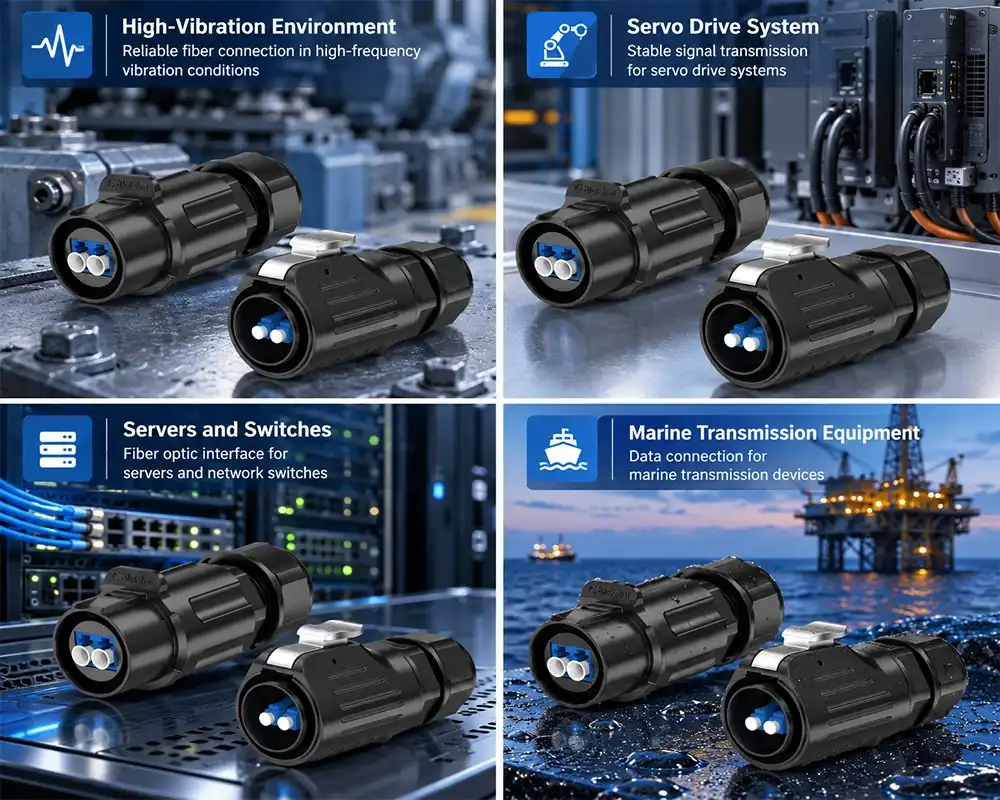
When installing monitoring networks across photovoltaic arrays, renewable energy system integrators have to deal with some unique problems. Sites are usually hundreds of acres big, and tracking gear is spread out in outdoor junction boxes that can get hit by dust storms, changes in temperature, and even water sometimes. For traditional fiber links, fusion splicing has to be done on-site in waterproof enclosures. This takes a long time, needs skilled workers, and costs $150 to $300 per splice point in labor. The LP24 gets rid of the need for splicing completely. Pre-terminated wires connect through panels in minutes, cutting installation time by 70% and making the system more reliable with factory-controlled terminations that are checked under 400x microscope.
The LP24 Fiber Optic Waterproof Connector's resistance to electromagnetic interference makes it useful for smart plant deployments. Electrical noise is made on production floors by high-power motor drives, welding equipment, and radio-frequency machinery. This noise affects copper-based networks. Optical fiber is not affected, and the LP24's protected interface keeps signal transmission clean. Unsealed connectors would collect conductive metal dust particles, which would cause intermittent failures.
How to Select and Install LP24 Fiber Optic Waterproof Connectors?
When buying fiber optic connection, you have to weigh the instant unit costs against the total lifecycle costs. When you look at how much installation labor, upkeep, and network downtime cost, the LP24's worth becomes clear.
Selection Criteria for System Integration
The first step in making sure something works is matching the fiber types. Single-mode OS2 fiber can send data over longer distances than 10 kilometers at speeds of up to 10Gbps. This makes it perfect for campus-style solar installations that connect distributed inverters to central SCADA systems. Multimode OM3 or OM4 versions work well for shorter, high-bandwidth links that are less than 300 meters long. These kinds of links are common in industrial automation networks that connect machine vision systems or spread control nodes.
Panel hole sizes need to be specified when the goods are bought. Standard designs have mounting holes that are 24 mm wide, but if you need a unique panel thickness or a case made of a material that isn't standard, you may need to change the locknut threads or gasket measurements. Cablein Technology offers customization services with lead times of 15 to 25 days for changed geometries, meeting specific integration needs without charging for tools for orders over 100 units.
Installation Best Practices
Panel preparation is the first step in a proper fitting. To keep gaskets from getting damaged, mounting holes should be deburred, and panel surfaces should be cleaned of any oils or coats that could get in the way of O-ring closing. The connection goes in from the outside, and the locknut is tightened from the inside. This presses down on the gasket evenly around the outside. To avoid over-tightening surfaces that seal or under-tightening surfaces that let water in, torque specifications are used. A calibrated torque wrench makes sure that installations are done the same way by all field crews.
Use a portable microscope or inspection scope to look at the fiber end-faces before joining the cable units. Handling dirt shows up as dark spots or smudges when viewed under a microscope. It needs to be cleaned with isopropyl alcohol and lint-free wipes. The design can be cleaned in the field, so upkeep can be done without taking apart the panel mounts. This is a big plus over alternatives that are potted or epoxy-sealed, which need to be replaced completely when they get dirty.
Maintenance and Longevity Optimization
How often preventive maintenance needs to be done depends on how the environment is. Salt spray can damage coastal installations, so they should be checked every three months to make sure the gaskets are still compressed and the dust covers are clean. Inland industrial sites may be able to stretch the time between reviews to every six months. The built-in dust cap protects unmated connectors from dust in the air. Just making sure the caps stay on during cable changes stops 90% of failures that are caused by contamination.
Market Availability and Procurement Options for LP24 Connectors
In the global supply lines for LP24 Fiber Optic Waterproof Connector industrial connectivity goods, you have to figure out what the manufacturers can do, what certifications are needed, and how to handle transportation. Understanding these factors makes buying things easier for deployments to multiple sites.
Certified Manufacturing and Quality Assurance
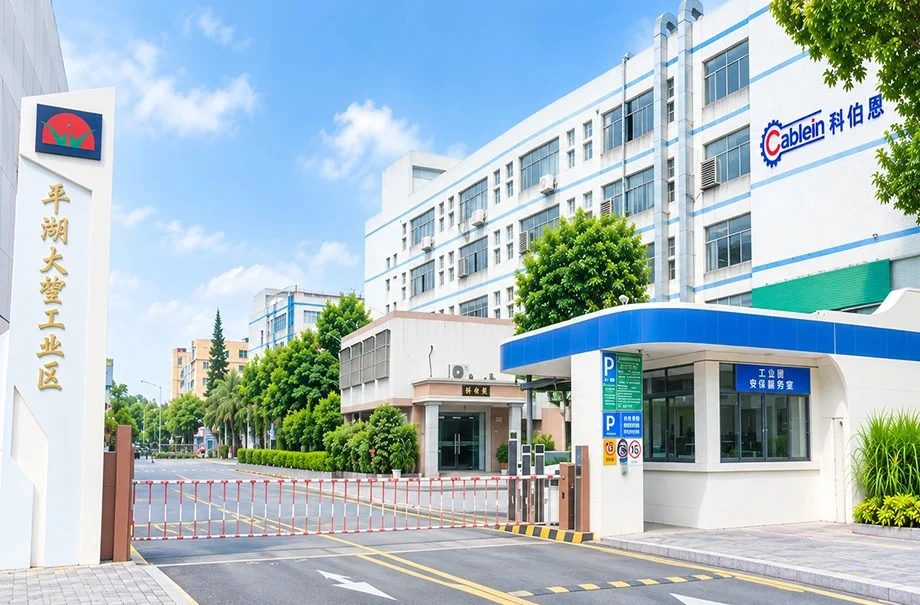
Cablein Technology has factories in Shenzhen's high-tech corridor that are certified by ISO9001:2015. These factories combine design, production, and testing under strict quality control systems. For full confirmation, each connection goes through submersion testing to confirm its IP rating, neutral salt spray exposure for 48 to 96 hours to confirm its resistance to corrosion, and an end-face check at 400x magnification to make sure the optical surfaces meet geometry requirements. TUV and CE licenses are important for getting projects approved in Europe and the Middle East because they show that the safety and electromagnetic compatibility have been checked by a third party.
Pricing Structure and Volume Considerations
The cost of making and testing precision panel-mount fiber optic waterproof connectors is reflected in their unit price. Standard LC duplex configurations cost between $18 and $32 per connector, depending on the number of connectors ordered and the level of customization needed. Volume price starts at 500 units, and there are more savings for long-term deals that support large-scale deployments. The LP24's price makes it competitive with other field splicing options when installation labor is taken into account. For example, a junction box with four splice points costs between $600 and $1200 in technician time, while pre-terminated connectors cost between $100 and $150 and are more reliable.
Supply Chain and Delivery Logistics
Standard versions are in stock and can be used for fast prototyping and small-scale deploys. More than 10,000 units of each variant are kept on hand for instant shipment. Cablein works with well-known international carriers like UPS, DHL, and FedEx to send goods around the world by air freight within 5 to 7 days. For large orders, sea freight choices offer 30- to 45-day transit times at lower shipping costs. Custom configurations are made within 15 to 25 days of receiving an order, which lets project schedules accommodate connector delivery without delaying activities on the critical path.
Technical help goes beyond just delivering the goods. Before a sale, engineering teams help with choosing the right connectors, reviewing the design of the panel interface, and fixing problems after the sale. This service model takes into account the fact that fiber optic deployments involve system-level issues. For example, matching connector specs to cable types, knowing what environmental protection needs there are, and planning upkeep routines can all be made easier with the help of manufacturer knowledge.
Conclusion
The LP24 Fiber Optic Waterproof Connector solves the main problems that makers of industrial networks and people who put together green energy systems have when they try to set up optical communication links in harsh settings. Its IP67/IP68 environmental protection, precise optical performance with ≤0.35dB insertion loss, and field-maintenainable design make it better than traditional spliced connections and unsealed interfaces in a way that can be measured. For procurement managers looking at connectivity options for photovoltaic monitoring networks, energy storage systems, or industrial automation infrastructure, the LP24 is a tried-and-true technology that lowers installation costs, lowers the need for maintenance, and ensures network reliability in harsh operating conditions.
FAQ
Is the LP24 compatible with existing LC fiber jumpers?
Standard LC duplex plugs are built into the internal design, so it works with both single-mode and multimode jumpers that are available in stores. The tough outer shell covers common optical gear without needing special cable assemblies, so it can be added to fiber networks that are already in place.
How does the waterproof design affect signal quality?
The sealed housing keeps the optical interfaces safe from dust and moisture that can hurt performance in connectors that aren't sealed. By keeping ferrule surfaces and spring contacts from rusting, the design keeps the original insertion loss and return loss specifications for the entire operational life of the connector. This is in contrast to outdoor-exposed connectors, which start to break down within months.
What fiber types work with this connector?
For long-distance transmission, the optical performance standards allow both single-mode OS2 fiber and multimode OM3/OM4 fiber for high-bandwidth short links. The mechanical design works with cable diameters ranging from 1.5 mm to 7 mm, which includes standard indoor fiber cables, outdoor cables that are made to be more durable, and armored cables that are used in industrial settings.
Partner with Cablein for Your Fiber Optic Waterproof Connector Needs
Cablein Technology has been making waterproof industrial connectivity solutions for nine years, helping with renewable energy projects and industrial automation deployments in more than 100 countries. We can make custom panel cutout sizes, housing materials, and order amounts ranging from pilot samples to production volumes over 10,000 units as an LP24 Fiber Optic Waterproof Connector provider. Each connector comes with all the paperwork needed to prove it is TUV and CE-approved. We also offer technical support 24 hours a day, 7 days a week, and can speed up delivery through our established logistics partnerships. You can talk to our engineering team about your project needs, get detailed datasheets, or set up sample test units by emailing nick@cableinco.com. You can look at our whole line of products at connectorswaterproof.com and learn how enterprise-grade optical connectivity solutions can make your most demanding setups less maintenance-intensive while still keeping the network up and running.
References
1. International Electrotechnical Commission. "IEC 60068-2-6: Environmental Testing – Part 2-6: Tests – Test Fc: Vibration (Sinusoidal)." Geneva: IEC Standards, 2017.
2. Telecommunications Industry Association. "TIA-568-C.3: Optical Fiber Cabling Components Standard." Arlington: TIA Publications, 2016.
3. National Electrical Manufacturers Association. "NEMA 250: Enclosures for Electrical Equipment (1000 Volts Maximum)." Rosslyn: NEMA Standards, 2018.
4. Solar Energy Industries Association. "Best Practices for Operation and Maintenance of Photovoltaic and Energy Storage Systems." Washington: SEIA Technical Guidelines, 2020.
5. Institute of Electrical and Electronics Engineers. "IEEE 802.3: Ethernet Standard for Physical Layer Specifications." Piscataway: IEEE Standards Association, 2019.
6. International Organization for Standardization. "ISO 9001:2015 Quality Management Systems – Requirements." Geneva: ISO Publications, 2015.