Why Choose a Threaded M16 Waterproof Connector for Industrial Equipment?
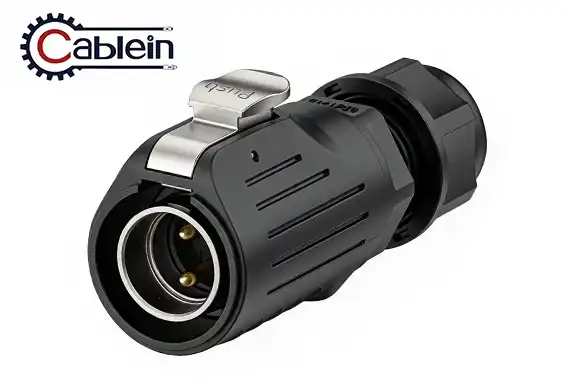
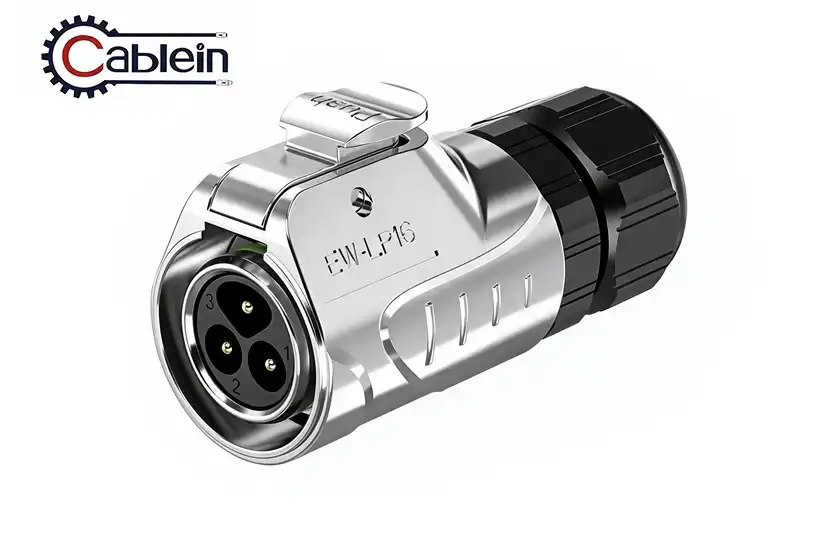
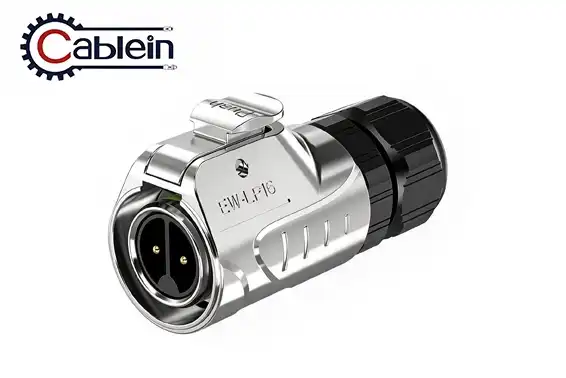
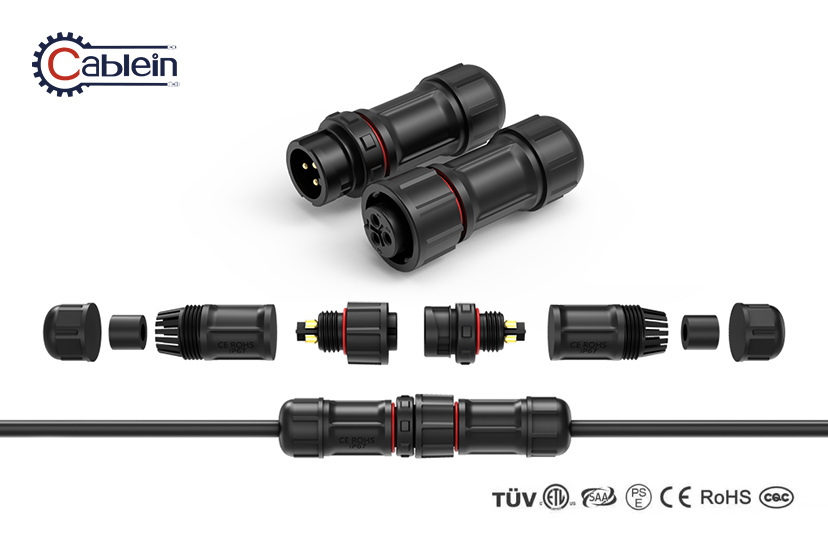
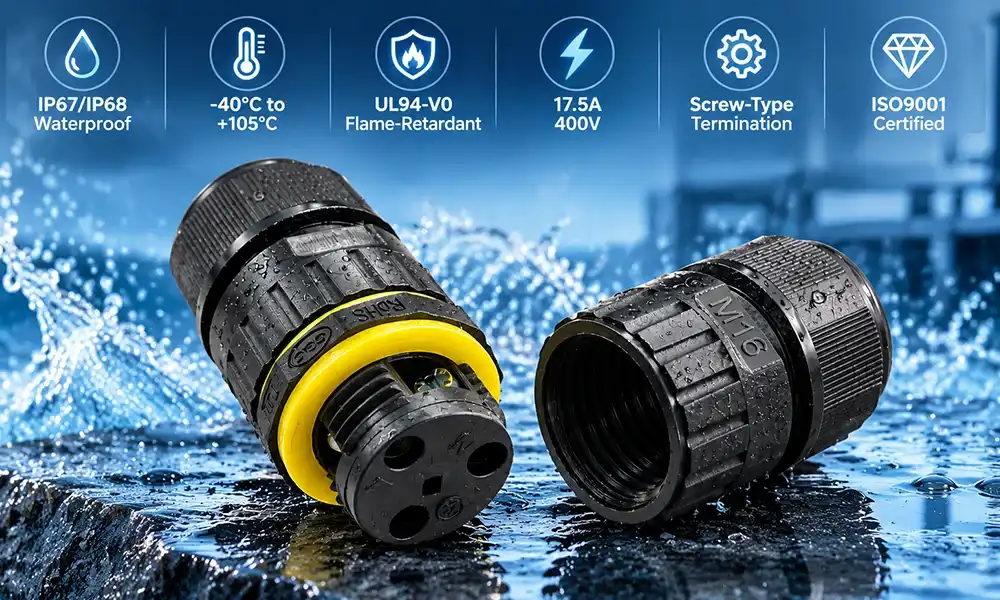
In field settings where there is no room for connection failures, the M16 threaded inline waterproof connector is a proven solution. The connection has a 16mm metric locking thread with dual IP67/IP68 sealing and screw-type terminals, all designed as a single replaceable unit with a rating of 400V/17.5A and a temperature range of -40℃ to +105℃. Unlike conventional push-fit connections, it is resistant to vibration, oil exposure, and frequent disassembly without seal erosion. This implies fewer unexpected shutdowns for automation integrators, sensor OEMs, and outdoor equipment makers, less maintenance personnel, and documentation that meets CE and ISO9001 audit criteria.
Understanding the M16 Threaded Inline Waterproof Connector
What Is an M16 Inline Connector?
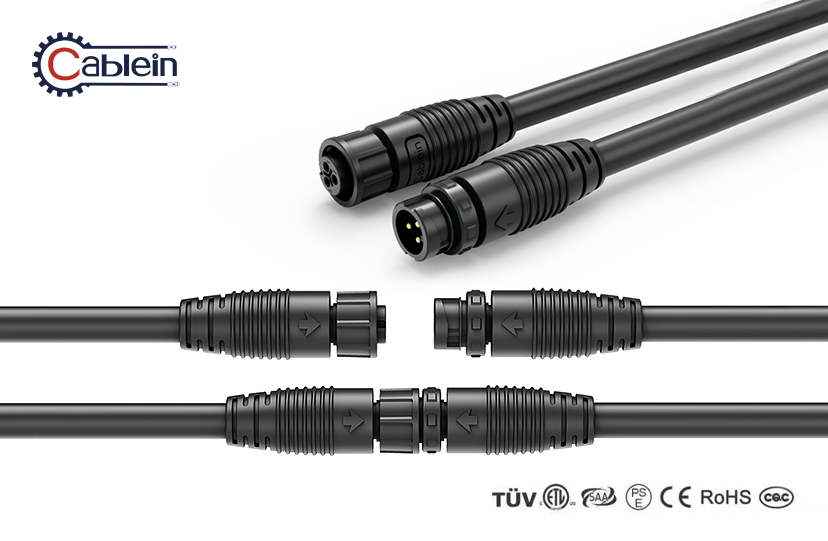
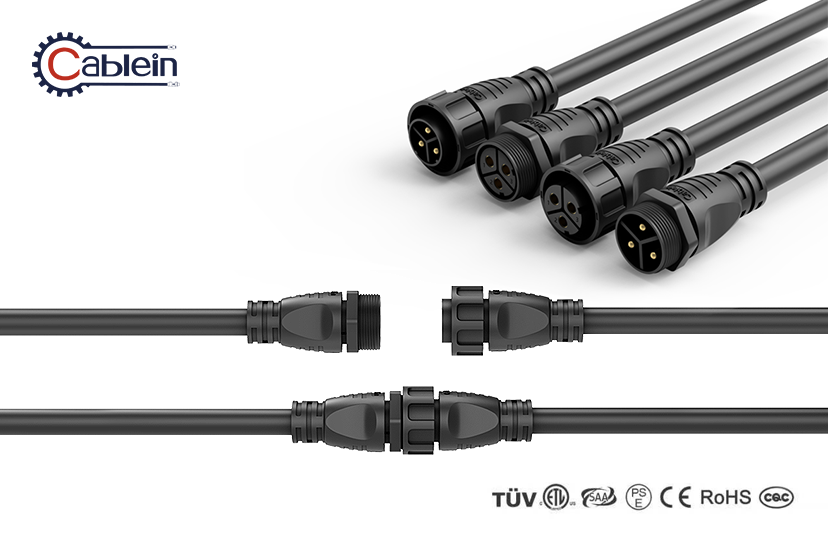
A 16mm metric thread locks the two halves of an M16 inline connector together so that the cables can be connected in a straight line. The word "inline" refers to the shape of the body: both cables enter and exit along the same axis. This keeps the assembly small and lowers the stress on the cable jacket. This design works especially well for sensor extension runs and relay links between devices where it's not possible to add a big junction box.
How the Waterproofing Works
Two things have to work together for waterproofing to work. A silicone O-ring on the matching face is compressed by the threaded connection. This makes a strong seal against water getting in. The cable jacket is held in place by a cable clamp at each entry point. This keeps wetness from moving along the wire bundle, a process engineers call "wicking." These parts work together to achieve IP67 (temporary immersion up to 1 meter for 30 minutes) and IP68 (continuous immersion beyond 1 meter) without the need for extra sealant.
Materials and Key Specifications
Here's another version from Cablein that has a flame-resistant glass-filled PA66 nylon shell, gold-plated copper alloy contacts, and silicone sealing rings that don't harden from -40°C to +105°C. The contact resistance stays below 5 mΩ even after hundreds of mating cycles. The connector can fit cables with outside diameters ranging from 3.5 mm to 10 mm and wire cross-sections ranging from 0.5 mm2 to 1.5 mm2. This includes the majority of sensor and actuator cables on the market today.
Why Threaded M16 Connectors Are Ideal for Industrial Equipment
The atmosphere is harmful to electrical linkages in industries, outdoor construction, and public transportation. Regular connections suffer from the effects of water, particle contamination, temperature cycling, and mechanical vibration over time. Here are the primary reasons why the M16 threaded inline waterproof connector is the ideal solution for rugged applications.
- Vibration resistance – the 16mm thread gives you a mechanical lock that push-fit connections don’t. Vibration cycles that would eventually loosen a snap-lock connection on conveyor lines and vehicle-mounted equipment would have no effect on a threaded coupling.
- No crimping equipment needed. Screw-type terminals take 0.5-1.5mm2 solid or stranded wire following a simple strip operation. Assembly teams make connections without a crimping press, which cuts installation time on site and reduces the skill level for field maintenance.
- Field repairability: The connection is designed to be dismantled and reassembled with a regular screwdriver, so technicians may switch out bad wires rather than cutting and replacing the complete harness. In a 200-unit automated line, that difference may save hours of maintenance time each occurrence.
- Wide temperature range: -40℃ to +105℃ working range includes cold-storage facilities, desert solar farms, and anything in between. Silicone O-Rings do not become brittle at low temperatures, whereas NBR seals used in lesser quality connections are known to fail in this manner.
- Certified compliance: CE marking and ISO9001:2015 certification provide procurement teams the paperwork for regulatory audits and customer quality standards without the expense of further testing.
These advantages are directly aimed at the issues automation integrators have been facing while working in all types of environments, from trenches on the manufacturing floor that get washed down, to HVAC equipment on roofs that are subject to varying temperatures throughout the year.
Comparing M16 Threaded Waterproof Connectors with Other Connector Types
M16 vs. M12 Connectors
In European automation standards, M12 connectors are used for short-range sensor wiring. However, their smaller 12mm thread means that each contact can only handle about 4A of power in normal 4-pin setups. The M16 format can handle up to 17.5A per contact, which means it can be used for small motor circuits and power distribution lines where the M12 format just can't handle the load. With M16, you can put both signal and power on the same connector, which is what you need for your application.
M16 Threaded vs. Push-Fit Connectors
Push-fit connectors are easy to use, but they give up mechanical security for speed. When the mating cycles happen over and over, or there is constant vibration, the retention clip gets worn out, and the connection resistance goes up. When tested to 500 mating cycles, a threaded M16 threaded inline waterproof connector version doesn't show any measurable increase in contact resistance. On the other hand, push-fit options often start to fail after 200 cycles under the same mechanical loads. For situations where you need to disconnect things often, like when you service your equipment once a year, the threaded design gives you a longer service interval.
Brand Considerations for Procurement Teams
Well-known companies like Amphenol and TE Connectivity make M16-series connectors with good documentation packages. However, their catalog lead times and minimum order quantities can make it hard to schedule projects. Weipu and other Asian companies that make similar products give similar IP scores at lower unit costs, but it takes a closer look at each batch to make sure they are all the same. Cablein is a good choice for people who buy a lot of products because they offer factory-direct prices, check each batch for waterproofing, include CE and ISO9001 paperwork, and keep 10,000+ units of each SKU in stock for fast delivery (7–10 days).
How to Choose and Install an M16 Threaded Waterproof Connector
Selecting the Right Specification
Choose an IP rating based on the depth and duration you require for the install. IP67 covers most weather and damp above-grade situations. If the connection is gonna be in a floor trench or underground conduit where water might pool, then you should select IP68. The outer diameter of your cable must be within the range of the gland: 3.5-7 mm, 5-8 mm, or 7-10 mm. Also, the wire cross-section must be between 0.5 mm² and 1.5 mm2 to provide a perfect fit for the screw termination.
Step-by-Step Installation
The quality of installation determines whether the connection genuinely meets its specified IP class. Slide the nut and cover of the cable gland onto the cable and insert the wires into the ends. Trim each wire to 6–8 mm and insert into the screw terminal, tightening to the appropriate tension (generally 0.5 N · m for 1.5 mm² wire). Thread both parts together until the nut is seated. Field IP difficulties are often caused by partly engaged threads. Do a continuity test and, if you can, a brief submersion test before closing the cabinet.
Verifying Seal Integrity After Assembly
To ensure that the installation fulfills IP67 specifications, you may submerge the constructed connection in water at a depth of 1 meter for 30 minutes and check for bubbles. Cablein proposes re-taking the resistance measurement across all connections to confirm that submersion did not generate a leakage channel for IP68 compliance in critical circuits. In high-frequency maintenance environments, the integrity of the seal requires the rubber O-ring to be changed every 200 times the item is disassembled.
Procurement Tips: Where and How to Source Quality M16 Waterproof Connectors
Evaluating Supplier Credentials
Before you make a significant order, ask for the CE statement of compatibility, the ISO9001 certificate, and a sample batch report with contact resistance and IP test results. When M16 threaded inline waterproof connections are made by reputable businesses, they usually supply you with this documentation as standard. The number of orders placed with a supplier that is not able to provide batch traceability data increases quality risk.
Ordering Strategy: Stock vs. Custom
We have the typical 2-pin and 3-pin in black PA66 for most of your sensor and power extension applications, in stock and available to ship now. For more than three pins, a non-standard housing color for color-coded system wiring, or a completely pre-assembled cable harness with predetermined lengths, the best way to proceed is factory-direct bespoke orders. Cablein accepts OEM and ODM requests and can provide samples in one to two weeks. Production lead times are addressed with the project’s demands in mind.
Balancing Cost and Quality at Scale
When purchasing industrial connections, buying in bulk from an M16 threaded inline waterproof connector provider saves 15-30% per unit vs. purchasing from a distributor, following typical purchasing rules. On the other hand, there is a minimum order quantity, and the payment terms are longer. For annual quantities above 1,000 units, a direct supply arrangement with monthly releases generally provides the best overall cost, while keeping deliveries predictable.
Conclusion
The M16 threaded inline waterproof connector addresses genuine installation problems: it’s field-assemblable without special equipment, it seals at severe temperatures, and it’s easily repairable, meaning it lasts longer than molded choices. With dual IP ratings, 17.5A current-carrying capability, and CE certification, this is an excellent format for procurement teams looking for connections for automation, outdoor infrastructure, or transportation applications, and the screw-terminal simplicity of use is a plus. Cablein’s production-verified units have complete documentation and records of all inspections, ensuring you don’t need to worry about the quality of a big order of connections.
FAQ
1. What cable sizes does the M16 threaded waterproof connector accept?
The connector accepts cable outer diameters from 3.5 mm to 10 mm through three gland size options. Wire cross-sections from 0.5 mm² to 1.5 mm² fit the screw terminals without modification.
2. Does IP68 rating require any special installation steps?
Yes. Full thread engagement and correct gland torque are both required to achieve IP68. Partial threading leaves the O-ring under-compressed, which reduces the effective seal depth rating.
3. Can this connector handle AC mains voltage?
The connector is rated at 400V and 17.5A per contact. Verify that your specific circuit current and the applicable local electrical code both fall within these parameters before installation on mains circuits.
4. How many mating cycles does the connector support?
Cablein's M16 inline connector is tested to a minimum of 500 mating cycles with no measurable increase in contact resistance, making it appropriate for equipment subject to regular servicing.
5. Is the silicone O-ring resistant to industrial oils and chemicals?
Silicone performs well against water, mild oils, and common cleaning agents. For environments with concentrated solvents or hydraulic fluids, request a chemical compatibility confirmation from Cablein before specifying the connector.
Get a Sample from Cablein—Your Trusted M16 Threaded Inline Waterproof Connector Manufacturer
Cablein Technology has CE-certified and ISO9001-inspected M16 threaded inline waterproof connectors in stock, and OEM projects can get them in any form they need. Within one to two weeks, our team sends out technical datasheets, batch test reports, and sample units. You can email us at nick@cableinco.com to talk about your needs and get a price right away.
References
1. International Electrotechnical Commission. IEC 60529: Degrees of Protection Provided by Enclosures (IP Code). IEC, 2013.
2. Underwriters Laboratories. UL 94: Tests for Flammability of Plastic Materials for Parts in Devices and Appliances. UL Standards, 2018.
3. International Organization for Standardization. ISO 9001:2015 Quality Management Systems — Requirements. ISO, 2015.
4. Wiring Harness Manufacturers Association. Wire and Cable Connector Selection Guide for Industrial Applications. WHMA, 2021.
5. Society of Automotive Engineers. SAE J1742: Connections for High Voltage On-Board Road Vehicle Electrical Wiring Harnesses. SAE International, 2020.
6. European Committee for Electrotechnical Standardization. EN 61984: Connectors — Safety Requirements and Tests. CENELEC, 2009.