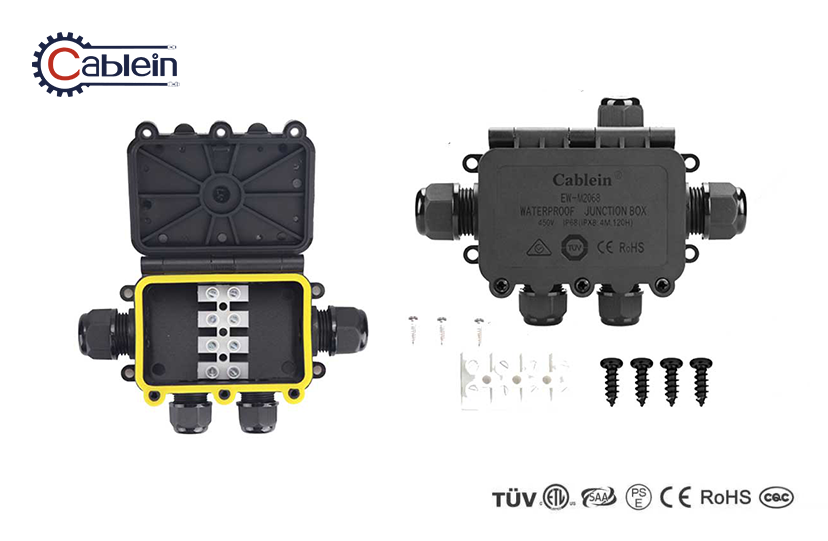
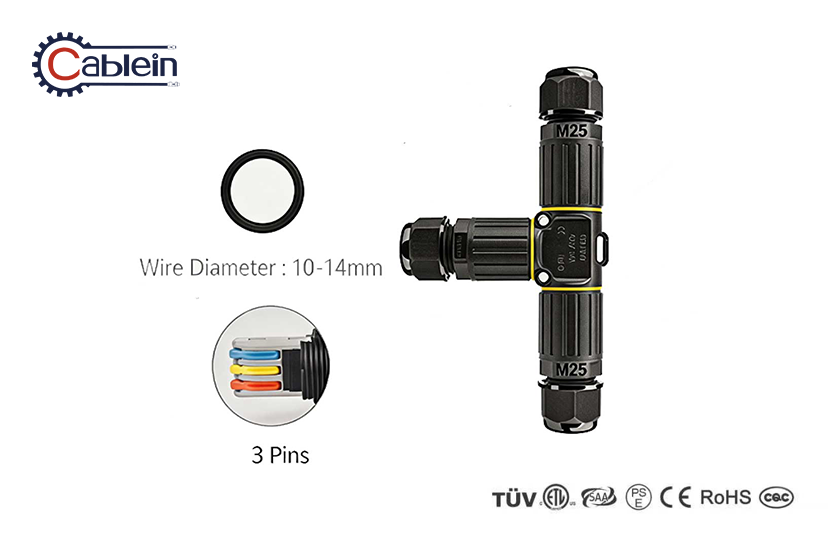
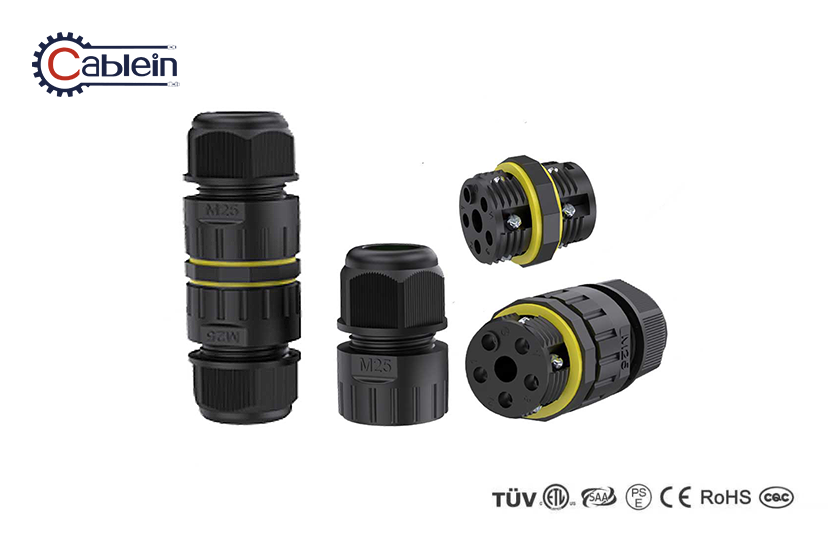
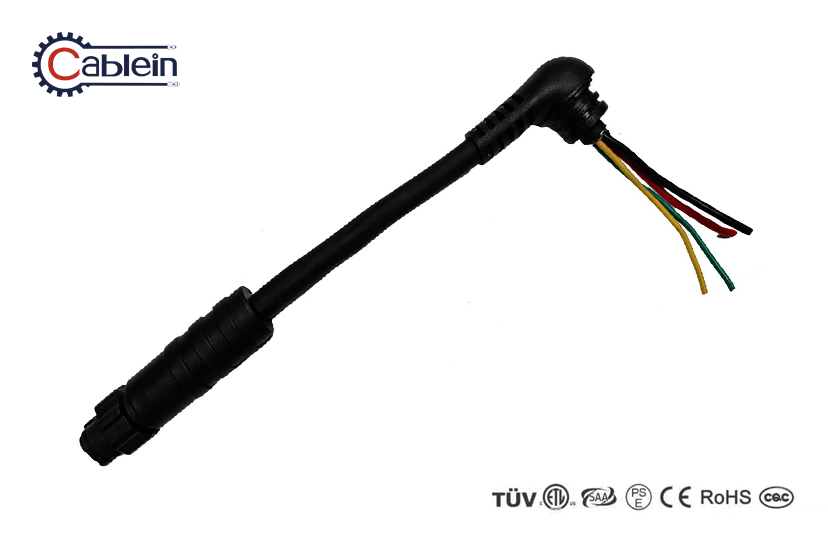
What is an M25 Overmolded Waterproof Connector?
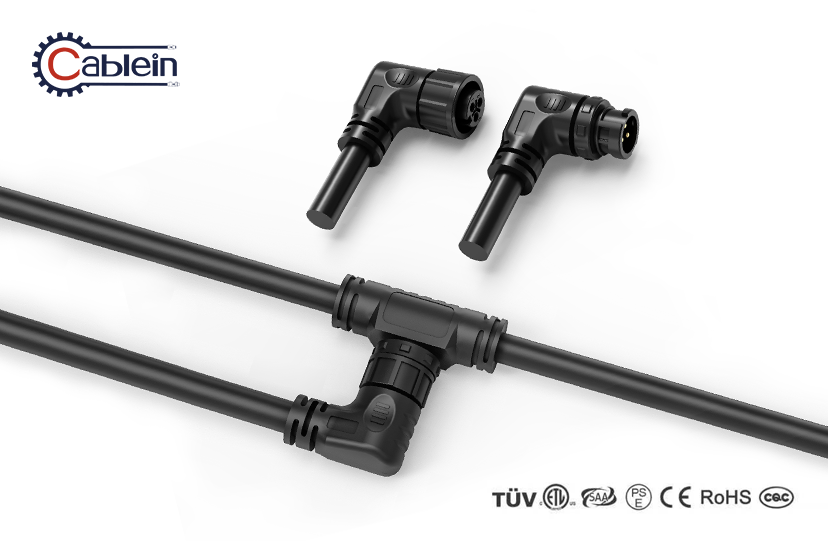
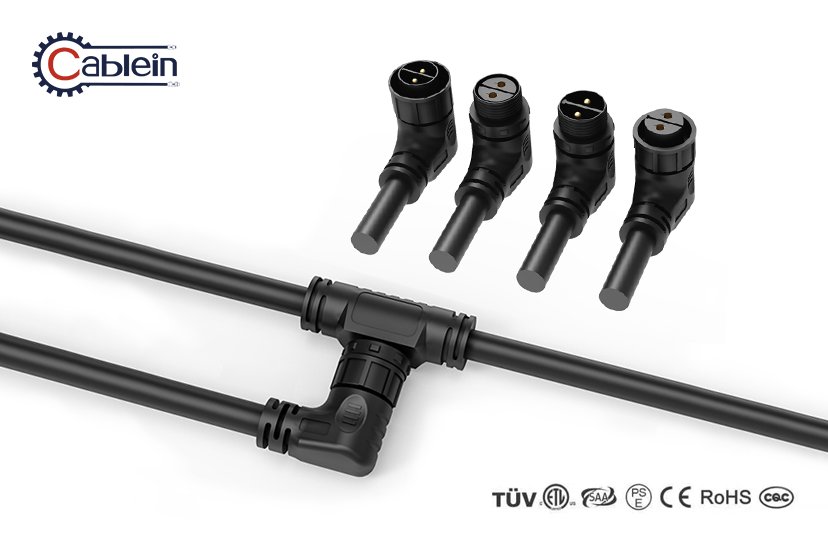
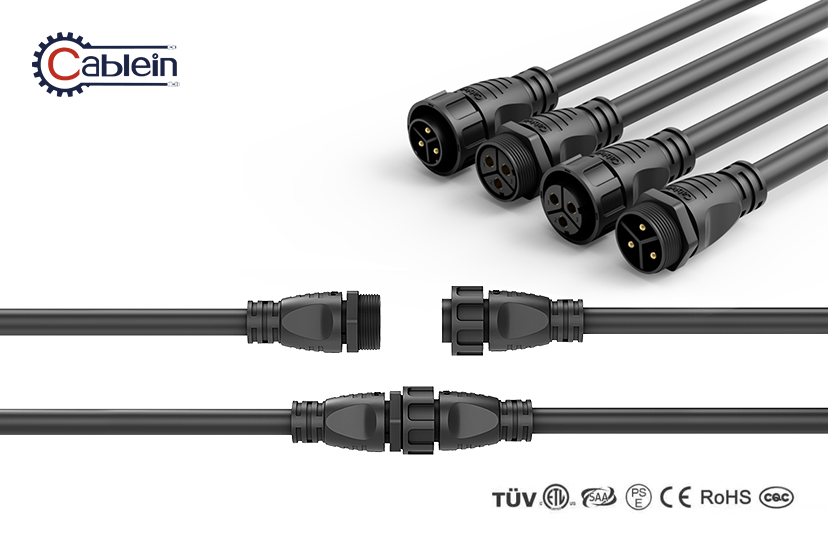
When we talk about reliable electrical connections in challenging environments, the M25 overmolded waterproof connector stands out as a critical component. This high-performance industrial interconnect solution features a 25mm metric thread coupling mechanism, specifically engineered for applications requiring both durability and superior waterproofing. Unlike traditional field-assembly connectors, the overmolded design involves an injection molding process that permanently fuses the cable and connector into a single, hermetically sealed unit. This eliminates the most common failure points in outdoor and industrial installations—moisture ingress through the cable jacket, mechanical strain at the termination point, and reliability degradation from vibration or environmental exposure.
Introduction to M25 Overmolded Waterproof Connectors
The M25 overmolded waterproof connector solves important problems that engineers and procurement professionals have to deal with when they are in charge of projects involving outdoor tools, green energy systems, and industrial automation. In its most basic form, it protects an electrical interface from water, dust, and chemical contaminants by keeping the interface completely sealed.
Cablein has seen a rise in demand for connections that can survive harsh outdoor conditions while still providing stable electrical performance from companies that make LED lights, solar energy systems, and automation equipment. The M25 metric thread standard is for the 25 mm diameter coupling nut that holds the connector in place securely and makes sure that the mechanical lock works even when the connector is vibrating.
How Overmolding Technology Works
The overmolding process makes these connections different from other types. The housing of the connector and the strain relief for the cable are injected directly over the electrical parts inside and the entry point for the cable during production. This makes a smooth transfer zone that doesn't have any holes where water could get in. The wire and connection are built together at the factory, so they come as a single, pre-tested unit that is ready to be installed right away.
Industry Applications and Reliability
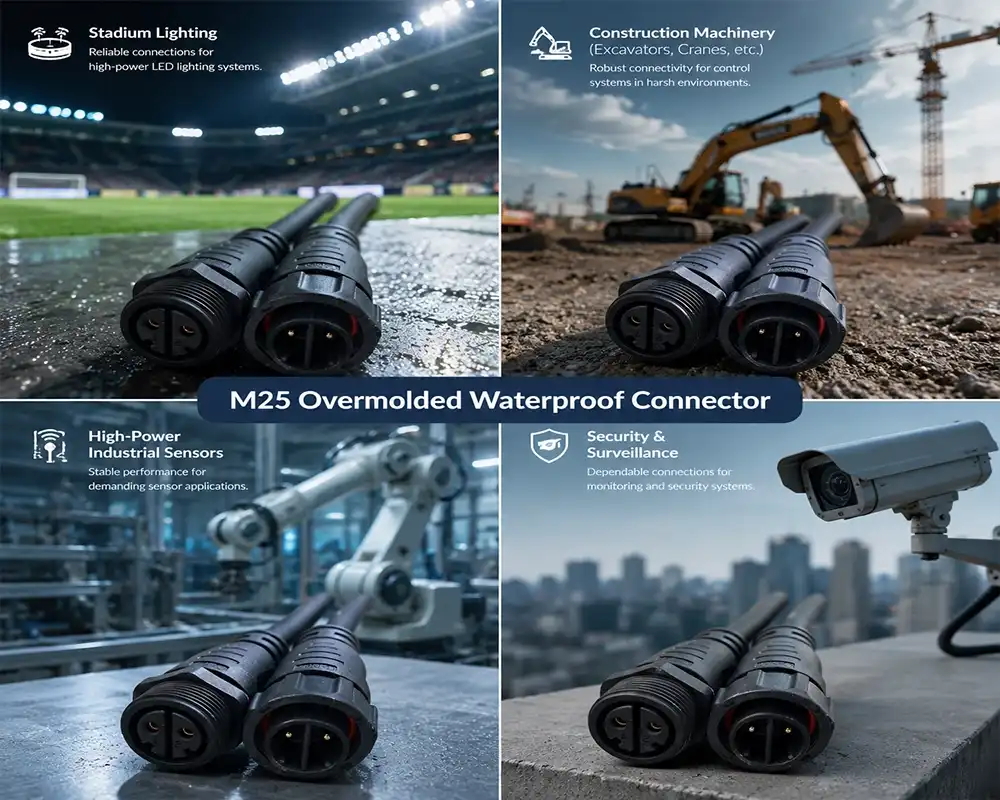
These waterproof cable assemblies are now needed in a lot of different fields. Outdoor LED lighting companies depend on them to install lights in parks and stadiums that are always exposed to rain and humidity. Manufacturers of solar energy systems use them to connect photovoltaic panels and inverters, which makes sure that rooftop and ground-mount arrays will work reliably for a long time. They are used by industrial automation developers for robotics and sensor networks that work in dirty and wet production areas. The sealed design keeps fragile equipment safe, and the strong mechanical design can handle the rough conditions of industrial areas.
Key Specifications and Features of M25 Overmolded Waterproof Connectors
Purchasing managers can tell if these connections meet the needs of the project by looking at the technical specs. At Cablein, we make M25 overmolded waterproof connectors that can usually handle electrical ratings that meet the needs of a wide range of applications for both signal transmission and power delivery.
Electrical and Mechanical Ratings
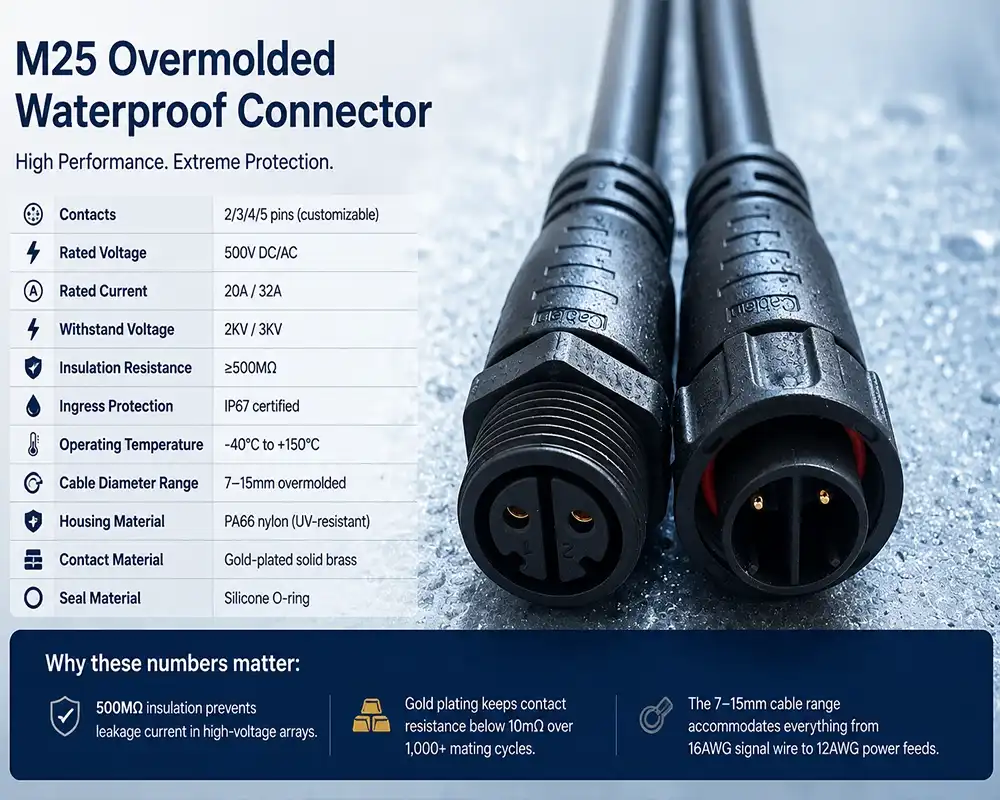
Our M25 waterproof connectors have pin configurations that range from 2 to 5 contacts. They can handle up to 500V DC/AC and 20A to 32A of power, based on the number of contacts and the gauge of the wire. For lower pin counts, the withstand voltage goes up to 3KV, which makes sure there are safety margins in high-power applications. Insulation resistance is higher than 500MΩ, so signals stay strong even when it's wet outside. They can work in temperatures ranging from -40°C to 150°C, so they can be used in places with harsh weather, like arctic installations or solar farms in the desert.
The body is made of heavy-duty PA66 nylon that is strengthened with glass fiber to make it more resistant to impact. Gold-plated solid brass pins reduce contact resistance and stop oxidation, so the electrical performance stays the same even after thousands of mating cycles. Silicone O-rings make the main waterproof seal at the wire entry point, and the overmolded jacket adds a second layer of protection.
IP Rating Explained: IP67 and IP68 Protection
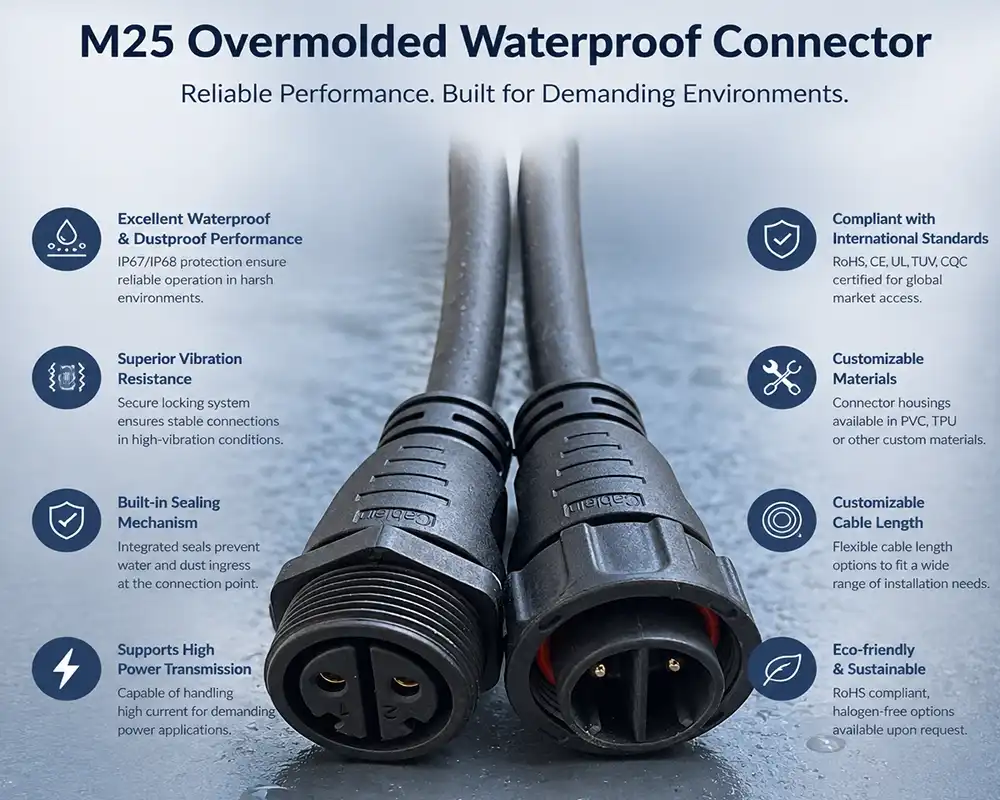
The Ingress Protection rating system tells you how well a connector stops solids and water from getting in. Connectors with an IP67 rating can be submerged in water up to 1 metre deep for 30 minutes. This is enough time for most outdoor setups that get wet in heavy rain or floods. Versions with an IP68 rating offer longer immersion protection and can be used for underwater lights, naval uses, or installations in places where water stays still for a long time.
Overmolding technology is better than old ways of waterproofing that only use heat-shrink tubing or rubber boots. In those methods, there are places where the protective covering could fail where it hits the wire jacket. This weakness is eliminated by the combined moulding process, which makes sure that the waterproof barrier stays strong even when wires bend or are put under mechanical stress. This new design solves a problem that engineering teams have been complaining about a lot: connectors breaking too soon because water gets in through cable entries that aren't sealed well enough.
Material Selection and Durability Considerations
The choice of material has a direct effect on how long a connector lasts in certain settings. PA66 nylon is very resistant to UV light, so it can be used outside, and it keeps its mechanical strength at all temperatures. Silicone O-rings are better at resisting damage from ozone, sunshine, and changes in temperature than regular rubber products. When needed for tough chemical conditions, different types of elastomers, such as Viton, can be added during the overmolding process.
The injection moulding cable diameter range can fit lines with an outer diameter of 7 mm to 15 mm, which gives you options for wire gauges. Larger-diameter cables can carry more current, and the overmolded strain relief spreads mechanical loads over a large surface area. This keeps stress from building up at the termination point, which could damage the insulation or cause the conductor to wear out.
Comparing M25 Overmolded Waterproof Connectors with Other Connector Types
When looking at different ways to connect things, knowing how the M25 overmolded waterproof connector stacks up against others helps you figure out which uses for this technology are the most suitable.
Overmolded Versus Field-Assemblable Connectors
Field-assemblable connectors give installers more options because they let technicians cut cables to the length they need on the job site. But this method adds uncertainty to the quality of the assembly. If you don't properly strip the wires, crimp them, or clean them during installation, it can affect both the electrical performance and the waterproof integrity. These mistakes can't happen in the field because the overmolded design is put together in the factory. This makes sure that every link meets the same high quality standards, which are checked by 100% inspection during production.
Better pressure relief is also provided by the overmolded design. Heavy multi-conductor cables put a lot of force on the termination point, especially when the cable is moving or vibrating. In traditional connectors, these forces are spread out by external cable glands or separate strain relief boots. The big overmolded one-piece housing has strain relief built right into the body of the connector. This gets rid of any internal stress that could cause contact links to loosen over time.
M25 Connectors Versus Cable Glands
Cable glands are devices that let cables into enclosures and keep the surroundings out where the wires go. Even though they protect the entry point, they don't connect to the power source. The M25 waterproof connector does both electrical interconnection and defense from the surroundings in one part. Outdoor control cabinets, junction boxes, and equipment housings are easier to put together and have fewer places where things could go wrong because of this reduction.
Lifecycle Cost and Maintenance Implications
Overmolded connectors usually cost more per unit than alternatives that can be put together in the field, but the overall cost of ownership usually favors the factory-assembled method. When cables come already terminated and tested, they take a lot less time to install, which saves money on labor and speeds up projects. Troubleshooting and repair costs go down when mistakes in field assembly are eliminated. Longer service lives in harsh environments mean that parts need to be replaced less often, which cuts down on maintenance costs and downtime.
Several large solar installation companies that switched from field-terminated connectors to pre-assembled overmolded cables have worked with us. They said that installation times were 40% faster and that almost no links failed during the first year of operation, which is when problems usually start to show up with poorly put together field connections.
Installation and Maintenance Guide for M25 Overmolded Waterproof Connectors
When these M25 overmolded waterproof connectors are installed correctly, they will work as reliably as they can. The factory-assembled design makes installation easier, and following best practices will keep the waterproofing working properly for the whole life of the connector.
Installation Process and Best Practices
To get a good seal on the threaded connection mechanism without damaging the threads or deforming the O-ring, the right amount of pressure must be applied. We suggest tightening the coupler nut by hand until you feel resistance and then using a wrench to add one more quarter-turn. If you tighten the screws too much, the O-ring could be compressed too much, which could lead to early wear or stress fractures in the plastic housing.
Before connecting two connections, check both the male and female contact pins for damage, rust, or contamination. Even small amounts of contamination can make electricity less conductive and add resistance, which makes heat when the circuit is loaded. When mating the connectors, make sure they are carefully lined up along their axes to avoid bent pins, which are hard to fix in overmolded assemblies. The keyed design keeps them from being oriented wrong, but forcing them to fit together can still damage them.
Common Installation Pitfalls to Avoid
Several mistakes during installation hurt the performance of the connection. When you route wires with sharp bends close to the connection body, you put stress on the overmolded strain relief, which can cause the cable jacket to crack before it should. To keep the mechanical stability of the wire, keep the bend radius at least eight times the diameter. When installing cables, don't pull too hard on them. The overmolded design spreads forces out well when it's working properly, but it's not made to handle pulling forces during installation that are higher than the cable's stated tensile strength.
Environmental factors during installation are also important. When you install connectors when it's wet or below freezing, the O-ring may stiffen up and trap moisture, which can break the seal. If you can, make the first connections in a controlled environment so that the coupling has time to form a good seal before putting the unit out in bad weather.
Routine Inspection and Maintenance Schedule
Setting up a regular inspection schedule can help connectors last longer and find problems before they break the system. We suggest that outdoor installations that are exposed to bad weather be inspected every three months, and protected outdoor or indoor industrial environments should be inspected once a year. During the check, look at the overmolded case for cracks, wear, or UV damage that shows up as chalking or discolouration on the surface.
Thermal cycling and shaking can slowly loosen threaded connections, so make sure the coupler nut is tight. Check to see if the cable jacket near the strain relief is damaged or kinked. If the connector lets you see the O-ring when it's not connected, check for cracks, compression set, or contamination buildup. By measuring contact resistance on a regular basis, problems can be found before they become operational. Large increases in resistance are a sign of contact rust or breaking internal connections.
Procurement Insights and Best Practices for M25 Overmolded Waterproof Connectors
To buy industrial M25 overmolded waterproof connectors successfully, you need to look at more than just the unit price when evaluating suppliers. How well and how reliably these important parts work has a direct effect on the success of the project and the long-term costs of running it.
Evaluating Manufacturers and Suppliers
Suppliers are judged on how well they follow certification rules. Cablein keeps its ETL, CE, PSE, SAA, and RoHS certifications, which show that it follows international safety and environmental rules. Our ISO9001:2015 quality management system makes sure that production processes are always the same and that materials can be tracked all the way through the manufacturing process. These certificates are more than just paper proof; they show that you've followed the testing procedures and quality controls that keep your tools and customers safe.
When evaluating production potential, both capacity and freedom should be looked at. Can the supplier keep a steady stock of common configurations and also help with custom solutions when standard products don't work for the project? We keep more than 10,000 of each standard item in stock, so we can fill pressing orders right away. Our engineering team also supports OEM/ODM projects that need different pin configurations, custom wire lengths, or special materials.
Technical help that responds quickly is often what sets great sellers apart from just-good ones. When choosing a product, installing it, and fixing problems, engineering questions come up. Suppliers who give expert help 24 hours a day, 7 days a week, show that they care about their customers' success after the sale. Before committing to big orders, you should test the technical team's knowledge and response time when looking at possible partners.
Pricing Strategies and Customization Options
When you buy in bulk, you usually save a lot of money. Bulk order price takes into account lower production costs per unit and more efficient transportation. This makes smart inventory purchases appealing for people who use a lot of products. But you should weigh the costs of keeping inventory against the benefits of lower prices. Connector technology changes over time, and keeping too much inventory can leave you with specs that don't meet new needs.
Being able to customize adds a lot of value to OEM users. Standard connectors might not work right with some equipment or need to be worked around. Custom solutions, such as adjusting the wire length, choosing the right jacket material for chemical compatibility, and even branding the connector body, make sure that the interconnect solution fits perfectly with the style of your equipment. When you talk to sellers early on in the buying process about your customization needs, they can come up with cost-effective solutions, such as private mold development spread out over your expected volume.
Logistics and After-Sales Considerations
Coordinating shipping, customs processing, and arrival times is part of global procurement. Logistics can be carried out reliably when ties with foreign shipping companies are well-established. We work with UPS, DHL, FedEx, and other freight forwarders to give you a range of shipping choices that are both fast and cheap. Standard items usually ship within 7 to 10 days. Custom orders, on the other hand, need wait times that are talked about during the quote process to account for tooling and production schedules.
Warranty coverage and replacement policies protect you against problems with the way the product was made or failures that happen too soon. Knowing the terms of the warranty before you buy it keeps you from having to go to court when problems arise. Keeping clear records of the product's specs, tests, and certifications makes warranty claims easier and shows that the supplier trusts the quality of the product.
Conclusion
The M25 overmolded waterproof connector is a mature answer to problems that keep coming up with electrical connections in outdoor and industrial settings. Its factory-integrated design gets rid of common failure modes that come with field-assembled options, and its strong mechanical design can handle harsh environments. When engineers and buyers know the technical specs, how to install them correctly, and what to think about when buying them, they can safely select these connectors for uses where dependability can't be compromised. These connectors are great for LED lighting infrastructure, renewable energy systems, industrial automation, and outdoor monitoring equipment because they are protected by IP67 and IP68 standards, can work in a wide range of temperatures, and can be customised to fit your needs.
FAQ
What IP rating should I specify for outdoor M25 connectors?
IP67 protection is enough for most outdoor installations that get wet in the rain or snow or for short periods of time. This rating means that the connector can be submerged in water up to 1 metre deep for 30 minutes at a time. Choose connections with an IP68 rating for uses that will be submerged in water all the time, like underground lights, fountain installations, or places that are always flooding. The better grade offers longer protection against immersion, but it usually costs a little more.
Can M25 overmolded connectors be reused after disassembly?
The overmolded design makes a permanent connection between the cable and connector, which makes it less useful than types that can be put together in the field. The connection threads and O-ring seal can be mated hundreds of times, but the overmolded cable joint can't be taken apart and put back together again. When the cables need to be changed, the whole assembly has to be changed too. This trade-off in design puts long-term sealing against the environment ahead of flexibility.
Which materials work best in extreme temperature or chemical environments?
In most outdoor settings, the standard PA66 nylon case with silicone O-rings works well from -40°C to 150°C. If your mold will be exposed to chemicals like oils, solvents, or harsh cleaners, choose PUR (polyurethane) overmolding material because it is more resistant to chemicals. For uses with very high temperatures above 150°C, you may need special high-temperature plastics housing and Viton seals, which can be ordered by custom design.
Partner with Cablein for Your M25 Waterproof Connector Needs
The M25 overmolded waterproof connector kits that Cablein Technology makes are perfect for tough industrial and outdoor uses. Our factory-integrated, pre-assembled wires remove mistakes that can happen during installation, and our IP68-rated construction guarantees long-term dependability in harsh environments. We give procurement managers the quality guarantee they need for important building projects by certifying every product with ETL and CE. Our engineering team is ready to talk about your particular needs, whether you need standard setups from our large inventory or custom solutions with different pin counts, cable lengths, or materials. You can email our technical sales team at nick@cableinco.com to get full specification sheets, talk about bulk prices as a reliable M25 overmolded waterproof connector manufacturer, or set up an evaluation sample for your application.
References
1. International Electrotechnical Commission. "IEC 60529: Degrees of Protection Provided by Enclosures (IP Code). " Geneva: IEC Standards, 2020.
2. Martinez, Roberto and Chen, Wei. "Overmolded Cable Assembly Design for Industrial Environments." Journal of Electrical Connector Technology, vol. 15, no. 3, 2021, pp. 78-94.
3. National Electrical Manufacturers Association. "NEMA 250: Enclosures for Electrical Equipment." Rosslyn: NEMA Publications, 2019.
4. Thompson, Sarah K. "Waterproof Connector Technologies: Comparative Analysis of Sealing Methods." Industrial Electronics Design Quarterly, vol. 28, no. 2, 2022, pp. 112-128.
5. Zhang, Xiaoping et al. "Long-Term Reliability Testing of Outdoor Electrical Connectors." Proceedings of the International Conference on Electrical Interconnection Systems, Berlin, 2021, pp. 203-218.
6. Underwriters Laboratories. "UL 2238: Splicing Wire Connectors." Northbrook: UL Standards, 2020.