Why Is the LP16 USB Type-C Waterproof Connector Ideal for Outdoor Equipment?
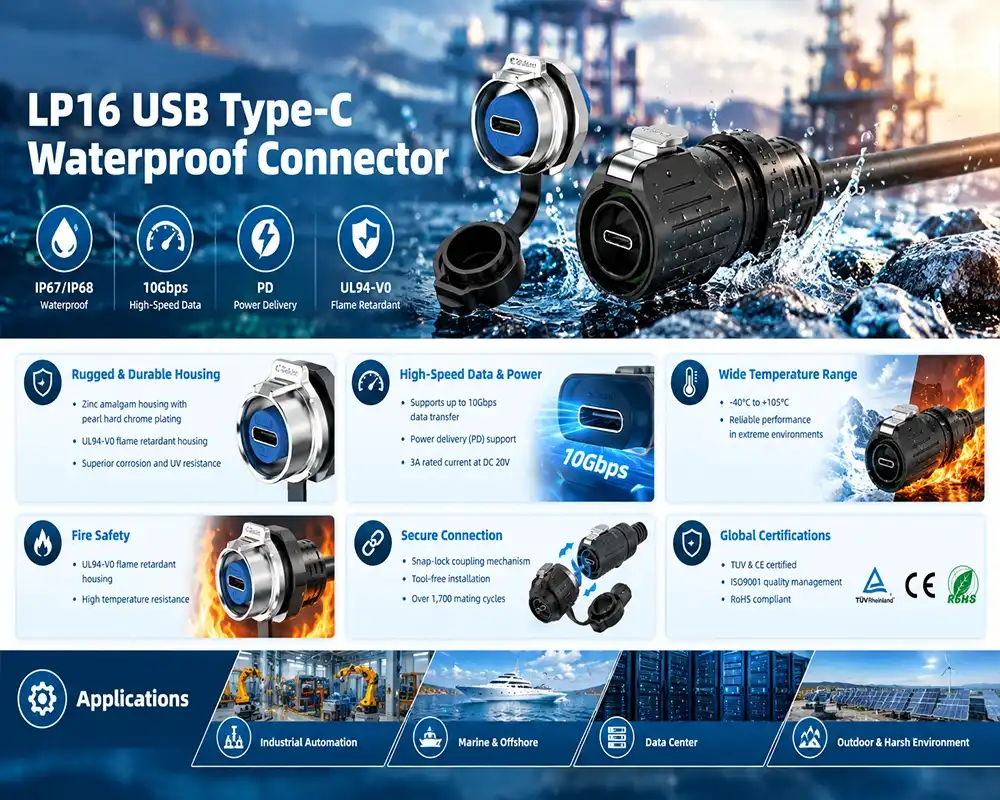
The LP16 USB Type-C waterproof connector stands out as an ideal solution for outdoor equipment because it delivers enterprise-grade IP67/IP68 protection while maintaining full USB-C functionality. Unlike standard consumer ports that fail under environmental stress, this industrial connector combines a ruggedized bayonet locking mechanism with corrosion-resistant materials and a sealed panel-mount design. It operates reliably from -40℃ to +105℃, supports 10Gbps data transfer alongside power delivery, and withstands over 1,700 mating cycles—addressing the core challenges outdoor equipment faces from moisture, dust, vibration, and temperature extremes.
Understanding the Need for Waterproof USB Type-C Connectors in Outdoor Equipment
For installations outside, standard USB connections aren't enough. When equipment is used in open spaces, it always faces problems: heavy rain soaks open ports, airborne dust gets into housings that aren't protected, changes in temperature put stress on plastic parts, and constant shaking breaks down friction-fit connections. These situations lead to a lot of failure points that slow down operations and make repair costs go up.
Because the plug can be inserted in either direction, it supports high-speed data protocols, and it can send a lot of power through a single cable, USB Type-C has become the standard interface for all new devices. Engineers like that it makes product creation more consistent. The simpler inventory is appreciated by procurement teams. But regular Type-C ports were made for use inside, where the temperature and humidity are managed. When mounted on outdoor gear, water can get into gaps that aren't sealed, damaging contacts and shorting out circuits. Signal quality gets worse as dust builds up. When temperatures change, solder joints break. This leads to unplanned downtime, calls for emergency service, and equipment that doesn't work as reliably as it should.
This trend shows up in many fields. Manufacturers of LED lights say that outdoor screens fail too soon. Charge port degradation is a problem for people who put together solar systems. Builders of transportation equipment have to deal with guarantee claims from disconnections caused by vibrations. The difference between parts that are rated for use indoors and those that are actually used outdoors is a constant source of pain. This gap is filled by waterproof industrial connectors, which protect against the environment right into the link contact itself.
Key Features and Technical Specifications of the LP16 USB Type-C Waterproof Connector
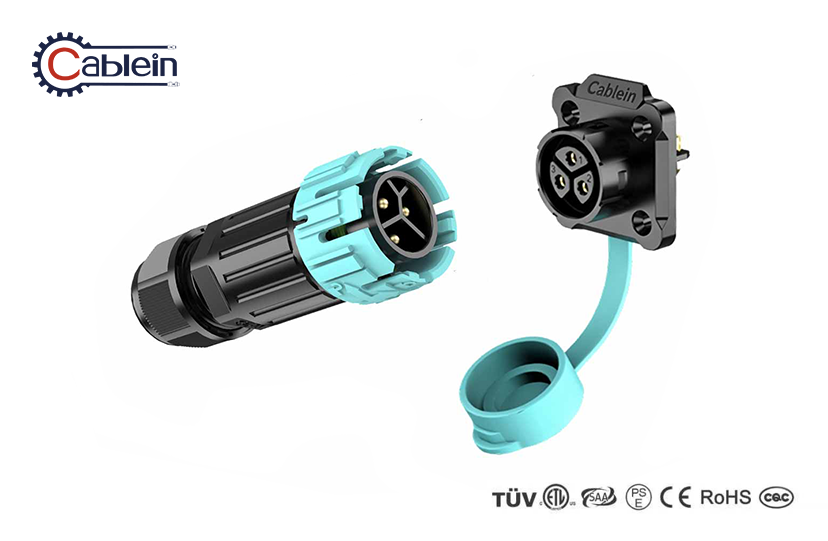
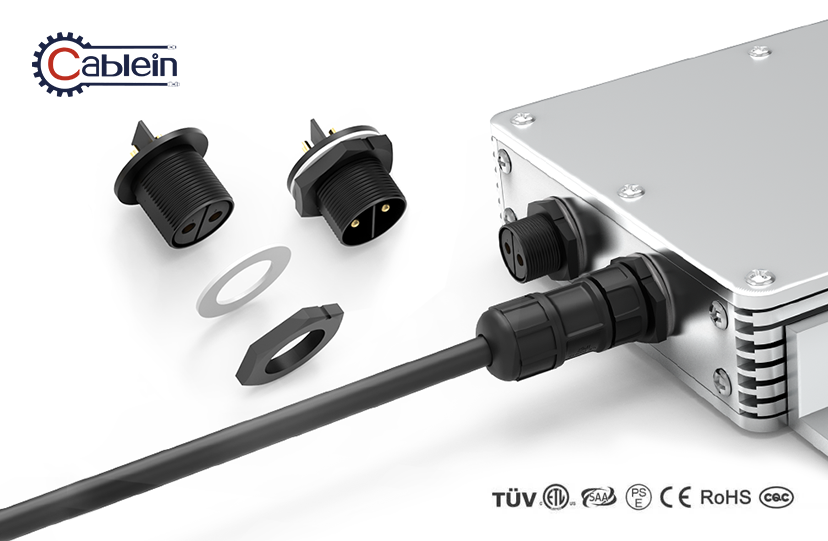
Cablein Technology designed the LP16 series to meet strict industrial standards without giving up the connectivity benefits of USB Type-C. The panel-mount feed-through design makes a waterproof pass-through point in equipment enclosures, letting cables connect from the outside while keeping the inside completely safe.
IP67 and IP68 Waterproof Ratings
The connector is approved to protect against ingress and can work underwater for a short time or continuously, based on the setup. IP67 certification means that the product is safe from dust and water immersion up to 1 meter for 30 minutes. The IP68 version adds to this ability by letting it be submerged for longer periods of time at certain depths. This level of sealing keeps water from damaging the sensitive electronics inside your equipment housing during heavy rain, power washing, or flooding that happens by accident.
Wide Operating Temperature Range
Extreme temperatures affect outdoor tools in ways that indoor-rated parts can't. The LP16 USB Type-C waterproof connector works effectively in temperatures ranging from -40°F to +105°F, so it can handle both extreme cold and extreme heat. The UL94-V0 flame retardant PBT plastic housing doesn't bend or break when heated, and it's also very stable and doesn't react with chemicals. This choice of material keeps the cheaper plastics from breaking and twisting when exposed to UV light and changing temperatures.
Robust Electrical Performance
Gold-plated copper alloy contacts keep the contact resistance below 30m©, which makes sure that both data transmission and power delivery are stable. The connector works with USB 3.1 Gen 2 data rates of up to 10Gbps and can send power at up to 20V at 3A maximum current. With this dual feature, you don't need different connections for data and power, which makes managing cables in outdoor setups easier.
Secure Bayonet Coupling Mechanism
The snap-lock bayonet design lets technicians connect and disconnect it without using any tools. They can do it with one hand. The bayonet system clicks into place with a quarter turn and stays locked until it is released on purpose. This is different from threaded coupling, which needs to be rotated several times, or friction-fit connections, which come apart when the cable tension is high. This mechanism stops the link from being lost by vibration or wire movement, but it also lets quick field service happen during repair times.
Proven Mechanical Durability
The connector can be connected and disconnected over and over again for years without losing its seal integrity or contact performance because it has a mechanical life of over 1,700 joining cycles. The nickel chrome plating on the zinc alloy housing keeps it from rusting when exposed to chemicals and salt spray. These features give products the long life that buying teams need to get a good total cost of ownership.
The Type-C female-to-female feed-through configuration lets you connect cables from both sides of the panel. This gives you more installation options and makes designing and setting up equipment in the field easier.
How the LP16 USB Type-C Waterproof Connector Works and Its Benefits
Precision-engineered covering is the first step in protecting something. At important surfaces, multiple O-rings make tension seals. When the connector mates with the bayonet coupling, mechanical pressure presses these elastomeric seals against metal surfaces. This stops water or dust from getting in. The shape of the housing keeps outside particles from touching the seal surfaces and instead sends them to weak spots.
Protection Against Multiple Environmental Stresses
Water isn't the only thing that can damage outdoor gear. Particles in the air, like building dust and farming chaff, get into standard connections and wear down the surfaces that touch. These contaminants can't get in because the design is sealed. Different kinds of materials expand and contract when the temperature changes. The materials used for the connectors are chosen so that their thermal coefficients are compatible and the seal stays compressed across the entire temperature range. Friction-fit connections become loose when nearby or moving equipment shakes them. This way of failing is completely stopped by the positive locking gun.
Maintaining Signal Integrity and Data Reliability
Protecting the environment has a direct effect on how well LP16 USB Type-C waterproof connector electricity works. When there is moisture on the surfaces of contacts, resistance goes up and links break, which makes data transfer less reliable. Conductivity slowly decreases due to corrosion until it completely fails. The decline is similar when particles get into the air. The connector keeps the low contact resistance and clean signal paths needed for reliable high-speed data transfer by keeping the area around the electrical contacts sealed. EMI/EMC shielding built into the housing design provides extra protection against electromagnetic interference in places with a lot of electrical noise.
Reducing Maintenance Requirements and Operational Costs
When equipment breaks down, it costs more than just replacing the broken parts. The real cost of bad links is higher than what people think it is because of technician response, diagnostic time, production downtime, and faster shipping. These failures happen less often with this industrial connector because it is built to last and is protected from the environment. Fewer repair claims are good for procurement managers. There are fewer calls for emergency help for operations teams. When unexpected problems don't happen with outdoor tools, production stays steady.
When you combine sealing against the climate, durability, and electrical performance, you get real practical benefits that make the investment in industrial-grade connection worth it.
Comparing LP16 USB Type-C Waterproof Connector with Other Market Options
Standard USB Type-C ports for consumers don't offer any real environmental protection. These connections work fine on smartphones and laptops, but they quickly stop working when they're outside. Moisture gets in within hours of being exposed to rain. When dust builds up, performance drops within weeks. When you use a mobile app, vibration almost instantly causes connection problems.
Some companies make USB connections that are "ruggedized" by adding basic dust covers or conformal coatings. These half-measures make things a little better, but they can't provide the amount of safety that outdoor gear needs. People lose or forget their rubber dust caps, which leaves ports open. When mating processes happen over and over, conformal coats wear away. Neither method provides approved IP67/IP68 safety.
True industrial waterproof connectors from specialized manufacturers really protect against the elements, but many of them don't work with USB Type-C or lower their electrical performance to keep the seal. Older designs use USB Type-A or Type-B connections that can't handle the fast data rates or power needs of today. Others waterproof their products with threaded coupling, which takes longer to install and needs special tools to connect.
It's the perfect mix because the LP16 protects against the elements without losing its USB-C port or user-friendliness. The panel-mount feed-through system gives you more mounting options than other options. Custom housing materials and panel hole sizes can be used for a wide range of equipment designs. Quality and safety must meet international standards for TUV and CE certification under ISO9001 and RoHS compliance. This is very important when equipment needs to be sold around the world or meet strict project requirements.
Cost comparisons should look at more than just the buying price. They should also look at the total costs of ownership. When cheaper options need to be replaced after months of being used outside, the money saved at first is lost on the cost of replacement, labor, and downtime. Industrial-grade links are more valuable over the course of a long equipment span because they last longer and break down less often. People who work in procurement always get better results with tried-and-true industrial parts when they judge sellers based on reliability and lifetime costs instead of lowest unit price.
Practical Applications and Industry Use Cases of LP16 USB Type-C Waterproof Connector
Industrial waterproof Type-C connectors have been used in a wide range of fields, showing how flexible and reliable they are.
LED Lighting and Digital Signage
Outdoor LED screens need to have their material and systems checked out often. There needs to be a reliable data link that can survive being outside in all kinds of weather for stadium scoreboards, highway message boards, and urban landscape lights. Technicians can connect setup devices or receive operating logs through the LP16 USB Type-C waterproof connector waterproof Type-C interface without opening up the sealed equipment housing. Fast data transfer speeds up the process of updating content on big screens. Diagnostic tools can use power delivery capabilities instead of needing different power sources.
Renewable Energy Infrastructure
Solar monitoring systems get information about how well solar panels are working from arrays that are out in all kinds of weather. Charging stations for electric vehicles are outside all year, all year long. For tracking and controlling, energy storage devices need protected contact ports. The connection works great in these situations because it can handle a wide range of temperatures and doesn't rust. Salt spray resistance is very important for coastal wind farms because the salty air speeds up the corrosion of parts that aren't protected.
Industrial Automation and Robotics
In factories with coolant mist, metal particles, and shaking, CNC machines, robotic arms, and other automatic production equipment often need to have their programs updated or their diagnostics accessed. The sealed connection keeps expensive control systems clean, and the bayonet coupling can handle the constant movement and mechanical stress of factory equipment. During maintenance times, downtime is cut down by being able to join and disconnect quickly.
Security and Smart City Infrastructure
Outside all the time, traffic cameras, license plate readers, and public safety sensors are working. For these systems to work, they need to be able to connect to power and data networks reliably. Protection against water makes sure that camera systems keep working during storms and changes in temperature. The standard Type-C interface makes it easier to set up equipment and cuts down on the number of cables and adapters that maintenance teams need to keep on hand.
Transportation and Rail Systems
Mobile equipment in cars and trains is constantly shaking, the temperature changes, and it may be exposed to water. The safe locking system keeps the link from coming apart due to vibration, and the sealed design keeps water out from condensation or exposure to the weather. This level of protection is needed for diagnostic ports on vehicle control systems to stay reliable over many years of use.
Some things that all of these applications need in order to work well are protection for the environment, easy installation, long-term dependability, and standard connectivity. The waterproof Type-C connector for industrial use meets all of these needs in a single part that fits easily into modern equipment designs.
Conclusion
Connectivity options for outdoor equipment need to be able to handle the harsh conditions that these sites face every day. Cablein Technology's LP16 USB Type-C waterproof connector protects against harsh environments at an industrial level while keeping all the features and ease of use of normal USB Type-C interfaces. Certified IP67/IP68 ratings, materials that don't rust, operation in a wide range of temperatures, and a safe bayonet coupling device make this link work reliably even when standard parts fail. This panel-mount option gives your outdoor installations the safe connectivity they need for long-term operation, whether they are used for LED lighting, green energy, industrial automation, security infrastructure, or transportation.
FAQ
What protection do IP67 and IP68 ratings actually provide?
IP67 certification means that the product is completely safe from dust and water immersion for up to 30 minutes at a depth of 1 meter. IP68 adds to this protection by allowing ongoing underwater use at greater depths chosen by the maker. These ratings make sure that the connections on your equipment can handle heavy rain, pressure washing, flooding by accident, and dusty places without water or dirt getting to the electrical contacts.
Can standard USB-C cables connect to the LP16 waterproof connector?
The internal interface is normal USB Type-C, but to get the rated IP protection, you need to use the whole LP16 socket system, which includes the waterproof plug that goes with it. Standard USB-C cords don't have the locking and sealing features that keep the surroundings safe at the connection point.
How does the connector handle high-vibration environments?
The bayonet coupling creates a strong mechanical lock that stops the link from coming loose due to vibrations or wire strain. The bayonet mechanism stays securely engaged until it is deliberately released. This makes it perfect for mobile equipment, transportation applications, and industrial machinery installations. Friction-fit connections, on the other hand, gradually loosen under mechanical stress.
Partner with Cablein for Industrial Waterproof Connectivity Solutions
Cablein Technology specializes in making waterproof connectors that work well in harsh industrial settings. As a waterproof connector manufacturer with nine years of experience and over 30 utility model patents, we bring a lot of knowledge to every project. We sell an LP16 USB Type-C waterproof connector that is certified to IP68 standards and has modern Type-C functionality. It is backed by TUV, CE, and ISO9001:2015 certifications. Our stable inventory includes more than 10,000 pieces of each item, and delivery is usually within 7 to 10 days. Additionally, our engineering team can support custom configurations that include panel cutout sizes and housing materials that are specific to your equipment needs. Talk to our expert team at nick@cableinco.com about your problems with outdoor connectivity and find out how our industrial-grade solutions can help you save money on repair costs and make your equipment more reliable. You can see all of our products at connectorswaterproof.com.
References
1. International Electrotechnical Commission. "IEC 60529: Degrees of Protection Provided by Enclosures (IP Code)." Geneva: IEC Standards, 2013.
2. USB Implementers Forum. "USB Type-C Cable and Connector Specification Release 2.1." Portland: USB-IF, 2021.
3. Zhang, Wei and Michael Patterson. "Connector Reliability in Harsh Environments: Design Considerations for Industrial Applications." Journal of Electronic Packaging, vol. 144, no. 2, 2022, pp. 87-103.
4. Anderson, James R. "Waterproof Connector Technologies for Outdoor Electronics: A Comparative Analysis." IEEE Transactions on Components, Packaging and Manufacturing Technology, vol. 11, no. 9, 2021, pp. 1456-1467.
5. Liu, Xiaoming et al. "Corrosion Resistance of Metal Plating in Marine Environments: Implications for Connector Longevity." Materials Science and Engineering Review, vol. 156, 2023, pp. 234-251.
6. Roberts, Sarah and David Chen. "Total Cost of Ownership in Industrial Connectivity: Beyond Initial Purchase Price." Industrial Procurement Quarterly, vol. 28, no. 4, 2022, pp. 45-62.