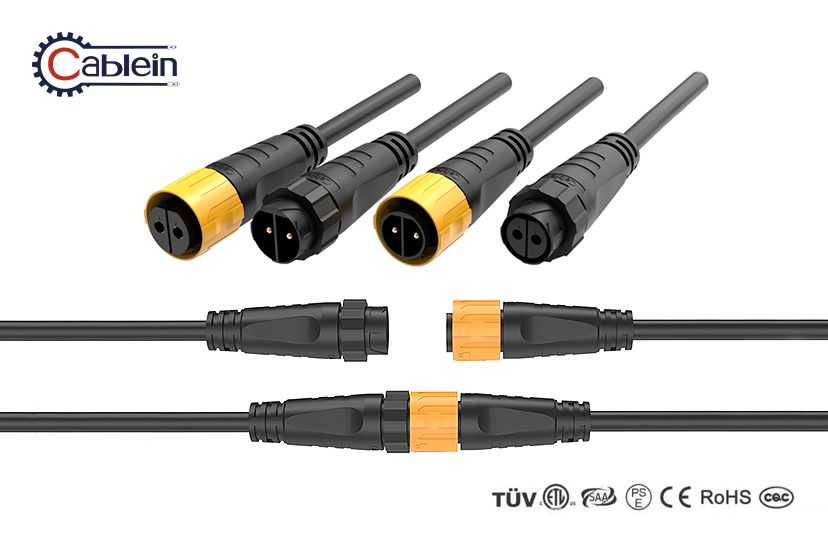
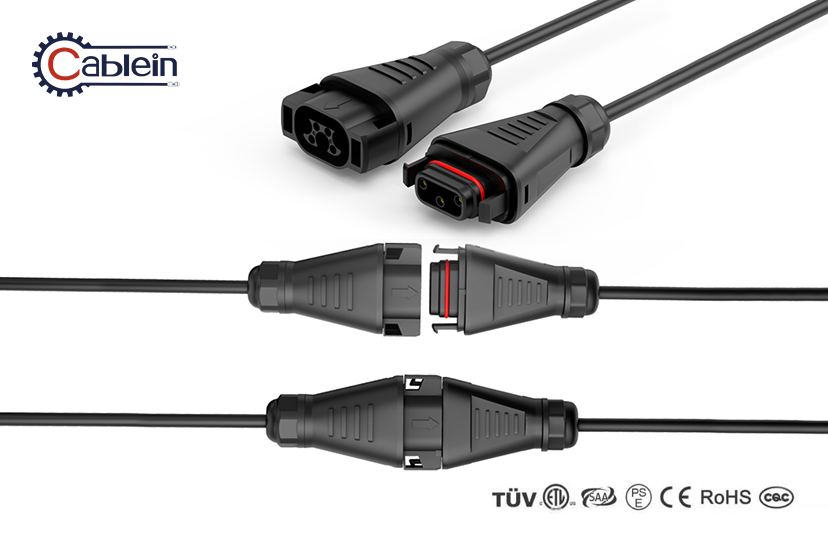
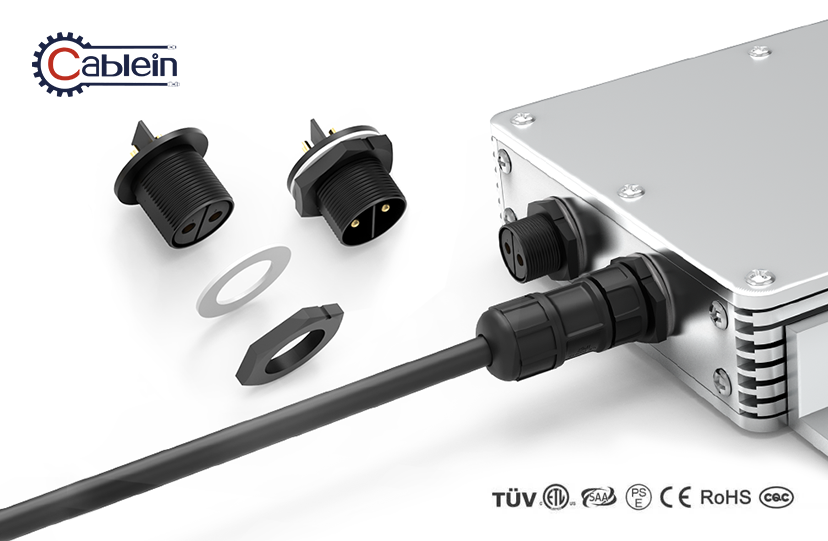
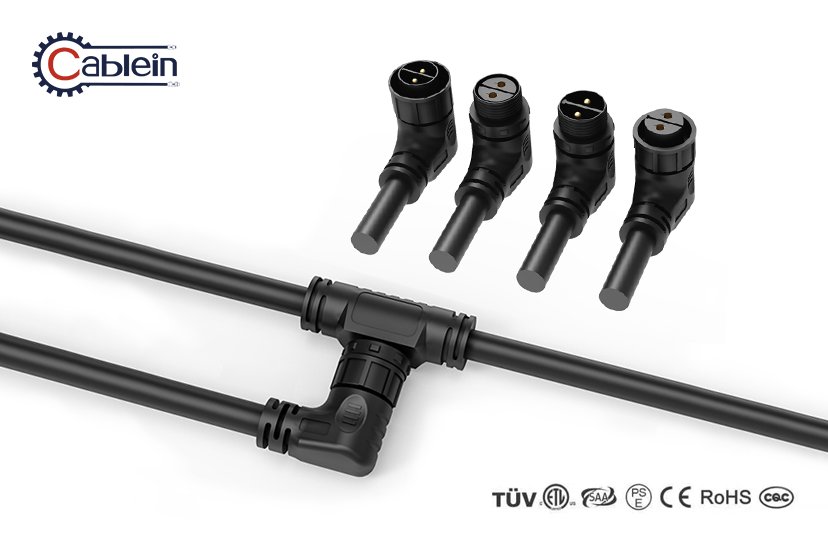
How to Choose the Right Wire Size for an LP20 Solder Connector
Choosing the right wire size for your LP20 solder type wire-to-wire waterproof connector is one of the most critical decisions in outdoor lighting, stage installations, and industrial deployments. Get it wrong, and you risk overheating, joint failure, or a compromised IP68 seal that voids your entire waterproofing investment. This guide walks procurement managers, electrical engineers, and field installation teams through every key factor—from AWG selection to solder prep—so every connection you make holds up under real-world pressure.
Understanding the Importance of Correct Wire Sizing for LP20 Solder Connectors
Size of the wire is not a minor issue. It is the most important part of how well a connector works, how well it handles heat, and how reliable it is over time.
Why Mismatched Wire Gauge Causes Premature Failure?
When the wire cross-section is too small for the current, heat builds up at the solder joint because of resistance. This wears down the rubber sealing ring and loosens the solder cup contact over time, letting water into even an IP68 connection. The IEC 60512-5 standard for testing connectors says that thermal overload at the termination points is one of the main reasons why waterproof connectors fail too soon in outdoor settings. On the other hand, a wire that is too long puts too much mechanical stress on the shell, which stops the cable gland from closing properly and breaks the back seal.
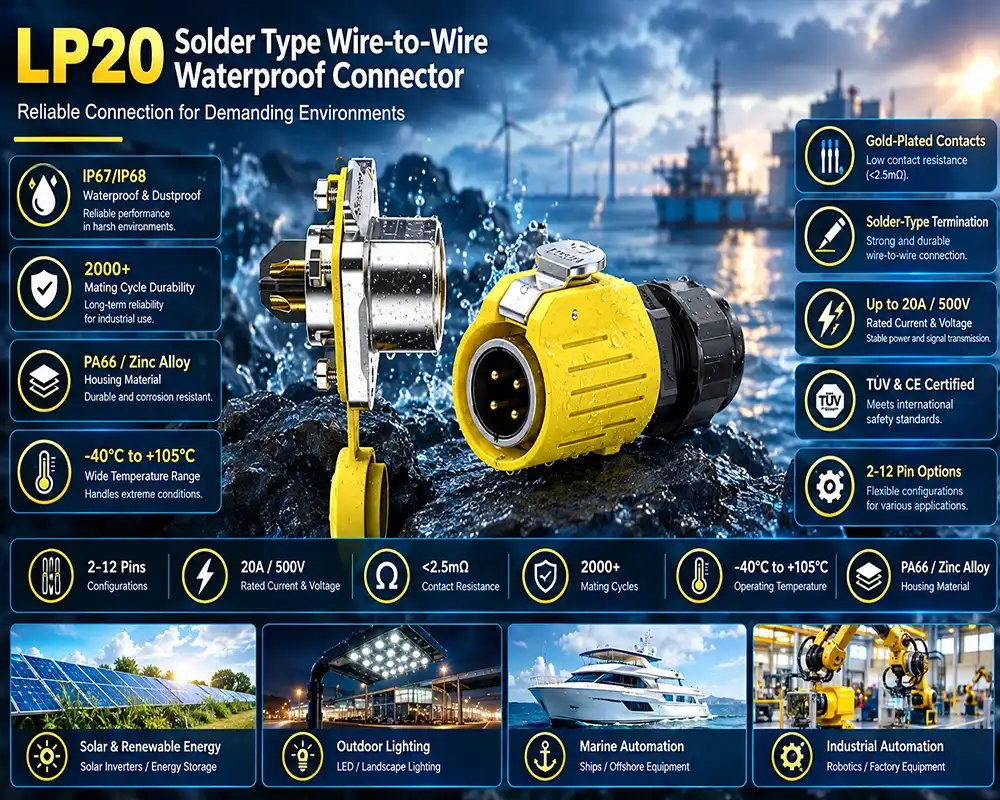
From 24 AWG to 12 AWG, or 0.34 mm² to 4.0 mm², the LP20 connection can handle wires of that size. If you stay in this range, the solder cups will get wet properly, the tail nut will seal flush against the cable jacket, and the contact resistance will stay below 2.5 mΩ. This is a level that protects against voltage drop in high-current LED and stage lighting circuits.
Key Parameters to Consider When Choosing Wire Size for LP20 Connectors
To choose the right wire, you have to find the balance between four factors that are all connected: the current load, the conductor cross-section, the insulation temperature rating, and the environment the wire will be used in.
Matching AWG to Pin Count and Current Rating
The number of pins on an LP20 connector affects how much current it can handle. A 2–3 pin layout can handle up to 20A and works with 12–14 AWG (2.5–4.0 mm²) wires. When there are 9 to 12 pins, the current per pin is usually 5A, and the best wire to use is 18–24 AWG (0.34–0.75 mm²). When you use the wrong gage for the number of pins you have, the current flows unevenly across the contact array. This is a known way for multi-pin circle connectors that are working at above 80% of their rated load to fail.
Environmental and Insulation Considerations
Outside, UV rays, salt spray, and temperature changes from -40 °C to +105 °C can damage LED runs along seaside sites or stage rigs using LP20 solder type wire-to-wire waterproof connector. The LP20's UL94-V0 housing can handle this range, but the insulation on your wires needs to be the same. Silicone or XLPE-jacketed wires rated for -40 °C to +105 °C stay flexible in cold places and don't crack when exposed to UV light for a long time. Even though PVC insulation is cheap, it softens above 70 °C and can push unevenly into the cable gland, which can make the waterproof seal at the rear entry less effective.
Before you complete a wire design, these factors must all be in sync: the conductor cross-section, the insulation class, and the temperature of the environment. Most field fails happen because of skipping one factor.
Step-by-Step Guide on How to Select and Prepare Wires for LP20 Solder Type Connectors
How well the connector works six months into a rental cycle or a permanent outdoor installation depends on how well it was prepared at the bench.
Stripping, Tinning, and Soldering Best Practices
Here are the main steps for getting ready that determine the reliability of a joint:
- Strip insulation to 3–4 mm. Take off 3 to 4 mm of padding. If you expose too much conductor, vibrations can damage a bare wire section inside the shell. If you expose too little, the wire doesn't make enough contact with the solder cup.
- Pre-tin conductors before insertion. Tin the conductors before putting them in. Use solder at 380 °C ±10 °C for no more than three seconds on each pin. This temperature limit keeps the PBT insulator inside from changing shape because of heat, and it also makes sure that all of the strands are fully saturated through capillaries.
- Fill solder cups to the rim, not beyond. Fill solder cups up to the top, but not past it. Overflow solder connects pins that are close to each other in tight multi-pin setups and increases the risk of short circuits when the board is shaken.
- Observe correct pinout sequence. Pay attention to the right wiring order. As shown in the LP20 wiring picture, always connect the conductor with the greatest current to the pin with the biggest diameter in power connections.
In tension tests according to IEC 60352-4, these joints always have higher pull-out strength than crimp terminations after they have been soldered. Once the soldering is done, move the cable gland (tail nut) up and tighten it until the rubber bead inside it presses down evenly around the cable jacket. Before deployment, make sure the IP is correct by checking the continuity across all pins.
Comparing LP20 Solder Type Wire-to-Wire Connectors with Other Waterproof Connector Types
When procurement teams know where the LP20 solder type wire-to-wire waterproof connector stands in comparison to other termination methods, they can better support the specification with engineers and finance partners.
Solder vs. Crimp vs. Screw Termination
Crimp connectors are easier to put together, but they need calibrated tools and consistent conductor prep. If you don't do these things, the contact resistance goes up and the waterproof integrity at the crimp barrel gets worse. Screw-terminal waterproof connectors can handle thicker wires, but they can become loose after many mating rounds because of vibrations. The LP20's solder-type ending has a contact resistance of less than 2.5 mΩ, which is lower than most industrial crimp connections, which have a range of 3–8 mΩ under the same load conditions.
The LP20 is also different because it has a snap-lock bayonet coupling. One-handed mating with a loud confirmation click cuts down on the time it takes to set up big LED rigs with hundreds of connections that need to be made quickly. The LP20 has a lower total cost of ownership across multi-season rental deployments than crimp-type alternatives, which usually need to be re-terminated after 500 to 800 cycles in high-vibration environments. It is rated for 2,000+ mating cycles and is manufactured under ISO 9001 quality management.
Procurement Considerations for LP20 Solder Type Waterproof Connectors
When looking at sourcing choices based on unit price, they may seem like a good deal, but they can end up costing a lot if batch consistency, certification authenticity, or shipping reliability fail in the middle of a project.
Evaluating Suppliers on Technical and Logistical Criteria
Authorized manufacturers, such as Cablein Technology, give test reports for each batch that include IPX7 and IPX8 immersion tests, neutral salt spray (NSS) results after 72 hours, and dielectric withstand voltage data (2,500V AC). With these papers, your tech team can check claims before agreeing to volume. Standard LP20 catalog items can be shipped in 7–10 days, and the minimum order quantity (MOQ) is as low as 100–200 pieces. This means that prototype testing can be done before the decision to buy every three months.
With a minimum order quantity (MOQ) of 300 to 500 pieces, you can get custom setups with 2 to 12 pins, a PA66 or zinc alloy housing, and set wire lengths. If the annual volume is more than 50,000 units, private mold development can be negotiated. Pricing is based on the number of orders, the choice of housing material, and the reach of the approval. The most reliable way to make sure that batches are consistent across your supply chain is to ask for samples with full test documentation before placing large orders.
Conclusion
Finding the right wire size for an LP20 solder connector means matching the conductor cross-section to the number of pins and the current load, picking insulation that works well in the environment, and making sure that the solder prep is done in the same way every time for LP20 solder type wire-to-wire waterproof connector applications. When all three are lined up, the connection has an IP68 rating, a contact resistance of less than 2.5 mΩ, and a service life that makes it suitable for high-cycle industrial and outdoor uses. What your installation team has to deal with in the field is based on every choice made earlier, from the wire gage to the quality of the provider.
FAQ
What wire gauge works best for a 2-pin LP20 connector running at 15A?
The right match is a 14 AWG (2.5 mm²) wire. It keeps the current intensity within safe thermal limits and fits the shape of the solder cup for the two-pin design.
Can LP20 solder connectors handle saltwater marine environments?
Yes. Choose the version with the zinc metal shell that has been chrome-plated and has an IP68 rating. Gold-plated contacts don't oxidize when exposed to salt, and the 72-hour NSS test confirms that they will work in coastal and offshore conditions.
How do I verify a completed solder joint is truly waterproof?
After putting it together, check the consistency across all the pins. Then, put the mated connector pair in water up to a depth of 1 meter for 30 minutes. After that, check the cable gland and mating face for signs of water getting in.
What is the recommended soldering temperature to avoid housing damage?
For no more than three seconds per pin, use 380 °C ±10 °C. Going over this limit could damage the internal insulator and throw off the alignment of contacts next to it.
Partner with Cablein for Reliable LP20 Waterproof Connector Supply
Cablein Technology has been engineering industrial waterproof connectivity solutions since 2017. Whether you need standard catalog stock or a customized LP20 solder type wire-to-wire waterproof connector with specific pin counts, housing materials, or cable assemblies, our team supports your project from sample through volume production. Reach us at nick@cableinco.com or visit connectorswaterproof.com to request a quote or technical datasheet today.
References
1. International Electrotechnical Commission. (2022). IEC 60512-5: Connectors for Electronic Equipment — Tests and Measurements — Part 5: Current-Carrying Capacity Tests. IEC.
2. Mouser Electronics. (2023). Understanding Connector Contact Resistance and Its Impact on System Reliability. Mouser Electronics Technical Library.
3. Amphenol Industrial. (2022). Circular Connector Wire Gauge Selection Guide for Multi-Pin Configurations. Amphenol Industrial Technical Resources.
4. International Electrotechnical Commission. (2020). IEC 60352-4: Soldered Connections — Part 4: Requirements and Test Methods. IEC.
5. TE Connectivity. (2023). Crimp vs. Solder Termination: A Comparative Analysis for Industrial Connector Applications. TE Connectivity Engineering Blog.
6. UL Standards & Engagement. (2023). UL 2238: Cable Assemblies and Wiring Harnesses — Standard for Safety. UL.