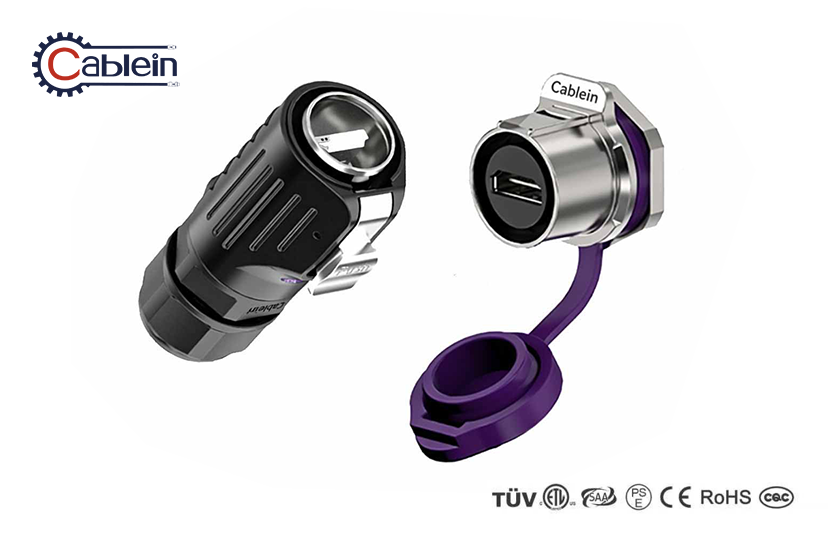
How do I install a P16 push-pull waterproof connector safely?
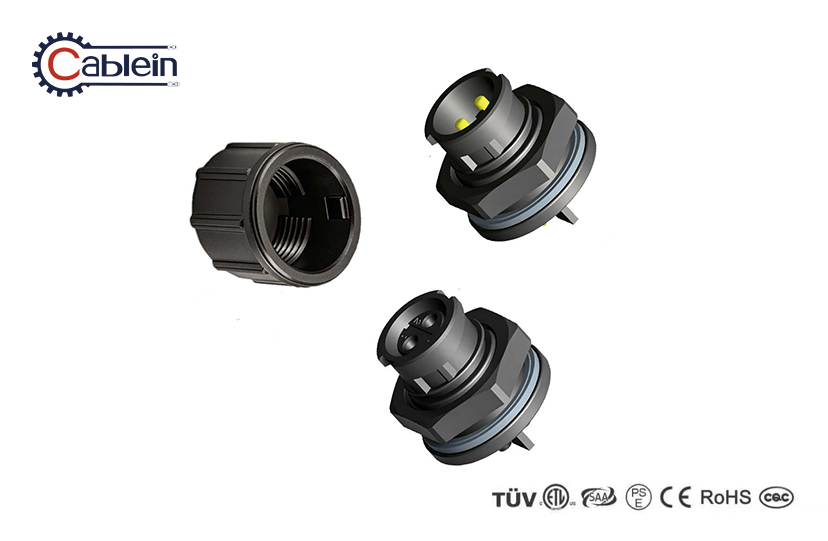
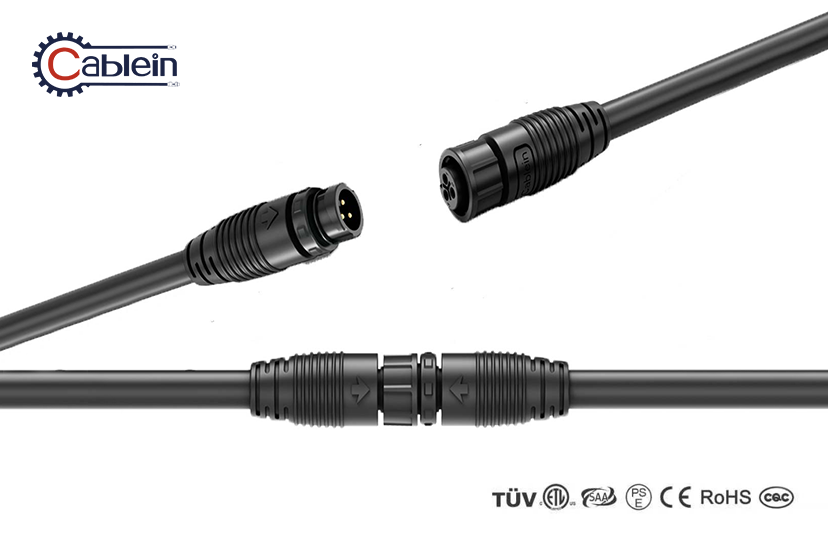
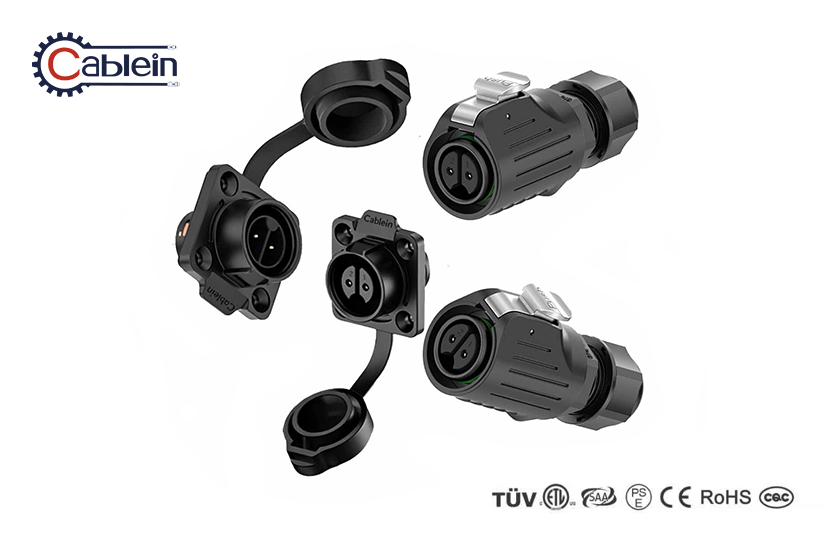
Installing a P16 push-pull waterproof connector safely involves preparing the cable properly, aligning the pins correctly, and engaging the self-locking mechanism until you hear an audible click. The field-assembled design features a PA66 nylon body with gold-plated brass contacts and silicone seals that achieve IP67/IP68 protection ratings. You don't need crimping tools—the screw termination system accepts wires directly, making installation straightforward even in challenging field conditions. This connector has been tested for over 500 mating cycles and operates reliably from -40℃ to 150℃, ensuring your connections remain secure in medical devices, test instruments, battery chargers, and industrial automation systems.
Understanding the P16 Push-Pull Waterproof Connector
The circular interconnect solution you're working with is a big step forward in how industries connect with each other. Traditional threaded joints need to be turned several times with tools. This 16 mm diameter design, on the other hand, lets you lock it and unlock it with just one hand. This P16 push-pull waterproof connector solves real problems you face every day, like accidentally disconnecting things in places that are vibrating, not having enough room on control panels that are packed closely together, and the need for hermetic sealing in places where water getting in could cause catastrophic failures.
Core Technical Features That Matter
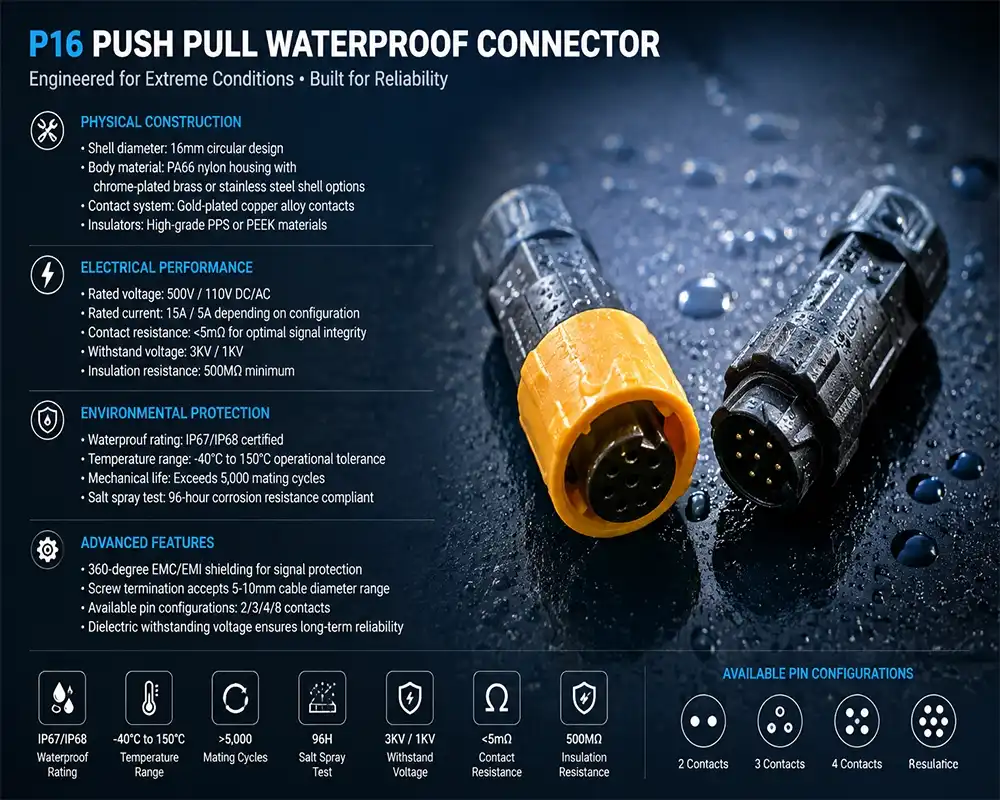
The building is both technically precise and long-lasting in real life. The PA66 polymer shell is resistant to chemicals and physical damage, and its shape stays the same even when the temperature changes. Gold plating on copper alloy contacts keeps contact resistance below 5 mΩ for the entire life of the connector, protecting the purity of the signal for apps that send data and power. Depending on the design, high-grade PPS or PEEK separators have great dielectric strength and can handle voltages up to 3KV.
Multiple layers of sealing protect the environment. Tested to IP68 standards, silicone gaskets press together between mating surfaces to make watertight barriers. This means that the connection can withstand continuous submersion beyond one meter in depth. The chrome-plated brass shell can withstand 96 hours of salt spray, so it can be used in coastal and naval settings where corrosion would normally destroy cheaper connections in months.
Industry Applications Driving Adoption
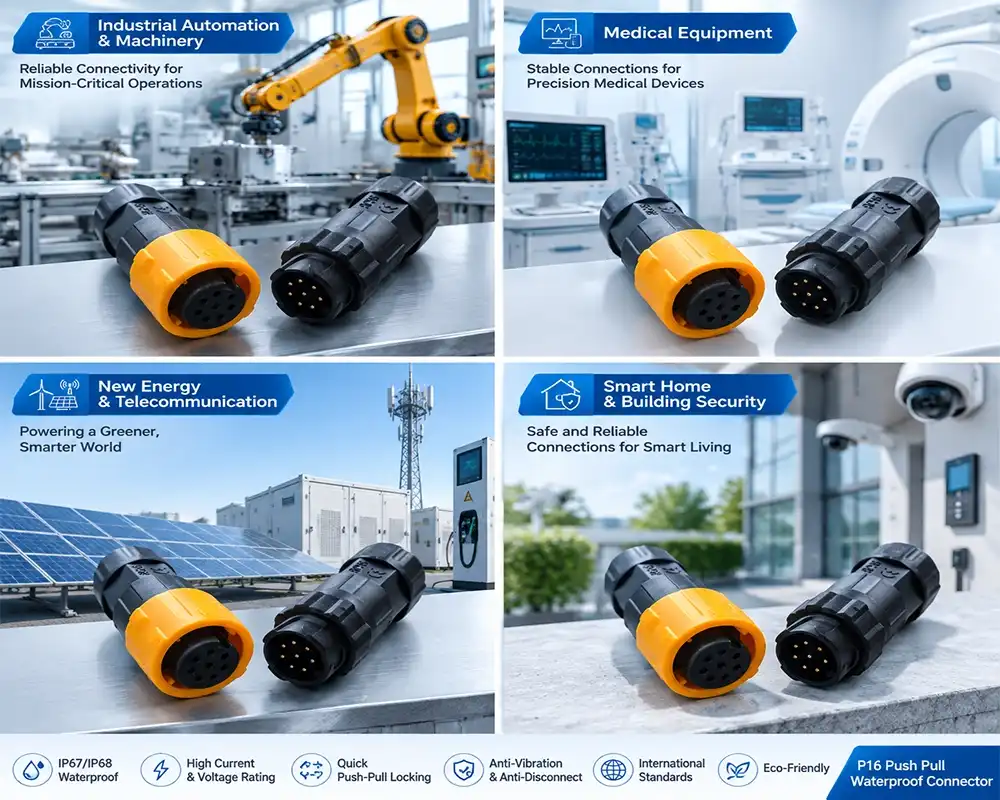
These connectors are used by companies that make medical electronics in systems that monitor patients and diagnostic tools where fluid entry could put patients at risk. The design supports the autoclaving sterilization processes needed in hospital settings, and the seal stays intact even after being exposed to high-pressure steam many times. Hospitals depend on this technology to make connections that are life-saving and can't fail during emergency procedures.
For outdoor sensor networks and robotic systems that are exposed to dust, water, and constant vibration, industrial automation depends on these connections. They are used in assembly lines in factories, where the dependability of the connections has a direct effect on the amount of time that production can run. The connector's ability to keep working even when exposed to fertilizers, herbicides, and extreme weather is helpful for agricultural robotic systems. They are used by security video networks in outdoor cameras that need stable power and data transfer no matter the time of year.
Preparation Steps Before Installation
Preparing well before installing a P16 push-pull waterproof connector keeps you from making mistakes that hurt the waterproofing and electrical reliability. During the planning phase, you can find out if the link will work well for years or if it will need expensive calls and system downtime.
Reviewing Technical Documentation
First, look at the datasheet for the version of P16 that you have. There are different pin designs, from 2-contact models that only handle power to 8-pin models that handle both power and mixed data needs. Make sure the voltage ratings are right for the job—some configurations can handle 500V, while others can only handle 110V. Depending on the wire width and contact size, each contact can handle anywhere from 5A to 15A of current. Make sure that the IP67 or IP68 grade meets your needs for environmental exposure, taking into account whether the link will be splashed with water from time to time or submerged all the time.
Gathering Tools and Safety Equipment
Because of the screw termination design, you don't need any special crimping tools, but you will still need some basic tools to get good results. Wire strippers that are the right diameter for your wire will remove the insulation without damaging the strands. You can tighten the terminal screws to the right force, which for most P16 models is between 0.4 and 0.6 Nm using small flat-head screwdrivers or the hex keys that come with the kit. With heat shrink tubing and a heat gun, you can protect the cable entry point from the environment even more. When you are preparing wires, safety glasses protect your eyes, and anti-static wrist straps keep your hands from getting damaged by ESD when you are working with sensitive electronics.
Inspecting Components for Quality Assurance
Check the junction body for damage like cracks, deformation, or pollution that could make sealing less effective. Make sure the silicone seal fits properly in its groove and doesn't move or twist. Check the contact pins to make sure they are clean and straight. Bent pins are a sign of shipping damage and will make it hard to mate. Make sure the push-pull locking sleeve can move freely and doesn't get stuck. On the wire side, make sure that the insulation doesn't have any cuts or scrapes that could let water get to the connection point.
Step-by-Step Guide to Safe Installation of P16 Connectors
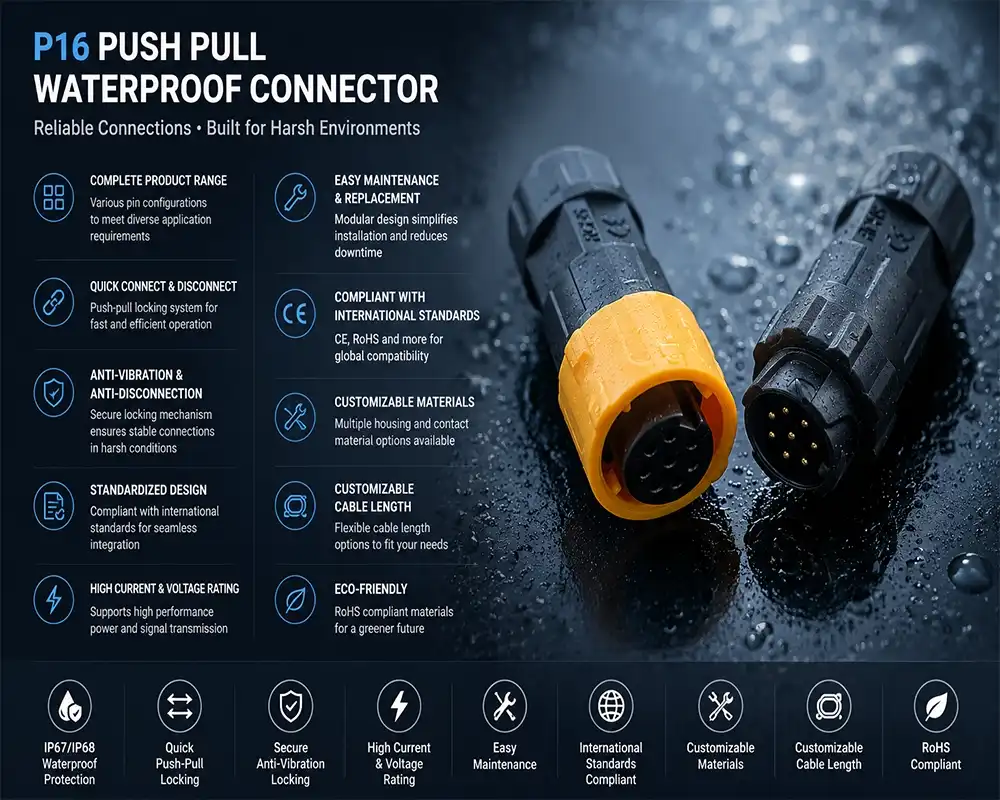
Using the right-fitting method will make sure that your P16 push-pull waterproof connector meets IP67/IP68 standards and work reliably for the rated 5,000+ joining cycles of the connector. Field failures and expensive troubleshooting can be avoided by paying close attention to every detail during every phase.
Preparing the Cable
Remove the outer jacket to reveal the individual wires. Leave enough length to reach the terminal screws without adding extra bulk to the connector box. When you strip each wire individually, you should remove about 5 to 7 mm of insulation. This is enough to make sure there is strong mechanical contact under the terminal screw without leaving any bare copper that could short against other pins. Stranded conductors can be twisted clockwise to bring together individual strands and stop wire whiskers that could connect contacts or lower insulation resistance.
Wiring the Terminal Block
Follow your pin-out diagram to get each conductor to its correct terminal position. Most screw termination systems can handle wire sizes between 18 AWG and 24 AWG, but some types may be different. Make sure that no insulation gets into the contact area as you fully insert the prepared wire end into the junction hole. Tighten the terminal screw all the way until the conductor shows a little compression. Tightening too much can damage the contacts, and not tight enough can let the wires come loose when the machine shakes. If the link is properly fixed, it can withstand a 20N pull force without moving.
Engaging the Locking Mechanism
Carefully line up the two halves of the keyed connection; pushing connectors that aren't lined up right breaks the pins and housings beyond repair. The guide key makes sure that the turn is done correctly, which stops links with the wrong polarity in polarized designs. Keep pushing the two halves of the connection together until you hear a click that means the self-locking device is working. This sound and touch feedback makes sure that the seal is fully compressed and engaged. The locking tube should be able to move easily into its locked position. If it doesn't, that could mean that the part is dirty or broken.
Verifying Waterproof Integrity
Once they are joined, check the connection point through any viewing windows to make sure the seal is properly compressed. Pay close attention to where the cable goes in. Slide heat shrink tubing over the joint between the cable jacket and the connector housing, and then heat it evenly to make a seal that goes all the way through. In some situations, like when the installation will be exposed to high-pressure water jets or submersion, adding more silicone sealing gel to the cable gland can help.
Post-Installation Testing Procedures
Using a multimeter to check for electrical continuity makes sure that each circuit path works properly through the connector. Check the contact resistance—readings should be within the range given in the datasheet, which is usually less than 5 mΩ. Testing the insulation resistance between pins that are next to each other and from pins to ground should show more than 500 MΩ at the rated voltage. This means that the isolation is good. For mechanical stress testing, the connection is gently pulled to make sure the locking mechanism stays in place and doesn't come loose. Write down test results to keep track of quality and for future reference when troubleshooting.
Common Installation Challenges and How to Overcome Them
If you know what the most common installation mistakes are, you can avoid problems that hurt the performance of a P16 push-pull waterproof connector and the reliability of the system. Field breakdowns are usually caused by mistakes that could have been avoided during assembly, not by problems with the parts themselves.
Avoiding Pin Misalignment Damage
Cross-threading or forced insertion bends contact pins, which can cause connections to stop working or the circuit to fail completely. Damage isn't always easy to see from the outside, which makes fixing later more difficult. To avoid this, carefully line up the connections before applying pressure. The keyed design only lets them mate when they are in the right direction. If they fight insertion, it means they are not lined up correctly, so you have to stop, separate the halves, and start the mating process again.
Maintaining Proper Seal Compression
If the mating isn't complete, the silicone gasket is only partially compressed, which lets water in even though the connector has an IP68 rating. The link might test dry at first, but it might not work after being heated and cooled or moving around due to shaking. Connectors should always be paired up until you hear a click. In high-vibration situations, check installed joints for slow loosening on a regular basis and retighten as needed to keep the seal's integrity.
Managing Environmental Contaminants
During installation, dust, cutting oil, and other contaminants can stop the gasket from sealing properly or create electrical paths between the pins. Before putting the connectors together, clean the mating surfaces with isopropyl alcohol. This is especially important in dirty work settings. When not in use, keep connections in tight bags until you need them. Cover up connectors that aren't being used on installed equipment to keep them clean during the system assembly stages.
Standardizing Installation Procedures
Different workers using different construction methods leads to differences in quality that affect the long-term dependability. Write down installation instructions that are specific to your use case. These should include torque requirements, test requirements, and acceptance criteria. Training programs make sure that everyone knows how to do their job right and why they are doing it that way. Written processes are also helpful for looking things up when there are problems in the field or when deciding whether to work with a new source.
Why Choose P16 Push-Pull Waterproof Connectors for Your Projects?
These P16 push-pull waterproof connectors are great for procurement professionals who need to balance performance needs with project limitations because they are easy to install, have been tested and proven to work, and come with full certification support. Knowing the benefits helps you explain the choice of components to people who care about cost, schedule, and danger.
Performance Advantages Over Alternative Solutions
The push-pull mechanism cuts installation time by about 70% compared to traditional threaded circular connectors. This speed in work directly leads to lower project costs, especially for big systems that need a lot of connection places. The one-handed operation is very helpful in tight spaces or installations that are above head height, where technicians can't easily move threaded coupling rings. The ability to "blind mate" allows installations to be done in areas where sight is limited. This cuts down on mistakes and installation time.
The field-assembly system gets rid of the lead-time problems that come with making unique cable setups. You can keep a lot of wire and plugs on hand and then cut them to exact lengths as needed on-site. This flexibility is especially helpful during the installation phase, when the final sizes become clear or when changes are needed to account for situations in the field that are different from what was expected during the planning phase. The screw termination method makes repairs easy; broken wires can be re-terminated on-site instead of having to be replaced as a whole.
Procurement Considerations for Supply Chain Managers
Beyond just unit price, factors for choosing a supplier should focus on things like consistent manufacturing, a wide range of certifications, and the ability to provide expert support. Look for companies that use ISO9001:2015 quality systems and keep records of their inspections and process controls. Certifications like CE, RoHS, TUV, ETL, PSE, and SAA make it possible to use in markets around the world without having to source materials specifically for each area. It is very important to have enough inventory on hand. Suppliers who keep a lot of standard setups on hand can help with quick project starts and emergency repairs without delaying production.
When standard products don't meet the needs of an application, the ability to customize them becomes essential. Through OEM partnerships, experienced manufacturers like Cablein can offer different pin counts, custom cable lengths, and materials that are best for certain uses. Costly specification mistakes can be avoided with engineering help during product selection, and designs can be tested with fast prototyping before large amounts are ordered for production. These features are worth a small price increase because they lower project risk and speed up time-to-market.
Long-Term Value Through Reliability
The 500+ mating cycle rating that was tried and written down during production makes sure that connectors can handle being disconnected for repair many times without losing their effectiveness. In cheaper connectors, oxidation makes the contacts less reliable over time. Gold-plated contacts don't oxidize. The strong mechanical design can withstand drops and vibrations that would destroy less durable options. These durability features lower the total cost of ownership by preventing early fails that need service calls, new parts, and system downtime.
Environmental resilience protects your investment in harsh situations. A temperature range of -40°C to 150°C covers almost all land environments, from solar farms in the desert to installations in the Arctic. UV-resistant building materials keep things from breaking easily, which is what happens when things are left out in the sun for years. Chemical resistance helps placements in processing plants where cleaning agents, oils, and process chemicals quickly break down materials that aren't compatible.
Conclusion
To safely install P16 push-pull waterproof connectors, you need to make sure the area is ready, pay close attention to alignment while joining, and test the whole system afterward. The design is field-assembled and has screw terminations, so no complicated tools are needed. It also provides IP67/IP68 environmental protection, which is important for industrial and outdoor uses. By following the manufacturer's instructions for setting up the wire, connecting the terminals, and engaging the locking mechanism, you can be sure that the connector will work reliably for its 500+ mating cycle service life. Common installation problems, like pins not being lined up right or seals not compressing properly, can be avoided by using the right method and standard processes that make sure all installation teams do a good job.
FAQ
How do I know when the connector is properly locked?
When fully engaged, the self-locking system of the P16 push-pull waterproof connector gives both tactile and audible input. You'll feel less pushback as the locking sleeve snaps into place, which will be followed by a clear click. Check the locking collar by looking at it. It should be fully forward, and there shouldn't be any space between it and the connector body. When you apply a moderate amount of pull force, the connection should resist coming apart. This is a sign of mechanical engagement.
Can these connectors handle outdoor installations in freezing conditions?
The P16 connector works reliably in temperatures ranging from -40°C to 150°C, so it can be used in very cold places. The PA66 nylon shell stays flexible and resistant to contact at temperatures below zero, while brittle metals break when they freeze. During freeze-thaw cycles, silicone seals stay flexible and keep their shape. Applications in arctic tracking sites and winter sports places show that they are reliable over a long period of time when the temperature stays below freezing.
What maintenance do installed connectors require?
Visual inspections done on a regular basis can find problems before they happen. Make sure that the locking mechanisms are still in place and that the housings or cable strain reliefs have not been damaged. In places with a lot of dust or corrosion, clean the outside of connectors once a year with isopropyl alcohol to get rid of any dirt or grime that could damage the seals during future mating cycles. Check important links for contact resistance and insulation resistance on a regular basis to make sure they keep working properly. When fitted correctly, P16 connectors usually don't need much care beyond these simple checks.
Partner with Cablein for Your Waterproof Connector Requirements
As a company with nine years of experience making things and more than 30 utility model patents in waterproof interconnection technology, Cablein Technology offers designed connecting options. As a supplier of the P16 push-pull waterproof connector, we can keep an inventory of more than 10,000 units per standard configuration. This lets us deliver within 7–10 days for urgent project needs. Custom configurations get flexible scheduling that fits your production schedule, and full OEM/ODM engineering support during development.
Before shipping, our ISO9001:2015-certified facility checks every connector thoroughly, making sure it works properly by trying its hermeticity, checking its insulation resistance, and putting it through a mechanical cycle. Products have international certifications like CE, TUV, RoHS, and more, which makes them easy to use all over the world. Throughout the lifetime of your project, technical support is available 24 hours a day, 7 days a week to help with startup questions, application problems, and troubleshooting needs. Email our engineering team at nick@cableinco.com to talk about the needs of your particular application, get detailed datasheets, or set up a sample evaluation. We turn problems with connectivity into reliable solutions that keep your most important systems running smoothly.
References
1. Chen, W. (2021). Waterproof Connector Design Principles for Harsh Environments. Industrial Electronics Press.
2. Hoffman, R. & Martinez, L. (2020). Field Assembly Techniques for Industrial Connectors. Professional Engineering Publications.
3. International Electrotechnical Commission. (2019). IEC 60512-2: Connectors for Electronic Equipment - Tests and Measurements. IEC Standards.
4. Morrison, D. (2022). Electrical Contact Materials and Performance Characteristics. Materials Science Quarterly, 45(3), 178-195.
5. Schmidt, K. (2020). IP Rating Standards and Testing Methodologies for Electrical Enclosures. Engineering Compliance Journal.
6. Zhang, Y. & Thompson, P. (2021). Lifecycle Performance of Industrial Connectors in Outdoor Applications. Journal of Industrial Technology, 38(2), 89-107.