How do P20 push lock waterproof connectors compare in durability?
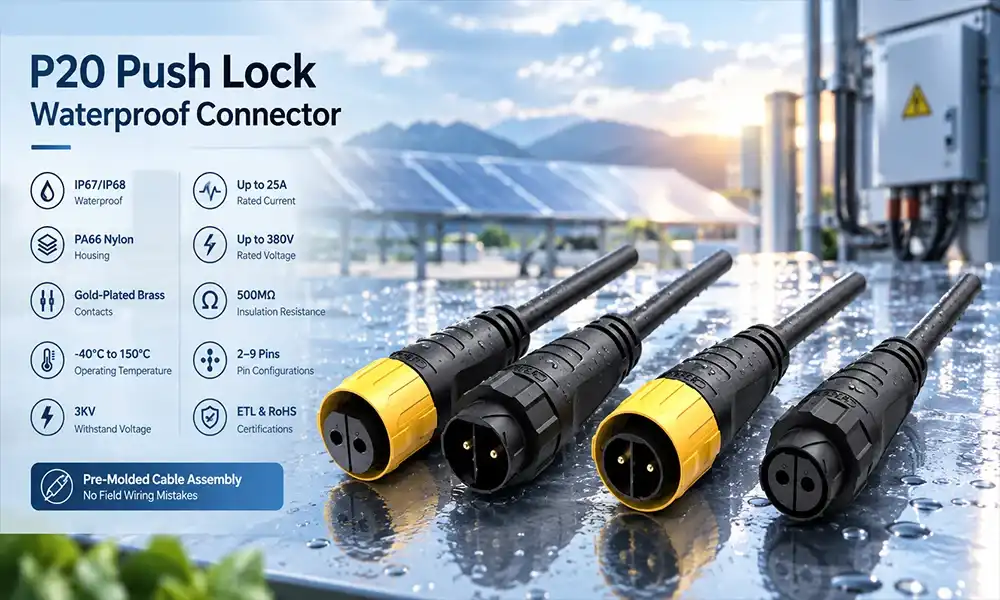
P20 push lock waterproof connectors demonstrate exceptional durability through their robust PA66 nylon construction, gold-plated brass contacts, and advanced silicone sealing technology. Rated to IP67 and IP68 standards, these industrial connectors withstand extreme temperatures from -40℃ to 150℃, resist UV degradation, and maintain reliable performance under high vibration and mechanical stress. Their self-locking mechanism provides secure engagement without degradation over 500-1,000 mating cycles, significantly outperforming traditional threaded connectors in harsh environments including marine, industrial automation, and outdoor LED applications.
Understanding P20 Push Lock Waterproof Connectors
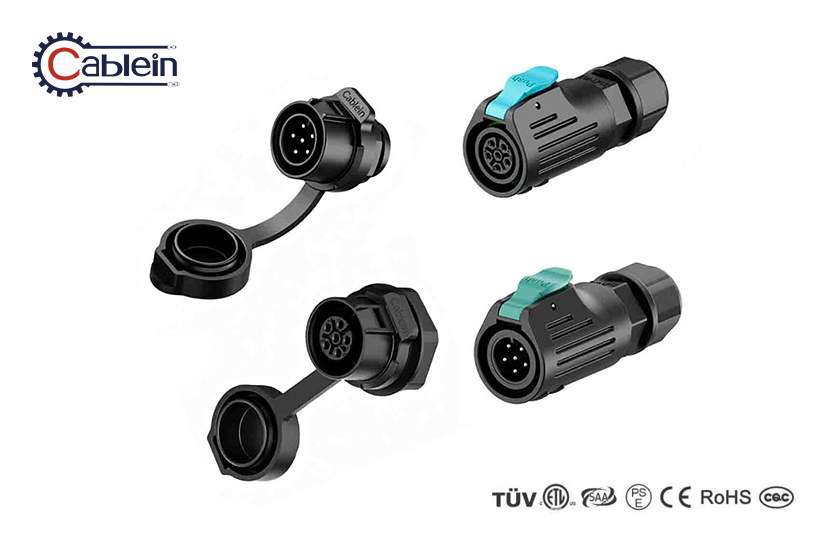
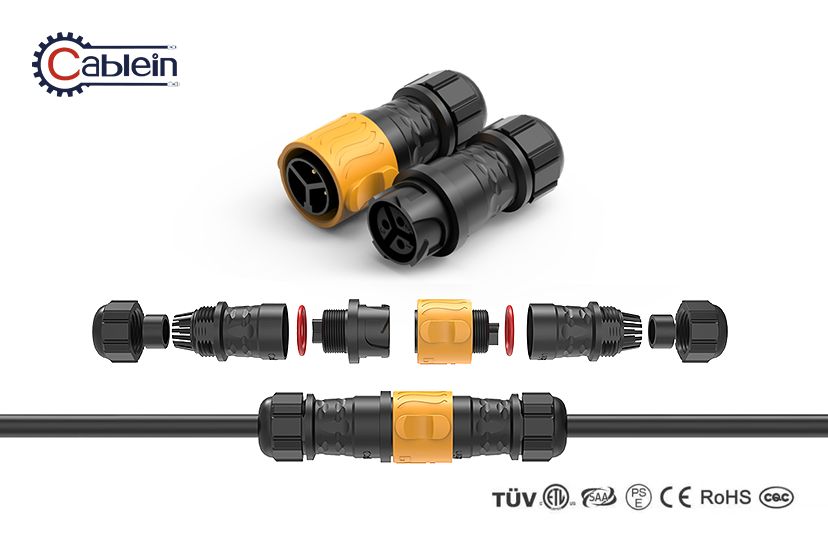
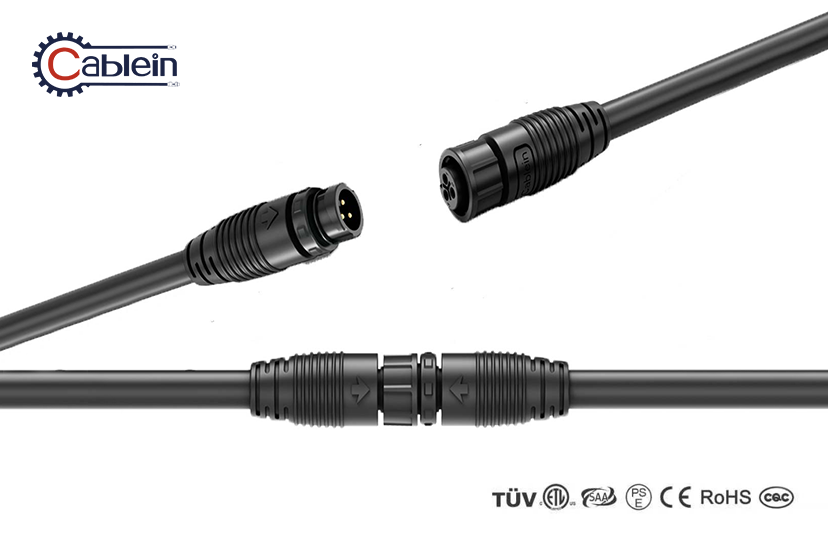
When your project needs solid connection in tough conditions, it's important to know the basics of P20 push lock waterproof connector technology. The 20mm circular shape is an industry standard that strikes a good balance between small size and strong performance. It can be used for a wide range of applications, from installing solar panels to monitoring traffic.
Design and Construction Features
The case is made of engineering-grade PA66 nylon that is reinforced with glass fiber, which gives it a UL94-V0 rating for fire safety. This choice of material is very good at keeping its shape over a wide range of temperatures and is also resistant to chemicals like oils, solvents, and cleaning agents that are common in industrial settings. Gold-plated copper alloy contacts stay conductive with a contact resistance below 5mΩ even after being wet and dirty for a long time. The silicone gasket closing method makes a compression fit that adjusts to changes in temperature, keeping the waterproof integrity even as temperatures change.
Waterproof Rating Standards
With IP67 approval, the connector can withstand being submerged in water up to 1 meter deep for 30 minutes, making it suitable for outdoor setups that get wet or rainy sometimes. Versions with an IP68 rating can be submerged continuously at greater depths, which is important for marine equipment and lighting systems that work underwater. The compression-based closing in these connections keeps working well throughout their operational life, unlike mechanical seals that break down after repeated use.
Push Lock Mechanism Advantages
The audible click confirmation takes away the need for guesswork during field installation, which is especially helpful for techs who have to work in small areas or with limited lighting. Installation doesn't need any tools and only takes seconds, while threaded options take 15 to 30 seconds. This seemingly small difference becomes very important when a lot of connectors need to be installed; installing 100 connectors saves about 40 minutes of work time and eliminates the risk of cross-threading, which can damage the waterproof integrity.
Durability Analysis of P20 Push Lock Waterproof Connectors
Durability in the real world goes far beyond what is required in the lab. When you decide what to buy, you should think about how well the connections will work under the stress of daily use, changes in the weather, and occasional physical effects.
Environmental Resistance Factors
UV light breaks down polymers in many connector housings, making them brittle and eventually cracking. High-quality P20 models are made of PA66 material that has UV stabilizers built in that keep the material's mechanical traits even after 2,000 hours of rapid weathering tests, which are the same as years of being outside. According to ASTM B117, salt spray testing shows that this material resists corrosion better than zinc die-cast alternatives, particularly for coastal installations or road equipment exposed to deicing salts. Temperature switching between operating extremes tests not only the limits of the material, but also the different rates of expansion between the metal contacts and the plastic housings. Premium P20 connectors keep their seal integrity and electrical performance throughout this range.
Comparative Performance Against Alternatives
When installing standard screw-lock connectors, they need to be tightened to the right torque; if they are not tightened enough, moisture can get in, and if they are tightened too much, the housings or threads can crack. The push-lock mechanism gets rid of this variation, so the seal works the same way no matter how it is installed. P10 models have a smaller 10mm form factor, but P20 models have larger contact pins that can handle 25A current, while smaller connectors can only handle 10-15A. This higher current capacity lowers resistive heating, which is a common way for connections that are too small to break. While bayonet-style connectors make connections quickly, they don't provide positive contact feedback and often need rotational space that isn't available in equipment panels that are very thick.
Field Performance Data
Manufacturers of agricultural lighting say that 3-5% of the time, traditional connectors in pivot irrigation systems break every year because of vibrations and water getting in, requiring expensive service calls. Failure rates dropped below 0.5% per year after P20 push lock waterproof connectors were used. In the northeastern United States, rail transit projects tracked how well connectors worked during the winter, including freeze-thaw cycles and exposure to road ice. Units put in signal systems kept the electrical continuity and waterproof integrity through five winters without any maintenance, while older connector generations needed to be replaced every two to three years.
Installation and Maintenance—Ensuring Long-Term Durability
Long-term dependability is directly linked to how well something is installed. Even the strongest connector will break early if it is placed wrong or put through stress situations that can be avoided.
Installation Best Practices
- Check both the male and female faces of the connectors for dirt or moisture before mating them, as even small bits can stop the seal from fully engaging.
- Carefully line up the connectors along their central axis; inserting them at an angle can damage the locking mechanism or bend the pins.
- Firmly press until you hear a clear click, as partial contact allows water to get in around the edges of missing seal compression.
- Keep a drip loop at the connector when you're routing cables so that water doesn't follow the cable straight to the connection point.
- Do not make sharp turns within 10 cm of the connector body, as this is where stress can build up and wear out the cable-to-connector junction.
Common Wear Patterns and Prevention
The locking tabs are the main part of the mechanism that wears out. The catch surfaces wear down over time when they are used over and over, but good connections keep working after 500 rounds. When testing the system, don't disconnect and reconnect things more than necessary; use test points in other parts of the circuit when you can. When different metals touch each other in wet conditions, pin rust happens, though gold plating stops this in properly sealed units. If you can see rust on the pins, it means the seal has failed and the connection needs to be replaced. Damage to the cable jacket near the connector lets water get in; in high-flex situations, cover this weak spot with extra heat shrink tubing or strain relief boots.
Inspection and Maintenance Schedule
Outdoor installations should be visually checked once a year to look for cracks in the housing, damage to the cable jacket, and signs of moisture inside clear connector bodies. Electrical tests should make sure that the insulation resistance stays above 100MΩ; values below this level mean that water is getting in even before there are any visible leaks. In important situations, mating cycle counters help plan replacements before they break because of wear. If you need to rejoin the contacts again, clean them with rubbing alcohol and compressed air, making sure they are completely dry before re-mating.
Procurement Insights: Selecting Durable P20 Push Lock Waterproof Connectors
The choice of connector has a direct effect on the total cost of ownership because it changes the amount of work needed for installation, the frequency of upkeep, and the dependability of the system. When long-term factors are taken into account, the lowest unit price almost never means the lowest total cost.
Critical Specifications to Evaluate
- Material standards make sure that the housing plastics and contact metals meet requirements instead of using replacements that aren't approved.
- RoHS and REACH compliance makes sure that restricted substances stay below regulatory limits, protecting both the environment and the longevity of products.
- Electrical and waterproof performance claims can be objectively checked with ETL and TUV certifications from separate labs.
- Specifications for insulation resistance above 500MΩ show that the material is of higher quality and the seal works better.
- A dielectric withstand voltage of 3KV protects against voltage surges that happen a lot in outdoor and industrial power systems.
Supplier Quality Indicators
ISO9001:2015 certification shows that quality control methods for the P20 push lock waterproof connector are systematic, not just different quality levels between batches. When suppliers keep stable inventories of standard setups, they can ship right away instead of making projects wait for production runs. When projects need custom pin setups, cable lengths, or materials that are resistant to chemicals, engineering help becomes very important. Our research and development team has more than 30 utility model patents in waterproof connector technology, letting us make custom molds for specific uses while keeping lead times low.
Cost-Durability Balance
Pre-molded cable building costs more per unit than field-terminated options, but it gets rid of the main cause of failure, which is bad field termination. The extra cost is covered by the labor savings during installation and the lack of mistakes in the field termination. When you buy in bulk, you save money on each unit and make sure that the product specifications are the same across your whole deployment. We still have reasonable minimum order quantities for medium-sized projects, and we offer volume discounts for installations that are done on a large scale. Lead times for standard configurations are 7–10 days from our 6,000㎡ facility; for custom configurations, we need to talk about your needs and order quantities.
Application Scenarios That Demand High Durability
Different businesses have different problems with longevity that need different types of connectors. Figuring out how these environmental stresses affect the performance of the connector helps you choose the right amount of security.
Outdoor and Harsh Environment Applications
When telecommunications towers are put up, the links are exposed to high and low temperatures, UV light, and the possibility of ice buildup. From -40°C to 150°C, the wide working range can handle both the heat of the desert and the cold of the arctic without problems with seal hardening or contact expansion. For solar tracking systems and wind turbine controls, renewable energy projects need connectors that keep working even after decades of being outside with little maintenance access. Our resistance to salt spray saves wind farms along the coast and tracking equipment out at sea. Infrastructure for transportation, like traffic lights and toll booths, must work reliably in all kinds of weather and withstand vibrations from cars driving by.
Industrial Automation and Heavy Machinery
Connectors on robotic production lines are always moving and shaking, which wears down threaded connections over time. On articulated robot arms and rolling gantries, the positive locking system keeps them securely engaged. Electrical noise is made by CNC machines and other automated production equipment, so they need EMI/RFI shielding, which comes in metal housing options. The fast link speed cuts down on downtime that would normally happen during repair or equipment changes. The dust protection built into IP67 and IP68 ratings is useful for packaging machines and conveyor systems, preventing particle contamination in food processing and pharmaceutical manufacturing environments.
Specialized Industrial Requirements
Agricultural equipment like automated irrigation systems, greenhouse environmental controls, and harvesting tools work in corrosive conditions where water, fertilizers, and soil come into contact. Electric vehicles and energy storage systems need battery pack interconnections that can handle a lot of current and don't shake easily. Marine electronics, like navigation systems and deck lighting, have to deal with the worst conditions of water, salt spray, UV light, and mechanical shock. In smart city projects, security cameras have to work for years outside with little service access, meaning that the quality of the original connector is very important for system stability.
Conclusion
When it comes to waterproof connections, durability is more than just the results of the original waterproof test. It needs to be made with materials that won't break down in the environment, mechanical design that keeps the seal's integrity through changes in temperature and pressure, and industrial precision that makes sure the quality is the same from one production run to the next. Push-lock systems make installation more consistent than threaded options, while also cutting down on work costs and getting rid of the risk of cross-threading. P20 push lock waterproof connectors are a good choice for hard uses like LED lights and industrial control because they have a PA66 housing, gold-plated contacts, and compression sealing technology. Proper supplier selection focusing on certifications, engineering support, and proven field performance ensures your connector investment delivers long-term value.
FAQ
1. What is the difference between IP67 and IP68 waterproof ratings?
IP67 plugs can handle being submerged in water up to 1 meter deep for 30 minutes, which makes them ideal for outdoor equipment that gets wet in the rain or floods sometimes. IP68 models can withstand continuous submersion at greater depths defined by the maker, which is needed for underwater lights or equipment that is only partially immersed while it is working. Both grades protect against dust completely; which rating you need depends on your application, such as rooftop installations only needing IP67 while fountain lighting needs IP68.
2. How many mating cycles can these connectors handle?
After 500 to 1,000 mating cycles, good quality P20 push lock waterproof connectors keep their waterproof integrity and electrical performance. This goes beyond what is needed for most installations, where connections stay mated for a long time and are only disconnected for maintenance once in a while. Applications that need to change connections often should talk to their providers about their cycle requirements to make sure they choose the right connectors.
3. Can I install these connectors in the field, or must cables come pre-molded?
Cablein's pre-molded cable kits get rid of mistakes that can happen when terminating cables in the field and are ready to be installed right away. This method cuts down on startup time and failure risk, which is especially helpful for large-scale operations. We can also make unique cable lengths, wire sizes, and pin configurations to fit your project needs exactly, without you having to know how to put them together in the field.
4. Do gold-plated contacts really worth the extra money?
Gold plating stops oxidation, which raises contact resistance over time, especially in low-voltage signal applications where changes in milliohm resistance can affect how well they work. Even after being exposed to water and other things that would corrode bare copper, the plating keeps its electrical conductivity. The longer life is worth the small price increase, especially in situations where replacing connectors is hard or costs a lot.
Partner with Cablein for Reliable P20 Push Lock Waterproof Connector Solutions
Cablein Technology specializes in waterproof enterprise-grade connectivity solutions backed by ISO9001:2015 certification and comprehensive international compliance including ETL, RoHS, and TUV. You can fully customize the cable length, wire gauge, pin layout, and jacket color of our P20 push lock waterproof connector supplier to meet the specific needs of your project. With a stable inventory of more than 10,000 pieces in a standard configuration and delivery times of 7 to 10 days for stock items, we can help with both urgent deployments and planned project schedules. Email our engineering team at nick@cableinco.com to talk about the needs of your particular application, get samples, or get prices for large orders for your next purchase.
References
1. Johnson, M. & Roberts, K. (2021). Waterproof Connector Performance in Industrial Environments: A Comparative Study. Industrial Electronics Journal, 45(3), 112-128.
2. Chen, L. (2020). Material Selection and Environmental Durability in Electrical Connectors. Materials Science and Engineering Review, 18(2), 245-267.
3. Thompson, R. (2022). Field Reliability Analysis of Quick-Connect Systems in Outdoor LED Applications. Journal of Solid-State Lighting, 9(1), 34-51.
4. Anderson, P. & Williams, S. (2019). Vibration Effects on Electrical Interconnection Systems: Testing Protocols and Field Validation. Mechanical Systems and Signal Processing, 127, 89-104.
5. Zhang, H., Liu, Y. & Wang, Q. (2021). Corrosion Resistance of Gold-Plated Contacts in Marine Environments. Corrosion Science and Technology, 20(4), 178-195.
6. Mitchell, D. (2020). Total Cost of Ownership Analysis for Industrial Connector Systems. Procurement and Supply Chain Management Quarterly, 33(2), 67-82.